How To Plan Custom Rigid Boxes For Your Items?
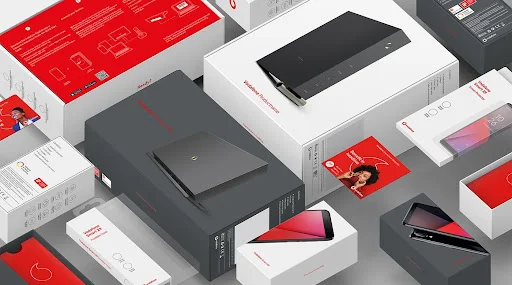
When you design custom rigid boxes to hold your products, you provide your brand with a huge bonus amid a jumbled retail market. The most common error that many business owners commit is that they tend to hurry their choices when it comes to packaging at the last moment. The results are usually either an oversized container or one that is too frail to endure shipping.
Making a good planning stage would entail being able to measure your items properly, looking at the various paper choices, and selecting secure closing systems. The safety which is achieved through the use of these thick cardboard custom rigid boxes is very high and can not be emulated by the conventional folding carton. When you pay attention to the internal details at an early stage, you provide an unboxing experience that will be remembered and told by the customers.
Product Measurement Steps
The very first step towards the perfect fit is to get the accurate measurements of your merchandise. You must take the maximum length, width and depth of your item in the widest areas. In case your product is of an irregular shape, you have to consider the sticking out edges so that nothing would be pressed against the box wall.
And just a little additional breathing space will enable protective cushioning materials to slide into position. Precision in measurements would make the factory produce a container which can hold your product firmly without it being thrown around. Close and fitting strings avoid the knocking of items and damage when they have a tight, correct fit during rough transit journeys.
Structural Board Grade
The thickness of the greyboard material that you choose is the determining factor of the internal strength of your heavy container. The axis on which manufacturers measure this structural board in points or millimetres is to gauge the overall stiffness of the walls. Offensive or delicate products, such as glass bottles and electronics, will use a more robust, higher-quality board so that the walls do not concave into themselves.
Light products can make use of a slightly thinner board, which can reduce your material costs and shipping weights. Being careful in the selection of the thickness helps in keeping the box in its sharp, clean edges, even when it is stacked or placed under a larger weight of packages. This option is the literal basis of your whole premium packaging package.
Outer Paper Wrap
What you wrap your package in will be your visual branding and will also provide a final texture to the package. You have the option of standard art papers that accept full-colour printing wonderfully or customized papers. There are specialties such as recycled kraft papers, soft touch surfaces or papers resembling fine fabric material. The outer wrap entirely envelops the industrial greyboard and curves around the edges, creating an unblemished, smooth look.
The paper weight has to be chosen considering that it should be able to bend around corners that may be sharp, but should not crack or tear during the construction. In building the product, this is the first layer that the customer sees and touches, hence the initial psychological tone of the product inside.
Custom Insert Layout
One inner tray has kept your product in the middle and in the most beautiful position just as the lid is lifted open. You may make inserts of dense foam, moulded plastic pulp or sustainable die-cut layers of cardboard. The insert must reflect the shape of your object exactly, such that there is no rattling as the package is shaken.
In kits containing more than one part, such as a perfume bottle and a tube of lotion, individual slots hold all the items well in place. Well-arranged interior design demonstrates to the shopper that you are concerned with the minutest aspects of your product display. Sudden shocks and vibrations, which occur during delivery truck trips, also get absorbed in this additional layer.
Lid Style Selection
Choosing a custom two piece rigid boxes wholesale how the box is opened alters the whole way of interaction with your customer. You may use a standard lift-off lid, a magnetic flip top or a contemporary sliding drawer format design. Full-cover lift-off lid provides the traditional luxury touch, which is effective with large gift items and board games.
The closed lids that have concealed magnetic closures are firm and enable individuals to use the container again as a personal storage unit at a different time. The form of opening, just like how individuals use and get your product in their everyday lives, should be matched to that of the product. The appropriate choice of lid movement will assist in creating a sense of anticipation in the first step of the unboxing stage.
Branding Design Placement
By putting your logo and your brand artwork in the right position, you can be sure that your message will be read even when standing on the shelf in a retail shop. The choice of whether to place your main logo at the top central lid or text at the side panels should be made. Easy maintenance of the site by maintaining simplicity has the tendency of giving a more classy appearance compared to adding a lot of pictures into the area, which may confuse and clutter.
Contrasting colours will enable your brand name to stand out from the background paper shade. It assists in visualizing how the box will appear when stacked, not on a display table but vertically. Effective artwork placement will automatically tend to focus the gaze on the most significant information about your business identity.
Special Finish Options
Using special finishing techniques gives a feeling or touch that makes people desire to pick part of your package. You also have the option of foil stamping to give the main brand logo or product name a luminous metallic capital. Embossing causes certain design features to stick upwards on the surface, with spot UV coating providing a glossy texture to chosen flat parts.
These finishes play off the overhead retail lighting to grab the attention of passing shoppers embarrassingly. Such subtle hinting insinuates that what is contained within is worth the high price mark. Coupling a matte paper wrap and some shiny foil accent will result in an attractive appearance.
Final Factory Prototype
Placing a physical order with your manufacturer can remove an expensive error before beginning mass production. Blank structural prototype: This enables you to check the actual fit of your product on the custom insert. You have the option of testing the rate at which the lid releases the vacuum and feeling the materials with your hands.
This phase will allow you to drop-test your package, so that you can be certain that the internal parts internally protect the item against the impact of the real world. It is easy, and only a few minor modifications are required on a single sample, and thousands of false boxes will be saved. By trying the prototype, you have one hundred percent confidence that the production run will be just as good (meeting your standards).
Conclusion
Planning how you will store the items in custom boxes with logo provides your items with protection, hence enhancing your presence in the market. It involves the balancing of the right measurements of material that is durable and sound, lid design styles and exquisite finishing touches. Hurrying up these decisions will only get you poor packing that cannot impress the customer or retain the products in order.
Being systematic will mean that every dollar you use up in packaging is one that supports your objective in your retail business directly. The appropriate box generates a great feeling of positivity that begins when the package is delivered by the driver. Finally, taking time on the planning process will lead to a better product presentation that will culminate in customer loyalty in the long run.


