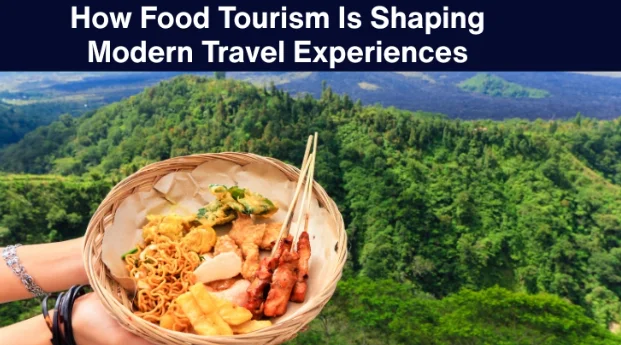
How Food Tourism Is Shaping Modern Travel Experiences
Traveling is no longer just about going somewhere; it is about experiencing the culture and local foods. From Italian pasta to Thai street food to seafood markets in Japan, travelers increasingly use food as a way to connect with local traditions. This has made food tourism one of the fastest-growing sectors of the global travel industry.
As travelers become more conscious about quality and sustainability, interest in organic and locally sourced food continues to grow. This trend is also reflected in the Organic Food and Beverage Market (Mercado de Alimentos y Bebidas Orgánicos), which highlights the rising global demand for healthier and more authentic food choices.
Before, people mainly visited historical landmarks and famous attractions. Today, modern travelers seek genuine experiences. They want to know where locals eat, learn traditional recipes, and hear the stories behind the dishes they enjoy. Because of this, food has become a major factor influencing travel decisions around the world.
Why Food Tourism Is Growing Rapidly
Today’s travelers are becoming more inquisitive than ever. Rather than visiting popular tourist sites, they look for meaningful experiences that would enable them to relate to the local community.
Food is a natural way of doing this. Different regions have different types of ingredients, ways of cooking and their own traditions, formed over many years. In most cases, an authentic meal represents the culture and lifestyle of a place.
Also, technology plays a role in making food tourism a popular trend. Travel blogs, YouTube channels, Instagram and Tiktok videos often feature hidden restaurants, local cafes and meals that motivate millions of people to travel.
As tourists keep looking for authentic experiences, local food has become one of the major attractions of any destination.
Food Reflects Local Culture
Tourist attractions that focus on food are popular because food can be reflective of a culture’s history.
Every culture has traditional recipes that have been passed down for generations, but the use of local ingredients and cooking styles, as well as family traditions, create regional dishes that can only be eaten where they are made.
For instance, when you eat sushi in Japan; it is not just about the sushi, but you are also experiencing the culture, hospitality, and tradition in regards to eating scrumptious sushi.
The same goes for handmade pasta in Italy or the experience of eating authentic tacos in Mexico, both of these experiences will give the visitors insight into their way of life, beyond any travel guidebook description.
Food allows tourists and locals to have conversations that are memorable, during the course of the visitor’s trip.
Culinary Experiences Are Becoming More Popular
Today’s tourists want more than simply eating at restaurants.
Many travelers now include culinary activities in their itineraries, such as visiting farmers’ markets, joining cooking classes, exploring vineyards, or learning how traditional desserts are prepared.
These experiences help visitors appreciate local agriculture, traditional cooking techniques, and regional ingredients.
Cooking with local families or participating in food festivals often becomes the highlight of an entire vacation because it offers genuine cultural interaction.
Destinations around the world are investing more in culinary tourism because it encourages visitors to stay longer and spend more within local communities.
Supporting Local Businesses Through Food Tourism
The other significant contribution of gastronomic tourism is its ability to boost local economies.
Rather than visiting fast-food chains, tourists tend to go for family-run restaurants and cafés, street food stalls, and local markets.
This directly supports:
- Local farmers
- Small restaurants
- Traditional chefs
- Fishermen
- Food artisans
- Regional producers
As tourism grows, these businesses create employment opportunities while preserving traditional recipes that might otherwise disappear.
Many governments have recognized this opportunity and now organize food festivals and culinary events to promote regional cuisine.
Sustainable Food Tourism Matters
Today’s travelers are becoming more environmentally aware.
More and more consumers like to visit places where local food is served and organic ingredients are used.
Farm to table is becoming popular because it helps save money on transportation and support local farms.
Tourists visiting places with organic restaurants are increasing.
This can be attributed to the changing consumer demands.
Industry research, including studies on the Tourism Market (Mercado de Turismo) and the Organic Food and Beverage Market, highlights the increasing interest in authentic food experiences, healthier lifestyles, and sustainable travel choices.
Technology Is Transforming Food Tourism
Technology has made discovering local food much easier.
Travelers can now find highly rated restaurants, read reviews, book cooking classes, and locate hidden food markets within minutes using travel apps and search engines.
Artificial intelligence is also improving travel planning by recommending restaurants based on dietary preferences, budgets, and previous travel behavior.
However, many experienced travelers still believe that asking local residents for recommendations often leads to the most authentic dining experiences.
Technology may simplify planning, but personal interactions continue to create unforgettable travel memories.
Tips for Enjoying Authentic Food While Traveling
To experience the best local cuisine during your trip:
- Visit neighborhood restaurants instead of tourist hotspots.
- Explore local food markets early in the morning.
- Try seasonal dishes prepared with fresh ingredients.
- Join local cooking classes.
- Attend regional food festivals whenever possible.
- Ask residents where they usually eat.
- Respect local dining customs and traditions.
These simple habits often lead to the most memorable culinary experiences.
The Future of Food Tourism
Food tourism is on the rise, as consumers now place a higher priority on authenticity than luxury when seeking out their next travel experience.
Travellers are increasingly looking for experiences that help them understand the culture of a place, meet the local people, and create shared memories through cooking and eating together while visiting these places.
Regions that maintain their traditional cuisine and promote responsible and environmentally friendly tourism will continue to draw in international visitors from all over the world.
Restaurants, tourism boards and the surrounding community are increasingly collaborating to showcase area-specific culinary traditions, foods and ingredients, as well as to celebrate the cultural heritage associated with them.
As the travel industry continues to evolve, food remains one of the main reasons why people are exploring new destinations.
Conclusion
Food tourism has transformed modern travel by connecting people with culture, history, and local communities through authentic culinary experiences. Every destination offers unique flavors that help travelers understand its traditions while supporting small businesses and preserving regional heritage.
The growing demand for authentic food experiences also reflects broader industry trends. According to Informes de Expertos, research on the Tourism Market (Mercado de Turismo) and the Organic Food and Beverage Market shows increasing consumer interest in sustainable travel, locally sourced food, and meaningful cultural experiences. As these trends continue to shape the tourism industry, food tourism will remain one of the most valuable ways to explore the world.
FAQs
1. What is food tourism?
Food tourism is traveling to experience local cuisine, traditional dishes, cooking methods, and authentic culinary culture.
2. Why is food tourism becoming popular?
Travelers increasingly prefer authentic cultural experiences, and local food provides a unique way to connect with a destination.
3. How does food tourism support local communities?
It helps local restaurants, farmers, chefs, food vendors, and small businesses generate income while preserving regional traditions.
4. What role does sustainability play in food tourism?
Sustainable food tourism encourages the use of local ingredients, supports nearby farmers, reduces food waste, and promotes environmentally responsible travel.
5. How do market trends support the growth of food tourism?
Industry research, including reports from Informes de Expertos on the Tourism Market (Mercado de Turismo) and the Organic Food and Beverage Market (Mercado de Alimentos y Bebidas Orgánicos), indicates that consumers increasingly value authentic, healthy, and sustainable travel experiences.