
Things to Do in Istanbul: The Dome of Hagia Sophia, the Courtyards of Topkapi Palace and the Ferries of the Bosphorus
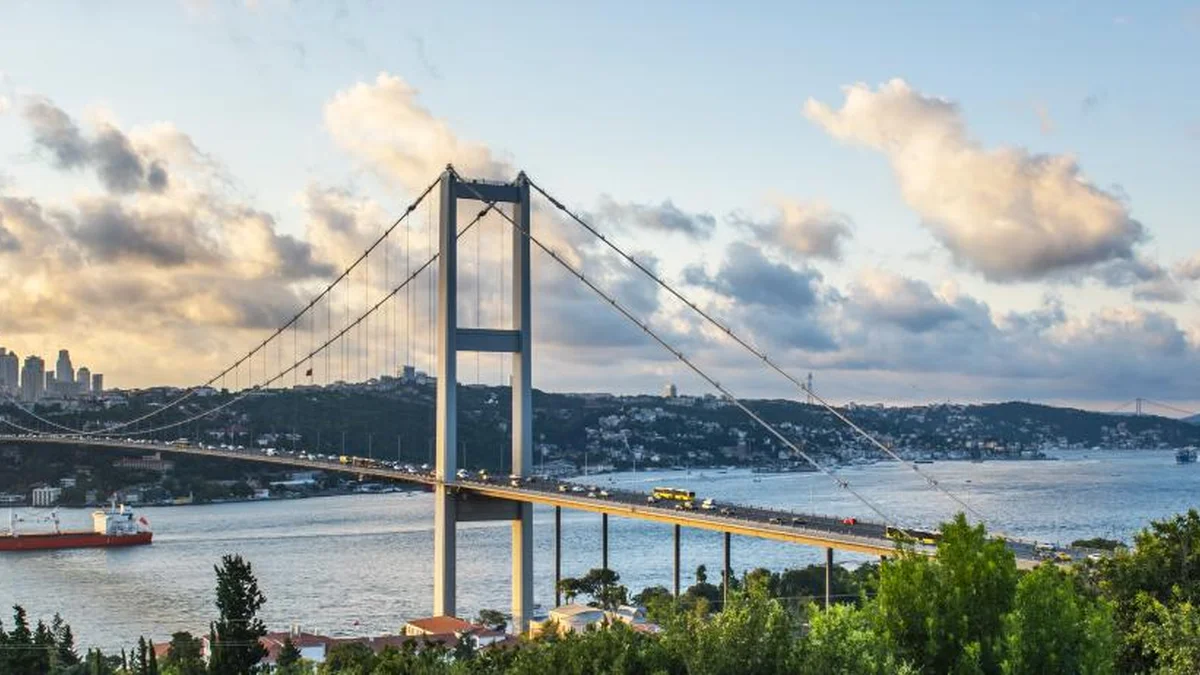
Stand on the Galata Bridge at dawn and the city explains itself: minarets and domes on the European hill ahead, the tower of Galata behind, ferries stitching the Bosphorus between two continents. The best things to do in Istanbul move between those two shores and two empires, the Byzantium of Justinian and the Ottoman capital…
Stand on the Galata Bridge at dawn and the city explains itself: minarets and domes on the European hill ahead, the tower of Galata behind, ferries stitching the Bosphorus between two continents. The best things to do in Istanbul move between those two shores and two empires, the Byzantium of Justinian and the Ottoman capital of Suleyman the Magnificent.
This guide ranks the eight sights to build a first trip around, then adds three more worth your time, costs, itineraries and the practical detail that decides a day here: prayer times, closing days and ticket booths. Prices are printed only where an official page states them, in Turkish lira or in euros exactly as the official tariff gives them. Istanbul is a Muslim majority city and halal food is the everyday norm, so the eating section maps named kitchens in Sultanahmet and Fatih.
Istanbul at a Glance

| Country | Turkey |
| Region | The Bosphorus strait, where Europe meets Asia |
| Best for | First time visitors, history lovers, families and food travellers |
| Famous for | Hagia Sophia, the Blue Mosque, Topkapi Palace and the Grand Bazaar |
| Currency | Turkish lira (TL); some state sights price foreign visitor tickets in euros |
| Getting around | T1 tram, metro, Marmaray and Sehir Hatlari ferries on one Istanbulkart |
| Halal food | The local norm across the city; named kitchens are mapped below |
| Prayer | The Blue Mosque, Suleymaniye Mosque, Eyup Sultan Mosque and the Hagia Sophia Grand Mosque anchor the prayer map below |
Quick Picks

Best Iconic Sights
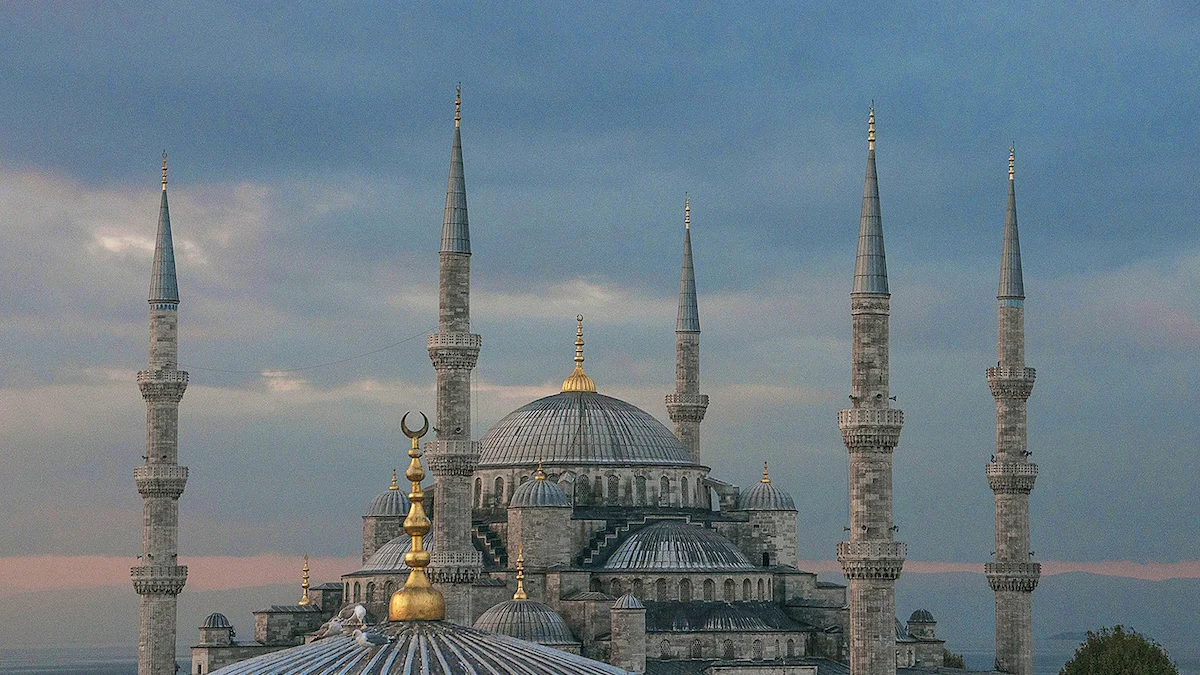
- Hagia Sophia from the upper gallery
- The Blue Mosque between prayers
- The courtyards of Topkapi Palace
- The Grand Bazaar on a weekday morning
Best for Families
- The Basilica Cistern and the Medusa heads
- The Sehir Hatlari short Bosphorus tour
- The Archaeology Museums and the Alexander Sarcophagus
- Galata Tower at opening time
Best Free and Low Cost
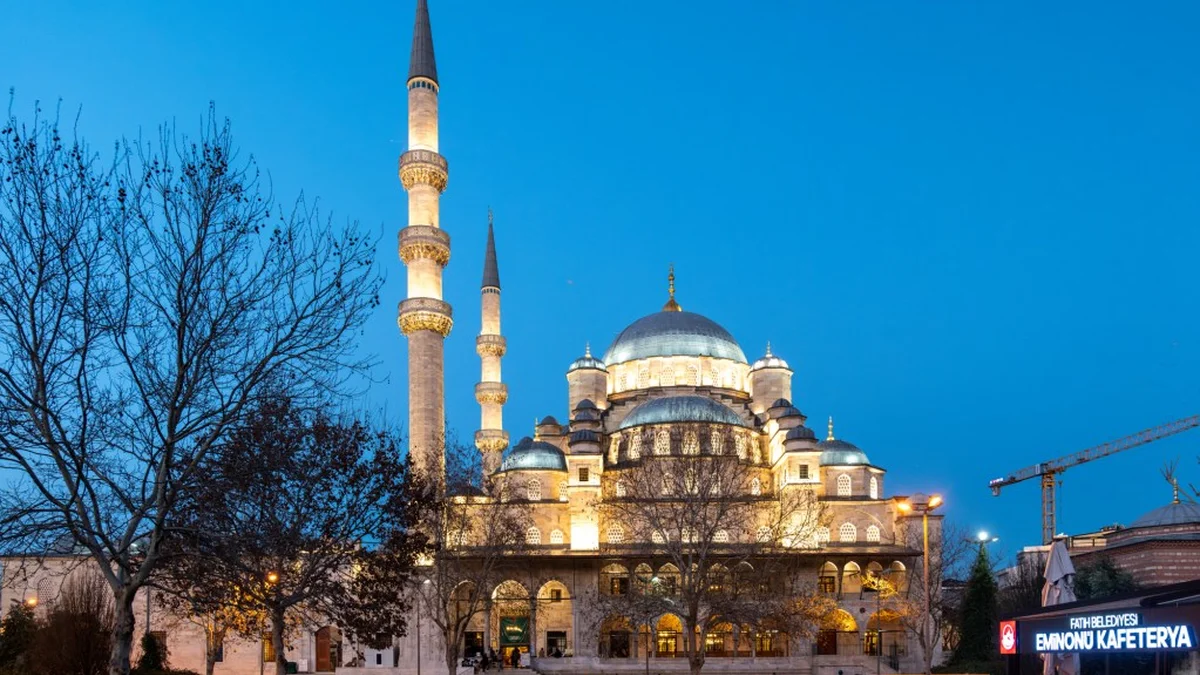
- The Blue Mosque, free
- Suleymaniye Mosque and its terrace, free
- The Grand Bazaar and Spice Bazaar, free entry
- The Uskudar shore and the Maiden Tower view, free
The Top Things to Do in Istanbul

The eight sights below are ranked for a first visit, each with its verified address, its official price and the timing that matters, because in Istanbul the prayer clock and the closing day shape the plan as much as the map. Food is a sight in its own right here, and the wider story in how food tourism is shaping modern travel sets up the Istanbul kitchens mapped in Where to Eat below.
1. Hagia Sophia: The Dome Above Two Empires

Best for

The essential sight of Istanbul and one of the great buildings of the world, visited today in two channels: worship in the prayer hall, sightseeing in the gallery.
Address: Ayasofya Meydani 1, Sultanahmet, 34122 Fatih. Sultanahmet tram stop on the T1 line is a five minute walk away.
The Emperor Justinian raised Hagia Sophia between 532 and 537, and for nearly a thousand years it stood as the largest cathedral in the world. The dome spans about 31 metres and seems to float on a ring of forty windows. The building became a mosque in 1453, a museum in 1935 and a working mosque again in 2020.
The visit runs in two channels, and knowing them saves the day. Worshippers enter the ground floor prayer hall free of charge through the door on Sultanahmet Square at prayer times. Sightseeing visitors buy a ticket and climb to the upper gallery, where the great mosaics survive: the Deesis panel of Christ with Mary and John the Baptist, and the view down the nave to the mihrab and the giant calligraphy medallions.
Do not miss

The Deesis mosaic in the south gallery, the view into the nave from the gallery rail, and the eight giant calligraphy medallions seen from above.
Practical info

Foreign visitors pay 25 euros for the gallery ticket at the booth opposite the Fountain of Ahmed III, children under 8 enter free, the official online seller is DEM Museums, and the Museum Pass Istanbul is not valid here. The visitor route pauses around the five daily prayers and closes on Fridays between 12:30 and 14:30. Dress as for any mosque, and bring your own scarf. Allow 1 to 2 hours.
Arrive at opening and climb straight to the gallery, before the day groups fill the rails.
Insider tip
2. The Blue Mosque: Six Minarets Above the Hippodrome

Best for
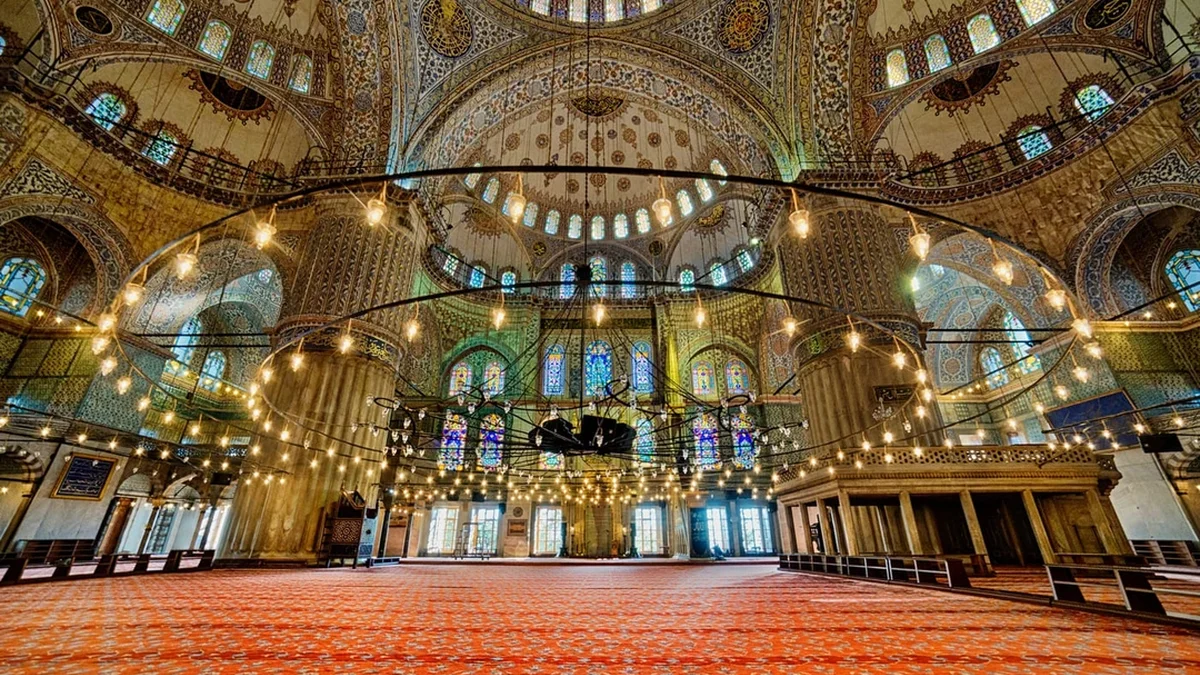
The working mosque of the postcards, free to enter and at its best between prayers.
Address: At Meydani Caddesi No:10, Sultanahmet, 34122 Fatih, facing Hagia Sophia across the gardens of Sultanahmet Square.
Sultan Ahmed the First commissioned the mosque as a teenager and it rose between 1609 and 1616 under Sedefkar Mehmed Aga, a pupil of the great Sinan. The six minarets caused a stir at the time, the story goes, because the mosque at Makkah also had six, and the sultan funded a seventh minaret there to settle the matter.
Inside, more than 20,000 handmade Iznik tiles in blue, green and turquoise climb the walls in patterns of tulips, roses and cypress trees, lit by more than 200 windows. The main dome spans about 23 metres at a height of about 43 metres. The courtyard matches the prayer hall in size, a balance found in no other imperial mosque of the city.
Do not miss

The tile panels at eye level, the full scale courtyard, and the square at dusk, when both great mosques are lit.
Practical info

Entry is free. Visitors are received outside the five daily prayers, and the mosque closes to visitors for about ninety minutes around each prayer; on Fridays the visitor entrance reopens at about 14:30. Dress modestly, women cover their hair, and scarves are lent free at the visitor entrance. Shoes come off at the door. Allow about 1 hour.
Pair the Blue Mosque with Hagia Sophia before 10:00: across the gardens, the two buildings read as one composition.
Insider tip
3. Topkapi Palace: The City Within the City of the Sultans

Best for
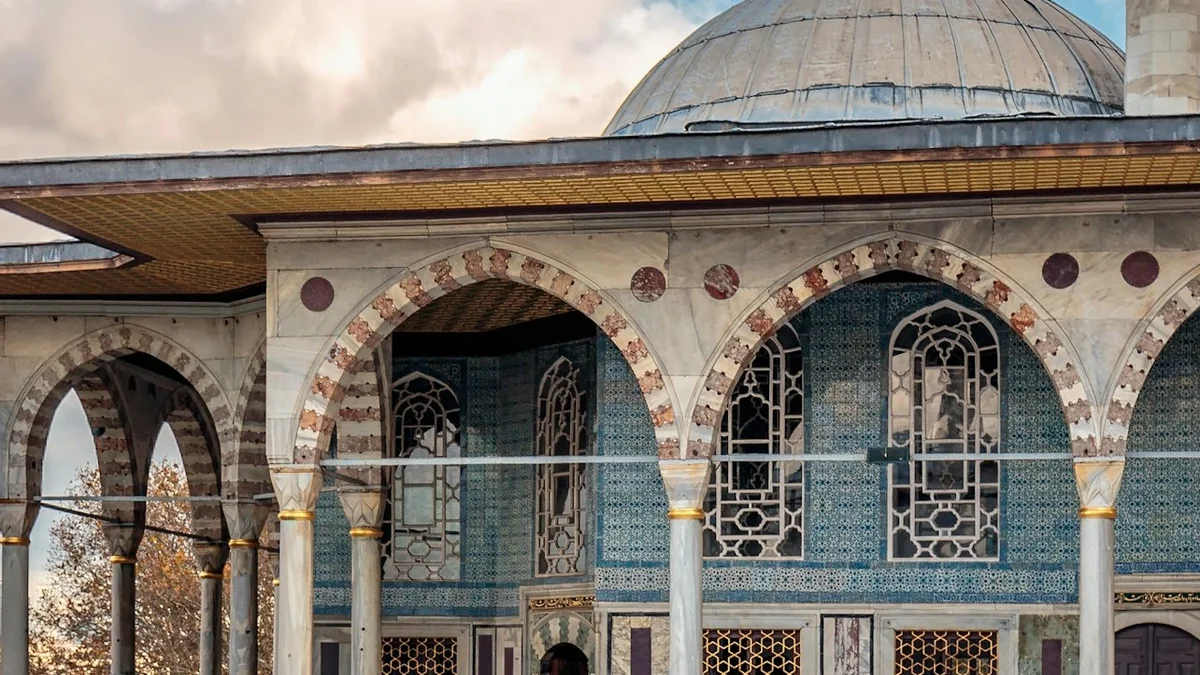
Half a day of Ottoman power at close range: courtyards, a treasury of legend, the holy relics and the tiled rooms of the Harem.
Address: Cankurtaran, Bab-i Humayun Caddesi, 34122 Fatih, behind Hagia Sophia. Gulhane tram stop on the T1 line is the nearest.
Mehmed the Second raised the palace after the conquest, building between 1460 and 1478 on the Sarayburnu headland where the Bosphorus meets the Golden Horn. For nearly four centuries this was the seat of government and the home of the sultans, a small city of courts and gardens covering about 700,000 square metres at its height.
The Imperial Treasury holds the Spoonmaker Diamond of 86 carats and the jewelled Topkapi Dagger, while the Chamber of the Holy Relics keeps the mantle and relics of the Prophet Muhammad in a hushed, dim room. The palace kitchens display one of the finest collections of Chinese porcelain outside China, and the Harem unfolds in tiled courtyards and royal apartments. In the first courtyard stands Hagia Irene, among the oldest churches of the city, never converted into a mosque.
Do not miss
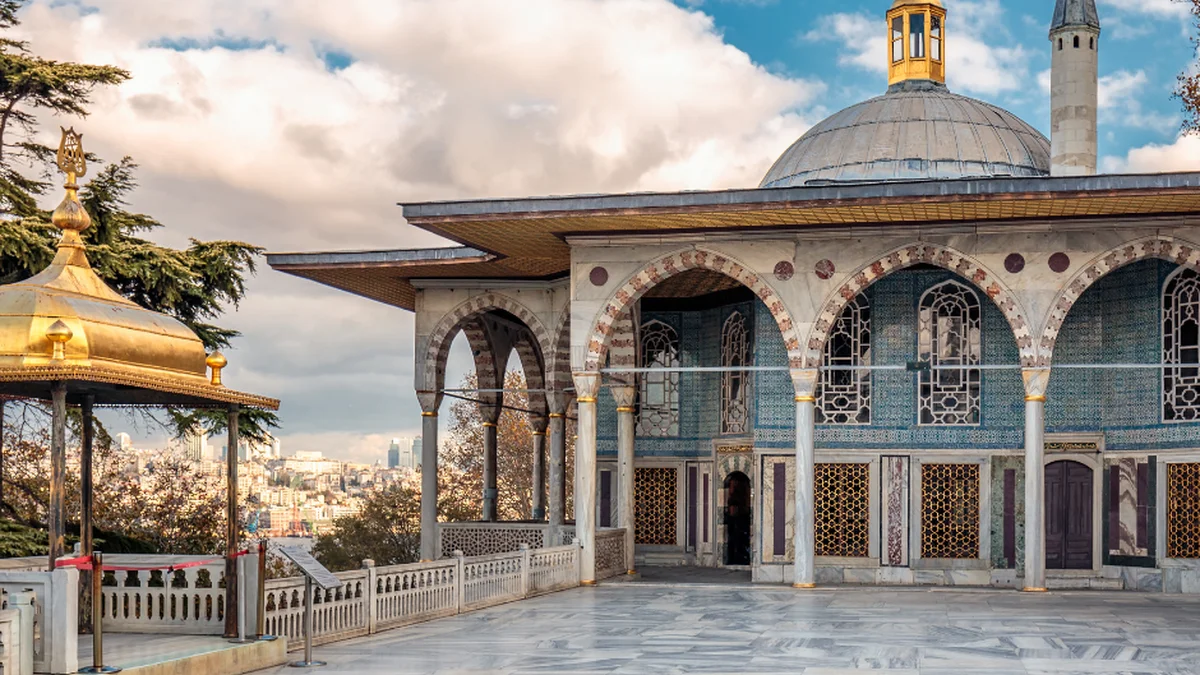
The Chamber of the Holy Relics, visited slowly and in silence; the Treasury; and the Fourth Courtyard terrace.
Practical info

The combined ticket for foreign visitors is 2,750 Turkish lira, covering the palace, the Harem and Hagia Irene; a Harem only ticket is 1,050 Turkish lira, children under 6 enter free, and students aged 7 to 25 receive discounts. The combined ticket is valid for one day, and the Harem and Hagia Irene sit outside the Museum Card, so the combined ticket is the sane purchase. The palace is closed on Tuesdays. Allow 3 to 4 hours.
Go straight to the Harem at opening, then work back out through the Treasury and the relics.
Insider tip
4. Basilica Cistern: The Sunken Palace Beneath Sultanahmet

Best for

The cool, strange half hour of the old city: a forest of marble columns standing in water under the streets.
Address: Alemdar, Yerebatan Caddesi 1/3, 34110 Fatih, about a hundred metres from Hagia Sophia.
The Emperor Justinian built the cistern in 532 to hold water for the Great Palace, and the scale is imperial: 336 marble columns in 12 rows of 28, a floor of about 9,800 square metres and a capacity of roughly 80,000 tonnes of water. The columns were gathered from older buildings across the empire, which is why no two capitals quite match. A basilica stood above the reservoir and gave the place its name.
A long restoration has added raised walkways, changing light and contemporary sculpture between the columns, and the water mirrors the pillars in near silence. At the far corner stand the two famous Medusa heads, one set upside down and one on its side, recycled as column bases fifteen centuries ago. Near them glistens the Weeping Column, carved with tears for the workers who died in the building.
Do not miss

The two Medusa heads, the Weeping Column, and the end platform when the lights shift colour.
Practical info

The cistern is open every day from 09:00 to 22:00 on the official site, running a daytime session and a separate evening session at a higher rate. It is run by the city rather than the ministry, so the Museum Pass Istanbul does not cover it; foreign visitor rates are set in lira and revised through the year, and the current tariff is printed on the official site linked below. There are 52 steps down. Allow 30 to 45 minutes.
Visit at the 09:00 opening or in the evening session, and walk to the far platform first.
Insider tip
5. The Grand Bazaar: The Covered City of Shopping

Best for

The great bazaar morning: jewellery, carpets, ceramics, leather and lamps in a vaulted maze.
Address: Kalpakcilar Caddesi, Beyazit, 34126 Fatih. The T1 tram stops at Beyazit-Kapalicarsi and at Cemberlitas, one at each end of the bazaar hill.
Mehmed the Second founded the first bedesten, the vaulted stone core of the market, in the years after 1455, and the bazaar grew around it into one of the oldest and largest covered markets in the world. Today about 61 streets run under painted vaults past more than 4,000 shops, with courtyard hans.
The lanes are organised by trade, a map that still works: the goldsmiths hold Kalpakcilar Caddesi, the carpet dealers cluster by the old bedesten, and leather, ceramics, lamps and textiles keep their streets. Prices open high and tea arrives while you think, and both are part of the ritual; a polite counter offer and a smile close most deals.
Do not miss

The Inner Bedesten at the heart of the market, the goldsmiths street at full gleam, and a working courtyard han such as Zincirli Han.
Practical info
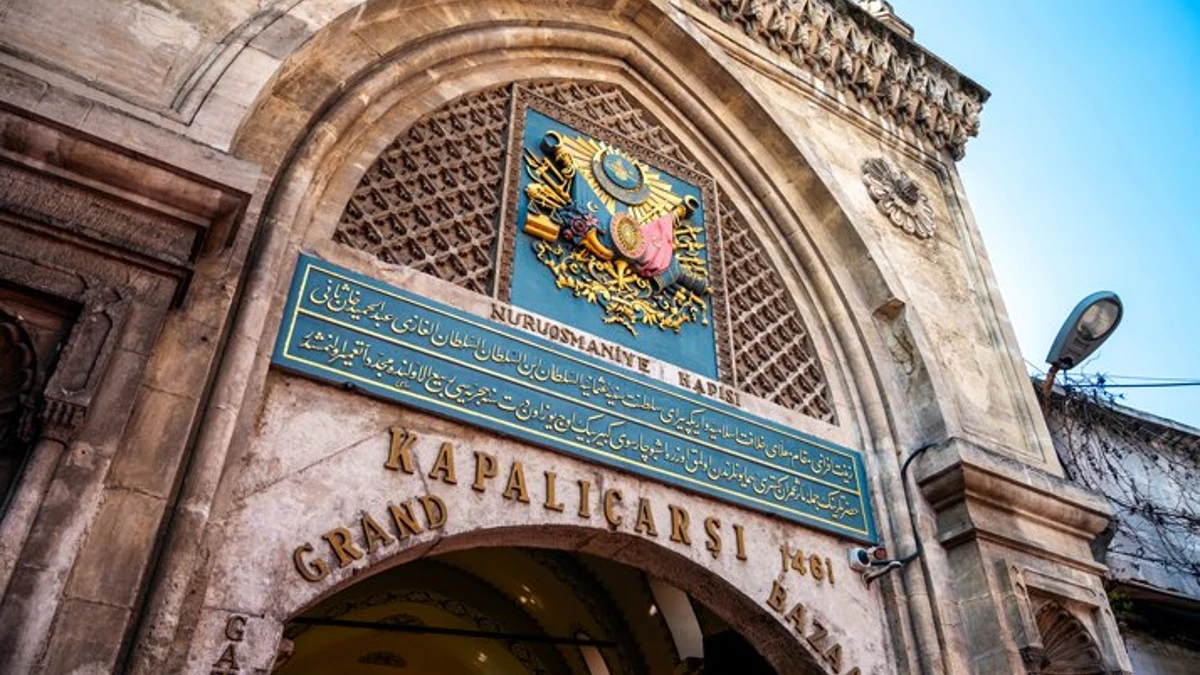
Entry is free. The bazaar opens from 08:30 to 19:00, Monday to Saturday, and closes on Sundays and on religious holidays, so give it a weekday morning when the lanes run quiet. Allow 2 to 3 hours, and agree every price in full before goods are wrapped.
Fix your maximum price before you sit down for tea: the first price in the Grand Bazaar is an opening offer, never the price.
Insider tip
6. Dolmabahce Palace: The Bosphorus Palace of Crystal and Marble

Best for

The grand finale of the palace trail: a nineteenth century waterfront palace of European dress and Ottoman ceremony.
Address: Dolmabahce Caddesi, Visnezade, 34357 Besiktas, on the Bosphorus shore a short walk from Kabatas, the terminus of the T1 tram.
Sultan Abdulmecid moved the court out of Topkapi and built Dolmabahce between 1843 and 1856 on filled shore land, dolma bahce, the filled garden. The Balyan family of architects dressed an Ottoman house plan in Baroque, Rococo and Neoclassical stone, and the result is the largest monoblock palace in Turkey, with 285 rooms and 44 halls.
The Ceremonial Hall holds a crystal chandelier of four and a half tonnes, among the largest in the world, and the Crystal Staircase climbs between balustrades of Baccarat glass. The Painting Museum in the Crown Prince apartments shows the seascapes of the palace painters. Mustafa Kemal Ataturk used the palace as his Istanbul residence and died here on 10 November 1938; the clocks of the palace stand stopped at 09:05, the hour of his death.
Do not miss

The Ceremonial Hall from the gallery rail, the Crystal Staircase, and the waterfront gate at the end of the gardens.
Practical info

The combined ticket for foreign visitors is 2,000 Turkish lira, covering the Selamlik state rooms, the Harem and the Painting Museum, and children under 6 enter free. The palace opens from 09:00 to 17:00 and closes on Mondays, with the ticket office open until 17:00; the Museum Pass is not valid for the Selamlik. Allow 2 to 3 hours.
Walk the shore path from Kabatas and do the palace before the day groups arrive.
Insider tip
7. Galata Tower: The Panorama Above the Golden Horn

Best for

The view that explains the city from the terrace, best taken at the 08:30 opening or in the evening session.
Address: Bereketzade, Buyuk Hendek Caddesi No:2, 34421 Beyoglu. Sishane metro station on the M2 line is two minutes away.
A watchtower stood on this hill in Byzantine times, and the Genoese raised the present tower in 1348 as the strong point of the walls of Galata, naming it Christea Turris, the Tower of Christ. It served as a fire watch, a prison and an observatory, and a full restoration returned it as a museum with visitor numbers capped in each hour. Every guide tells of Hezarfen Ahmed Celebi, said to have flown from the top across the Bosphorus to Uskudar in the 1630s.
Museum floors on the way up tell the story of Galata and its port, and a lift climbs most of the 67 metres before stairs reach the open terrace. The panorama repays every step: the domes and minarets of the old city across the Golden Horn, the Bosphorus running out to its bridges, the Asian shore beyond, and the ships threading the strait far below.
Do not miss

The full slow circuit of the terrace, and the old city in the golden hour.
Practical info

The tower is open every day from 08:30 to 23:00, with last entry at 22:00, split into a museum session and an evening session. The foreign visitor ticket is 30 euros, bought on muze.gov.tr or at the base, and the Museum Pass Istanbul covers daytime entry only. Visitors under 18 enter with a parent or guardian. Allow 1 to 2 hours.
Book the electronic ticket and arrive for the 08:30 opening, when the terrace holds a fraction of the afternoon crowd.
Insider tip
8. Suleymaniye Mosque: The Masterpiece of Sinan on the Third Hill

Best for
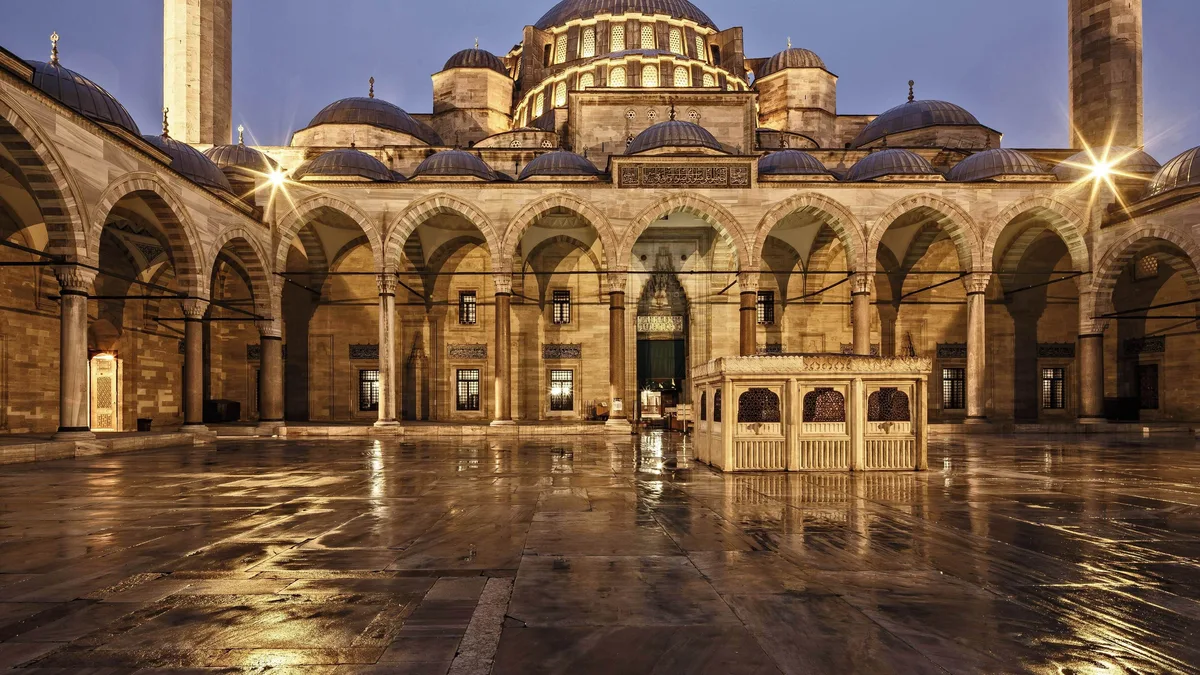
The calm summit of the mosque trail: the greatest Ottoman architect, a garden of royal tombs, and a terrace above the Golden Horn.
Address: Prof. Siddik Sami Onar Caddesi No:1, Suleymaniye, 34116 Fatih. Vezneciler metro station on the M2 line, then a ten to fifteen minute walk uphill.
Sinan built the mosque between 1550 and 1557 for Suleyman the Magnificent and ranked it as the masterpiece of his journeyman years, below only the Selimiye of Edirne that came later. The dome spans 27.5 metres and the four minarets mark Suleyman as the fourth sultan to rule from conquered Istanbul. Around the mosque stood schools, a hospital and a soup kitchen, a whole welfare complex on the third hill.
Inside, the mood is the opposite of the Blue Mosque: restrained tile work, stained glass of great delicacy and a calm geometry of light. In the garden stand the tombs of Suleyman and of Hurrem Sultan, and outside the garden wall Sinan chose his own small tomb. Behind the mosque a broad terrace opens over the Golden Horn to Galata.
Do not miss

The terrace behind the mosque, the royal tombs in the garden, and the modest tomb of Sinan himself at the corner outside the wall.
Practical info

Entry is free. Visitors are welcomed outside prayer times, with visitor entry given as about 08:30 to 16:45 in listings, and on Fridays visitors should plan for after the midday congregation. Dress as for every mosque in this guide, and pair the visit with the Spice Bazaar below the hill. Allow 1 to 2 hours.
Come in the late afternoon: the stone cools, the terrace empties, and the Golden Horn below turns to gold.
Insider tip
More Worth Your Time in Istanbul

Spice Bazaar and Rustem Pasha Mosque: The Edible Souvenirs of Eminonu
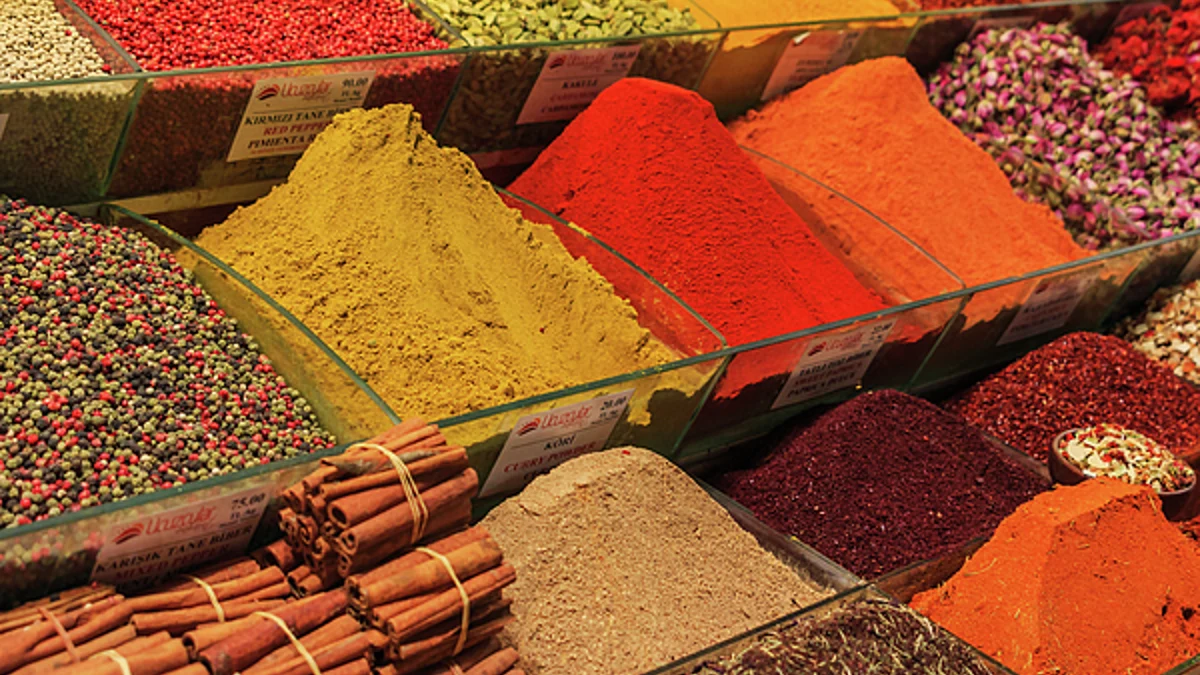
The Spice Bazaar, the Misir Carsisi or Egyptian Bazaar, rose in the 1660s as part of the New Mosque complex at Eminonu, its rents endowing the mosque and its name taken from the goods that arrived from Egypt. The L shaped hall runs with colour: pyramids of spice, dried fruit, teas, nuts and lokum. The bazaar opens daily from 08:00 to 19:30, on Sundays from 09:30, and closes on religious holidays. A few steps away, a plain staircase climbs to the Rustem Pasha Mosque, raised by Sinan in the early 1560s, its walls a gallery of Iznik tiles many judges rate the finest in the city.
Istanbul Archaeology Museums: A Million Objects Beside Topkapi

Three museums share the grounds below Topkapi in Gulhane: the Archaeology Museum, the Museum of the Ancient Orient and the Tiled Pavilion of 1472. The collection runs close to a million objects, and the star is the Alexander Sarcophagus, carved with battles and hunts in surviving paint, recovered from the royal tombs at Sidon in 1887 under Osman Hamdi Bey. The museums open daily from 09:00 to 18:30, the ticket office closing at 17:30; the foreign visitor ticket is 15 euros, and the Museum Pass Istanbul covers the visit.
Uskudar Shore and the Maiden Tower: The Asian Side at Sunset

The ferry from Eminonu crosses to Uskudar in about fifteen to twenty minutes, and the shore promenade there faces the whole old city across the water. The Maiden Tower stands on its islet off the Salacak shore, a lighthouse and landmark loved best from the steps of the promenade, where half the Asian side gathers with tea as the sun drops behind the domes of Sultanahmet. The Mihrimah Sultan Mosque by the pier is another work of Sinan, raised in 1548.
Istanbul Attractions Compared
| Attraction | Area | Ticket | Time needed |
|---|---|---|---|
| Hagia Sophia | Sultanahmet | 25 euros for the gallery | 1 to 2 hours |
| The Blue Mosque | Sultanahmet | Free | About 1 hour |
| Topkapi Palace | Sultanahmet | 2,750 TL combined with Harem and Hagia Irene | 3 to 4 hours |
| Basilica Cistern | Sultanahmet | Current rates on the official site | 30 to 45 minutes |
| The Grand Bazaar | Beyazit | Free | 2 to 3 hours |
| Dolmabahce Palace | Besiktas shore | 2,000 TL combined ticket | 2 to 3 hours |
| Galata Tower | Beyoglu | 30 euros | 1 to 2 hours |
| Suleymaniye Mosque | Third hill, Fatih | Free | 1 to 2 hours |
| The Spice Bazaar | Eminonu | Free | About 1 hour |
| Istanbul Archaeology Museums | Gulhane | 15 euros | 2 to 3 hours |
| Uskudar Shore and Maiden Tower | Asian shore | Free from the shore | 2 to 3 hours |
Istanbul Itineraries

| Length | Where you go | Why it works |
|---|---|---|
| 1 day | Hagia Sophia at the opening of the visitor route, the Blue Mosque late in the morning between prayers, the Basilica Cistern, Topkapi Palace for the afternoon, and the Grand Bazaar before the 19:00 close | The icons of the peninsula in one walkable sweep, sequenced around prayer times and closing days |
| 2 days | Day one as above; day two: Suleymaniye Mosque and the Spice Bazaar in the morning, the Short Bosphorus Tour at 14:40 from Eminonu, and Galata Tower in the evening session | The water and the tower after the palace day, with the mosques of the third hill at a calmer pace |
| 3 days | Add a day trip to the Princes Islands for car free streets and mansion lanes, or to Bursa for the first Ottoman capital, and keep the final evening for the Uskudar shore | The full city plus one day beyond it, answering what to do in Istanbul in 3 days at family pace |
Book Tickets Before You Go

Buy gallery, palace and tower tickets from the official sellers only; resellers add fees to the same entry. Two sights here price in euros and three in Turkish lira, as their official tariffs give them.
| Ticket | Price | Official ticket page |
|---|---|---|
| Hagia Sophia upper gallery | 25 euros | ayasofyacamii.gov.tr official mosque site |
| Topkapi Palace combined ticket | 2,750 Turkish lira | millisaraylar.gov.tr official National Palaces site |
| Basilica Cistern | Current rates on the official site | yerebatan.com official site |
| Galata Tower | 30 euros | galatakulesi.gov.tr official site |
| Sehir Hatlari Long Bosphorus Tour, return | 640 Turkish lira | sehirhatlari.istanbul official ferry site |
Where to Stay in Istanbul
Top 3 hotels in Istanbul
Explore all hotels >
Stay on the historic peninsula for a first trip and the sights fall within walking distance; stay across the Golden Horn or the Bosphorus for the local city. Room rates swing hard with season and are not printed here, so judge each area by character and price level, then book direct.
| Area | Best for | Character | Price level |
|---|---|---|---|
| Sultanahmet | First time visitors | Hagia Sophia and the Blue Mosque on foot, hotels in converted Ottoman houses | High |
| Fatih | Mosques, local food and value | The historic peninsula beyond the sights, halal kitchens on every street | Mid |
| Beyoglu and Taksim | Transport and the modern city | Istiklal Avenue, Galata Tower and the M2 metro at the door | Mid to high |
| Uskudar | A local Asian shore base | Ferries home at sunset, quiet streets and local prices | Mid |
AJWA Sultanahmet

The hotel states a halal approach on its official page and runs its Zeferan restaurant on the same principle. The 61 rooms and suites carry mother of pearl inlay, Tabriz silk carpets and hand painted ceilings at Piyerloti Caddesi No:30, a short walk from the Grand Bazaar.
Sura Hagia Sophia Hotel

A large hotel set in a former Ottoman archive building at Ticarethane Sokak No:10, wrapped in a botanical garden. The location is the luxury here: the great mosques and Topkapi Palace stand within a few minutes on foot, and the Sultanahmet tram stop is about two minutes away.
Where to Eat in Istanbul

Turkey is a Muslim majority country and halal food is the everyday norm: the meat in an ordinary Turkish kitchen is halal as a matter of course, and the question to ask anywhere is simply helal mi, is it halal. That strength runs through the wider story told in how food tourism is shaping modern travel, and it means the famous old kitchens of Sultanahmet and Fatih need no detective work.
Halal Food in Istanbul

Tarihi Sultanahmet Koftecisi Selim Usta at Divanyolu Caddesi No:12 has grilled beef and lamb meatballs since 1920, through four generations of one family. Order the meatballs with piyaz, the white bean salad, pickled peppers and the rice pudding to finish; the doors run from 10:30 to 22:30. STATED HALAL.
Deraliye Ottoman Cuisine at Ticarethane Sokak No:10, a few steps from Hagia Sophia, cooks the palace kitchen of the sultans from researched recipes: mutancana, lamb with dried fruits, almonds and honey; stuffed melon; and almond soup. It opens daily from 12:00 to 23:30. STATED HALAL.
Siirt Seref Buryan on Itfaiye Caddesi at Kadinlar Pazari in Zeyrek, Fatih, beside the arches of the Valens Aqueduct, is the address for buryan, lamb cooked for hours in a sealed pit oven in the style of Siirt in the south east. The meat comes on flatbread with ayran, and perde pilavi, the house special, is a rice pilaf baked inside a pastry crust. Go at lunch, when the pit comes out. HALAL AS THE LOCAL NORM.
Hamdi Restaurant Eminonu at Tahmis Caddesi, Kalcin Sokak No:11 began as a street counter by the New Mosque in the late 1960s, when Hamdi Arpaci arrived from Birecik near Urfa, and grew into the best known kebab house of the Golden Horn. The menu runs the south east: pistachio kebab, Ali Nazik with smoked aubergine and yoghurt, lahmacun, icli kofte and kunefe, with a terrace over the water. HALAL AS THE LOCAL NORM.
Local Dishes

Start with a Turkish breakfast: menemen of eggs, tomato and pepper, simit rings with sesame, olives, cheeses, honey and kaymak cream. The kebab family runs from Adana, minced lamb with pepper, to Iskender, doner sliced over pide under tomato sauce and browned butter. Pide and lahmacun come from the stone oven, balik ekmek is the grilled fish sandwich of the Eminonu boats, and the sweet finish is baklava, kunefe and lokum, Turkish delight, from the Spice Bazaar. The phrase to carry is sadece helal yerim: I only eat halal.
Mosques and Prayer Facilities in Istanbul
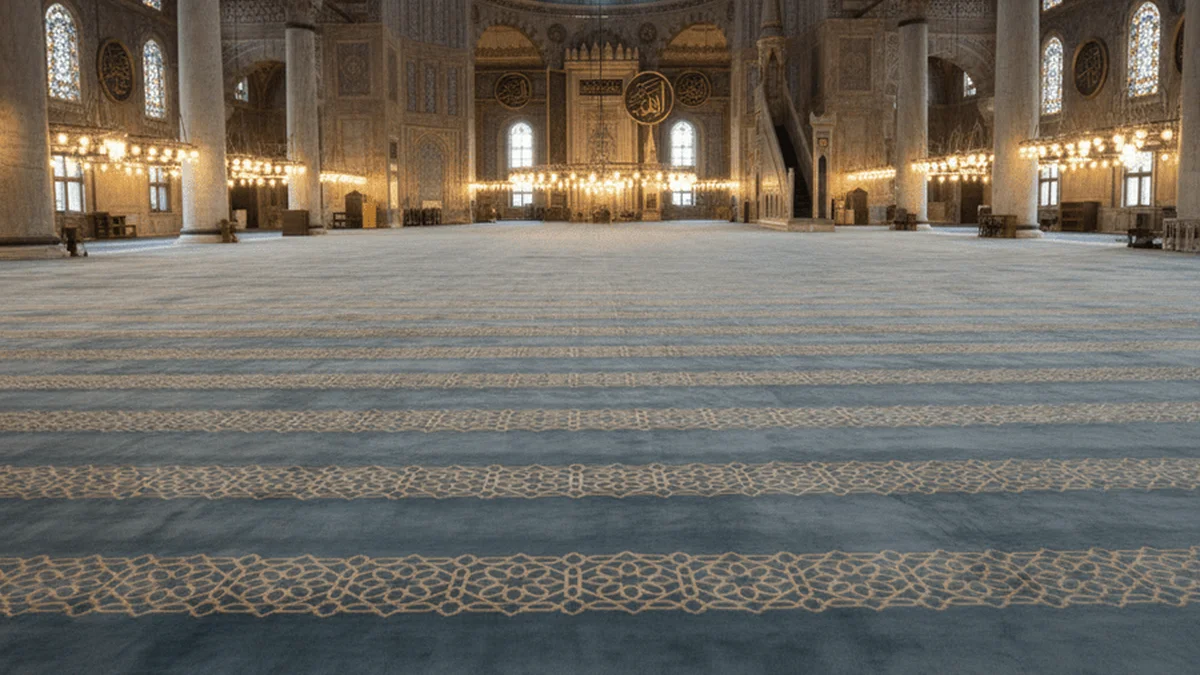
Prayer is the easiest part of an Istanbul trip to plan, because the city counts its mosques in the thousands. The four anchors below are the names to build around, and prayer rooms also serve the big stations and both airports.
The Blue Mosque (Sultan Ahmed Mosque), At Meydani Caddesi No:10 in Sultanahmet, holds the five daily prayers and receives visitors between prayers, as its section above sets out. The Hagia Sophia Grand Mosque, Ayasofya Meydani 1, is a working mosque first: worshippers enter the prayer hall free at prayer times, while sightseeing runs through the gallery ticket. Suleymaniye Mosque, Prof. Siddik Sami Onar Caddesi No:1, crowns the third hill. Eyup Sultan Mosque in the Eyupsultan district guards the tomb of Abu Ayyub al-Ansari, the companion and standard bearer of the Prophet Muhammad, and draws pilgrims from across Turkey; the cable car from the square climbs to Pierre Loti Hill above it. On Fridays every mosque fills at midday, so place museum visits at that hour.
Getting Around Istanbul

| Mode | Cost | Good to know |
|---|---|---|
| T1 tram | 46.20 TL per ride on Istanbulkart | The spine of the old city: Kabatas, Karakoy, Eminonu, Sultanahmet and Beyazit |
| Metro and Marmaray | 46.20 TL standard ride; Marmaray priced by distance | The M2 serves Vezneciler and Sishane; Marmaray dives under the Bosphorus to Uskudar |
| Sehir Hatlari city ferries | Fares by route on the official fare list | Eminonu to Uskudar or Kadikoy in about twenty minutes of skyline |
| Sehir Hatlari Bosphorus tours | 340 TL short tour; 640 TL long tour return, foreign visitor fares | The long tour leaves Eminonu at 10:35 daily, with about two and a half hours ashore at Anadolu Kavagi |
| Istanbulkart | 165 TL for the card, then load credit | One card taps for up to five travellers in turn; buy it at Biletmatik machines in stations |
| Taxis | Metered | Insist on the meter and expect traffic, not distance, to set the time |
Istanbul Airport (IST) stands about 45 kilometres north west of the old city, reached by the M11 metro and by Havaist buses. Sabiha Gokcen Airport (SAW) serves the Asian side, with the M4 metro running into Kadikoy. Land, load the Istanbulkart, and let the tram do the old city.
What a Day in Istanbul Costs

The mosques and bazaars are free, so a budget day turns on the tours and palaces. Two sights price in euros, Hagia Sophia at 25 euros and Galata Tower at 30 euros, and sit outside this lira table.
| Category | Budget day | Comfortable day |
|---|---|---|
| Sightseeing entries | About 340 Turkish lira (the mosques and bazaars are free; the Short Bosphorus Tour is the paid treat) | About 4,750 Turkish lira (Topkapi Palace at 2,750 TL and Dolmabahce Palace at 2,000 TL) |
| Transport | About 185 Turkish lira (four Istanbulkart rides) | About 600 Turkish lira (trams plus taxis between clusters) |
| Lunch | About 400 Turkish lira (meatballs and piyaz at Tarihi Sultanahmet Koftecisi) | About 900 Turkish lira (an Ottoman set lunch at Deraliye) |
| Dinner | About 600 Turkish lira (buryan kebab at Siirt Seref Buryan) | About 1,200 Turkish lira (kebabs on the terrace at Hamdi Restaurant) |
| Total for the day | About 1,500 Turkish lira | About 7,500 Turkish lira |
Best Time to Visit Istanbul
| Season | Months | What you get | Crowds |
|---|---|---|---|
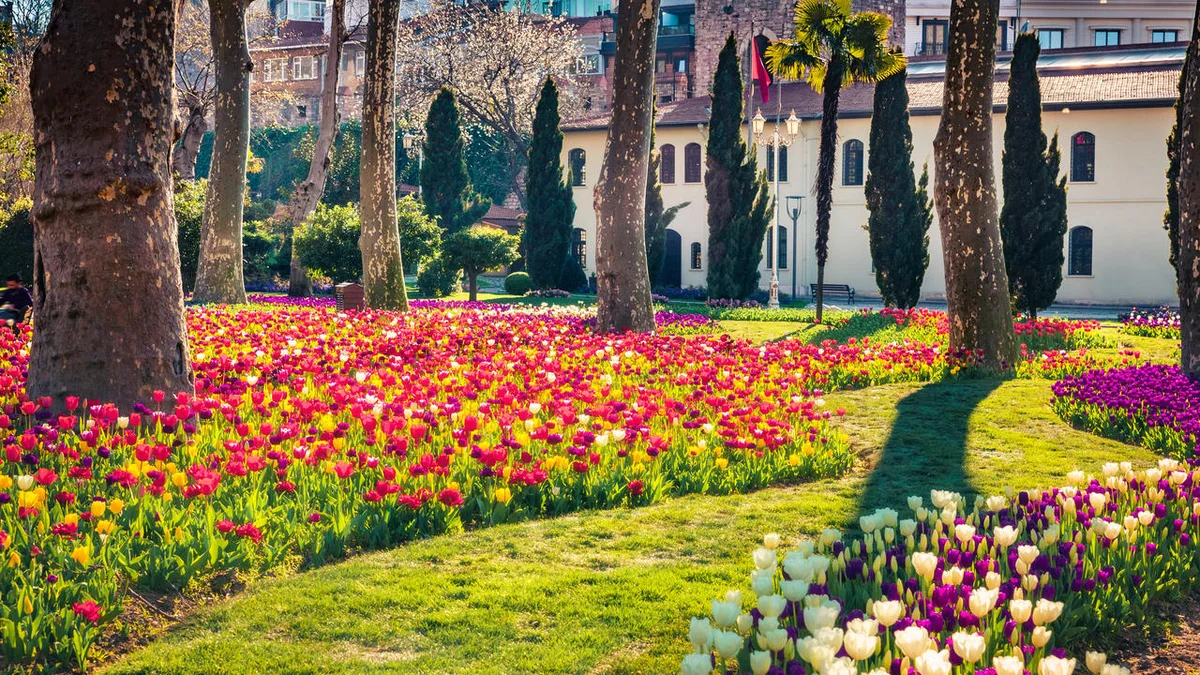
| Spring | April to May | Mild days of about 15 to 25 degrees, tulips filling the parks and long light evenings | Moderate to high |
| Summer | June to August | Hot days of about 28 to 30 degrees, a Bosphorus breeze and the longest days of the year | High |
| Autumn | September to October | Warm light, mild days and the city at its calmest after the summer rush | Moderate |
| Winter | November to March | Cold days of about 3 to 9 degrees, a chance of snow, short queues and the lowest prices | Low |
In Ramadan the city changes rhythm: the mosques fill after dark and iftar at sunset turns dinner into an occasion. The Grand Bazaar and Spice Bazaar close for the days of the two Eid holidays, and palace hours can shift around them, so check the official pages close to a holiday trip.
Day Trips from Istanbul

Princes Islands: Buyukada and the Car Free Streets

The Sehir Hatlari ferries from Kabatas cross to Buyukada, the largest of the Princes Islands, in about 1 hour 30 minutes, and the island runs on another clock: motor traffic is barred from the streets, and the day moves on foot and by bicycle. Walk the mansion lanes above the harbour, where the great wooden houses of the nineteenth century stand in their gardens, then climb to the monastery church of Aya Yorgi on Yucetepe, the high hill, for the view back across the Sea of Marmara. The fare is paid on Istanbulkart, and the last ferries of a summer evening fill early.
Bursa: The First Ottoman Capital

BUDO ferries cross from Kabatas to Mudanya in about 1 hour 50 minutes and a bus of about 30 minutes climbs into Bursa, the first capital of the Ottomans at the foot of Mount Uludag. The Ulu Cami, the Grand Mosque of 1399, carries its prayer hall on twenty domes above walls of monumental calligraphy. Koza Han, the silk cocoon caravanserai of 1491, still trades in silk, and across the stream the Green Tomb holds the grave of Mehmed the First, buried in 1421 under turquoise tile. Bursa joined the UNESCO list in 2014, and the city dish is Iskender kebab.
Edirne: The Selimiye of Sinan

Edirne stands about two and a half hours by road towards the Bulgarian and Greek borders, and travellers cross Thrace for one building: the Selimiye Mosque, completed in 1575, the work Sinan himself called his masterpiece. The dome spans 31.28 metres, fractionally wider than the dome of Hagia Sophia, and the mosque joined the UNESCO list in 2011. The Old Mosque nearby carries calligraphy of giant scale, and the city dish is fried liver, ciger tava, with dried peppers.
Practical Tips for Istanbul

Good to Know

- Buy the Istanbulkart on arrival: the card is 165 TL, a standard ride is 46.20 TL, and one card serves up to five travellers in turn.
- Topkapi Palace closes on Tuesdays and Dolmabahce Palace on Mondays, so build the palace days of the week around those two closures.
- The Grand Bazaar closes on Sundays; swap in the Spice Bazaar, which opens daily, and give the Grand Bazaar a weekday morning.
- Dress for the mosques from the hotel each day: covered shoulders and knees, and a scarf for women, so no sight is ever closed to you.
- The Hagia Sophia gallery ticket is separate and the Museum Pass Istanbul does not cover it; budget the 25 euros on its own line.
- On Fridays the mosques close to visitors around the midday congregation, so put museums at midday and mosques at either end of the day.
Good to Avoid

- Do not join the Hagia Sophia ticket queue at summer midday; the opening hour and the late afternoon are a different experience.
- Do not accept an unmetered taxi price at Sultanahmet or the airports; insist on the meter.
- Do not try to sightsee in the Blue Mosque during prayer times; the doors close to visitors and the wait eats the morning.
- Do not buy at the first price in the Grand Bazaar; bargaining is expected, and the first figure is an opening position.
- Do not confuse the separate Hagia Sophia history museum near the square with the mosque itself; the gallery ticket is the one that takes you upstairs.
- Do not cut the last ferry from the Princes Islands fine in summer; the evening boats fill, and the island has no road home.
Final Thoughts on Istanbul
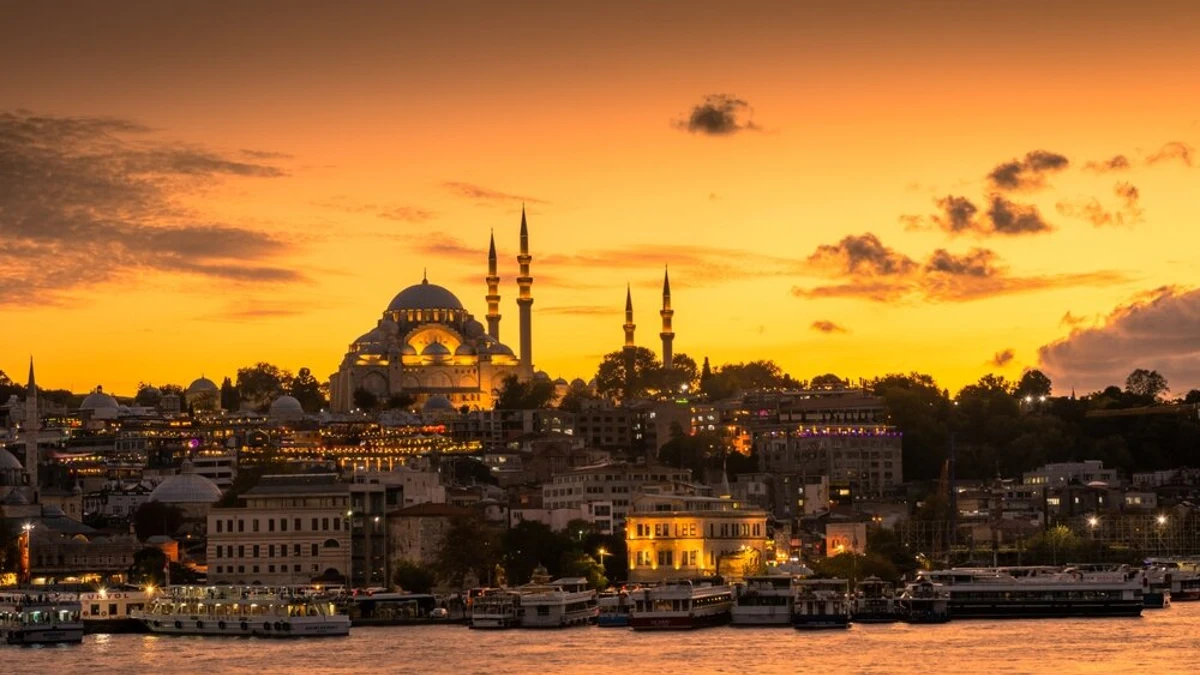
Istanbul rewards the traveller who plans by its own clocks: the prayer times, the closing days and the hour when the light turns on the Golden Horn. Take the dome and the mosques slowly, eat in the old kitchens of Fatih, ride the water once a day, and the city of two continents stops being a list of sights and becomes a rhythm.
Keep Exploring
Hagia Sophia, the Sultan Ahmed Mosque, and Topkapi Palace make the essential circuit, and the Grand Bazaar, the Spice Bazaar, the Basilica Cistern, Galata Tower, the Bosphorus cruise, Dolmabahce Palace, the Suleymaniye Mosque, and the Chora Church fill the days around them. The three day plan in this guide pairs Sultanahmet on day one, the bazaars with the Bosphorus on day two, and Beyoglu with Dolmabahce on day three.
April to June and September to October bring mild weather and long days, while July and August bring heat and crowds and winter brings the lowest prices. Use the Istanbulkart for trams, ferries, and the metro, and walk Sultanahmet, where most sights sit within 20 minutes of each other on foot. Book Topkapi Palace and the Basilica Cistern before arrival, since both sell out in peak season, and dress modestly for mosque visits, with head covering for women at mosque entry.
Sultanahmet suits almost every itinerary, with Hagia Sophia, the Sultan Ahmed Mosque, and Topkapi Palace at the door, while Beyoglu suits travellers who want Galata Tower and the Bosphorus ferries, and Kadikoy suits a quieter Asian side base. Istanbul is an easy city for Muslim travellers, with mosques in every district and the Friday prayer at the Sultan Ahmed Mosque and the Suleymaniye Mosque among the most atmospheric in the city. If a fourth day is free, the Princes Islands sit around 1 hour away by ferry, with car free lanes and pine woods.
FAQs
What are the best places to visit in Istanbul on a first trip?
Build the trip around Hagia Sophia, the Blue Mosque, Topkapi Palace, the Basilica Cistern and the Grand Bazaar, all within walking distance in Sultanahmet, then add Dolmabahce Palace, Galata Tower and Suleymaniye Mosque.
How much does Hagia Sophia cost, and can tourists enter the prayer hall?
Sightseeing visitors pay 25 euros for the upper gallery, and children under 8 enter free; the Museum Pass Istanbul is not valid. The ground floor prayer hall is reserved for worship, and worshippers enter it free at prayer times, while the visitor route pauses around the prayers and on Friday between 12:30 and 14:30.
Is Istanbul a good city for halal food?
Yes, among the easiest in the world: Turkey is a Muslim majority country and halal is the everyday norm in ordinary Turkish kitchens. Tarihi Sultanahmet Koftecisi and Deraliye Ottoman Cuisine are stated halal, and the kitchens of Kadinlar Pazari in Fatih serve halal as the local norm.
What to do in Istanbul in 3 days?
Day one covers Sultanahmet: Hagia Sophia, the Blue Mosque, the Basilica Cistern, Topkapi Palace and the Grand Bazaar. Day two adds Suleymaniye Mosque and the Spice Bazaar in the morning, the Short Bosphorus Tour at 14:40, and Dolmabahce Palace and Galata Tower. Day three takes a day trip, the Princes Islands or Bursa, and closes with sunset on the Uskudar shore: a full istanbul itinerary at family pace.
When is the best time to visit Istanbul?
Spring from April to May and autumn from September to October bring mild days, long light and manageable crowds, and April fills the parks with tulips. Summer is hot and busy, while winter is cold with a chance of snow but brings the shortest queues and the lowest hotel prices.
Is the Museum Pass Istanbul worth buying?
At 105 euros for five days across 13 museums, the pass pays when the plan includes Topkapi Palace with the Harem, the Archaeology Museums and Galata Tower in daytime. It does not cover the Hagia Sophia gallery, the Basilica Cistern or Dolmabahce Palace.
Is Istanbul good for a family trip, and how do you reach Sultanahmet from the airports?
Istanbul with family works well: the cistern, the ferries, Galata Tower and the Princes Islands give children the city in stories. From Istanbul Airport, the M11 metro and Havaist buses cover the roughly 45 kilometres to the old city; from Sabiha Gokcen the M4 metro runs to Kadikoy, with Marmaray and the tram completing the journey.
