Things to Do in Seattle: Your Ultimate 2026 Guide to the Emerald City
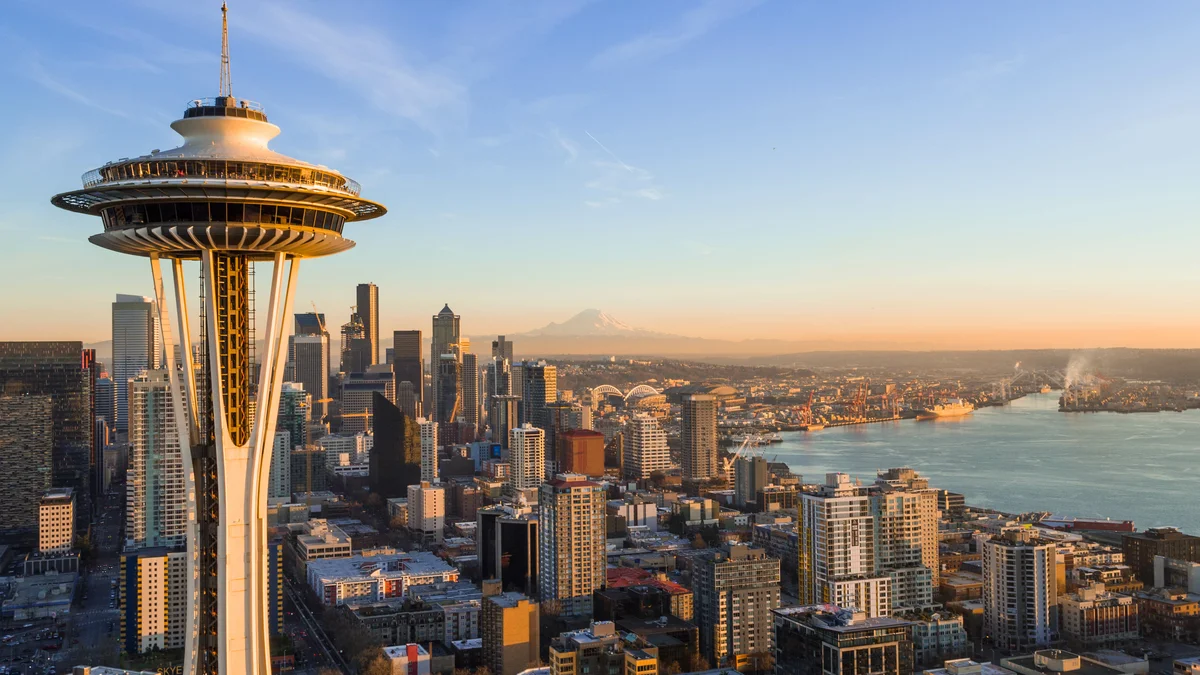
Morning light breaks over Elliott Bay, and Seattle wakes up in layers. First comes the low hum of the ferries. Then the smell of fresh coffee drifts out of Pike Place Market. Then the Space Needle catches the sun and the whole city seems to lean toward it. Seattle is a city that rewards people…
Morning light breaks over Elliott Bay, and Seattle wakes up in layers. First comes the low hum of the ferries. Then the smell of fresh coffee drifts out of Pike Place Market. Then the Space Needle catches the sun and the whole city seems to lean toward it. Seattle is a city that rewards people who look up, look around, and keep walking one more block.
This is a city of sharp contrasts. Glass towers stand beside century-old markets. Quiet forest trails sit minutes from downtown streets. A single day can hold a world-famous viewpoint, a working fish market, a garden of glass, and a ferry ride across Puget Sound. That mix is what makes Seattle special, and this guide puts it all in one place.
Use this guide to plan a trip that feels full without feeling rushed. Every attraction below comes with honest practical detail, including hours, prices, and the time you will actually need. Start with the highlights, then follow the three-day plan at the end.
Whether you arrive for a long weekend or a full week, this guide works in layers. Skim the Top 5 box for a first pass, use the comparison table to pick your paid sights, and follow the three-day plan if you want every day mapped. Families, first-time visitors, nature lovers, and budget travelers each get a starting point below, and the practical sections at the end cover food, stays, transit, seasons, and costs. Keep this guide open as you plan, and Seattle will do the rest.
Top 5 You Cannot Miss in Seattle
- Space Needle: Stand on the revolving glass floor and watch the whole city turn beneath your feet.
- Pike Place Market: Watch the fish toss, taste clam chowder, and wander one of the oldest public markets in the United States.
- Chihuly Garden and Glass: Walk through glowing rooms of glass art, then step into a garden built around a 100-foot glass sculpture.
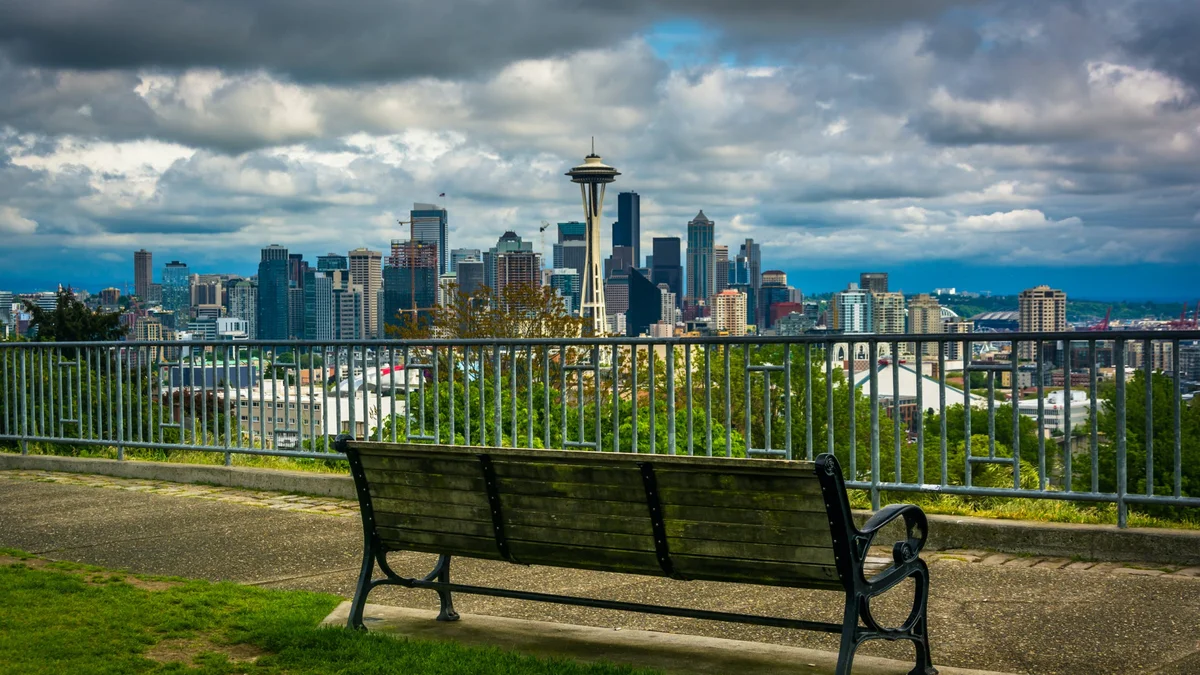
- Kerry Park: See the classic postcard view of the Space Needle, downtown, and Mount Rainier on a clear day.
- Bainbridge Island Ferry: Sail across Puget Sound for skyline views on the way out and a friendly island town on arrival.
This guide was re-checked as of October 2026. Hours and prices change, so confirm times on the official site of each attraction before you go.
| Attraction | Category | Cost | Time Needed | Book Ahead? |
|---|---|---|---|---|
| Space Needle | Viewpoint | $35 to $55 | 1 to 2 hours | Yes, timed tickets |
| Pike Place Market | Market | Free | 1 to 2 hours | No |
| Chihuly Garden and Glass | Art and glass | $40 to $45 | 1 to 2 hours | Yes |
| Museum of Pop Culture | Museum | Check official site | 2 hours | Yes |
| Seattle Aquarium | Aquarium | About $28 to $41 | 2 hours | Yes |
| Woodland Park Zoo | Zoo | Check official site | 2 to 3 hours | Yes, online only |
| Kerry Park | Viewpoint | Free | 30 minutes | No |
| Olympic Sculpture Park | Art park | Free | 1 hour | No |
| Discovery Park | Park and trails | Free | 2 hours | No |
| Ballard Locks | Engineering and nature | Free | 1 to 2 hours | No |
| Fremont Troll | Public art | Free | 30 minutes | No |
| Bill Speidel Underground Tour | Guided tour | About $30 | 75 minutes | Yes |
| Museum of Flight | Museum | Check official site | 2 to 3 hours | No |
| Bainbridge Island Ferry | Ferry day trip | About $11.35 walk-on | Half day | No |
| Snoqualmie Falls | Day trip | Free | Half day | No |
| Mount Rainier | Day trip | $30 per vehicle | Full day | No, no timed entry in 2026 |
| Seattle Center and Monorail | Campus and ride | Monorail $3 | 1 hour | No |
Families

Start with the Aquarium, the Zoo, and the Museum of Flight. Add the Fremont Troll for a photo stop that children remember for years. Keep days short and build in a market snack break.
First-Time Visitors

Stay downtown and walk. Pike Place Market, the Space Needle, and Chihuly Garden and Glass sit close together and cover the classic Seattle story in one or two days.
Nature and Views Lovers

Pair Kerry Park at sunset with Discovery Park in the morning. Add Snoqualmie Falls or Mount Rainier as a day trip and you will see why the Pacific Northwest draws photographers from everywhere.
Budget Travelers

More than half of the sights in this guide are free. Build your days around Kerry Park, the Sculpture Park, Discovery Park, the Locks, the Troll, and Pike Place Market, then pay for one big viewpoint.
Seattle at a Glance: Your Trip in One Snapshot

| Best for | First-time visitors, families, nature lovers, and food lovers |
| Airport | Seattle-Tacoma International Airport, about 14 miles south of downtown |
| Getting downtown | Link light rail runs from the airport to downtown |
| Best months | May to September for the driest weather and longest days |
| Days needed | 3 days for the city, plus 1 extra day for Mount Rainier or Snoqualmie Falls |
| Budget note | Many top sights are free, and paid sights mostly cost $30 to $55 |
| Halal food | Several halal restaurants downtown and in the University District |
| Prayer facilities | Idris Mosque in Northgate, plus prayer space on request at most hotels |
Top Things to Do in Seattle: 14 Sights You Will Remember

1. Space Needle

Best for: First-time visitors and view lovers. Do not miss: The Loupe, the revolving glass floor that turns slowly above the city. Hours: Sunday 9:30 am to 8:30 pm, Monday to Thursday 10:30 am to 7:30 pm, Friday 9:30 am to 9:30 pm, Saturday 9:00 am to 9:30 pm. Price: General admission $35 to $55. Time needed: 1 to 2 hours. Getting there: Seattle Center, a short monorail ride from Westlake Center downtown.
The Space Needle is the tower on every Seattle postcard, and the view from the top earns its fame. Step onto the observation deck and the whole city opens up: downtown towers, Elliott Bay, the ferries crossing Puget Sound, and Mount Rainier floating on the horizon on a clear day. Lean back on the Skyriser glass benches and the city seems to tilt toward you.
Go near sunset and you get two cities for one ticket: golden light over the water, then thousands of lights switching on below. Timed tickets sell in 15-minute windows, so book your slot before you go and arrive a little early.
Insider tip: Book the last afternoon slot. You will catch daylight, sunset, and the first city lights in a single visit.
2. Pike Place Market

Best for: Food lovers and first-time visitors. Do not miss: The fish toss at Pike Place Fish Market. Hours: Open daily, roughly 9:00 am to 6:00 pm, with hours that vary by vendor. Price: Free to enter. Time needed: 1 to 2 hours. Getting there: 85 Pike Street, downtown, an easy walk from most downtown hotels.
Pike Place Market opened in 1907 and stands today as one of the oldest continuously operating public markets in the United States. The main arcade hums from morning to evening: flower sellers stacking bright bouquets, bakers pulling warm loaves from the oven, and fish vendors calling out orders before launching a whole salmon through the air to a waiting coworker.
Wander past the main stalls to the lower levels, where small shops sell crafts, books, and gifts. Grab a cup of clam chowder, find a spot with a view of the water, and watch the market do what it has done for more than a century: feed a city and welcome the world.
Good to know: Arrive before 10:00 am for quieter aisles and the freshest pick of flowers and produce.
3. Chihuly Garden and Glass

Best for: Art lovers and photographers. Do not miss: The Glasshouse, home to a 100-foot-long sculpture in red, orange, and yellow. Hours: Sunday 10:00 am to 6:30 pm, Monday to Wednesday 10:30 am to 5:30 pm, Thursday 10:30 am to 5:00 pm, Friday and Saturday 10:00 am to 7:30 pm. Price: General admission $40 to $45, senior $35 to $40, youth ages 5 to 12 $35 to $40, under 4 free. Time needed: 1 to 2 hours. Getting there: 305 Harrison Street, next to the Space Needle at Seattle Center.
Dale Chihuly built this museum around glass, light, and color, and it shows from the first room. Eight galleries lead you through glowing forms: curling tendrils, wave shapes, and towers of glass that seem to grow like plants. Each room changes the mood, from deep blues to blazing reds.
Then you step outside into the garden, where glass flowers rise among real plants and the Glasshouse frames the Space Needle through its roof. The combo ticket with the Space Needle and IMAX costs $74 and makes a perfect half day at Seattle Center.
Insider tip: Visit on a bright morning. Sunlight through the Glasshouse turns the sculpture into a river of color.
4. Museum of Pop Culture

Best for: Music fans, film fans, and families. Do not miss: The sweeping silver curves of the building itself. Hours: 10:00 am to 5:00 pm daily. Price: Check the official site for current ticket prices. Time needed: 2 hours. Getting there: 325 5th Avenue North, at Seattle Center.
The Museum of Pop Culture, known as MoPOP, celebrates the stories that shape how people dress, listen, watch, and play. Exhibits cover music, science fiction, fantasy, and pop culture, with costumes, instruments, props, and hands-on displays that invite you to linger.
The building stops people in their tracks before they even go inside. Its flowing metal skin catches the light in a different way every hour, and photographers gather at every angle. Pair it with the Space Needle and Chihuly for a full Seattle Center day.
Good to know: Check the official site before you go. Special exhibits change through the year, and ticket prices follow the current lineup.
5. Seattle Aquarium

Best for: Families and animal lovers. Do not miss: The Underwater Dome, where fish swim in a full circle around you. Hours: Open daily 9:30 am to 6:00 pm, last entry 5:00 pm. Price: About $28 to $41. Time needed: 2 hours. Getting there: 1483 Alaskan Way, on the downtown waterfront.
The Seattle Aquarium brings the life of Puget Sound up close. Walk through halls of local marine life: salmon, octopuses, rays, and otters, along with hands-on touch exhibits that let younger visitors feel the textures of the tide line. The Underwater Dome puts you inside a swirling school of fish with no glass between you and the show except the dome itself.
Keepers give talks through the day, and each one adds a story to the tanks. Ask about the animals you see. The answers are often the best part of the visit.
Insider tip: Go on a weekday morning. The halls stay quiet, and the keepers have more time to talk.
6. Woodland Park Zoo
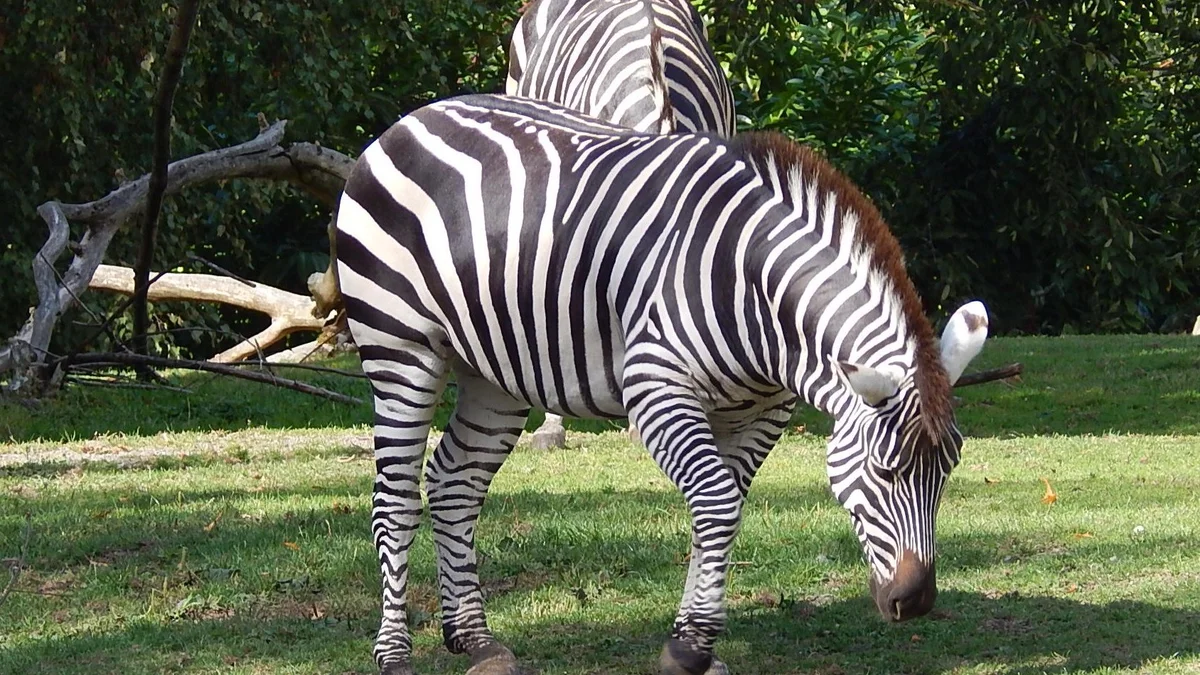
Best for: Families and animal lovers. Do not miss: The forested trails that make the zoo feel like a walk through the woods. Hours: September 8, 2026 to April 30, 2027: 9:30 am to 4:00 pm daily. May 1 to September 6, 2027: 9:30 am to 6:00 pm. Price: Check the official site for current ticket prices. Time needed: 2 to 3 hours. Getting there: 5500 Phinney Avenue North, north of downtown.
Woodland Park Zoo covers 92 acres of leafy ground, and its exhibits follow natural habitats rather than rows of cages. Forest paths wind past animals from around the world, and the planting is so thick that the city disappears within minutes of entering.
Tickets are sold online only, so buy before you arrive. Bring comfortable shoes, pack a rain jacket, and plan for a slow morning among the trees.
Good to know: Tickets are online only. Buy them the night before so you can walk straight in.
7. Kerry Park

Best for: Photographers and sunset lovers. Do not miss: The classic view of the Space Needle with downtown behind it and Mount Rainier on the horizon. Hours: 6:00 am to 10:00 pm daily. Price: Free. Time needed: 30 minutes. Getting there: 211 West Highland Drive, on Queen Anne Hill, a short ride north of Seattle Center.
Kerry Park is small, and that is its charm. A single overlook holds the view that defines Seattle: the Space Needle in the foreground, the downtown towers behind it, Elliott Bay to the side, and Mount Rainier rising far in the distance on a clear day.
Come at sunset and stay as the lights come on. The park fills with photographers at golden hour, but turnover is quick, and a front-row spot opens up every few minutes.
Insider tip: Bring a jacket. The hilltop breeze is cool even on warm evenings.
8. Olympic Sculpture Park
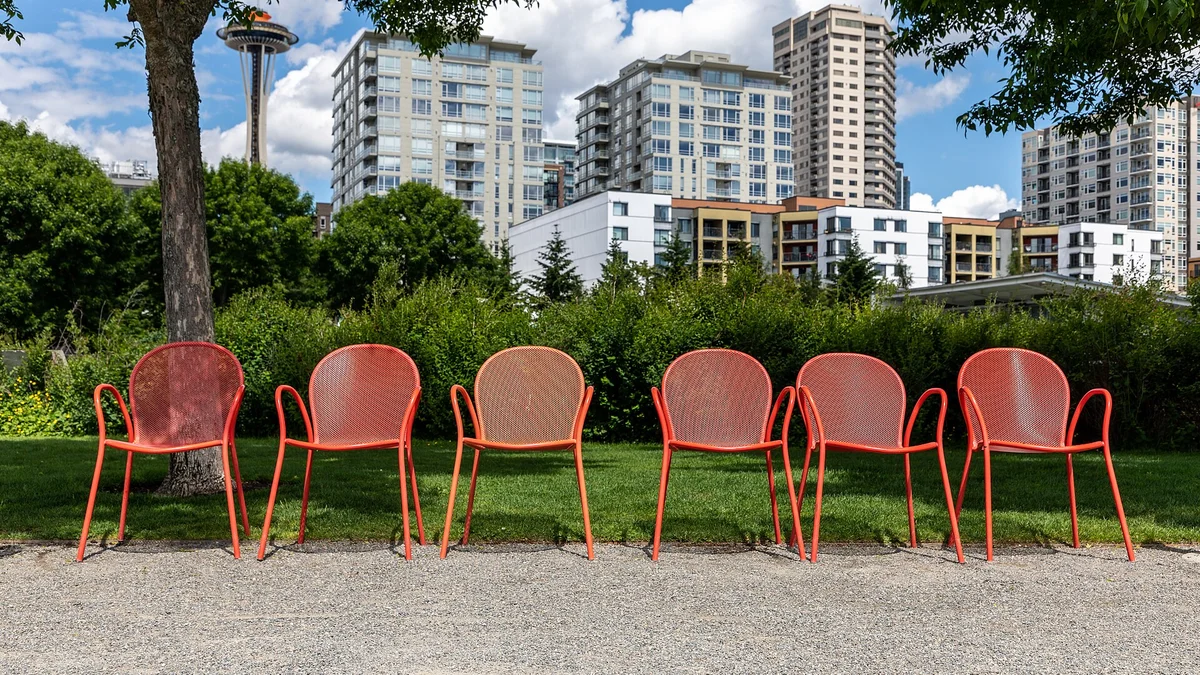
Best for: Art lovers and walkers. Do not miss: Eagle by Alexander Calder, the red steel sculpture that anchors the park. Hours: Free and open 365 days a year, from 30 minutes before sunrise to 30 minutes after sunset. Price: Free. Time needed: 1 hour. Getting there: 2901 Western Avenue, a short walk north of the downtown waterfront.
The Olympic Sculpture Park turns nine acres of waterfront land into an open-air museum. The Seattle Art Museum operates the park, and its lawns hold monumental sculptures that you can walk around, sit beside, and see from every angle. A zigzag path drops gently from the city edge to the water, with views of the Olympic Mountains across Puget Sound.
Stop at the PACCAR Pavilion, open daily 9:00 am to 4:00 pm, then find the Neukom Vivarium, a greenhouse built around a 60-foot tree. The park is one of the best free hours in Seattle.
Good to know: The park is fully free and open every day of the year, including holidays.
9. Discovery Park

Best for: Hikers, families, and anyone who wants quiet. Do not miss: The historic West Point Lighthouse at the far edge of the park. Hours: Open daily. Price: Free. Time needed: 2 hours. Getting there: Start at the visitor center at 3801 Discovery Park Boulevard, in the Magnolia neighborhood.
Discovery Park is a great escape hatch for Seattle. Forest trails wind through tall trees, open meadows catch the sun, and the paths eventually open to wide views across Puget Sound. It feels far from the city, even though downtown sits just a few miles away.
Pick up a map at the visitor center and choose a loop that fits your energy. The full loop runs close to three miles. Wear sturdy shoes, since trails turn muddy after rain.
Insider tip: Start early. Morning light in the meadows is soft and golden, and the trails are at their quietest.
10. Ballard Locks
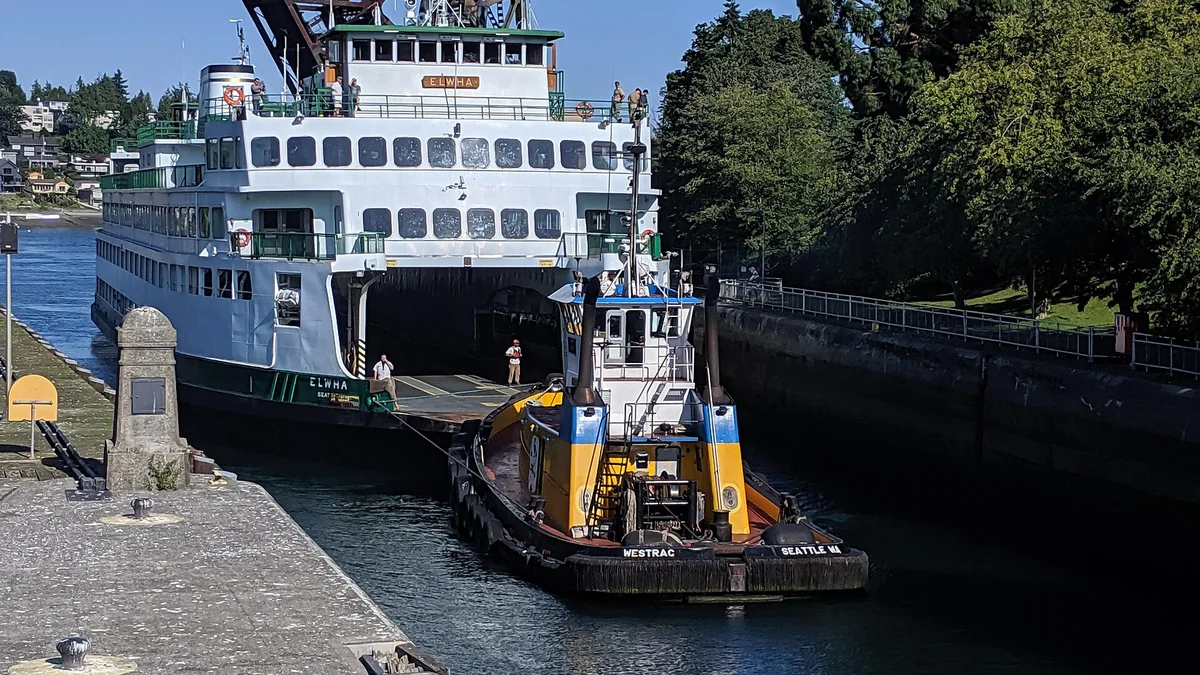
Best for: Families, nature lovers, and engineering fans. Do not miss: The fish ladder viewing windows, where salmon swim past at eye level. Hours: Grounds 7:00 am to 9:00 pm daily. Fish ladder viewing room 7:00 am to 8:45 pm. Price: Free. Time needed: 1 to 2 hours. Getting there: 3015 Northwest 54th Street, in the Ballard neighborhood.
The Hiram M. Chittenden Locks, known to everyone as the Ballard Locks, lift boats between the tidal water of Puget Sound and the fresh water of Lake Washington and Lake Union. The United States Army Corps of Engineers completed the locks in 1917, and they still work every day.
Watch a boat rise or fall in the chambers, then walk to the fish ladder, where salmon fight upstream through a series of stepped pools. The Carl S. English Jr. Botanical Garden next door holds plants from around the world and makes a calm ending to the visit.
Good to know: Salmon season runs through summer and fall. Time your visit then for the liveliest fish ladder.
11. Fremont Troll

Best for: Families, photographers, and lovers of the weird. Do not miss: The real Volkswagen Beetle in the grip of the troll. Hours: Always open, as an outdoor public sculpture. Price: Free. Time needed: 30 minutes. Getting there: North 36th Street at Troll Avenue North, under the north end of the Aurora Bridge in Fremont.
An 18-foot concrete troll crouches under the Aurora Bridge, one eye made from a hubcap, one hand wrapped around a real car. Four local artists built the sculpture in 1990, and it has guarded the bridge ever since. Visitors climb onto the hand, pose beside the Beetle, and laugh at how much fun a concrete giant can be.
Fremont itself is worth the trip. The neighborhood around the troll holds vintage shops, cafes, and more public art, and a slow afternoon here feels like a break from the whole idea of sightseeing.
Insider tip: Go on a weekday morning for photos with no crowd, then stay for lunch in Fremont.
12. Bill Speidel Underground Tour

Best for: History lovers and curious travelers. Do not miss: The buried storefronts and sidewalks of old Seattle, still standing below the modern streets. Hours: Tours run hourly, 10:00 am to 6:00 pm. Price: About $30. Time needed: 75 minutes. Getting there: 614 1st Avenue, in Pioneer Square.
The Great Fire of June 6, 1889 burned much of downtown Seattle to the ground. The city rebuilt on top of the ruins, raising the streets by a full storey and leaving the old sidewalks and storefronts buried below. This guided tour takes you down into those buried streets.
Guides tell the story with humor and detail: how the city decided to rebuild, how merchants kept trading while the streets rose around them, and how the buried level survived. Book ahead in summer, when tours fill fast.
Good to know: The tour runs rain or shine, and much of it is underground, which makes it a perfect rainy-day plan.
13. Museum of Flight

Best for: Aviation fans and families. Do not miss: The Concorde and the first Boeing 747. Hours: Open daily 10:00 am to 5:00 pm. Price: Check the official site for current ticket prices. Time needed: 2 to 3 hours. Getting there: 9404 East Marginal Way South, south of downtown.
The Museum of Flight holds more than 150 aircraft, and its collection reads like a history of flight itself. Walk through the first Boeing 747, stand under a Concorde, and try the Space Shuttle Trainer that astronauts used to practice. The Red Barn, the original Boeing facility, tells the story of how Seattle became an aviation city.
The outdoor Aviation Pavilion spreads the biggest aircraft across a covered yard. Allow a full morning, and check the official site for ticket prices before you go.
Insider tip: Start with the Aviation Pavilion. The big aircraft draw the largest crowds, and early means quieter halls.
14. Bainbridge Island Ferry

Best for: View lovers and slow travelers. Do not miss: The Seattle skyline falling away behind the ferry as you cross. Hours: Ferries run through the day from Colman Dock. Price: Walk-on adult fare about $11.35, round trip, with the return free. Youth 18 and under ride free. Time needed: Half day. Getting there: Colman Dock, on the downtown waterfront.
The ferry to Bainbridge Island is one of the great cheap thrills in American travel. The crossing takes about 35 minutes, and the city skyline stays in view most of the way. Stand on the outer deck, feel the wind off Puget Sound, and watch Mount Rainier rise behind the towers on a clear day.
Winslow, the island town at the far end, sits about a 10-minute walk uphill from the dock. Its main street holds small shops, galleries, and cafes. Walk on as a foot passenger. No reservation is needed, and the return trip costs nothing extra.
Good to know: Travel as a walk-on passenger. Cars pay more and wait longer, while foot passengers simply walk aboard.
More Worth Your Time: Three Extra Stops You Will Not Regret

Snoqualmie Falls

Best for: Nature lovers and photographers. Do not miss: The upper observation deck, a short walk from the parking area. Price: Free. Time needed: Half day, about 30 minutes east of Seattle by car. Hours: Open daily from dawn to dusk.
Snoqualmie Falls drops 268 feet in a single white curtain, and the sound reaches you before the view does. More than 1.5 million people visit each year, yet the park still feels calm in the early morning. For the Snoqualmie people, who have lived in the valley for centuries, the falls hold deep cultural and spiritual meaning.
Walk the short path to the upper deck, then follow the trail down for a lower view. After heavy rain the falls run at full power and the mist rises high above the gorge.
Insider tip: Go after a rainy spell. High water turns the falls into a full curtain from edge to edge.
Mount Rainier
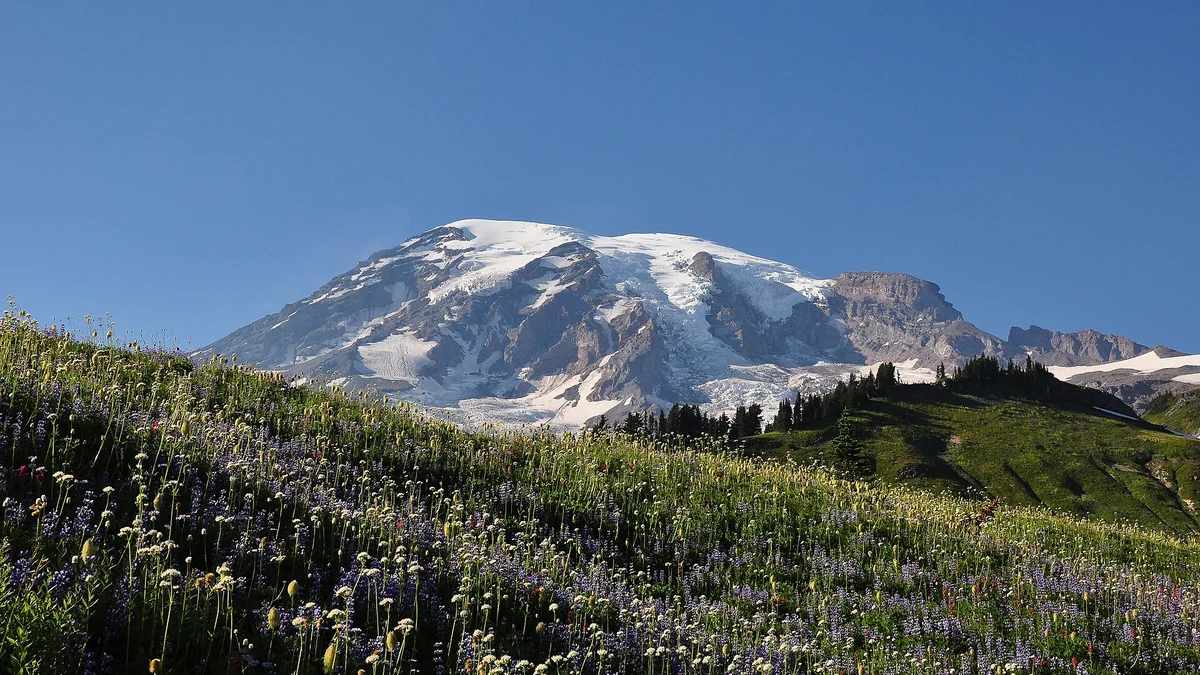
Best for: Hikers, photographers, and mountain lovers. Do not miss: The wildflower meadows of Paradise in summer. Price: $30 per vehicle, valid for 7 days. Time needed: Full day. Getting there: Drive south from Seattle to the Nisqually entrance, the only entrance open year-round.
Mount Rainier dominates the horizon on clear days, and the national park around it holds glaciers, old-growth forest, and meadows that burst into color each summer. Paradise, the most visited area, offers short trails with mountain views in every direction. Sunrise, on the far side of the park, sits higher and feels wilder.
No timed-entry reservation is needed in 2026. Arrive early on summer weekends, carry layers for fast-changing mountain weather, and check the official park site for road status before you drive.
Good to know: Mountain weather changes fast. Pack a rain jacket even when the Seattle forecast looks clear.
Seattle Center and the Monorail

Best for: First-time visitors and families. Do not miss: The monorail ride itself, with views over downtown streets. Price: Monorail fare $3. Time needed: 1 hour for the campus and ride. Getting there: Board the monorail at Westlake Center downtown.
Seattle Center is the campus that holds the Space Needle, the Museum of Pop Culture, and Chihuly Garden and Glass, along with lawns, fountains, and performance spaces. The monorail links it to downtown in about two minutes, gliding above the streets on its raised track.
Ride it once for the views, then walk the campus at your own pace. The monorail turns a simple transfer into a small adventure.
Insider tip: Ride the monorail from downtown instead of driving. You skip parking and arrive right at the Space Needle.
Where to Eat in Seattle
Seattle eats well, and halal-friendly options sit close to the main sights. Start with these verified halal restaurants, and confirm halal status at the counter when you order, since menus change.
Kastoori Grill, 94 Stewart Street, serves halal South Asian dishes a short walk from Pike Place Market. Butter chicken, momos, and goat karahi lead a menu built for sharing. It is an easy first-night stop after a day at the market.
Caravan Halal Central Asian Fusion, 405 Northeast 45th Street, brings Uzbek flavors to the University District. Uzbek plov, hand-pulled noodles, and pumpkin dumplings anchor the menu, and the portions suit hungry travelers.
Cafe Zum Zum, 1501 4th Avenue, Suite 101, is a halal restaurant downtown, known for lamb curry and a warm welcome. Halal Smash BRGR, 1525 13th Avenue on Capitol Hill, covers the casual end: smashed burgers made with halal meat.
Beyond halal restaurants, Pike Place Market is a meal in itself. Clam chowder, fresh catch from the fish vendors, warm pastries, and some of the best coffee in the United States sit within a few stalls of each other. Seattle takes coffee seriously, and a slow morning with a cup in hand is a local ritual worth joining.
Book Your Seattle Tickets Online

Skip the ticket lines and book in advance. Every link below goes to the official ticket page for that attraction.
| Attraction | Tickets |
|---|---|
| Space Needle | Book Tickets |
| Chihuly Garden and Glass | Book Tickets |
| Museum of Pop Culture | Book Tickets |
| Seattle Aquarium | Book Tickets |
| Museum of Flight | Book Tickets |
Where to Stay in Seattle
Top 3 hotels in Seattle
Explore all hotels >- Four Seasons Hotel Seattle ★★★★★
- Fairmont Olympic Hotel ★★★★★
- Hotel Theodore ★★★★

Downtown

Downtown puts Pike Place Market, the waterfront, and the monorail at your doorstep. Choose this area if you want to walk everywhere and skip the car. Most halal restaurants in this guide sit within a short walk or a quick ride.
Seattle Center and Queen Anne
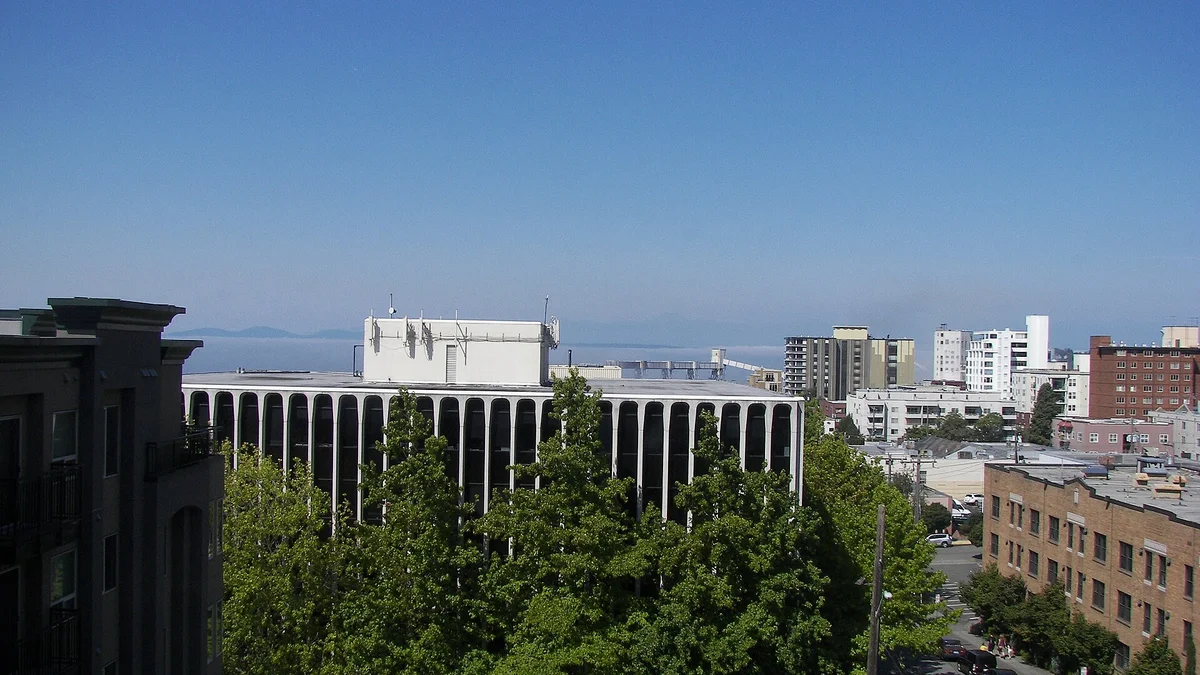
Stay near Seattle Center for the Space Needle, MoPOP, and Chihuly at walking distance, or pick Queen Anne for quieter streets and the short trip up to Kerry Park. The monorail keeps downtown within easy reach.
| Hotel | Area | Why Stay Here | Price Tier |
|---|---|---|---|
| Four Seasons Hotel Seattle | Downtown, 99 Union Street | Luxury rooms with views over Elliott Bay, beside Pike Place Market | Luxury |
| Fairmont Olympic Hotel | Downtown, 411 University Street | Historic 1924 landmark with grand public rooms and 450 rooms | Luxury |
| Hotel Theodore | Downtown, 1531 7th Avenue | Boutique hotel in a 1929 building, close to Westlake Station | Mid-range to upscale |
| The Edgewater Hotel | Waterfront, 2411 Alaskan Way | Over-water hotel with gas fireplaces in every room and rock history | Upscale |
Getting Around Seattle

Downtown Seattle is walkable, and the hills are the only real challenge. Most of the sights in this guide sit within a compact core, and a good pair of shoes covers them.
Link light rail runs from Seattle-Tacoma International Airport to downtown in about 35 to 40 minutes, and it is the simplest way to reach the city after landing. The Seattle Center Monorail connects Westlake Center downtown with Seattle Center in about two minutes. King County Metro buses cover the neighborhoods, and Washington State Ferries sail from Colman Dock to Bainbridge Island and beyond.
Ride-share cars fill the gaps. You do not need a rental car for the city itself. Rent one only for a day trip to Snoqualmie Falls or Mount Rainier.
Downtown garages fill on event days, so the train and monorail beat driving for most visitors. If your hotel sits downtown, ask the front desk for the nearest light rail stop when you check in. For day trips, leave early and fill the tank before the mountain roads, since services thin out past the suburbs.
Best Time to Visit Seattle

Seattle shines from May through September, when days run long and rain stays scarce. July and August bring the warmest weather and the largest crowds. September is the sweet spot: the summer warmth lingers, the crowds thin out, and hotel prices ease after Labor Day weekend.
Winter is cool and wet, with short days and the quietest streets. Spring brings mild days, blooming gardens, and thinner crowds. Average temperatures sit near 69 degrees Fahrenheit in July and near 43 degrees in December, so layers matter in every season.
| Season | Weather | Crowds | Good For |
|---|---|---|---|
| Spring (March to May) | Mild, with showers easing as summer nears | Moderate | Gardens, markets, and lower prices |
| Summer (June to August) | Warmest and driest, with long daylight | High | Viewpoints, ferries, and day trips |
| Fall (September to November) | September stays warm, then rain returns | Moderate to low | September trips and autumn color |
| Winter (December to February) | Cool and wet, with short days | Low | Museums, markets, and quiet streets |
Suggested 3-Day Itinerary

Three days cover the best of Seattle without rushing. Use this plan as a starting point and shift stops to match your energy.
| Day | Plan |
|---|---|
| Day 1: Downtown and Seattle Center | Morning at Pike Place Market, midday at the Seattle Aquarium, afternoon at the Space Needle and Chihuly Garden and Glass. End with the monorail back downtown. |
| Day 2: Parks and Neighborhoods | Sunrise at Kerry Park, morning in Discovery Park, midday at the Ballard Locks and botanical garden, afternoon at the Fremont Troll and Fremont shops. Evening at the Olympic Sculpture Park. |
| Day 3: Day Trip | Choose one: Snoqualmie Falls for a half-day trip, the Bainbridge Island Ferry for a half-day island visit, or Mount Rainier for a full-day mountain trip. Add the Museum of Flight or the Museum of Pop Culture if you stay in town. |
How Much Does a Trip to Seattle Cost?
Seattle can fit many budgets. The free sights in this guide carry a full day on their own, and paid sights mostly cost $30 to $55 per person. Plan around a few anchors: light rail fare $3, the Bainbridge ferry about $11.35 for a walk-on adult, and Mount Rainier at $30 per vehicle. A day of paid sights plus transit and the ferry can stay near $100 per person.
| Category | What to Expect |
|---|---|
| Lodging | Varies widely by area and season. Book early for summer, when downtown hotels fill first. |
| Food | Market meals keep costs low. Mix market lunches with one sit-down dinner per day. |
| Attractions | Many top sights are free. Paid sights mostly cost $30 to $55 per person. |
| Transit and day trips | Light rail $3. Bainbridge ferry about $11.35 walk-on. Mount Rainier $30 per vehicle. |
Practical Tips for Visiting Seattle

Top tip: Pack layers and a rain jacket in every season. Seattle weather shifts fast, and a dry morning can turn into a wet afternoon.
- Book timed tickets early. The Space Needle, Chihuly, and the Underground Tour sell timed slots. Book before you travel in summer.
- Wear comfortable shoes. Seattle hills are steep, and the best sights reward walkers.
- Confirm halal status at the counter. Menus change, and a quick question keeps every meal worry-free.
- Find prayer space with ease. Idris Mosque, 1420 Northeast Northgate Way, Seattle, WA 98125, serves the city with five daily prayers and two Jumu’ah khutbahs every Friday. Most hotels can also point you to a quiet space on request.
- Check ferry times before a Bainbridge day. Ferries run through the day, but schedules shift by season. A quick look at the timetable the night before keeps the morning smooth.
- Carry a small day bag. Water, a jacket, and a charged phone cover most of what a Seattle day asks of you.
- Tipping is standard. At restaurants, tipping 18 to 20 percent is the norm in the United States.
- Check official sites before you go. Hours and prices change, and the official site of each attraction holds the current detail.
See all stops on Google Maps and plan your route before you go.
Conclusion
Seattle is a city that earns its nickname. The Emerald City pairs glass towers with forest trails, a working market with world-class museums, and a skyline view with a ferry ride across open water. Three days here give you the famous sights, the quiet parks, and at least one day trip into the mountains or across the water.
Start with the Space Needle and Pike Place Market, then let the rest of the city unfold: Chihuly glass, salmon climbing a fish ladder, a troll under a bridge, and a sunset from Kerry Park. Seattle rewards travelers who keep walking, keep looking up, and keep one more morning free for a place they did not plan.
If you have a fourth day, spend it slowly. Return to Pike Place Market for a second breakfast, revisit Kerry Park in different light, or ride the ferry again just for the crossing. Seattle rewards a second look, and the sights that felt familiar on day one often feel richer the second time.
Planning more United States trips? Read our guides to the best things to do in New York City, things to do in Boston, and things to do in Washington DC.
How many days do you need in Seattle?
Three days cover the city well: one day for downtown and Seattle Center, one day for parks and neighborhoods, and one day for a trip to Snoqualmie Falls, Bainbridge Island, or Mount Rainier. Add a fourth day if you want both Mount Rainier and a slow city day.
Is Seattle expensive to visit?
Seattle can fit many budgets. More than half of the sights in this guide are free, and paid sights mostly cost $30 to $55 per person. Market meals, light rail, and free viewpoints keep daily costs down, while summer hotels cost the most.
What is the best time to visit Seattle?
May through September brings the driest weather and longest days. July and August are warmest and busiest. September is often the best balance, with lingering summer warmth, thinner crowds, and easier hotel prices.
Do you need a car in Seattle?
No, you do not need a car for the city itself. Downtown is walkable, light rail connects the airport to downtown, the monorail serves Seattle Center, and buses cover the neighborhoods. Rent a car only for a day trip to Snoqualmie Falls or Mount Rainier.
Is Pike Place Market free to enter?
Yes, Pike Place Market is free to enter. You pay only for what you buy: flowers, produce, crafts, chowder, coffee, and gifts from the stalls.
Can you see Mount Rainier from Seattle?
Yes, on a clear day Mount Rainier rises behind the skyline. Kerry Park on Queen Anne Hill is the classic viewpoint, and the ferry to Bainbridge Island also frames the mountain behind the city.
Where can I find halal food in Seattle?
Halal options include Kastoori Grill near Pike Place Market, Caravan Halal Central Asian Fusion in the University District, Cafe Zum Zum downtown, and Halal Smash BRGR on Capitol Hill. Confirm halal status at the counter when you order.




4 Comments