Things to Do in Milwaukee: Your Ultimate 2026 Guide to the Cream City
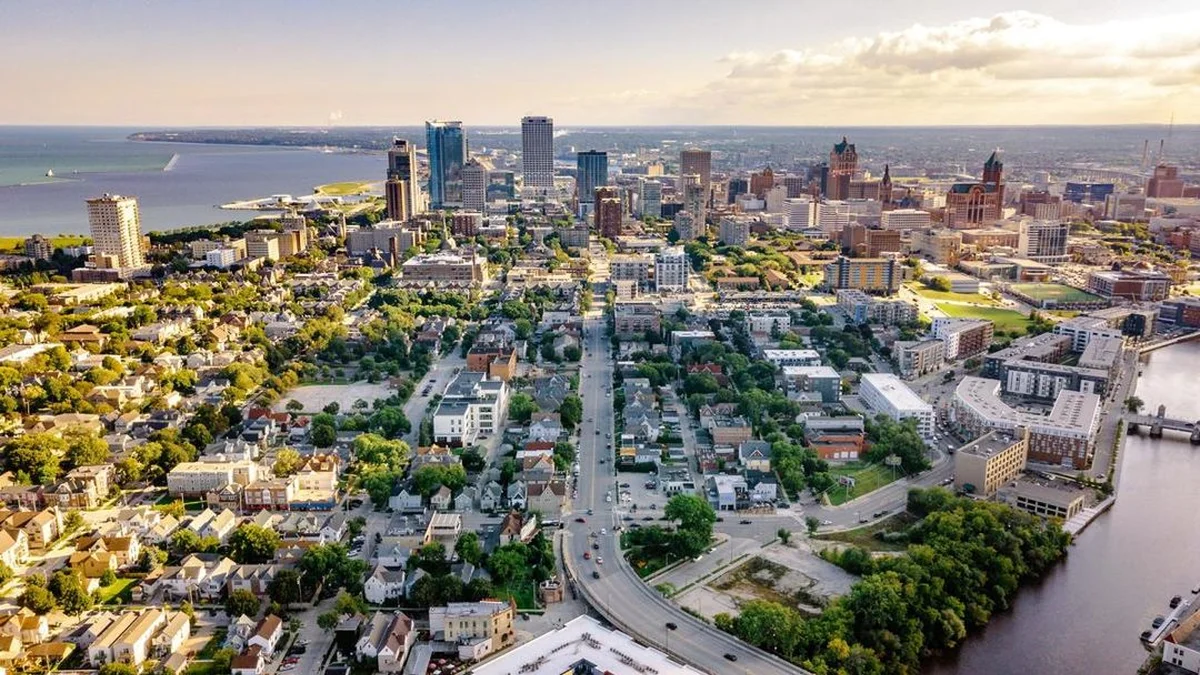
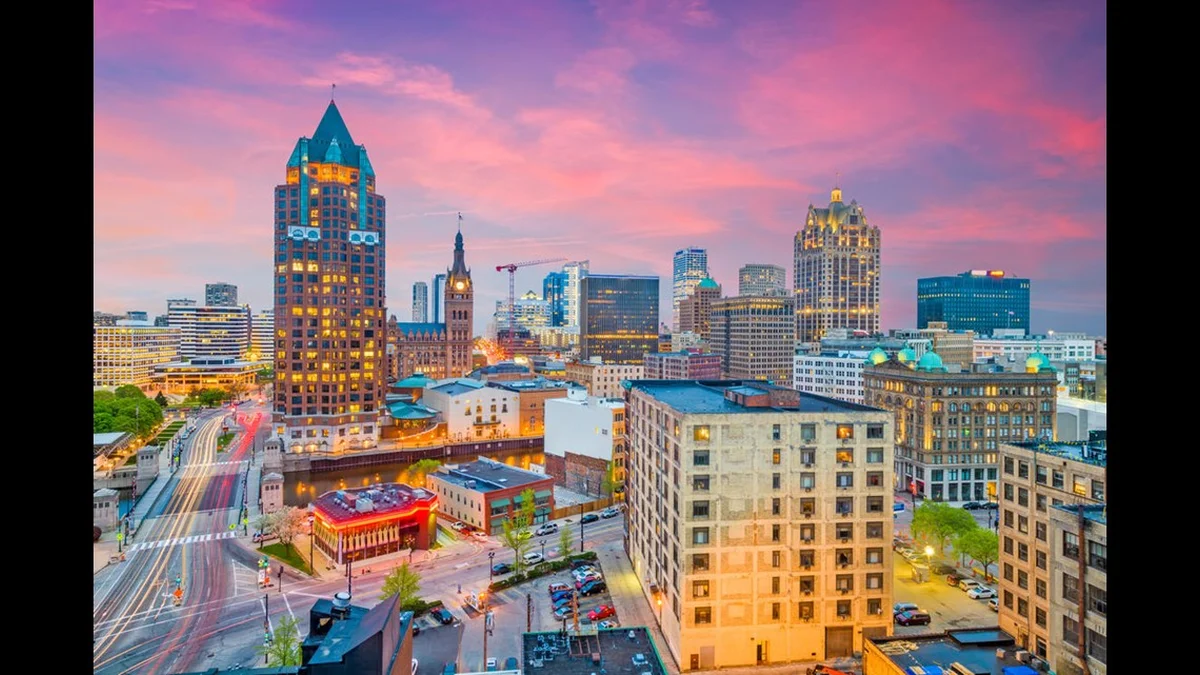
Some cities impress with a skyline. Milwaukee impresses with what it makes and what it keeps. This is the Cream City, named for the pale cream brick of its old warehouses, churches and mansions, set where three rivers meet Lake Michigan. German and Polish immigrant families raised its domes and steeples, engineers in this city…
Some cities impress with a skyline. Milwaukee impresses with what it makes and what it keeps. This is the Cream City, named for the pale cream brick of its old warehouses, churches and mansions, set where three rivers meet Lake Michigan. German and Polish immigrant families raised its domes and steeples, engineers in this city built the motorcycles that carry the Milwaukee name around the world, and grand museums now line the lakefront above a free downtown streetcar.
The pleasant surprise is how much of the best Milwaukee costs little or nothing. The Hop streetcar rides free, the Milwaukee Public Market charges no entry, the Basilica of St. Josaphat opens free, and the Grohmann Museum charges $5. The Milwaukee Art Museum admits children age 12 and under free, Thursday evenings run pay what you wish, and two of the mansion museums run free days every month.
This guide covers the best things to do in Milwaukee. It walks through the top Milwaukee attractions with prices, addresses and opening patterns, then covers hotels, halal restaurants with street addresses, mosques, transport, budgets and the best time to visit Milwaukee. Every ticket button leads to an official attraction page.
Milwaukee at a Glance
| Best Known For | The Cream City: cream brick landmarks, the Harley-Davidson legend, grand lakefront museums and Gilded Age mansions |
| Top Free Attractions | The Hop streetcar, Milwaukee Public Market, Basilica of St. Josaphat, Historic Third Ward and the Riverwalk, free monthly days at the mansion museums |
| Best Areas to Stay | Downtown and the Riverwalk for a first visit; the Historic Third Ward for food and galleries; the south side and Greenfield for halal food and the airport |
| Airport | Milwaukee Mitchell International Airport (MKE), about five miles south of downtown, by taxi, bus or Amtrak from the airport station |
| Getting Around | Free Hop streetcar downtown and in the Third Ward, MCTS buses across the county, walking and driving |
| Currency | US Dollar (USD) |
| Time Zone | Central Time (CT) |
| Best Months to Visit | May to June for mild days and gardens in bloom; September to October for fall color and thinner crowds |
Quick Picks for a First Visit

- Milwaukee Art Museum and the moving wings
- Harley-Davidson Museum
- Historic Third Ward and the Milwaukee Public Market
Quick Picks for Families

- Discovery World on the lakefront
- Betty Brinn Children Museum
- Milwaukee County Zoo
Quick Picks for a Budget Trip

- The Hop streetcar and the Third Ward Riverwalk (free)
- Milwaukee Public Market (free entry)
- Basilica of St. Josaphat (free) and the Grohmann Museum ($5)
Top Things to Do in Milwaukee
The fourteen experiences below are the essential Milwaukee attractions, ordered from the lakefront museums to the zoo, the market quarter and the mansion museums. Each entry gives the practical details and an insider tip.
1. Milwaukee Art Museum
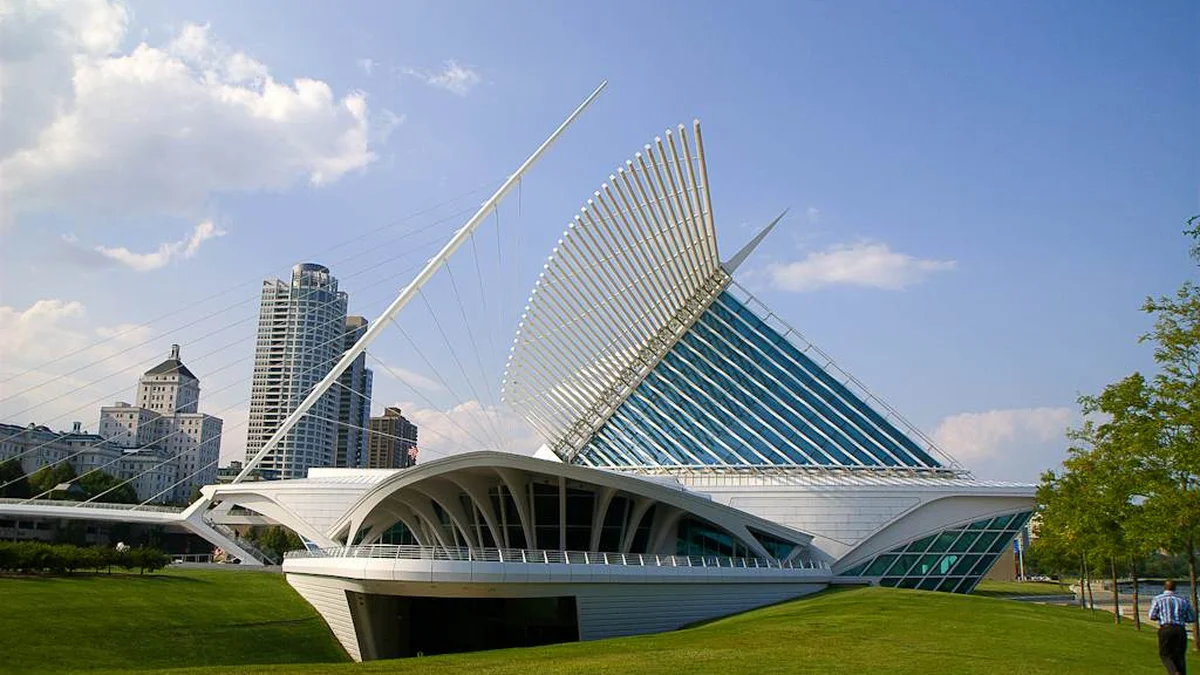
Best for: A landmark building with moving wings and world art on the lakefront
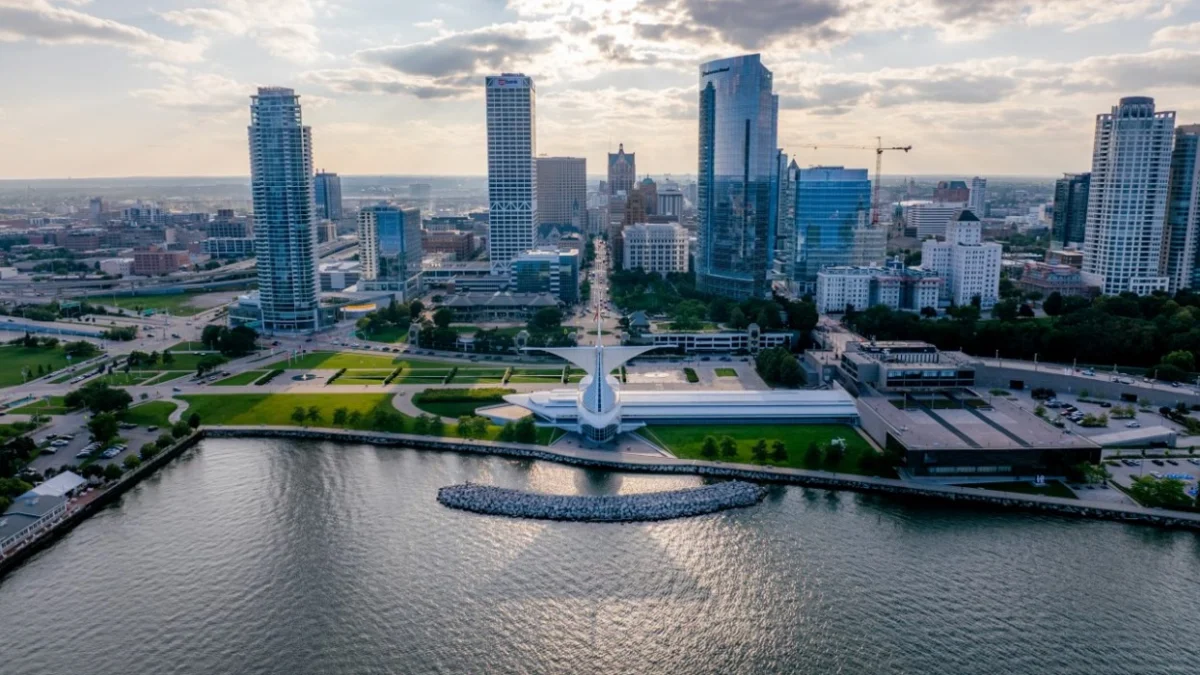
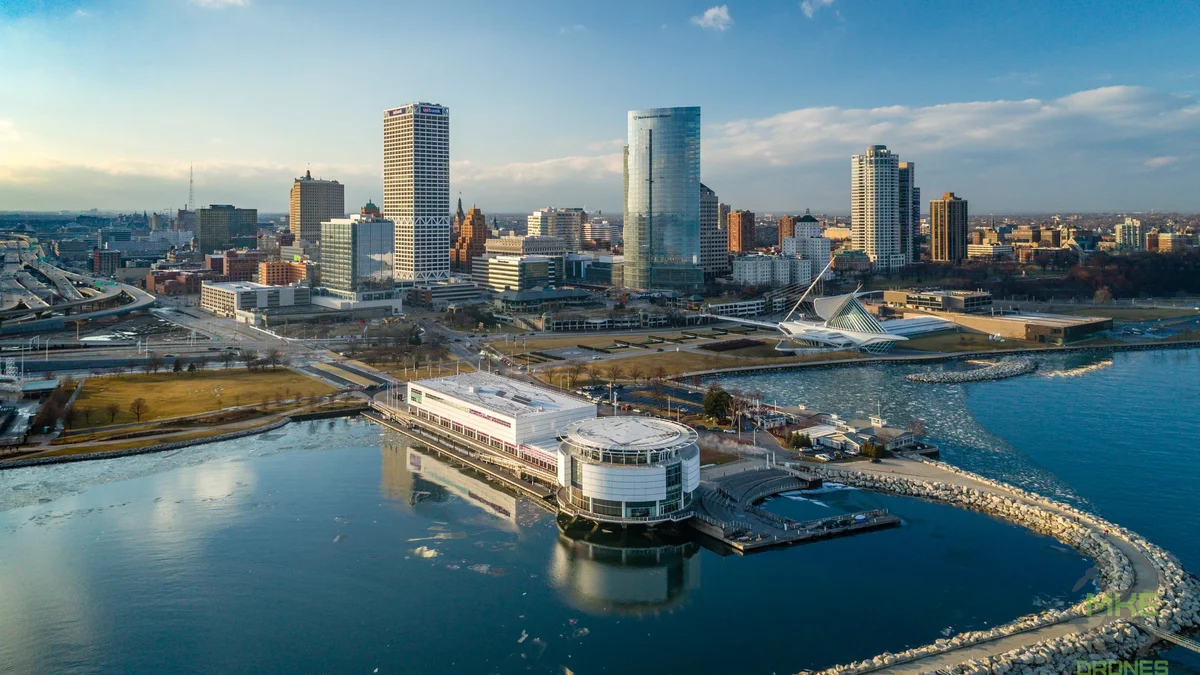
The Milwaukee Art Museum at 700 North Art Museum Drive, Milwaukee, WI 53202 is a building before it is a gallery. The Quadracci Pavilion by Santiago Calatrava, finished in 2001, rises over the lakefront like a ship under sail, and the Burke Brise Soleil, a movable sunscreen of wings, opens as the museum opens, closes and reopens at noon, and folds again at closing time, weather permitting. Inside, the galleries run from Renaissance and Baroque painting to American decorative arts, photography, folk art and Haitian art.
The museum opens Wednesday from 10:00 a.m. to 5:00 p.m., Thursday from 10:00 a.m. to 8:00 p.m., and Friday to Sunday from 10:00 a.m. to 5:00 p.m., closing on Mondays and Tuesdays. Admission costs $27 for adults and $20 for students, seniors age 65 and up and military visitors, with children age 12 and under and Wisconsin school teachers with ID free. Thursday admission from 4:00 p.m. to 8:00 p.m. is pay what you wish. A studio for children opens on weekends. Allow about three hours.
Tip: Arrive before noon and stand in the pavilion hall as the wings close and reopen at midday. It is the best free show in Milwaukee.
2. Harley-Davidson Museum
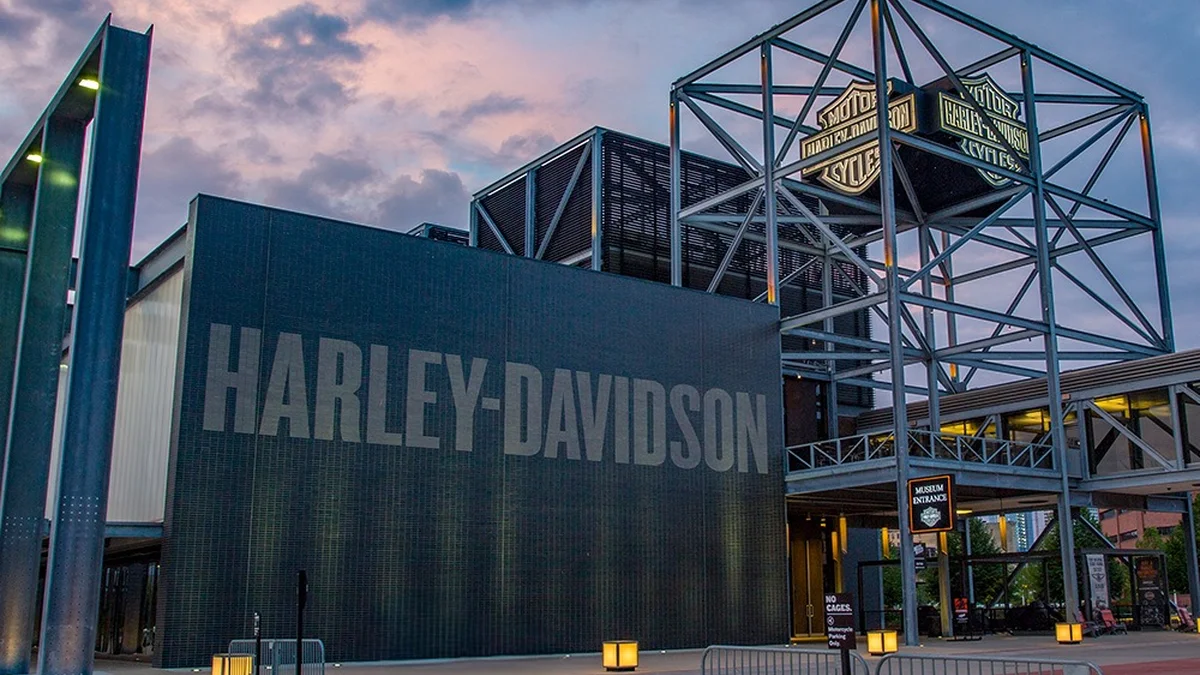
Best for: The motorcycle legend of Milwaukee, told through more than 450 machines
Across the Menomonee River from downtown, the Harley-Davidson Museum at 400 West Canal Street, Milwaukee, WI 53203 spreads two floors of exhibits over a 20 acre park-like campus. More than 450 motorcycles and artifacts trace the story of the company founded in Milwaukee in 1903, from design and racing to custom culture and the riders of every era. The star of the floor is Serial Number One, the oldest known Harley-Davidson motorcycle, built in 1903.
The museum opens every day from 10:00 a.m. to 5:00 p.m. Tickets sell through the official museum store online and at the box office on the day, with live prices on the official page, and parking on the campus is free. Allow two to three hours.
Tip: Start with Serial Number One and walk the story forward year by year. The design and engine galleries reward the slow route back.
3. Milwaukee Public Museum

Best for: Streets of Old Milwaukee, a live butterfly garden and classic natural history halls
The Milwaukee Public Museum at 800 West Wells Street, Milwaukee, WI 53202 is the most visited museum in Wisconsin, holding four million objects across more than 150,000 square feet of exhibits. The Streets of Old Milwaukee rebuilds a city street of a century ago, the European Village gathers homes from across the continent, butterflies fly free in the live butterfly garden, and the Daniel M. Soref Dome Theater and Planetarium runs films and star shows under a giant dome. The year 2026 is the final full year in the Wells Street home: the new Nature and Culture Museum of Wisconsin rises at 6th Street and McKinley Avenue for an opening in early 2027, and some pieces come off display as the move draws near.
The museum opens Wednesday to Monday from 10:00 a.m. to 5:00 p.m., closing on Tuesdays. Admission costs $25 for adults, $24 for teens ages 14 to 17, $21 for seniors age 65 and up and for military and college visitors, and $19 for youth ages 4 to 13, with members and children age 3 and under free. Admission includes one planetarium program, and dome theater films cost extra. Thank You Thursdays bring free admission days on the museum calendar. Allow about three hours.
Tip: Give the Streets of Old Milwaukee a slow half hour at opening time, before school groups arrive.
4. Discovery World

Best for: Hands-on science and the Reiman Aquarium for children and adults
On the lakefront south of the art museum, Discovery World at 500 North Harbor Drive, Milwaukee, WI 53202 is the science and technology center of Milwaukee. The Reiman Aquarium moves from Great Lakes tanks to a Caribbean tunnel, while the main floors run on touch: flight and machine exhibits, a design and build lab, and the House of Sound, a gallery honoring guitar pioneer Les Paul of Wisconsin. Children burn energy exactly as the designers intended.
In spring and summer the museum opens every day from 9:00 a.m. to 4:00 p.m. In the fall and winter season it opens Wednesday to Sunday from 9:00 a.m. to 4:00 p.m., closing on Mondays and Tuesdays. Admission costs $24 for adults, $20 for children ages 3 to 17 and seniors age 60 and up, and $18 for college students and military visitors, with children under age 2 free. Allow about three hours.
Tip: Do the aquarium first, while the halls are quiet, then let the children lead on the hands-on floors. The 4:00 p.m. close comes fast here.
5. Betty Brinn Children Museum

Best for: Play based learning for the youngest travelers, from toddlers to age 8
On Wisconsin Avenue downtown, the Betty Brinn Children Museum at 929 East Wisconsin Avenue, Milwaukee, WI 53202 builds a small city for children. Opened in 1995 and drawing nearly 175,000 visitors a year, the museum shapes its exhibits for children from birth through age 8: a pretend grocery store in the Home Town exhibit, building and tinkering in the Be A Maker space, and science play in Science CITY. Everything sits at child height and invites touch.
The museum opens Wednesday to Monday from 9:00 a.m. to 4:30 p.m., closing on Tuesdays. Admission is modest, and the museum runs a free Community Access Day on the third Thursday of every month, with longer hours to 7:00 p.m. Allow about two hours.
Tip: Time a family trip for the third Thursday of the month and enter free on Community Access Day. Arrive early, as entry runs first come, first served.
6. Milwaukee County Zoo

Best for: More than 300 species in 190 wooded acres on the west side
West of downtown, the Milwaukee County Zoo at 10001 West Bluemound Road, Milwaukee, WI 53226 spreads 190 wooded acres over more than 300 species. The newest ground is Adventure Africa, a habitat for rhinos and hippos that opened in December 2025. The Sky Safari chairlift carries visitors over the grounds in season for $4 a ride. The zoo works as the big outdoor anchor of a Milwaukee trip.
The zoo opens at 9:30 a.m. every day of the year apart from Thanksgiving Day, Christmas Day and the first day of January. Closing runs from 2:30 p.m. on winter weekdays to 5:00 p.m. in the summer peak, and last admission comes 45 minutes before closing. The zoo uses flex pricing: gate admission runs $14.75 to $19.75 for adults and $9.75 to $16.75 for children ages 3 to 12, with children age 2 and under free, online tickets cost $3 less than the gate, and Milwaukee County residents receive a discount. Parking costs $15 per car. Allow half a day.
Tip: Buy online on a weekday. Tickets trim $3 off the gate price, and weekday dates sit at the low end of the flex range.
7. Mitchell Park Domes
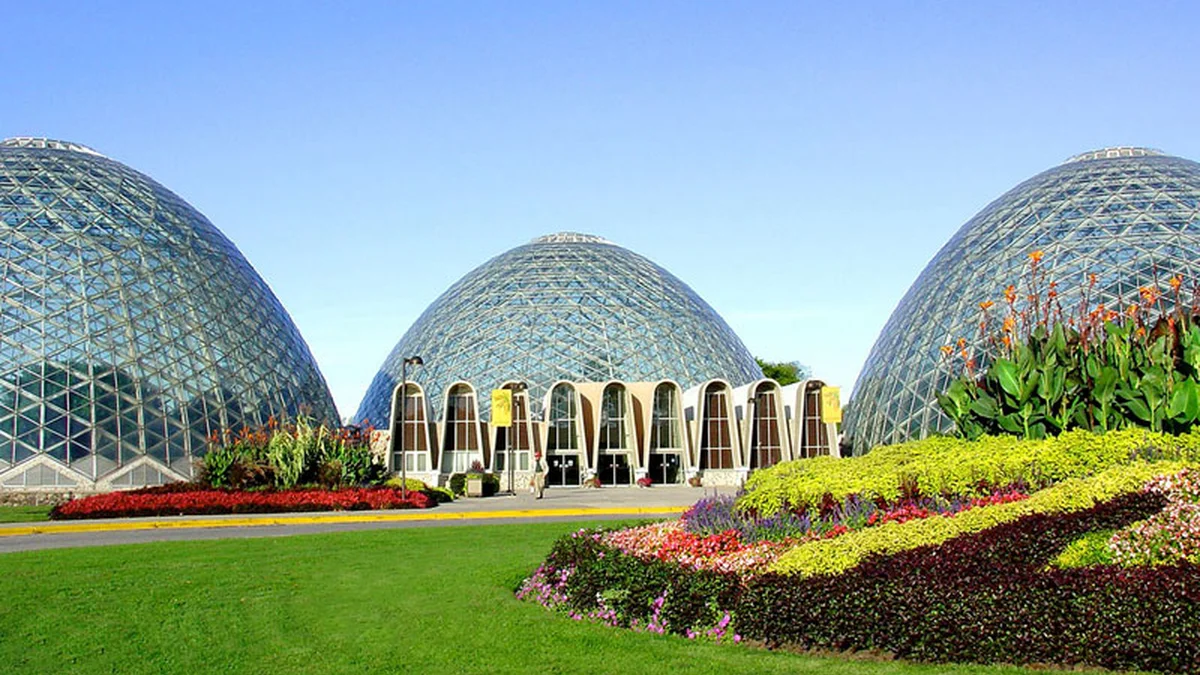
Best for: A tropical garden, a desert garden and a flower show under three glass domes, in any weather
Southwest of downtown, the Mitchell Park Horticultural Conservatory at 524 South Layton Boulevard, Milwaukee, WI 53215 holds three glass domes, each 140 feet across and 85 feet high, finished as a set in 1967. The Tropical Dome grows palms and orchids in warm, wet air. The Desert Dome gathers cactus and succulents from dry lands around the world. The Show Dome rebuilds itself five times a year with seasonal flower displays through the year.
The Domes open Monday to Friday from 9:00 a.m. to 5:00 p.m. with last admission at 4:00 p.m., and Saturday, Sunday and holidays from 9:00 a.m. to 4:00 p.m. with last admission at 3:00 p.m., closing on Thanksgiving Day and Christmas Day. Admission costs $10 for adults and $9 for Milwaukee County residents, $6.50 for juniors ages 3 to 12 and for students with ID, military visitors and visitors with disabilities, with children age 2 and under free. On the last Thursday of every month, admission drops to $5 per person. Allow one to two hours.
Tip: Visit on a gray winter morning. The Tropical Dome runs warm and green while the city outside sits under snow.
8. Milwaukee Public Market

Best for: Lunch under one roof, with nearly 20 local vendors in the heart of the Third Ward
The Milwaukee Public Market at 400 North Water Street, Milwaukee, WI 53202 is the food hall of the Historic Third Ward, an indoor market of artisan products and freshly made foods from nearly 20 independent vendors. Graze from counter to counter, then carry a tray upstairs to the Palm Garden seating on the second level. The lot outside gives 30 minutes of free parking, and The Hop streetcar stops at the door.
The market opens Monday to Saturday from 10:00 a.m. to 8:00 p.m. and Sunday from 10:00 a.m. to 6:00 p.m. Entry is free. Allow one to two hours, longer over a slow lunch.
Tip: Graze in stages. Take soup at one counter, a sandwich at the next and dessert upstairs in the Palm Garden.
9. Historic Third Ward and the Milwaukee Riverwalk
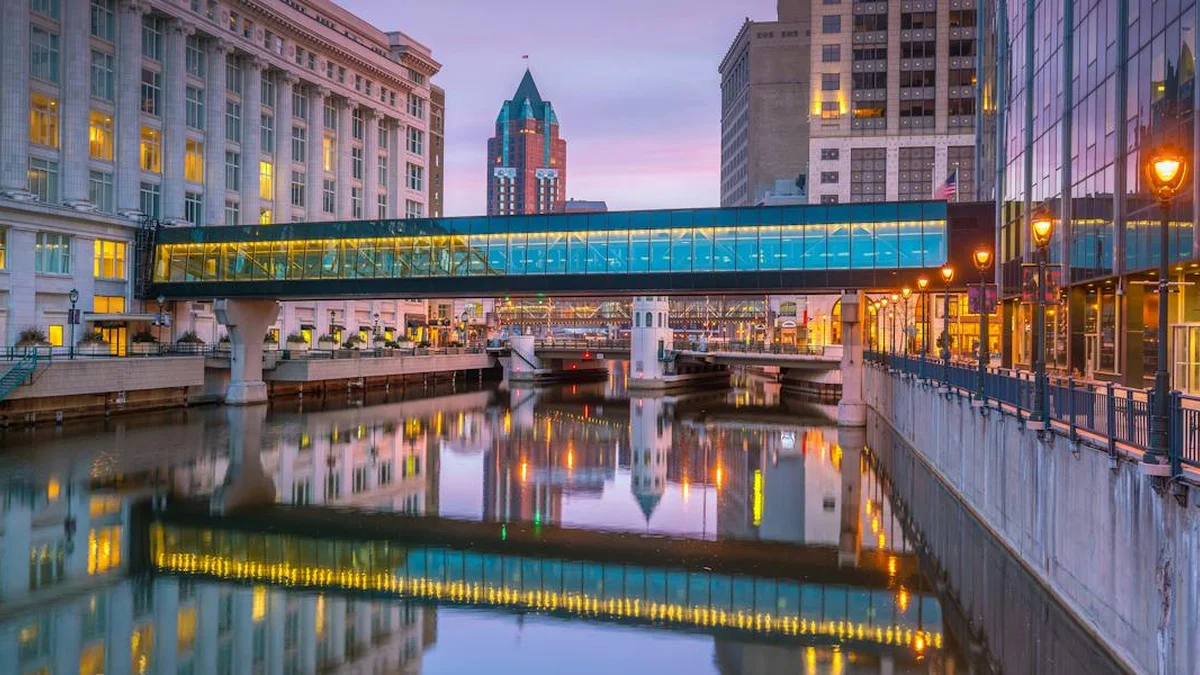
Best for: Warehouse streets, galleries and boutiques, and a river walk through the oldest trade quarter of the city
East of the Milwaukee River, the Historic Third Ward is the oldest center of commerce and warehousing in Milwaukee, a nationally listed historic district of 70 buildings over 10 square blocks. The Great Third Ward Fire of 1892 flattened 16 square blocks, and the ward rose again in cream brick within a generation. More than 400 businesses now fill the old warehouses: art galleries, boutiques, theaters and restaurants, with the Milwaukee Public Market at the center. The Third Ward Riverwalk threads the district along the river, part of the wider Riverwalk system of bridges, boardwalks and public art.
The district charges no entry, while shops and galleries keep daytime hours, roughly 10:00 a.m. to 6:00 p.m. Allow two to three hours.
Tip: Walk the Riverwalk at golden hour, then cross into the ward for dinner. The brick warehouses glow in the low light, and the bridges give the best river views in the city.
10. Basilica of St. Josaphat

Best for: A 250 foot copper dome and the grandest church interior in Milwaukee
On the south side, the Basilica of St. Josaphat at 2333 South 6th Street, Milwaukee, WI 53215 is the largest church in Milwaukee, built by Polish immigrants with salvaged stone and fittings from a razed federal building in Chicago. The 250 foot copper dome, modeled on the great basilica of St. Peter in Rome, crowns murals, stained glass and marble within. The church rose to basilica status in 1929 and remains a working parish. Visitors enter through the Pope John Paul II Pavilion beside the parking lot on 7th Street.
Visiting hours run Sunday from 9:00 a.m. to 3:00 p.m., Monday from 10:00 a.m. to 3:00 p.m., Wednesday to Friday from 10:00 a.m. to 3:00 p.m., and Saturday from 9:00 a.m. to 4:30 p.m., with Tuesdays closed. Entry is free, audio tours run on a $5 donation, and docent led group tours for ten or more visitors cost $5 per person. Allow about one hour.
Tip: Stand across Lincoln Avenue first and take in the dome whole, then go inside and look up.
11. Pabst Mansion
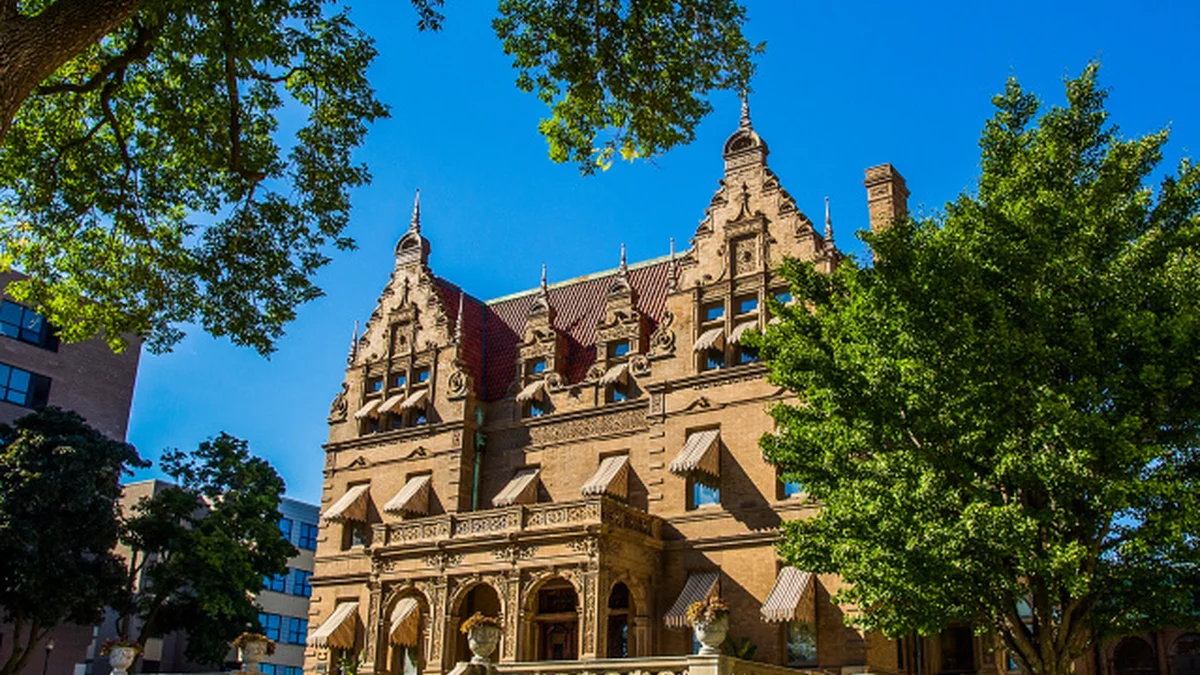
Best for: Gilded Age rooms, original furnishings and the grandest house tour in the city
On Wisconsin Avenue west of downtown, the Pabst Mansion at 2000 West Wisconsin Avenue, Milwaukee, WI 53233 is a Flemish Renaissance Revival palace built from 1890 to 1892 for Captain Frederick Pabst, a lake captain turned industrialist, and his wife Maria. Architects George Bowman Ferry and Alfred Charles Clas wrapped 37 rooms in carved wood, stained glass and wrought iron, The mansion later served as the residence of the archbishops of Milwaukee from 1908 to 1975. Sold in 1975 and marked for demolition, the house was saved by preservationists and has worked as a museum since 1978, its original furnishings back in place.
The mansion opens Sunday to Thursday from 10:00 a.m. to 4:00 p.m. and Friday and Saturday from 10:00 a.m. to 5:00 p.m. The guided Classic Tour runs about 60 minutes with a docent across the first three floors, self guided tours also run, and tickets sell in advance online or in the museum shop. Check the official tours page for current admission prices. Allow one to two hours.
Tip: Take the guided tour over the self guided route. The docents carry the archbishop years and the rescue of the house.
12. Grohmann Museum
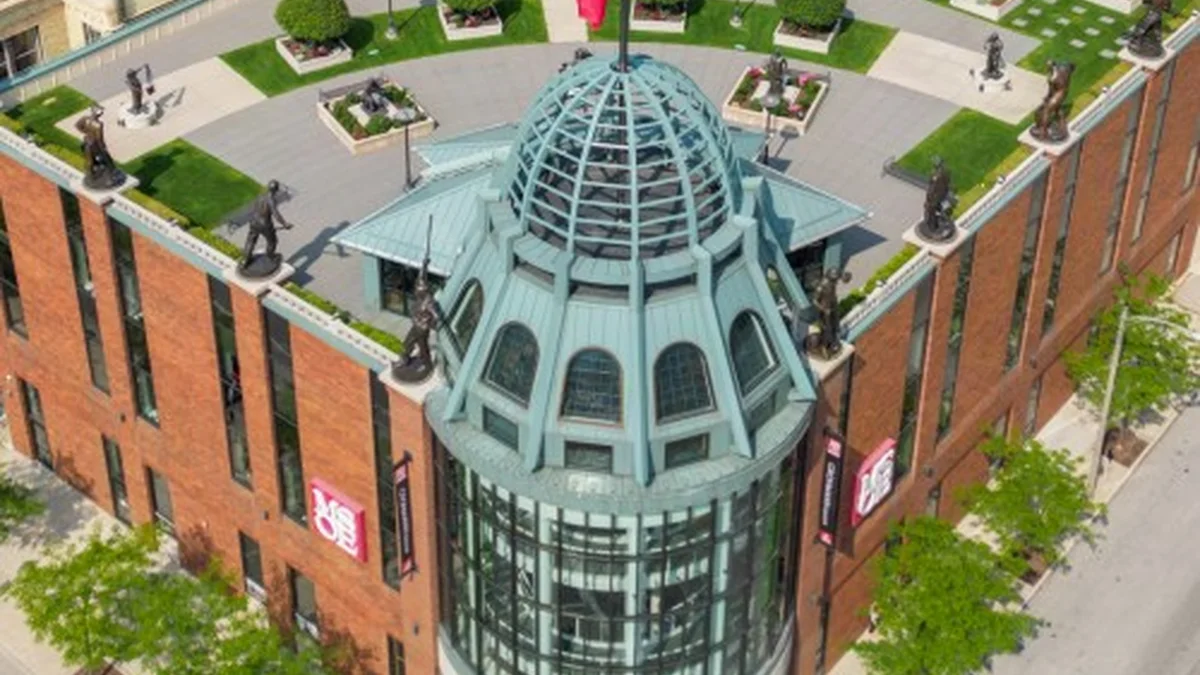
Best for: Five centuries of art about work, plus a rooftop garden of bronze workers, for $5
Downtown at the Milwaukee School of Engineering, the Grohmann Museum at 1000 North Broadway, Milwaukee, WI 53202 holds the Man at Work collection, more than 1,300 paintings and sculptures dating from 1580 to the present that document the evolution of human work: miners, farmers, glassblowers and factory hands in bronze and oil. Three floors of galleries end at a rooftop sculpture garden where life size bronze workers stand over the city streets. It is the quiet bargain of downtown Milwaukee.
The museum opens Monday to Friday from 9:00 a.m. to 5:00 p.m., Saturday from noon to 6:00 p.m., and Sunday from 1:00 p.m. to 4:00 p.m. Admission costs $5 for general visitors and $3 for students and seniors, with children under age 12 and the university community free. Allow one to two hours.
Tip: End on the rooftop. The bronze workers and the downtown skyline together make the best five dollar view in the city.
13. Charles Allis Art Museum
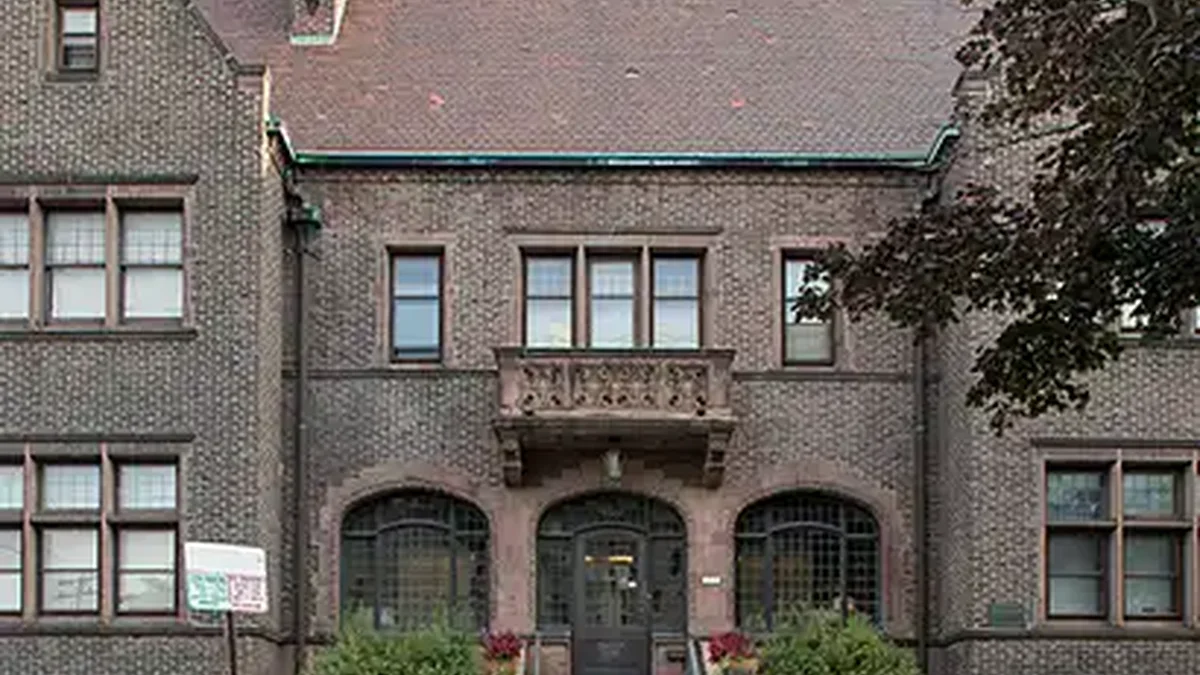
Best for: A Tudor mansion of marble and art on the East Side, free on the first Thursday of the month
On the East Side, the Charles Allis Art Museum at 1801 North Prospect Avenue, Milwaukee, WI 53211 is the Tudor style home built in 1911 for Charles and Sarah Allis, designed by Alexander C. Eschweiler and listed on the National Register of Historic Places. The Marble Hall shines with four Italian marbles, and the rooms hold 19th century French and American paintings, classical antiquities, Renaissance bronzes and Asian ceramics, Visitors enter through the coach house door on the Royall Place driveway.
From October to April the museum opens Thursday and Friday from 11:00 a.m. to 5:00 p.m. and Saturday from noon to 4:00 p.m., closing Sunday to Wednesday. From May to September, Sunday hours from 1:00 p.m. to 4:00 p.m. join the pattern. Last entry comes 30 minutes before closing. Admission costs $10 for adults, and the first Thursday of every month is free. Allow about one hour.
Tip: Pair the Allis with Villa Terrace a short walk north. The two East Side mansion museums fill one elegant afternoon.
14. Villa Terrace Museum and Gardens
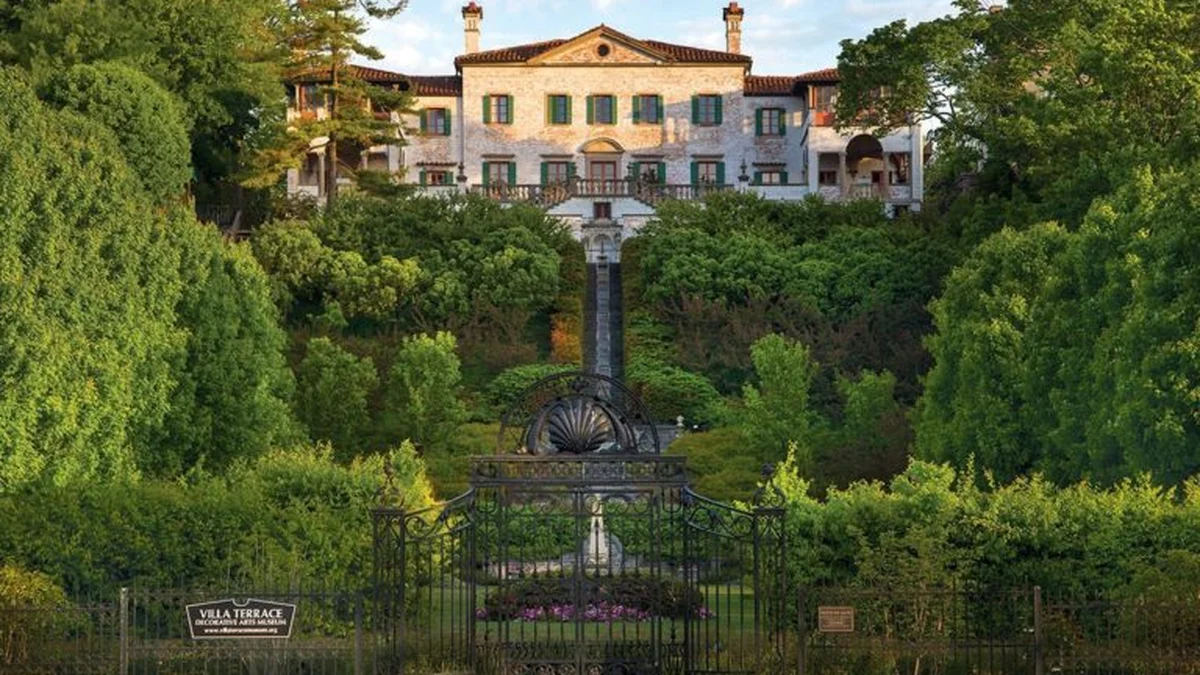
Best for: An Italian villa, a water stairway garden and wrought iron art above the lake
North of the Allis mansion on the East Side bluff, Villa Terrace at 2220 North Terrace Avenue, Milwaukee, WI 53202 is a piece of Italy rebuilt in Wisconsin. Architect David Adler designed the house for Lloyd R. Smith and his wife Agnes after a trip to Italy in 1915, in the style of a 16th century villa of northern Italy, and the family named it Sopra Mare, above the sea. A water stairway pours through gardens designed with landscape architect Rose Standish Nichols, and the rooms hold decorative arts and the Colnik Collection of wrought iron by master craftsman Cyril Colnik. The villa stands in Milwaukee County parkland and has worked as a decorative arts museum since 1966.
The villa keeps a short weekly schedule, opening on select days from Thursday to Sunday, and hours shift with the season, so confirm the day and time on the official site before you go. Allow about one hour, longer in the garden in summer.
Tip: Walk the water stairway slowly from the house to the bottom gate. The garden is the exhibit here.
Top Milwaukee Attractions Compared
| Attraction | Best For | Cost | Time Needed |
|---|---|---|---|
| Milwaukee Art Museum | Calatrava wings and world art | $27 adults; kids 12 and under free | 3 hours |
| Harley-Davidson Museum | More than 450 motorcycles and Serial Number One | Paid; prices on the official page | 2 to 3 hours |
| Milwaukee Public Museum | Streets of Old Milwaukee and the dome theater | $25 adults | 3 hours |
| Discovery World | Hands-on science and the Reiman Aquarium | $24 adults | 3 hours |
| Betty Brinn Children Museum | Play learning for young children | Paid; free on third Thursdays | 2 hours |
| Milwaukee County Zoo | 190 wooded acres and more than 300 species | Flex pricing, $14.75 to $19.75 adults | Half day |
| Mitchell Park Domes | Three glass garden domes | $10 adults | 1 to 2 hours |
| Milwaukee Public Market | Nearly 20 food and artisan vendors | Free entry | 1 to 2 hours |
| Historic Third Ward | Historic warehouses, galleries and the Riverwalk | Free | 2 to 3 hours |
| Basilica of St. Josaphat | A 250 foot dome and Polish immigrant craft | Free | 1 hour |
| Pabst Mansion | Gilded Age rooms and original furnishings | Paid; tickets on the official page | 1 to 2 hours |
| Grohmann Museum | Art of work from 1580 to today | $5 | 1 to 2 hours |
| Charles Allis Art Museum | A Tudor mansion of art | $10 adults; free on first Thursdays | 1 hour |
| Villa Terrace Museum and Gardens | An Italian villa and garden | Paid; check the official site | 1 hour |
Suggested Itineraries
| Trip Length | How to Spend It |
|---|---|
| 1 Day | The Milwaukee Art Museum in the morning for the noon wing display, lunch at the Milwaukee Public Market, then the Historic Third Ward and the Riverwalk, with the Grohmann Museum before dinner. |
| 2 Days | Day 1 as the one day plan, adding the Basilica of St. Josaphat on the south side. Day 2 at the Milwaukee Public Museum in the morning, the Pabst Mansion after lunch, and the Mitchell Park Domes before a halal dinner on the south side. |
| 3 Days | Add a family and nature day: the Milwaukee County Zoo in the morning, Discovery World and the Betty Brinn Children Museum downtown after, plus the Charles Allis Art Museum and Villa Terrace on the East Side. |
Book Your Milwaukee Tickets Online

Skip the ticket lines and book in advance. Every link below goes to the official ticket page for that attraction.
| Attraction | Book Tickets |
|---|---|
| Milwaukee Art Museum | Book Tickets |
| Harley-Davidson Museum | Book Tickets |
| Milwaukee Public Museum | Book Tickets |
| Discovery World | Book Tickets |
| Betty Brinn Children Museum | Book Tickets |
| Milwaukee County Zoo | Book Tickets |
| Pabst Mansion | Book Tickets |
Where to Stay in Milwaukee
Top 3 hotels in Milwaukee
Explore all hotels >- The Pfister Hotel ★★★★
- Saint Kate, The Arts Hotel ★★★★
- Hilton Milwaukee ★★★
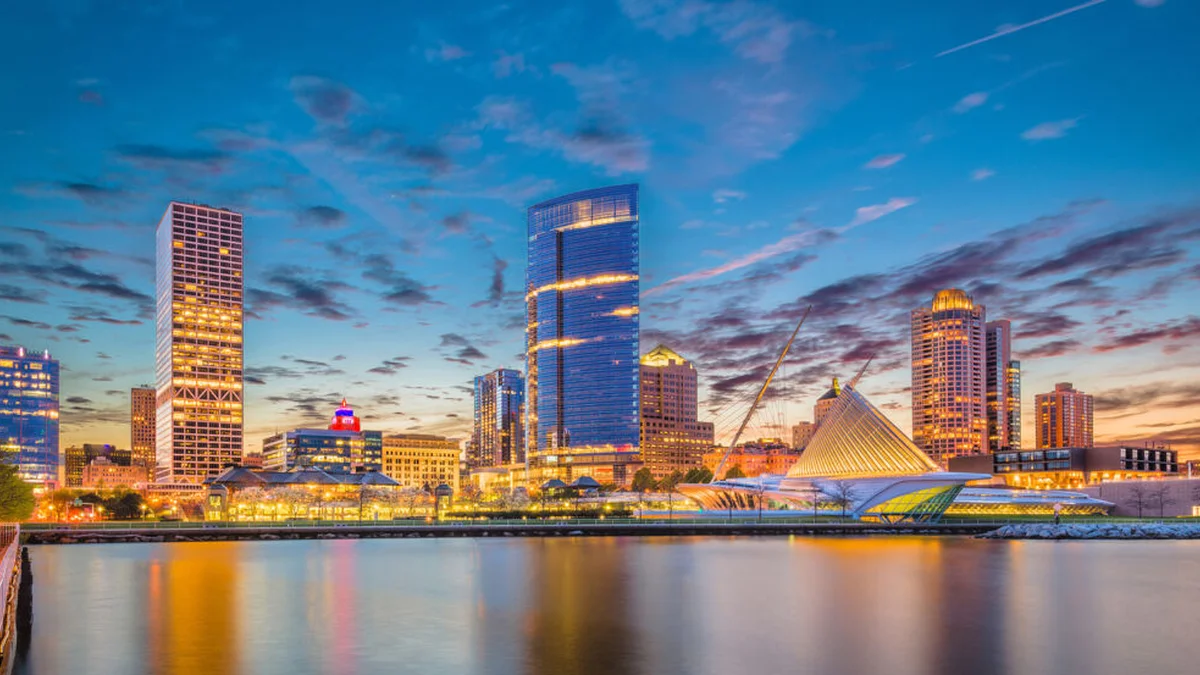
The best area to stay in Milwaukee depends on your plan. Downtown on the Riverwalk puts The Hop, City Hall and the big hotels on your doorstep. The Historic Third Ward suits food and gallery weekends among the warehouse streets. The south side and Greenfield offer a different advantage: the big mosque on 13th Street, the halal kitchens of 27th Street and an easy run to the airport.
| Area | Best For | Vibe |
|---|---|---|
| Downtown and the Riverwalk | First-time visitors and short stays | The Hop loop, the theater district and the river bridges within a short walk |
| Historic Third Ward | Food lovers and gallery weekends | Old warehouse streets, the Public Market and the Riverwalk outside the door |
| South Side and Greenfield | Halal food trips and airport runs | The mosque on 13th Street, the bakeries of 27th Street and free parking at most doors |
Three hotels cover the main bases well. Rates swing with the season and event weekends, so open each official hotel page for live prices.
- The Pfister Hotel, 424 East Wisconsin Avenue, Milwaukee, WI 53202. The grand downtown landmark opened in 1893, famed for a celebrated collection of Victorian art and a Four Diamond rating held for decades, with the Third Ward a short walk east.
- Saint Kate, The Arts Hotel, 139 East Kilbourn Avenue, Milwaukee, WI 53202. A boutique hotel built around art: galleries and installations on the first two floors, art by Wisconsin artists in every room, and a ukulele and a record player in each guest room.
- Hilton Milwaukee, 509 West Wisconsin Avenue, Milwaukee, WI 53203. An Art Deco tower opened in 1928 and freshly renovated, connected by skywalk to the Baird Center and handy for the Pabst Mansion.
What to Eat in Milwaukee

Milwaukee eats with two accents at once. German and Polish immigrant kitchens shaped the classic table of Friday fish fries, butter burgers and frozen custard, while the south side cooks Palestinian, Pakistani and Mediterranean food along 27th Street and Mitchell Street. Food tells the story of a city faster than any museum label, a pattern we explored in our guide to how food tourism is shaping modern travel.
Halal Food in Milwaukee

The halal heart of Milwaukee beats on the south side. The landmark table is Taqwa Bakery and Restaurant at 4651 South 27th Street, Greenfield, WI 53221, a Palestinian kitchen and bakery serving zabiha halal meat, with a stone oven turning out fresh taboun bread and manakish all day. Order the musakhan, the mansaf, the dawalee and a shish tawook plate, then finish with baklava. The kitchen opens Sunday to Thursday from 10:00 a.m. to 9:00 p.m. and Friday and Saturday to 10:00 p.m.
South in Oak Creek, Kabab House at 2345 West Ryan Road, Oak Creek, WI 53154 states 100 percent zabiha halal on its own site and grills kebabs and shawarma daily from 10:00 a.m. to 9:00 p.m. Back in the city, Anmol Restaurant at 711 West Historic Mitchell Street, Milwaukee, WI 53204 is a family run Pakistani kitchen whose own description promises strictly 100 percent zabiha halal meat, on the Mitchell Street shopping district. Most kitchens on the south side serve halal meat, and staff will confirm the certification on the day.
Local Dishes to Try

Start with the Friday fish fry, a Milwaukee institution of fried fish with rye bread, potato pancakes and slaw. Follow with frozen custard, the dense, silky scoop Milwaukee claims as its own. Add fried cheese curds, the squeaky Wisconsin signature, and a butter burger, a beef burger finished with a melting cap of butter on a toasted bun. Finish sweet at the Public Market with bakery cases of cookies, cakes and pastries from local bakers.
Mosques and Prayer Facilities in Milwaukee
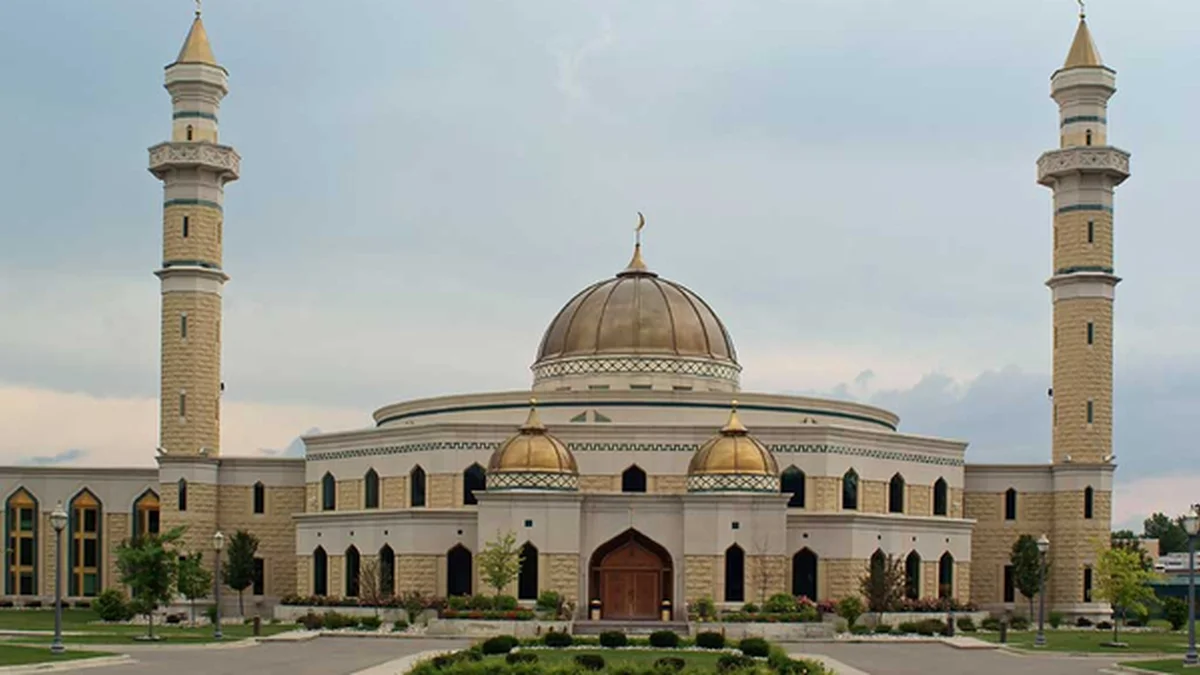
Milwaukee holds a rooted Muslim community. The Islamic Society of Milwaukee, founded in 1976, anchors the community with centers across the metro area, while independent masjids serve neighborhoods from Brown Deer Road to the airport side.
The landmark mosque of the city is the main center of the Islamic Society of Milwaukee at 4707 South 13th Street, Milwaukee, WI 53221, the largest mosque in Milwaukee, serving a community of about 15,000 Muslims, with sister centers near the university campus on the east side and in Brookfield to the west. On the north side, Masjid Al-Quran at 11723 West Brown Deer Road, Milwaukee, WI 53224 began in 1992 and sits on about eight acres with a small farm, an orchard and gardens, a green program that earned a national award from the Islamic Society of North America.
Smaller masjids serve neighborhoods across Milwaukee and the suburbs. Friday services draw the largest gatherings of the week, and parking fills early at the big centers, so arrive ahead of the prayer.
Getting Around Milwaukee

| Option | Best For | Typical Cost |
|---|---|---|
| The Hop streetcar | Downtown, the Historic Third Ward and the Intermodal Station | Free |
| MCTS buses | City and county routes, the zoo and the south side | $2 per ride with WisGo; 1-day pass $4 |
| Walking | Downtown, the Third Ward and the East Side mansions | Free |
| Car | The zoo, the Domes and day trips | Downtown garage parking by the hour or day |
| Taxi and rideshare | Airport runs and late returns | Metered or app priced |
One free system does the heavy lifting downtown. The Hop streetcar runs the M-Line for 2.1 miles between Milwaukee Intermodal Station and Burns Commons, while the L-Line loops the lakefront stops and the Third Ward. Streetcars come every 15 to 20 minutes, Monday to Friday from 5:00 a.m. to midnight, Saturday from 7:00 a.m. to midnight and Sunday from 7:00 a.m. to 10:00 p.m., and every ride is free. MCTS buses cover the county beyond the streetcar: pay $2 a ride with WisGo in the Umo app, $2.25 in cash, or ride on a $4 one day pass.
Milwaukee Mitchell International Airport (MKE) at 5300 South Howell Avenue stands about five miles south of downtown. Taxis and rideshare cars cover the run in about 15 to 20 minutes in normal traffic, MCTS buses link the airport with downtown, and Milwaukee Airport Station serves Amtrak trains on the Chicago line.
How Much Does a Trip to Milwaukee Cost?

| Item | Typical Cost |
|---|---|
| Milwaukee Art Museum | $27 per adult; children age 12 and under free |
| Milwaukee Public Museum | $25 per adult |
| Milwaukee County Zoo | Flex pricing, $14.75 to $19.75 per adult at the gate; online $3 less |
| Discovery World | $24 per adult |
| MCTS bus day pass | $4; single ride $2 with WisGo |
| Halal lunch on the south side | $12 to $22 per person |
| Mid-range hotel | $120 to $230 per night |
| Top free sights | The Hop streetcar, the Milwaukee Public Market, the Basilica of St. Josaphat and the Third Ward Riverwalk cost nothing |
Milwaukee gives strong value for a big lake city. The streetcar rides free, the market and the great church charge nothing, children enter the art museum free, and the mansion museums run free days every month. Anchor each day with a free sight, buy zoo tickets online and eat on the south side.
Best Time to Visit Milwaukee

| Season | Months | What to Expect |
|---|---|---|
| Spring | March to May | Mild days around 40 to 60 degrees Fahrenheit, gardens waking at the Domes and Villa Terrace |
| Summer | June to August | Warm days around 70 to 85 degrees, long evenings on the Riverwalk, the zoo at full hours |
| Fall | September to November | Crisp days around 45 to 70 degrees, fall color in the parks, thinner crowds at the big museums |
| Winter | December to February | Cold days around 15 to 35 degrees with lake snow, quiet galleries and the lowest hotel rates of the year |
Late May and June may be the finest Milwaukee of all: warm but not hot, the villa garden in full leaf and the zoo on summer hours. September and October trade summer warmth for fall color and calm museum halls. Winter is the quiet season, with soft rates and the art museum nearly to yourself.
Day Trips from Milwaukee

Chicago by Amtrak Hiawatha Train

The easiest day trip from Milwaukee needs no car at all. Amtrak Hiawatha trains leave Milwaukee Intermodal Station downtown and run the 86 miles to Chicago Union Station in about 90 minutes, with several trains a day in each direction. From Union Station, the Art Institute, Millennium Park, the river architecture and deep dish pizza all sit within a walk. Fares sell on Amtrak, and evening trains bring you back the same night.
Cedarburg, a Stone Mill Town North of the City

A short drive north, Cedarburg keeps the small town Wisconsin of the mill era in one walkable main street. Stone storefronts along Washington Avenue hold antique shops, galleries, bakeries and cafes, and paths follow Cedar Creek through the center of town. Pair the trip with coffee on the main street and a creek side walk.
Practical Tips for Visiting Milwaukee

Good to Know

- The Hop streetcar is free on both lines, so a downtown sightseeing day can cost nothing in fares.
- The wings of the Milwaukee Art Museum move at opening, at noon and at closing, weather permitting. Time a visit for the noon display.
- Children age 12 and under enter the Milwaukee Art Museum free, and Wisconsin school teachers enter free with ID.
- The free days stack up across the month: the Charles Allis Art Museum on the first Thursday, the Betty Brinn Children Museum on the third Thursday, and Thank You Thursdays at the Milwaukee Public Museum.
- Milwaukee County Zoo uses flex pricing. Online tickets run $3 less than the gate, and weekday dates sit at the low end of the range.
- Friday prayer fits the sightseeing day. The main center of the Islamic Society of Milwaukee on 13th Street stands a short drive from the Greenfield halal kitchens.
Good to Avoid

- Do not plan the art museum on a Monday or Tuesday. The Milwaukee Art Museum closes both days, and the Milwaukee Public Museum closes on Tuesdays.
- Do not give the zoo a spare hour. The grounds cover 190 acres, so give the zoo a half day.
- Do not arrive at the Milwaukee Public Museum late in 2026 expecting every classic gallery at full strength. The move to the new home takes some pieces off display as the year goes on, so go earlier in the year.
- Do not drive into downtown on a big event day without a parking plan. Garages near the arena and the festival grounds fill hours before start time.
- Do not leave Villa Terrace or the Charles Allis Art Museum to a random day. Both keep short weekly schedules, so check the open days before you cross town.
Final Thoughts
Milwaukee rewards the traveler who likes a city with working hands. Wings of steel opening over the lake at noon, a 1903 motorcycle under glass, desert and jungle gardens under glass domes in January, and a free streetcar ride home at golden hour: the Cream City strings art, craft and fresh lake air into one trip. Give it three days if you can, eat Palestinian in Greenfield, pray at the big mosque on 13th Street, and let the Cream City set the pace.
The Pabst Theater, the Milwaukee Art Museum with its wings, and the RiverWalk make the downtown and waterfront day, and the Harley-Davidson Museum, the Milwaukee County Zoo, and the Milwaukee Public Museum add the industrial, animal, and natural history hours. The Summerfest grounds, North Point Lighthouse, and Mitchell Park Domes finish the circuit, with lake views and three glass houses in one stop.
Group the downtown and waterfront sights into one day and keep the zoo, the Harley-Davidson Museum, and the Domes for separate half days with a car. Summer brings the festival season and the busiest lakefront, and September to October brings foliage and lake views with thinner crowds. Use the Hop On Hop Off trolley for the 10 stop loop in warm months, and book brewery tours ahead in summer, when weekend slots sell out.
Downtown, the Third Ward, and Walker Point all put restaurants, the RiverWalk, and the lakefront within walking distance, with the Third Ward holding the best hotel choice for first time visitors. The Islamic Society of Milwaukee, at 4707 S 13th Street, and the Islamic Center of Milwaukee, at 1539 W Fond du Lac Avenue, both hold daily and Friday prayers, and visitors are welcome. If a fourth day is free, Chicago sits around 90 miles south and makes the classic lakefront pairing.
FAQs
What are the best things to do in Milwaukee for first-time visitors?
Start on the lakefront with the Milwaukee Art Museum and the noon wing display, add the Harley-Davidson Museum and the Milwaukee Public Museum, then ride the free Hop to the Public Market and the Historic Third Ward. Add the Basilica of St. Josaphat and the Pabst Mansion for the church and the Gilded Age.
How many days do you need in Milwaukee?
Two full days cover the essentials: one for the lakefront and downtown, one for the public museum, the mansions and the Domes. Three days add the Milwaukee County Zoo, Discovery World and the East Side mansion museums. A fourth day rides the Amtrak Hiawatha to Chicago and back.
What are the best free things to do in Milwaukee?
The Hop streetcar, the Milwaukee Public Market, the Basilica of St. Josaphat, the Historic Third Ward and the Riverwalk all charge nothing. Children age 12 and under enter the art museum free, and free days land monthly at the mansion museums, the children museum and the public museum.
What is the best time of year to visit Milwaukee?
Late May and June bring mild days, gardens in bloom and the zoo on summer hours. September and October add fall color and calm museums. Summer suits the Riverwalk and the market, while winter offers low hotel rates and quiet galleries.
Is Milwaukee good for families with children?
Yes. Discovery World runs on hands-on science and an aquarium, the Betty Brinn Children Museum builds a whole museum for children under age 9, the Milwaukee Public Museum adds a live butterfly garden, and the zoo gives children 190 acres to roam. Children age 12 and under enter the art museum free.
Where can you find halal food in Milwaukee?
Head to the south side, where 27th Street in Greenfield holds Taqwa Bakery and Restaurant with a full Palestinian halal menu and a stone oven bakery, Mitchell Street holds the Pakistani kitchen of Anmol Restaurant, and Kabab House serves zabiha halal kebabs and shawarma in Oak Creek.
How do you get from Milwaukee Mitchell International Airport to downtown Milwaukee?
The airport stands about five miles south of downtown. Taxis and rideshare cars cover the run in about 15 to 20 minutes, and MCTS buses link the airport with downtown on a $2 ride.