
Things to Do in Hallstatt: The Salt Mine, the Skywalk and the Most Famous Village in Austria
The boat pulls away from the little station pier, and Hallstatt rises out of the morning mist across the water: a spill of steep roofs, two church towers and a waterfall of lanes between the lake and the rock. The list of things to do in Hallstatt starts with that crossing. Behind the postcard view…
The boat pulls away from the little station pier, and Hallstatt rises out of the morning mist across the water: a spill of steep roofs, two church towers and a waterfall of lanes between the lake and the rock. The list of things to do in Hallstatt starts with that crossing. Behind the postcard view stands a working village of salt, where miners have dug into the mountain for about 7,000 years and where some 740 residents share the lanes with around a million visitors a year.
This guide plans the village the way a good visit unfolds here. Arrive by ferry before the day crowds, ride the funicular up the Salzberg for the salt mine and the Skywalk, and give the museum and the Bone House the quieter afternoon. It also covers the boat trips, the Dachstein cable car at Obertraun, where to stay, what halal food exists, where the nearest mosque stands, honest trip costs and three day trips.
Every price, opening hour and address below was checked on the official page of the sight or the boat company in October 2026. Where sources disagreed, the guide prints no figure rather than a doubtful one. Buttons lead only to official ticket and hotel pages.
Hallstatt at a Glance

| Detail | What to Know |
|---|---|
| Best known for | The most photographed village of Austria, a UNESCO lakeside village under the Dachstein massif and home to the oldest known salt mine on earth |
| Currency | Euro (EUR) |
| Language | German; English widely spoken in hotels, sights and restaurants |
| Village size | About 740 residents and around a million visitors a year; arrive before 9:00 or sleep over for the quiet hours |
| World Heritage | UNESCO cultural landscape of Hallstatt, Dachstein and the Salzkammergut, listed in 1997 |
| Train station | Hallstatt station stands on the far shore of the lake; the Stefanie ferry meets the trains, cash only, €4 one way |
| From Salzburg | Train about 2 hours 30 minutes with one change, bus about 2 hours 15 minutes with a change in Bad Ischl |
First Visit

Cross by ferry at opening time, ride up to the salt mine and the Skywalk, and walk the market square and Seestrasse before the lanes fill.
Families

Ride the wooden slides of the salt mine, take a lake round trip from the market pier and walk the flat Echerntal trail to the glacier garden.
Quiet Corners
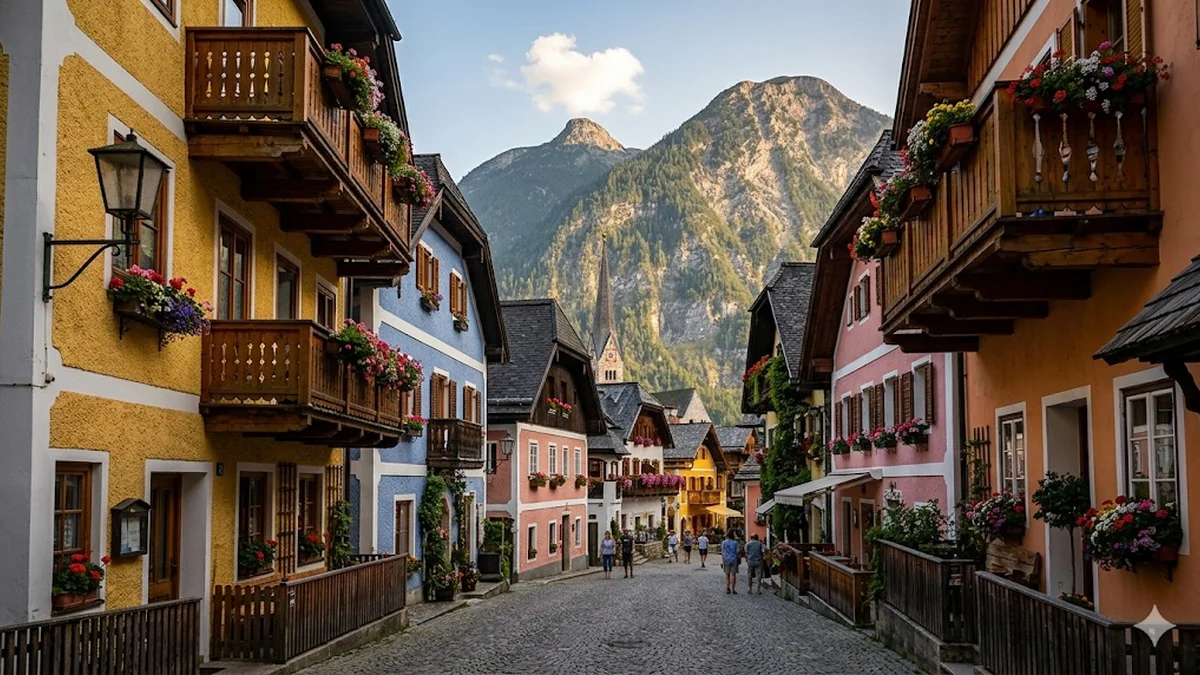
Stay overnight for the misty early hours, walk the Echern valley in the afternoon and end the day at the classic viewpoint in soft light.
The Top Things to Do in Hallstatt
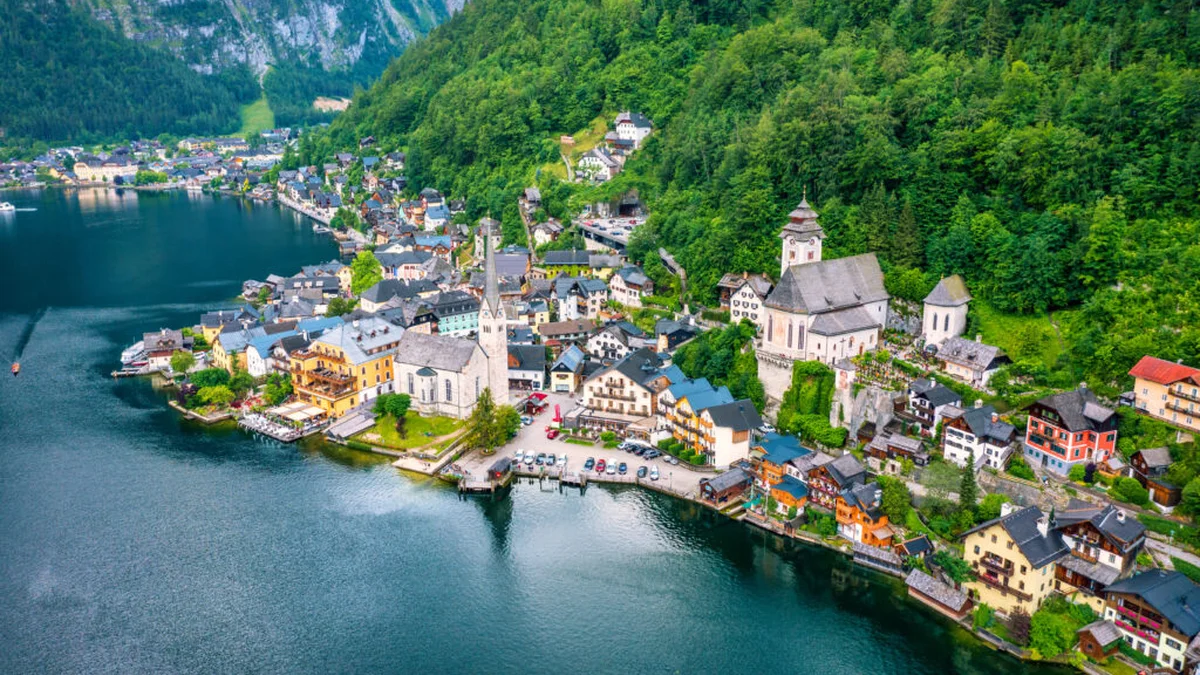
The eight sights below follow the order most visitors walk them, from the salt mountain above the roofs to the waterfall valley behind the village. Each carries a Best for line, a Do not miss note and the facts that decide a day.
1. Salzwelten Hallstatt Salt Mine

Best for

Families, history fans and the headline experience of the village.
Address: Salzbergstraße 21, 4830 Hallstatt. The Salzwelten visitor centre and the funicular valley station stand in the Lahn district, at the south end of the village beside car park P2.
Salt built Hallstatt. People have mined salt on this mountain for about 7,000 years, and the guided tour walks deep into that story, through galleries first cut by Bronze Age miners. Visitors pull on protective clothing at the surface building, then follow the guide underground to the oldest wooden staircase of Europe, a flight of steps cut about 3,500 years ago and preserved whole by the salt around it.
Between the chambers, two long wooden slides carry visitors down to the lower levels, the longer slide running 64 metres through the dark. Deeper in, an underground salt lake glows under a short light and sound presentation. A ride on the mine train brings the group back to daylight.
Do not miss

The Bronze Age staircase and the long slide. Few sights in Europe put a tool of the Bronze Age and a fairground ride in the same hour.
Practical info

The ticket combining the mine and the funicular costs €49 for adults and €23 for children age 4 to 15; children under 4 cannot enter the mine. Hikers who walk up pay €33 and €16 for the mine alone. Tours run daily in season; in autumn 2026 the last tour starts at 16:30, and at 15:00 in the winter period, with closures on 24 and 31 December. The mine holds a cool 8 to 10 degrees all year, so carry a warm layer. A free audio guide app covers many languages, Arabic among them. Book online ahead in summer, when time slots sell out days in advance.
Tip: Take the first funicular of the day and the first tour slot. The Salzberg is calm at opening time, and the rest of the village day falls into place after it.
2. Hallstatt Skywalk: The World Heritage View

Best for
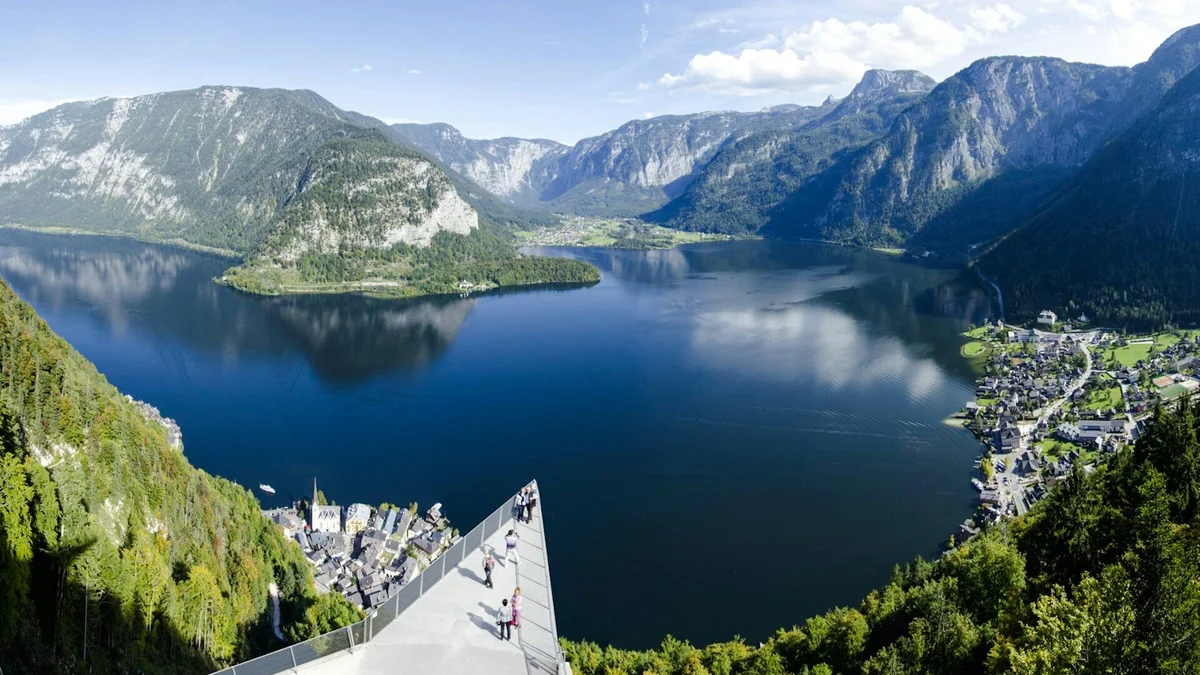
The panorama of Austria in a single frame, and photographers of every level.
Address: Salzberg, above the village. The Salzbergbahn funicular climbs from the valley station in Lahn to the high valley in about three minutes; a signed path of about ten minutes leads from the top station to the platform.
The Skywalk, named the World Heritage View, is a triangular steel platform that opened in 2013 beside the medieval Rudolfsturm tower. The point of the platform reaches 12 metres out from the rock, some 350 metres above the rooftops of Hallstatt, and the whole village, the lake and the Dachstein range arrange themselves below in one deep view.
The platform pairs naturally with the salt mine, since one funicular ride serves both, and the walk between the top station and the mine entrance crosses the prehistoric burial ground of the high valley. Visitors who skip the funicular can climb the Salzbergweg footpath from the village in about 45 minutes and earn the same view on foot.
Do not miss
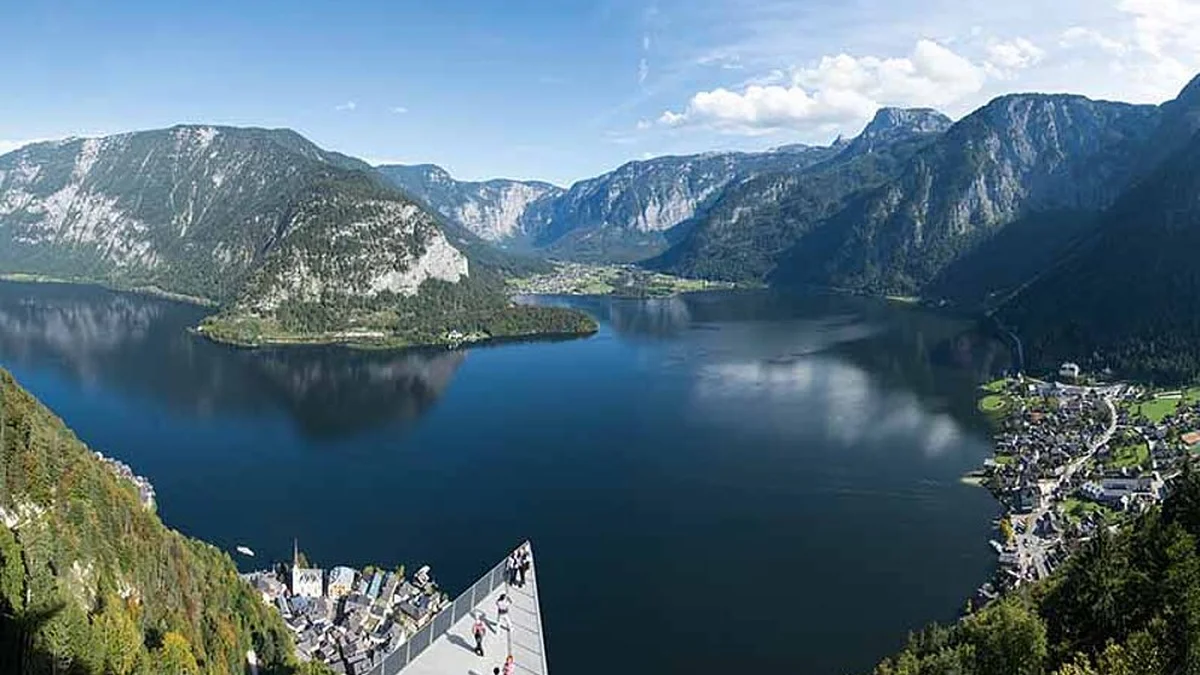
The moment the ferry leaves the station pier far below and the wake draws a white line toward the village.
Practical info

The funicular return ride costs €29 for adults and €14 for children age 4 to 15, and the Skywalk itself carries no extra fee. The mine ticket described above includes the funicular, so mine visitors ride free of extra cost. In season the funicular runs 9:00 to 18:00, with the last ride down at 16:30 in the winter period. The platform stands open in all weathers; low cloud can erase the view, so save the ride for a clear spell.
Tip: Go up early or in the last hour of running. Midday queues form at the platform point, while the first and last rides of the day stay quiet.
3. The Old Town: Marktplatz, Seestrasse and the Classic Viewpoint
Best for

Slow wandering, village detail and the photograph that defines Austria.
Address: the village centre, 4830 Hallstatt. The old town runs along Seestrasse between the Lahn district in the south and the classic viewpoint at the north end; the centre is closed to through traffic.
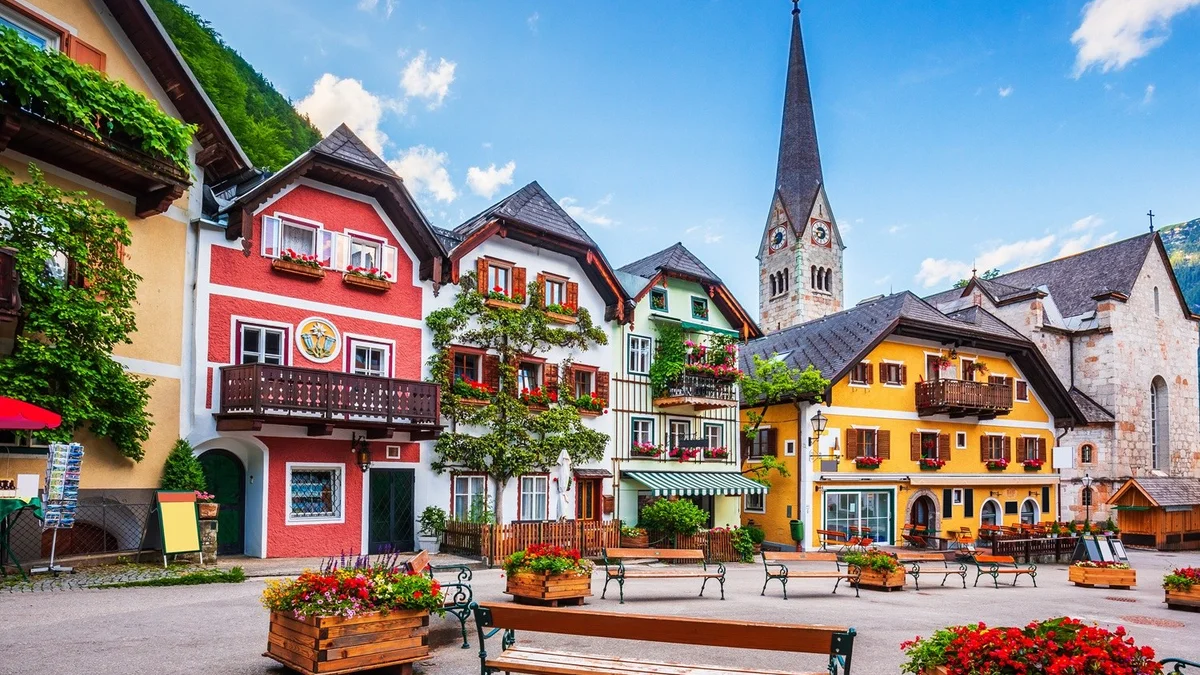
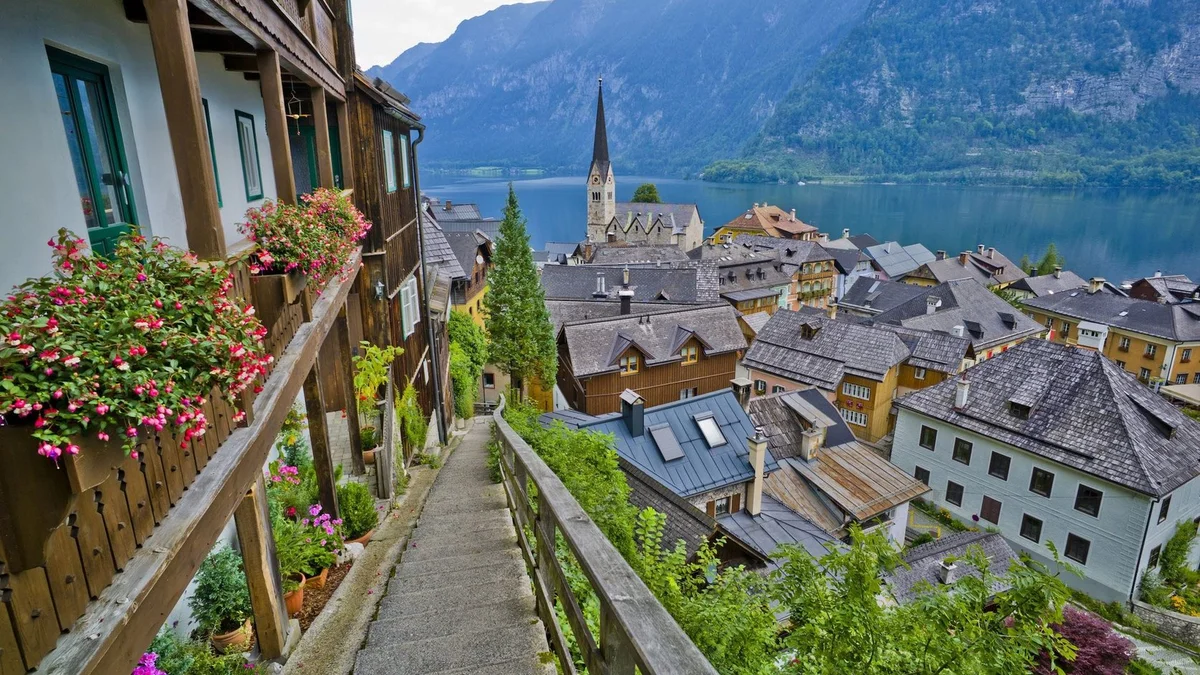
Hallstatt grew where the mountain left it room: a single lakeside shelf, stacked with houses of the 16th century and later, each floor reaching for a strip of light. Seestrasse, the lake street, strings the village together past workshops, bakeries and small hotels, while lanes and stairs climb between the houses toward the rock. The Marktplatz at the centre holds the Trinity Column of 1744 and the fountain, ringed by painted facades and cafe tables.
Two churches anchor the skyline. The Catholic parish church stands on its rock terrace above the square, completed in 1519 after decades of building, with the tiny cemetery and the Bone House behind it. The Protestant church of 1863 raises the slender spire that appears in every postcard. At the north end of Seestrasse, a marked viewpoint gives the classic composition: village, church spire and lake in one line, best in the first and last light of the day.
Do not miss

The walk to the north viewpoint early in the day, then a slow return through the upper lanes, where wood stacks and tiny gardens show the working village behind the facade.
Practical info
The old town is free and open at all hours. Day visitors peak between 10:00 and 16:00 in summer; overnight guests own the lanes before and after. Cars stay in the P1 to P4 car parks at the village edges, and everything in the centre is reached on foot.
Tip: Walk the village twice, once for the sights and once after 17:00, when the tour groups leave and the swans and the evening light take over the lake edge.
4. World Heritage Museum Hallstatt
Best for

Understanding the village, rainy hours and the story behind the salt.
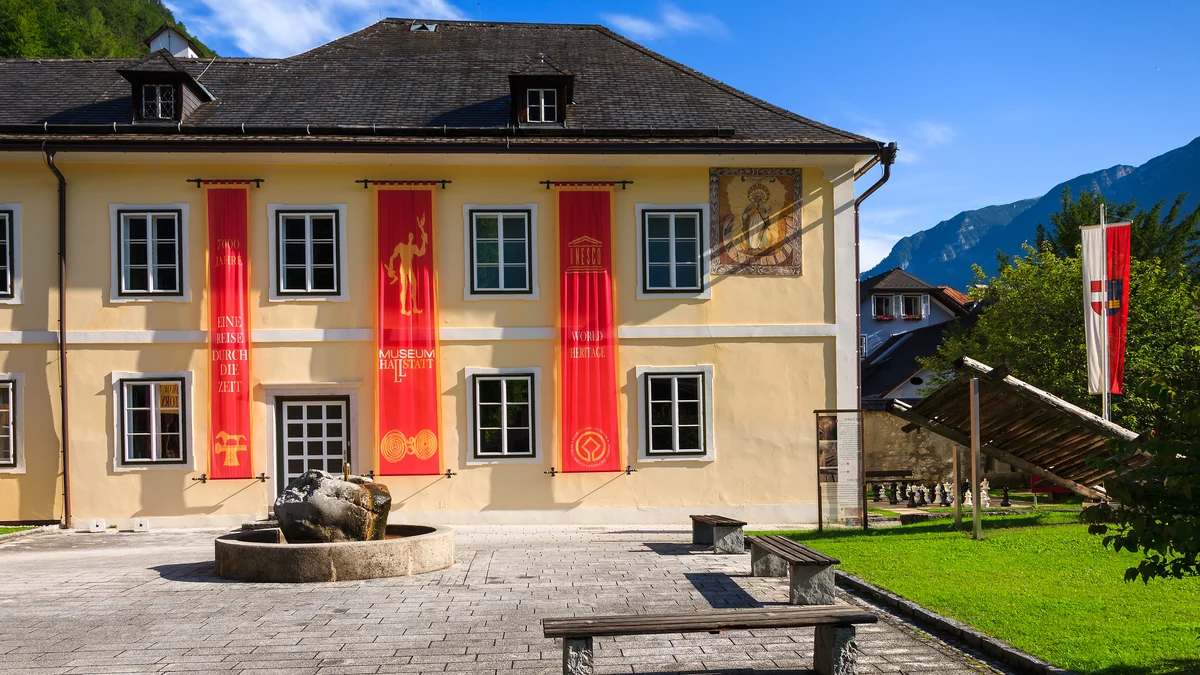
Address: Seestraße 56, 4830 Hallstatt. The museum fills the former parsonage on Seestrasse, a few minutes north of the market square.
Few villages give their name to an age of human history. The finds from the Hallstatt salt mine and from the great prehistoric burial ground above the village were so rich that archaeologists named the early Iron Age of Europe, from about 800 to 450 BC, the Hallstatt culture. The museum tells that story, and everything after it, as a time journey from the Stone Age to the present.
The rooms pair original grave goods, tools and jewellery from the mine and the burial field with clear models of the galleries underground. Later sections follow the salt trade, the village fires and rebuilds, and the rise of tourism. An hour here first makes the salt mine tour read twice as deep, and the burial ground walk on the Salzberg gains names and faces.
Do not miss
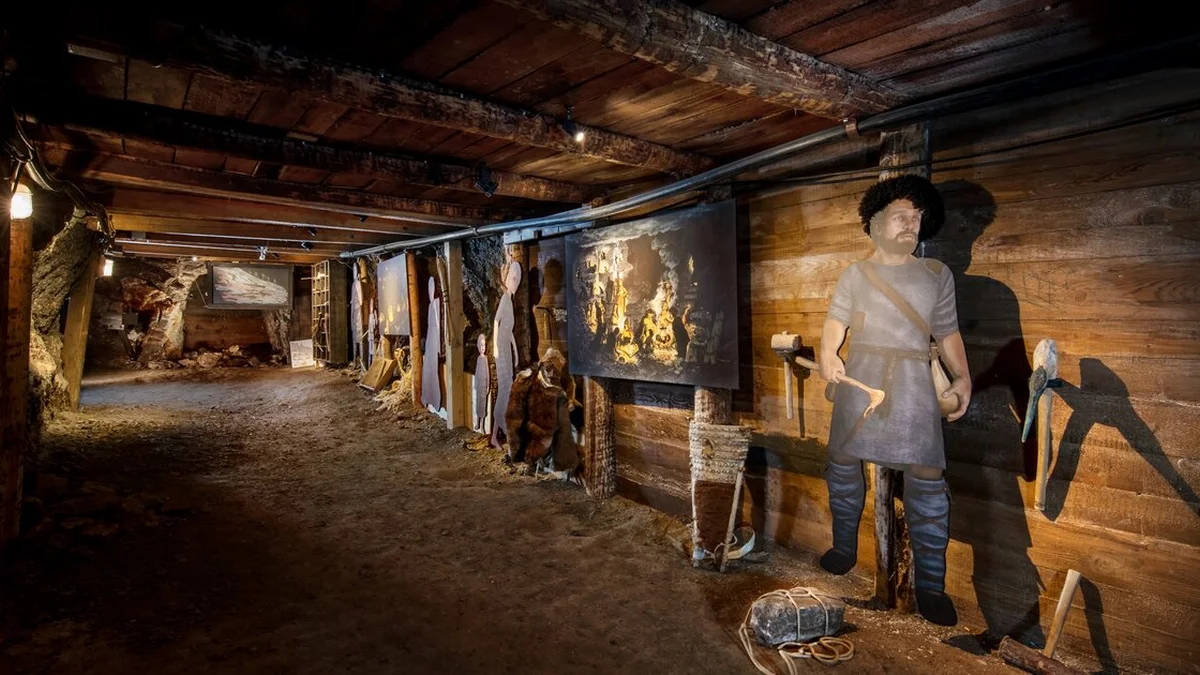
The Iron Age grave treasures from the burial ground, and the model of the prehistoric mine workings.
Practical info

Adults pay €12, children age 6 to 14 pay €8, young people age 15 to 18 and students pay €9, and a family ticket costs €25; holders of the local guest card pay €11. The museum opens daily all year: 10:00 to 18:00 from May to September, 10:00 to 16:00 in April and October, and 11:00 to 16:00 from November to March. Last entry falls 60 minutes before closing. The historic house has stairs throughout and no lift, as the museum itself states.
Tip: Visit the museum before the salt mine, not after. The grave goods and the mine models prime the eye for everything the guide shows underground.
5. The Bone House and the Parish Church Terrace

Best for
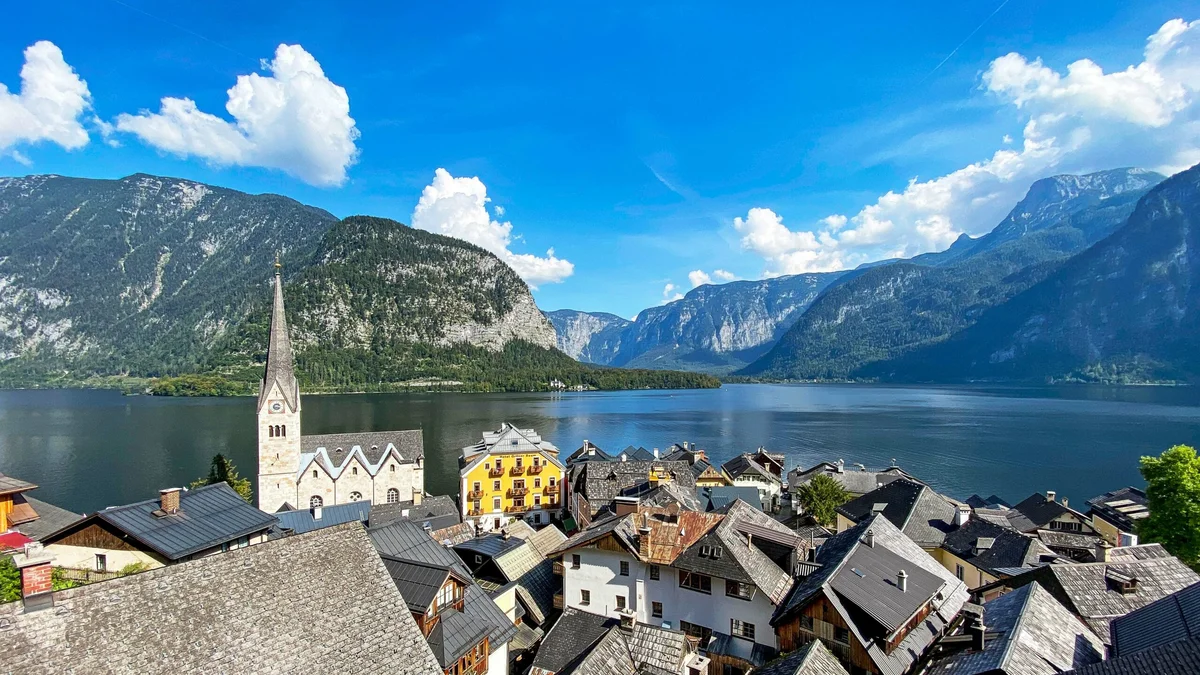
A unique village tradition, told plainly, and the finest churchyard view in Hallstatt.
Address: Kirchenweg, 4830 Hallstatt. The chapel of St Michael stands in the cemetery of the Catholic parish church, on the rock terrace above the market square, reached by the Kirchenweg steps.
The churchyard of Hallstatt is a small terrace of rock with no room to grow, so for centuries the village solved the problem in its own way. After about ten to fifteen years in the ground, the bones of the dead were lifted, cleaned and placed in the chapel, and from the 18th century onward the skulls were painted with care: a wreath of flowers or leaves, the name of the person and the year of death, so that each name stayed visible among the rows.
The Bone House of today holds more than 600 painted skulls alongside stacked bones, the largest collection of its kind, kept here since about 1600. The last skull joined the rows in 1995, placed there by her own written wish. The visit takes minutes, not hours, and the chapel asks for quiet voices; photography inside is not allowed. The parish church beside the cemetery and the terrace view over the roofs complete the stop.
Do not miss
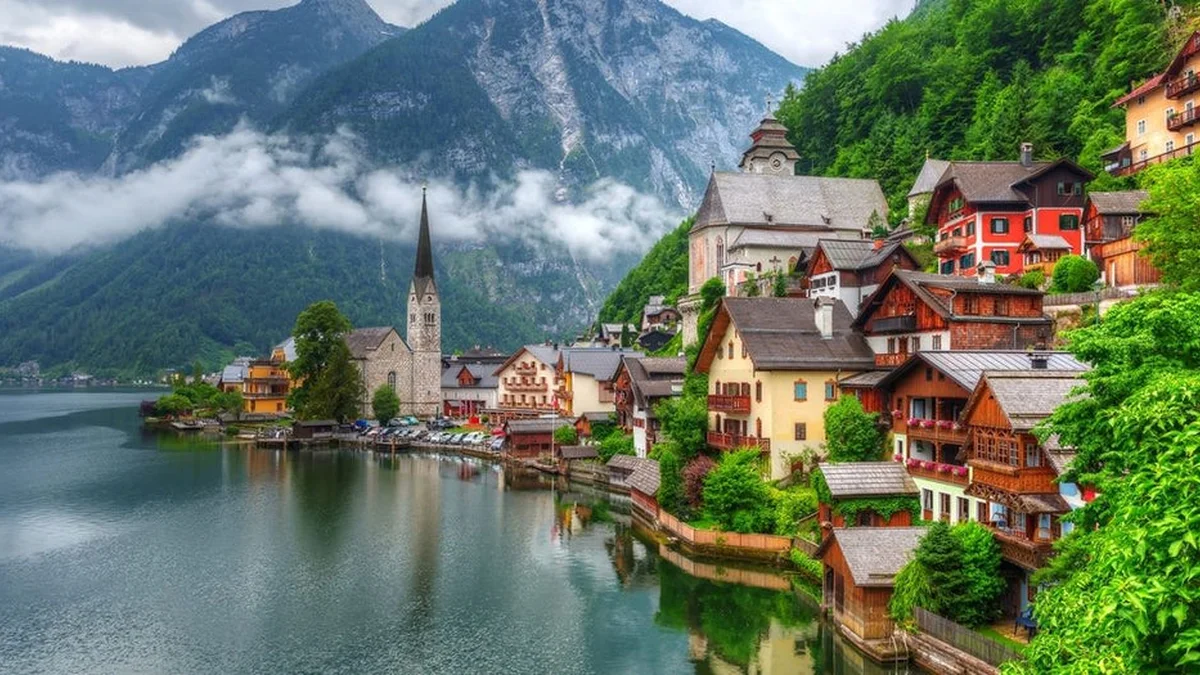
The painted wreaths and the small crosses and serpents of the oldest skulls, and the pause on the church terrace, where the whole village lies below in one glance.
Practical info
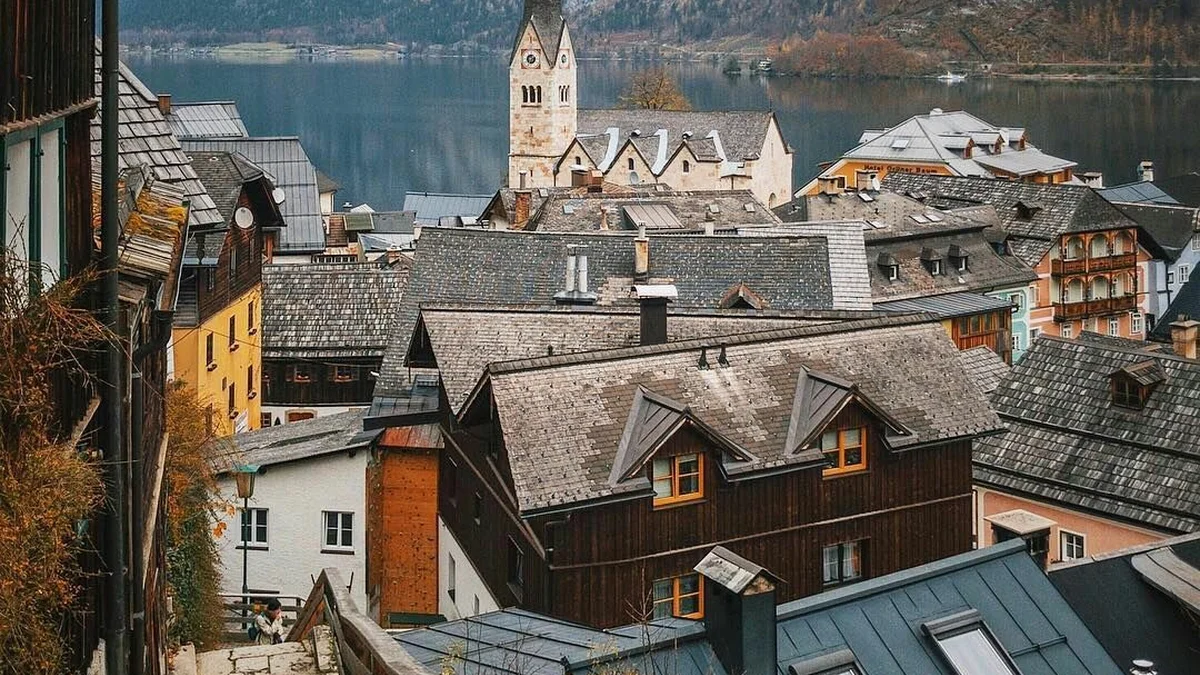
Entry costs €2 for adults and €0.50 for children, paid in cash at the door, and a small leaflet explains the custom. The chapel opens daily 10:00 to 18:00 in summer, 10:00 to 17:00 in October, and Wednesday to Sunday 11:30 to 15:30 in winter; the chapel closes on 1 and 2 November. The room holds only a handful of visitors at a time, so a short wait forms at midday in peak season.
Tip: Come before 10:00 or in the late afternoon, and pair the chapel with the church terrace at the same visit; the climb is the same set of steps.
6. Lake Hallstatt by Boat: The Ferry and the Round Trips

Best for
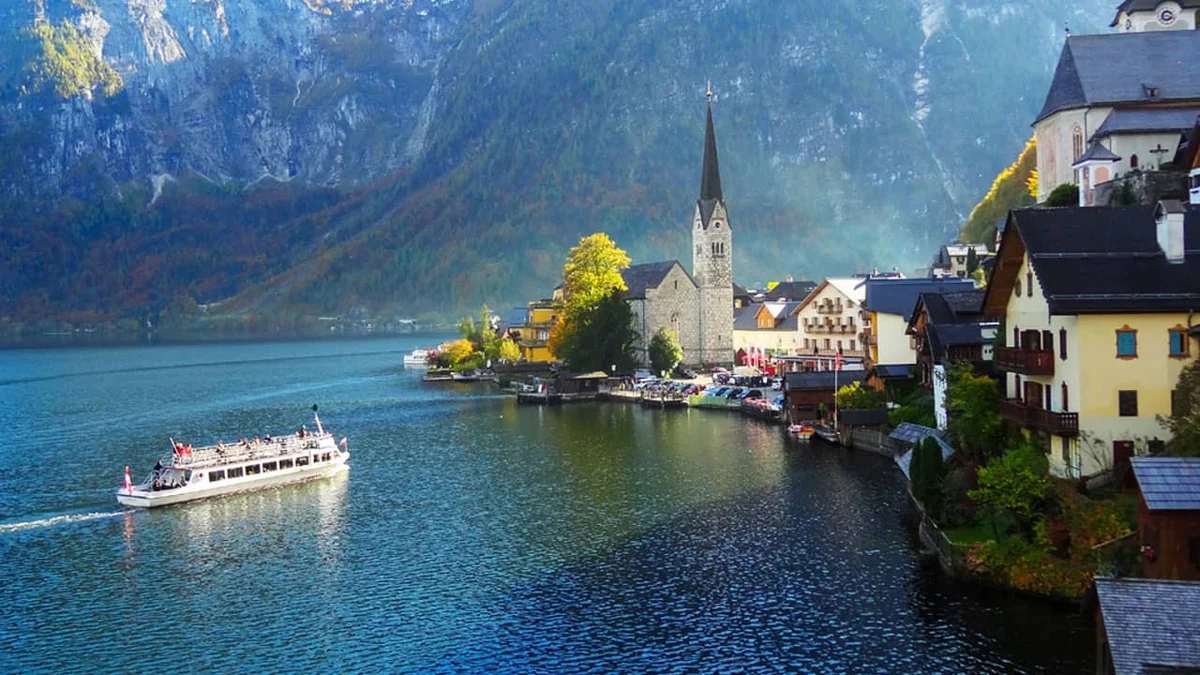
The arrival of the day, lake views and a slow hour between the sights.
Address: the Markt landing stage, 4830 Hallstatt. The boats of Hallstättersee Schifffahrt leave from the landing stage by the market square; the ferry pier for the station stands a short walk south at Hallstatt Markt.
The train station of Hallstatt stands on the far shore, so the village greets rail travellers by water. The line boat Stefanie has linked the station with the village for generations, the only scheduled boat line in Austria that runs on all 365 days of the year. The crossing takes about ten minutes, and the boat times follow the trains; the village grows from a sliver into streets and roofs as the boat closes in.
In the summer months the larger ships run the scheduled round trips of the lake, calling at the landing stages of Hallstatt, Lahn and Obertraun. The south round trip turns the lake into a viewing gallery: 8.6 kilometres of water, 125 metres deep, hemmed by the Dachstein walls.
Do not miss
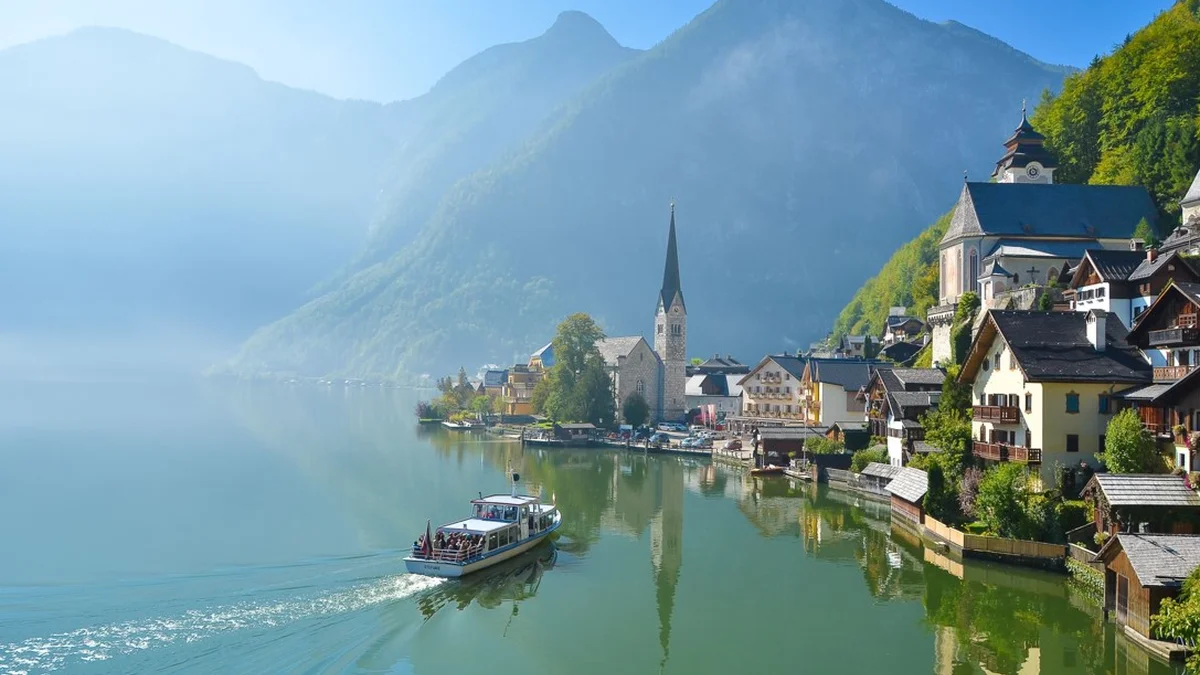
The first crossing of the day, station to village, with mist on the water and the lanes still empty. The return ride at evening light runs a close second.
Practical info

The station ferry costs €4 one way and €8 for a return, children under 4 ride free when they share a seat, and bicycles cost €4. The south round trip costs €18 for adults, and the one-way crossing to Obertraun €12. The company takes cash only, on every boat, so carry coins and small notes. Round trips run in the summer months and pause in bad weather; the station ferry runs all year.
Tip: Buy the return ferry ticket in the morning. The evening boats fill with day visitors leaving on the same trains, and a ticket in hand speeds boarding.
7. Dachstein Krippenstein and the Five Fingers

Best for
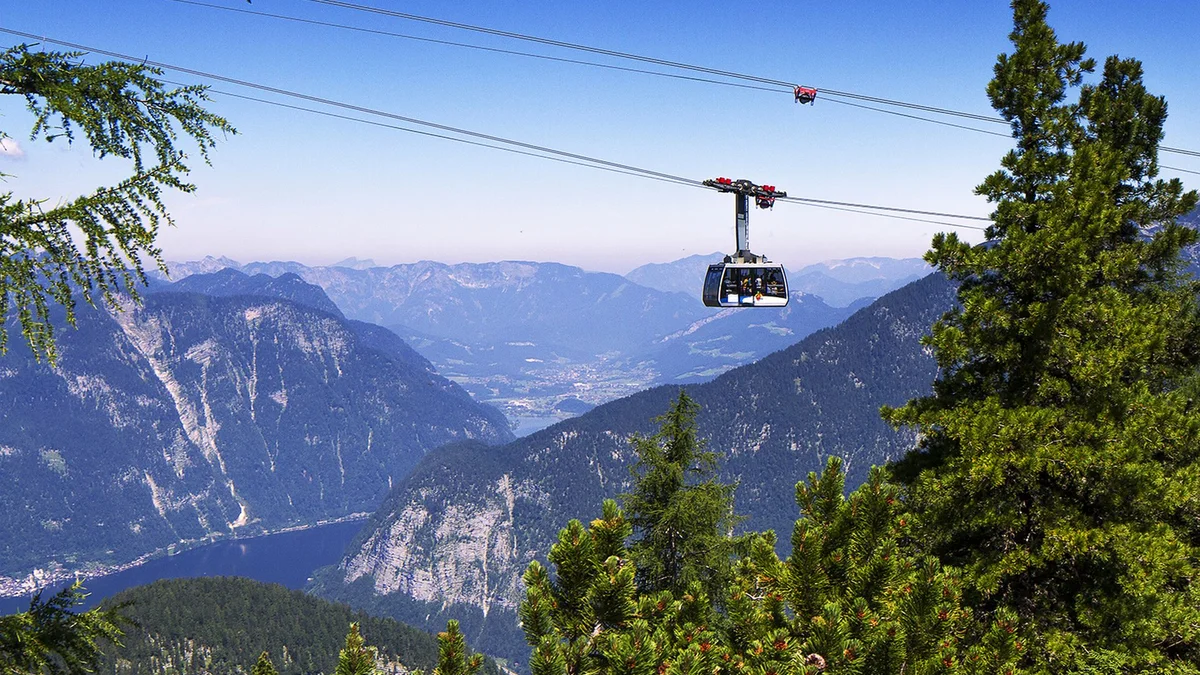
High Alpine drama, head-for-heights viewpoints and a full second day.
Address: valley station at Obertraun, about 5 km south of Hallstatt. Bus 543 and the lake boat both link Hallstatt with Obertraun; the cable car rises from the Dachstein valley station at the edge of the village.
The Dachstein Krippenstein cable car climbs in two sections to a summit station at 2,100 metres. The first section ends at Schönbergalm, the meadow station for the great caves. The second section tops out on the Krippenstein, where the World Heritage Spiral viewpoint and the Dachstein Shark photo point stand near the station.
A walk of about 25 minutes from the top station leads to the Five Fingers, the signature platform of the mountain: five steel fingers of different shapes reach out over the cliff edge, with about 400 metres of air below the mesh floors. One finger carries a glass panel, one frames the lake like a picture, and all five line up the Hallstatt lake, the village far below and the Dachstein ice in a single sweep. The platform itself is free; the cable car ticket is the cost of the day.
Do not miss

The finger with the glass floor panel for the brave, the framed view for the photograph, and the pause at the World Heritage Spiral on the walk back to the station.
Practical info

The Panorama Ticket for summer 2026 costs €46.70 for adults and €25.70 for children, covering ascent and descent on all three sections. The summer season runs from 1 May to 1 November, with gondolas leaving about every 15 minutes from the morning. The summit air runs far colder than the village, and cloud can close over the fingers by afternoon; take an early gondola, with a warm layer and steady shoes.
Tip: Check the summit webcam on the Dachstein site before leaving Hallstatt. A clear village morning can still hide a cloud cap on the Krippenstein.
8. Echerntal: The Glacier Garden and Waldbachstrub Waterfall

Best for

Walkers, families and the quiet green side of Hallstatt that day crowds never reach.
Address: the Echern valley, south of the village. The themed trail begins at car park P2 beside the funicular valley station and follows the Waldbach stream into the valley.
Behind the last houses of Lahn, a side valley cuts into the mountain, and the painters and naturalists of the 19th century walked here when the village below belonged to miners alone. The Echerntal trail follows their path past information boards and old valley houses, along a stream of pools and small falls, on an easy line for all ages.
About an hour and a half from the centre, the Waldbachstrub waterfall pours over a 90 metre gorge in three white levels, spray drifting across the viewing point at the base. Beyond it, the Glacier Garden preserves the signature of the last ice age: round potholes ground into the rock by the meltwater of the retreating glacier about 12,000 years ago, some still holding dark water after rain.
Do not miss

The base of the Waldbachstrub after rain, when the fall runs full, and the still, strange potholes of the Glacier Garden on the return line of the trail.
Practical info

The walk is free and open all year, weather allowing. Allow about 2.5 to 3 hours for the themed round trail from P2, or about 1.5 hours each way to the waterfall alone. Paths are signed and mostly gentle, with short steeper stretches near the fall; carry water, since the valley has no services, and expect the trail to run quiet even in August.
Tip: Walk the Echerntal in the afternoon of a busy day. The village peaks at midday, the valley stays calm, and the light through the trees turns golden by 16:00.
More Worth Your Time in Hallstatt

Three more places earn a place on a longer stay.
The Salzberg High Valley and the Prehistoric Burial Ground

The path between the funicular top station and the mine entrance crosses the meadow where archaeologists uncovered one of the great burial grounds of prehistoric Europe, with more than 1,500 graves recorded. Information boards mark the grave fields, and the medieval Rudolfsturm tower, raised to guard the salt works, watches over the Skywalk path. The walk costs nothing and gives the mine story its open-air chapter.
The Dachstein Giant Ice Cave and Mammoth Cave

At the Schönbergalm middle station of the Krippenstein cable car, two famous caves open on guided tours. The Giant Ice Cave fills its halls with ice figures, frozen waterfalls and a great ice mountain at an average temperature below freezing, while the Mammoth Cave runs for tens of kilometres of dry passages. The Cave Ticket for summer 2026 costs €50.20 for adults and €27.60 for children, covering the first cable car section and guided tours of both caves. Register for a tour slot at the cave counter on arrival, and carry the warmest layer of the trip.
The Protestant Church and the Lakeside Promenade

The slender spire in every photograph belongs to the Protestant church of 1863, built for the miners of the village in the decades after religious tolerance reached the valley. The church stands open in the day for a quiet minute inside. Around it, the benches of the lakeside promenade form the village grandstand: ferries arriving, swans patrolling the edge and the light changing by the hour.
Top Hallstatt Attractions Compared
| Attraction | Best For | Time Needed | Adult Price | Area |
|---|---|---|---|---|
| Salzwelten Hallstatt Salt Mine | Underground history and family thrills | Half a day | €49 with funicular | Salzberg, above Lahn |
| Hallstatt Skywalk: The World Heritage View | The panorama of Austria in one frame | 1 hour | €29 funicular return | Salzberg |
| The Old Town: Marktplatz, Seestrasse and the Classic Viewpoint | Postcard lanes and village detail | 2 to 3 hours | Free | Village centre |
| World Heritage Museum Hallstatt | 7,000 years in one house | 1 to 1.5 hours | €12 | Seestrasse, centre |
| The Bone House and the Parish Church Terrace | A unique village tradition | 20 to 30 minutes | €2 | Church terrace |
| Lake Hallstatt by Boat: The Ferry and the Round Trips | Arrival by water and lake views | 10 minutes to 1 hour | €4 one way, €18 round trip | Lake Hallstatt |
| Dachstein Krippenstein and the Five Fingers | High Alps and the five fingers | Half a day | €46.70 panorama ticket | Obertraun |
| The Dachstein Giant Ice Cave and Mammoth Cave | Ice halls and vast dry passages | 2 to 3 hours | €50.20 cave ticket | Schönbergalm, Obertraun |
| Echerntal: The Glacier Garden and Waldbachstrub Waterfall | Waterfalls, potholes and quiet paths | 2 to 3 hours | Free | Echern valley, south |
Suggested Hallstatt Itineraries

| Time | Plan | Focus |
|---|---|---|
| Day trip | Follow the hallstatt day trip itinerary: ferry in before 9:00, the salt mine and the Skywalk in the morning, the museum or the Bone House after, the market square and the classic viewpoint in the late light, then the ferry out | The headline day, early start required |
| 2 days | Day one as the day trip plan at an easy pace, with an overnight in the village; on day two cross to Obertraun for the Krippenstein cable car, the Five Fingers and one of the great caves | Village depth plus the high Alps |
| 3 days or more | Add the Echerntal walk, a lake round trip in the evening light and a day trip to Bad Ischl, Gosau or Salzburg | Slow travellers and photographers |
Book Your Hallstatt Tickets Online

Book Hallstatt tickets only on official websites; reseller pages often charge more, and some sights refuse third-party tickets at the door.
| Attraction | Book Tickets |
|---|---|
| Hallstatt Salt Mine with Funicular | Book Tickets |
| Salzberg Funicular and Skywalk | Book Tickets |
| World Heritage Museum Hallstatt | Book Tickets |
| Lake Ferry and Boat Trips | Book Tickets |
| Dachstein Krippenstein Cable Car | Book Tickets |
Top 3 hotels in Hallstatt
Explore all hotels >- Heritage.Hotel Hallstatt ★★★★
- Seehotel Grüner Baum ★★★★
- Seewirt Zauner ★★★
Where to Stay in Hallstatt

Hallstatt holds a small stock of hotels and guesthouses, and rooms inside the village sell out early for summer. The centre puts every lane at the door; Lahn suits early funicular starts; Obertraun across the lake offers space and parking; and Bad Ischl, 25 minutes away, works as a full-service base with the mosque of the area.
| Area | Best For | Vibe | Price Level |
|---|---|---|---|
| Village Centre and Marktplatz | First-time visitors and short stays | Historic houses on the square and along Seestrasse | High |
| Lahn District | Families and early funicular starts | Quieter lanes near the bus terminal and car park P2 | Mid-range to high |
| Obertraun | Space, parking and the Krippenstein base | A second village across the lake, about 5 km south | Budget to mid-range |
| Bad Ischl | Longer bases and full services | Imperial spa town about 25 minutes away | Mid-range |
Two well-placed hotels with official booking pages:
- Heritage.Hotel Hallstatt, Landungsplatz 101, 4830 Hallstatt. The four star hotel of the village, spread across three historic houses, Kainz, Stocker and Seethaler, around the landing stage and the centre, with lake-view rooms and a sauna in the main house.
- Seehotel Grüner Baum, Marktplatz 104, 4830 Hallstatt. The grand house of the market square, first documented in 1700, facing the square on one side and opening a terrace to the lake on the other, with 29 rooms in a building that has hosted emperors and writers.
Where to Eat: Halal Food in Hallstatt

Honesty serves better here than a long list: halal food in Hallstatt is limited, and planning beats searching on the day. The village counts one kebab stand named by halal travel guides, a natural fallback in the lake fish of the local kitchens, and stronger scenes a short ride away in Bad Ischl and Salzburg. Food shapes a trip as much as sights do, a theme explored in how food tourism is shaping modern travel. Halal status can change with ownership and suppliers, so confirm with the staff on the day.
Halal Food in Hallstatt

The stand to know is Karmez Kebap Cart, also signed as Hallstatt Imbiss, at Landungsplatz by the market ferry landing. Current halal travel guides list the cart among the halal options of the village, and travellers praise the chicken and lamb kebabs, the generous wraps and the low prices by Hallstatt standards. Two picnic tables stand beside the cart. Ask the owner about halal sourcing before ordering, carry cash, and expect a queue at lunch in summer.
Local Dishes to Try

The safe and delicious fallback is the fish of Lake Hallstatt itself. Order Saibling, the char of the cold lake water, or Forelle, trout, grilled whole with herbs and lemon at the fish kitchens of the village. Mountain cheese dumplings, Kaspressknödel, and the cheese noodles called Kasnocken cover meat-free plates, and bakeries on Seestrasse stock the picnic basics for a lakeside lunch.
Mosques and Prayer Facilities Near Hallstatt

Hallstatt itself has no mosque, and visitors pray in the hotel room or find a quiet corner in the Echern valley or by the lake. The nearest mosque stands in Bad Ischl: ALIF Camii at Grazer Straße 39, 4820 Bad Ischl, listed among the active mosques of Upper Austria in the mosque directories. Bad Ischl lies about 20 minutes from Hallstatt station by train, and about 30 minutes by bus from the village, so a Friday prayer pairs naturally with the Bad Ischl day trip below.
Getting Around Hallstatt

| Transport | How It Works | Cost |
|---|---|---|
| Walking | The centre is pedestrian and compact; the funicular, the museum and the market square sit within 15 minutes of each other | Free |
| Train plus ferry | Trains from Salzburg reach Hallstatt station in about 2 hours 30 minutes with a change at Attnang-Puchheim; the Stefanie ferry meets the trains for the village | Ferry €4 one way, cash only |
| Regional buses | Bus lines 150 and 541 link Salzburg with Hallstatt Lahn via Bad Ischl in about 2 hours 15 minutes; bus 543 runs south to Obertraun and the Krippenstein cable car | Fares by zone, paid to the driver or in the rail app |
| Lake boats | The station ferry runs on all 365 days; round trips and the Obertraun crossing run in the summer months | €4 one way; €18 round trip |
| Car and parking | The centre is closed to through traffic; car parks P1 to P4 stand at the village edges, P2 beside the funicular station | Day tariff €18 at the 2026 rates; the first 15 minutes free |
Rail travellers should treat the ferry as part of the ticket: keep €4 in coins ready, board the Stefanie at the station pier, and land at the market square in ten minutes. Bus travellers land at Hallstatt Lahn, beside the funicular and car park P2, and walk ten minutes into the centre along the lake.
Hosts in Hallstatt hand overnight guests the local guest card at check-in, and the card earns its keep fast: the World Heritage Museum alone drops to €11 for card holders, and regional sights add further small discounts. Ask for the card before paying for anything.
How Much Does a Trip to Hallstatt Cost?

| Category | Budget | Mid-Range | Notes |
|---|---|---|---|
| Accommodation per night | €90 to €150 | €150 to €260 | Obertraun and Bad Ischl at the lower end; the village centre charges the most |
| Kebab or snack lunch per person | €8 to €14 | €14 to €22 | The kebab stand by the landing stage at the lower end |
| Fish dinner per person | €20 to €30 | €30 to €45 | Lake char and trout lead the menus of the village |
| Salt mine ticket with funicular | €49 | €49 | Children age 4 to 15 pay €23 |
| Station ferry one way | €4 | €4 | Cash only; a return costs €8 |
| Parking per day | €18 | €18 | Car parks P1 to P4 at the 2026 tariff |
Hallstatt prices run high, driven by a small room stock and a million visitors a year. The fixed costs stay predictable, though: one ferry fare, one big ticket for the Salzberg, and a village that charges nothing for its lanes, its viewpoints and its waterfall valley.
Best Time to Visit Hallstatt

| Season | Months | Weather | Crowds and Prices |
|---|---|---|---|
| Spring | April to May | Mild days and waterfalls at full flow | Moderate; the Dachstein cable car season opens on 1 May |
| Summer | June to August | Warmest months and long evenings | Busiest of the year; up to 10,000 visitors on peak days |
| Autumn | September to October | Golden light and cooler nights | Quieter, with good value and the full sight season running |
| Winter | November to March | Cold air, early dusk and a fair chance of snow | Quietest season; some sights close or run short hours |
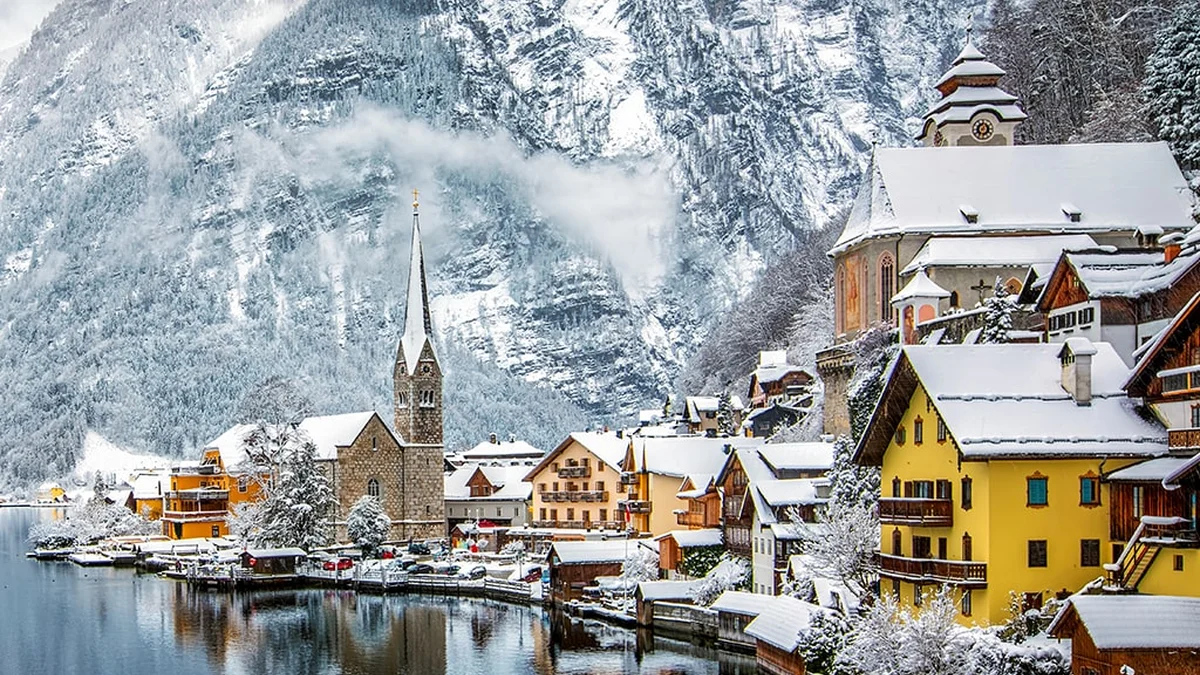
Late spring and September give the balance most visitors want: the full season of boats, mine tours and cable cars, with lanes busy but breathable. Summer brings the famous crowds, and the early ferry becomes the most important booking of the trip. Winter strips the village back to its residents and a dusting of snow.
Day Trips from Hallstatt

Three easy day trips run from the station and the Lahn bus terminal, into the imperial spa town, the Gosau valley and the city of Salzburg.
Bad Ischl: The Imperial Spa Town
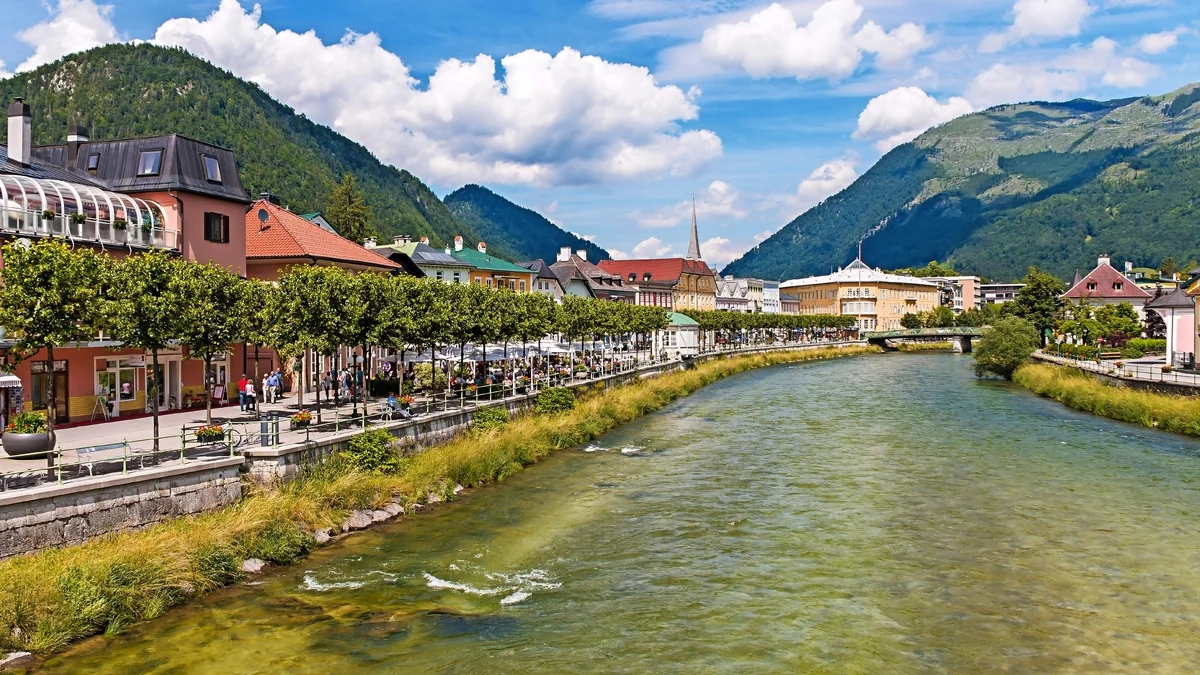
Trains from Hallstatt station reach Bad Ischl in about 20 minutes. The town served as the summer seat of Emperor Franz Joseph for decades, and the Kaiservilla, the villa of the emperor, still stands in its park above the streets of grand hotels and pastry shops. Bad Ischl also carries the practical heart of a Hallstatt stay: full shops, the larger station and the mosque of the area at Grazer Straße 39.
Gosau and Lake Gosau
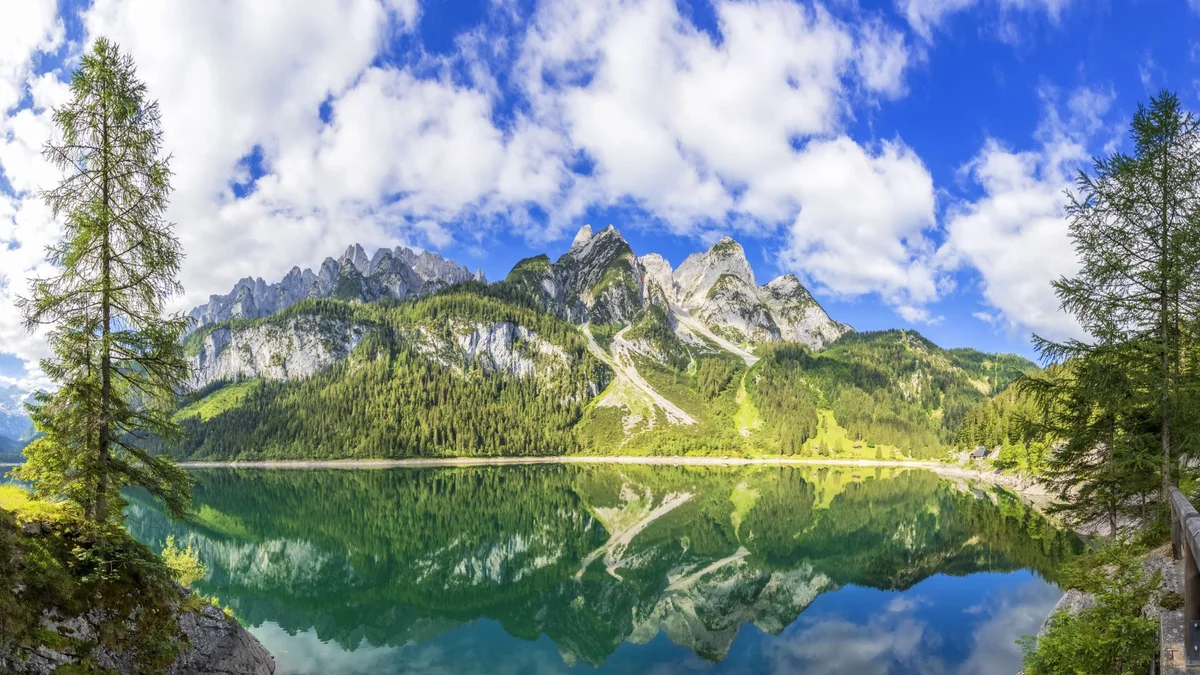
Buses run from Hallstatt to Gosau in about 40 minutes via Bad Goisern. At the head of the valley, the flat loop path around the Vorderer Gosausee lake gives the classic mountain view of the region: the Dachstein glacier mirrored in still water, with forest paths and meadow benches along the shore. Walk the full circuit in about an hour.
Salzburg: The City of Mozart
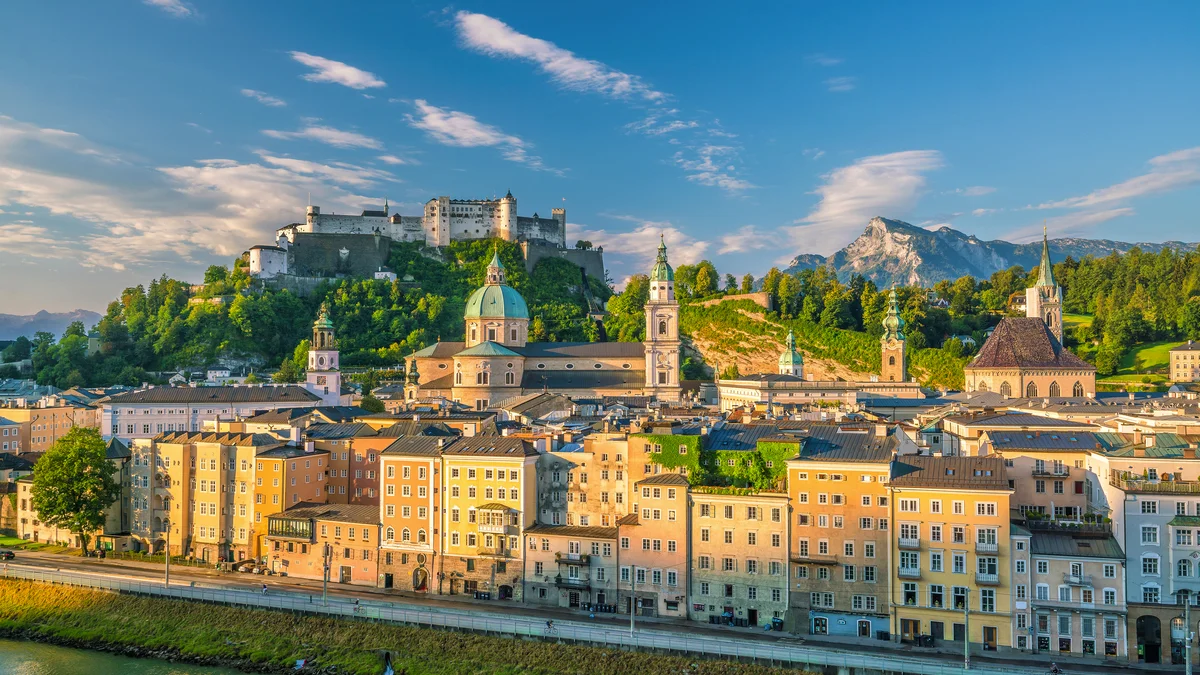
The train ride to Salzburg takes about 2 hours 30 minutes each way with a change at Attnang-Puchheim, a long but easy day. The fortress of Hohensalzburg, the DomQuartier circuit, the Mozart Birthplace and the gardens of Mirabell fill the hours between trains, and the halal scene of the city runs far deeper than the village offer.
Practical Tips for Visiting Hallstatt
Good to Know

- Arrive before 9:00 or stay overnight. Day crowds peak between 10:00 and 16:00 in summer, with up to 10,000 arrivals on the busiest days against about 740 residents.
- Cash rules the small payments of the village: the ferry takes cash only, the Bone House takes cash at the door, and the snack stands prefer it. Carry coins and small notes.
- Book the salt mine ticket online days ahead in summer. Time slots sell out, and the first tour of the day pairs with the quietest Skywalk hour.
- Tap water in Hallstatt comes from mountain springs and tastes excellent straight from the tap. Carry a bottle and refill at the hotel.
Good to Avoid

- Unofficial ticket pages for the salt mine and the funicular. Salzwelten sells its tickets in the official shop only; every button in this guide leads to the official page of the sight.
- Driving into the centre. The lanes are closed to through traffic, the car parks sit at the edges, and the fines for ignoring the barriers are real.
- A rushed two-hour stop at midday in July or August. Ferry queues, the funicular line and the platform crowd eat the visit; Hallstatt rewards an early start or a full overnight.
Final Thoughts on Hallstatt
Hallstatt gives a traveller a rare stack: the oldest known salt mine on earth, a steel platform over the rooftops, 7,000 years in one museum house, a chapel of painted skulls, boats in every direction and a waterfall valley, all inside a village crossed on foot in twenty minutes. Plan the Salzberg early, keep cash for the boats, and leave one hour unscheduled for the lanes and the lake light.
Come in May for the waterfalls or in September for the mountain light, and sleep over if the budget allows; the village before the first ferry belongs to another century. The Austria guides in this series continue with Innsbruck, Graz and Zell am See.
The Salzwelten salt mine with the funicular, the Hallstatt Skywalk above the rooftops, the old town lanes around Marktplatz and Seestrasse, and the World Heritage Museum give the first day its shape, and the Bone House with the parish church terrace, the lake boats and ferry, the Dachstein Krippenstein with the Five Fingers, and the Echerntal valley with the Waldbachstrub waterfall finish it. Arrive before 9:00 or stay overnight, since day crowds peak between 10:00 and 16:00 in summer, with up to 10,000 arrivals on the busiest days against about 740 residents. Cash rules the small payments of the village, since the ferry takes cash only, the Bone House takes cash at the door, and the snack stands prefer it, and the salt mine ticket should be booked online days ahead in summer.
Rooms inside the village sell out early for summer, with the centre putting every lane at the door, Lahn suiting early funicular starts, Obertraun across the lake offering space and parking, and Bad Ischl, 25 minutes away, working as a full service base. Hallstatt itself has no mosque, and the nearest mosque stands in Bad Ischl, the ALIF Camii at Grazer Strasse 39, about 20 minutes from the village. Halal food in the village is limited to one kebab stand named by halal travel guides, with lake fish as a natural fallback in the local kitchens and stronger scenes a short ride away in Bad Ischl and Salzburg, so planning beats searching on the day.
FAQs
What are the best things to do in Hallstatt for first-time visitors?
Start with the ferry crossing and the Salzberg: the salt mine tour and the Skywalk fill the morning. In the village, walk the market square and Seestrasse to the classic viewpoint, then choose the World Heritage Museum for the full story or the Bone House for the unique village tradition. A lake round trip closes the day in the evening light.
How do you get to Hallstatt from Salzburg?
By train, ride from Salzburg Hauptbahnhof with a change at Attnang-Puchheim to Hallstatt station in about 2 hours 30 minutes, then cross the lake on the Stefanie ferry for €4 cash. By bus, lines 150 and 541 run via Bad Ischl to Hallstatt Lahn in about 2 hours 15 minutes. By car, the drive via Bad Ischl takes about 1 hour 30 minutes, with parking at the village edges.
How much does the Hallstatt salt mine tour cost?
The combined ticket for the salt mine and the funicular costs €49 for adults and €23 for children age 4 to 15, and children under 4 cannot enter the mine. Hikers who walk up the Salzberg pay €33 and €16 for the mine alone, and a funicular return without the mine costs €29. Book on the official Salzwelten site, days ahead in summer.
Is Hallstatt worth visiting?
Yes, with timing. The village packs a UNESCO old town, the oldest known salt mine on earth, the Skywalk panorama, a fine museum and boat trips into a single lakeside shelf. The crowds are the price: arrive before 9:00, visit in May, June or September, or stay overnight, and the famous lanes empty into the place the posters promise.
What is the best time to visit Hallstatt?
May, June and September give the best balance of full opening hours, running boats and manageable crowds. Summer is warmest and busiest, with up to 10,000 visitors on peak days. Winter brings snow on the roofs, short days and the quietest lanes of the year, with some sights on reduced hours.
Where can you find halal food and a mosque near Hallstatt?
Halal food in the village is limited to the Karmez kebab stand by the market ferry landing, listed by halal travel guides, plus the lake fish of the village kitchens as a fallback. Hallstatt has no mosque; the nearest stands in Bad Ischl, the ALIF Camii at Grazer Straße 39, about 20 minutes by train. Confirm halal status with staff on the day, as ownership and suppliers change.
How many days do you need in Hallstatt?
One early-start day covers the salt mine, the Skywalk, the old town and one museum or the Bone House. Two days add the Dachstein Krippenstein cable car, the Five Fingers and a cave across the lake at Obertraun. Three days open the Echerntal walk and day trips to Bad Ischl, Gosau or Salzburg at an easy pace.


