
Things to Do in Innsbruck: The Golden Roof, the Nordkette Cable Car and the Capital of the Alps
Most cities make you choose between the old town and the mountains. Innsbruck does not. You can stand in a medieval lane before a roof of gilded copper, then ride a funicular and two cable cars to a summit more than 2,300 metres above the sea, all between breakfast and lunch. The capital of Tyrol…
Most cities make you choose between the old town and the mountains. Innsbruck does not. You can stand in a medieval lane before a roof of gilded copper, then ride a funicular and two cable cars to a summit more than 2,300 metres above the sea, all between breakfast and lunch. The capital of Tyrol packs an imperial palace, a church of bronze giants and one of the great ski jumps of the world into a centre so compact that the peaks feel like part of the street plan.
This guide covers the best things to do in Innsbruck, from the Golden Roof and the Imperial Palace to the Nordkette cable car, Ambras Castle and the Alpenzoo. Every ticket price, address and opening time below comes from the official website of each attraction, and the food section names halal restaurants plus the main mosque of the city.
Give Innsbruck two full days. The old town sights cluster within a few streets, the mountain railway deserves a clear morning, and a third day opens the day trips to Swarovski Crystal Worlds and the old mint town of Hall in Tirol.
Stay here: Hotel Das Innsbruck
A four star hotel at Innrain 3, at the Inn bridge on the edge of the Old Town, built on the foundations of the old city wall, with the largest wellness area of any hotel in the city.
Innsbruck at a Glance

| Best known for | The Golden Roof, the Nordkette cable car and the mountains that wall the Inn valley |
| Currency | Euro (€) |
| Language | German; English is widely spoken in hotels, museums and restaurants |
| Olympic city | Host of the Winter Olympic Games of 1964 and 1976 |
| Mountain backdrop | The Nordkette range and the Karwendel, the largest nature park in Austria |
| Main station | Innsbruck Hauptbahnhof, about 15 minutes on foot south of the Old Town, or a short tram ride |
| Getting there | Direct trains from Vienna (about 4 hours), Salzburg and Munich (about 2 hours each) |
Quick Picks

First Visit

- The Nordkette to the Top of Innsbruck
- The Golden Roof and the museum
- The Imperial Palace (Hofburg)
- Bergisel Ski Jump
Families

- Alpenzoo, the highest zoo in Europe
- Swarovski Crystal Worlds in Wattens
- Ambras Castle and the park
- The funicular ride to Hungerburg
Quiet Corners
- Wilten Basilica and the abbey lanes
- The painted houses of Mariahilf
- The Hofgarten beside the palace
- Hall in Tirol, ten minutes by train
The Top Things to Do in Innsbruck
The eight sights below are the heart of any visit, in the order most travellers work through them: the mountain railway first while the sky is clear, then the imperial old town, then the outlying castles and the zoo. Each one lists the best fit, the one moment not to miss, and the practical details that save time on the day.
1. The Nordkette Cable Car and the Top of Innsbruck

Best for

Everyone. This is the signature ride of Innsbruck, and the fastest route in Europe from a city street to a high alpine summit.
Start point: Altstadt station (Congress), Rennweg 3, 6020 Innsbruck
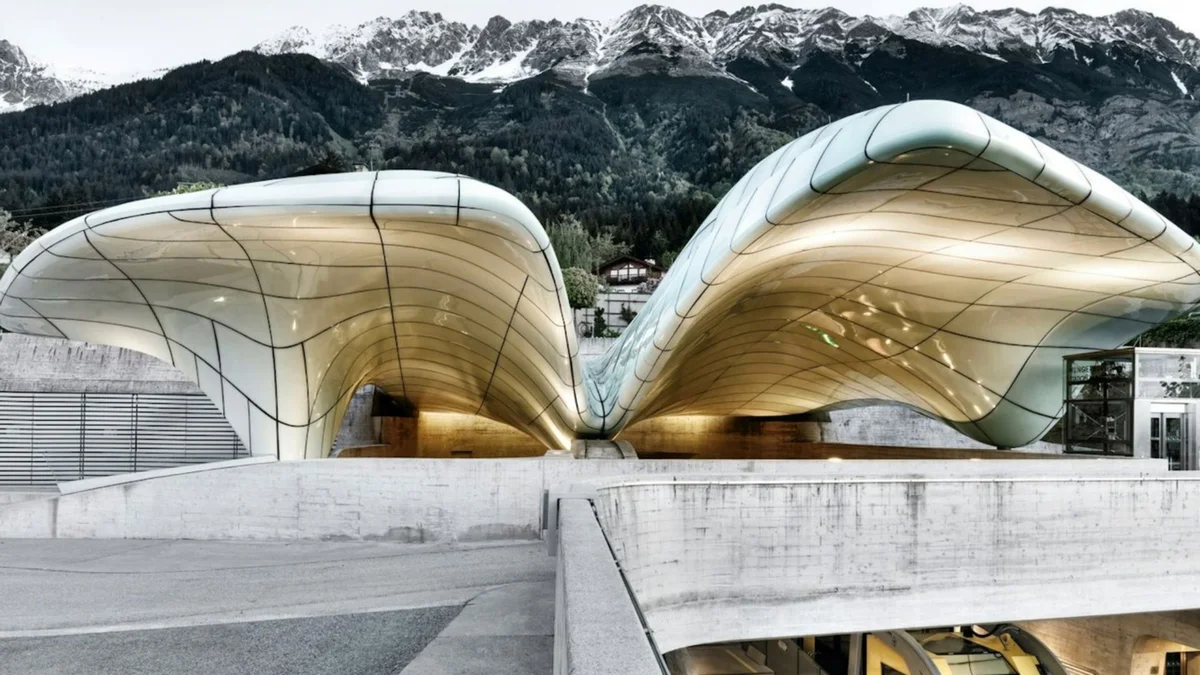
The Hungerburgbahn funicular, in stations designed by Zaha Hadid, climbs from the edge of the Old Town to the Hungerburg plateau in about eight minutes, stopping at the Alpenzoo on the way. From Hungerburg, the Seegrubenbahn cable car rises to Seegrube at 1,905 metres, a terrace of deckchairs and a panorama restaurant above the city. The Hafelekarbahn then carries you to the top station, and a short signed walk leads up to the Hafelekar summit cross at 2,334 metres, where the Inn valley drops away on one side and the Karwendel rock walls fill the other.
The ride works in almost any season: walkers start signed ridge paths at the top in summer, and the same lifts serve the Nordkette ski pistes in winter.
Do not miss

The viewpoint beside the top station. Innsbruck spreads out like a map below, the Inn winds through the valley in a band of green water, and on clear days the view runs from the Stubai glacier in the south to the German border ranges in the north.
Practical info
The Top of Innsbruck return ticket costs €56 for adults and €33.60 for children aged 6 to 15; children under 6 ride free, and a return as far as Hungerburg costs €14 for adults. Lifts leave about every 15 minutes; the funicular runs from 7:15 on weekdays and 8:00 at weekends, and the upper cable cars start later and finish earlier, so check the live timetable on the day. The Innsbruck Card covers one return trip to the top. Buy tickets at the Altstadt station or online before you go.
Insider tip: ride up before 10:00 and the summit is almost empty. The terrace at Seegrube is also the best coffee stop in the city.
2. The Golden Roof (Goldenes Dachl)
Best for

History lovers and photographers. The gilded balcony is the symbol of Innsbruck and the first stop on almost every old town walk.
Address: Herzog-Friedrich-Straße 15, 6020 Innsbruck
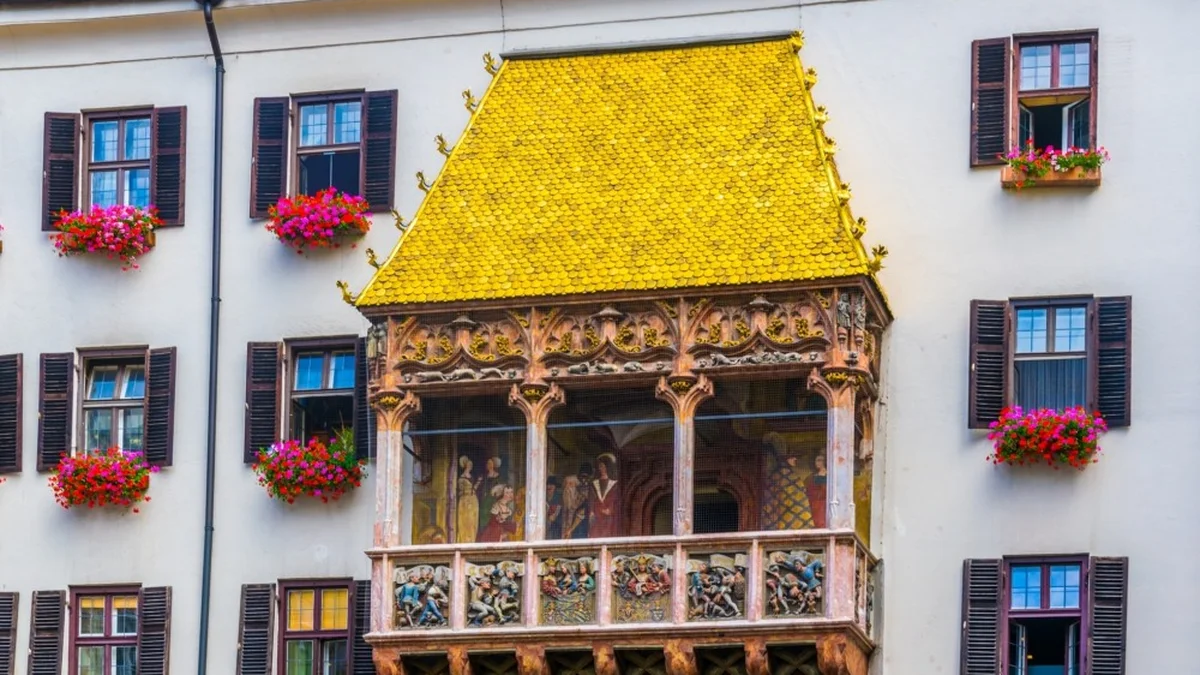
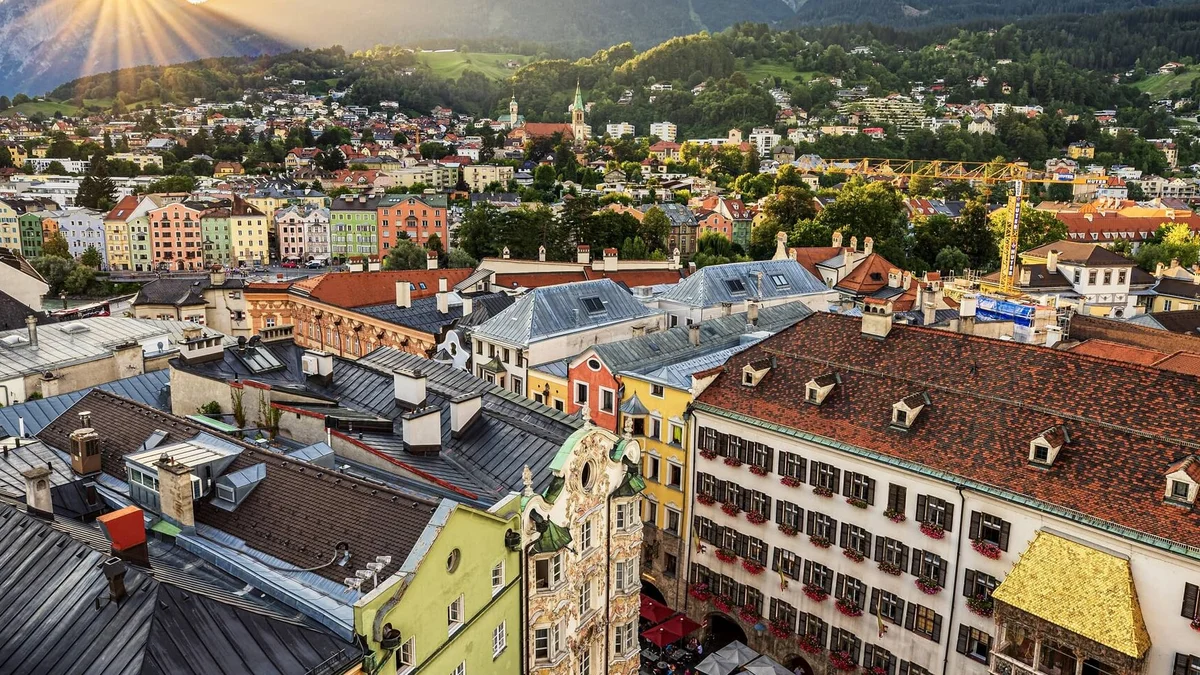
Between 1497 and 1500, the Emperor Maximilian I added a ceremonial balcony to the Neuhof building and covered the roof with 2,657 fire-gilded copper shingles. From this royal box he watched tournaments and festivals on the square below. The painted reliefs under the roof show Maximilian with his two wives, Maria of Burgundy and Bianca Maria Sforza, flanked by councillors, morris dancers and the coats of arms of his lands.
The small museum inside the building tells the story of Maximilian, the self-styled last knight who turned Innsbruck into an imperial residence. Exhibits trace the building of the balcony and the festivals of the court, and the oriel window gives the reverse view over the square. Puzzle sheets and activity stations for children make the museum an easy family stop of under an hour.
Do not miss
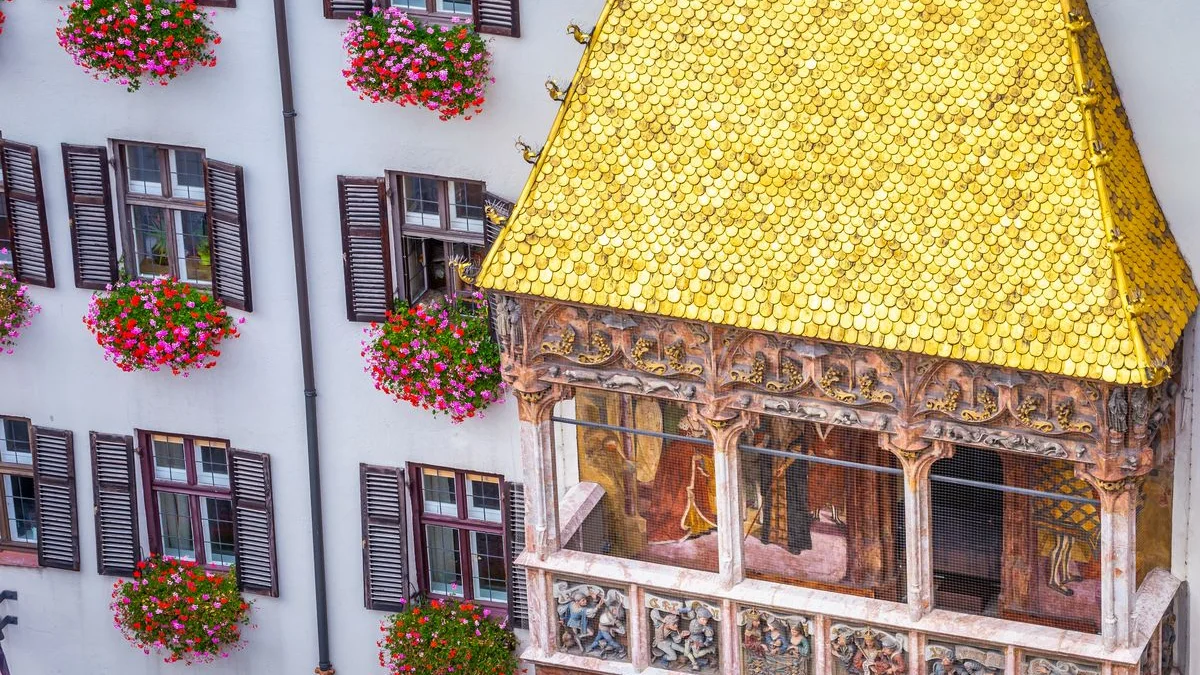
The view from the square at mid-morning, when sunlight catches the gilded shingles and the whole roof glows against the grey rock of the Nordkette behind the rooftops.
Practical info
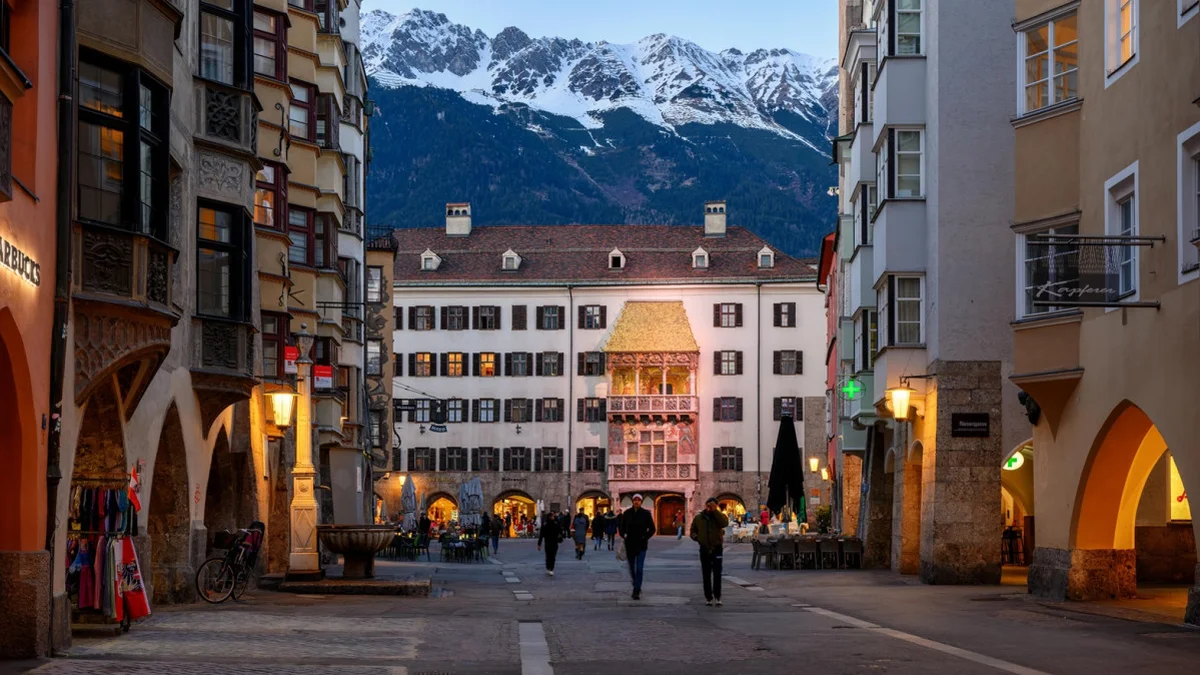
The museum costs €6 for adults and €3 with concessions, and a family ticket costs €12.50; children under 6 enter free. A combined ticket covering the Golden Roof Museum, the City Museum and the City Tower costs €10.50. From May to September the museum opens daily from 10:00 to 17:00; from October to April it closes on Mondays. The Innsbruck Card covers entry.
Insider tip: buy the combined ticket if you plan to climb the City Tower as well. The combined ticket costs little more than two single entries.
3. The Imperial Palace (Hofburg)

Best for

Fans of grand state rooms. The palace of the Habsburgs in Innsbruck ranks among the three most important historic palace buildings in Austria.
Address: Rennweg 1, 6020 Innsbruck
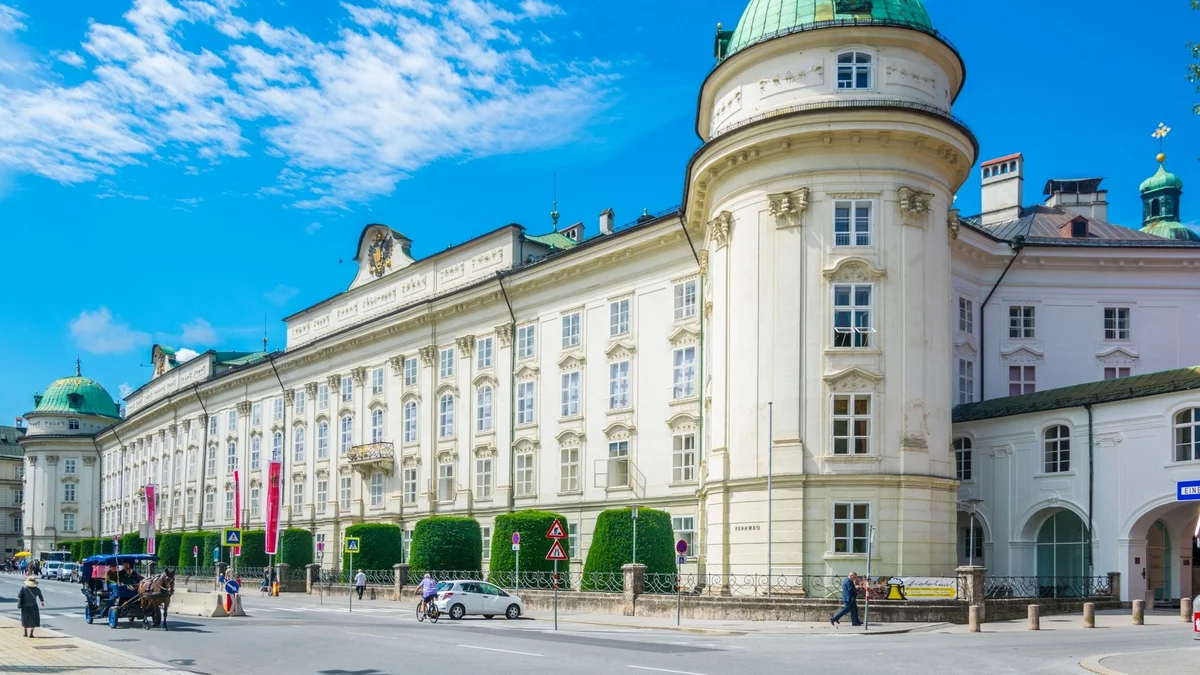
Maximilian I built the first great palace here around 1500, and the Empress Maria Theresa rebuilt it between 1754 and 1773 into the baroque residence that stands today. The Imperial Apartments lead through audience chambers and cabinets dressed with the furniture and paintings of the 19th century court. The Giant Hall is the showpiece: a ballroom lined with portraits of Maria Theresa, her husband Franz Stephan and their sixteen children, under a ceiling fresco by Franz Anton Maulbertsch painted around 1770.
The palace carries one famous shadow. In 1765, during the wedding celebrations of the future emperor Leopold II, Franz I died suddenly in a side room of the palace, and Maria Theresa turned the room into the palace chapel. A ground floor exhibition, Maximilian1, tells the story of the founder of the palace and works well as an introduction to the state rooms above.
Do not miss
The Giant Hall. Stand in the centre of the room and look up: the fresco fills the whole ceiling, and the family portraits around the walls put faces to the dynasty that ruled Austria for centuries.
Practical info

The Imperial Apartments cost €10.50 for adults and €8 with concessions, and entry is free for everyone under 19. The Maximilian1 exhibition costs €8.50, or €16 for a combined ticket covering both. The palace opens daily from 9:00 to 17:00 with last entry at 16:30, and the Innsbruck Card covers entry. Note the maintenance closure from 11 January to 7 February 2027 if you travel in winter.
Insider tip: your Hofburg ticket also halves the price at the state museums of Tyrol, including the Court Church next door. Show it at the desk.
4. The Court Church (Hofkirche)
Best for
Anyone who wants one unforgettable room. The church holds the grandest imperial tomb monument in Europe, guarded by bronze figures larger than life.
Address: Universitätsstraße 2, 6020 Innsbruck
Emperor Ferdinand I built the Court Church between 1553 and 1563 as the memorial church for his grandfather, Maximilian I. At the centre stands the cenotaph of Maximilian: a tomb of black marble carved with 24 reliefs in white marble that show the great scenes of the life of the emperor, from his marriage to his battles. Around it stand the Schwarzmander, the black men: 28 bronze statues between two and two and a half metres tall, the ancestors and heroes of Maximilian cast in bronze, among them King Arthur and Theodoric the Great.
The strange secret of the church is that Maximilian is not here at all; he lies buried in Wiener Neustadt, and the Innsbruck monument is an empty tomb raised in his honour. The church holds real graves elsewhere: the Silver Chapel contains the tombs of Archduke Ferdinand II and his wife Philippine Welser, and the Tyrolean hero Andreas Hofer rests in a side chapel. Look up in the gallery for the Renaissance organ of 1558, one of the oldest playable organs in the world.
Do not miss

The bronze figure of King Arthur, the masterpiece of the whole guard of honour. The knight stands in full armour with a calm, almost gentle face, and came from the workshop circle of the great German sculptors of the age.
Practical info

Entry costs €9 for adults and €7 with concessions, and everyone under 19 enters free; a one-year combined ticket for the state museums of Tyrol costs €14. The church opens Monday to Saturday from 9:00 to 17:00 and on Sundays from 12:30 to 17:00. The entrance is shared with the Tyrolean Folk Art Museum next door, covered by the same ticket. The Innsbruck Card covers entry.
Insider tip: arrive near opening time or late in the afternoon. In the quiet hours you can walk the full circle of the cenotaph without a tour group in front of you.
5. The Old Town and Maria-Theresien-Strasse

Best for
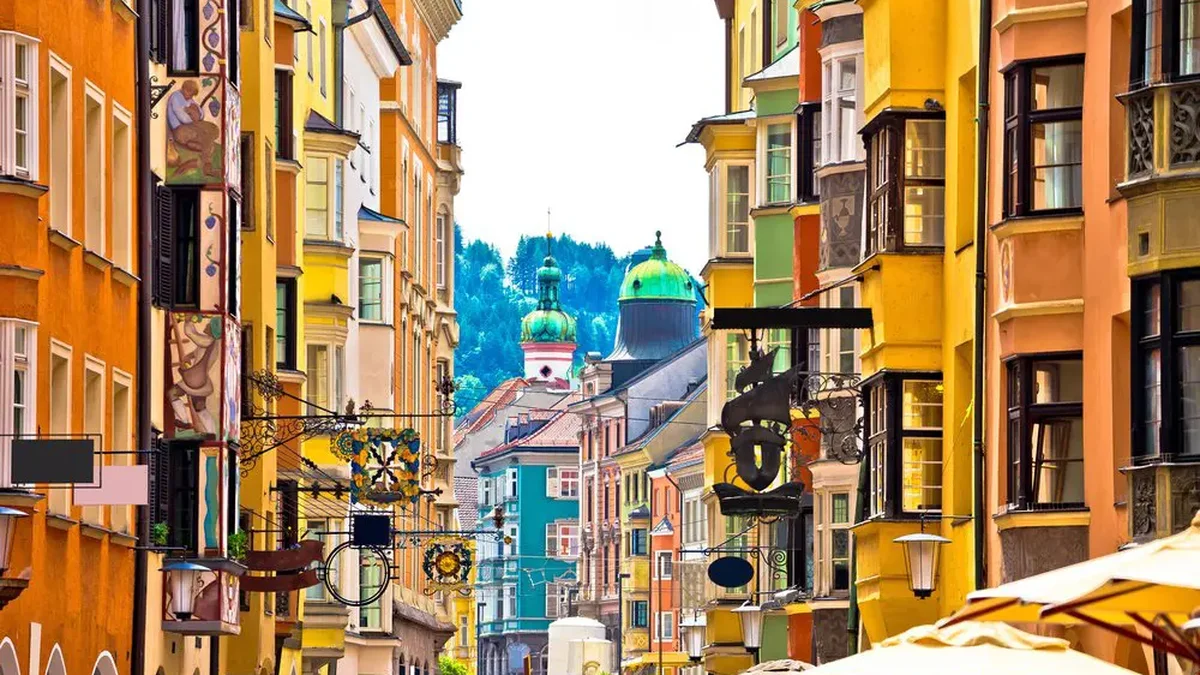
Wanderers. The lanes of the Old Town are the living room of Innsbruck, and the finest hour to walk them is your own.
Address: the lanes around Herzog-Friedrich-Straße, 6020 Innsbruck
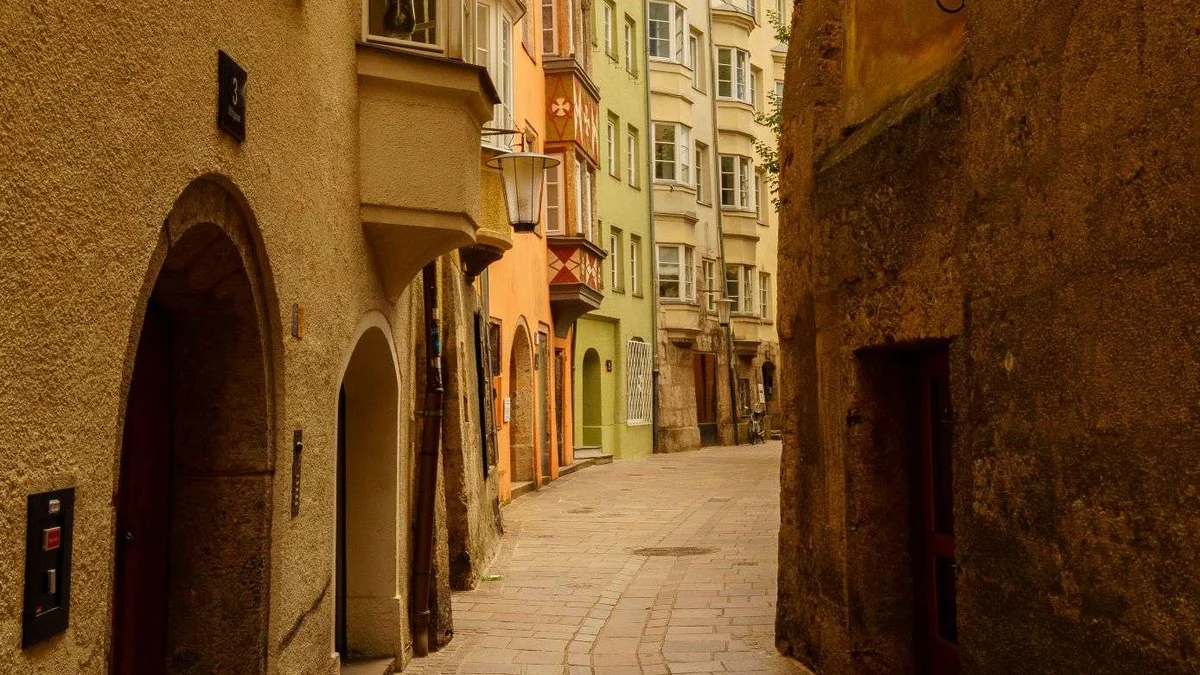
The Old Town of Innsbruck grew rich on trade crossing the Alps, and the wealth still shows in the arcaded lanes of Herzog-Friedrich-Straße, where merchant houses of the 15th and 16th centuries stand shoulder to shoulder under covered walkways. Facades carry oriel windows, wrought iron signs and coats of paint in cream, rose and ochre. The Helbling House, near the Golden Roof, wraps a plain gothic house in a swirl of white rococo stucco.
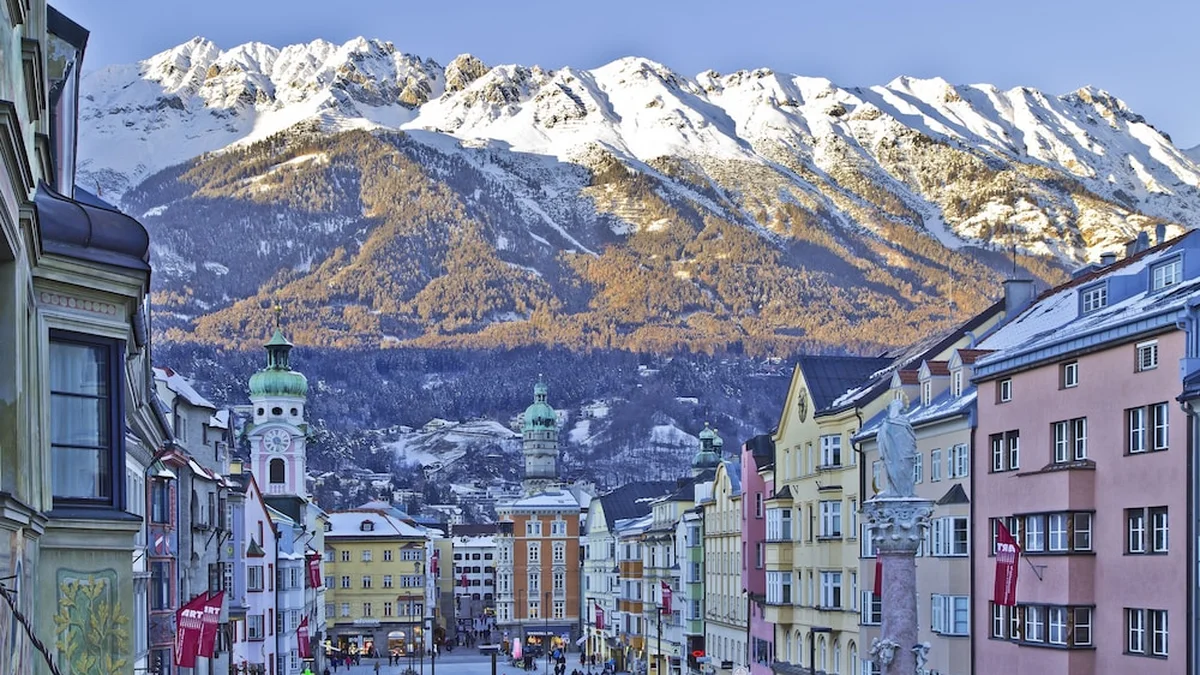
South of the lanes, Maria-Theresien-Straße opens into the grand street of the city, now lined with shops and pavement cafes. Two monuments anchor the walk: the Annasäule, a column of red Kramsach marble raised in 1706 in thanks for the deliverance of Tyrol, with the Virgin Mary above four saints; and at the far end the Triumphpforte, a stone arch built in 1765 for a royal wedding, carved with wedding scenes on the south face and mourning scenes on the north, because the emperor died during the festivities. Cross the Innbrücke bridge for the postcard view of the painted houses of Mariahilf under the Nordkette.
Do not miss

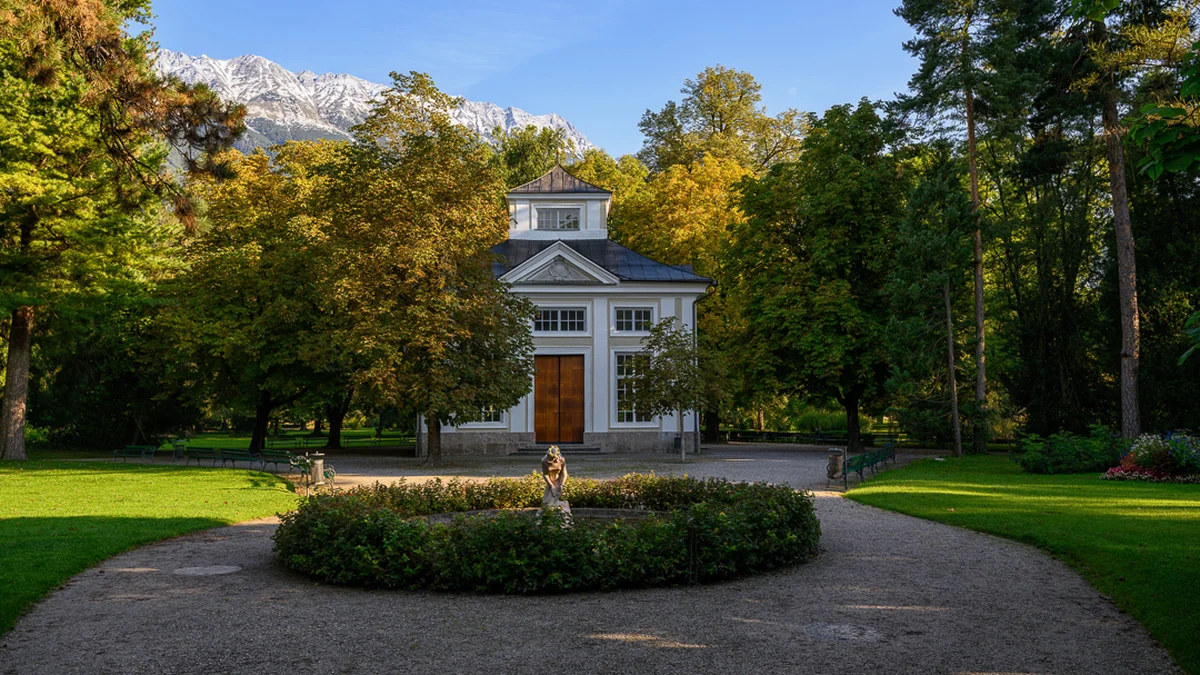
The Hofgarten, the imperial park beside the Hofburg. Locals play chess at the outdoor boards, and the park cafe under the trees is one of the calmest coffee stops in the centre.
Practical info

The Old Town is free to explore at any hour, and the centre is largely closed to cars. Shops open Monday to Saturday and mostly close on Sunday, when cafes and restaurants carry the day. Early morning is the quietest time for photographs; the lanes fill again for the evening promenade.
Insider tip: look up as you walk. The painted signs, oriel windows and house shrines of the Old Town sit above shopfront level.
6. Bergisel Ski Jump
Best for

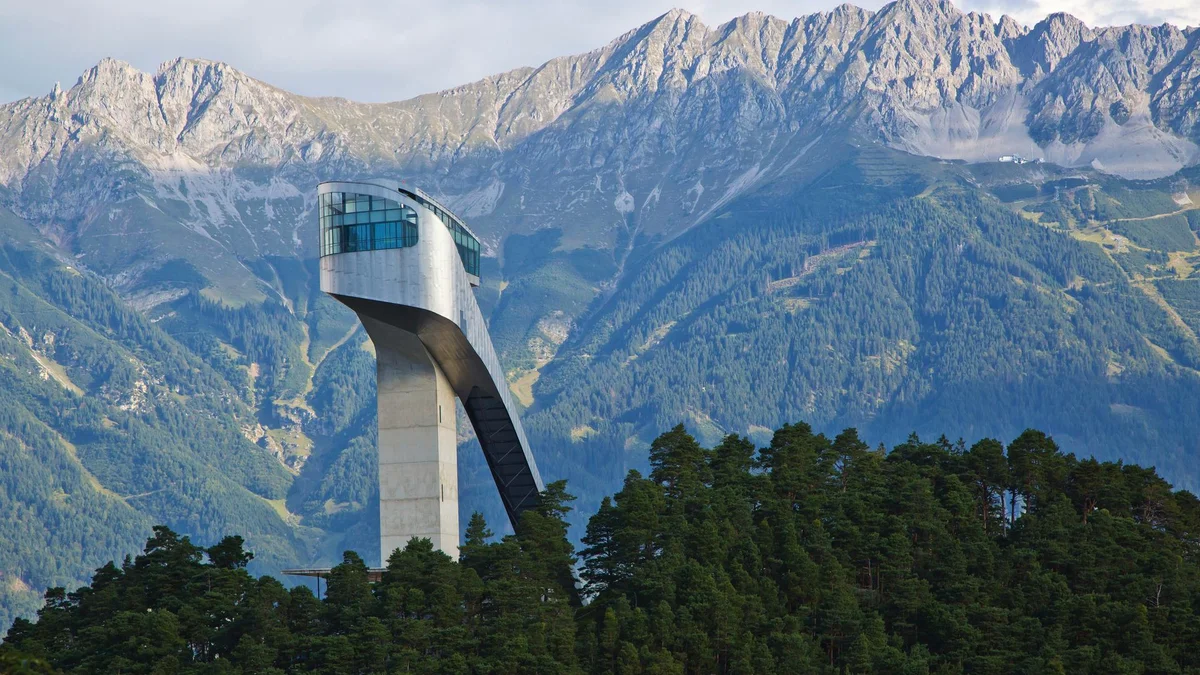
Sports fans and view hunters. The jump is an Olympic landmark, a piece of modern architecture and a panorama terrace in one.
Address: Bergiselweg 3, 6020 Innsbruck
Ski jumpers have flown off the Bergisel hill for a century, and the stadium below hosted the ski jumping of the Winter Games of 1964 and 1976 and the Youth Games of 2012. The current tower, completed in 2002 to a design by Zaha Hadid, curls over the inrun like a ribbon of steel and glass. Every January the jump hosts a leg of the Four Hills Tournament, when the bowl fills with tens of thousands of fans and cowbells.
An inclined lift and the tower lift carry visitors to the panorama terrace beside the Bergisel SKY restaurant, where the view runs across the city to the Nordkette. From the terrace you stand level with the start gate and look straight down the track the jumpers face. From May to October, training jumps run through the day in good weather, and a jumper launching from the gate you just stood beside is the highlight of the visit.
Do not miss

A coffee at the panorama restaurant at the top of the tower, with the inrun dropping away under the windows and the whole of Innsbruck laid out beyond.
Practical info

Entry costs €12 for adults and €6.50 for children aged 6 to 14, with free entry under 6; a combined ticket with the TIROL PANORAMA museum at the foot of the hill costs €16. Prices hold to 31 December 2026. From June to October the jump opens daily from 9:00 to 18:00; from November to May it opens Wednesday to Monday from 9:00 to 17:00 and closes on Tuesdays. Tram line 1 runs from the centre to the Wilten Abbey stop, a short walk below the entrance. The Innsbruck Card covers entry.
Insider tip: time your visit for a training session, shown on the Bergisel website. The jump is impressive empty, but a jumper in flight turns the visit into a story you retell.
7. Ambras Castle
Best for

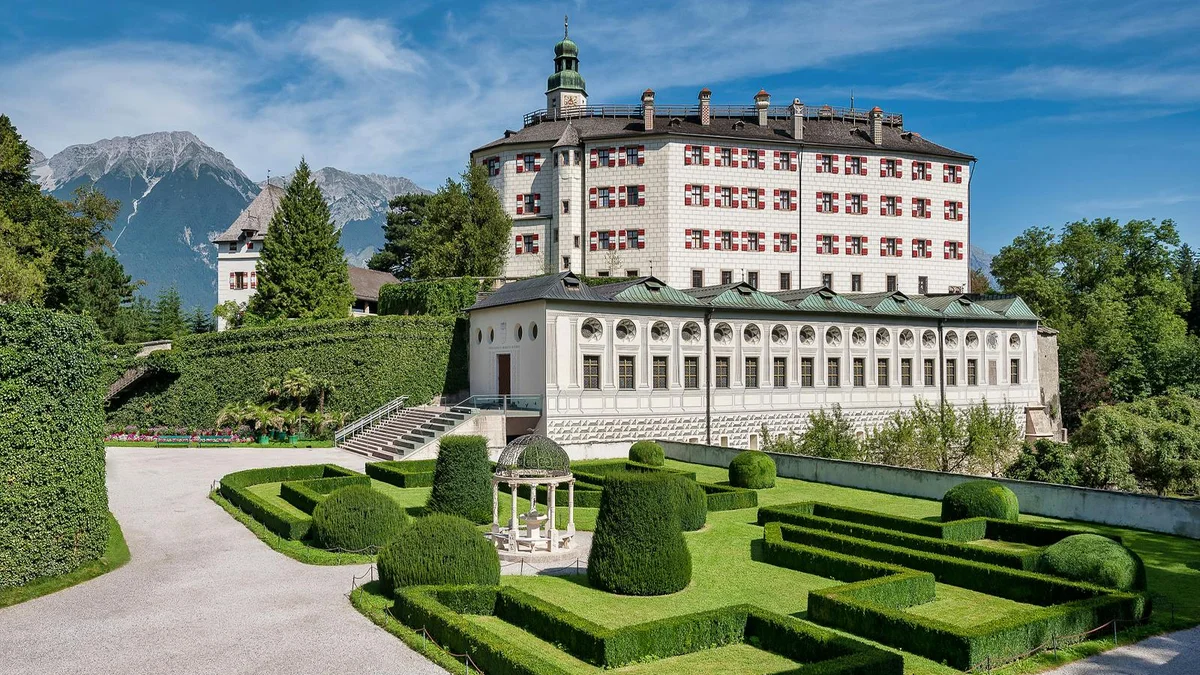
Art lovers and families. A Renaissance castle in a green park above the city, holding one of the strangest and most wonderful collections in Europe.
Address: Schlossstraße 20, 6020 Innsbruck
Archduke Ferdinand II, ruler of Tyrol, rebuilt Ambras in the 16th century as a Renaissance palace for his beloved wife Philippine Welser, and filled the Lower Castle with his passions: suits of armour, weapons, paintings, and wonders. The Chamber of Art and Wonders is the marvel of the place, a room of coral trees, carved ivory, exotic objects from newly reached lands and portraits of giants and other wonders of nature, kept in the very room built for it.
The Upper Castle holds the Habsburg Portrait Gallery, more than two hundred portraits of the dynasty from the 14th to the 18th century, and the Spanish Hall, a festival hall lined with 27 full-length portraits of the rulers of Tyrol. Ferdinand also built a bathroom for Philippine, a sunken marble bath that counts among the earliest preserved bathrooms in Europe. Outside, peacocks wander a landscaped park of ponds and old trees, and the estate looks down over the Inn valley.
Do not miss

The Chamber of Art and Wonders. No other Renaissance collection in Europe survives in its original home, and the room still delivers the same jolt of curiosity and disbelief that Ferdinand designed it to give.
Practical info
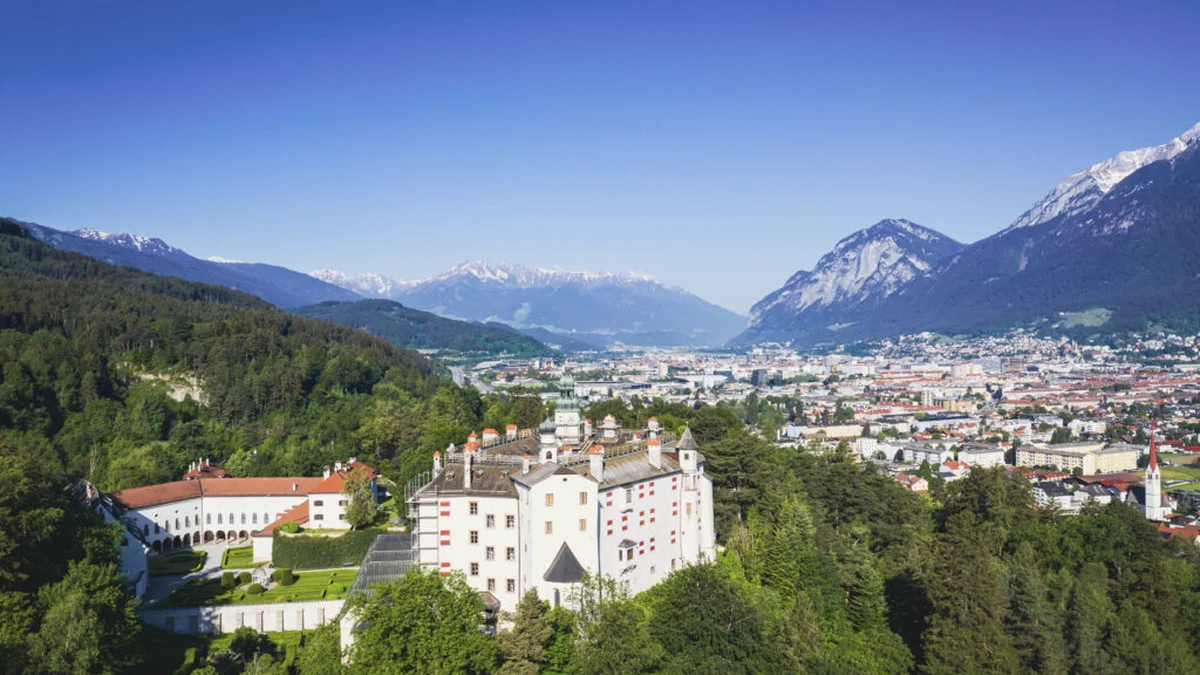
Tickets booked online cost €16 for adults and €12 with concessions; on the door the same tickets cost €18 and €14, and children and young people enter free. The castle opens daily from 10:00 to 17:00 and closes for the whole of November; the Portrait Gallery and Gothic Sculptures open from April to October only. Bus M runs direct from the city and post bus 540 from the main station. The Innsbruck Card covers entry.
Insider tip: book online before you go. The online ticket is cheaper than the door price, and the park deserves an unhurried hour after the galleries.
Stay here: Hotel Goldener Adler
A hotel at Herzog-Friedrich-Straße 6, receiving guests since 1390 and counted among the oldest hotels in Europe, with 43 rooms a few steps from the Golden Roof.
8. Alpenzoo Innsbruck: The Alpine Zoo
Best for

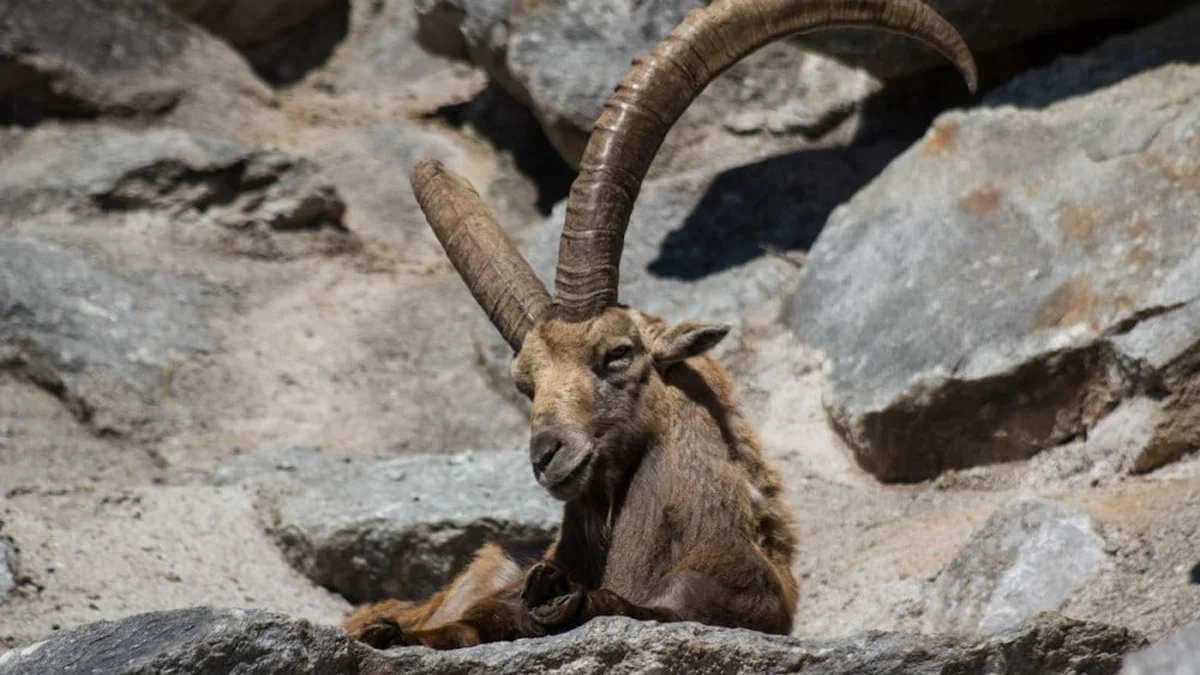
Families and animal lovers. At 750 metres above the sea, the Alpenzoo is one of the highest zoos in Europe, and the only one devoted to the wildlife of the Alps.
Address: Weiherburggasse 37a, 6020 Innsbruck
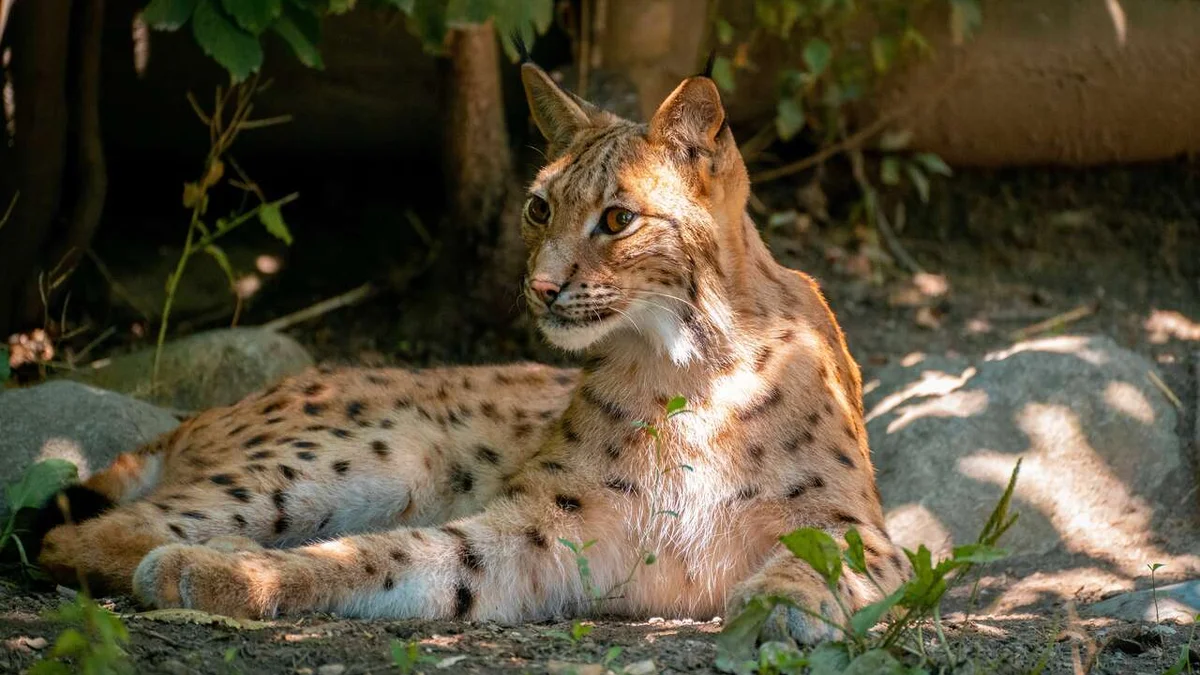
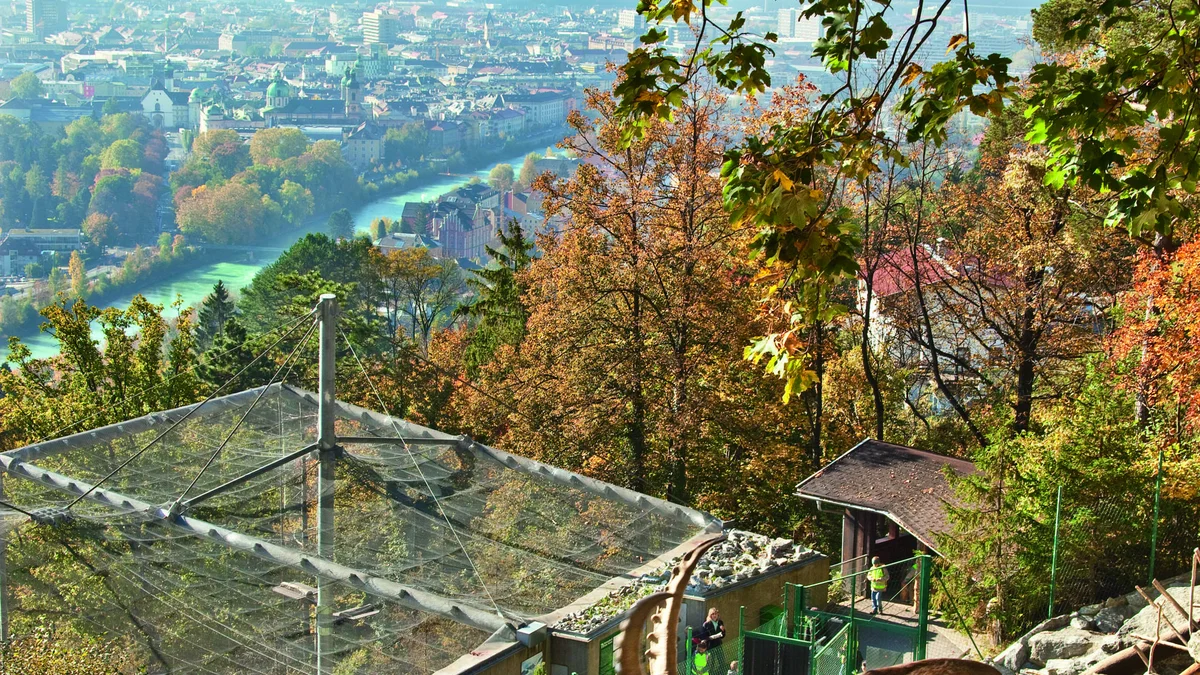
The zoo keeps about 2,000 animals of around 150 species, and claims the most complete collection of Alpine wildlife anywhere in the world. Brown bears pad through a forested enclosure, wolves and lynx watch from the rocks, and golden eagles and bearded vultures ride the thermals in a vast aviary. Ibex and chamois handle the steep ground with ease, and the whole zoo climbs the wooded Hungerburg slope, past viewpoints over the city.
The Alpenzoo also works behind the scenes for the mountains outside the fence. Breeding programmes here have helped return the bearded vulture and the northern bald ibis to the wild skies of the Alps. The Hungerburgbahn funicular has its own Alpenzoo station a few steps from the gate, so the zoo pairs naturally with a Hungerburg trip on the same morning.
Do not miss
Feeding time at the bear enclosure and the walk-through aviary, where the great birds of the Alps pass close overhead. Ask at the gate for the schedule of the day.
Practical info
The zoo opens daily, from 9:00 to 18:00 between April and October and from 9:00 to 17:00 between November and March. A combined ticket covering the funicular return and zoo entry is sold at the Congress station in the city centre, and the Innsbruck Card covers entry. Allow two to three hours and wear shoes with grip for the sloping paths.
Insider tip: combine the zoo with Hungerburg, not with the summit. Children who are full of energy in the morning make patient zoo visitors, and the combined funicular ticket keeps the cost of the outing down.
More Worth Your Time

Three further sights sit close to the main list and fill the gaps in a two or three day plan.
St James Cathedral (Dom zu St. Jakob)

The cathedral of Innsbruck, built between 1717 and 1724 on Domplatz just north of the palace, is a baroque church of real grandeur. Frescoes by Cosmas Damian Asam spread across the ceiling with scenes from the life of St James, and the high altar holds the Maria Hilf painting by Lucas Cranach the Elder, one of the most loved images of the Virgin in Austria, drawing pilgrims for four centuries. Entry is free; arrive outside service times for a quiet look around.
Wilten Basilica
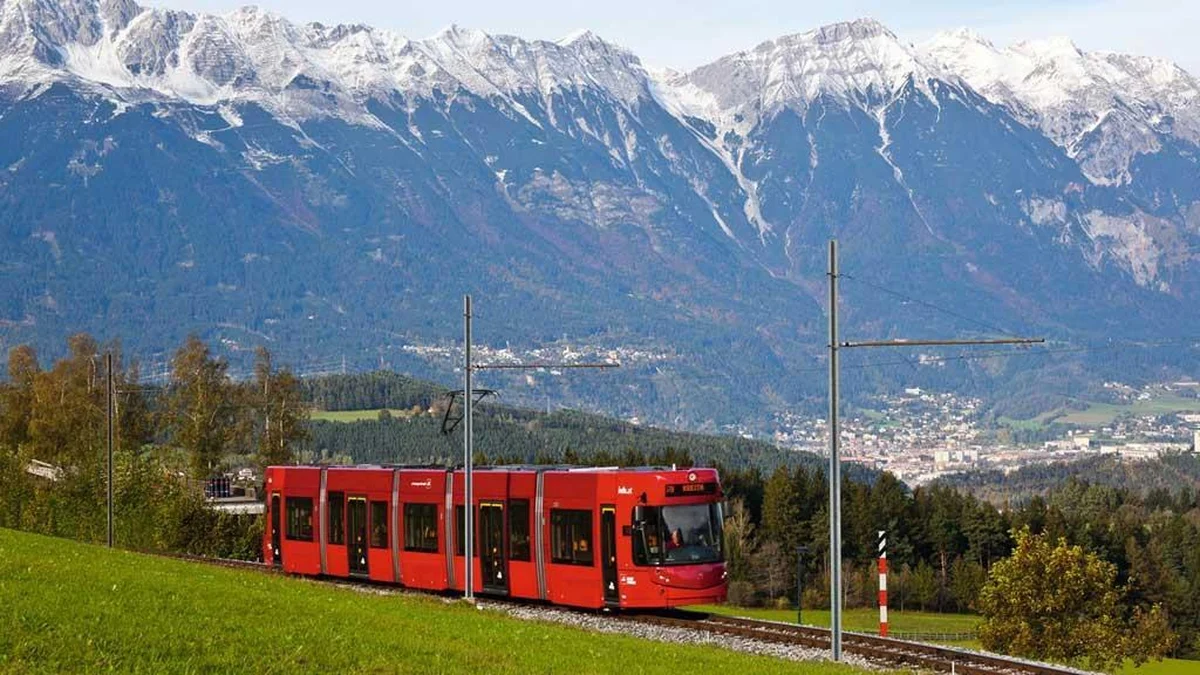
South of the centre in the Wilten district stands the finest rococo church in North Tyrol, built between 1751 and 1756 around a pilgrimage image known as Our Lady under the Four Columns. The interior glows with stucco and ceiling frescoes by Matthäus Günther. The basilica sits on Haymongasse, a short walk from the Bergisel, so the two pair well in one outing. Entry is free.
The City Tower (Stadtturm)

The medieval watchtower on Herzog-Friedrich-Straße guarded the city for centuries, and today visitors climb the narrow stair to a viewing platform above the Old Town rooftops. The Golden Roof sits almost close enough to touch. The combined ticket for the Golden Roof Museum, City Museum and City Tower at €10.50 is the cheapest way to climb.
Innsbruck Sights Compared

| Attraction | Adult ticket | Time needed | Area |
|---|---|---|---|
| The Nordkette and the Top of Innsbruck | €56 return to the top | Half a day | Rennweg and the Nordkette |
| The Golden Roof Museum | €6 (the roof is free to see) | 30 to 60 minutes | Old Town |
| The Imperial Palace (Hofburg) | €10.50 | 1 to 1.5 hours | Rennweg |
| The Court Church (Hofkirche) | €9 | 30 to 45 minutes | Old Town |
| The Old Town and Maria-Theresien-Strasse | Free | 2 to 3 hours | Centre |
| Bergisel Ski Jump | €12 | 1 to 1.5 hours | Wilten, south of the centre |
| Ambras Castle | €16 online | 2 to 3 hours | Amras, south-east |
| Alpenzoo Innsbruck | Free with the Innsbruck Card | 2 to 3 hours | Hungerburg hillside |
| Swarovski Crystal Worlds, Wattens | €38 day pass with shuttle | 2 to 3 hours plus travel | Wattens, east of the city |
Suggested Innsbruck Itineraries

| Time | Plan |
|---|---|
| Day trip | Ride the Nordkette to the Top of Innsbruck on the first clear morning. Come down for lunch, then walk the Golden Roof, the Imperial Palace and the Court Church, and end on Maria-Theresien-Strasse as the lights come on. |
| 2 days | Day one as above. Day two: Ambras Castle in the morning, the Alpenzoo and Hungerburg after lunch, and Bergisel Ski Jump before dinner. |
| 3 days or more | Add Swarovski Crystal Worlds in Wattens on the shuttle from the main station, then ride the S-Bahn to Hall in Tirol for the mint museum and the largest old town in Tyrol. A fourth day takes the train up to Seefeld. |
Book Tickets Before You Go

The Nordkette sells out its morning departures on fine weekends, and Ambras charges less online than at the door, so the headline sights of Innsbruck reward early booking. Use the official ticket pages below.
| Attraction | Official ticket page |
|---|---|
| The Nordkette and the Top of Innsbruck | Nordkette tickets and tariffs |
| Bergisel Ski Jump | Bergisel tickets and opening hours |
| Ambras Castle | Ambras Castle visit and tickets |
| The Imperial Palace (Hofburg) | Hofburg museum and ticket prices |
| Swarovski Crystal Worlds, Wattens | Swarovski Crystal Worlds visit and day pass |
Where to Stay in Innsbruck
Top 3 hotels in Innsbruck
Explore all hotels >
Innsbruck is small enough that almost every hotel stands within a walk or a short tram ride of the Golden Roof. Stay in the Old Town for atmosphere, near the station for early trains, or in Wilten for quiet streets.
| Area | Best for | Good to know |
|---|---|---|
| Old Town (Altstadt) | First visits and sightseeing on foot | The Golden Roof and the Hofburg stand at the door; the lanes quieten early at night |
| Maria-Theresien-Strasse and the Centre | Shopping, cafes and easy transport | The grand street of the city, with the main tram and bus stops close by |
| Station Quarter | Train arrivals and value stays | Hauptbahnhof and the bus station; about 15 minutes on foot to the Golden Roof |
| Wilten and the South | Calm streets and local life | Bergisel, the Wilten Basilica and the Islamic Centre of Tyrol |
Two long-standing hotels with official booking pages:
- Hotel Das Innsbruck (Innrain 3) — a four star hotel at the Inn bridge on the edge of the Old Town, built on the foundations of the old city wall, with the largest wellness area of any hotel in the city.
- Hotel Goldener Adler (Herzog-Friedrich-Straße 6) — receiving guests since 1390 and counted among the oldest hotels in Europe, with 43 rooms a few steps from the Golden Roof.
Where to Eat in Innsbruck: Halal Food and Local Dishes

Food shapes a trip through a city as much as the sights do, a theme explored in our guide to how food tourism is shaping modern travel. Innsbruck helps Muslim travellers more than most Alpine cities: Turkish, Syrian and Afghan kitchens cluster around the centre and the station, and one restaurant declares a fully halal kitchen in plain words.
Halal Food in Innsbruck

Marrusch (Innrain 25) is the standout name: a Syrian family restaurant a short walk west of the Old Town, and the restaurant states in its own listing that the meals are 100 percent halal. The menu runs through hummus, mutabal and stuffed zucchini, with Syrian sweets such as baklava and maamoul and Arabic ice cream for dessert. Soultans (Herzog-Siegmund-Ufer 1) serves a Turkish kitchen on the river promenade near the market hall, with falafel, pide, köfte and lamb skewers; the halal status is not stated in the sources checked, so confirm with the staff before ordering meat dishes. Urfam (Gumppstraße 41) is a Turkish grill in the Pradl district east of the centre, popular with local families; ask about halal sourcing at the counter.
Local Dishes to Try

The Tyrolean kitchen is built for mountain appetites. Kasspatzn, soft egg noodles folded through melted mountain cheese and crowned with fried onions, is the dish to order first. Kaspressknödel are pressed cheese dumplings served in a clear soup or with salad, mountain trout appears on menus across the region, and bakeries sell apple strudel by the slice. Many classic meat dishes of Tyrol use ingredients that do not suit a halal diet, so the cheese dishes and the trout are the reliable orders, or ask the kitchen first.
Mosques and Prayer in Innsbruck

The main mosque of the city is the Islamisches Zentrum Tirol (Islamic Centre of Tyrol), at Andreas-Hofer-Straße 17a in the Wilten district, south of the centre. The centre holds the daily prayers and the Friday prayer. Tram line 1 serves the street, and the walk from the Old Town takes about 20 minutes. Smaller prayer rooms serve other districts, but the Islamic Centre is the address visitors need.
Getting Around Innsbruck

| Transport | Details | Cost |
|---|---|---|
| Walking | The Golden Roof, Hofburg and Court Church stand within five minutes of each other in a largely traffic-free centre | Free |
| Trams and buses (IVB) | City network radiating from the main station and Maria-Theresien-Strasse; day tickets cover trams and buses | Single €3.30; 24 hours €7.30 |
| Nordkette lifts | Hungerburgbahn from Rennweg 3, then the Seegrube and Hafelekar cable cars | €56 return to the top |
| Regional trains (S-Bahn) | Hall in Tirol in about 10 minutes and Seefeld in about 40 minutes; long-distance trains for Vienna, Salzburg and Munich | Priced by distance |
| Car and parking | Central garages ring the Old Town; Nordkette ticket holders park at a reduced rate (€4) at the Congress garage | Garage rates vary |
Innsbruck Airport sits west of the city, and bus line F runs from the terminal to the centre and the main station. The Hauptbahnhof is the hub for everything: trains, the S-Bahn, and the Swarovski shuttle and the Ambras post bus leave from the station square.
Two cards can cut the cost of a stay. The Welcome Card comes free from partner hotels and guesthouses for stays of two nights or more, and covers public transport in the city and the region, a day with the city bikes and a programme of walks and discounts; stays of three nights or more add free rides on selected mountain railways in summer. The Innsbruck Card is the one to buy: at €69 for 24 hours, €79 for 48 hours and €89 for 72 hours (children aged 6 to 15 pay half), the card covers the sights of the city once each, one return trip on the Nordkette, city transport and the Swarovski shuttle and entry.
Innsbruck Trip Cost Guide

Rough daily costs for a stay in Innsbruck, excluding shopping:
| Category | Budget | Mid-Range | Notes |
|---|---|---|---|
| Accommodation per night | €80 to €140 | €140 to €240 | Guesthouses and station-area hotels vs Old Town addresses |
| Lunch per person | €10 to €16 | €16 to €25 | Bakeries and market stalls vs a sit-down lunch |
| Dinner per person | €18 to €28 | €28 to €45 | Turkish and Syrian kitchens vs Tyrolean restaurants |
| Nordkette return to the top | €56 | €56 | Children aged 6 to 15 pay €33.60 |
| Innsbruck Card, 24 hours | €69 | €69 | Children pay half; covers the Nordkette, the sights and city transport |
| City transport, 24 hours | €7.30 | €7.30 | Free with the Welcome Card from partner accommodation |
Innsbruck prices sit in the middle of the Austrian range, and the two cards flatten the two biggest lines, sightseeing and transport.
Best Time to Visit Innsbruck

| Season | What to expect | Best for |
|---|---|---|
| Spring (April to May) | Mild city days; the Nordkette summer season opens in late April and the Ambras Portrait Gallery opens at the start of April | Sightseeing without crowds |
| Summer (June to August) | The warmest months and the longest days, with show jumping training at Bergisel and every lift running | The mountain and the city together |
| Autumn (September to October) | Golden light on the valley, quieter lanes, and Ambras open to the end of October | Photographers and slow travellers |
| Winter (November to March) | A city under snow beneath the peaks, the Four Hills Tournament in January, and the Nordkette winter season from late November | Snow city breaks and skiing |
For a first visit, late May, June and September give the best balance: every sight open, the lifts running, warm days in the valley and thinner crowds than high summer.
Day Trips from Innsbruck
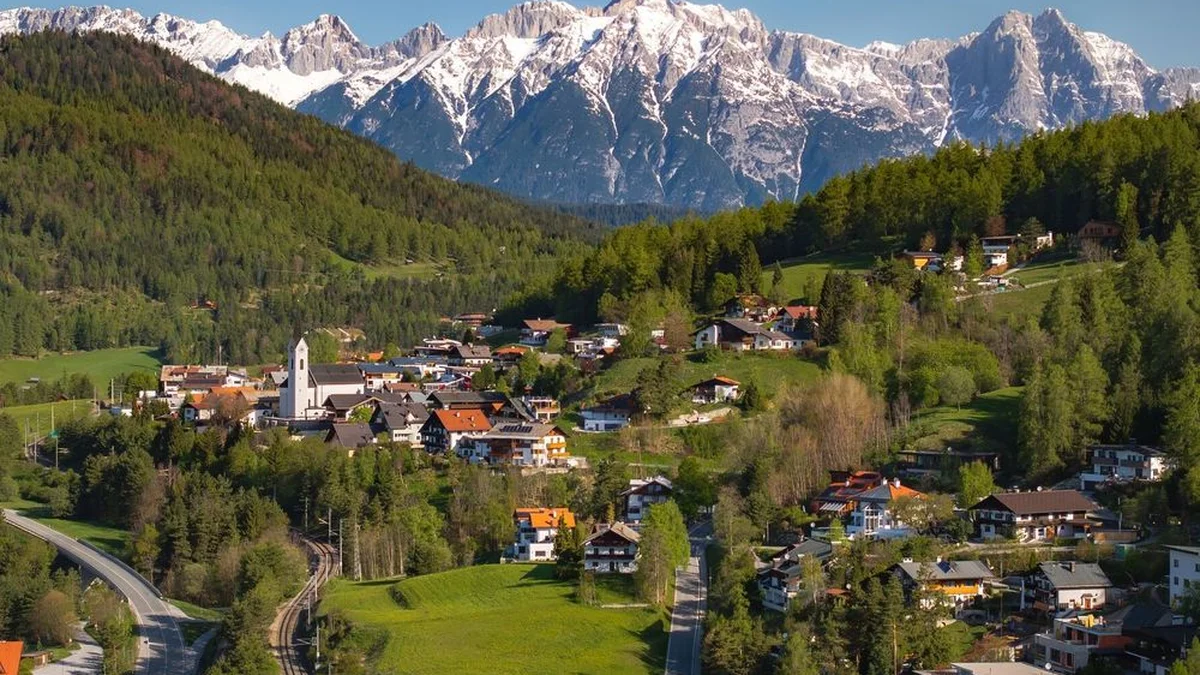
Three easy escapes sit within 40 minutes of the station, and none needs a car.
Swarovski Crystal Worlds in Wattens
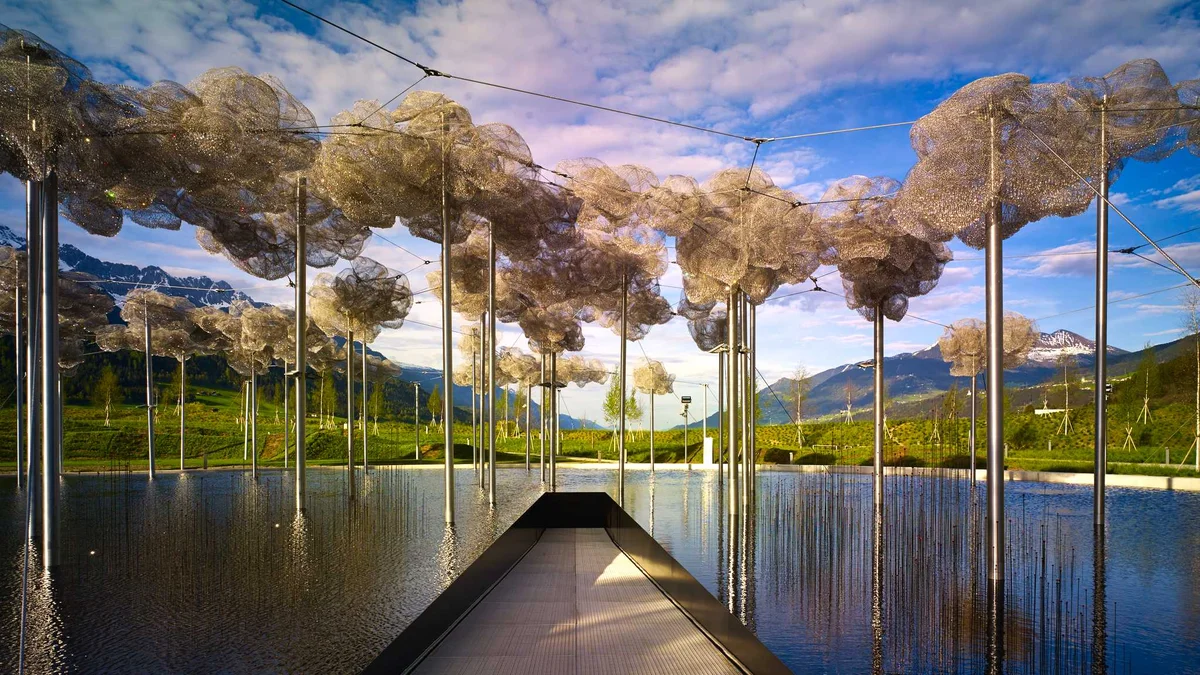
Fifteen minutes east, the crystal company Swarovski built a world of art around its material. The entrance is the Giant, a grass head with glowing crystal eyes and a waterfall mouth, and inside lie the Chambers of Wonder, rooms of crystal art filled by designers from around the world. Outside, the Crystal Cloud drifts above a mirror pool, strung with about 800,000 hand-mounted crystals, and a play tower and a carousel wait in the garden. The official shuttle leaves Innsbruck Hauptbahnhof several times a day; a Day Pass covering entry and the shuttle round trip costs €38 for adults and €16 for children aged 6 to 17, and the Innsbruck Card covers entry and shuttle. Open daily from 9:00 to 19:00, with last entry at 18:00. Address: Kristallweltenstraße 1, 6112 Wattens.
Hall in Tirol and the Mint
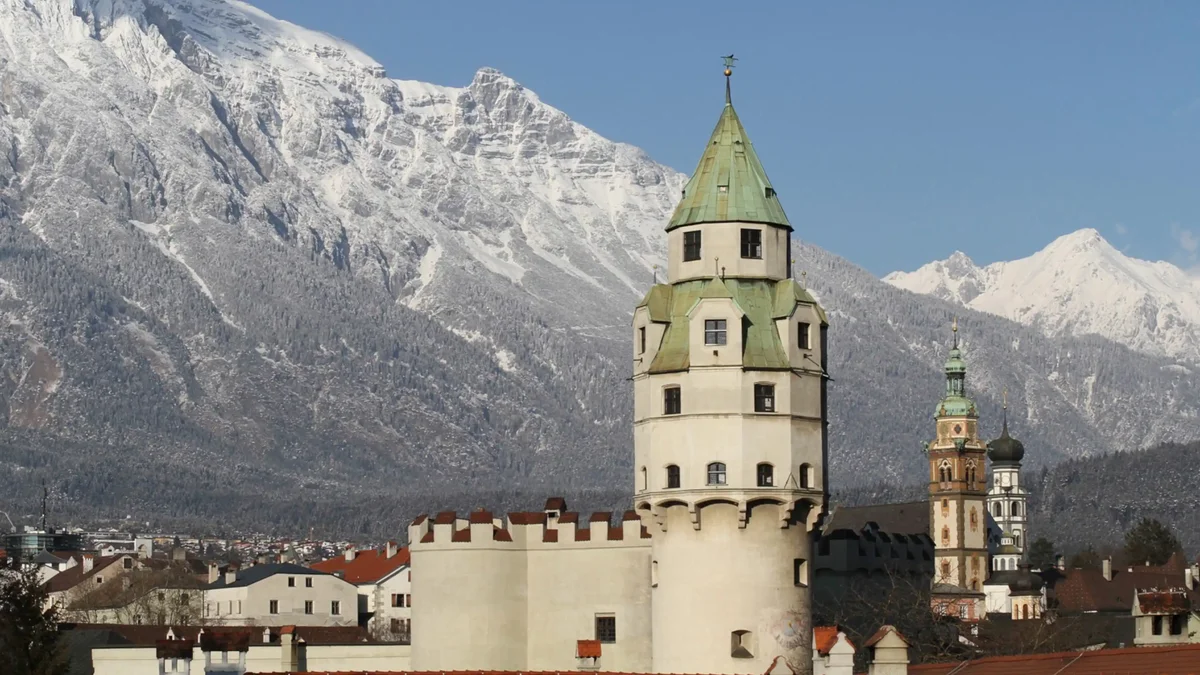
Hall in Tirol, about ten minutes east by S-Bahn train, kept the largest old town in Tyrol while Innsbruck modernised around it. The mint at Burg Hasegg struck the first thaler coins here in the 15th century, the silver pieces that gave the dollar its name. The mint museum tells the story of coin making, and visitors can strike a coin of their own at the old press. The museum opens Tuesday to Sunday from 10:00 to 17:00 and closes on Mondays; the Innsbruck Card covers the museum, and the climb up the Mint Tower may carry a small extra charge.
Seefeld on the High Plateau
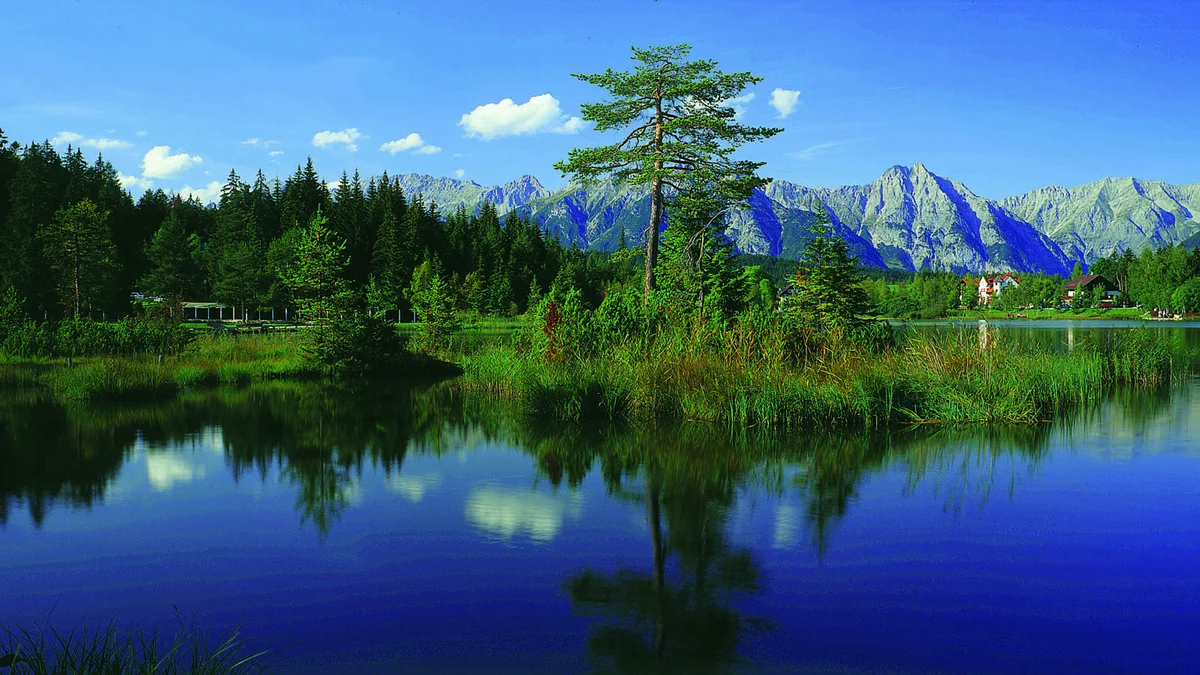
The Karwendelbahn train climbs north-west from Innsbruck to Seefeld, a village on a sunny plateau at about 1,200 metres, in a good half hour. The station stands at the entrance of the pedestrian zone, one of the oldest in Tyrol, a gentle street of shops and cafes watched over by the Seekirchl, a round pilgrimage church of 1666 with an onion dome. Seefeld hosted the cross-country skiing of the Winter Olympic Games of 1964 and 1976, and the meadows around the village carry walking paths in summer and cross-country trails in winter.
Practical Tips for Innsbruck

Good to Know

- The Innsbruck Card covers one return trip on the Nordkette. Ride the mountain on the same day as two paid sights and the card pays for itself.
- The Welcome Card is free from partner hotels and guesthouses for stays of two nights or more. Ask at check-in before buying any transport ticket.
- A Hofburg ticket halves the entry price at the Court Church and the other state museums of Tyrol. Keep the stub and show it at the next desk.
- Ambras Castle closes for the whole of November, and the Nordkette pauses for maintenance in November. Check opening dates before a late autumn trip.
Good to Avoid

- The summit in thick cloud. The view is the whole point of the Nordkette, so swap the ride to the first clear morning of the stay.
- Paying single entry at every sight. Combined tickets and the Innsbruck Card cut the sightseeing bill fast.
- Driving into the Old Town. The centre is largely traffic-free, so park in a central garage or arrive by train.
Final Thoughts on Innsbruck
Few cities in Europe hand you an imperial palace in the morning and a summit at 2,334 metres before lunch. Innsbruck does it without fuss. The Golden Roof, the bronze giants of the Court Church and the curl of the Bergisel tower stay with you long after the train pulls out of the Hauptbahnhof.
The Austria guides in this series continue with Graz and Zell am See. If food leads your planning, read the food tourism guide linked below.
The Golden Roof, the Imperial Palace, and the Hofkirche make the Old Town circuit, and the Bergisel Ski Jump, the Nordkette cable car, Ambras Castle, and Swarovski Kristallwelten in Wattens fill the days around them. Winter brings the ski season with the Nordkette runs above the city, and summer brings the hiking season with the cable car stages up to 2,300 metres, while the Innsbruck Card covers the cable car, the ski jump, the palace, and city transport. Book Nordkette and Bergisel visits ahead in peak season, since both draw weekend crowds, and dress in layers, since the summit runs 10 degrees cooler than the valley.
The Old Town suits almost every itinerary, with the Golden Roof, the palace, and the Hofkirche within walking distance, while the station district suits travellers who want the trains and the airport bus at the door. The guide lists mosques and prayer facilities in the city, with daily prayers and the Friday prayer, and visitors are welcome. If a third day is free, Swarovski Kristallwelten in Wattens sits around 15 minutes east, with the crystal chambers and the garden in one half day.
Keep Exploring
FAQs
What are the best things to do in Innsbruck for first-time visitors?
Start with the imperial core: the Golden Roof, the Imperial Palace and the Court Church stand within a few streets of each other and fill one full morning. Add the Nordkette cable car to the Top of Innsbruck on the first clear day, then Bergisel Ski Jump and Ambras Castle on day two. The Alpenzoo and the Old Town lanes fill any gaps.
How much does the Nordkette cable car cost?
A return ticket to the top station costs €56 for adults and €33.60 for children aged 6 to 15, and children under 6 ride free. A shorter return to Hungerburg costs €14 for adults. Lifts leave about every 15 minutes from the Altstadt station at Rennweg 3, and the Innsbruck Card includes one return trip to the top.
Is the Innsbruck Card worth buying?
For most visitors, yes. The card costs €69 for 24 hours, €79 for 48 hours and €89 for 72 hours, with children aged 6 to 15 at half price. One day of the Nordkette (€56) plus the Hofburg (€10.50) and Bergisel (€12) already passes the 24 hour price, and the card also covers city transport, entry to the sights of the city once each and the shuttle and entry at Swarovski Crystal Worlds. On a light day with one museum, single tickets win.
Is Innsbruck worth visiting?
Yes, and Innsbruck suits travellers who want a city and the high Alps in one trip. The old town carries a full imperial story, from the Golden Roof of Maximilian to the state rooms of Maria Theresa, and no other Austrian city puts a 2,334 metre summit 20 minutes from its main square. Two days cover the highlights, and the city also works as a base for Tyrol, with Hall in Tirol, Seefeld and Wattens under 40 minutes away.
What is the best time to visit Innsbruck?
Late May, June and September suit most trips: the summer lifts run, Ambras Castle and the Portrait Gallery are open, and the days are long without the crowds of high summer. Winter brings a snow-covered old town, the Four Hills Tournament in January and the ski season on the Nordkette. Note that Ambras closes for the whole of November and the Nordkette pauses for maintenance in the same month.
Where can you find halal food and a mosque in Innsbruck?
The clearest halal address is Marrusch, a Syrian family restaurant at Innrain 25 that states its meals are 100 percent halal. Turkish kitchens such as Soultans on Herzog-Siegmund-Ufer and Urfam on Gumppstraße serve the centre and the eastern districts; confirm halal sourcing with the staff before ordering meat. The main mosque is the Islamisches Zentrum Tirol at Andreas-Hofer-Straße 17a in Wilten, about 20 minutes on foot south of the Old Town.
How many days do you need in Innsbruck?
One day covers the Golden Roof, the Hofburg, the Court Church and one ride up the Nordkette. Two days add Ambras Castle, Bergisel and the Alpenzoo at a relaxed pace and give the mountain a second chance if cloud closes in. Three days or more open the day trips: Swarovski Crystal Worlds in Wattens, the mint town of Hall in Tirol and the plateau village of Seefeld.


