Things to Do in Salzburg: The Fortress, the Old Town and Family Days in the City of Mozart
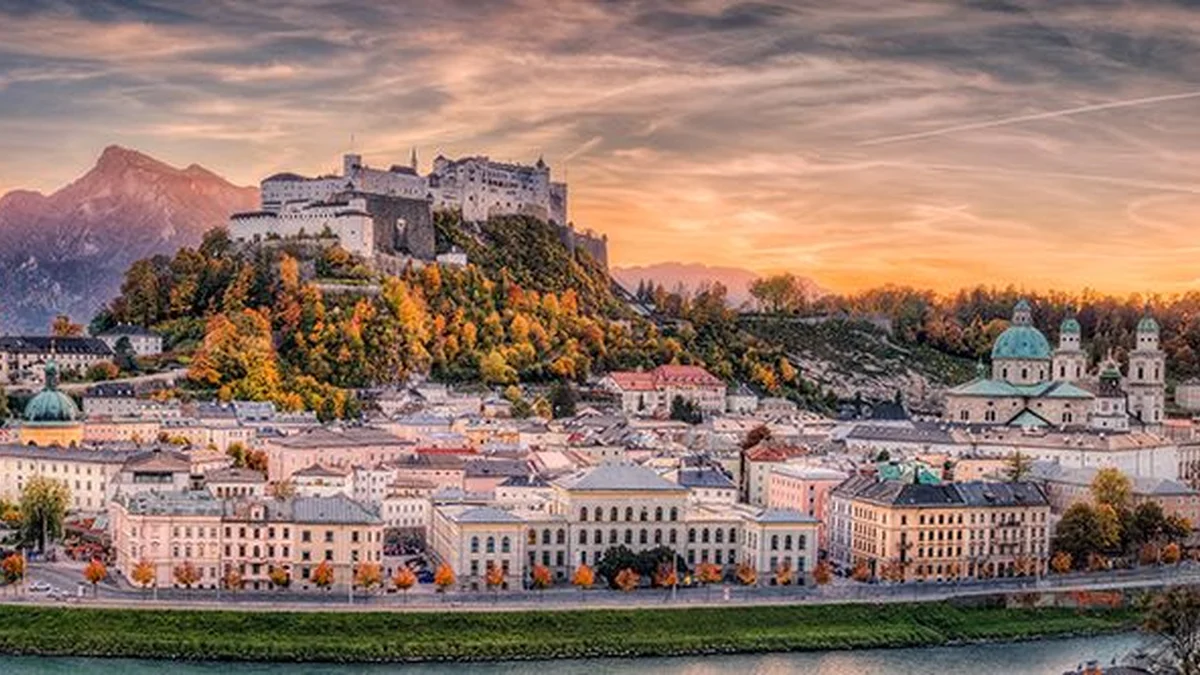
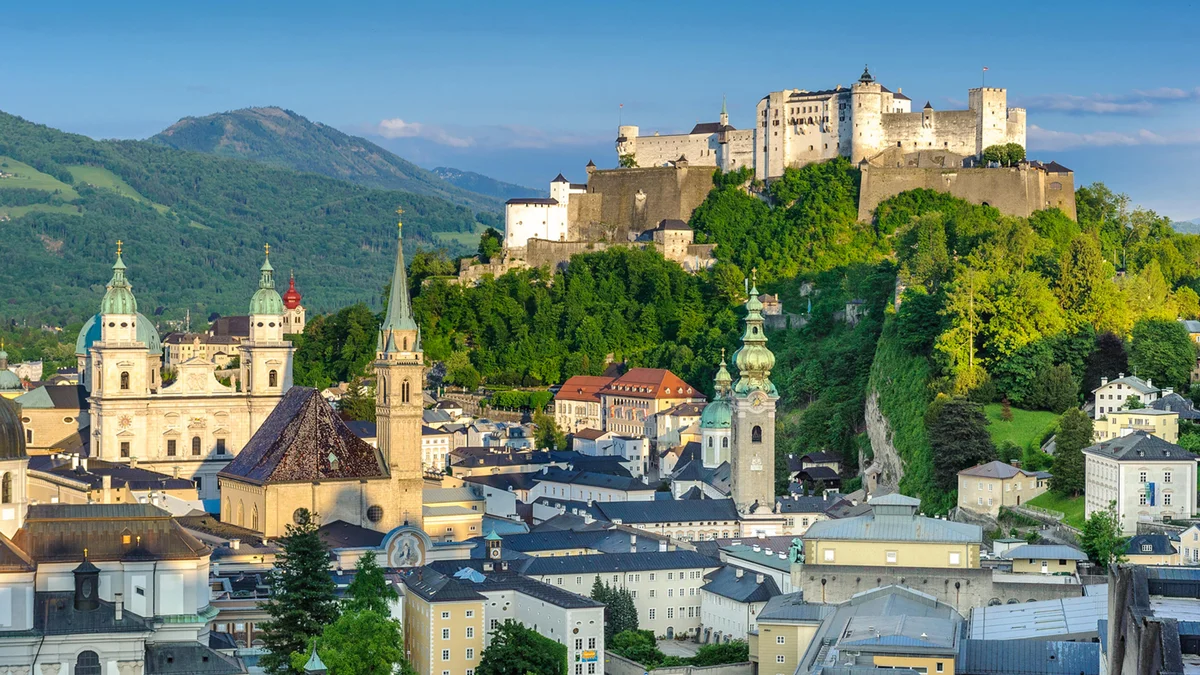
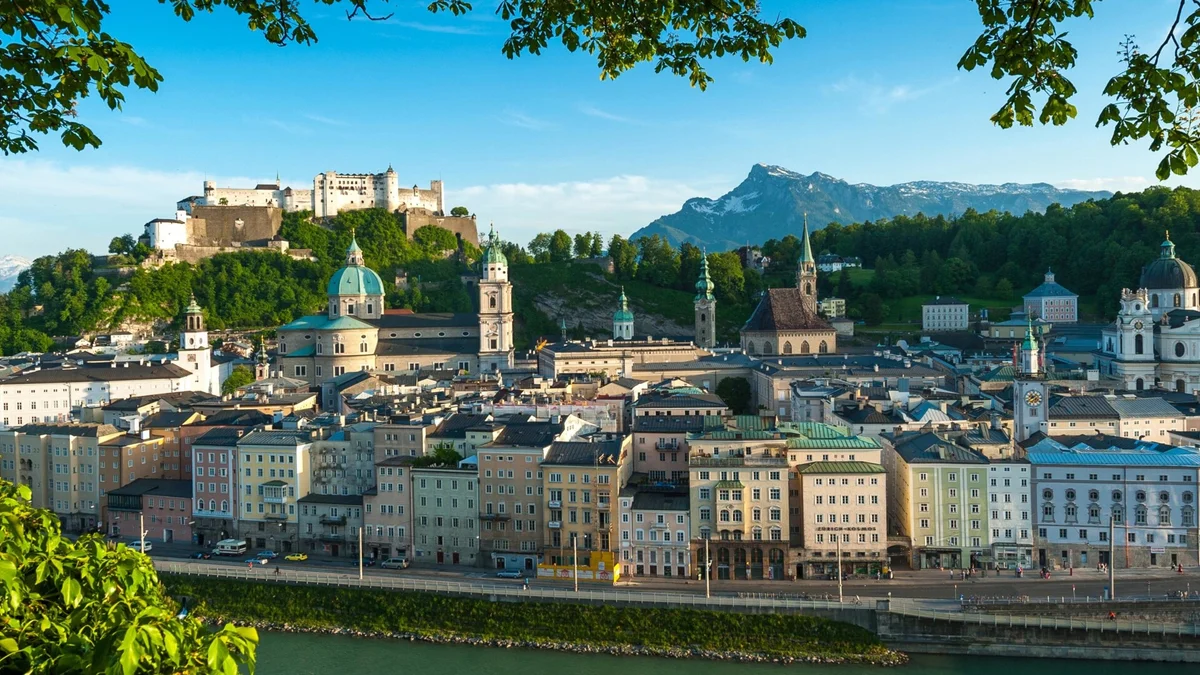
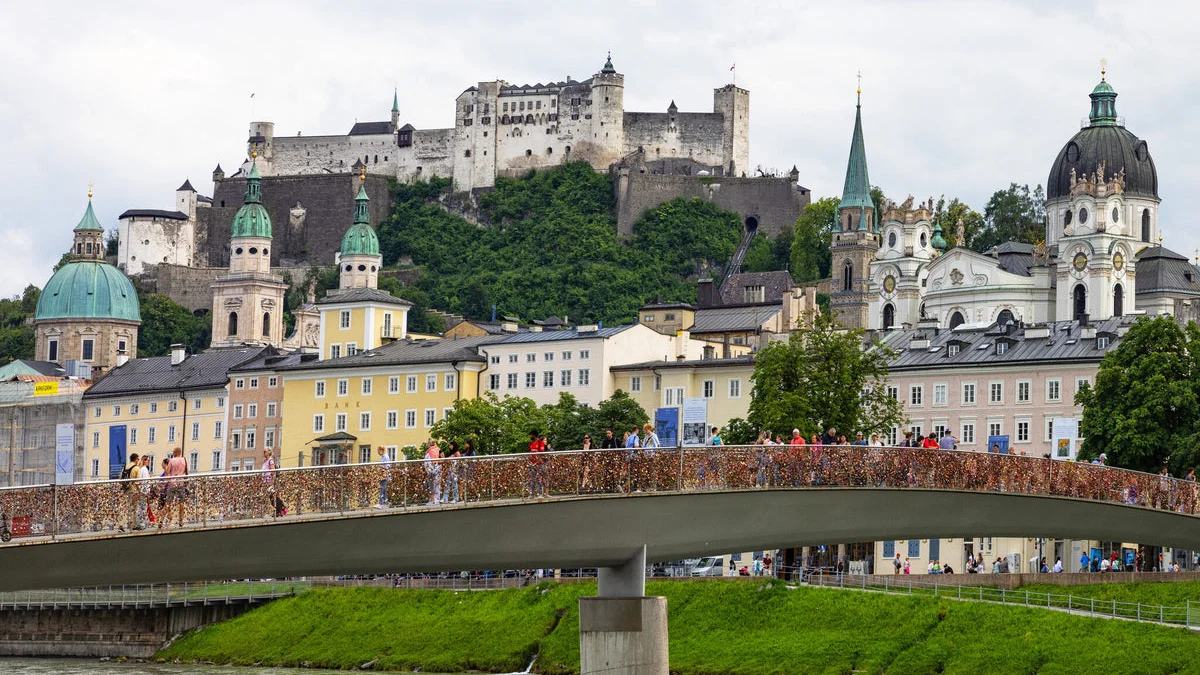
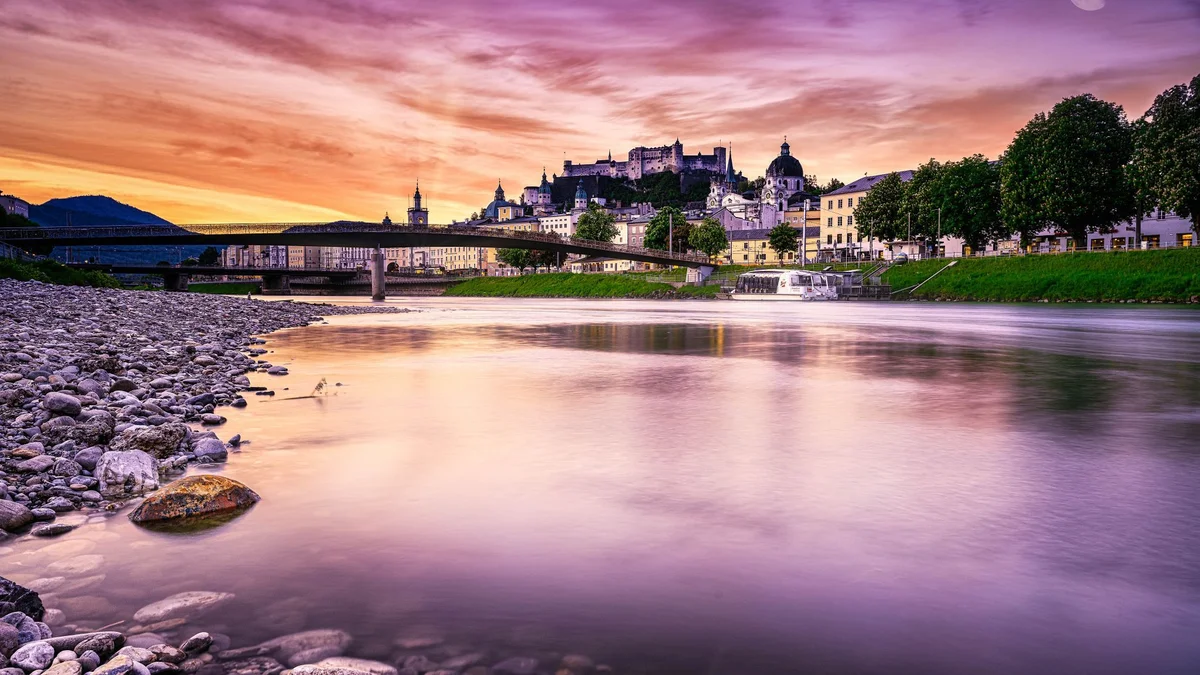
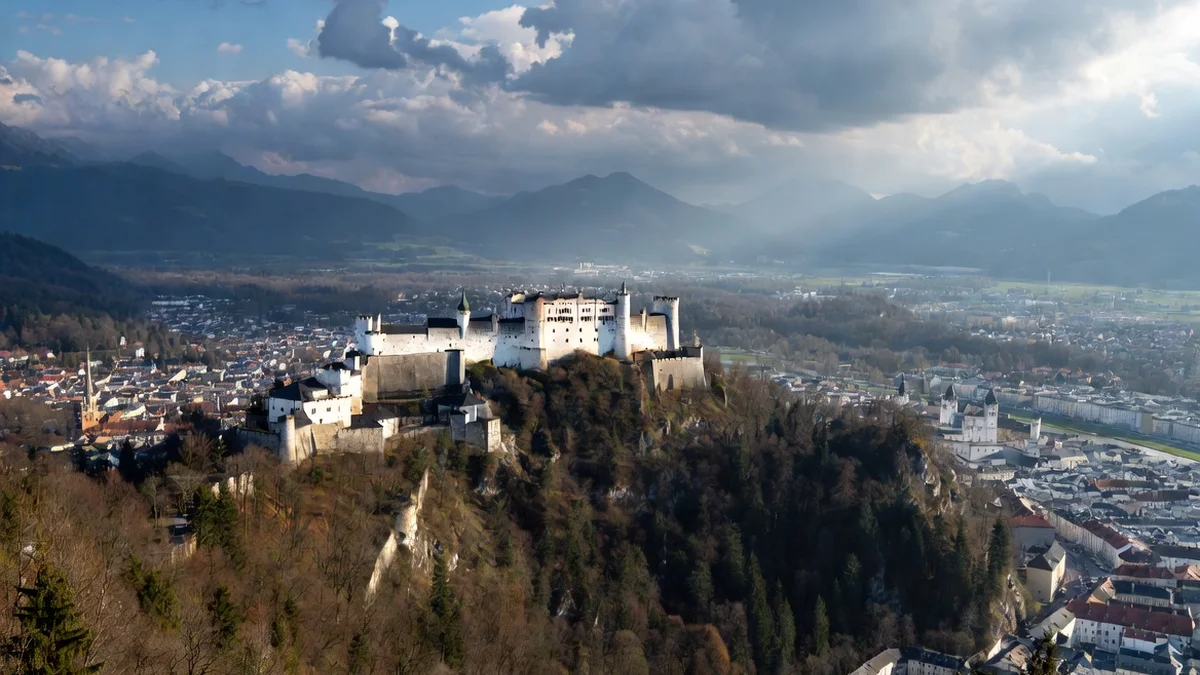
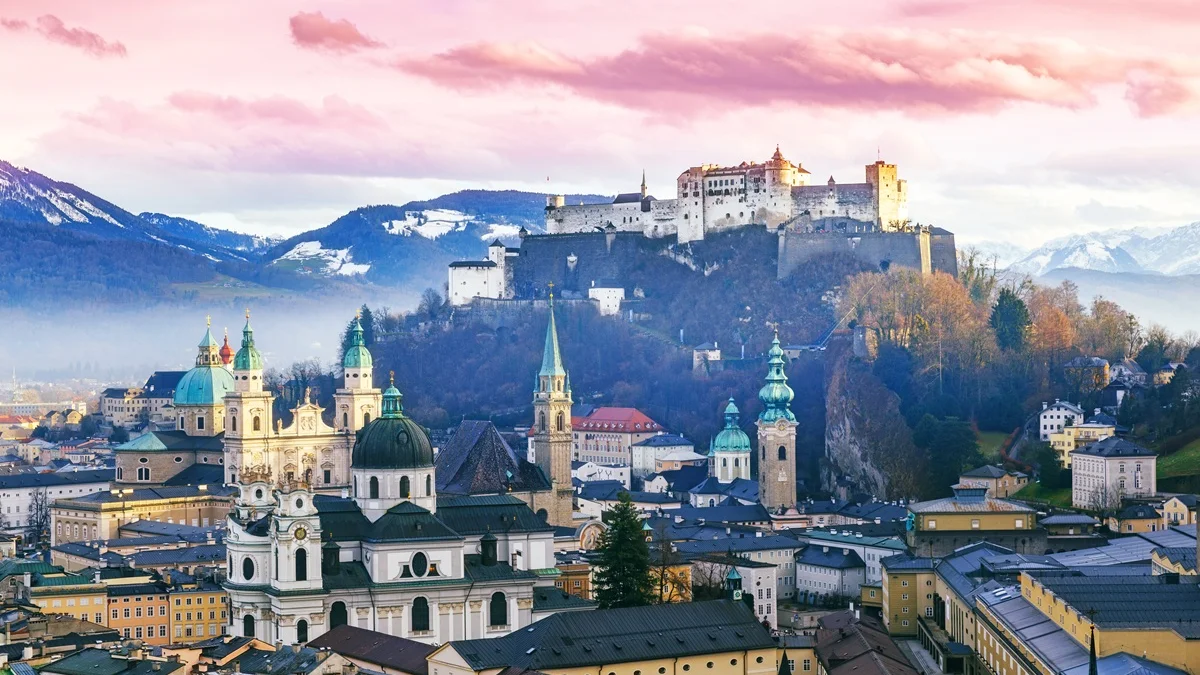
The train from Vienna slows beside the Salzach river, and there it is: a pale stone fortress spread along a green ridge, watching over a skyline of domes and Baroque towers. Salzburg is a small city with an outsized silhouette, and the list of things to do in Salzburg starts with that view. Below the…
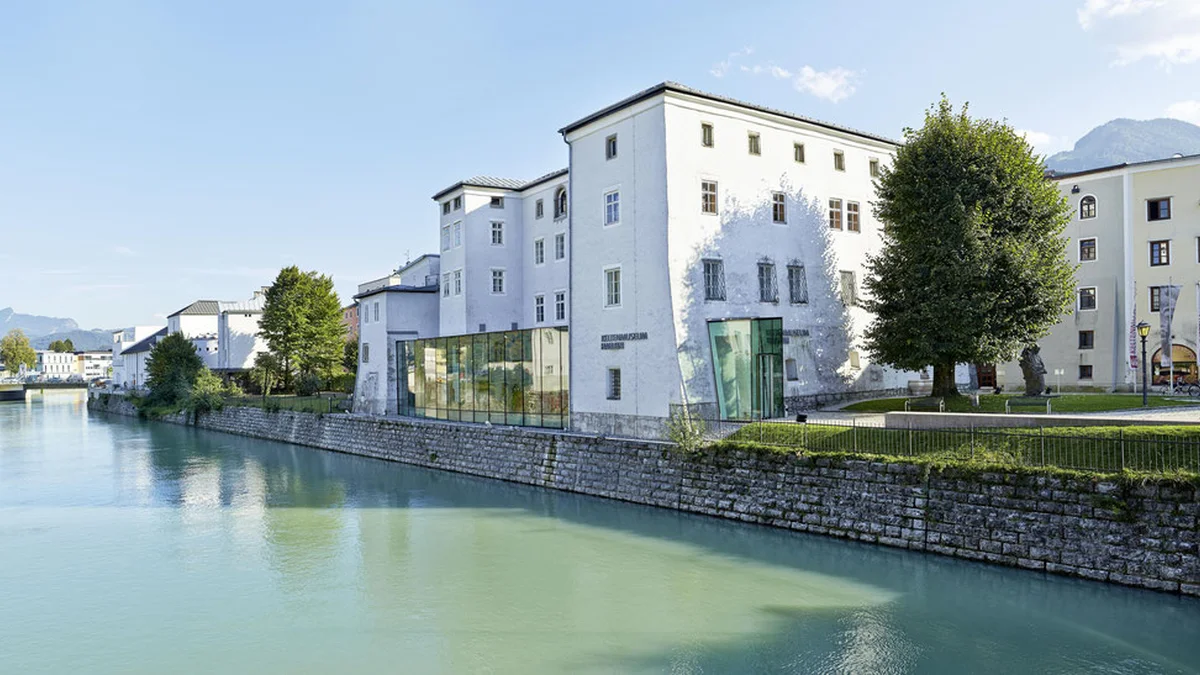
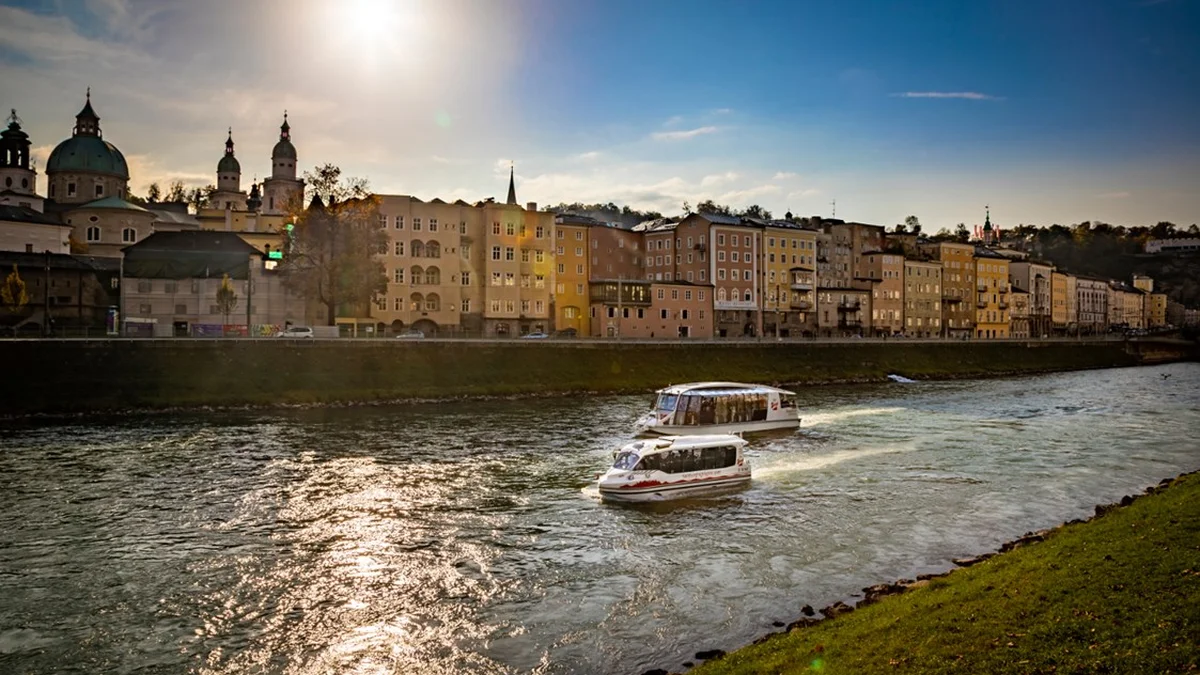
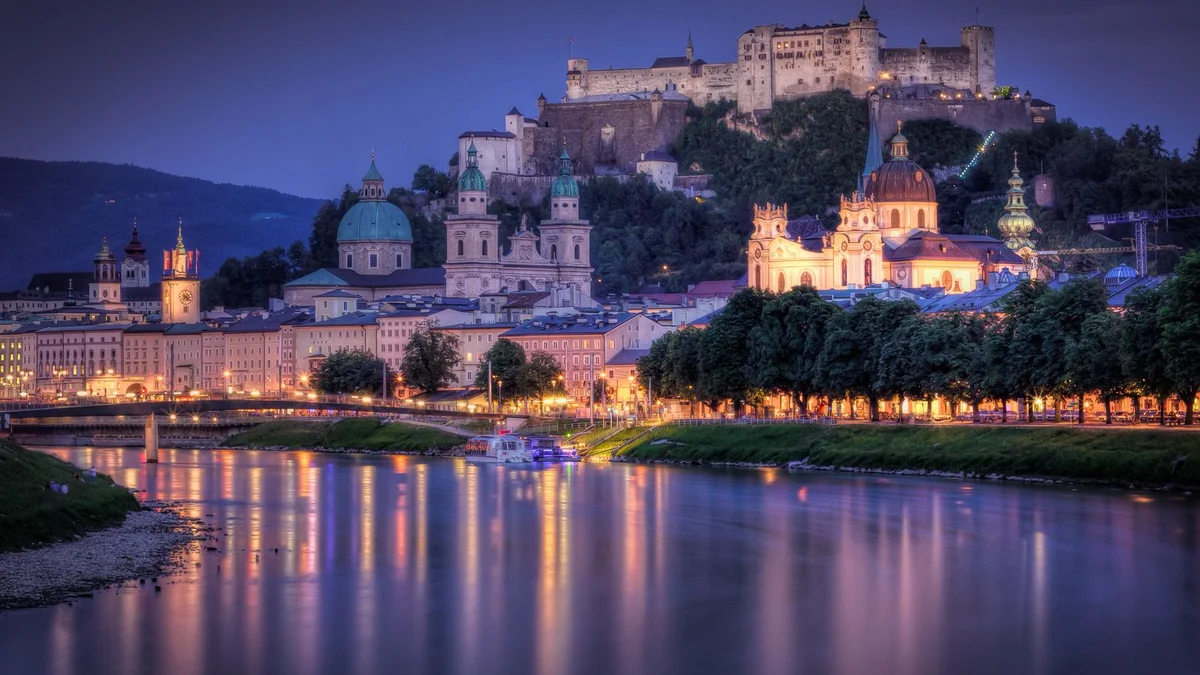
The train from Vienna slows beside the Salzach river, and there it is: a pale stone fortress spread along a green ridge, watching over a skyline of domes and Baroque towers. Salzburg is a small city with an outsized silhouette, and the list of things to do in Salzburg starts with that view. Below the fortress, lanes hide palace courtyards, a cathedral of pale marble and the house where Mozart was born.
This guide plans the city the way a good day unfolds here. Ride the funicular up to the fortress first, while the courtyards are quiet. Cross the river to the gardens of Mirabell Palace. Give the trick fountains of Hellbrunn a full sunny morning, and keep Haus der Natur for a rainy afternoon. The guide also covers halal food, mosques, the best areas to stay, honest trip costs and three day trips into the lakes and Alps.
Every price, opening hour and address below was checked on the official page of the sight, the city or the Salzburg Card network in October 2026. Where sources disagreed, the guide prints no figure rather than a doubtful one. Buttons lead only to official ticket and hotel pages.
Salzburg at a Glance
| Detail | What to Know |
|---|---|
| Best known for | One of the largest medieval fortresses of Europe above a Baroque Old Town, and the birthplace of Mozart |
| Currency | Euro (EUR) |
| Language | German; English widely spoken in hotels, sights and restaurants |
| Airport | Salzburg Airport (SZG), about 4 km west of the centre; bus 2 reaches the main station in about 23 minutes |
| Main station | Salzburg Hauptbahnhof, with direct trains to Vienna in about 2 hours 20 minutes and to Munich in about 1 hour 30 minutes |
| Old Town | UNESCO World Heritage site, almost fully pedestrian |
| Salzburg Card | One free entry to the main sights plus free city transport; 24 hours costs €35 in low season and €38 in peak season 2026 |
First Visit
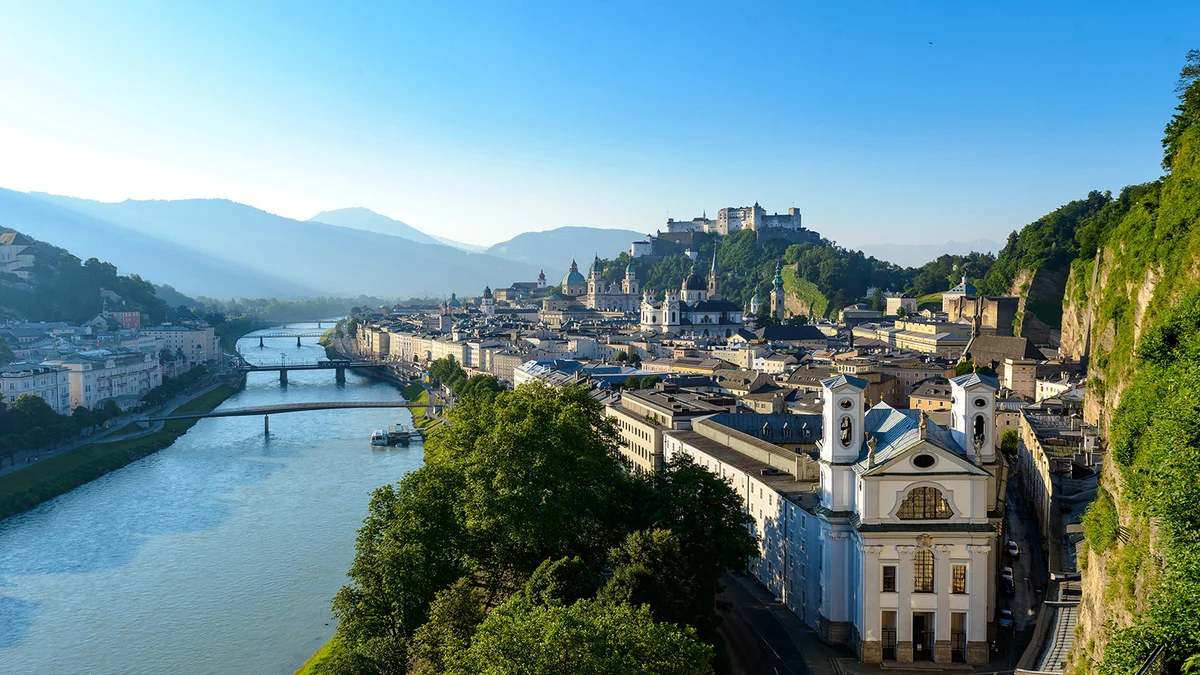
Ride up to Hohensalzburg Fortress, walk the DomQuartier circuit and end the day in the lanes of Getreidegasse.
Families
Take bus 25 south for the trick fountains of Hellbrunn and Salzburg Zoo, and keep Haus der Natur for a wet day.
Views and Fresh Air
Float up the Untersberg by cable car, wander the gardens of Mirabell and walk the ridge of the Mönchsberg.
The Top Things to Do in Salzburg

The eleven sights below follow the order most first-time visitors walk them, from the fortress above everything to the cable car at the edge of the city. Each carries a Best for line, a Do not miss note and the facts that decide a day.
1. Hohensalzburg Fortress

Best for
First-time visitors, history fans and the classic Salzburg panorama.
Address: Mönchsberg 34, 5020 Salzburg. The funicular station stands on Festungsgasse 4; a footpath climbs from the same lane.
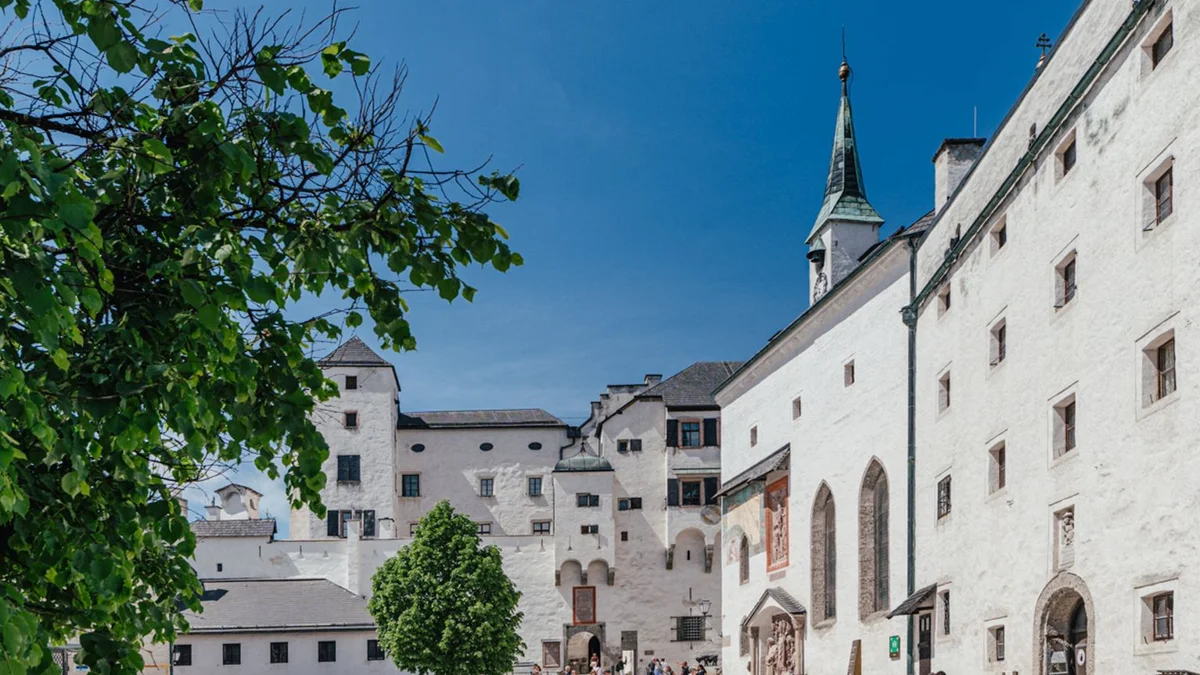
Begun in 1077 under Archbishop Gebhard, the fortress grew into one of the largest medieval castle complexes of Europe, about 250 metres long and 150 metres wide. No army ever took the fortress by siege, and for centuries the stronghold served as residence, treasury and refuge of the prince-archbishops.
Inside, the Fortress Museum covers medieval weapons, armour and garrison life, while the state rooms show the ceremonial court, with a Gothic panelled Golden Hall and princely chambers. Smaller museums cover marionettes and the Rainer Regiment, and the Salzburg Bull organ of 1502 still sounds over the rooftops three times a day.
Do not miss
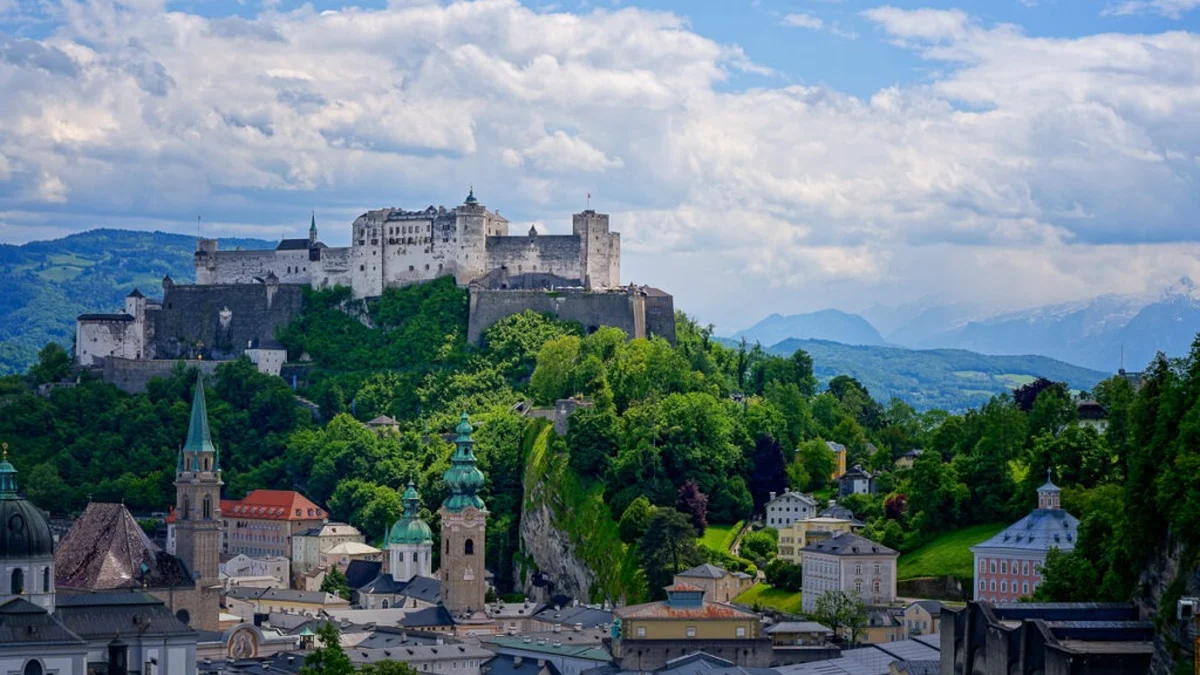
The panorama from the walls and the Reckturm tower: the Old Town in miniature, the Salzach bending around the Mönchsberg, and the Alps filling the horizon.
Practical info
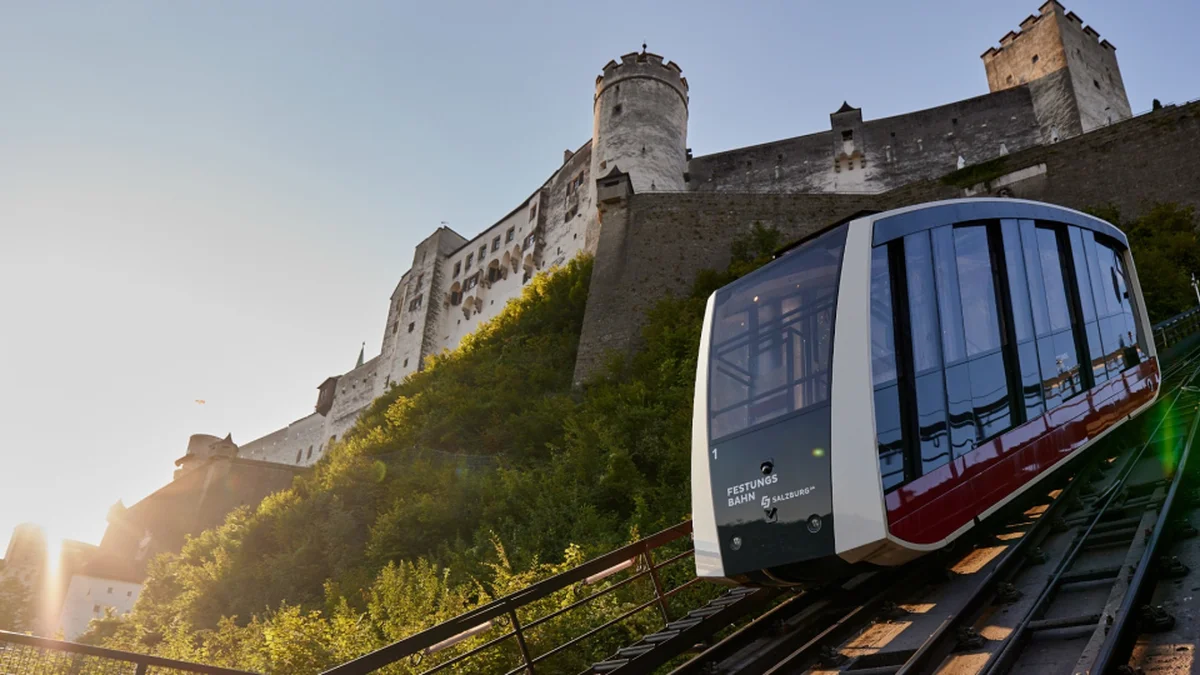
Open daily, 9:30 to 17:00 from January to April and October to December, and 8:30 to 20:00 from May to September. Prices for 2026, funicular included: All-Inclusive €19.20, Basic €15.50, Panorama €12.80; children age 6 to 14 pay €7.30, €6.30 and €5.20, under 6 free. The Salzburg Card covers one All-Inclusive entry; the funicular leaves about every 10 minutes, the footpath takes about 20 minutes.
Tip: Be at the funicular before 10:00 in summer, before the tour groups fill the courtyards.
2. Salzburg Cathedral

Best for
Baroque architecture, the baptism place of Mozart and a calm hour away from the lanes.
Address: Domplatz 1a, 5020 Salzburg. The cathedral fills the south side of the Old Town, between Domplatz, Residenzplatz and Kapitelplatz.
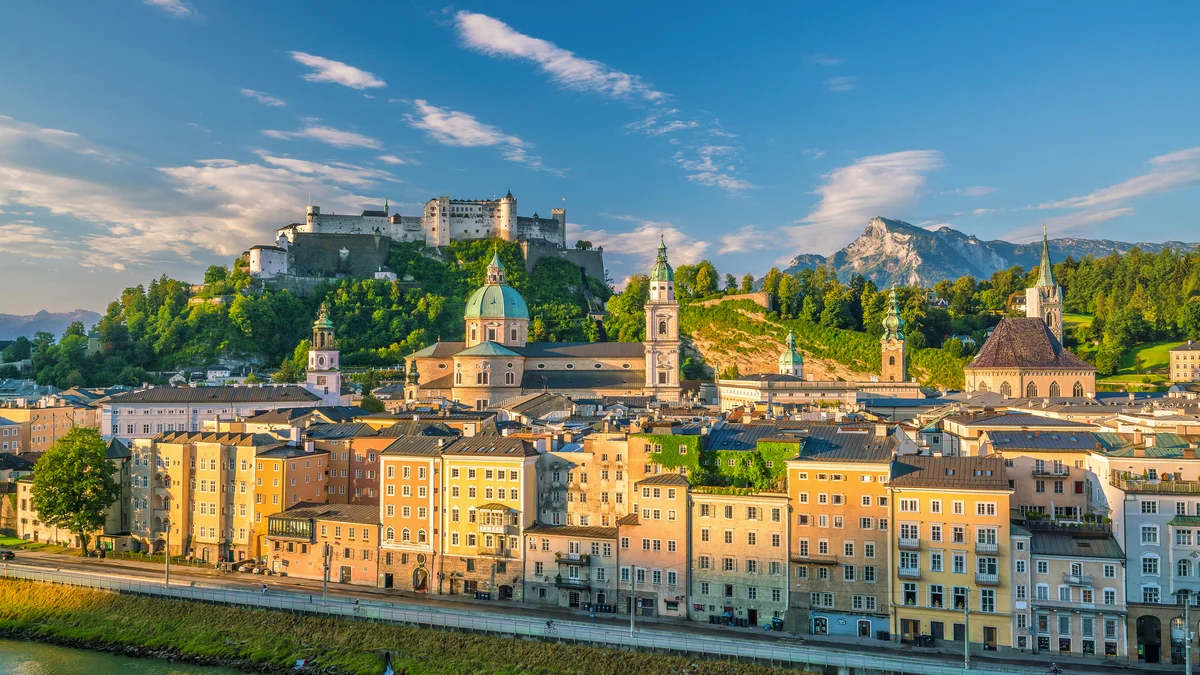
A first cathedral on this ground was consecrated in 774 under Saint Virgil, and fires forced rebuild after rebuild. The church of today rose between 1614 and 1628 and counts among the first Baroque churches north of the Alps, its twin towers and great dome lifting the Old Town skyline.
Step inside for the scale of the nave and the light falling from the dome. Near the entrance stands the bronze baptismal font, carried by four lions, where Mozart was baptised on the day after his birth in January 1756; Mozart later served as court organist here. The crypt below holds the tombs of the archbishops and fragments of the earlier churches.
Do not miss

The view back down the nave from the organ loft, reached on the DomQuartier circuit next door, and the facade composition from the middle of Domplatz.
Practical info

Open Monday to Saturday from 8:00 and on Sundays and holidays from 13:00, closing between 17:00 and 19:00 by season. A small maintenance contribution is asked at the door and children enter free. Dress modestly, and note that visits pause during services.
Tip: Pair the cathedral with DomQuartier. The circuit crosses the terrace and the organ loft, so one morning covers palace rooms, treasures and the finest view in the city.
3. DomQuartier Salzburg
Best for
Art lovers, palace rooms and the smartest single indoor ticket in the Old Town.
Address: Residenzplatz 1, 5020 Salzburg. The entrance stands on Residenzplatz, beside the cathedral.
For two hundred years the palace of the prince-archbishops and the cathedral formed one closed Baroque complex, and the DomQuartier circuit, reopened in 2014, walks that whole complex again as a single ticket covering 1,300 years of art and power in Salzburg.
The route runs through the state rooms of the Residenz, where ceiling frescoes crown the audience hall, then the Residenzgalerie with European painting of the 16th to 19th centuries. The path crosses the cathedral terrace between the towers, enters the organ loft, and continues into the Cathedral Museum, the Chamber of Curiosities, the Long Gallery and the treasures of St Peter Abbey.
Do not miss

The terrace walk between the cathedral towers, with Domplatz on one side and Residenzplatz on the other, and the pause in the organ loft.
Practical info
Open daily except Tuesday, 10:00 to 17:00, last entry 16:00; July and August hours run to 18:00, and the circuit closes on 24 December. Adults pay €15 at full operation and €12 while parts of the gallery wing stay closed for works until about autumn 2027; age 7 to 25 pays €5 or €4, children under 7 enter free, and a family ticket costs €32 or €26. The Salzburg Card covers one entry.
Tip: Start the circuit at the 10:00 opening and walk it in order; the terrace and the organ loft stay calm early.
4. Mozart Birthplace

Best for

Mozart pilgrims and families who want the human story behind the music.
Address: Getreidegasse 9, 5020 Salzburg. The yellow house stands in the middle of Getreidegasse, the famous shopping lane of the Old Town.
The Hagenauer house on Getreidegasse was home to the Mozart family from 1747 to 1773, in a third floor flat above the lane. Mozart was born in these rooms on 27 January 1756, and the child prodigy tours of Europe began from this address. A museum has told the story here since 1880.
The rooms rebuild the world of the family: the childhood violin and the clavichord of Mozart, family portraits, letters and furniture of the period. Displays trace the early tours to Vienna, Paris and London in language that children follow easily: a working musician household, a father teaching two gifted children, and a lane of shops below the windows.
Do not miss

The childhood instruments of Mozart, and the view from the family windows down Getreidegasse, much as the lane looked in the years of the family.
Practical info
Open daily, 9:00 to 17:30, last entry 30 minutes before closing. Adults pay €15, children age 6 to 14 pay €4.50 and children under 6 enter free; a combined ticket covers the Birthplace and the Mozart Residence for 48 hours. Historic stairs make the house unsuitable for wheelchairs and large strollers.
Tip: Arrive at the 9:00 opening. The rooms are small, the staircase is narrow, and the house reads far better before the lane reaches full flow.
5. Getreidegasse and the Old Town Lanes

Best for

Slow wandering, traditional shops and the prettiest street signs in Austria.
Address: Getreidegasse, 5020 Salzburg. The lane runs through the heart of the Old Town, parallel to the Salzach river.
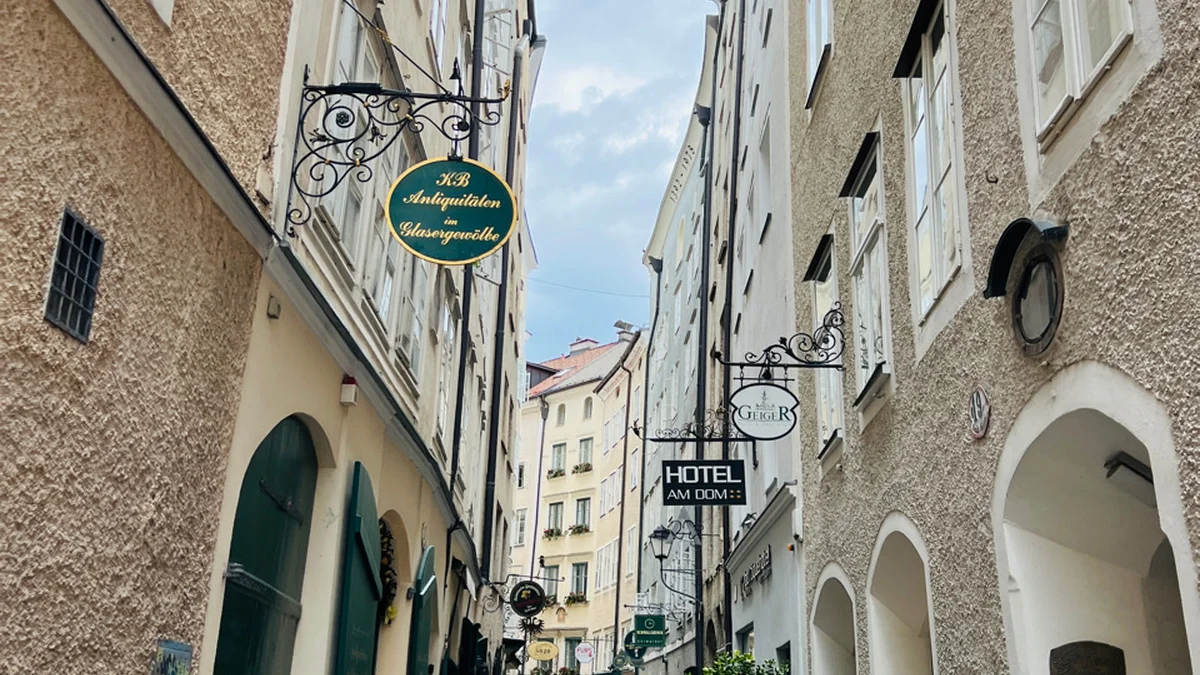
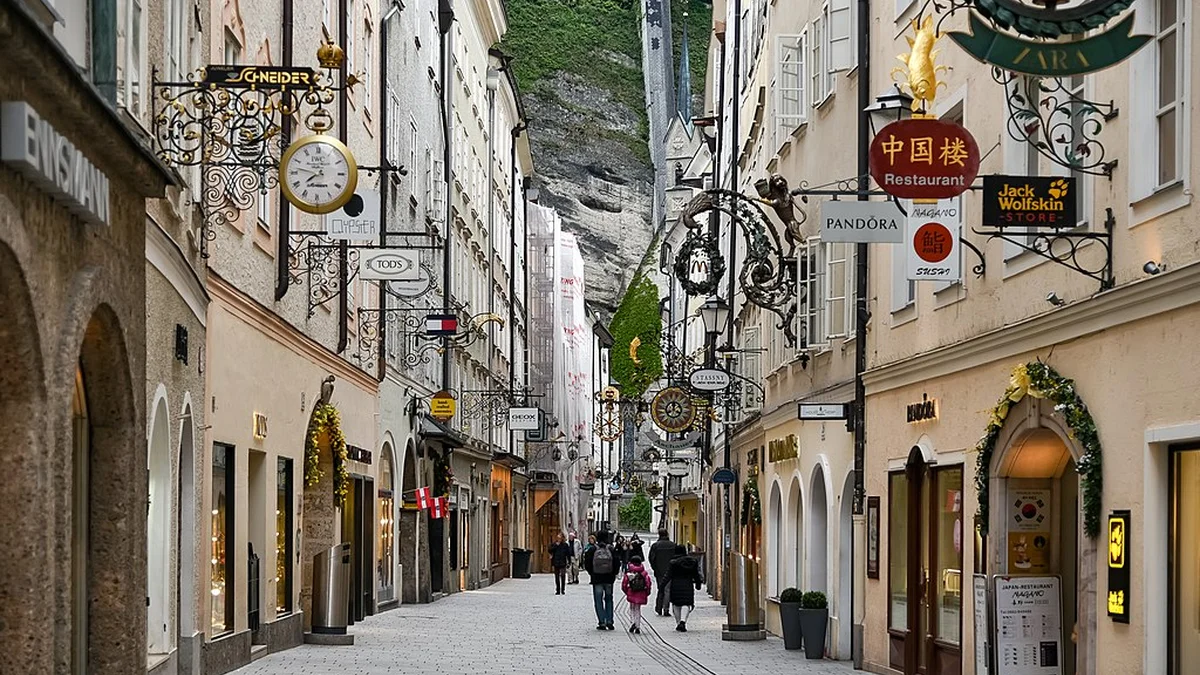
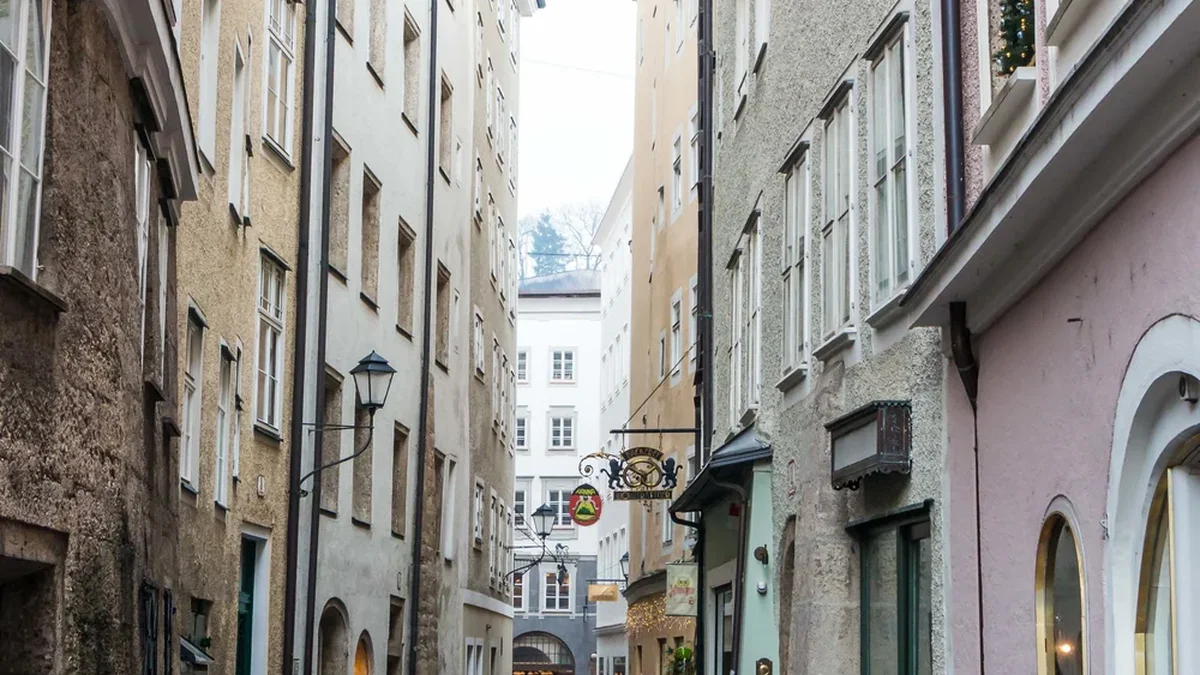
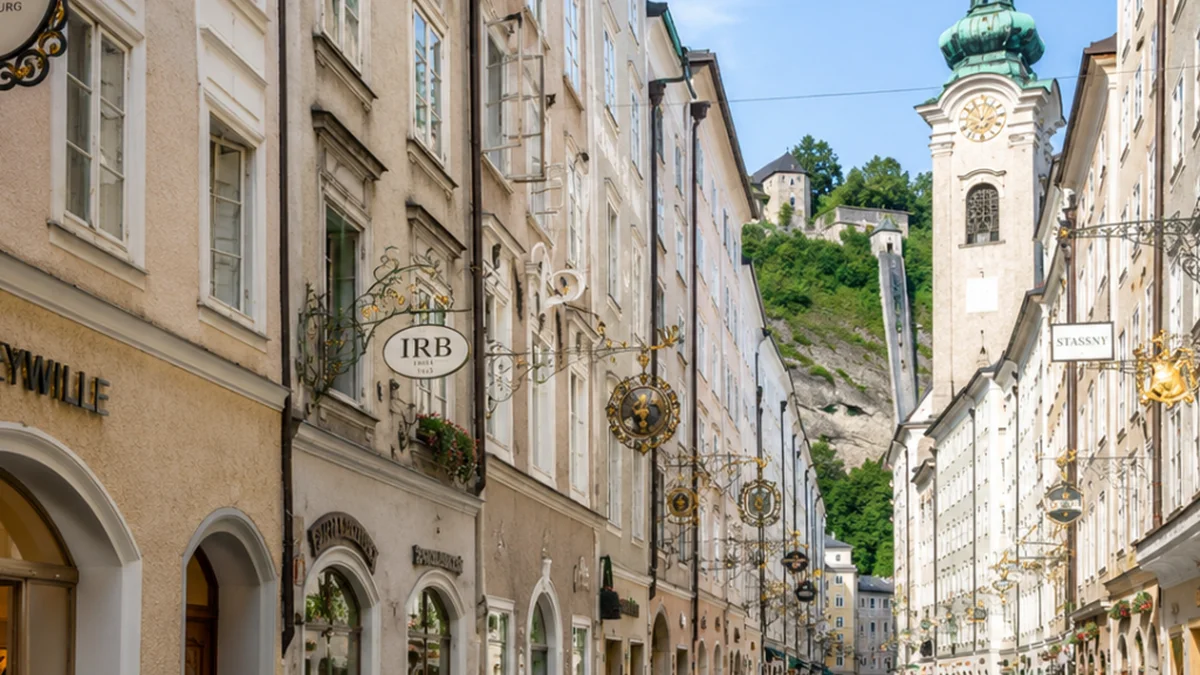
Getreidegasse carried the trade of Salzburg for centuries, and the tall, narrow houses still stand shoulder to shoulder. Above every shop hangs a wrought-iron guild sign, a tradition so strong in Salzburg that even modern global brands hang their names in scrolled ironwork. Bakeries, traditional clothing shops and specialist stores fill the ground floors.
The real secret of the lane is the through-houses: covered passageways that cut through the houses to courtyards and on to Universitätsplatz, where the Grünmarkt produce market fills the square on weekday and Saturday mornings. On Alter Markt, the Fürst shop sells the original Mozartkugel, the marzipan and chocolate sweet created by Paul Fürst in 1890 and still made by hand.
Do not miss

Look up as much as ahead: the iron signs tell the trade of each house in pictures, from bakers to tailors. Then slip through a through-house into the quiet courtyards behind.
Practical info
The lane is free and open at all hours. The busiest stretch runs from about 11:00 to 16:00; go early or late for local pace.
Tip: Photograph the lane at opening time of the shops or after 18:00, when crowds thin and the iron signs catch the low light.
6. Mirabell Palace and Gardens
Best for

Garden lovers, families and a free hour on the right bank of the river.
Address: Mirabellplatz, 5020 Salzburg. The palace and gardens stand on the right bank, across the river from the Old Town.
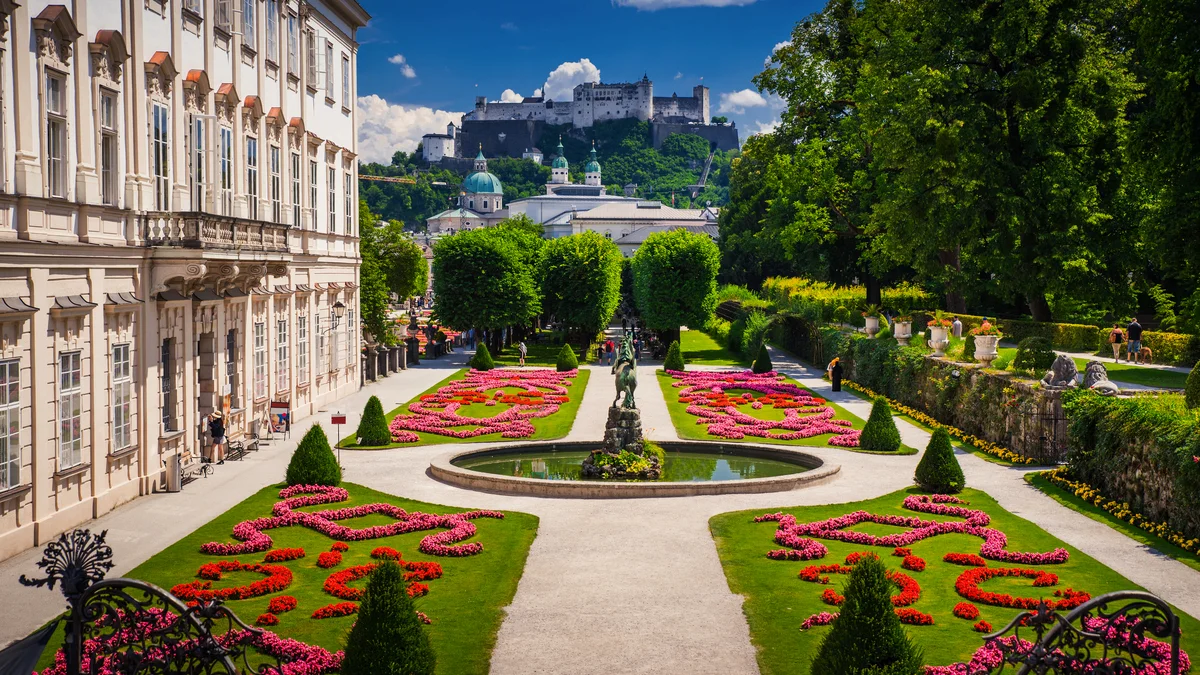
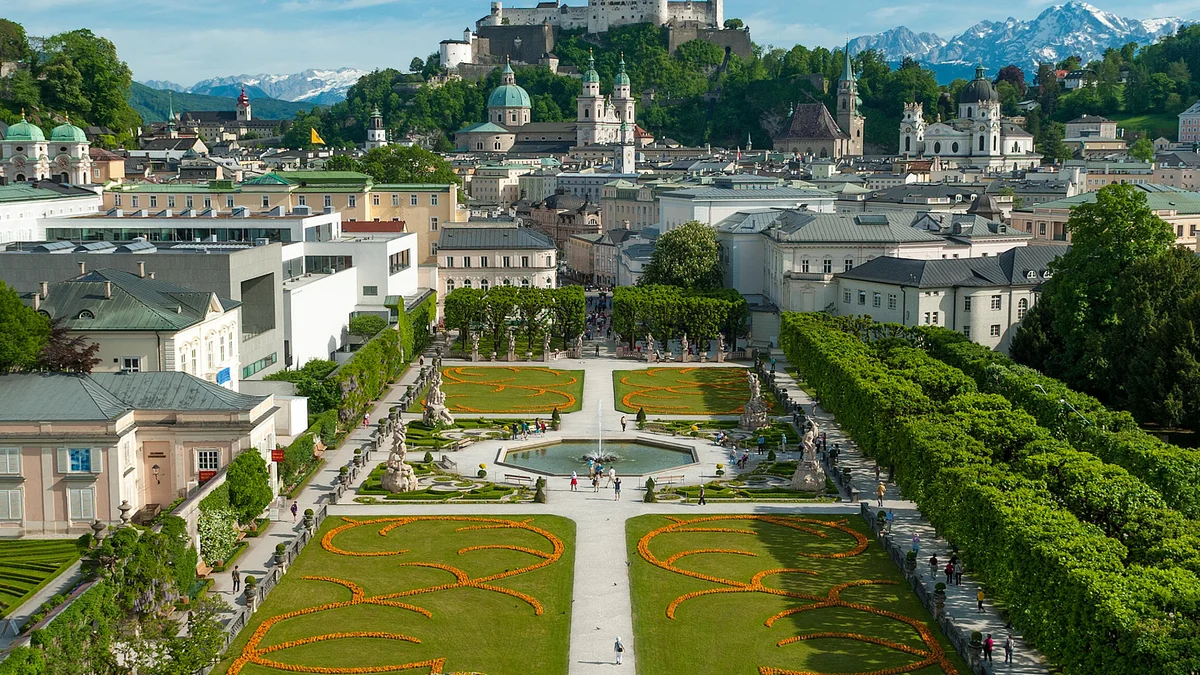
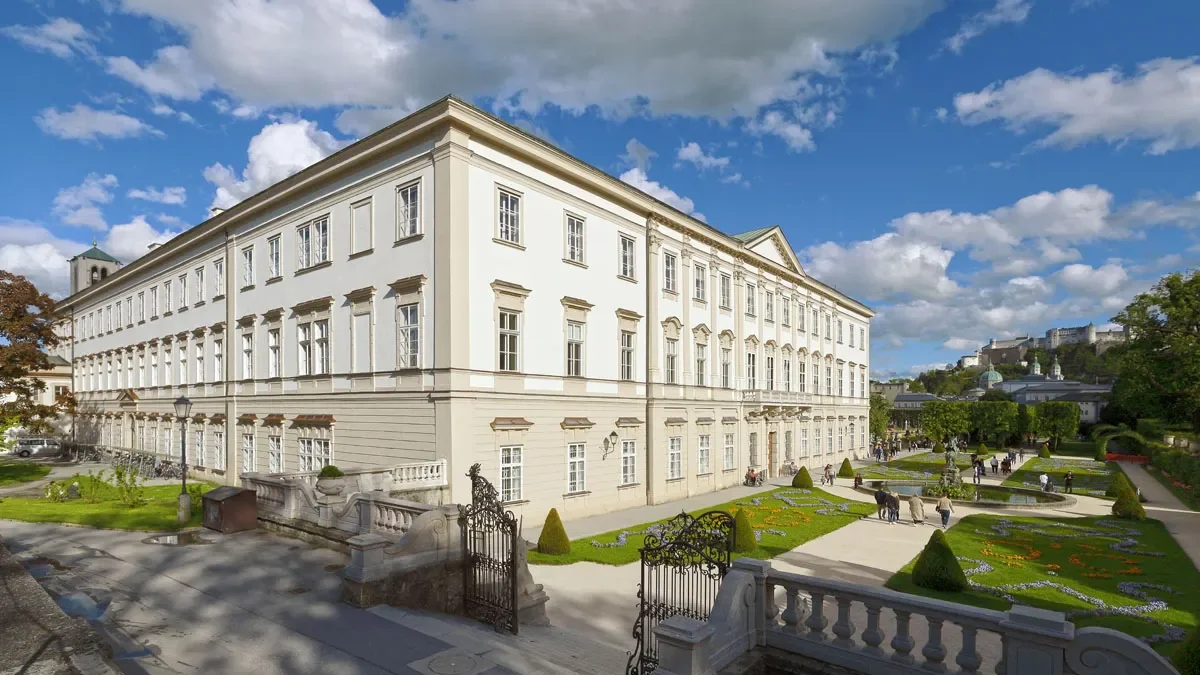
Prince-Archbishop Wolf Dietrich von Raitenau built the palace in 1606, and the Baroque remodelling of 1721 to 1727 by Johann Lukas von Hildebrandt gave the house the form of today. The gardens, laid out from about 1690 to designs of Johann Bernhard Fischer von Erlach, frame the most famous garden view in Austria: parterres running straight toward the cathedral dome and the fortress.
The Grand Parterre spreads between statues of the four elements, with the Pegasus Fountain of 1661 at the centre. The Dwarf Garden holds 17 marble figures, the oldest dwarf garden of Europe, and the Hedge Theater is among the oldest open-air theaters north of the Alps; both close in winter. Film fans know the gardens from The Sound of Music, where the fountain and the steps framed the Do-Re-Mi sequence. The palace now houses the offices of the mayor, while the Marble Hall, with the Angel Staircase of Georg Raphael Donner, opens to visitors at set hours; the Mozart family once performed in that hall.
Do not miss

The central garden axis at either end of the day, when the light runs along the parterre and the fortress closes the view, and the Dwarf Garden of marble portraits.
Practical info
The gardens are free and open daily from about 6:00 to dusk. The Marble Hall opens free on Monday, Wednesday and Thursday from 8:00 to 16:00 and on Tuesday and Friday from 13:00 to 16:00, closing at times for weddings and official events.
Tip: Enter from Mirabellplatz, walk the axis toward the fortress view, and leave by the side gate toward the river.
7. Hellbrunn Palace and Trick Fountains

Best for
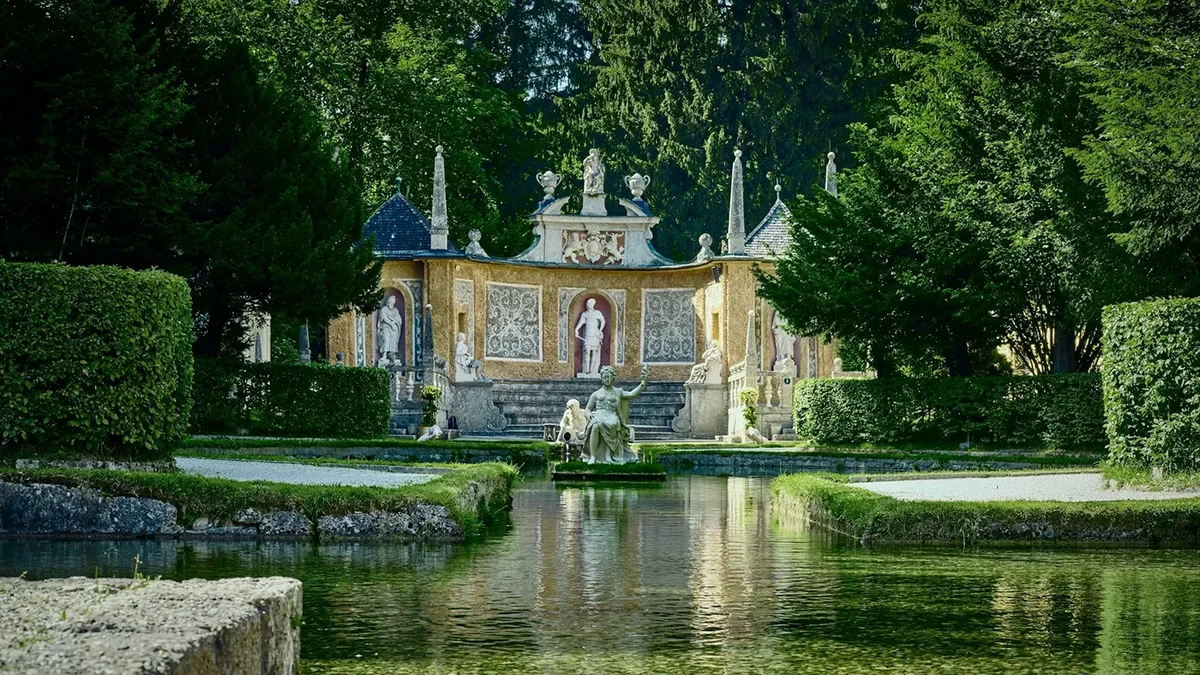
Children, garden lovers and anyone who enjoys a palace with jokes built into the plumbing.
Address: Fürstenweg 37, 5020 Salzburg. Bus 25 runs from the centre to the Hellbrunn stop in about 25 minutes, and the zoo stands beside the palace grounds.
Prince-Archbishop Markus Sittikus built Hellbrunn between 1613 and 1615 as a summer palace, and the trick fountains have surprised guests for more than 400 years. Water hides in seats, grottoes and paths, and the famous stone table sprays every guest place while the seat of the host stays dry.
The fountain tour, guided or with an audio guide, lasts about 50 minutes and ends at the water theatre, where about 200 figures move by water power alone. The palace holds an exhibition on the world of Markus Sittikus, and the Folklore Museum in the Monatsschlössl above the park shows regional folk culture. The park stays open free every day.
Do not miss
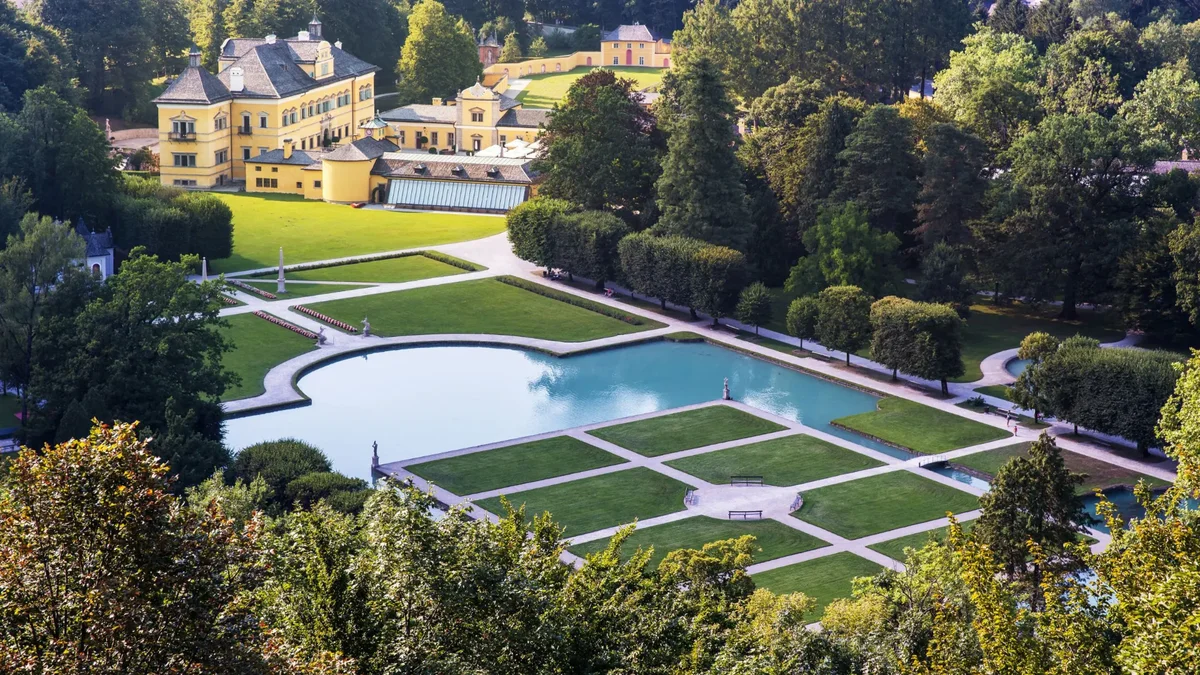
Take the full fountain tour and accept a light spray as part of the design, then climb to the Monatsschlössl for the folklore rooms and the view over the park.
Practical info

Season: late March to 1 November, daily 9:30 to 17:30, to 18:30 in May, June and September, and to 19:00 in July and August. Prices for 2026 are €16.50 for adults, €6.50 for children age 4 to 18, €9.50 for students age 19 to 26 and €36.50 for a family of two adults and one child, covering the fountains, the palace and the Folklore Museum. The park opens daily from 6:30 to 21:00 and the grounds alone are free.
Tip: Children will get a little wet at the fountains, by design. Pack a small towel and a change of clothes for younger children.
8. Salzburg Zoo Hellbrunn

Best for

Families and animal lovers, paired with Hellbrunn Palace next door.
Address: Hellbrunner Straße 60, 5081 Anif. The zoo lies at the foot of the Hellbrunn hill, on the same bus 25 route as the palace.
About 1,600 animals of 150 species live across 14 hectares of meadow, woodland and rock. The grounds began as the wildlife park of the archbishops in the 15th century, and the modern zoo keeps that open feel: wide enclosures run against the cliff face, in zones that follow the continents, from an African savanna to Eurasian, American and Australian sections.
The layout rewards a slow loop with children, with shade and clear sight lines. A petting area with dwarf goats keeps younger children busy, and feeding times posted at the entrance help plan the route. The zoo and Hellbrunn share one bus stop area, so the two sights form one relaxed southern day.
Do not miss
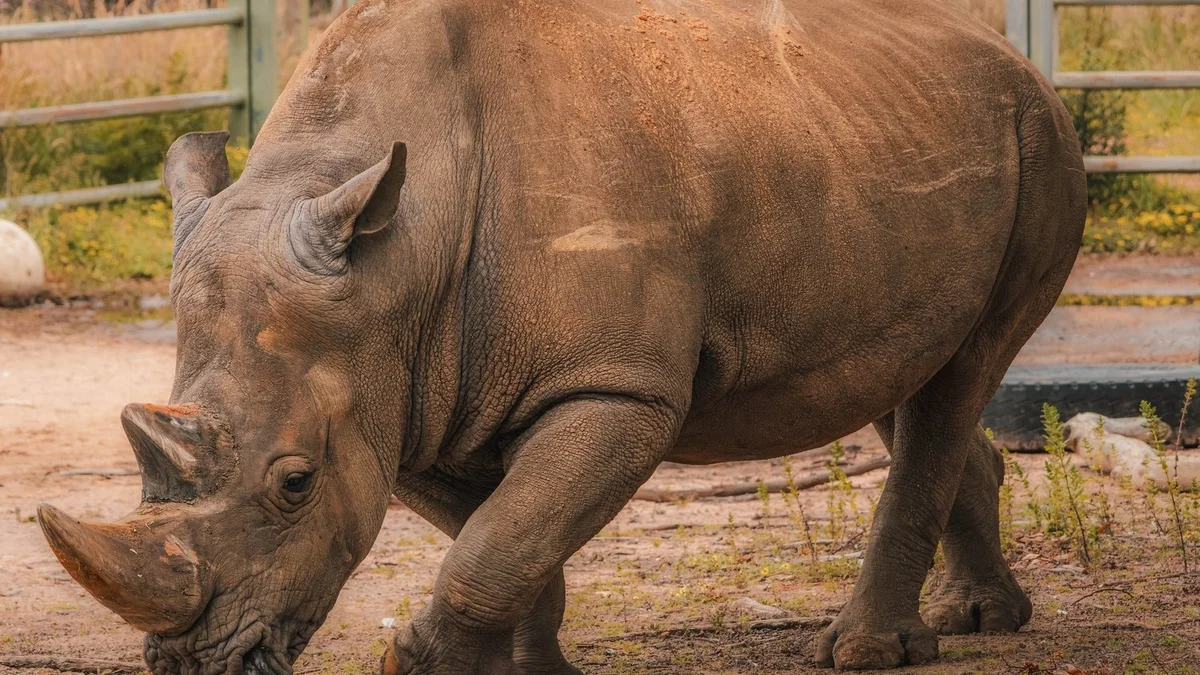
The savanna zone and the enclosures set against the bare rock of the Hellbrunn hill. Check the feeding board at the gate and plan the loop around a feeding.
Practical info
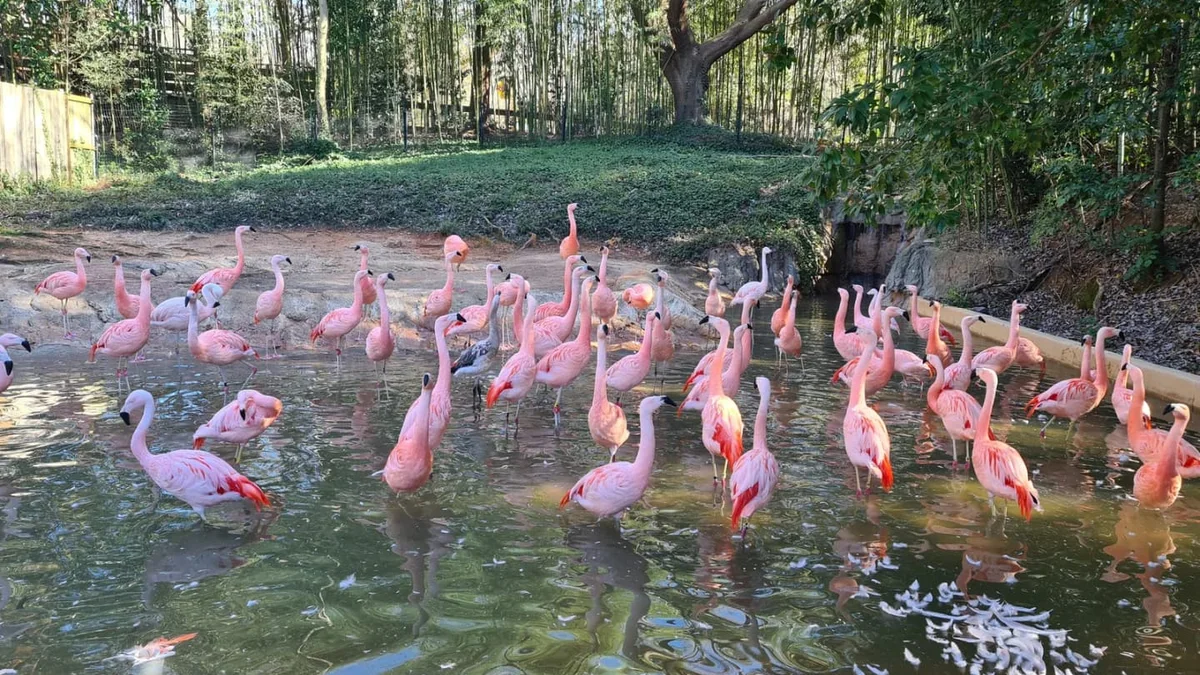
Open daily: 9:00 to 18:00 from April to September, 9:00 to 17:30 in March and October, and 9:00 to 16:30 from November to February. Prices for 2026 are €17 for adults, €7 for children age 4 to 14, €11 for youth age 15 to 19 and €39.50 for a family of two adults and one child.
Tip: Do the zoo in the morning and Hellbrunn after lunch, or the other way round, and take both entries on the Salzburg Card.
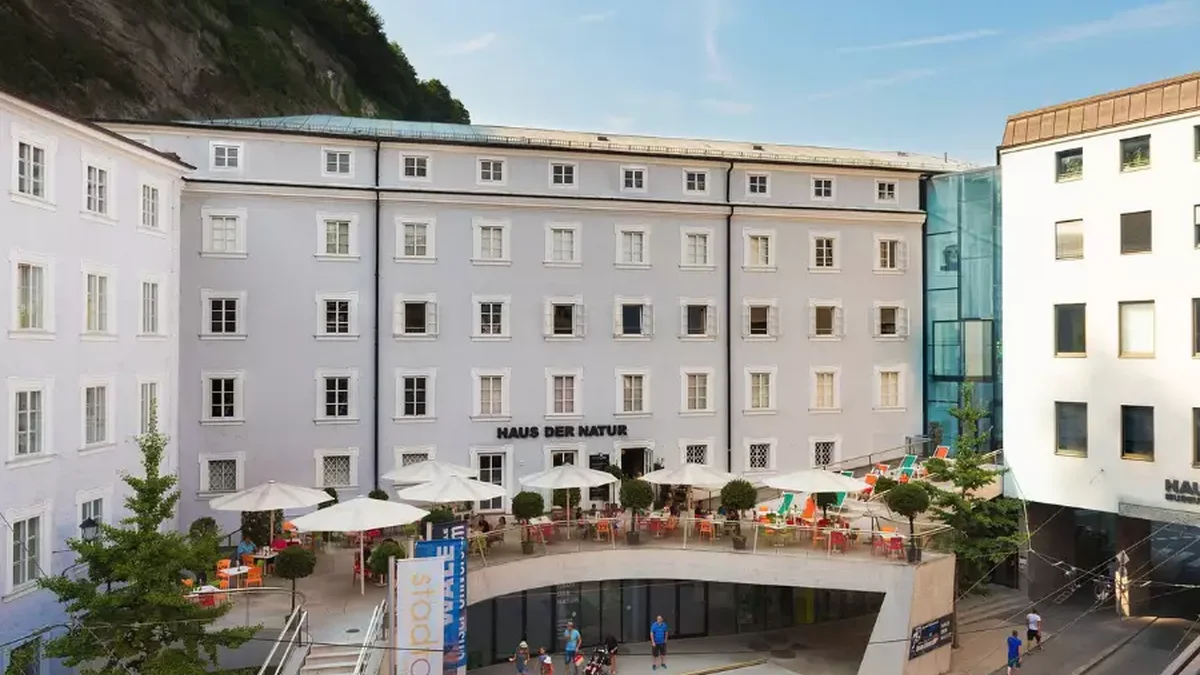
9. Haus der Natur
Best for

Rainy days, curious children and science fans of every age.
Address: Museumsplatz 5, 5020 Salzburg. The museum stands at the western edge of the Old Town, a short walk from Getreidegasse.
Haus der Natur, the house of nature and technology founded in 1924, fills floor after floor with nature and science. An aquarium spreads across two floors, a reptile zoo holds snakes, lizards and turtles, a dinosaur hall brings the giants back to scale, and the space exhibition tells the story of the moon landing with models and hands-on displays.
The interactive science center turns the visit into play, with experiments on energy, sound, water and the human body at every station. Few museums hold children for hours without effort, and the museum anchors a rainy Salzburg day like no other sight.
Do not miss

The aquarium levels and the science center floor. Start at the top and work down, so the hands-on experiments land at the end.
Practical info
Open daily, 9:00 to 17:00, last entry 16:30, closed on 25 December. Prices are €16 for adults, €10.50 for children age 4 to 15 and €48 for a family ticket of two parents and two children.
Tip: Rain sends every family to the same door. On a wet day, arrive at the 9:00 opening or after 15:00, when the morning rush has gone.
10. St Peter Abbey, Cemetery and Catacombs
Best for
Deep history and the quietest corner of the Old Town.
Address: Sankt-Peter-Bezirk 1, 5020 Salzburg. The abbey district hides behind the cathedral, at the foot of the Mönchsberg rock.
Saint Rupert founded the abbey in 696, and the community has lived and prayed here without a break since that year, a span that makes St Peter one of the oldest monasteries of the German-speaking world. The abbey church keeps a Romanesque core under a light Rococo interior, a step removed from the shopping lanes two streets away.
The cemetery, the Petersfriedhof, counts among the oldest burial grounds of Europe. Arcades of family tombs line the rock wall, and the graves include Maria Anna Mozart, the sister of Mozart, and the composer Michael Haydn. Above the graves, the catacombs cut into the Mönchsberg hold two early Christian rock chapels, reached by a stair from the cemetery.
Do not miss
The catacombs: a chapel hollowed from the living rock more than a thousand years ago concentrates the mind. The arcade tombs along the rock face reward a slow read.
Practical info

The cemetery is free and opens daily from 6:30 in the morning. The catacombs keep shorter seasonal hours and charge a small entry fee; check the notice at the cemetery gate on the day. The abbey church opens outside service times.
Tip: Come early or in the last hour of light, when the cemetery sits empty and the fortress looks down from the ridge above.
11. Untersberg Cable Car

Best for
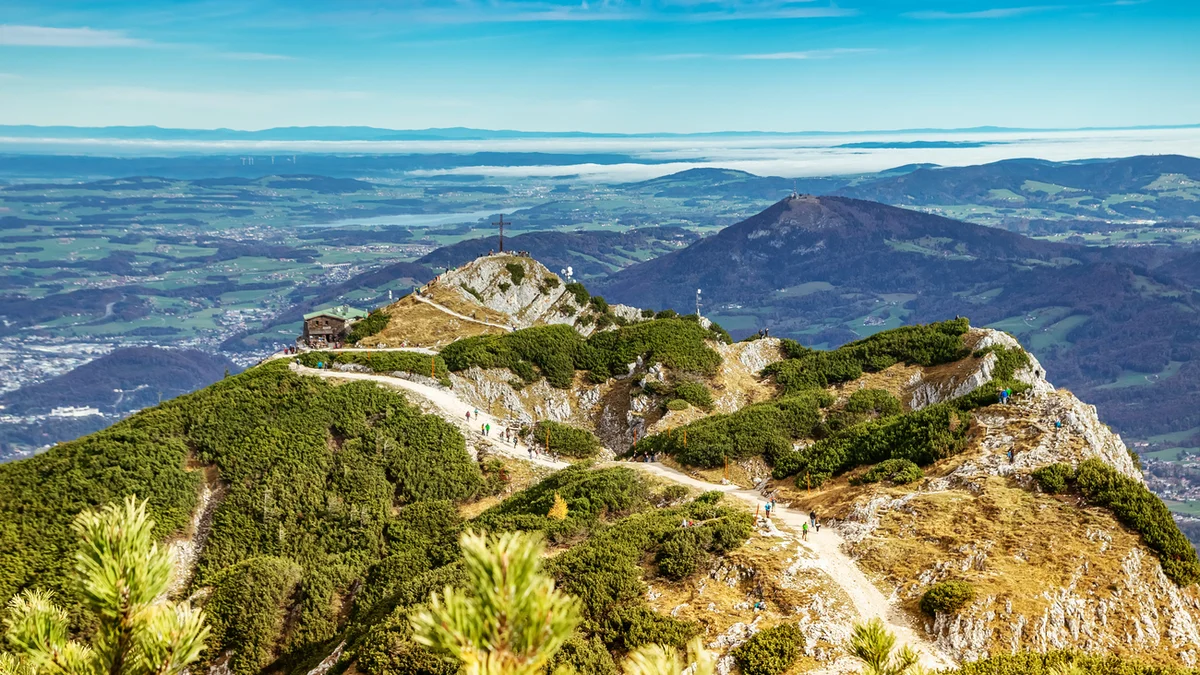
Alpine views without a climb, and the clear-morning highlight of a Salzburg stay.
Address: valley station at Dr.-Friedrich-Ödl-Weg 2, 5083 St Leonhard, Grödig. Buses 25 and 28 run from the centre to the Grödig-Untersbergbahn stop.
The Untersberg rises like a wall at the southern edge of Salzburg, and the cable car has climbed the face since 1961. The ride to the Geiereck station at 1,776 metres takes about 8 minutes, and the city shrinks to a map below: the Salzach bend, the fortress ridge and the Bavarian plain and the Alps.
From the top station, a marked path of about 30 minutes leads to the summit cross of the Salzburger Hochthron at 1,853 metres. On a clear day the view runs from the Salzburg basin to the Berchtesgaden Alps and the Dachstein range. Local legend tells of an emperor sleeping inside the mountain, waiting to wake in the hour of need.
Do not miss
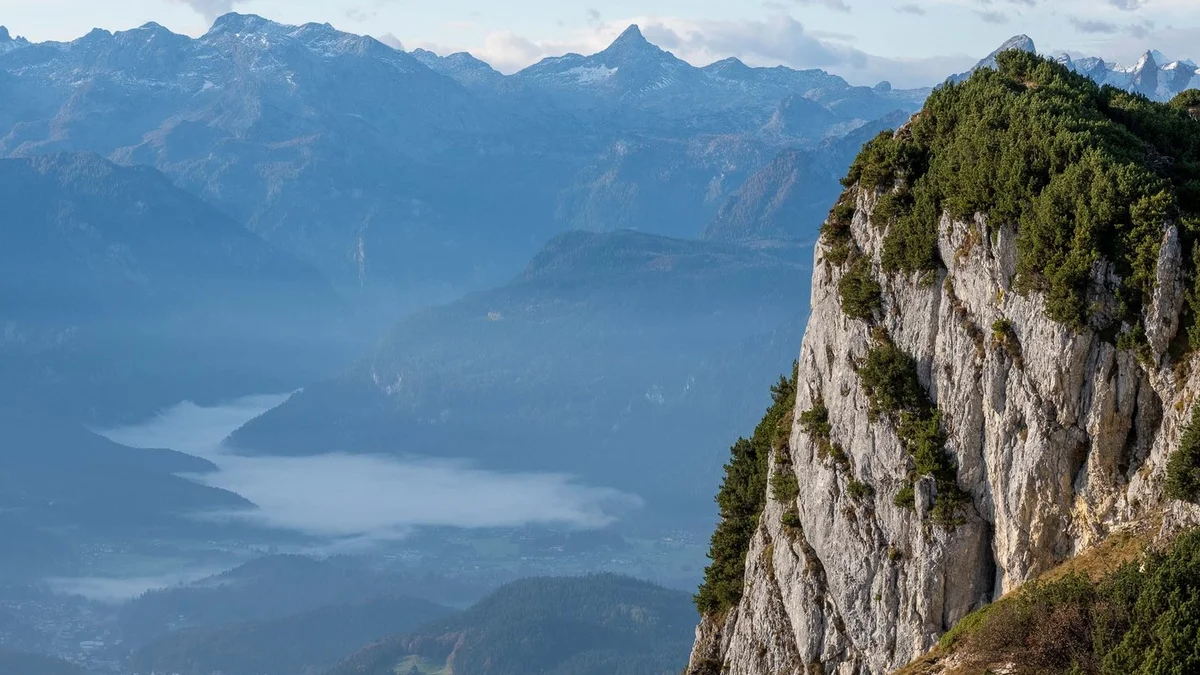
The walk from Geiereck to the Hochthron cross. The cable car alone gives a fine view; the summit path turns the ride into a mountain morning.
Practical info
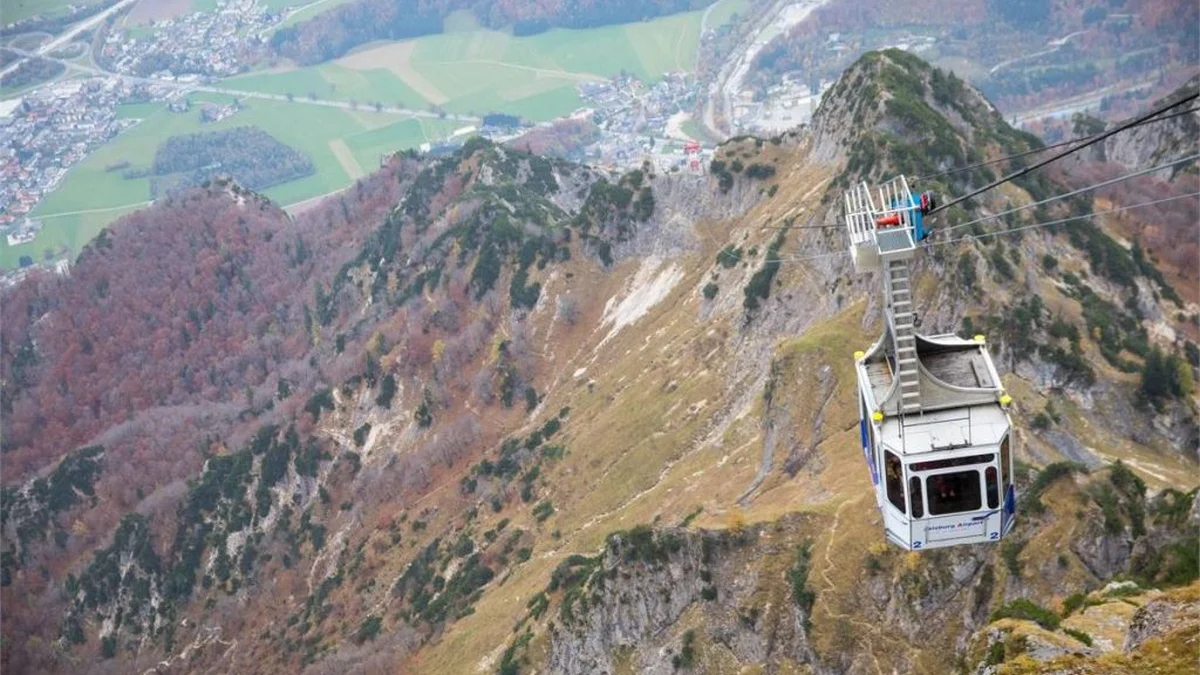
Cabins leave on the hour and the half hour. Hours run about 8:30 to 17:30 from May to September, with shorter hours in winter and maintenance breaks in spring and late autumn. Adults pay €34 for the return ride. The summit air feels far cooler than the city; carry a warm layer even in July.
Tip: Save the Untersberg for the clearest morning and take an early cabin; cloud builds over the summit by afternoon in summer.
More Worth Your Time in Salzburg

Three more places earn a place on a longer stay.
Mozart Residence
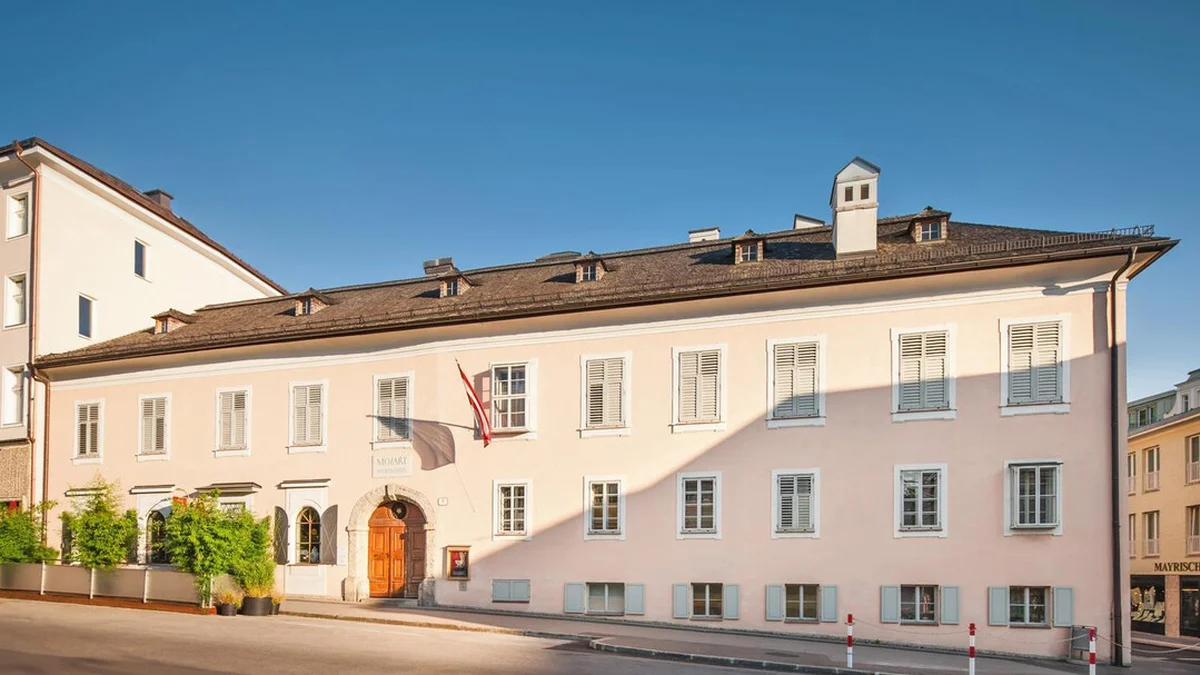
The second Mozart house stands at Makartplatz 8 on the right bank, where the family moved in 1773. The Dance Master Hall holds the fortepiano of Mozart and the famous Family Portrait, and the Magic Flute House stands in the courtyard. A combined ticket covers both Mozart houses for 48 hours.
Toy Museum
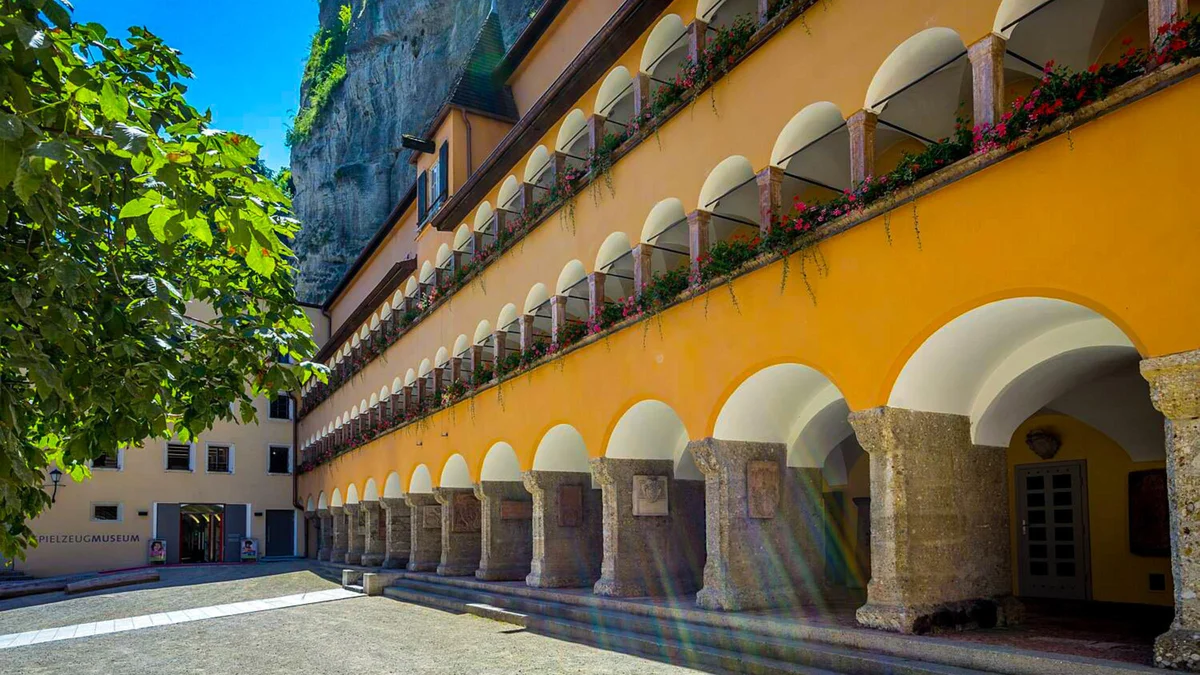
The Toy Museum at Bürgerspitalgasse 2, part of the Salzburg Museum, holds the largest collection on the history of toys in Austria: doll houses, tin railways and three floors of play rooms where children touch and build. Open Tuesday to Sunday, 9:00 to 17:00.
Hangar-7
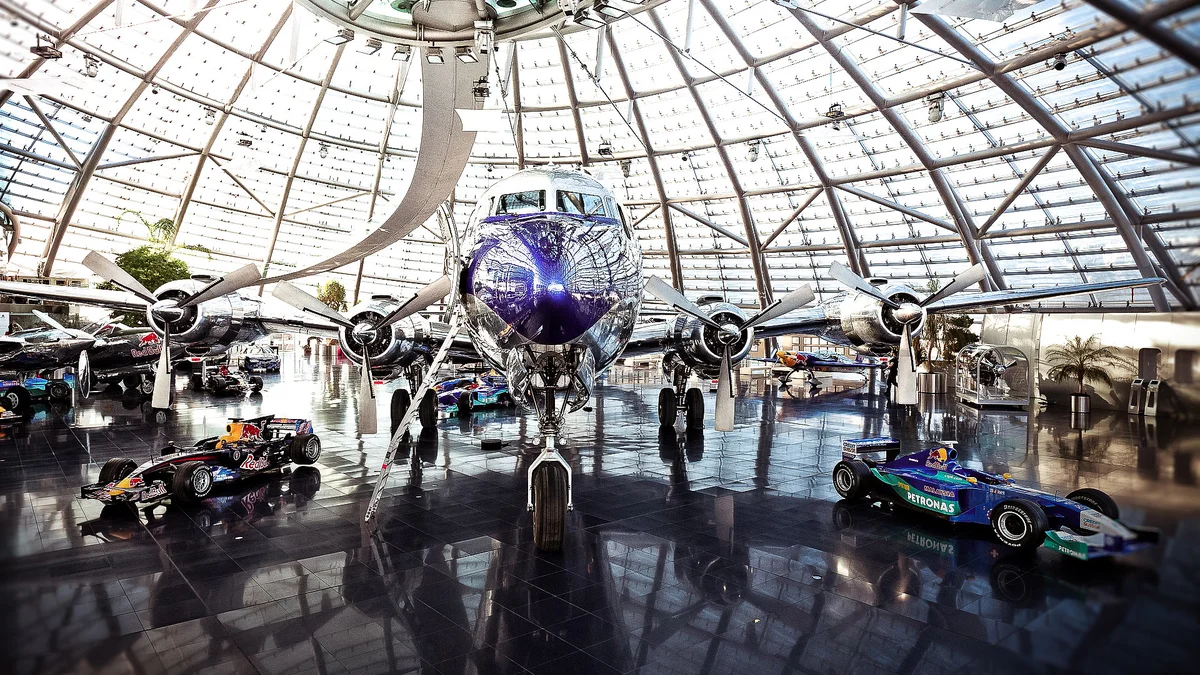
Beside the airport at Wilhelm-Spazier-Straße 7a, a glass hangar of 2003 holds the Flying Bulls collection of historic aircraft and Formula 1 racing cars under one curved roof. Admission is free, doors stay open for long hours, and buses 2 and 10 stop nearby.
Top Salzburg Attractions Compared
| Attraction | Best For | Time Needed | Adult Price | Area |
|---|---|---|---|---|
| Hohensalzburg Fortress | Views and medieval history | 2 to 3 hours | €19.20 with funicular | Mönchsberg, Old Town |
| Salzburg Cathedral | Baroque art and the baptism place of Mozart | 45 to 60 minutes | Small contribution at the door | Old Town |
| DomQuartier Salzburg | Palace rooms and the organ loft view | 1.5 to 2 hours | €15 | Old Town |
| Mozart Birthplace | Childhood home and instruments of Mozart | 1 hour | €15 | Old Town |
| Getreidegasse and the Old Town Lanes | Shopping lanes and wrought-iron signs | 1 to 2 hours | Free | Old Town |
| Mirabell Palace and Gardens | Gardens and the fortress view | 1 hour | Free | Right bank |
| Hellbrunn Palace and Trick Fountains | Families and the water jokes of 1615 | 2 to 3 hours | €16.50 | Hellbrunn, south |
| Salzburg Zoo Hellbrunn | Families and animal lovers | 2 to 3 hours | €17 | Anif, south |
| Haus der Natur | Rainy days and hands-on science | 2 to 3 hours | €16 | Old Town west |
| St Peter Abbey, Cemetery and Catacombs | Deep history and quiet corners | 45 minutes | Cemetery free, catacombs small fee | Old Town |
| Untersberg Cable Car | Alpine views without a climb | Half a day | €34 return | Grödig, south |
Suggested Salzburg Itineraries
| Time | Plan | Focus |
|---|---|---|
| 1 day | Ride up to the fortress at opening time, walk the DomQuartier circuit and the cathedral, stroll Getreidegasse and the through-houses, and cross to Mirabell Gardens | The classic Old Town circuit |
| 2 days | Follow the salzburg 2 day itinerary: day one as the 1 day plan plus the Mozart Birthplace; on day two take bus 25 south for Hellbrunn and the zoo, ride the Untersberg cable car and give Haus der Natur the afternoon | Old Town depth plus the southern sights |
| 3 days or more | Add a day trip: Hallstatt and the salt mine, Werfen with the ice cave, or Berchtesgaden and the Königssee. Spare hours: St Peter, the Toy Museum, the Mönchsberg walk and Hangar-7 | Families and slow travellers |
Book Your Salzburg Tickets Online

Book Salzburg tickets only on official websites; reseller pages often charge more, and some sights refuse third-party tickets at the door.
| Attraction | Book Tickets |
|---|---|
| Hohensalzburg Fortress | Book Tickets |
| DomQuartier Salzburg | Book Tickets |
| Mozart Birthplace | Book Tickets |
| Hellbrunn Palace and Trick Fountains | Book Tickets |
| Salzburg Zoo Hellbrunn | Book Tickets |
| Haus der Natur | Book Tickets |
| Untersberg Cable Car | Book Tickets |
Where to Stay in Salzburg
Top 3 hotels in Salzburg
Explore all hotels >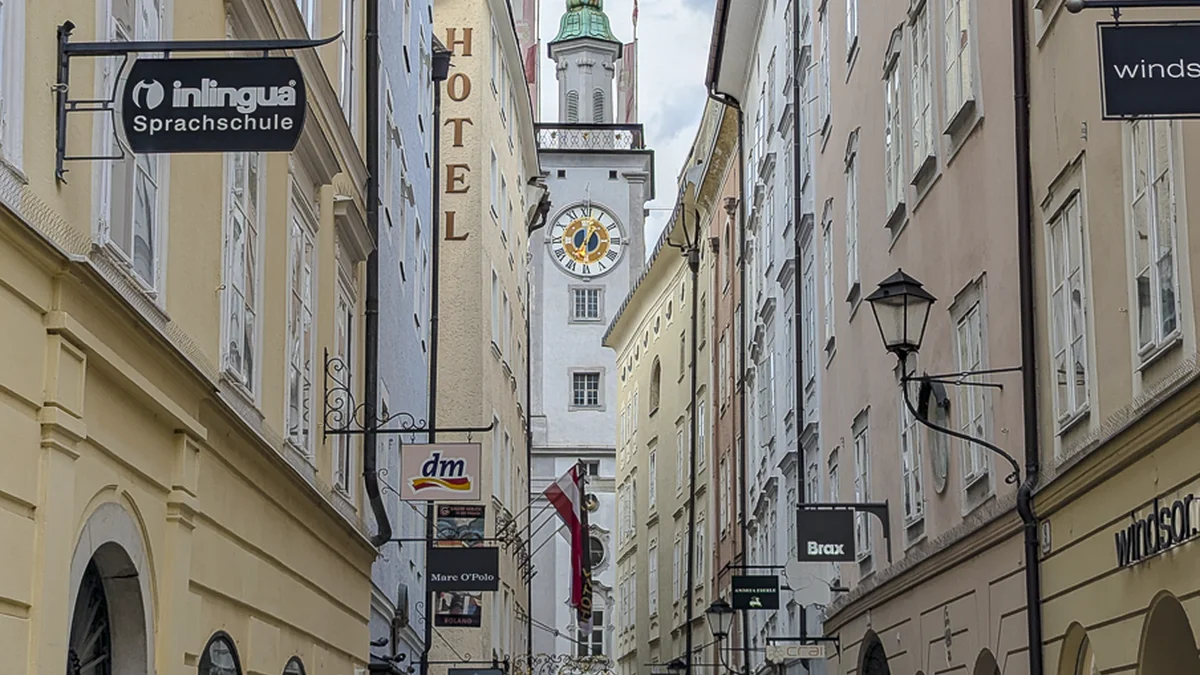
Salzburg is compact, and most visitors sleep within a 20 minute walk of the fortress. The Old Town puts every lane at the door; the right bank suits garden calm and station access; the station district holds the best value; and the green south near Hellbrunn suits families.
| Area | Best For | Vibe | Price Level |
|---|---|---|---|
| Old Town (Altstadt) | First-time visitors and short stays | Historic houses, lanes and cathedral squares | High |
| Right Bank and Mirabell | Garden calm with Old Town access | Grand hotels along the river | Mid-range to high |
| Station District | Value stays and rail day trips | Practical hotels by the main station | Budget to mid-range |
| South, toward Hellbrunn | Families and drivers | Green streets and easy bus rides | Mid-range |
Two well-placed hotels with official booking pages:
- Hotel Sacher Salzburg, Schwarzstraße 5/7, 5020 Salzburg. The five star grand hotel of the city, on the bank of the Salzach facing the Old Town and the fortress, with family suites sleeping up to seven guests and a dedicated program for children.
- Austria Trend Hotel Europa Salzburg, Rainerstraße 31, 5020 Salzburg. A high-rise hotel two minutes from the main station, with 103 rooms, views toward the Untersberg, and a panoramic restaurant; a practical base for rail day trips.
Where to Eat: Halal Food in Salzburg

Salzburg rewards Muslim travellers with a compact halal scene: Indian kitchens on the famous lane itself, a halal restaurant near the station and grill houses across the centre, all listed by halal travel guides. Food shapes a trip as much as sights do, a theme explored in how food tourism is shaping modern travel. Halal status can change with ownership and suppliers, so confirm with the staff on the day.
Halal Food in Salzburg

Taj Mahal, Bayerhamerstraße 13, 5020 Salzburg, near the main station, serves halal meat as stated by the restaurant itself and covers the Indian classics; the kitchen closes on Mondays. On Getreidegasse itself, Maharaja at number 14 and Hana Rasoi at number 18 both appear on the HalalTrip list of halal places in Salzburg. The same list names Ali Baba and further grill houses across the centre.
Local Dishes to Try

Order Salzburger Nockerl for dessert, a warm golden soufflé of egg, sugar and flour. Try Kaspressknödel, fried cheese dumplings served in broth or with salad, and Kasnocken, the cheese noodles of the mountains. Finish with a Mozartkugel from Fürst on Alter Markt, the original marzipan, pistachio and chocolate sweet of 1890; choose the classic silver-wrapped version made by hand.
Mosques and Prayer Facilities in Salzburg
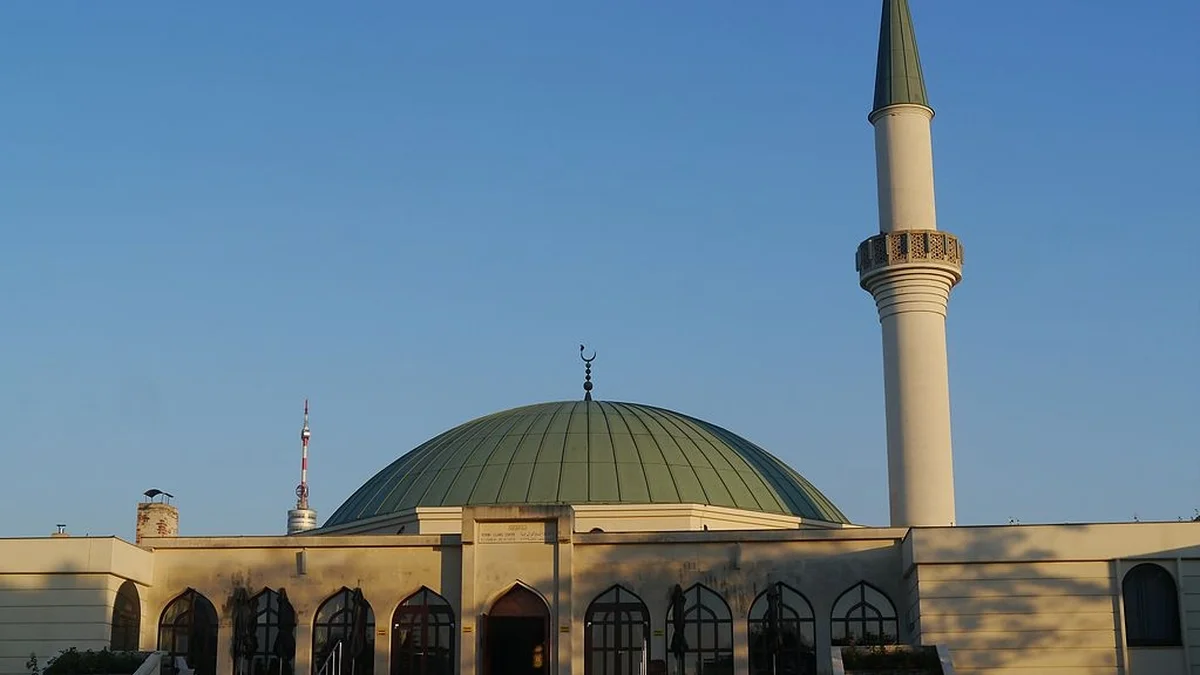
The main congregation is Dzemat Salzburg of the Bosnian Islamic Union, at Gabelsbergerstraße 34, 5020 Salzburg, founded in 1992 and among the oldest Muslim congregations in Austria; the community runs daily prayers and Friday prayer, and a new mosque building is under construction. The Islamic Cultural Centre of Salzburg stands at Röcklbrunnstraße 13, 5020 Salzburg. Prayer times appear on the pages of each congregation, and both addresses sit within a short bus ride of the Old Town hotels.
Getting Around Salzburg
| Transport | How It Works | Cost |
|---|---|---|
| Walking | The Old Town is pedestrian and compact, and the main sights sit within 15 minutes of each other | Free |
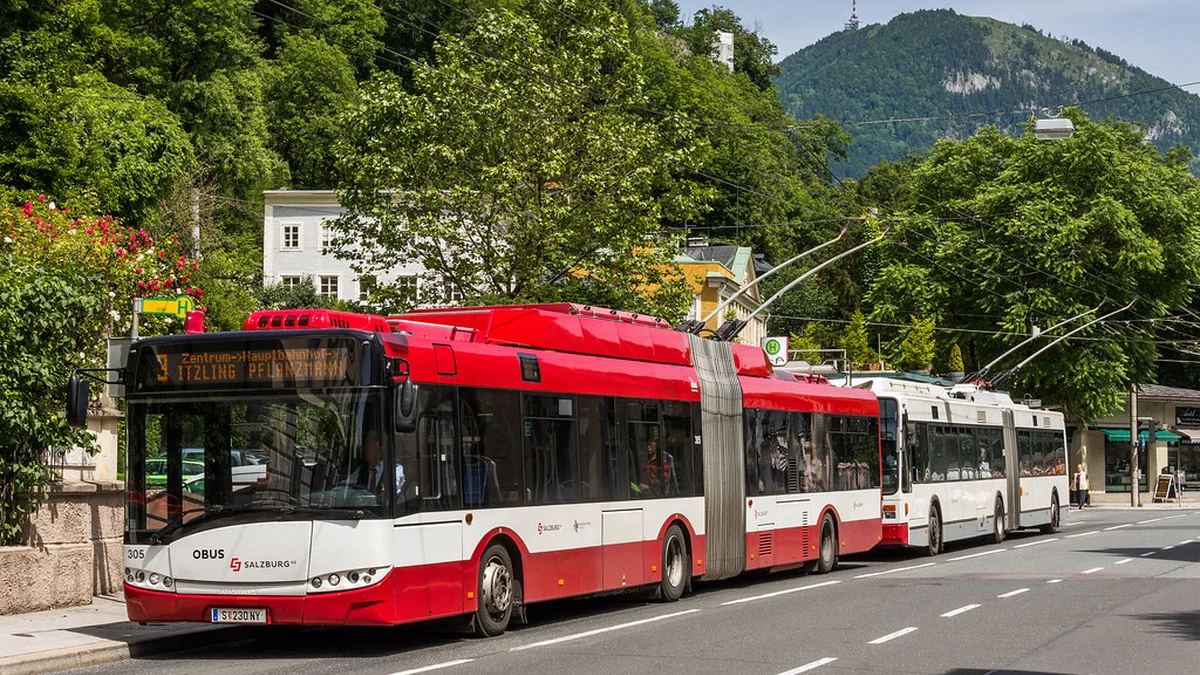
| City buses and trolleybuses | Bus 25 links the centre with Hellbrunn and the zoo; buses 25 and 28 serve the Untersberg cable car | Single ticket from a machine €2.60 (2026); children under 6 ride free |
| Salzburg Card | One free entry to the main sights, from the fortress and DomQuartier to Hellbrunn, the zoo and the Untersberg cable car, plus free city transport | 24 hours €38 peak season and €35 low season; 48 hours €45; 72 hours €49; children age 6 to 15 pay half |
| Airport bus | Bus 2 runs every 15 to 20 minutes between the airport and the main station in about 23 minutes; bus 10 runs Monday to Saturday to the city centre in about 15 minutes | Covered by the Salzburg Card and city tickets |
The Salzburg Card is the transport decision that matters here: one card covers a full day of city transport and one entry to nearly every paid sight in this guide. Buy online through the city tourism pages, at the tourist information offices at Mozartplatz and the main station, or at many hotels.
For arrival, Salzburg Airport sits about 4 km west of the centre, and Salzburg Hauptbahnhof stands a 15 minute walk or a short bus ride from the Old Town. Drivers should treat the car as a day trip tool and use the park-and-ride sites at the edge of the city.
How Much Does a Trip to Salzburg Cost?

| Category | Budget | Mid-Range | Notes |
|---|---|---|---|
| Accommodation per night | €70 to €110 | €110 to €200 | Station district rates run lowest; Old Town houses charge the most |
| Halal lunch per person | €12 to €20 | €20 to €35 | Grill houses at the lower end; Indian menus on Getreidegasse above |
| Dinner per person | €18 to €30 | €30 to €55 | Old Town restaurants charge more than station district kitchens |
| Single bus ticket | €2.60 | €2.60 | From a machine, 2026 fare |
| Salzburg Card, 24 hours | €35 low season | €38 peak season | One entry to the main sights plus free transport; children pay half |
| Fortress all-inclusive ticket | €19.20 | €19.20 | Funicular included; free once with the Salzburg Card |
Salzburg prices sit close to Vienna levels, with one relief: the Salzburg Card includes the fortress funicular, the Untersberg cable car and every major museum entry, and flattens sightseeing costs. Two paid sights a day usually repay a family card.
Best Time to Visit Salzburg

| Season | Months | Weather | Crowds and Prices |
|---|---|---|---|
| Spring | March to May | Mild days and gardens in flower | Moderate, before the summer peak |
| Summer | June to August | Warmest months, long evenings, afternoon storms | Busiest and priciest of the year |
| Autumn | September to November | Golden light and cooler nights | Quieter, with good value |
| Winter | December to February | Cold air, early dusk, a fair chance of snow | Lowest prices outside the holiday weeks; sights close earlier |
Late spring and September give the balance most visitors want: gardens, long Untersberg hours and lanes busy without strain. Summer brings the highest prices of the year. Winter strips the crowds away and shows the fortress in snow.
Day Trips from Salzburg
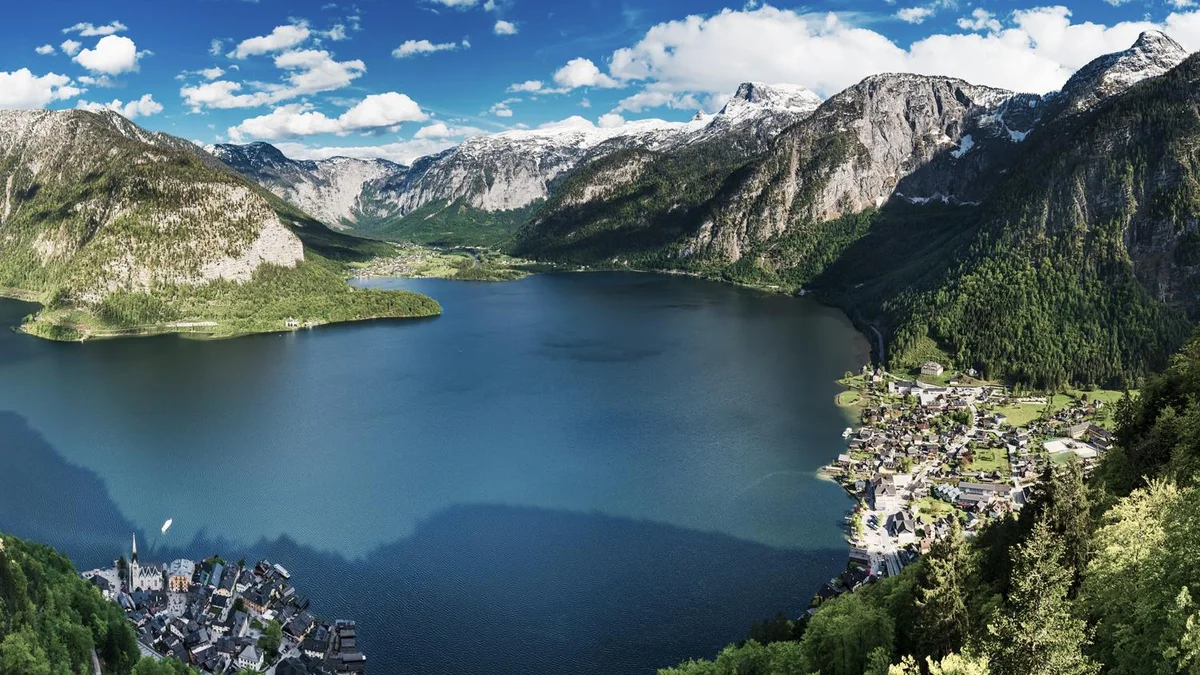
Three classic day trips run by train or bus from the main station, into the Salzkammergut lake district and the Bavarian Alps.
Hallstatt and the Salt Mine

The train ride to Hallstatt takes about 2 hours 30 minutes each way, with a change at Attnang-Puchheim and a short ferry crossing from Hallstatt station to the village. Salt has been mined here for about 7,000 years, and the salt mine tour runs deep into that history, with wooden slides and an underground salt lake. Above the village, the Skywalk viewing platform floats high over the rooftops. Start early and check the return trains.
Werfen: Hohenwerfen Castle and the Eisriesenwelt Ice Cave
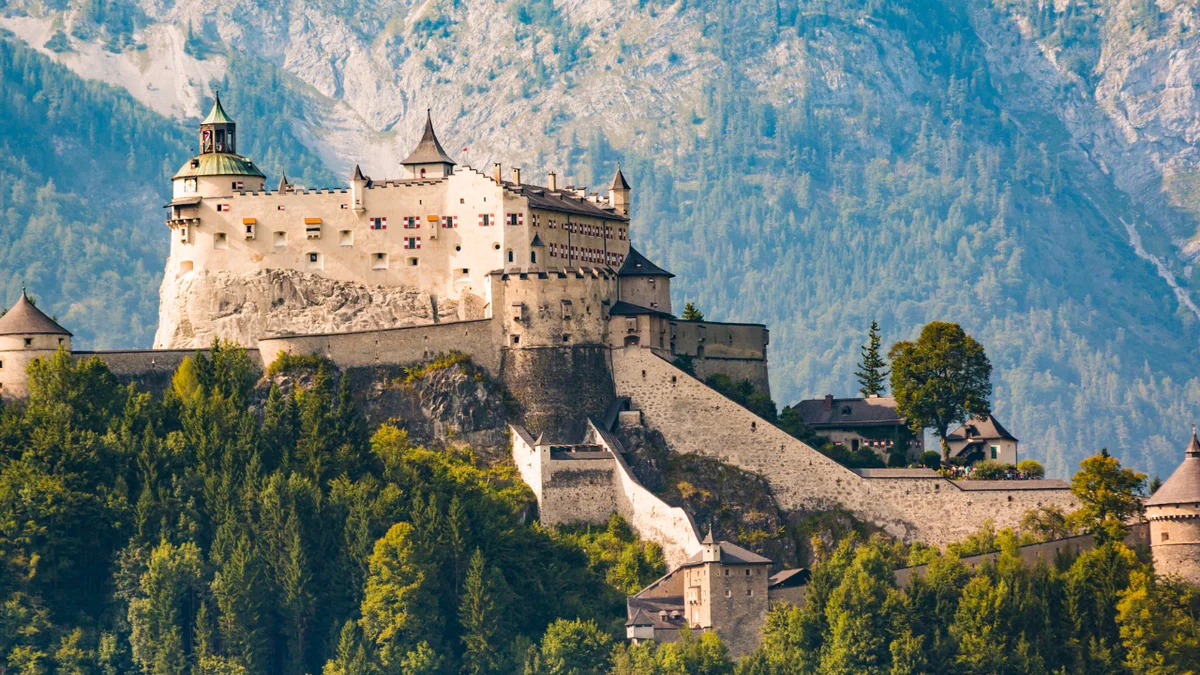
Trains reach Werfen in about 45 minutes. Hohenwerfen Castle, close to 950 years old, guards the Salzach valley, with a lift up to the gate, fortress tours and birds of prey flight displays at the historic falconry centre. Higher up, the Eisriesenwelt forms the largest ice cave system in the world, 42 kilometres of passages; the guided walk covers about one kilometre of ice over roughly 700 steps each way, with lamps provided. The cave holds about zero degrees in every month, the season runs roughly from May to late October, and warm layers with sturdy shoes are essential.
Berchtesgaden and Lake Königssee, Germany
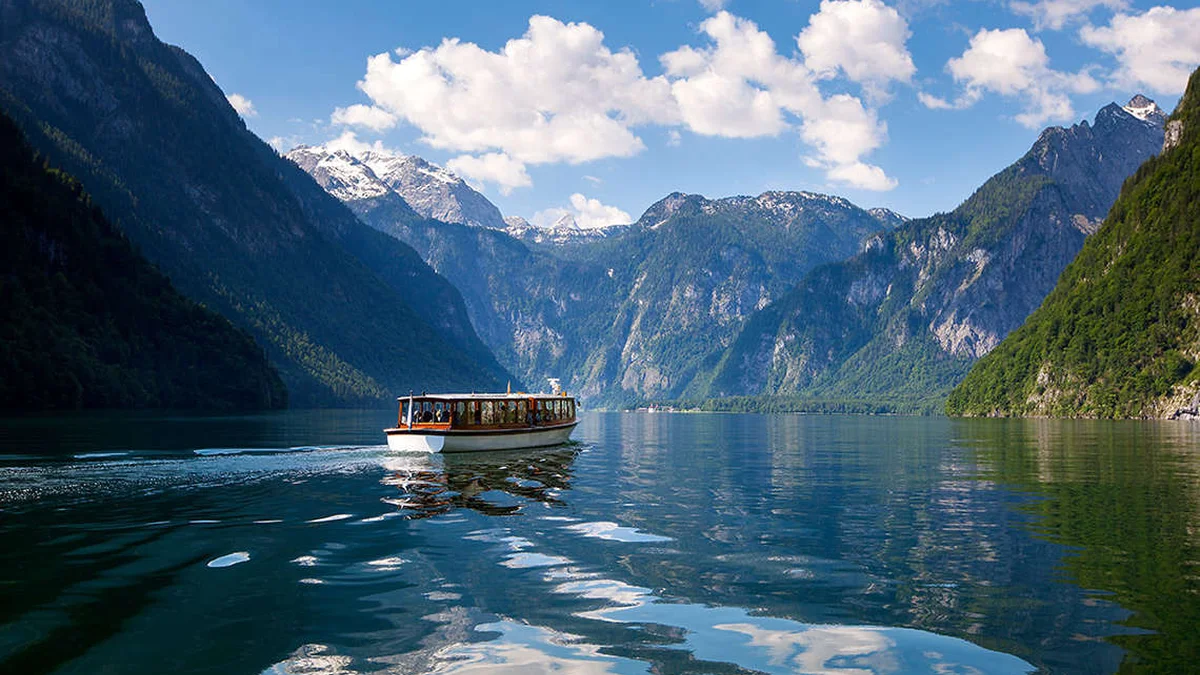
Bus 840 runs from Salzburg Hauptbahnhof to Berchtesgaden in Germany in about 50 minutes. Electric boats have crossed the Königssee since 1909, gliding between steep rock walls to the church of St Bartholomew, famous for the echo demonstrated by the crew. In Berchtesgaden town, the salt mine tour adds an underground train, wooden slides and a boat ride across a salt lake. Carry passports or identity cards for the border crossing.
Practical Tips for Visiting Salzburg

Good to Know

- The Salzburg Card covers one entry to the fortress with the funicular, DomQuartier, both Mozart houses, Hellbrunn, the zoo, Haus der Natur and the Untersberg cable car, plus all city transport. Two paid sights usually repay the card.
- Tap water in Salzburg comes from protected springs near the Untersberg and tastes excellent straight from the tap. Carry a bottle and refill.
- Shops close on Sundays across Austria, apart from station and airport stores. Buy snacks and supplies for a Sunday day trip on Saturday.
- Weather turns fast at the edge of the Alps. Carry a light rain jacket even on a clear morning, and save the Untersberg for the clearest day of the trip.
Good to Avoid

- Third-party tickets for the Mozart houses. The Mozarteum states that online tickets for its houses are sold only through the official Mozarteum webshop, and that third-party tickets are not accepted.
- Unofficial reseller pages for the fortress, DomQuartier and Hellbrunn. Prices rise and terms shrink on reseller sites; every button in this guide leads to the official page of the sight.
- Driving into the Old Town. The lanes are pedestrian, the garages are costly and the fines are real. Park at a park-and-ride site and take the bus in.
Final Thoughts on Salzburg
Salzburg gives a traveller rare density: a medieval fortress, a Baroque cathedral quarter, two Mozart houses, trick fountains, a zoo, an Alpine cable car and three day trips, all inside a city crossed easily on foot. Plan the fortress early, let the Salzburg Card carry the costs, and leave an hour unscheduled for the lanes and side courtyards.
Come in late spring for the gardens or in September for the mountain light, and give the city two full days. The Austria guides in this series continue with Hallstatt, Innsbruck, Graz and Zell am See.
Hohensalzburg Fortress, the Salzburg Cathedral, and the DomQuartier circuit make the classic first morning, and the Mozart Birthplace, Getreidegasse, and Mirabell Palace and Gardens fill the lanes below. Hellbrunn Palace with its trick fountains, the Salzburg Zoo, Haus der Natur, St Peter Abbey with its cemetery and catacombs, and the Untersberg Cable Car give the second day its range, from water jokes to an Alpine summit. The Salzburg Card covers one entry to the fortress with the funicular, DomQuartier, both Mozart houses, Hellbrunn, the zoo, Haus der Natur, and the Untersberg cable car, plus all city transport, so two paid sights usually repay the card.
The Old Town puts every lane at the door, the right bank suits garden calm and station access, the station district holds the best value, and the green south near Hellbrunn suits families. Dzemat Salzburg, the congregation of the Bosnian Islamic Union at Gabelsbergerstrasse 34, holds daily prayers and Friday prayer, and counts among the oldest Muslim congregations in Austria. If a third day is free, the train to Hallstatt takes about 2 hours 30 minutes each way, with a change at Attnang-Puchheim and a short ferry crossing from Hallstatt station to the village.
FAQs
What are the best things to do in Salzburg for first-time visitors?
Start with Hohensalzburg Fortress for the panorama, then the DomQuartier circuit and Salzburg Cathedral below the hill. Add the Mozart Birthplace on Getreidegasse, the lanes and the through-houses, and Mirabell Gardens across the river. A Salzburg Card covers the paid entries of that circuit in one day.
What are the best things to do in Salzburg with kids?
The trick fountains of Hellbrunn and Salzburg Zoo make the strongest family day out, on one bus route south of the centre. In the Old Town, Haus der Natur holds children for hours, the Toy Museum suits younger children, and the fortress funicular turns sightseeing into an adventure. The Untersberg cable car adds a mountain morning for older children.
How much do Hohensalzburg Fortress tickets cost?
For 2026, the All-Inclusive ticket with the funicular costs €19.20 for adults and €7.30 for children age 6 to 14. The Basic ticket costs €15.50 and the Panorama ticket €12.80, children under 6 ride and enter free, and the Salzburg Card covers one All-Inclusive entry. Buy on the official fortress site.
How many days do you need in Salzburg?
Two days cover the Old Town circuit, the Mozart houses and one southern sight such as Hellbrunn or the Untersberg. One tight day handles the fortress, DomQuartier, the cathedral and the lanes. Three days add a full day trip to Hallstatt, Werfen or Berchtesgaden.
Is Salzburg worth visiting?
Yes. Salzburg packs a UNESCO Old Town, one of the largest medieval fortresses of Europe, the birthplace of Mozart and an Alpine cable car into a centre that visitors cross on foot. The city pairs with Vienna and Munich by direct train, and the Salzburg Card keeps sightseeing costs predictable.
What is the best time to visit Salzburg?
May, June and September give the best balance of mild weather, full opening hours and manageable crowds. Summer is warmest and busiest, with the highest hotel prices of the year. Winter brings cold air, short days and a fair chance of snow on the fortress, with lower prices outside the holiday weeks.
Where can you find halal food in Salzburg?
Halal options cluster centrally: Taj Mahal near the main station serves halal meat, and Maharaja and Hana Rasoi on Getreidegasse appear on the HalalTrip list of halal places, with grill houses such as Ali Baba across the centre. For prayer, Dzemat Salzburg on Gabelsbergerstraße 34 and the Islamic Cultural Centre on Röcklbrunnstraße 13 serve the community. Confirm halal status with staff on the day, as ownership and suppliers change.


