Things to Do in Anchorage: Museums, Wildlife, Trails and Mountain Views
Anchorage surprises first time visitors. It is Alaska largest city, yet wild country starts at the edge of downtown. Moose wander through neighbourhood parks, bald eagles circle above Cook Inlet, and the Chugach Mountains rise directly behind the city streets. A trip built around things to do in Anchorage works best when culture, wildlife viewing,…
Anchorage surprises first time visitors. It is Alaska largest city, yet wild country starts at the edge of downtown. Moose wander through neighbourhood parks, bald eagles circle above Cook Inlet, and the Chugach Mountains rise directly behind the city streets. A trip built around things to do in Anchorage works best when culture, wildlife viewing, and mountain scenery share the plan in equal measure, with time left for slow meals and unhurried walks.
This guide to things to do in Anchorage follows that balance. It opens with the museums that explain Alaska Native cultures and state history, then moves outdoors to a paved coastal trail, a famous summit trail, a wildlife sanctuary, and a marsh boardwalk where birds gather in large numbers. Practical detail sits inside every section, so families, first time visitors, and travellers planning a longer Alaska road trip can all use the same guide with confidence. For wider reading on how food shapes modern travel, see how food tourism is shaping modern travel.
Anchorage At A Glance

| Detail | Anchorage essentials |
| Best first stop | Anchorage Museum, downtown, for Alaska art, history, and science in one visit |
| Best wildlife day | Alaska Wildlife Conservation Center at Portage, paired with Potter Marsh on the return drive |
| Best free walk | Tony Knowles Coastal Trail, 11 miles from downtown to Kincaid Park |
| Best mountain view | Flattop Mountain at Glen Alps, in Chugach State Park, above the Anchorage Hillside |
| Best family day | Alaska Zoo in the morning, then the Anchorage Museum Discovery Center in the afternoon |
| Best cultural experience | Alaska Native Heritage Center, with village sites, dance, and Native games |
| Getting around | Car for Portage and the Hillside, bus or rideshare downtown, bike rental for the Coastal Trail |
| Plan for | Layers, rain protection, bear spray on mountain trails, and binoculars for wildlife viewing |
Quick Picks For Things To Do In Anchorage

Short on time in Anchorage. Start downtown at the Anchorage Museum, walk part of the Coastal Trail in the afternoon, and finish with dinner at a halal restaurant in Midtown. That single day covers culture, scenery, and local flavour without rushing.
Travelling with children. Choose the Alaska Zoo, the Anchorage Museum Discovery Center, and Potter Marsh. All three are easy to reach, all three hold young attention well, and none of them demands a long drive or a strenuous walk.
Chasing wildlife. Put the Alaska Wildlife Conservation Center first, Potter Marsh second, and the Coastal Trail third. Early morning and late evening give the best chances of seeing moose, eagles, and other animals active near the trails and the marsh.
Seeking mountain scenery. Hike Flattop Mountain from Glen Alps, then drive south along Turnagain Arm for wide water and mountain views. On a clear day, Denali may appear far to the north, a white shape above the horizon that rewards patient looking.
1. Anchorage Museum

Best for
First time visitors, families, and anyone who wants a strong grounding in Alaska before heading into wilder country. The Anchorage Museum is Alaska largest museum, and it gathers art, history, culture, and science under one downtown roof. It is the single best indoor introduction to things to do in Anchorage, especially on a rainy day or at the start of a longer Alaska trip.
The Alaska Gallery traces state history through objects, photographs, and life sized settings, from early Alaska Native life to the gold rush, the pipeline era, and modern Anchorage. The Smithsonian Arctic Studies Center display presents more than 600 Alaska Native objects, including a Tlingit warrior helmet and a Yupik parka sewn from ground squirrel skins. Labels explain materials, makers, and meanings with care, and the quiet gallery encourages slow looking rather than hurried passing.
Art galleries show work from Alaska and the wider circumpolar north, including painting, sculpture, photography, and contemporary Alaska Native art. Rotating exhibitions keep the museum fresh for repeat visitors, so even travellers who visited Anchorage before will find something new. The Discovery Center adds hands on science for children, with exhibits on earthquakes, glaciers, and northern ecology that invite touching, building, and experimenting.
Address: 625 C Street, Anchorage, AK 99501
Do not miss
The Smithsonian Arctic Studies Center collection, the Alaska Gallery dioramas, and the Discovery Center for families. The Thomas Planetarium also runs northern lights shows, a useful option when cloudy skies hide the real aurora. Allow at least two hours, and three hours if you enjoy reading labels and watching films in full.
Practical info
The museum stands downtown at 625 C Street, within easy walking distance of hotels, Town Square Park, and the Coastal Trail trailhead area. Summer hours run daily from morning to early evening, while winter hours are shorter and the museum closes on Mondays. General admission for adults is listed at 25 dollars in 2026 listings, with lower rates for Alaska residents, seniors, military visitors, students, and children. Check the official site before your visit, since hours and prices can change by season.
Insider tip: Visit the Smithsonian Arctic Studies Center first, while your attention is fresh, then move to the Alaska Gallery. Finish at the Discovery Center if you travel with children, so young visitors end the visit with hands on play.
2. Alaska Native Heritage Center

Best for
Travellers who want to understand Alaska Native cultures through living voices rather than objects alone. The Alaska Native Heritage Center opened in 1999 and shares the heritage of 11 major Alaska Native cultural groups, including Athabaskan, Tlingit, Haida, Tsimshian, Yupik, Cupik, Siberian Yupik, Inupiaq, Alutiiq, Unangax, and Eyak peoples. It is one of the most meaningful cultural things to do in Anchorage, and it pairs naturally with the Anchorage Museum for a full cultural day.
Inside, the Hall of Cultures shows art, tools, clothing, and contemporary work by Alaska Native artists. The Gathering Place hosts dance performances, storytelling, and Native games demonstrations, where athletes show remarkable strength and balance in events rooted in hunting and survival skills. Outside, six life sized village sites stand around Lake Tiulana, each one built in the style of a different cultural region, from a Tlingit clan house to an Inupiaq sod house.
Guides at the village sites are culture bearers who speak from personal knowledge, answering questions about building methods, food traditions, clothing, and daily life. That direct conversation is what sets the center apart from a standard museum visit. Children enjoy the outdoor village walk, the games, and the chance to try hands on activities, while adults gain a deeper sense of how Alaska Native cultures continue to thrive in modern life.
Address: 8800 Heritage Center Drive, Anchorage, AK 99504
Do not miss
The Gathering Place dance and games programme, the guided village site walk, and the gift shop, which sells authentic Alaska Native made art and crafts. Buying directly from Native artists supports the makers and gives you a souvenir with a real story behind it.
Practical info
The center sits in east Anchorage, about 20 minutes by car from downtown. Summer hours run daily from 9 in the morning to 5 in the afternoon, while off season hours are limited, so check the official site before a winter visit. Admission varies by age group, with lower rates for Alaska residents, seniors, military visitors, and children. Parking is free, and the site is accessible for wheelchairs and strollers.
Insider tip: Time your visit around a Gathering Place performance, then take the guided village walk straight afterwards. The stories you hear on stage make the houses, tools, and clothing at the village sites far easier to understand.
3. Tony Knowles Coastal Trail

Best for
Walkers, cyclists, runners, and families who want Anchorage scenery without a mountain climb. The Tony Knowles Coastal Trail runs 11 miles from downtown Anchorage to Kincaid Park, following the edge of Cook Inlet along bluffs, woods, and open viewpoints. It is free, paved, and easy to join at many access points, which makes it one of the most flexible things to do in Anchorage for every fitness level.
From the downtown trailhead near Elderberry Park, the path passes Westchester Lagoon, where water birds gather in summer, then continues past Earthquake Park, with interpretive signs about the 1964 earthquake. Beyond the airport, the trail enters quieter forest, where moose sightings are common, especially in the early morning and in winter, when moose use the groomed path through deep snow. Benches and picnic tables along the route invite slow pauses.
Views change constantly along the trail. To the west, Cook Inlet stretches toward the Alaska Range, with Mount Susitna, known as Sleeping Lady, rising across the water. On clear days, Denali appears far to the north. To the east, the Chugach Mountains fill the skyline. In summer, wildflowers line the path, and in winter, the same trail serves skiers and winter walkers under snow covered trees.
Address: Downtown trailhead near West 2nd Avenue and Elderberry Park, Anchorage, AK
Do not miss
Earthquake Park at mile 2.5, the Westchester Lagoon stretch for bird watching, and the Kincaid Park end for wide inlet views. If you have only an hour, walk the downtown to Earthquake Park section and return the same way, a satisfying sample of the full trail.
Practical info
The trail is open year round and free to use. Bike rental shops near downtown supply bikes, helmets, locks, and maps for visitors without their own cycles. Keep dogs on a leash, give moose a wide berth, and stay off the mudflats below the bluffs, since Cook Inlet tides move fast and the mud can trap walkers. Carry water, wear layers, and allow extra time for photographs at the viewpoints.
Insider tip: Rent a bike and ride from downtown to Kincaid Park in the morning, when the light is soft and moose are most active. Stop at Earthquake Park on the way back, when the afternoon sun lights the inlet and the mountains beyond.
4. Flattop Mountain In Chugach State Park

Best for
Active travellers who want a real summit and a panorama that explains Anchorage geography in a single look. Flattop Mountain is Alaska most climbed peak, reached from the Glen Alps trailhead in Chugach State Park, about 20 minutes by car from downtown. The park itself covers nearly 495,000 acres, making it one of the largest state parks in the United States, and Flattop is its most popular doorway.
The Flattop trail climbs about 1,350 feet over 1.5 miles to a broad, flat summit, a rocky plateau large enough to walk around and enjoy views in every direction. From the top, Anchorage spreads below, Cook Inlet stretches west, and the Chugach peaks rise in long ridges to the east. On clear days, Denali stands far to the north, a distant white giant above the lowlands. The climb is steep and rocky near the summit, so sturdy shoes and steady footing matter more than speed.
Travellers who prefer a gentler outing can still enjoy Glen Alps. A short overlook path from the parking area gives city and inlet views without the summit climb, and the wider trail network leads to Powerline Pass, Williwaw Lakes, and other Chugach routes for longer walks. In late summer, blueberries grow along the lower trails, and in autumn, the tundra colours turn gold and red. Winter visitors find a snowy landscape, but the summit trail then needs proper winter gear and care on icy rock.
Address: 3101 Glen Alps Road, Anchorage, AK 99516
Do not miss
The summit panorama, the short overlook path for travellers with limited time, and a sunset visit on a clear evening, when the light turns the inlet and the mountains warm gold. Arrive early on summer weekends, since the Glen Alps parking area fills quickly.
Practical info
A Chugach State Park day use parking fee applies at Glen Alps, listed at 5 dollars in park guides. The drive up Toilsome Road includes steep switchbacks, so drive slowly and use winter tyres in snowy conditions. Carry water, snacks, sunscreen, a map, bear spray, and a charged phone. Dogs are welcome on a leash. Allow 3 to 4 hours for the round trip hike, including time at the summit.
Insider tip: Hike in the morning for calmer wind and clearer views, and save the overlook path for your return. If clouds hide the summit, enjoy the lower trails and try again on a clearer day rather than pushing on in poor visibility.
5. Alaska Wildlife Conservation Center

Best for
Wildlife lovers and families who want close views of Alaska animals in spacious natural habitats. The Alaska Wildlife Conservation Center sits at Portage Valley, about 45 miles south of Anchorage on the Seward Highway, surrounded by the Chugach Mountains and Turnagain Arm. This nonprofit sanctuary cares for orphaned and injured animals, giving a permanent home to those that cannot return to the wild, and it is one of the most rewarding wildlife things to do in Anchorage for visitors of all ages.
A 1.5 mile loop winds through more than 200 acres of habitats, where visitors may see brown bears, black bears, moose, wood bison, muskox, wolves, elk, reindeer, lynx, and porcupines. Interpretive signs at each habitat explain the animal story, including how it arrived at the center and what its species needs to survive in Alaska. Brown bears are a highlight in summer, when they play in ponds and forage in open meadows, while moose and muskox draw steady attention year round.
The center also runs educational programmes and guided experiences, including a Walk on the Wild Side tour and animal encounters on selected days. The loop is accessible by foot, by bike, or by car, which makes the visit flexible for families with young children and for travellers with limited mobility. A gift shop and picnic areas round out the visit, and the mountain setting alone makes the drive south worthwhile.
Address: Mile 79 Seward Highway, Portage, AK 99587
Do not miss
The brown bear habitat, the wood bison herd, and the muskox enclosure, where the soft underwool known as qiviut is famously warmer than sheep wool. Check the daily programme board on arrival for keeper talks and feeding times, which bring the animals closer to the viewing areas.
Practical info
The center is open year round, with longer hours from May to mid September and shorter hours in winter, when it opens only four days a week. General admission is listed at 27 dollars for visitors aged 13 and over and 22 dollars for youth aged 4 to 12, with lower rates for Alaska residents and active military visitors, and free entry for children aged 3 and under. Drive south from Anchorage on the Seward Highway, past the Girdwood turnoff, and follow signs to Mile 79. Dress in layers, wear good walking shoes, and bring binoculars and a camera.
Insider tip: Combine this visit with a Turnagain Arm drive and a stop at Potter Marsh on the way back to Anchorage. The full loop makes a complete wildlife day without rushing any single stop.
6. Alaska Zoo

Best for
Families and animal lovers who want a relaxed half day close to the city. The Alaska Zoo sits on the Anchorage Hillside, about 20 minutes by car from downtown, on wooded grounds that feel far removed from city streets. It is the only zoo in Alaska, and it specialises in animals native to the state, alongside a small number of northern species from elsewhere, including Amur tigers, snow leopards, and Bactrian camels.
More than 100 birds and mammals live at the zoo, representing around 50 species. Polar bears, brown bears, wolves, moose, Dall sheep, muskox, bald eagles, river otters, and Arctic foxes all have natural style enclosures set among spruce trees, with gravel paths winding between them. Many animals arrived orphaned or injured and could not return to the wild, so the zoo also serves as a rescue and education centre, a story that keeper signs explain clearly.
Daily keeper talks and a noon naturalist tour add depth to a self guided walk, while children enjoy the farm animals and the shaded picnic areas. The hillside setting means some paths slope gently, so comfortable shoes help, and the wooded grounds stay pleasant even on warm summer days. In winter, the zoo takes on a quiet magic, with snow on the spruce trees and many northern animals at their most active.
Address: 4731 O Malley Road, Anchorage, AK 99507
Do not miss
The polar bear habitat, the wolf enclosures, and the bald eagles, which are easy to watch for long stretches. Visit in the morning, when many animals are most active, and check the daily talk schedule at the entrance.
Practical info
The zoo is open daily year round, with summer hours longer than winter hours, when closing times follow sunset. Admission and current hours are listed on the official zoo site, so check before your visit, since seasonal schedules change. A summer shuttle runs from downtown locations on selected days, a useful option for visitors without a car. Youth aged 15 and under must visit with an adult.
Insider tip: Walk the loop slowly and return to any enclosure where an animal was resting. Bears, wolves, and big cats often become active after a quiet rest, and a second pass rewards patience.
7. Potter Marsh

Best for
Bird watchers, photographers, and travellers who want easy wildlife viewing without a hike. Potter Marsh sits at the southern end of the Anchorage Coastal Wildlife Refuge, about 10 miles south of downtown on the Seward Highway. A wooden boardwalk winds 1,550 feet through the wetland, with free spotting scopes and interpretive panels along the way, making it one of the most accessible wildlife things to do in Anchorage.
From late April through September, the marsh fills with water birds. Canada geese, northern pintails, canvasback ducks, grebes, and northern harriers use the open water and sedges, while gulls, Arctic terns, and shorebirds arrive in spring and summer. Bald eagles nest in the cottonwoods near the bluff, and patient watchers may spot a muskrat leaving a V shaped wake across the water. Moose visit the marsh year round, with May and June especially good for watching them feed on fresh growth.
Partway along the boardwalk, Rabbit Creek flows beneath, and in summer, salmon return to spawn in the creek, flashing red in clear water. The boardwalk is accessible for wheelchairs and strollers, and the whole visit takes under an hour at a gentle pace, which makes Potter Marsh an ideal short stop on a Turnagain Arm drive. Bring binoculars, move quietly, and give nesting birds plenty of space.
Address: 2999 East 154th Avenue, Anchorage, AK, at Mile 117 of the Seward Highway
Do not miss
The boardwalk spotting scopes, the Rabbit Creek salmon viewing point in summer, and the eagle nests in the cottonwoods near the bluff. Early morning visits are quietest and often bring the best bird activity.
Practical info
Potter Marsh is free to visit and open year round, with the boardwalk accessible in all seasons. Dogs are not allowed on the boardwalks, and feeding wildlife is prohibited throughout the refuge. Park in the signed lot at Mile 117, just south of the Rabbit Creek Road exit, and take care crossing from the highway to the boardwalk entrance. A newer south boardwalk near the Old Seward Highway adds a second viewing area for return visitors.
Insider tip: Visit Potter Marsh early in the morning, then drive on to the Alaska Wildlife Conservation Center. The two stops together give you wetland birds in the morning and large mammals by midday, a strong wildlife combination.
8. Alaska Aviation Museum

Best for
Aviation fans, history lovers, and families curious about how flight shaped Alaska. The Alaska Aviation Museum stands on the south shore of Lake Hood, the busiest seaplane base in the world, beside Ted Stevens Anchorage International Airport. In a state where many communities have no road access at all, aircraft have long served as lifelines, carrying mail, medicine, food, and people to remote villages, and this museum tells that story through aircraft, photographs, and pilot memories.
Four hangars hold vintage aircraft, from a 1928 Stearman to a walk through Boeing 737 from an earlier Alaska fleet, alongside floatplanes, bush planes, and restoration projects in progress. Exhibits honour pioneer bush pilots, wartime flying in the Aleutian Islands, and the everyday skill of landing on lakes, gravel strips, and snow. A flight simulator lets visitors try the challenge of a bush takeoff, while the Seybert Tower offers views over Lake Hood and live air traffic radio from the nearby airport.
Volunteer guides add warmth to the visit, sharing stories about individual aircraft and the pilots who flew them. The museum suits a visit of one to two hours, and it pairs well with a Coastal Trail walk or an Earthquake Park stop, since all three sit in the same western part of the city. Watching seaplanes lift off Lake Hood from the museum grounds is a fine free addition to the visit itself.
Address: 4721 Aircraft Drive, Anchorage, AK 99502
Do not miss
The walk through Boeing 737, the restoration hangar where volunteers work on historic aircraft, and the Seybert Tower for Lake Hood views and live air traffic sound. Ask a volunteer about the bush plane stories, since personal anecdotes bring the exhibits to life.
Practical info
The museum is open daily in summer, with shorter hours in January and February, so check the official site for the current schedule. Admission varies by age and residency, with free entry for young children, and parking is free. The museum sits close to the airport, so allow time for the short drive from downtown and for seaplane watching after your visit.
Insider tip: Visit on a clear summer morning, when seaplane traffic on Lake Hood is busiest. The tower view plus the sound of engines overhead gives you a sense of Alaska aviation that no single exhibit can match.
More Worth Your Time In Anchorage

Earthquake Park, on the Coastal Trail west of downtown, explains the 1964 earthquake through interpretive signs and a landscape still shaped by the ground movement of that day. The park is free, easy to reach, and pairs well with a Coastal Trail walk, giving a quiet moment of reflection between city and wilderness.
Kincaid Park, at the western end of the Coastal Trail, offers forest trails, coastal viewpoints, and moose habitat, with a large trail network for walkers, runners, and cyclists. In winter, the park trails serve skiers, while in summer, the same paths suit long evening walks under late northern light.
Ship Creek, near downtown, shows working Anchorage at its most vivid, with salmon returning in season, anglers along the banks, and cargo activity nearby. The small boat launch area gives views across the inlet and a sense of the port that keeps Alaska supplied, a useful contrast to the wilderness stops elsewhere in this guide.
Anchorage Attractions Compared

| Attraction | Best for | Time needed | Cost guide |
| Anchorage Museum | Culture and history | 2 to 3 hours | Paid, adult rate listed at 25 dollars |
| Alaska Native Heritage Center | Living culture | 3 to 4 hours | Paid, rates vary by age |
| Tony Knowles Coastal Trail | Walking and cycling | 1 hour to full day | Free |
| Flattop Mountain | Summit views | 3 to 4 hours | Parking fee only |
| Alaska Wildlife Conservation Center | Large mammals | 2 to 3 hours | Paid, adult rate listed at 27 dollars |
| Alaska Zoo | Family wildlife | 2 hours | Paid, check official site |
| Potter Marsh | Bird watching | Under 1 hour | Free |
| Alaska Aviation Museum | Aviation history | 1 to 2 hours | Paid, rates vary by age |
Anchorage Itineraries

| Day | Morning | Afternoon | Evening |
| Day 1, downtown culture | Anchorage Museum | Tony Knowles Coastal Trail to Earthquake Park | Halal dinner in Midtown, then a Coastal Trail sunset walk |
| Day 2, wildlife south | Potter Marsh bird watching | Alaska Wildlife Conservation Center at Portage | Return drive along Turnagain Arm with viewpoint stops |
| Day 3, mountains and heritage | Flattop Mountain hike from Glen Alps | Alaska Native Heritage Center | Alaska Zoo late visit or downtown market stroll in summer |
Book Tickets For Anchorage Attractions

| Attraction | Ticket link | Note |
| Anchorage Museum | Book Anchorage Museum tickets | Check seasonal hours before visiting |
| Alaska Native Heritage Center | Book Alaska Native Heritage Center tickets | Check off season hours before visiting |
| Alaska Wildlife Conservation Center | Book Alaska Wildlife Conservation Center tickets | General admission does not sell out |
| Alaska Zoo | Book Alaska Zoo tickets | Check seasonal hours on the rates page |
| Alaska Aviation Museum | Book Alaska Aviation Museum tickets | Shorter hours in January and February |
Where To Stay In Anchorage
Top 3 hotels in Anchorage
Explore all hotels >
Downtown Anchorage suits first time visitors best, with museums, the Coastal Trail, restaurants, and shops all within walking distance. Midtown suits travellers who want easier driving access to the Hillside, the zoo, and the Seward Highway south, while the airport area suits early flight departures. Book early for summer, since Anchorage hotels fill fast in June, July, and August, and winter rates are usually lower.
| Area | Best for | Notes |
| Downtown | First time visitors | Walk to the museum, the market, and the Coastal Trail |
| Midtown | Drivers and families | Easy access to the zoo, the Hillside, and halal restaurants |
| Airport area | Early flights | Close to Lake Hood and the aviation museum |
Hotel Captain Cook, at 939 West 5th Avenue in downtown Anchorage, is the city best known luxury hotel, with 557 rooms and suites, inlet and mountain views, athletic clubs, shops, and several restaurants. Its downtown position makes it an ideal base for the museum, the Coastal Trail, and the Saturday Market, and its concierge can arrange day trips south to Portage and Girdwood.
The Lakefront Anchorage, at 4800 Spenard Road, Anchorage, AK 99517, in the airport area near Lake Hood, suits travellers who want seaplane views and quick airport access, with a quieter setting than downtown and easy driving to the Coastal Trail and the aviation museum. Its lakeside position gives a different Anchorage experience, close to floatplane activity and western city parks, while still within a short drive of downtown.
Where To Eat In Anchorage

Anchorage has a strong halal food scene, and the restaurants below are a practical starting point for Muslim travellers. Halal status is labelled honestly here, so check with staff on the day if you want to confirm the current meat supply, since suppliers can change. For wider reading on food led travel, see how food tourism is shaping modern travel.
Taste of India, at 5011 Arctic Boulevard, is listed as a halal restaurant in Anchorage directories, serving North Indian dishes including chicken tikka, lamb rogan josh, vegetable samosas, garlic naan, and masala chai. It is a reliable Midtown choice for a family dinner after a museum day, with lunch and dinner hours through the week.
Everest Restaurant, at 3637 Old Seward Highway, is listed as a halal restaurant serving Indian and Nepalese dishes, including butter chicken, lamb rogan josh, chicken momos, masala dosa, and garlic naan. Confirm halal status with staff on the day, since directory listings describe the restaurant as halal while menus do not always state it dish by dish.
My Shawarma House, at 6311 DeBarr Road, is a family owned Somali restaurant that states on its own description that it uses carefully selected halal meats, serving lamb shawarma, chicken shawarma, goat biryani, lamb curry, and sambusa. It is an inexpensive and generous lunch choice in east Anchorage, close to the Alaska Native Heritage Center, and it stays open late.
Mosques And Prayer Facilities In Anchorage

Anchorage has a small but diverse Muslim community of around 2,000 to 3,000 people, with families from South Asia, the Middle East, Africa, Europe, and Alaska Native backgrounds. Two mosques serve the community, and both welcome visitors. Prayer times in Anchorage vary greatly by season, with very long summer days and very short winter days, so check current times with the mosque before your visit.
The Islamic Community Center of Anchorage, known as Masjid Abu Bakr, stands at 8005 Spring Street, Anchorage, AK 99518. It is Alaska first purpose built mosque, completed in 2014, with prayer halls, a school, a library, and community facilities, and it serves as the main mosque for Jumuah and community gatherings in Anchorage.
The Muslim Community of Alaska, known as Masjid Umar Ibn Al Khattab, stands at 927 West Fireweed Lane, Unit A, Anchorage, AK 99503. It offers a central Midtown location, close to downtown hotels and restaurants, and it is a practical option for daily prayers while staying in the city centre. Confirm Jumuah and programme times with the mosque directly, since schedules vary by season.
For prayer on the road, carry a small prayer mat and a compass app, and plan stops at visitor centres, parks, and quiet trailheads. Most Anchorage hotels can provide a quiet room direction on request, and the mosques above can advise on prayer times during the midnight sun period, when some Anchorage Muslims follow Makkah time for night prayers.
Getting Around Anchorage
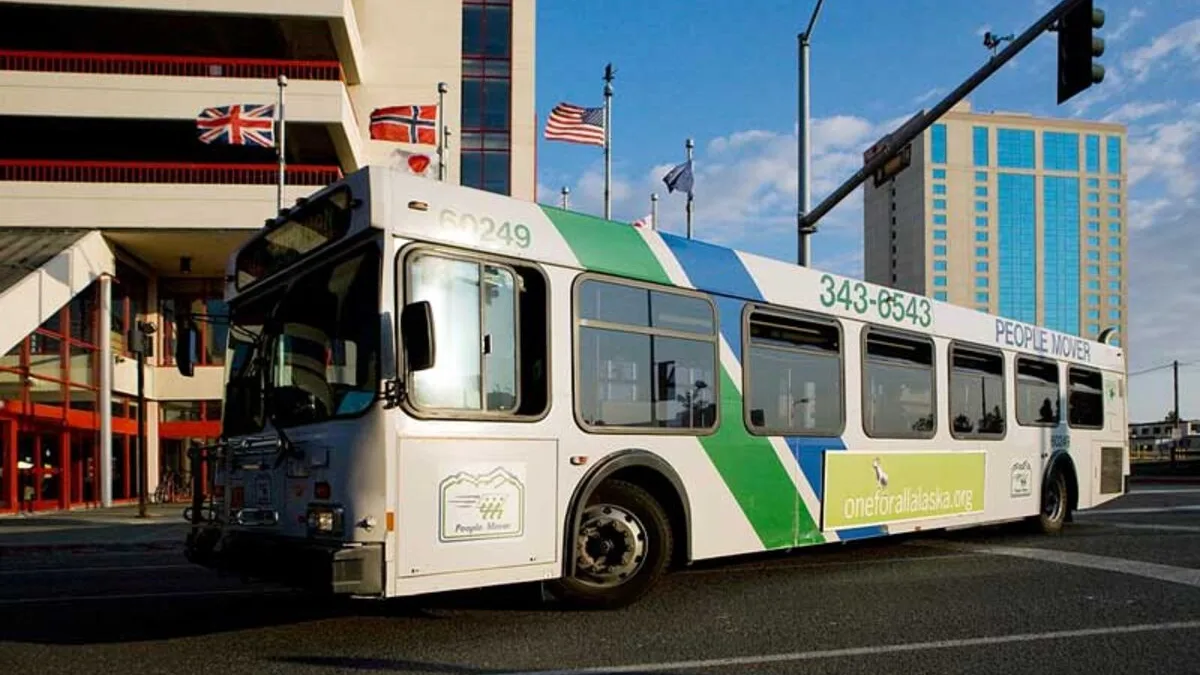
| Transport | Best for | Notes |
| Walking | Downtown | Museum, market, and Coastal Trail trailhead all walkable |
| Bus | Budget travel | People Mover routes serve downtown, Midtown, and east Anchorage |
| Rideshare and taxi | Evening and airport trips | Useful for the zoo and the Heritage Center |
| Rental car | Portage and Chugach | Essential for the Wildlife Center, Flattop, and day trips |
| Bike rental | Coastal Trail | Downtown shops rent bikes, helmets, and locks |
What A Day In Anchorage Costs

| Item | Budget guide |
| Museum entry | Anchorage Museum adult rate listed at 25 dollars |
| Wildlife Center entry | Adult rate listed at 27 dollars, youth rate listed at 22 dollars |
| Flattop parking | Day use parking fee listed at 5 dollars |
| Coastal Trail and Potter Marsh | Free |
| Halal lunch | Inexpensive to moderate, shawarma plates and curries |
| Hotel per night | Higher in summer, lower in winter, book early |
Best Time To Visit Anchorage

| Season | What to expect | Best for |
| Summer, June to August | Long days, warmest weather, all attractions open | First visits, families, wildlife |
| Autumn, September | Cooler days, autumn colours, fewer visitors | Hiking and photography |
| Winter, November to March | Snow, short days, northern lights on clear nights | Winter sports and aurora watching |
| Spring, April to May | Melting snow, returning birds, variable weather | Bird watching and lower prices |
Day Trips From Anchorage

Girdwood and Alyeska, about 40 minutes south on the Seward Highway, offer mountain scenery, a tram ride to views over Turnagain Arm, and forest trails in summer. The village suits a relaxed half day, with cafes and mountain views, and it pairs well with a Portage wildlife stop on the same drive.
Seward, about two hours south, is a full day trip with a working harbour, a sea life centre, and glacier cruise departures into Kenai Fjords. The drive itself is part of the reward, with Turnagain Arm viewpoints, mountain passes, and wildlife stops along the Seward Highway.
Talkeetna, about two hours north, is a small historic town with flightseeing departures to Denali, riverside walks, and a relaxed main street. It suits travellers who want a mountain town day without a long drive, and it works as an overnight stop on the way to Denali National Park.
Practical Tips For Anchorage

Dress in layers in every season, since Anchorage weather changes fast, with sun, rain, and wind often sharing a single afternoon. A waterproof jacket, sturdy shoes, and a warm layer belong in your day bag even in July, and gloves and a hat help on mountain trails and evening walks.
Give wildlife space. Moose are large, fast, and unpredictable, especially mothers with calves, so keep distance, stay calm, and move away slowly if a moose blocks the trail. Never approach bears, never feed any wild animal, and carry bear spray on Chugach trails, knowing how to use it before you set out.
Book summer hotels, tours, and rental cars early, since Anchorage is a gateway for Alaska cruises and road trips, and demand peaks from June to August. In winter, check road conditions and attraction hours daily, since snow and short daylight hours change plans quickly.
Final Thoughts On Things To Do In Anchorage
Anchorage works because it refuses to choose between city and wilderness. In a single day, you can study Alaska Native art in a downtown museum, walk a coastal trail past moose habitat, and eat a generous halal dinner in Midtown, all without leaving the city. Add a mountain summit, a marsh boardwalk, and a wildlife sanctuary, and you have a trip that covers the best of Alaska in miniature, with larger adventures waiting just beyond the city limits. For more on how food shapes the way we travel, see how food tourism is shaping modern travel.
Plan around your own pace, check official sites for current hours and prices, and leave room for weather changes and wildlife surprises. Anchorage rewards flexible travellers, and the moments you did not plan, a moose at dawn, an eagle over the inlet, a clear view of Denali, are often the ones you remember longest.
The Anchorage Museum and the Alaska Native Heritage Center give the cultural foundation, the Tony Knowles Coastal Trail and Potter Marsh give the wildlife hours, and Flattop Mountain, the Alaska Wildlife Conservation Center, the Alaska Zoo, and the Alaska Aviation Museum fill the days around them. The three day plan in this guide pairs downtown culture with a wildlife day south to Portage and a third day for the wider adventures beyond the city limits, with the Coastal Trail sunset walk closing the first evening.
Downtown suits first time visitors best, with museums, the Coastal Trail, restaurants, and shops within walking distance, while Midtown suits travellers who want easier driving access to the Hillside, the zoo, and the Seward Highway south. Dress in layers in every season, since Anchorage weather changes fast, and give wildlife space on every trail. Summer brings long days with all attractions open, autumn brings cooler days and autumn colours, and winter brings snow, short days, and northern lights on clear nights, while prayer times vary greatly by season, so check times before travel.
Keep Exploring
If Anchorage sparked your interest in American city travel, explore more guides from this series, including things to do in New York City, things to do in Boston, and things to do in Washington DC. Other cities in this series include Fairbanks (guide in preparation), Juneau (guide in preparation), and Seward (guide in preparation).
FAQs About Things To Do In Anchorage
How many days do you need in Anchorage
Three days cover the highlights well, with one day for downtown culture, one day for wildlife south of the city, and one day for mountains and heritage. Two days still work if you combine the museum and the Coastal Trail on day one and the Wildlife Center with Potter Marsh on day two.
What is the best free thing to do in Anchorage
The Tony Knowles Coastal Trail and Potter Marsh are the best free outings, offering scenery, wildlife, and easy walking close to downtown. Earthquake Park and Westchester Lagoon are also free and sit along the same trail network.
Is Anchorage good for families
Yes, Anchorage suits families well, with the Alaska Zoo, the Anchorage Museum Discovery Center, Potter Marsh, and the Coastal Trail all offering easy, engaging outings for children. The Wildlife Center adds large animals that children love, and most attractions have picnic areas and accessible paths.
When is the best time to visit Anchorage
Summer, from June to August, is best for first visits, with long days, warm weather, and all attractions open. September suits travellers who prefer fewer visitors and autumn colours, while winter suits northern lights watchers and winter sports fans.
Do you need a car in Anchorage
A car is not essential downtown, where walking, buses, and rideshares cover most needs, but a rental car is highly useful for the Wildlife Center, Flattop Mountain, Potter Marsh, and day trips to Girdwood, Seward, and Talkeetna.
Where can Muslim travellers find halal food in Anchorage
Halal options include Taste of India on Arctic Boulevard, Everest Restaurant on Old Seward Highway, and My Shawarma House on DeBarr Road, which states that it uses halal meats. Confirm halal status with staff on the day, and use the mosques listed in this guide for prayer times and community advice.
Can you see the northern lights from Anchorage
Yes, the northern lights appear over Anchorage on clear, dark nights from late August to April, with the best chances away from city lights, such as Flattop Mountain viewpoints and Kincaid Park. Check aurora forecasts, dress warmly, and allow several nights, since clear skies are never guaranteed.