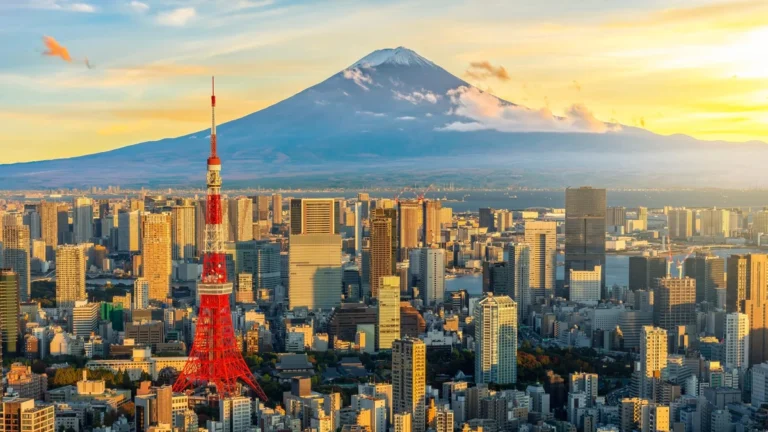
Things to Do in Kyoto: The Thousand Gates of Fushimi Inari, the Golden Pavilion and the Bamboo Grove of Arashiyama
Kyoto does not shout. The old capital of Japan whispers: a vermilion gate tunnel climbing a holy mountain, a pavilion of gold mirrored in a still pond, a wooden stage held above a hillside without a single nail, and lanes of dark timber houses. The best things to do in Kyoto reward early risers and…
Kyoto does not shout. The old capital of Japan whispers: a vermilion gate tunnel climbing a holy mountain, a pavilion of gold mirrored in a still pond, a wooden stage held above a hillside without a single nail, and lanes of dark timber houses. The best things to do in Kyoto reward early risers and slow walkers, because the great sights cluster in walkable districts and change with the light.
This guide plans the city the practical way: the eight sights that matter most, verified ticket prices in yen from official pages, and the quieter corners that turn a good trip into a great one. Kyoto also works well for Muslim and family travellers with a little planning, with certified halal kitchens and honestly mapped prayer options below.
Stay here: Hotel Granvia Kyoto
A hotel built directly into the JR Kyoto Station building, an escalator ride above the central ticket gates, with the Shinkansen platforms, the subway and the bus terminal under the same roof. For travellers building day trips to Nara or Uji into a Kyoto stay, no address in the city saves more time.
Kyoto at a Glance

| Detail | What to Know |
|---|---|
| Country | Japan |
| Region | The Kansai region of Honshu, about 370 kilometres west of Tokyo |
| Best for | First time visitors, history lovers, garden lovers and photographers |
| Famous for | About 1,600 temples and 400 shrines, 17 UNESCO World Heritage sites, and the best preserved old streets in Japan |
| Currency | Japanese yen (JPY); carry cash for temple gates |
| Getting around | City buses on a flat fare, two subway lines, JR and private railways |
| Halal food | Certified halal ramen downtown, halal in Arashiyama, kaiseki by reservation |
| Prayer | Masjid Kyoto near the Imperial Palace, plus a second mosque and prayer rooms below |
Quick Picks
Best Iconic Sights

- Fushimi Inari Taisha and its thousand gates
- Kinkaku-ji, the Golden Pavilion
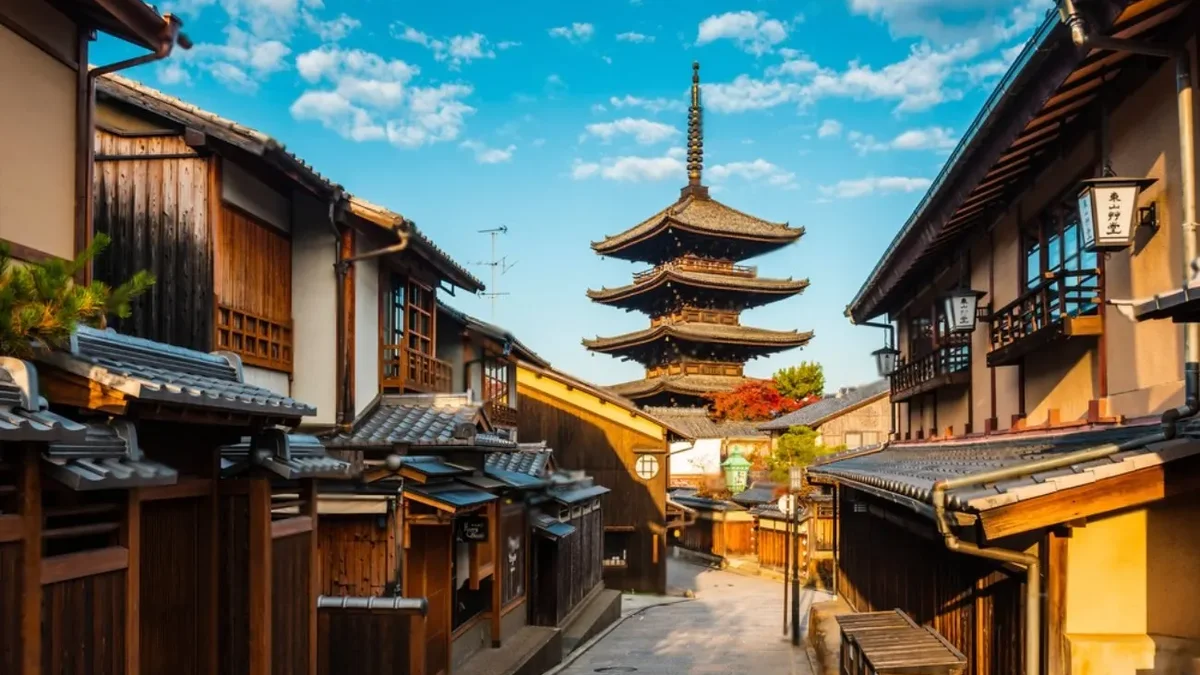
- Kiyomizu-dera above the Sannenzaka lanes
- Nijo Castle and the nightingale floors
Best for Families
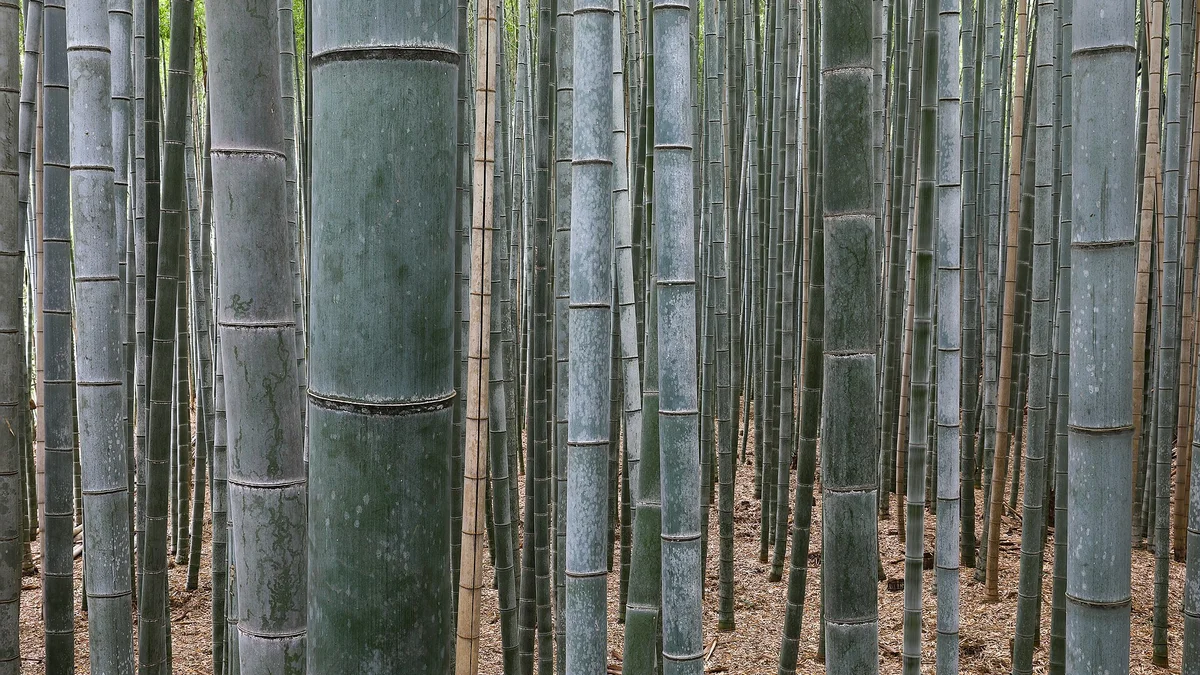
- Arashiyama Bamboo Grove and Tenryu-ji garden
- The Sagano Romantic Train along the Hozu gorge
- Nishiki Market, the Kitchen of Kyoto
- A Nara day trip to the Great Buddha and the deer park
Best Free and Low Cost

- Fushimi Inari Taisha, free at every hour
- The Arashiyama Bamboo Grove path, free to walk
- Gion and Hanamikoji Street at dawn or dusk
- The Path of Philosophy canal walk in Higashiyama
The Top Things to Do in Kyoto

The eight experiences below are ranked in the order most first time visitors should meet them. Prices are the adult rates on the official pages checked for this guide; several Kyoto sights raised their fees recently, so confirm on the official site before you set out. The halal kitchens of the city are mapped in the Where to Eat section; readers planning a food led trip will also enjoy our guide to how food tourism is shaping modern travel.
1. Fushimi Inari Taisha: The Mountain of a Thousand Gates

Best for

The signature walk of Kyoto, part shrine visit and part mountain hike; go at dawn for quiet gates.
Address: 68 Fukakusa Yabunouchi-cho, Fushimi-ku, Kyoto 612-0882.
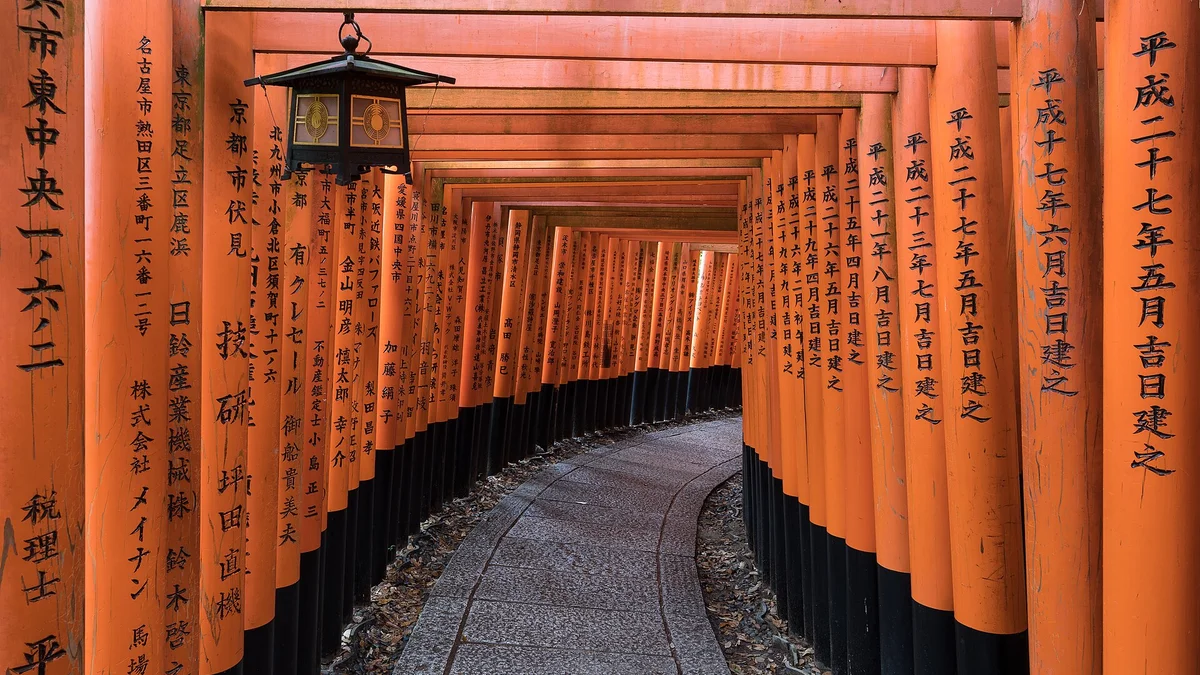
Fushimi Inari Taisha is the head shrine of some 30,000 Inari shrines across Japan, founded in the year 711 on the slopes of Mount Inari. Around ten thousand vermilion torii gates line the trails that climb the mountain, each donated by a business or a family. Near the base the gates form the famous Senbon Torii twin tunnels, where the light falls in orange stripes.
Most visitors turn back at the tunnels, which is a mistake. Keep climbing and the crowds thin within minutes: stone fox statues guard small shrines along the path, and the Yotsutsuji lookout, roughly halfway up, opens a full panorama over the city. The complete loop over the 233 metre summit runs about four kilometres and takes two to three hours; at dawn, with mist in the gates, it is one of the great free experiences of Japan.
Do not miss
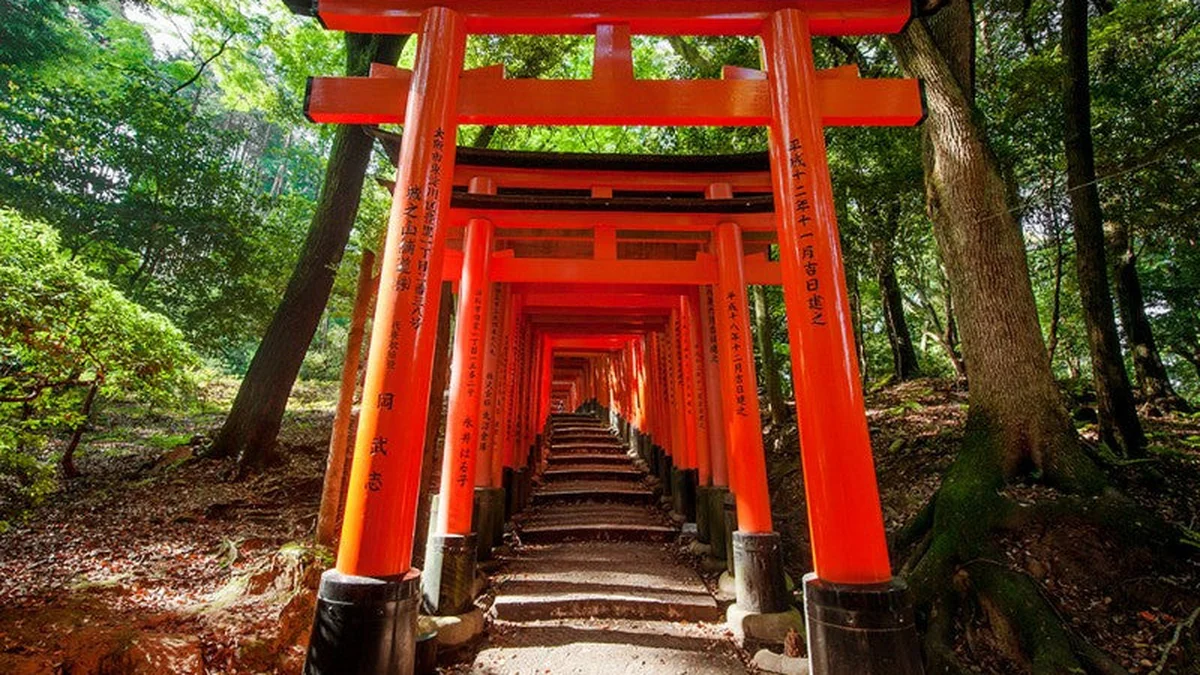
The Senbon Torii twin tunnels at the start, the city panorama from the Yotsutsuji lookout, and the quiet shrine clusters above the lookout.
Practical info

Entry is free and the grounds stay open at every hour. Ride the JR Nara Line to Inari Station, about five minutes from Kyoto Station, or walk five minutes from Fushimi-Inari Station on the Keihan line. Wear real walking shoes for the steep stone steps.
Start before 7:00 or after 17:00: the gates glow in low light and the tour groups are gone.
Insider tip
2. Kinkaku-ji: The Golden Pavilion
Best for

The single most famous view in Kyoto; a short, one way garden route.
Address: 1 Kinkakuji-cho, Kita-ku, Kyoto 603-8361.
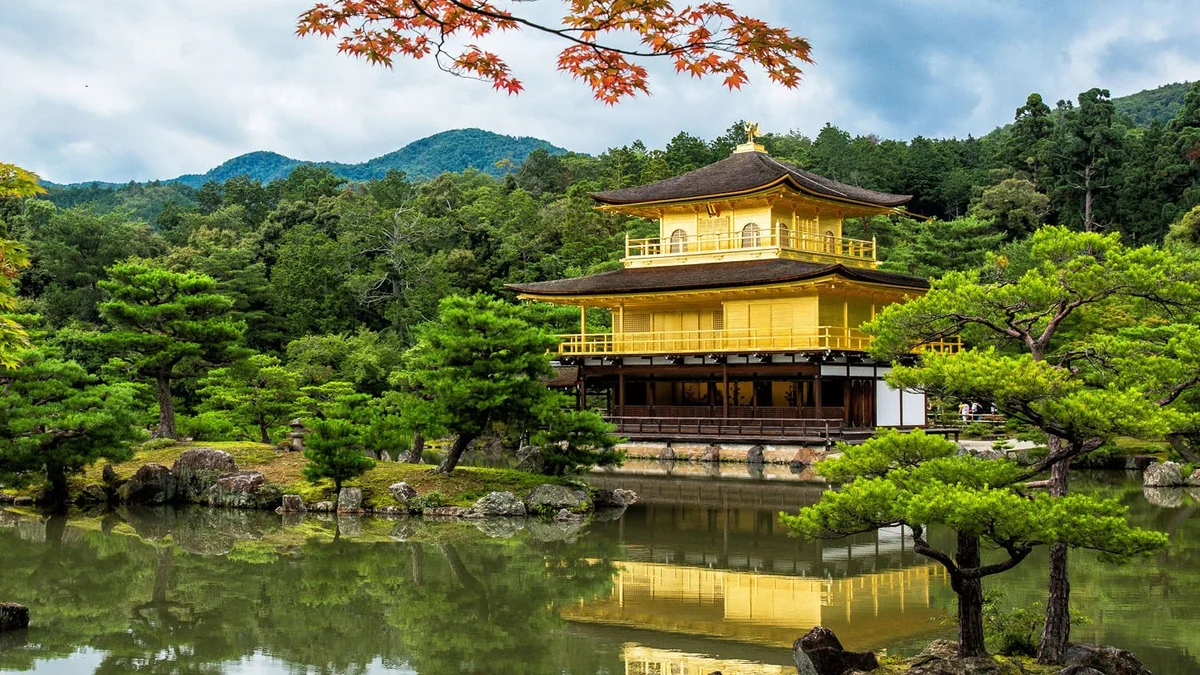
Kinkaku-ji, formally Rokuon-ji, is a Zen temple of the Shokoku-ji school that began as the retirement villa of the shogun Ashikaga Yoshimitsu in 1397 and became a temple after his death. The Golden Pavilion itself is a relics hall of three storeys in three different architectural styles. The upper two floors are covered in pure gold leaf, last reapplied in 1987.
The present building dates from 1955, rebuilt after a fire, and is viewed from outside, across the Kyoko-chi Mirror Pond that doubles it in reflection. The visit runs as one walking route past the pavilion and up through the garden, past sculpted pines and the Sekkatei teahouse near the exit.
Do not miss
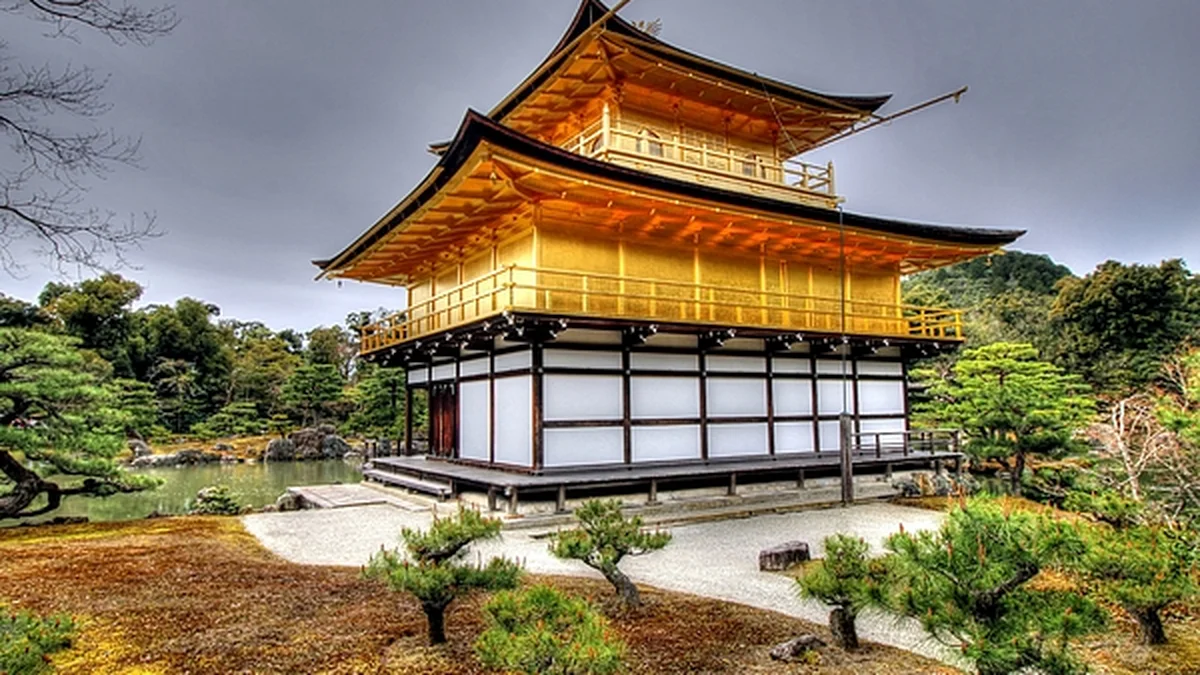
The first viewpoint across the Mirror Pond, and the Sekkatei teahouse lookout near the exit.
Practical info

The grounds open from 9:00 to 17:00 daily. Admission costs ¥500 for adults and ¥300 for elementary and junior high school students, paid at the gate; bring cash, because there is no online booking and the ticket is a paper talisman. Allow about one hour. City bus 101 or 205 from Kyoto Station takes about 40 minutes.
Arrive at the 9:00 opening: the reflection in the pond is sharpest in the first half hour, before the breeze and the crowds arrive.
Insider tip
3. Kiyomizu-dera and the Sannenzaka Lanes
Best for

The classic Higashiyama morning: a great temple stage, preserved lanes and craft shops in one uphill walk.
Address: 1-294 Kiyomizu, Higashiyama-ku, Kyoto 605-0862.
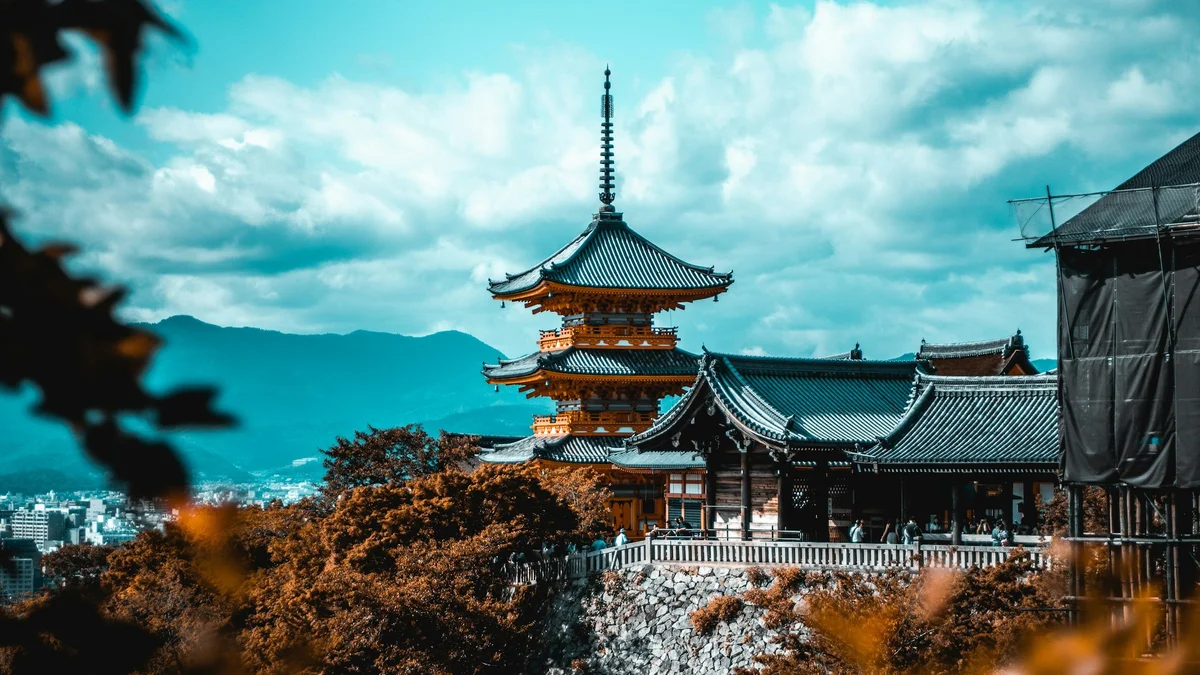
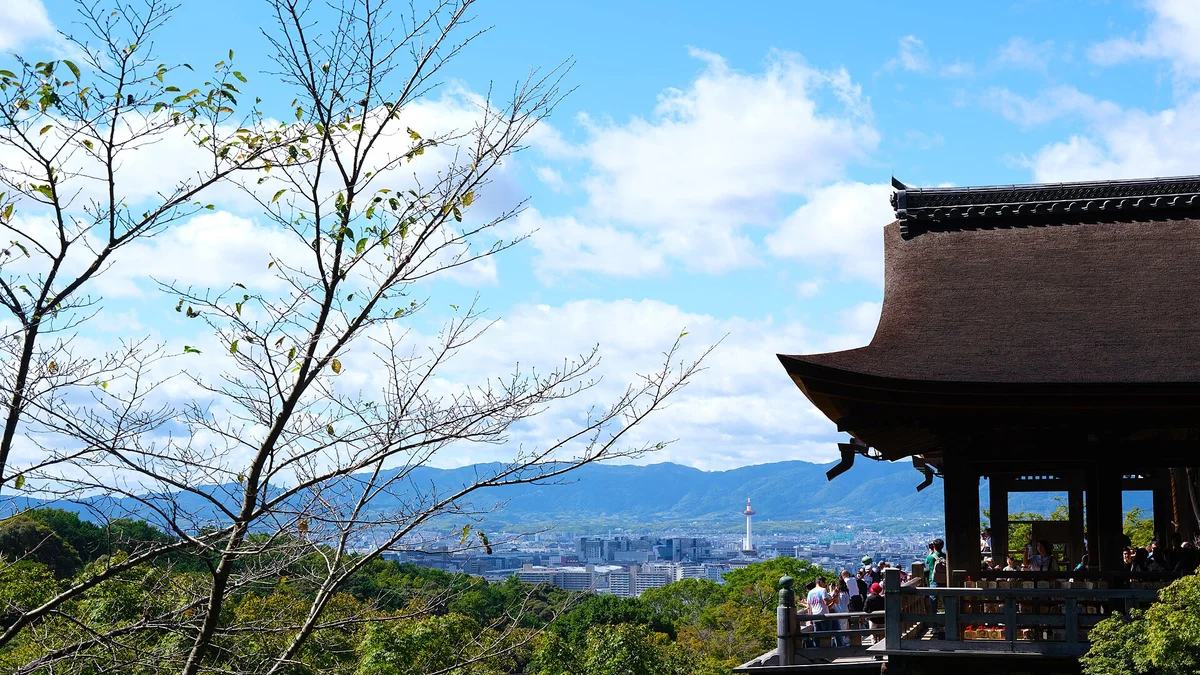
Kiyomizu-dera, the temple of pure water, was founded in the year 778, and its Main Hall, rebuilt in 1633, is one of the wonders of wooden construction in Japan. The hall projects over the hillside on a stage held nearly 13 metres above the slope by tall timber pillars locked together without a single nail, and the view runs across the maple valley to the rooftops of the city. Below the hall, the Otowa Waterfall divides into three streams of spring water.
Two preserved lanes, Sannenzaka and Ninenzaka, climb to the gate in stone steps, wooden machiya townhouses, pottery studios and tea houses, in a protected historic district. Come early and the lanes feel like a film set; by late morning they are a slow river. The three storey Koyasu Pagoda, south of the hall, gives the best photograph of the stage itself.
Do not miss

The stage view across the valley, the Otowa Waterfall, and Ninenzaka in the first hour of the day.
Practical info

The temple opens from 6:00 to 18:00, later in July and August and on set evening opening dates. Admission costs ¥500 for adults and ¥200 for elementary and junior high school students, with no closing days. The bus stops are closer than Kiyomizu-Gojo Station on the Keihan line, a walk of about 20 to 25 minutes.
Be at the gate for the 6:00 opening, then walk down Sannenzaka as the shops open; the same lane at noon is a far busier place.
Insider tip
4. Arashiyama Bamboo Grove and Tenryu-ji
Best for

A half day in the west of the city: a World Heritage garden, a forest of bamboo and a famous river bridge.
Address: Tenryu-ji, 68 Susukinobaba-cho, Saga-Tenryuji, Ukyo-ku, Kyoto.
Arashiyama keeps its two headline sights a few steps apart. Tenryu-ji, founded in 1339 and ranked first among the five great Zen temples of Kyoto, guards the Sogenchi pond garden, the first garden in Japan designated a historic site and special place of scenic beauty. The pond borrows the wooded hills behind it as part of the composition.
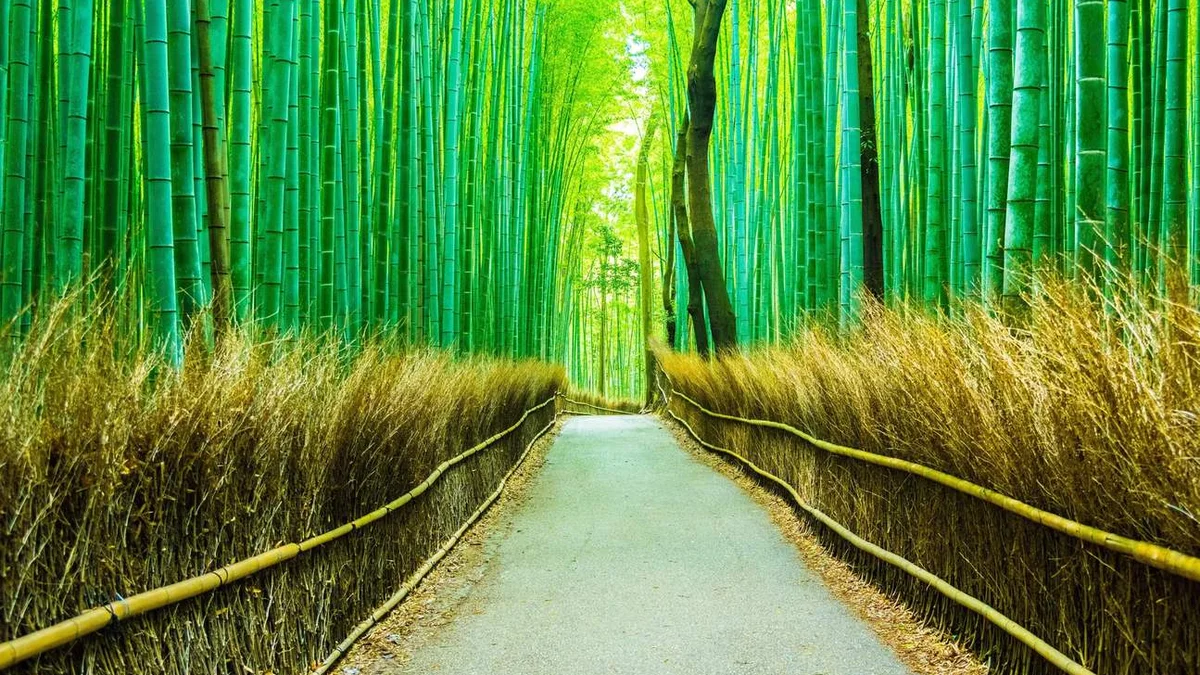
Leave the temple by the north gate and you step straight into the Bamboo Grove, a path of about 400 metres between walls of giant bamboo that creak and knock together overhead. The grove is free and takes ten quiet minutes to walk; the rest of the district fills the half day, from the Nonomiya Shrine clearing to the Togetsukyo Bridge, 155 metres over the Katsura River.
Do not miss

Enter Tenryu-ji first, cross the garden, and exit by the north gate into the grove, against the flow of the crowds. Finish on Togetsukyo Bridge.
Practical info

The Tenryu-ji garden opens from 8:30 to 17:00, with last admission at 16:50. Garden admission costs ¥500 for high school students and older and ¥300 for elementary and middle school students; the temple buildings add ¥300, and the Cloud-Dragon painting in the Dharma Hall adds ¥500 on weekends, holidays and set special periods. The buildings close without notice for ceremonies on some days, so check the official page first. JR Saga-Arashiyama Station is about 13 minutes on foot.
The grove at 7:30 is a green cathedral with birdsong; at 11:00 it is a queue. Set the alarm.
Insider tip
5. Ginkaku-ji and the Path of Philosophy
Best for

Quiet gardens, raked sand and moss, followed by the most local walk in the Higashiyama hills.
Address: 2 Ginkakuji-cho, Sakyo-ku, Kyoto 606-8402.
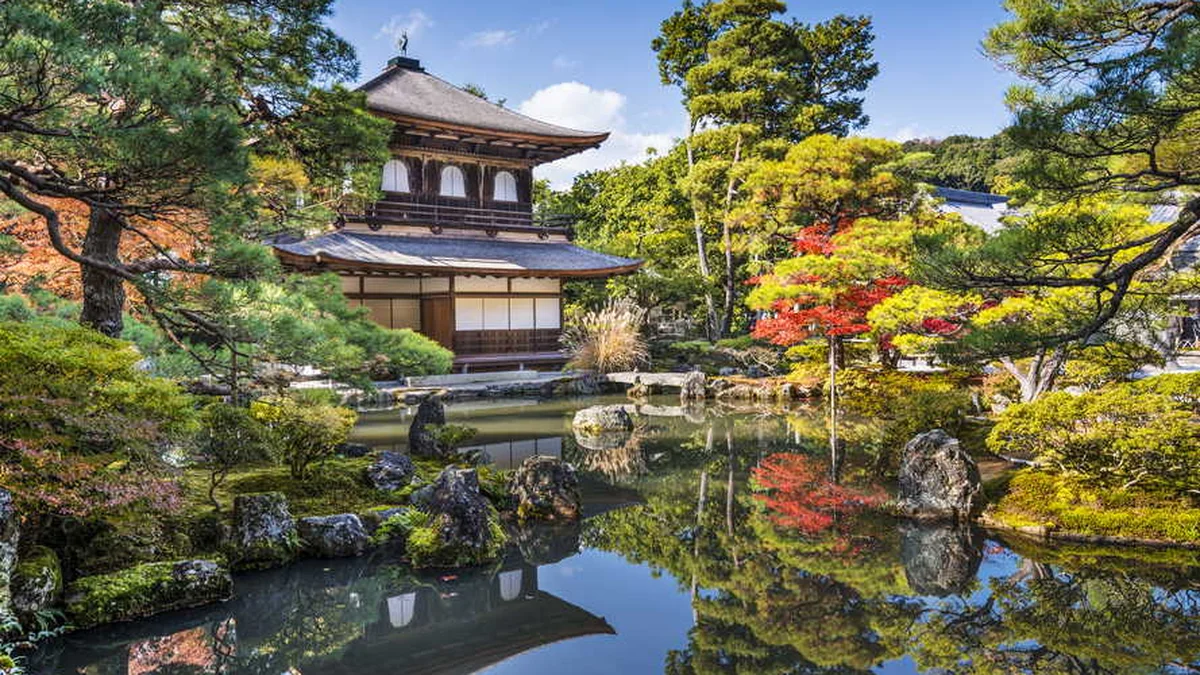
Ginkaku-ji, formally Jisho-ji, began as the Higashiyama retreat of the shogun Ashikaga Yoshimasa, the grandson of the builder of the Golden Pavilion. The Silver Pavilion was never covered in silver at all: it stands in dark, quiet timber, and the name arrived in a later century by contrast with the gold of Kinkaku-ji. The pavilion, a National Treasure, is viewed from a garden of raked white sand, where a flat sea of gravel and a perfect sand cone catch the light.
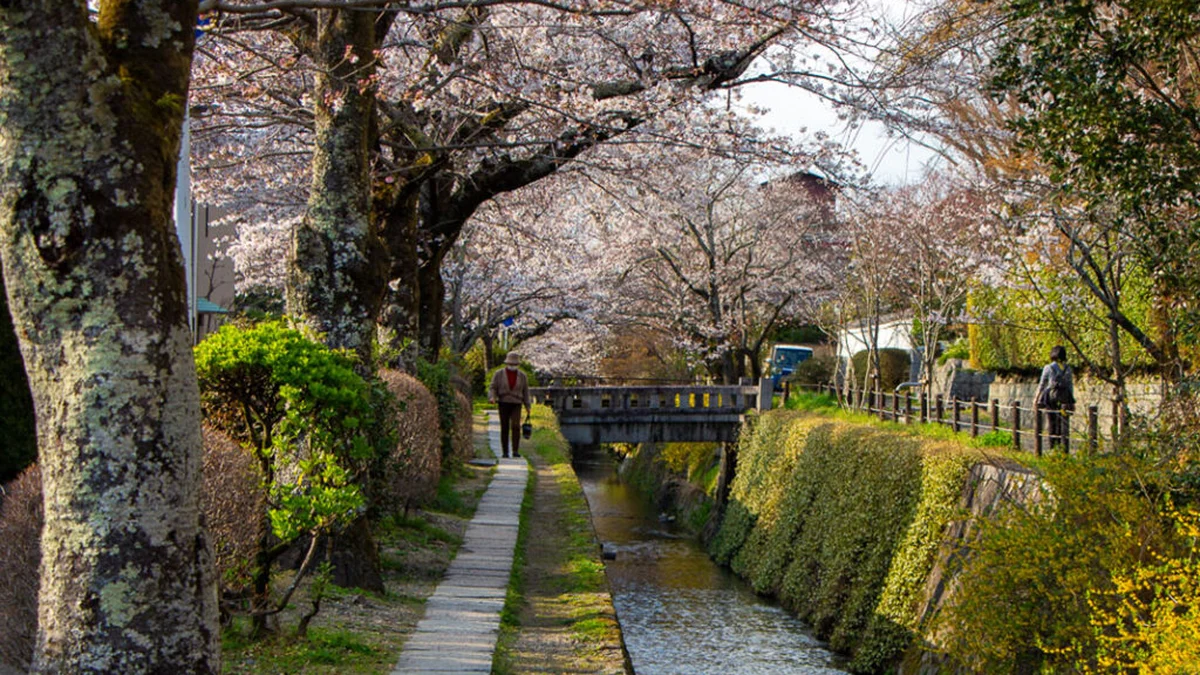
The route climbs through a moss garden to a viewpoint over the grounds. The Path of Philosophy, named for a Kyoto philosopher who walked it daily in thought, then follows a tree lined canal south for about two kilometres toward Nanzen-ji. In spring the canal banks carry cherry blossom; in late autumn the maples take over.
Do not miss
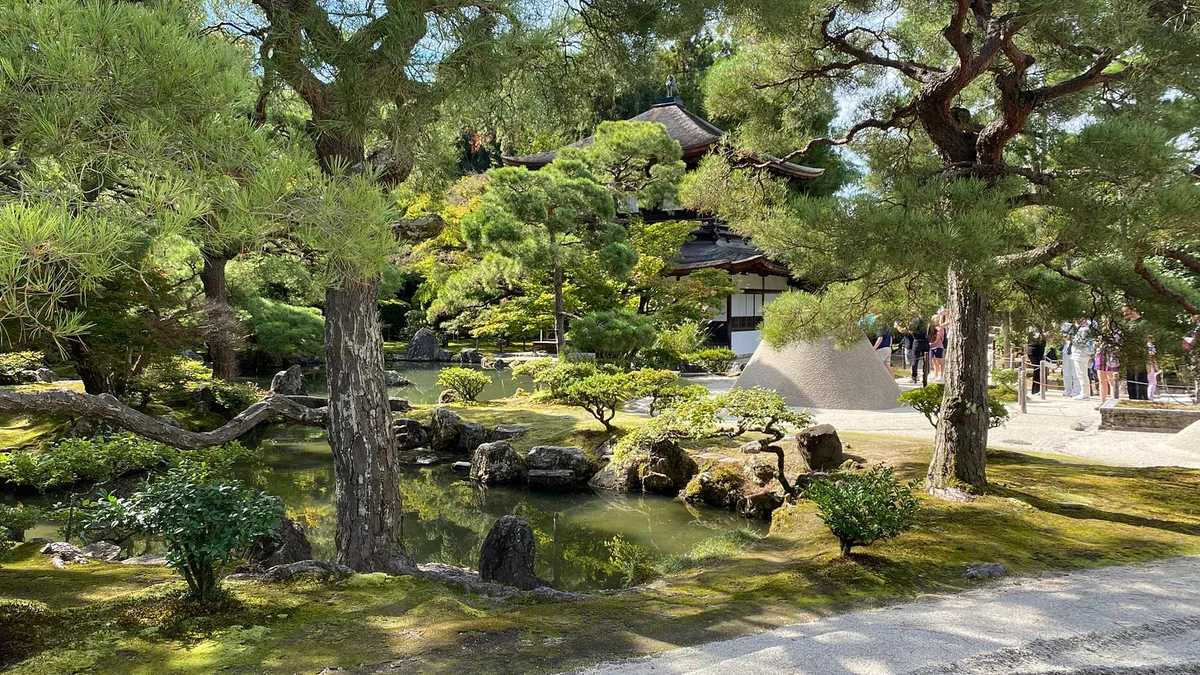
The sand garden from the upper viewpoint, the moss garden behind the hall, and the first kilometre of the canal path.
Practical info
The temple opens from 8:30 to 17:00 from March to November and from 9:00 to 16:30 from December to February. Admission costs ¥1,000 for adults (high school and older) and ¥500 for elementary and junior high students. The fee rose in April 2026, the first rise in 32 years; older guides still print ¥500. Allow one hour for the temple and one more for the canal walk.
Visit Ginkaku-ji at opening, then walk the canal path south toward Nanzen-ji and a yudofu tofu lunch.
Insider tip
6. Nijo Castle: The Palace of the Shogun

Best for

The one great palace interior of Kyoto; allow a full two hours.
Address: 541 Nijojo-cho, Nakagyo-ku, Kyoto 604-8301.
Nijo Castle was built in 1603 as the Kyoto residence of Tokugawa Ieyasu, founder of the Tokugawa shogunate, and survives as the finest castle palace in Japan. Behind the moat and stone walls stands the Ninomaru Goten Palace, six connected buildings where the shogun received the lords of Japan in rooms graded by rank. The palace is famous for its nightingale floors: the boards chirp like birdsong under every footstep, a security system that announced intruders, and the sound follows you through painted screens and carved transoms.
Photography is prohibited inside the palace, which turns the visit into pure looking. Outside, the Ninomaru Garden arranges a pond, islands and pines around the palace, and the platform of the former keep opens a view over the roofs of the city. The Honmaru Palace, in the inner enclosure, is visited on a separate ticket booked online in advance.
Do not miss

The nightingale floors, and the great audience chamber where the last shogun returned power to the emperor in 1867.
Practical info

Admission runs from 8:45 to 16:00 and the gates close at 17:00. The combined ticket, grounds with the Ninomaru Palace, costs ¥1,300 for adults; grounds alone cost ¥800. The Honmaru Palace adds ¥1,000 and requires an advance reservation on the official website, released 30 days ahead. The Ninomaru Palace closes on Tuesdays in January, July, August and December, and the castle closes from 29 to 31 December.
Show a one day subway pass at the ticket window: the castle gives a small discount on the grounds ticket to pass holders.
Insider tip
7. Ryoan-ji: The Rock Garden

Best for

The most famous Zen garden in the world; a short, still visit that pairs with Kinkaku-ji.
Address: 13 Ryoanji Goryonoshita-cho, Ukyo-ku, Kyoto.
The rock garden of Ryoan-ji, created around the end of the 15th century, is the purest statement of Zen landscape art ever made: fifteen stones in five clusters, set in a rectangle of raked white gravel and enclosed by a weathered clay wall. From any seat on the viewing veranda one stone always slips out of sight, and visitors have argued for five centuries over what the garden means. The honest answer is that it means what stillness gives you: sit down, stop counting, and let the gravel do its work.
The wider grounds hold the Kyoyochi pond, ringed with maples and pines. Near the veranda stands a stone water basin carved with a four character lesson in contentment. Ryoan-ji asks less time than any headline sight in Kyoto and gives back more calm per minute.
Do not miss

Ten full minutes on the veranda without a camera; the pond garden after the rocks; and the stone basin.
Practical info

The grounds open from 8:00 to 17:00 from March to November and from 8:30 to 16:30 from December to February. Admission costs ¥600 for adults, with reduced rates for school students. Allow about one hour. Kinkaku-ji stands about twenty minutes away, and the two temples make the classic northwest Kyoto pairing.
Come on a weekday morning and sit at the far left of the veranda, away from the tour groups.
Insider tip
Stay here: Cross Hotel Kyoto
A hotel at 71-1 Daikoku-cho on Kawaramachi-dori downtown, opened in 2018 with 301 rooms in warm wood and washi paper tones. Sanjo Station and Kyoto Shiyakusho-mae subway station are about four minutes on foot, Nishiki Market and the Ayam-YA halal ramen kitchen are streets away, and Gion begins about ten minutes east.
8. Gion and Hanamikoji Street: The Old Streets at Dusk

Best for

An early morning or early evening walk through the best preserved streetscape of old Kyoto; nothing to book.
Address: Hanamikoji-dori, Higashiyama-ku, running south from Shijo-dori to Kennin-ji Temple.
Gion is the historic quarter on the east bank of the Kamo River, a grid of lanes of wooden machiya townhouses with lattice fronts. Hanamikoji, the main street, runs south from Shijo-dori past preserved teahouse facades to the gate of Kennin-ji, the oldest Zen temple in the city, and a walk down it at dusk, as the lanterns come on, is the closest thing Kyoto offers to time travel. North of Shijo-dori, the Shirakawa lane follows a willow lined canal.
Gion is also a living neighbourhood, and the visit comes with rules that matter. The main streets are public, but the narrow lanes branching off Hanamikoji are private: the local council has closed designated private lanes to visitors, signs mark them clearly, and photography in those lanes is banned under the council rule, with signs warning of a penalty. Geiko and maiko, the artists who work in the quarter, are residents on their way to appointments: never follow, block or photograph them without permission.
Do not miss

Hanamikoji in the last hour of daylight, the Shirakawa canal lane, and the view up Shijo-dori to the vermilion west gate of Yasaka Shrine.
Practical info

The streets are free at any hour. The district is quietest before 8:00 and most atmospheric in the hour before dark.
Walk Hanamikoji twice: once at dawn, when the lane belongs to the residents, and once at dusk for the lanterns.
Insider tip
More Worth Your Time in Kyoto
Three more stops earn a place in any Kyoto plan: a market, a museum and a little train.
Nishiki Market: The Kitchen of Kyoto

Nishiki Market is a covered shopping lane of about 400 metres downtown, where over one hundred food shops have traded for four centuries. The stalls sell the pantry of Kyoto cooking: pickles, tofu, yuba, tea, matcha sweets and knives from Aritsugu, founded by a master swordsmith in 1560. Graze carefully: many stalls serve seafood and egg dishes, and stocks and gelatin hide in unexpected places, so ask before tasting. The market rule is posted everywhere: eat beside the stall rather than walking with food. Most shops open by 9:00 or 10:00 and close by 17:00 or 18:00; some close on Wednesdays. Entry is free.
Kyoto National Museum
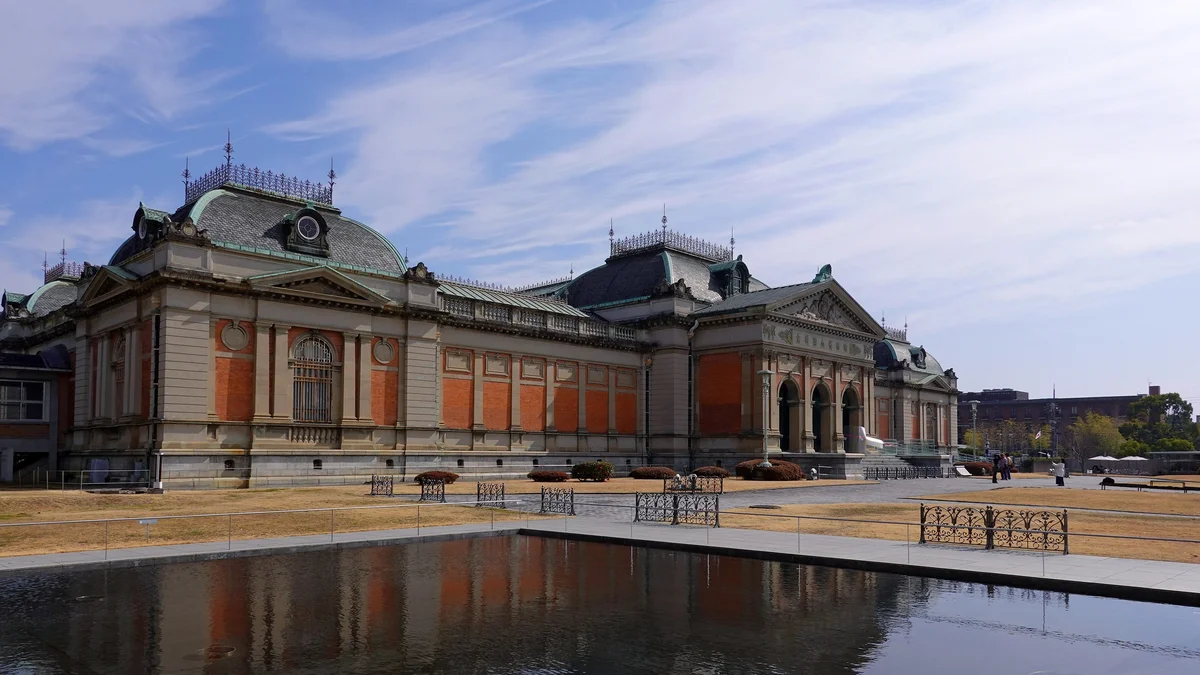
The Kyoto National Museum, housed in a red brick hall of 1895 in Higashiyama, holds temple treasures from across Kyoto: sculpture, painted screens, calligraphy, ceramics and swords. A collection exhibition costs ¥700 for adults and ¥350 for university students, visitors under 18 enter free, and a garden only ticket costs ¥300; special exhibitions cost more. The museum opens from 9:30 to 17:00, to 20:00 on Fridays during collection exhibitions, and closes on Mondays. It stands at 527 Chaya-cho, Higashiyama-ku, a short walk from Kiyomizu-dera: the best bad weather plan in the city.
Sagano Romantic Train
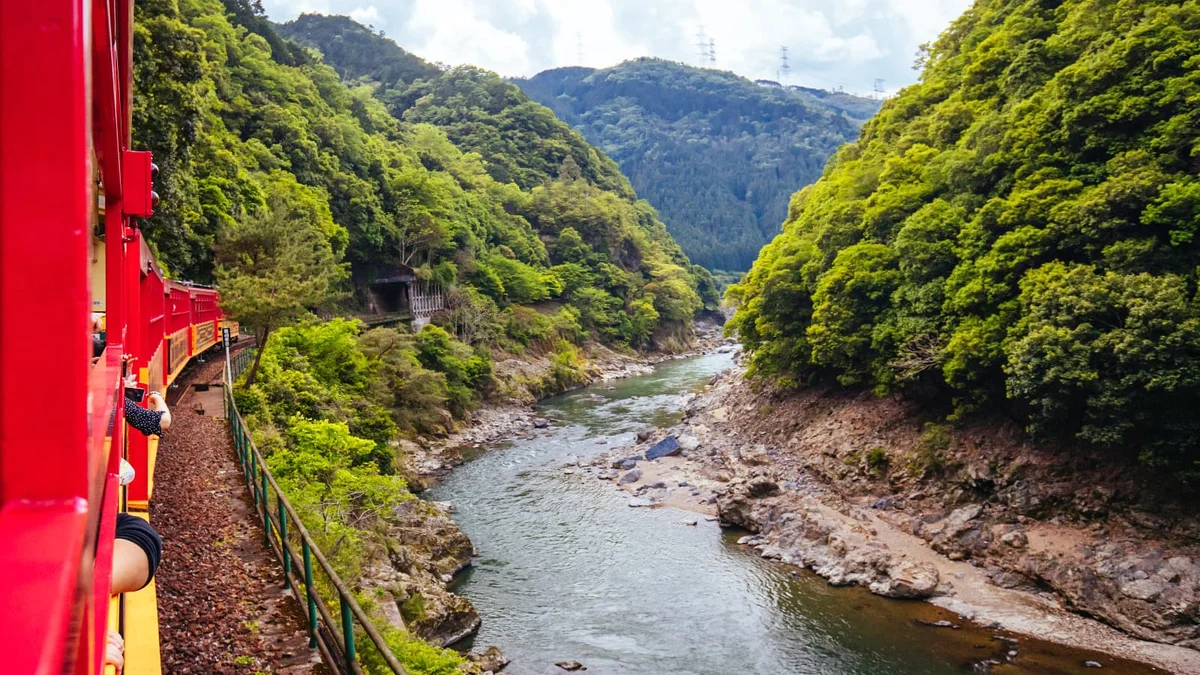
The Sagano Romantic Train, also called the Sagano Scenic Railway, runs from Torokko Saga Station, beside JR Saga-Arashiyama, to Torokko Kameoka through the Hozu River gorge: 25 minutes of cliffs, tunnels and river views from retro carriages, one open sided. The flat one way fare costs ¥880 for adults and ¥440 for children, every seat is reserved, and trains leave Torokko Saga hourly from 9:02 to 16:02. The railway runs from March to late December, closes on Wednesdays outside peak periods and public holidays, and stops entirely in January and February. Online booking opens one month ahead at midnight Japan time, and peak season trains sell out; same day tickets are sold at the station counters from about 8:35 while seats last.
Kyoto Attractions Compared
The table below lines up all eleven stops with district, adult entry price and time needed.
| Attraction | Area | Adult entry | Time needed |
|---|---|---|---|
| Fushimi Inari Taisha | Fushimi, south Kyoto | Free | 1.5 to 3 hours |
| Kinkaku-ji | Northwest Kyoto | ¥500 | About 1 hour |
| Kiyomizu-dera | Higashiyama | ¥500 | 1.5 to 2 hours |
| Arashiyama Bamboo Grove and Tenryu-ji | Arashiyama, west Kyoto | Grove free; garden ¥500 | Half a day |
| Ginkaku-ji | Northern Higashiyama | ¥1,000 | 1 to 2 hours |
| Nijo Castle | Central Kyoto | ¥1,300 combined | About 2 hours |
| Ryoan-ji | Northwest Kyoto | ¥600 | About 1 hour |
| Gion and Hanamikoji Street | Higashiyama | Free | 1 to 1.5 hours |
| Nishiki Market | Downtown | Free to enter | 1 to 2 hours |
| Kyoto National Museum | Higashiyama | ¥700 | 1.5 to 2 hours |
| Sagano Romantic Train | Arashiyama to Kameoka | ¥880 one way | 25 minutes plus waiting |
Kyoto Itineraries: One, Two and Three Days
Kyoto rewards district days: the sights cluster in the east, the northwest and the west. Build your kyoto 3 day itinerary from the table below.
| Length | Where you go | Why it works |
|---|---|---|
| 1 day | Fushimi Inari at dawn, Kiyomizu-dera and the Sannenzaka lanes by mid morning, Gion and Hanamikoji at dusk | The mountain of gates, the great stage and the old streets in one day |
| 2 days | Day one as above; day two in the northwest and centre: Kinkaku-ji, Ryoan-ji, then Nijo Castle | Gold, stone and the palace of the shogun, with no backtracking |
| 3 days | Add an Arashiyama day: Tenryu-ji, the Bamboo Grove and the Sagano Romantic Train; or swap it for a Nara or Uji day trip | The west of the city at full depth, or a first taste of Kansai |
Book Tickets Before You Go

Most Kyoto temples sell tickets at the gate, so the table below lists only the five sights where the official page genuinely saves time or money.
| Attraction | Adult price | Official ticket page |
|---|---|---|
| Nijo Castle (grounds and Ninomaru Palace) | ¥1,300 | Nijo Castle official site |
| Tenryu-ji garden | ¥500 | tenryuji.com admission |
| Kinkaku-ji | ¥500 | shokoku-ji.jp Kinkaku-ji |
| Kyoto National Museum (collection exhibition) | ¥700 | kyohaku.go.jp |
| Sagano Romantic Train | ¥880 one way | sagano-kanko.co.jp tickets |
Where to Stay in Kyoto
Top 3 hotels in Kyoto
Explore all hotels >- Hotel Granvia Kyoto ★★★★★
- Cross Hotel Kyoto ★★★★
- The Thousand Kyoto ★★★★★

Kyoto divides into stay zones with clear trade offs. Kyoto Station is the transport fortress, unbeatable for day trips and early trains. Downtown, around Shijo and Kawaramachi, is the eating and shopping heart. Gion and Higashiyama put the old lanes at your door and charge for the privilege. Arashiyama is the quiet green base.
| Area | Best for | Character | Price level |
|---|---|---|---|
| Kyoto Station | Day trips and first visits | Transport hub, every line in reach | Mid to high |
| Downtown (Shijo and Kawaramachi) | Food led trips and shoppers | Nishiki Market and halal kitchens nearby | Mid to high |
| Gion and Higashiyama | Atmosphere and short stays | Old lanes, temples at dawn, premium rates | High |
| Arashiyama | Slow travellers and nature lovers | River and bamboo, quiet evenings | Mid |
Hotel Granvia Kyoto

Hotel Granvia Kyoto is built directly into the JR Kyoto Station building, an escalator ride above the central ticket gates, with the Shinkansen platforms, the subway and the bus terminal under the same roof. Opened in 1997 as the flagship of JR West Hotels, it works like a small city, with restaurants and over a thousand pieces of contemporary art. For travellers building day trips to Nara or Uji into a Kyoto stay, no address in the city saves more time.
Cross Hotel Kyoto

Cross Hotel Kyoto, an ORIX Hotels and Resorts property, stands at 71-1 Daikoku-cho on Kawaramachi-dori downtown, opened in 2018 with 301 rooms in warm wood and washi paper tones. Sanjo Station and Kyoto Shiyakusho-mae subway station are about four minutes on foot, Nishiki Market and the Ayam-YA halal ramen kitchen are streets away, and Gion begins about ten minutes east.
Where to Eat in Kyoto

Eating halal in Kyoto takes more planning than in Tokyo or Osaka, but the city holds a small documented scene: certified kitchens downtown and in Arashiyama, temple vegetarian cooking, and one famous trap, the pork based ramen broth, flagged clearly below. Readers building a trip around food should start with our explainer on how food tourism is shaping modern travel, then use the kitchens here as the Kyoto chapter.
Halal Food in Kyoto
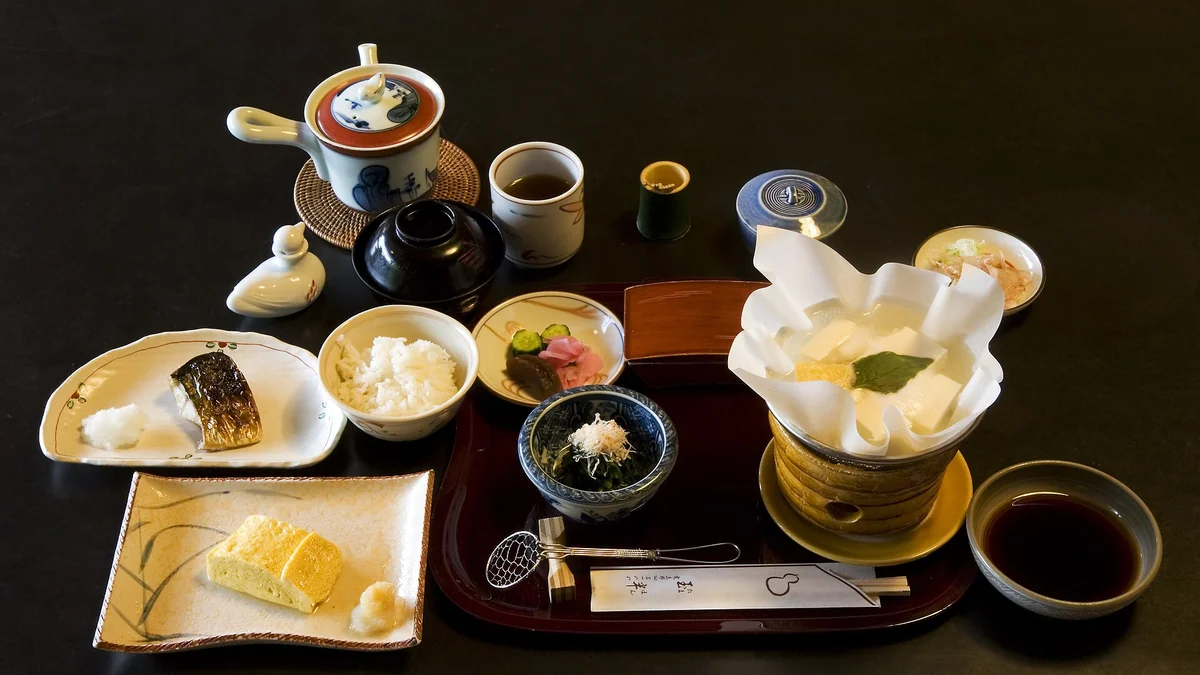
Ayam-YA Karasuma is the first name to know: a halal ramen shop on the first floor of the Douka Building at 470 Kannondo-cho, Nakagyo-ku, a short walk from Karasuma and Shijo stations. The kitchen works on rich chicken broth with no pork and no alcohol in the cooking, halal guides describe it as one of the few halal certified ramen shops in the city, and the menu runs from soy sauce and salt ramen to spicy bowls and halal fried chicken. A prayer room is available for guests. Hours run in lunch and dinner sittings and change by day, so check before a special trip. CERTIFIED HALAL, per the listings checked for this guide.
Yoshiya, at 31 Sagatenryuji Tsukurimichi-cho, Ukyo-ku, is the Arashiyama answer: a long established restaurant near Tenryu-ji serving seasonal Kyoto set meals, soba and tempura. Yoshiya holds halal certification from the Kyoto Council for Sharia and Halal Affairs, every ingredient in its halal cooking is approved by the council, and it keeps a Japanese style prayer room and a space for wudu for guests. Pair lunch here with Tenryu-ji and the Bamboo Grove. CERTIFIED HALAL.
Okabeya, in Higashiyama about eight minutes from the Gojo-zaka bus stop, is a tofu specialist below Kiyomizu-dera. Kyoto halal guides list its house made tofu and set menus as halal certified through the Kyoto halal council. Confirm the set menu on the day, as menus rotate with the season. STATED HALAL in the guides checked for this article.
Honke Tankuma Honten, downtown in Shimogyo-ku, is the special occasion option: a traditional kaiseki house offering halal courses by advance reservation, certified through the Kyoto halal council per the guides, with a prayer space on site. Book well ahead and state your requirements plainly when reserving. HALAL COURSES ON REQUEST.
Local Dishes to Try

Kyoto cooking is gentle, seasonal and built on dashi, tofu and vegetables, and several classics suit vegetarian and careful travellers beautifully. Yudofu is the emblem: tofu simmered in a kelp broth, served in the temple districts of Arashiyama and Nanzen-ji with dipping sauces and small side dishes; the tofu is vegetarian, and it pays to ask about the sauce and sides. Shojin ryori, the vegetarian cuisine of the Buddhist temples, builds full set meals from seasonal vegetables, sesame tofu and yuba, the delicate skin skimmed from soy milk, and it is the most suitable traditional menu in the city. Matcha, the powdered green tea of nearby Uji, appears in parfaits, soft serve, cakes and noodles across town; check set sweets for gelatin. One honest warning: ramen in Kyoto is usually pork based, with pork broth and pork slices as the standard, and many sauces are seasoned with cooking sake or mirin. The certified bowl at Ayam-YA exists precisely because the default bowl is not an option.
Mosques and Prayer Facilities in Kyoto
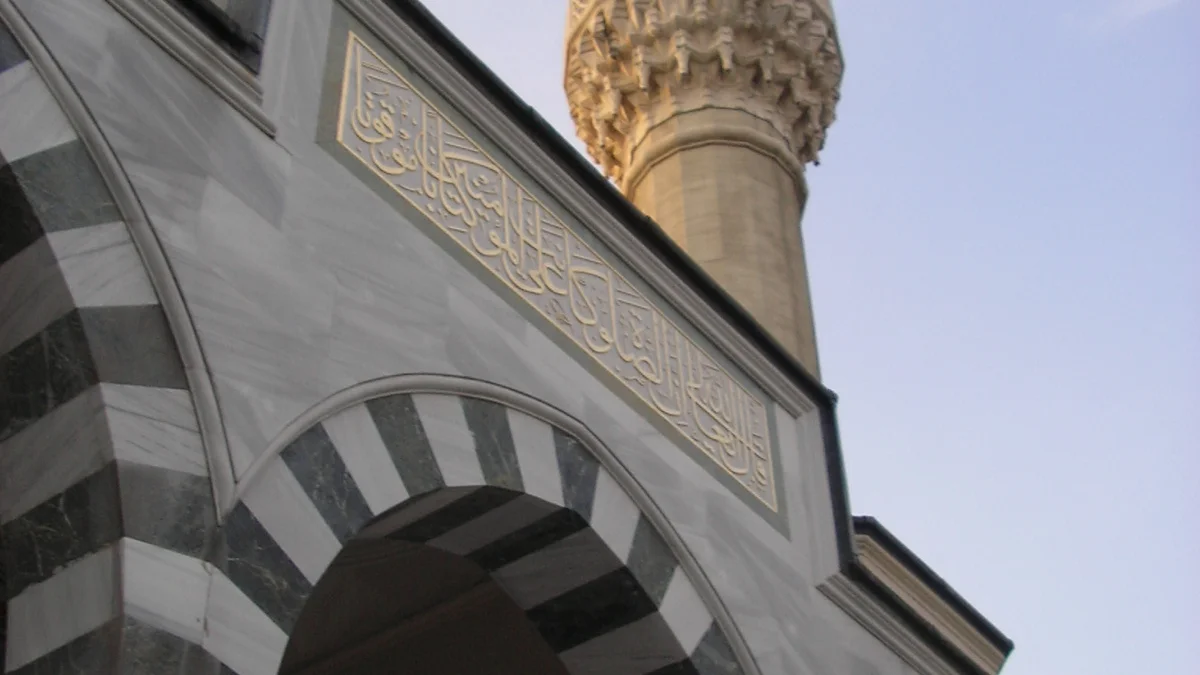
Kyoto has a short, honest list of prayer options. The main mosque is Masjid Kyoto, also called Kyoto Mosque, run by the Kyoto Muslim Association at 92 Miyagaki-cho, Kamigyo-ku, Kyoto 602-0853, near the Imperial Palace. Per the Kyoto City tourism listing, the mosque and its office open from Tuesday to Saturday, 12:00 to 18:00, closed on Sundays and Mondays; Friday prayer runs in three sessions at 12:30, 13:00 and 13:30, and the same listing notes that the Friday sessions are for men only. The phone number is +81-75-231-3499, and visits outside the open hours are possible by prior arrangement, so call ahead rather than arriving on hope.
A second mosque, Kyoto Central Masjid at 66 Tanaka Minamiokubo-cho, Sakyo-ku, is listed as open daily from early morning to 22:00. For a prayer stop during the day, the Kyoto International Community House at 2-1 Torii-cho, Awataguchi, Sakyo-ku keeps a small prayer room for up to five people, open from 9:00 to 21:00 and closed on Mondays, with no reservation needed. Near Kyoto Station, the tourist information centre keeps a prayer room used heavily in busy seasons; ask at the desk for current hours. Add the guest prayer rooms at Ayam-YA and Yoshiya, and the day plans around prayer without strain.
Getting Around Kyoto

Kyoto transport has one rule that saves every trip: buses are the sightseeing network, trains are the shortcuts. The temples stand away from the two subway lines, so flat fare city buses do the daily work, while JR and the private railways win for Arashiyama, Fushimi Inari and the day trips. Board city buses at the rear door and pay as you leave.
| Mode | Cost | Good to know |
|---|---|---|
| City bus | ¥230 flat fare in the central zone | The sightseeing backbone; board at the back, pay on exit |
| Subway and Bus 1-Day Pass | ¥1,100 adults, ¥550 children | Unlimited subway and city bus for one day; the pass to buy for temple days |
| Subway | Fares from ¥220; 1-Day Pass ¥800 | Two lines, Karasuma and Tozai; fast but away from most temples |
| JR lines | Pay per ride | Sagano Line to Arashiyama, Nara Line to Fushimi Inari, Uji and Nara |
| Taxi | Metered | Worth it for dawn starts and for groups of three or four |
One change catches visitors out: the old bus only day pass was withdrawn in 2023, replaced by the combined pass above. Kyoto City also asks visitors to keep big suitcases off crowded buses and use the luggage delivery services at the station.
What a Day in Kyoto Costs

Kyoto sits in the middle of the Japanese price range: temple fees are low and the hotel decides the budget. The table gives planning ranges per person for a sightseeing day, built from the verified prices in this guide; hotels are excluded.
| Category | Budget day | Comfortable day |
|---|---|---|
| Sightseeing entries | About ¥1,100 (Fushimi Inari free, Kiyomizu-dera, Ryoan-ji) | About ¥2,800 (Nijo Castle, Tenryu-ji with buildings, museum) |
| Transport | About ¥690 (three flat fare bus rides) | ¥1,100 (Subway and Bus 1-Day Pass) |
| Lunch | About ¥1,200 (noodle or tofu set) | About ¥2,500 (halal set lunch in Arashiyama) |
| Dinner | About ¥1,500 (halal ramen and sides) | About ¥4,000 (kaiseki style set or grill) |
| Total per person | About ¥5,000 | About ¥11,900 |
Best Time to Visit Kyoto
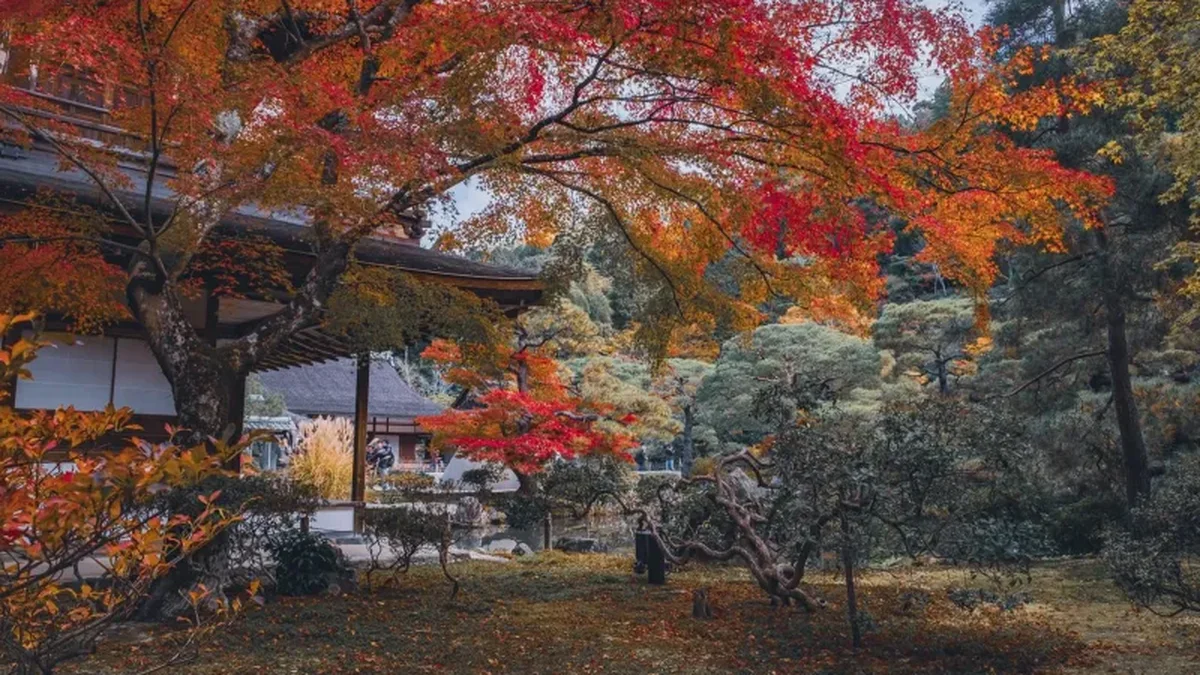
Kyoto is a four season city with two famous peaks: cherry blossom in spring and maple colour in autumn. Both bring high season crowds and prices, and both are worth it once; the quieter months reward repeat visitors with empty temples.
| Season | Months | What you get | Crowds |
|---|---|---|---|
| Spring | Late March to April | Cherry blossom at peak, mild days, gardens in flower | Very high |
| Summer | June to August | Rain in June and early July, then heat, humidity and green gardens | Moderate |
| Autumn | Mid November to early December | Maple colour at peak, cool clear days | Very high |
| Winter | December to February | Cold, bright and quiet; rare snow on the Golden Pavilion | Low |
Late October sits in the calm before the colour: gardens still green, cool air, and headline sights below peak crowds. Whenever you come, the pattern of the day matters more than the month: headline sights at opening, gardens in morning light, old lanes at dawn or dusk.
Day Trips from Kyoto
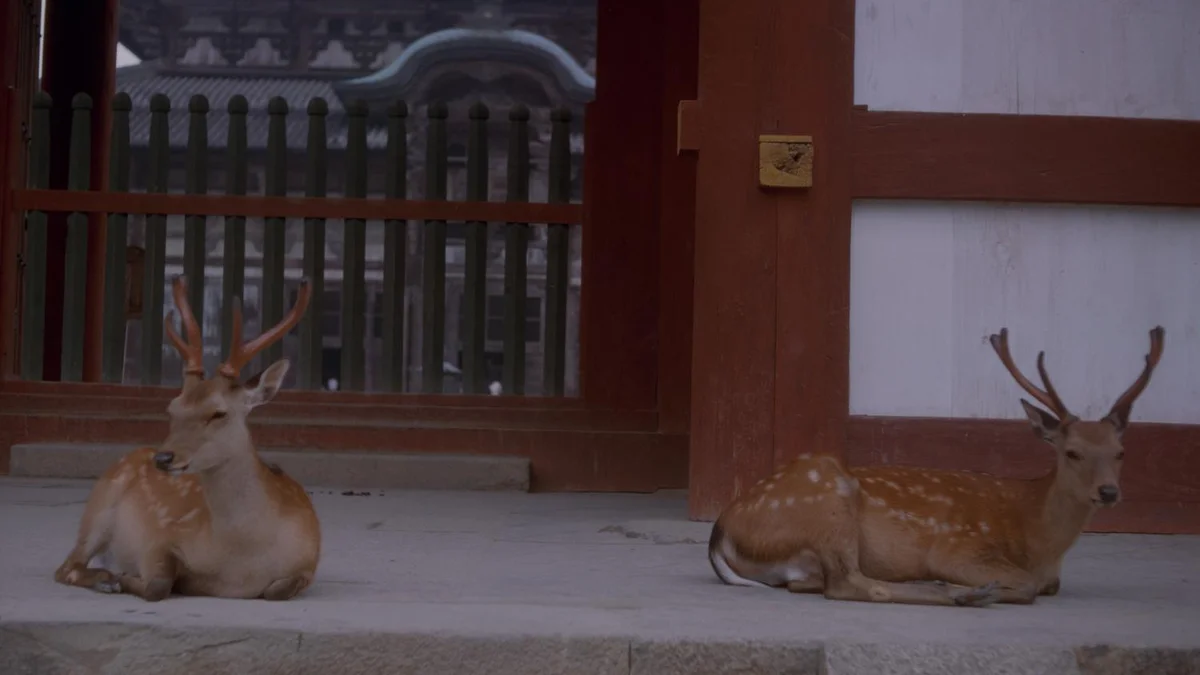
Three easy day trips leave from Kyoto Station, each under an hour away: the deer park and Great Buddha of Nara, the tea town of Uji, and the mountain village of Ohara.
Nara: The Great Buddha and the Deer Park

Nara was the capital of Japan before Kyoto, and its treasure is Todai-ji, the temple of the Great Buddha: a bronze figure about 15 metres tall in one of the largest wooden buildings in the world. The Great Buddha Hall costs ¥800 for adults, and a combined ticket with the Todai-ji Museum costs ¥1,200; the hall opens from 7:30 to 17:30 from April to October and from 8:00 to 17:00 from November to March. Around the temple spreads Nara Park, where more than a thousand deer roam free and have learned to bow for the crackers sold in the park. JR Nara Line rapid trains from Kyoto Station take about 45 minutes.
Uji: Byodo-in and the Home of Matcha

Uji, a small city south of Kyoto on the JR Nara Line, pairs the most graceful building in Japan with the most famous tea in the country. Byodo-in began as a villa in 998 and became a temple in 1052; its Phoenix Hall of 1053, poised over a pond like a bird landing on water, appears on the ten yen coin. The garden ticket costs ¥700, and visits inside the Phoenix Hall run on timed tickets bought on the day for a small extra charge. Omotesando, the lane from the station, is a parade of tea houses serving matcha in every form. Allow half a day.
Ohara: Sanzen-in and the Mountain Village

Ohara is a mountain village of rice fields and farm lanes an hour north of the station, and its heart is Sanzen-in, a temple of moss gardens and maples. Admission costs ¥700 for adults, with reduced rates for students and children, and hours shorten in winter, so check the day before. Kyoto Bus 17 runs direct from Kyoto Station in about an hour. The lane to the temple is lined with small restaurants serving yudofu tofu sets and village pickles, and a slow lunch there completes the day.
Practical Tips for Kyoto

Good to Know

- Carry cash in small notes and coins: several temples sell gate tickets for cash only.
- Start headline sights at opening time: Kiyomizu-dera opens at 6:00 and Fushimi Inari never closes.
- Book the Sagano Romantic Train online the day sales open, one month ahead.
- Temples and shrines are working religious sites: dress modestly, keep voices low, and follow the photography signs.
- An accommodation tax is charged per person per night by the hotel; the rate rises with the room price.
- Send luggage ahead with a delivery service from Kyoto Station; hotels handle the forms daily.
Good to Avoid

- Do not enter the private lanes of Gion or take photographs in them: the lanes are homes, and the local council enforces the rule.
- Do not photograph, follow or block geiko and maiko; they are residents on their way to work.
- Do not take photographs inside the Ninomaru Palace, or in any hall with a no photography sign.
- Do not eat while walking in Nishiki Market; eat beside the stall where you bought the food.
- Do not count on the old bus only day pass; it was withdrawn in 2023.
- Do not arrive at Kinkaku-ji or Kiyomizu-dera at midday in peak weeks; both sights belong to the early hours.
Final Thoughts on Kyoto
Kyoto asks for a different kind of travelling: fewer sights per day, earlier starts, longer sits on garden verandas. Give the city that pace and it gives back the finest old streets, gardens and temple architecture in Japan.
Kiyomizu-dera Temple, Fushimi Inari Taisha with its 10,000 vermilion torii gates, and the Arashiyama Bamboo Grove make the essential circuit, and Kinkaku-ji Golden Pavilion, Gion, Nijo Castle, the Philosopher Path, Nishiki Market, and Ryoan-ji Temple fill the days around them. The three day plan in this guide pairs Higashiyama on day one, Arashiyama with the Golden Pavilion on day two, and Fushimi Inari with Nishiki Market on day three.
Spring brings cherry blossom season with the largest crowds of the year, autumn brings maple colours and comfortable walking weather, and summer brings hot and humid days suited to temples and evening districts. Group sights by district, since the bus network rewards planning, with a flat fare of 230 yen per ride, and walk Higashiyama, where the lanes, the temples, and the pagoda sit within a few minutes of each other. Arrive at Fushimi Inari and the Bamboo Grove before 8:00, since both fill by mid morning in every season.
Downtown suits almost every itinerary, with Nishiki Market, the river, and the bus hub at the door, while Higashiyama suits travellers who want the lanes and the temples, and Arashiyama suits a quieter stay near the grove. Kyoto Masjid holds daily prayers and the Friday prayer, and visitors are welcome. If a fourth day is free, Nara sits around 45 minutes south, with Todai-ji Temple, the Great Buddha Hall, and the deer park in one day.
FAQs
What are the best things to do in Kyoto on a first visit?
Fushimi Inari Taisha at dawn, Kinkaku-ji, Kiyomizu-dera above the Sannenzaka lanes, and the Arashiyama Bamboo Grove with Tenryu-ji garden. Add Nijo Castle for the palace interior, Ginkaku-ji and the Path of Philosophy, Ryoan-ji, and Gion at dusk.
How many days do you need in Kyoto?
Two full days cover the headline sights: one for Fushimi Inari, Higashiyama and Gion, and one for Kinkaku-ji, Ryoan-ji and Nijo Castle. A third day adds Arashiyama in depth or a day trip to Nara, Uji or Ohara.
How much do the temples and sights of Kyoto cost?
Most entries sit between ¥500 and ¥1,000: Kinkaku-ji and Kiyomizu-dera cost ¥500, Ryoan-ji ¥600, the Kyoto National Museum ¥700 and Ginkaku-ji ¥1,000 after its April 2026 rise. Nijo Castle costs ¥1,300 with the palace. Fushimi Inari, the Bamboo Grove and the Gion streets are free, so a day of entries totals about ¥1,100 to ¥2,800 per person.
Is Kyoto suitable for Muslim travellers and families?
Yes, with planning around two fixed points. Halal food is concentrated: certified halal ramen at Ayam-YA Karasuma, a certified halal restaurant in Arashiyama, and tofu and temple vegetarian cooking across the city. Prayer centres on Masjid Kyoto, open Tuesday to Saturday from 12:00 to 18:00, with a second mosque in Sakyo Ward and prayer rooms at the International Community House and near Kyoto Station. Children pay half price or less at most sights.
Where can you eat halal food in Kyoto?
Ayam-YA Karasuma downtown serves halal certified chicken ramen and keeps a guest prayer room. Yoshiya in Arashiyama is certified by the Kyoto Council for Sharia and Halal Affairs, with a prayer room and wudu space. Okabeya near Kiyomizu-dera is listed for halal tofu sets, Honke Tankuma Honten serves halal kaiseki by reservation, and shojin ryori temple vegetarian meals suit almost every table. Standard Kyoto ramen is pork based, so never assume a ramen shop is safe without asking.
When is the best time to visit Kyoto?
Cherry blossom from late March into April and maple colour from mid November into early December are the famous peaks, with the largest crowds and highest hotel rates. Late October, just before the colour, and the winter weeks from December to February are the calm windows. Summer is hot and humid, with a rainy spell in June and early July.
How do you travel between Tokyo and Kyoto?
The Tokaido Shinkansen links Tokyo Station and Kyoto Station in about two hours and fifteen minutes on the fastest trains, running every few minutes through the day, which makes the classic tokyo to kyoto itinerary easy: the capital first for energy, Kyoto second for calm, or the reverse. Kyoto Station gathers the subway, JR lines and bus terminal in one building, so sightseeing can start within the hour.