
Things to Do in Quebec City: The Castle on the Cliff, the Walls of Old Quebec and the Falls Taller Than Niagara
The best things to do in Quebec City begin with a walk. Stone walls run along the cliff, a castle hotel watches over the river, church bells ring over lanes of grey stone houses, and the whole old town fits inside one long, unhurried day on foot. It is the only walled city in Canada…
The best things to do in Quebec City begin with a walk. Stone walls run along the cliff, a castle hotel watches over the river, church bells ring over lanes of grey stone houses, and the whole old town fits inside one long, unhurried day on foot. It is the only walled city in Canada or the United States with fortifications still standing, a UNESCO World Heritage district founded in 1608.
This guide ranks the eight sights that matter most, from the ramparts and Dufferin Terrace to the thunder of Montmorency Falls, then adds three more places, sample itineraries and a ticket table with verified prices in Canadian dollars. Every price, address and opening pattern below was checked against an official page in October 2026, and the table and button links lead to those same pages.
Quebec City at a Glance
| Best for | First time visitors, history lovers, walkers and families |
| Language | French; English widely understood in the old town |
| Currency | Canadian dollar (CAD) |
| Time needed | Three days in the city, plus one day trip |
| Airport | Québec City Jean Lesage International (YQB), about 16 km from the old town |
| Prayer | Grande Mosquée de Québec in Sainte-Foy; a smaller mosque in Limoilou |
| Halal food | A small verified cluster in Sainte-Foy; plan meals around it |
Quick Picks for First Time Visitors
Quick Picks for Families and Budgets
- Parc de la Chute-Montmorency
- Place-Royale and Notre-Dame-des-Victoires
- Notre-Dame de Québec Basilica-Cathedral
The Top Things to Do in Quebec City

The eight sights below form the classic Quebec City circuit: walk the walls first and let the museums and the falls fill the days that follow. Food shapes several of these days, from market halls to maple desserts, as our guide to how food tourism is shaping modern travel explains. Each entry ends with price, hours, and the one thing most people miss.
1. Old Quebec and the Fortifications

Best for
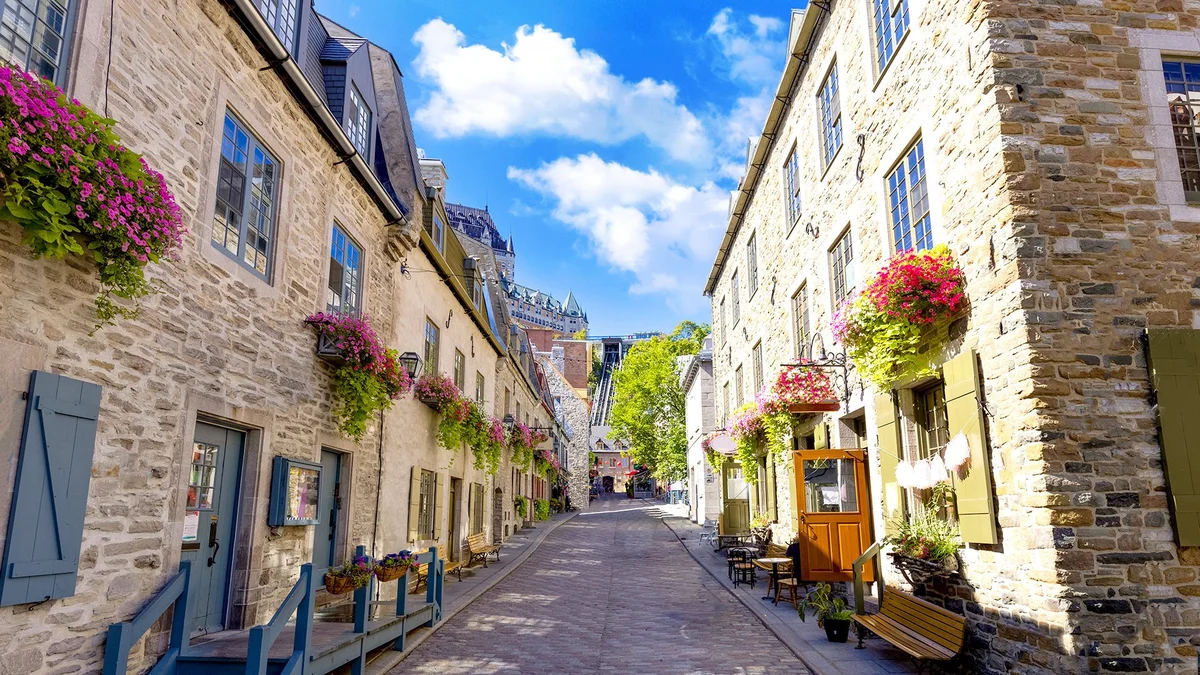
First time visitors and walkers who want the whole story of the city in a single route.
Address: Dufferin Terrace and the city walls, Upper Town; the Parks Canada Frontenac Kiosk stands at rue Saint-Louis and rue du Fort.
Old Quebec is a small fortified city balanced on a cliff above the St. Lawrence River, and the walls are its defining fact. About 4.6 kilometres of ramparts still ring the Upper Town, pierced by gates such as Porte Saint-Louis and Porte Saint-Jean, and Parks Canada looks after the system as a national historic site. Inside, the streets split into two worlds: the Upper Town of churches and government stone, and the Lower Town of merchants houses and the old port, linked by steep lanes. UNESCO listed the district in 1985.
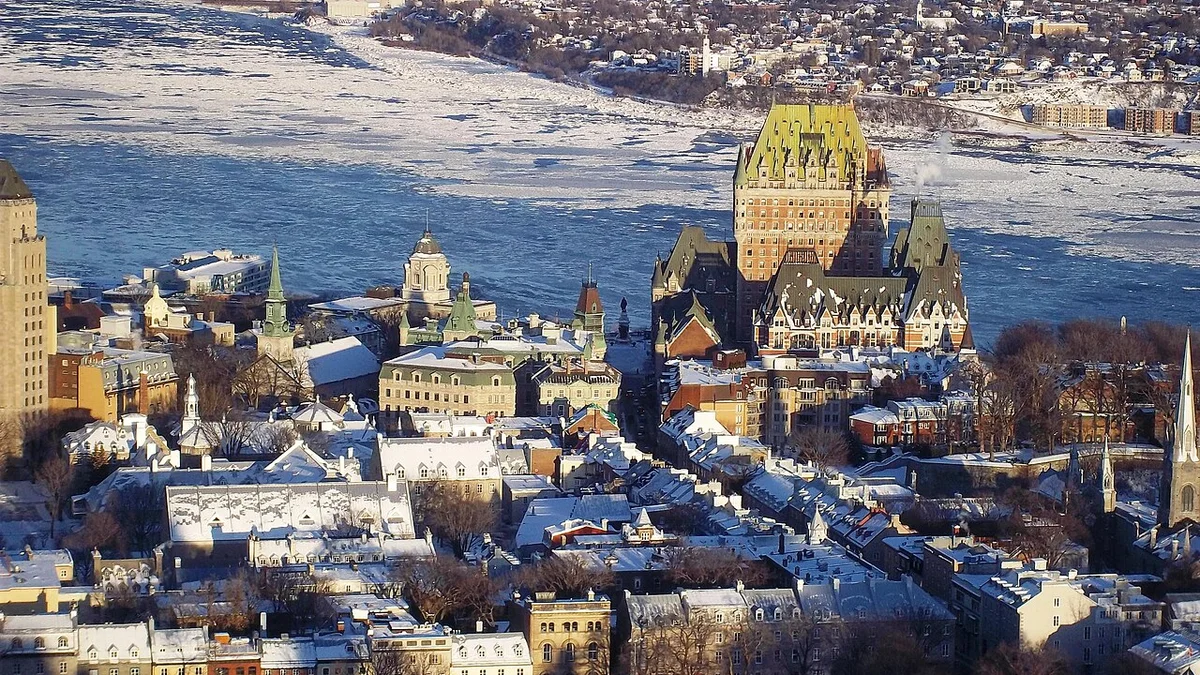
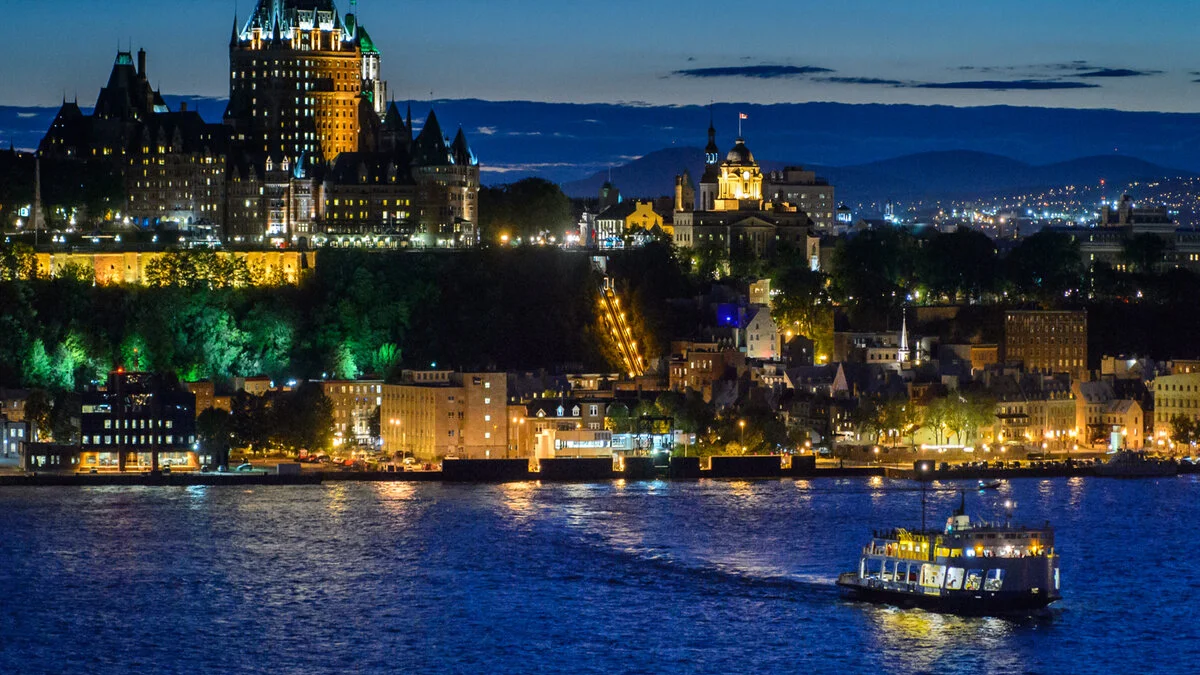
Dufferin Terrace ties the district together. The wide wooden boardwalk, laid out in 1879, runs along the cliff edge from the Château Frontenac toward the Citadelle, the river opening out below and Lévis facing you across the water. This old Quebec walking route, terrace to walls to gates, is the finest free hour in the city.
Do not miss

Walk the full wall circuit where the path allows, then stand at the terrace rail at dusk, when the Château lights come on and the river turns the colour of slate. Below the boards, the Saint-Louis Forts site opens in season, with free entry for youth.
Practical info

The walls, gates and terrace are public space, free at all hours in every season. Guided fortification tours and the Saint-Louis Forts site are seasonal, roughly May to October, and ticketed at the kiosk. Wear shoes with grip: cobbles, slopes and winter ice slow every street.
Start at Porte Saint-Louis early, before the tour groups, and the ramparts feel like a private balcony over the waking city.
Insider tip
2. Fairmont Le Château Frontenac

Best for
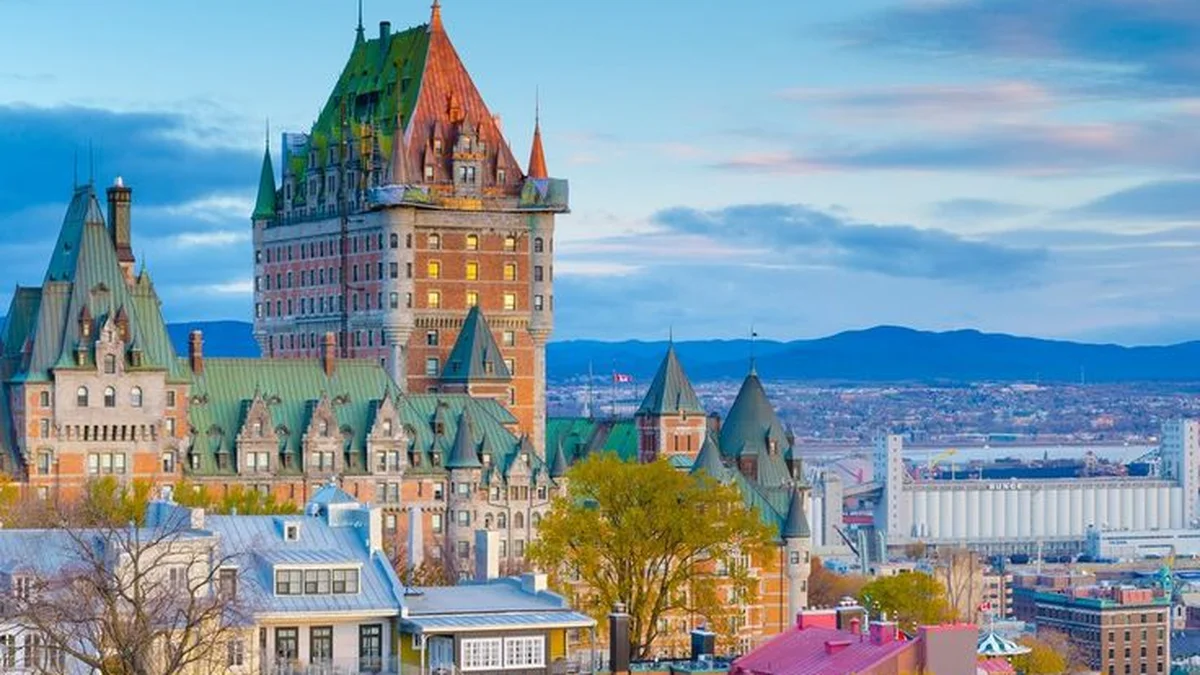
Architecture lovers and photographers; a landmark to enjoy from the inside.
Address: 1 rue des Carrières, Québec, QC G1R 5J5, at the eastern end of Dufferin Terrace.
Every skyline has one building that becomes the signature of the whole city, and here the signature is a castle. The Château Frontenac opened on 18 December 1893 as a grand railway hotel of Canadian Pacific, designed by Bruce Price in the Château style, turrets rising 18 floors above the cliff. Named for Louis de Buade, Count of Frontenac, governor of New France in the 1600s, it holds 610 rooms and remains a national historic site that still takes guests every night.
You do not need a room key to enjoy it. The one hour guided tour run by Cicérone Tours, guides in period costume, starts at the Au 1884 kiosk on Dufferin Terrace and walks the public rooms and the long history, from royal visits to the wartime conferences of 1943 and 1944. The terrace outside frames the classic photograph: green copper roofs against the wide grey river.
Do not miss

See the Château from the Lévis shore or the Citadelle terrace and the postcard angle explains itself. Inside, look for the coat of arms and the staircase hall, where the hotel wears its railway age glamour without trying.
Practical info
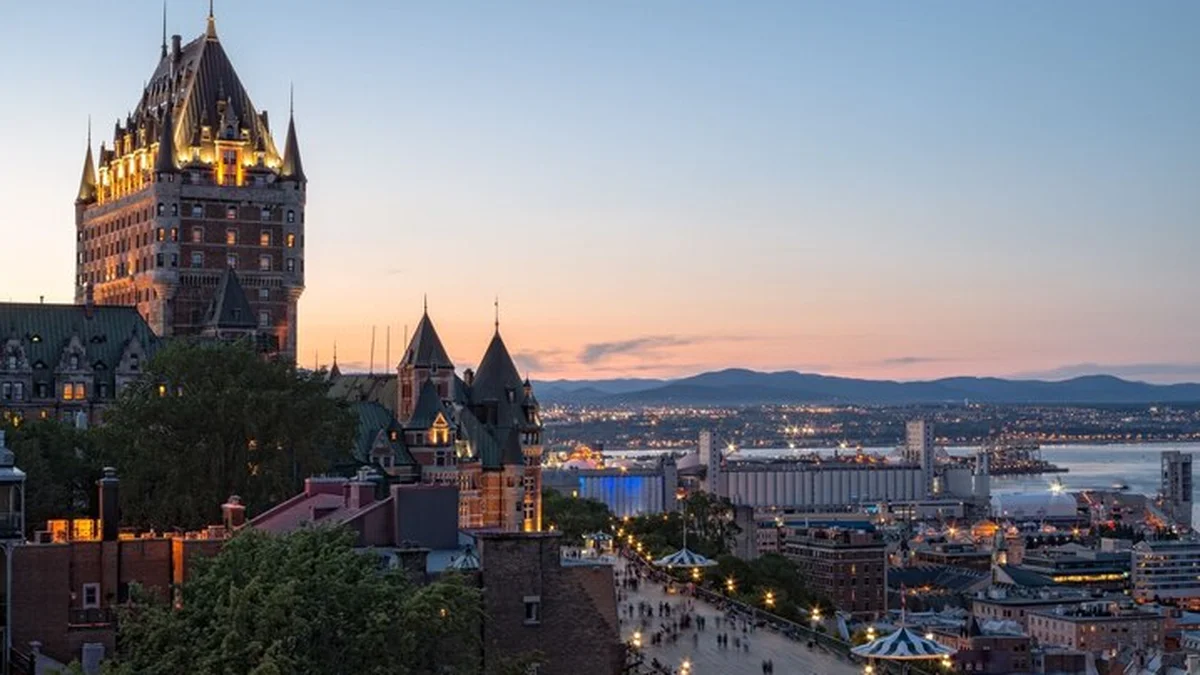
The exterior and terrace are free at all hours. Guided tours run daily in English and French in season for a per person fee; book ahead in summer, because groups are small and hotel events can close rooms without notice.
Photograph the Château from the Citadelle end of Dufferin Terrace at opening light, when the roofs glow and the boards are empty.
Insider tip
3. La Citadelle de Québec
Best for

Military history, regimental ceremony and the widest views over the old town.
Address: 1 Côte de la Citadelle, Québec, QC G1R 3R2, on Cap Diamant inside the walls.
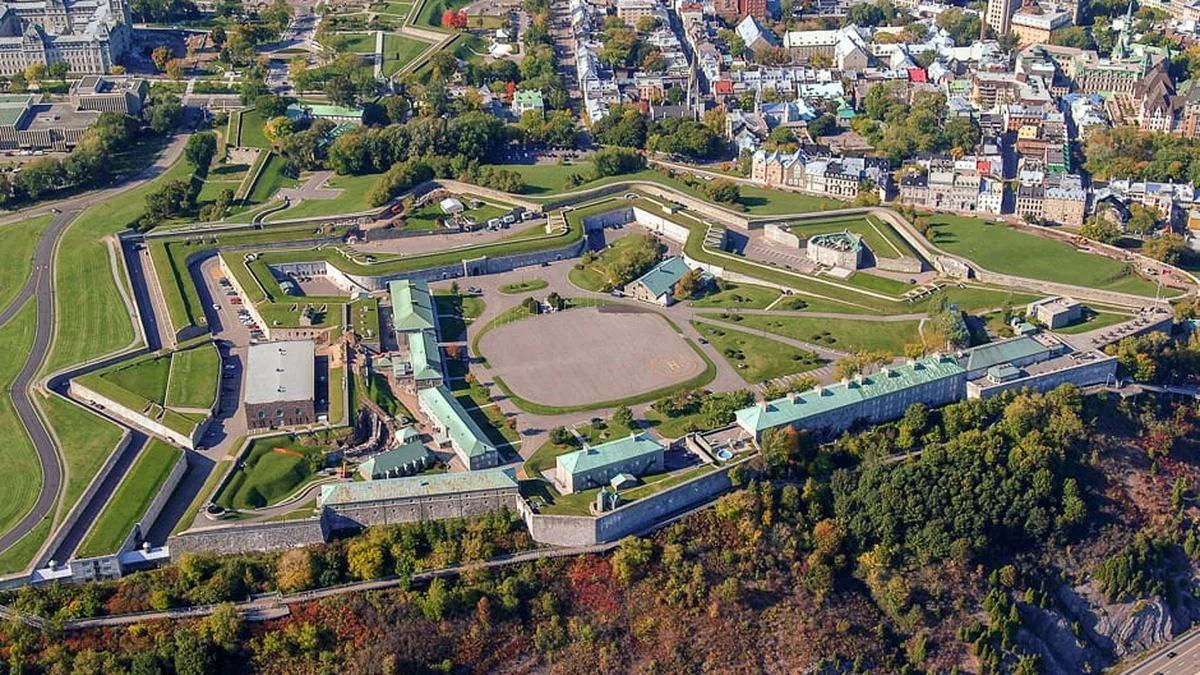
The Citadelle is the star shaped fortress that crowns the city, built between 1820 and 1850 on the highest ground of Cap Diamant, and it is not a ruin: the Royal 22e Régiment has been based here since 1920, in the oldest military building in Canada still doing its job. The low ramparts form a perfect star from the air, a Vauban star pattern, and a residence of the Governor General of Canada has stood inside since 1872. Visits run as guided tours only: a soldier guide walks you through three centuries of defence in an hour.
The tour covers the ramparts, the powder magazines and the parade ground, and includes the Royal 22e Régiment Museum in the East Casemate. In summer the Changing of the Guard brings scarlet tunics and bearskin caps to the parade square, Batisse the regimental goat in step. Stay for the terrace views, the best panorama of the Château, the walls and the river bend.
Do not miss

The museum holds the regimental silver and a Victoria Cross story the guides tell with pride. The guard ceremony runs in summer only; the tour runs all year.
Practical info
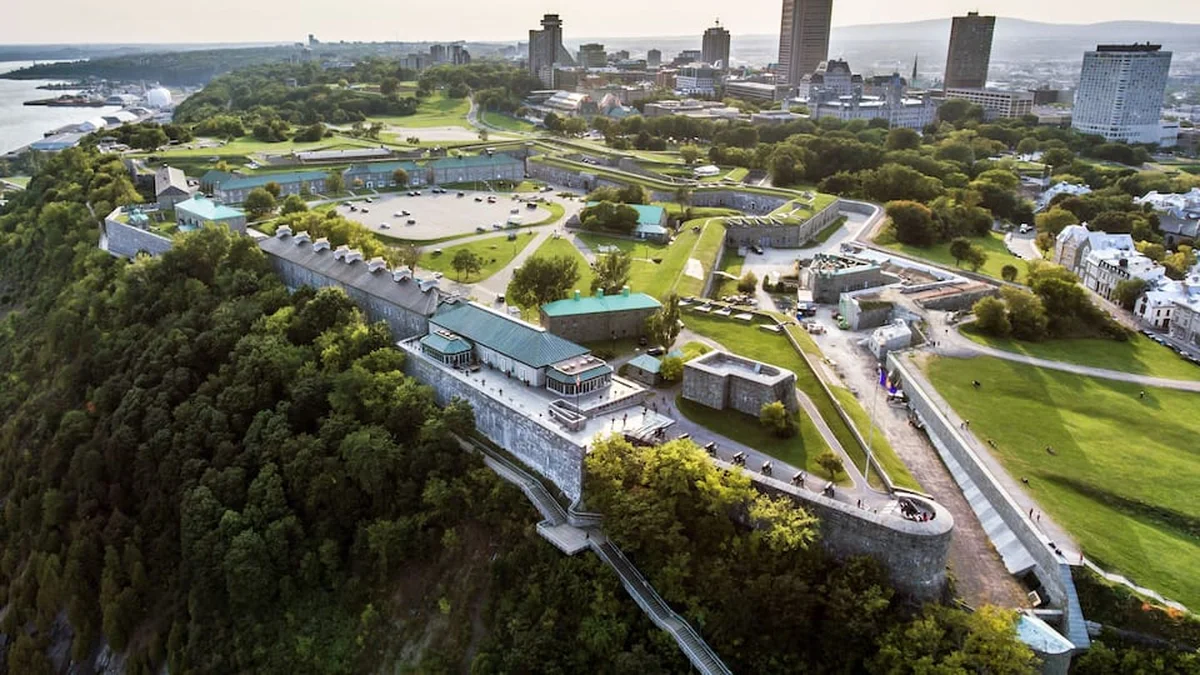
Admission is 22 Canadian dollars for adults, 20 dollars for seniors and students, 8 dollars for ages 11 to 17 and free at age 10 and under; a family rate of 50 dollars covers two adults and up to three children. The price includes the 60 minute guided tour and the museum. Hours run 9:00 to 17:30 from mid May to the end of August, and 10:00 to 17:30 from September to mid May, daily, closed on Christmas Day and New Year Day. Enter by the Côte de la Citadelle gate; no unaccompanied wandering.
Take the first tour of the day in summer, then stay for the guard ceremony.
Insider tip
4. Place-Royale and Notre-Dame-des-Victoires

Best for
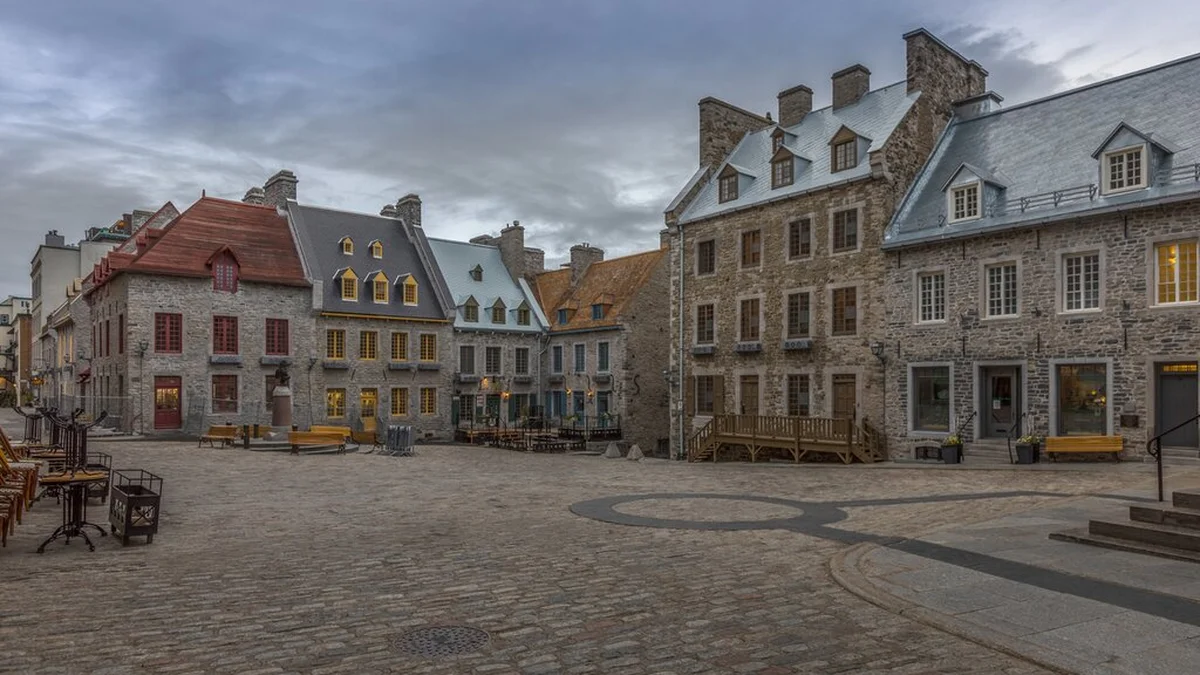
Origins, quiet stone beauty and the most atmospheric square in the Lower Town.
Address: Place-Royale, Lower Town. The church of Notre-Dame-des-Victoires stands at 32 rue Sous-le-Fort.
Every city has a first page, and Place-Royale is the first page of Quebec City. Samuel de Champlain built his fortified habitation on this ground in 1608, the founding act of the city, and the square that grew around it became the market and port heart of New France. The stone houses ringing the square today, steep roofed and thick walled against fire and winter, date mostly from the 1700s, and a bust of Louis XIV watches over the cobbles.
On the north side stands Notre-Dame-des-Victoires, raised in 1688 and known as the oldest stone church in Canada. The name marks gratitude for the failed English attacks of 1690 and 1711, and the little church has survived fire and bombardment since. Inside, a model ship hangs from the ceiling, an offering of thanks from sailors. At the edge of the square, the Fresque des Québécois mural spreads four centuries of city figures across a house wall.
Do not miss
The square at opening light, before the day tours arrive, when the stone is gold and the church door stands open in silence. Read the mural figure by figure: Champlain, merchants and a modern hockey player share one painted street.
Practical info

The square is free public space at all hours. The church keeps short hours outside summer: the parish lists it as open on Sundays only, 10:00 to 16:00, from mid October to early June, with longer opening in summer, so plan the interior for a Sunday in the quiet months. Entry is free; keep visits clear of the 11:00 Sunday Mass.
Pair the square with rue du Cul-de-Sac, empty early in the day.
Insider tip
5. Notre-Dame de Québec Basilica-Cathedral
Best for

Sacred art, deep history and a quiet half hour in the Upper Town.
Address: 16 rue de Buade, Québec, QC G1R 4A1, beside the City Hall in the Upper Town.
A church has stood on this site since 1647, which makes Notre-Dame de Québec the oldest parish in North America north of Mexico. The building you enter is a survivor many times over: burned during the siege of 1759, rebuilt, gutted by fire again in 1922, and restored each time with its treasure intact, from the gilded baldachin to the chancel lamp given by Louis XIV. Pope Pius IX raised it to a minor basilica in 1874, the first in North America; the crypt holds governors of New France and bishops of the diocese.
The detail that draws pilgrims from across the continent is the Holy Door set into the north wall, the only Holy Door in the Americas. Created for the 350th anniversary of the parish in 2014, it opens only during a Holy Year, most recently the Jubilee of 2025; between jubilees it stays sealed. Even sealed, it anchors a working cathedral at the centre of the faith and skyline of the city.
Do not miss

Come in the late morning, when the stained glass throws colour across the gilded woodwork of the chancel. Step into the side chapels, where the art runs from French colonial pieces to modern Québec work, and note the episcopal throne under its canopy, a rare survival.
Practical info

Entry is free. The parish lists hours of 7:30 to 16:00 Monday to Friday, 7:30 to 17:00 on Saturday and 8:30 to 17:00 on Sunday, with Masses through the week to respect in silence. The small museum and the crypt are listed as closed at the time of writing; check the parish site before you go.
Come at 8:30 on a Sunday morning and the basilica is hushed, golden and almost empty: the finest free half hour in the Upper Town.
Insider tip
6. Musée de la civilisation
Best for

Understanding Québec itself: its history, its First Nations and its way of life, in one superb museum.
Address: 85 rue Dalhousie, Québec, in the Old Port district.
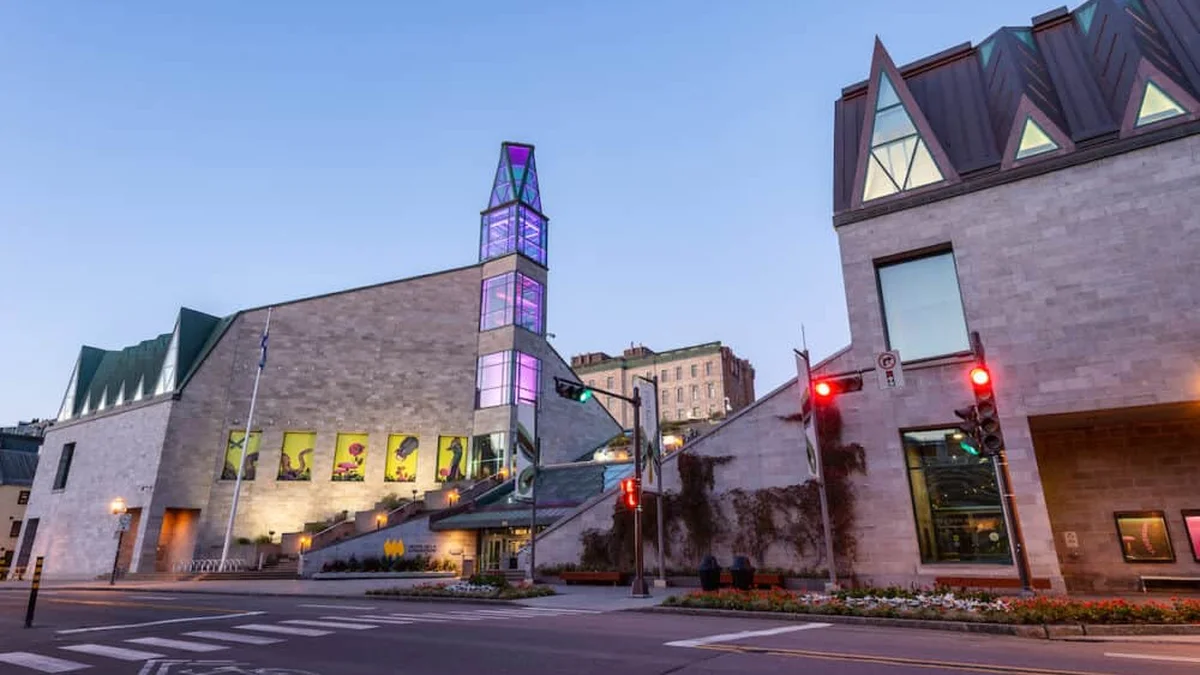
If the walls explain how Quebec City was defended, the Musée de la civilisation explains how Québec became Québec. Opened in 1988 in a Moshe Safdie building that folds old port houses into stone and glass, its permanent exhibitions take the long view: In Other Words, Quebec traces the province from Indigenous presence through New France to the present, while This Is Our Story presents the living cultures of the First Nations and Inuit of Québec, developed with the nations themselves.
Plan a half day and spend it slowly. The galleries reward reading and listening, and the museum has a gift for the telling object: a birchbark canoe, a parish register, a snowmobile prototype. On a wet or bitter day, this is the richest indoor hour in the city.
Do not miss

The First Nations gallery, which treats living cultures rather than a closed past. Check the current travelling exhibition before you visit; the museum lands one or two major international shows a year.
Practical info

A daily ticket costs 27 Canadian dollars for ages 35 to 64, 26 dollars at 65 and over, 22 dollars for ages 18 to 34, 10 dollars for ages 12 to 17 and 6 dollars for ages 6 to 11, free at age 5 and under; a family ticket costs 58 dollars. The museum opens Tuesday to Sunday, 10:00 to 17:00, and closes on Mondays outside holiday periods. Give the permanent exhibitions two hours at a minimum.
Do this museum on day two: with the streets walked, the galleries read like answers to questions the city has been asking you.
Insider tip
7. Parc de la Chute-Montmorency

Best for

Raw nature near the city: a waterfall taller than Niagara, a cable car and a bridge over the crest.
Address: Lower entrance and cable car: 5300 boulevard Sainte-Anne, Beauport, Québec. Upper entrance: by the Manoir Montmorency on avenue Royale, about 15 minutes east of the old town.
The Montmorency River reaches the edge of the cliff and simply lets go: 83 metres of white water in a single drop, about 30 metres taller than Niagara Falls. The Sépaq park around the falls gives you the cascade from every angle. A cable car climbs from the lower station to the top; a suspension bridge crosses at the crest, close enough to feel the tremor through the rail; and a panoramic staircase of 487 steps descends the east cliff face to the spray of the base.
At the top, the Manoir Montmorency sits in gardens above the falls, its terraces over the gorge. Winter transforms the park rather than closing it: the spray builds a cone of ice at the base, nicknamed the Sugarloaf, ice climbers pick lines on the frozen walls, and the cable car runs on its winter schedule. One honesty note for winter: the east side path and staircase close for the season.
Do not miss
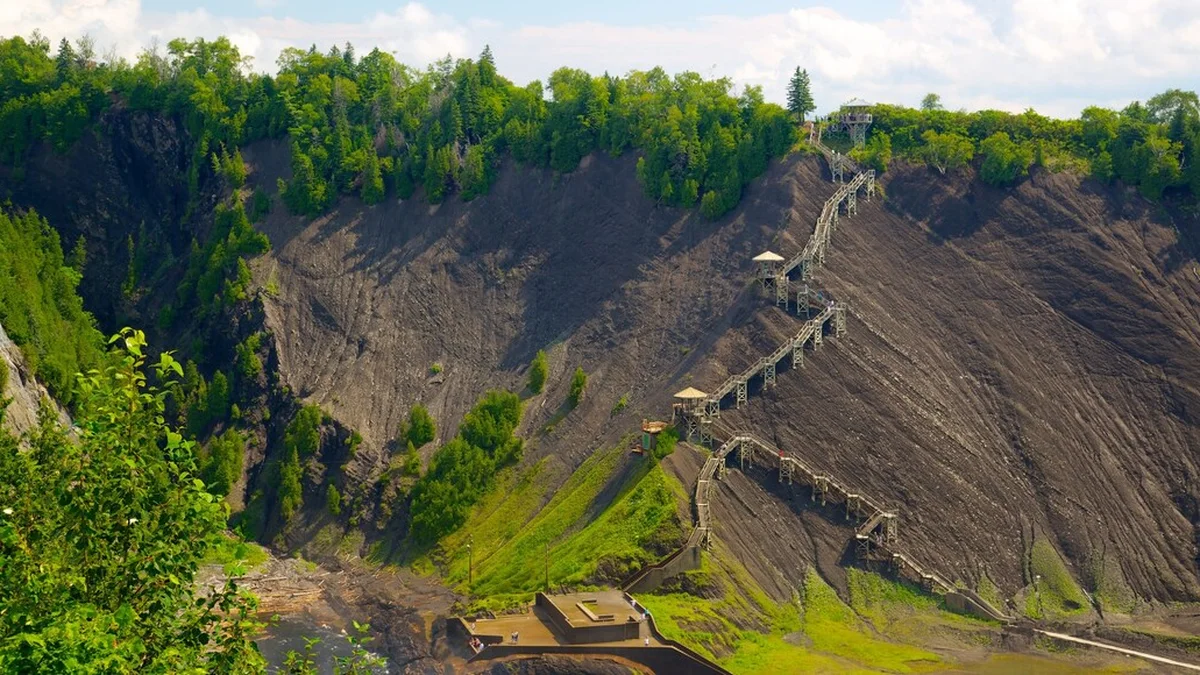
The bridge at the crest in late afternoon, when the light rakes across the water and the mist makes rainbows over the gorge. Ride the cable car down after: the round trip is unlimited on the day.
Practical info
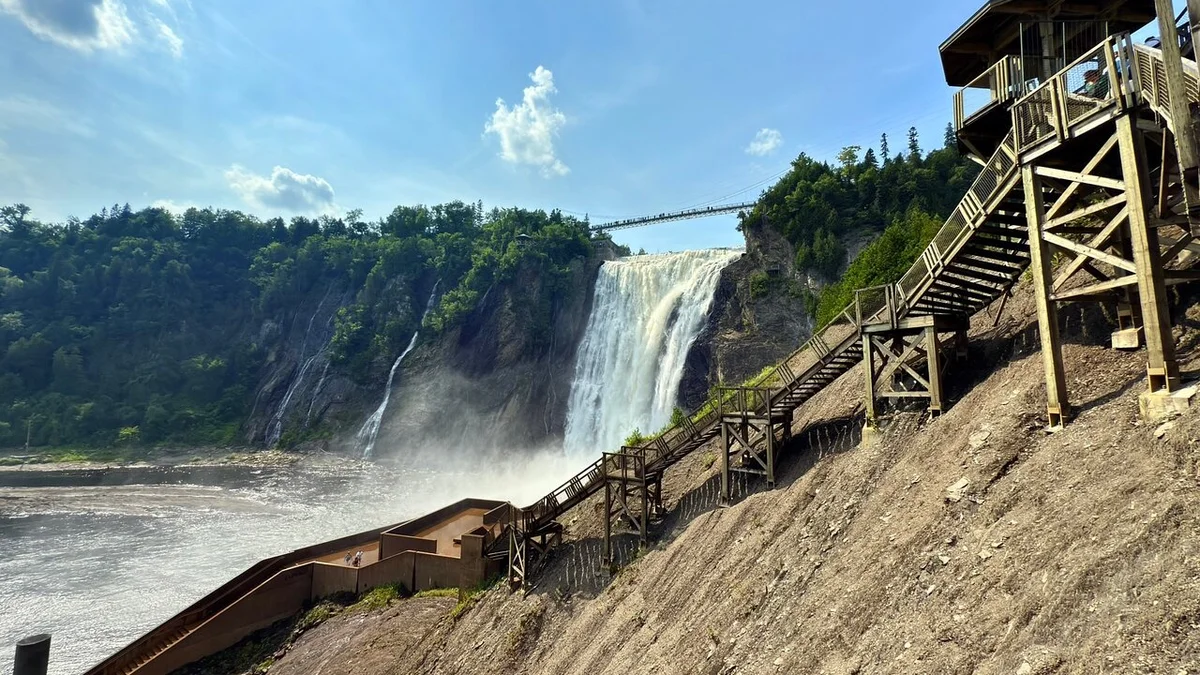
The cable car costs 14.95 Canadian dollars per adult for a round trip, taxes not included, valid for repeat rides all day. The park charges a per person access fee for adults and parking per vehicle; buy on the official Sépaq page or at the gate. The RTC Métrobus 800 runs from the old town to the Terminus Chute-Montmorency at the park, an easy half day without a car.
Go early or late: by midday the bridge and cable car queues swell, while the falls at 9:00 belong to you and the gulls.
Insider tip
8. The Plains of Abraham and the Museum
Best for

The turning point of Canadian history, green space for a slow afternoon and an excellent small museum.
Address: Plains of Abraham Museum, 835 avenue Wilfrid-Laurier, Québec, at the edge of the park.
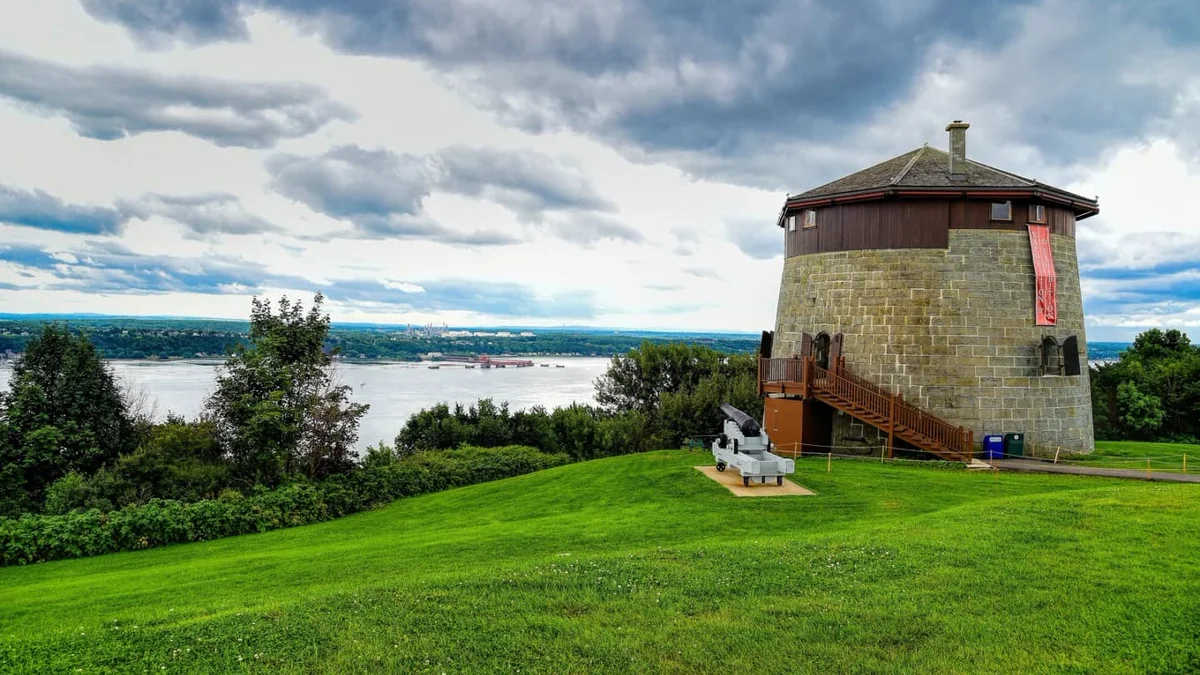
On 13 September 1759, on this grass plateau outside the walls, British and French armies fought the battle that decided the fate of New France: Wolfe and Montcalm both fell, and Québec passed to Britain. The land is now the Plains of Abraham, green heart of the 103 hectare Battlefields Park, kept as lawns, gardens and wooded slopes above the river. Locals treat it as their great backyard: picnic grass in summer, ski tracks and an ice rink in winter, Martello towers at the edges.
The Plains of Abraham Museum at the park entrance tells the story properly. Its permanent exhibition, Battles 1759-1760, uses film, uniforms, interactive maps and the words of soldiers and civilians to walk you through the siege and the two battles, including the French victory at Sainte-Foy in 1760 that visitors who know only 1759 rarely hear about. Its staff desk is the best source of same day park advice.
Do not miss
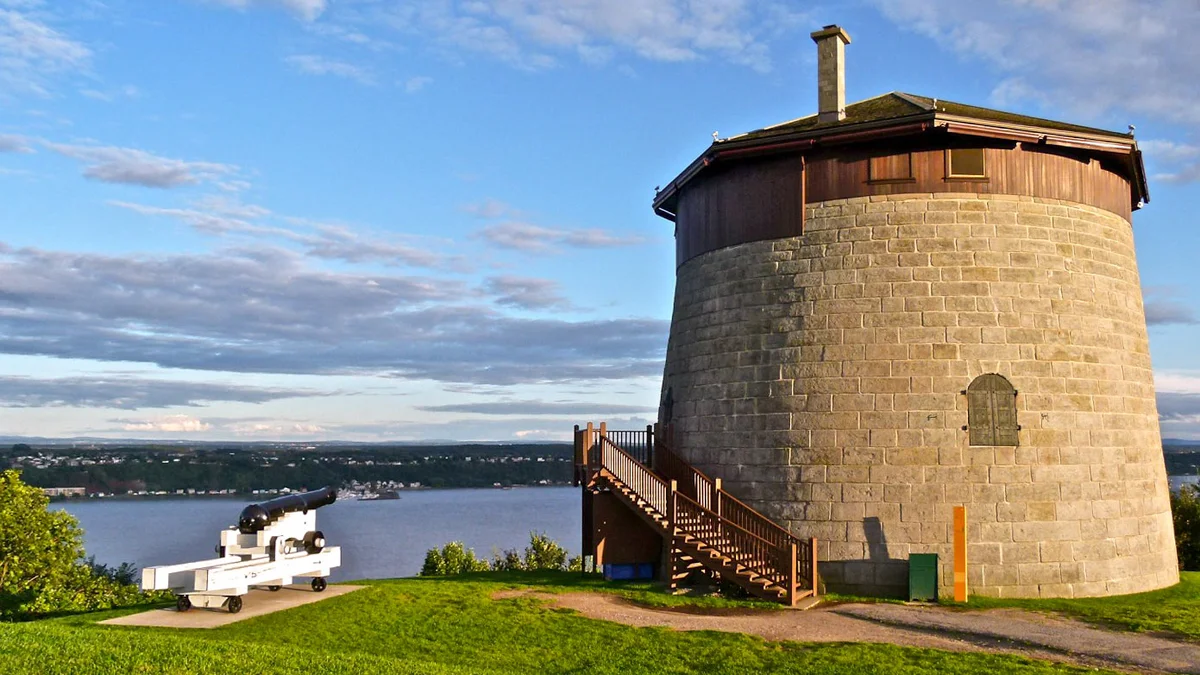
The Joan of Arc Garden, a sunken garden of flowers, and the cliff edge walk toward the Citadelle.
Practical info
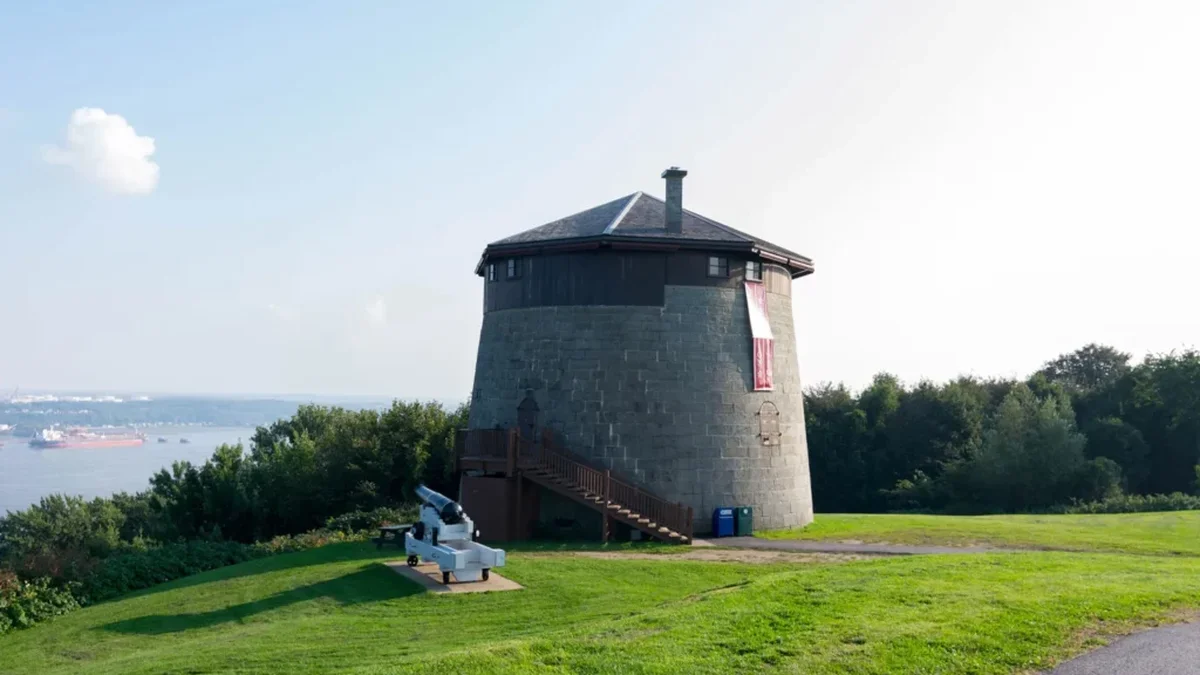
The park itself is free and open all year. Museum exhibitions cost 13.75 Canadian dollars for adults in the standard season, rising to 17 dollars in high summer from early July to Labour Day, with a family rate of 32.50 dollars; the museum opens daily, 9:00 to 17:00.
Walk the museum first and the battlefield second: with the story fresh, every monument on the grass suddenly has a reason.
Insider tip
More Worth Your Time in Quebec City
Petit-Champlain and the Funicular

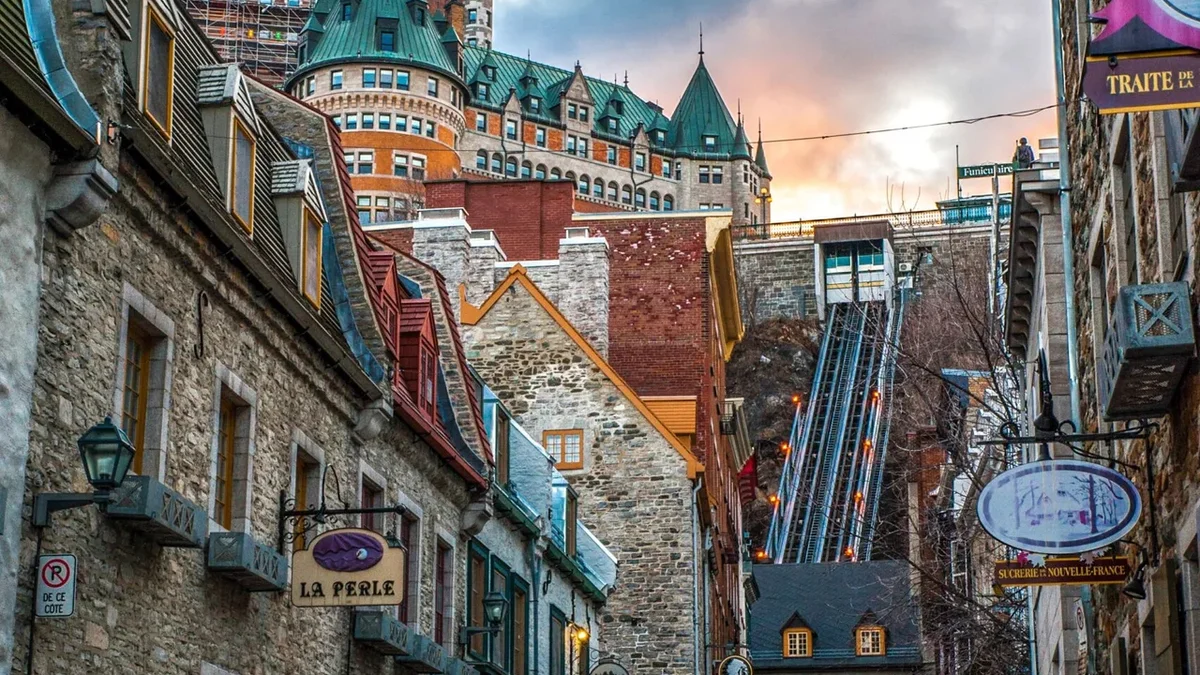
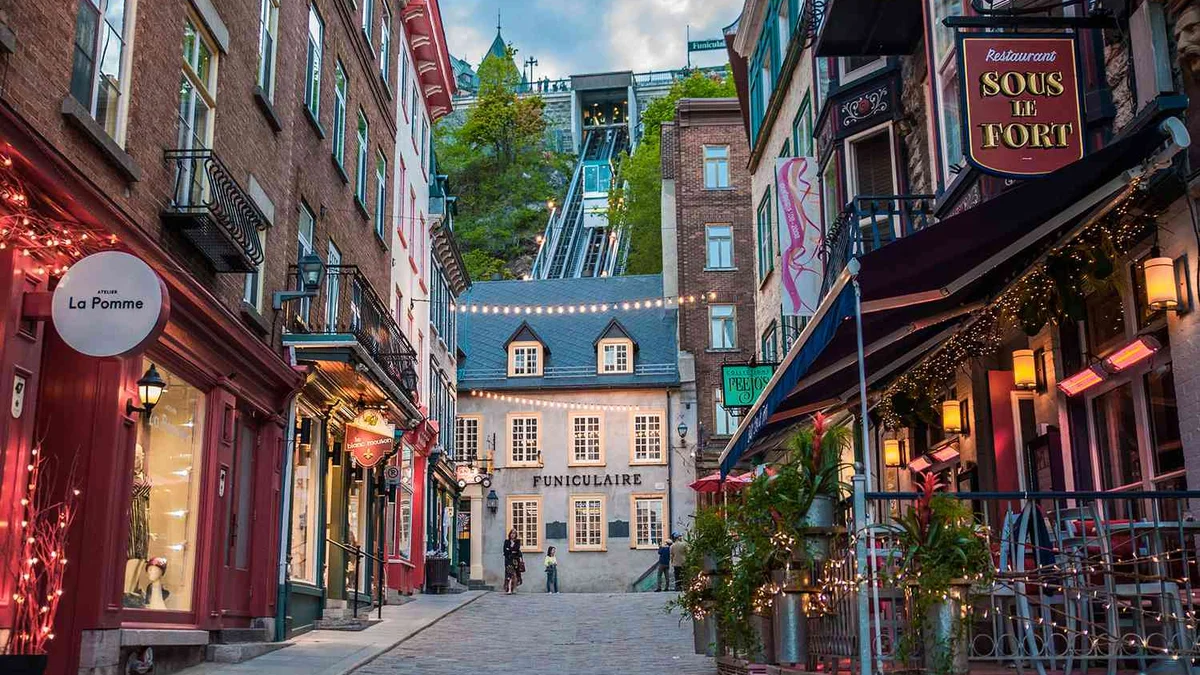
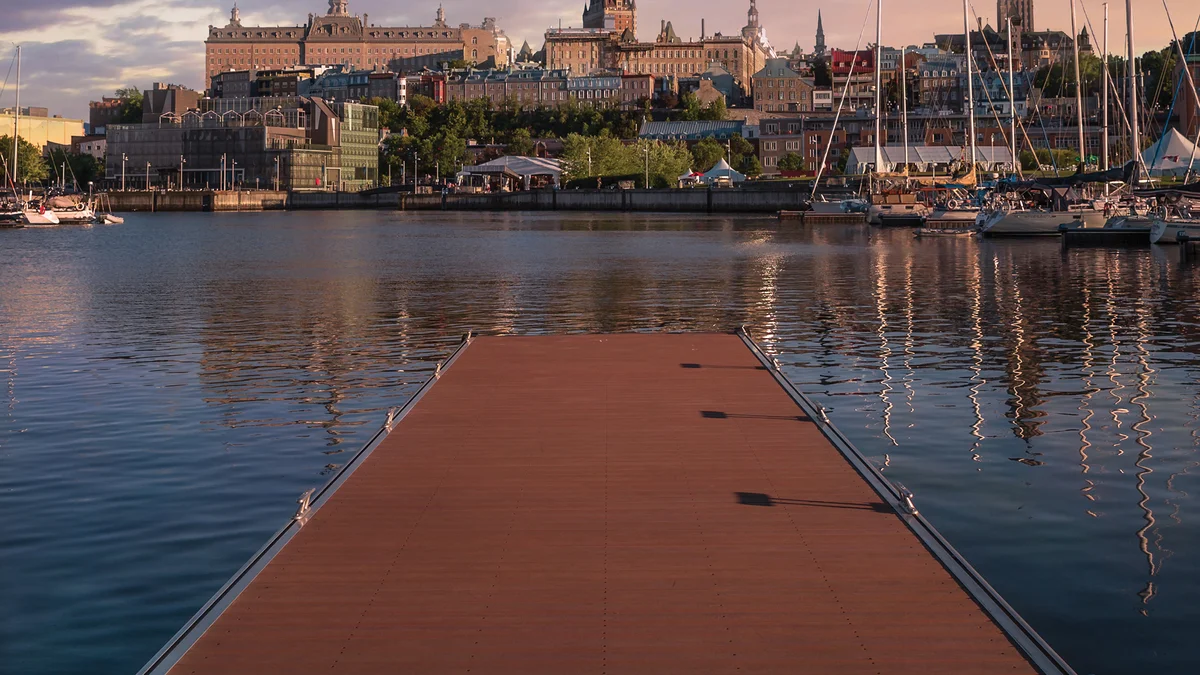
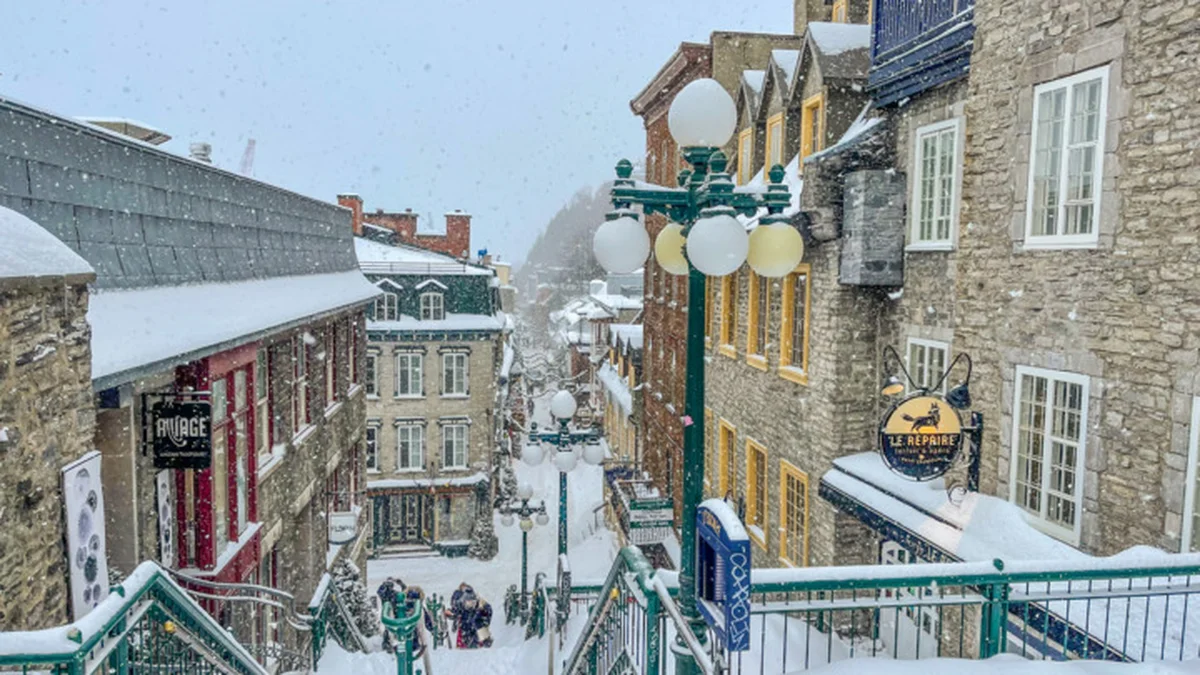
The prettiest shopping street in the city runs at the foot of the cliff: rue du Petit-Champlain, a narrow lane of stone houses, workshops, galleries and cafes in the Lower Town, two minutes from Place-Royale. The Breakneck Steps, the oldest staircase in the city, climb the cliff beside it, while the Funiculaire du Vieux-Québec glides past in a glass cabin, linking the Lower Town to Dufferin Terrace as it has since 1879. The ride costs 7 Canadian dollars, cash only, free for children under 117 cm, running 9:00 to 21:00 in the regular season and until 22:00 from late June to Labour Day. Ride up at dusk, when the lane lights its windows and the Château glows above.
The Parliament Building
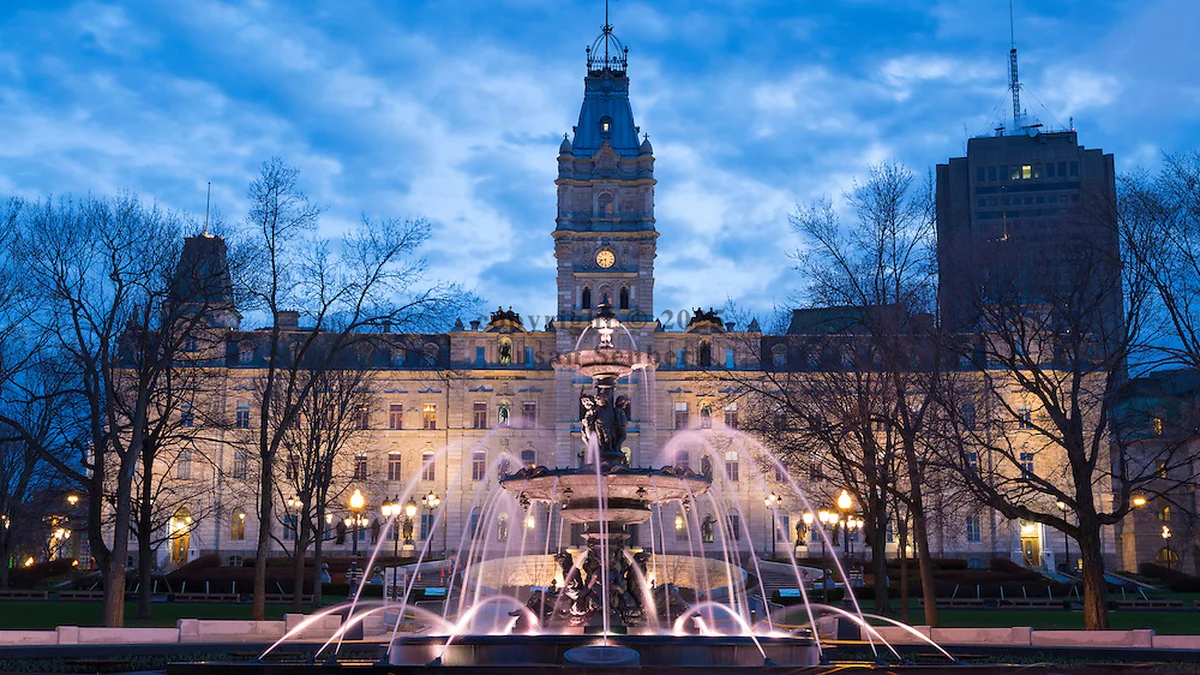
The Hôtel du Parlement, home of the National Assembly of Québec, stands just outside the walls on Parliament Hill, a grand Second Empire palace of 1877 to 1886 fronted by fountains and statues. The surprise is the price: guided and self guided tours are free. Enter through the reception pavilion at 1150 avenue Honoré-Mercier, pass security screening with photo ID if you are 16 or older, and walk the ceremonial rooms. Hours run 8:30 to 16:30 Monday to Friday and 9:30 to 16:30 on Saturday, closed Sundays; the Assembly chamber is closed for renovation at the time of writing, while the tours continue.
Observatoire de la Capitale
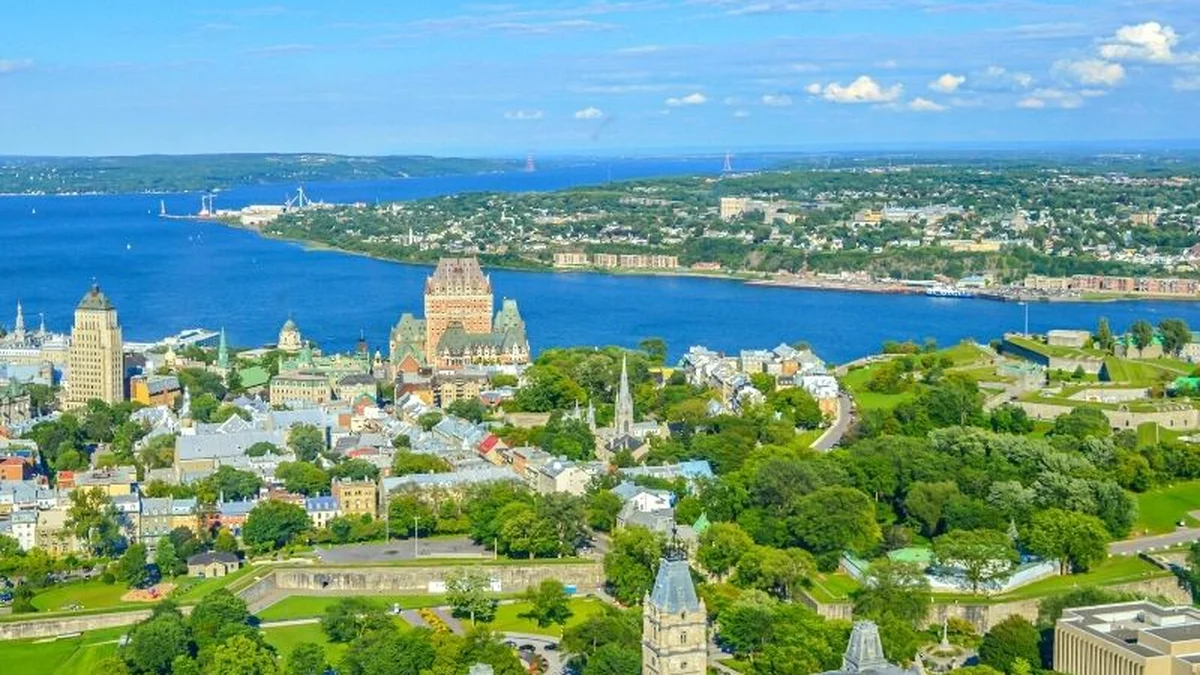
For the highest view of the city, ride the lift to the 31st floor of the Édifice Marie-Guyart at 1037 rue de la Chevrotière, where the Observatoire de la Capitale wraps the tower top in windows. The old town, the walls, the river and the Laurentian hills arrange themselves like a map, and the Horizons discovery trail on the same floor tells the 400 year story of the capital. Adult entry costs 14.75 Canadian dollars, with daytime hours, typically 10:00 to 17:00. Go on your first clear morning.
Quebec City Attractions Compared
| Attraction | Area | Time needed | Adult price |
|---|---|---|---|
| Old Quebec and the Fortifications | Upper and Lower Town | Half day to full day | Free on foot |
| Fairmont Le Château Frontenac | Dufferin Terrace, Upper Town | 1 to 2 hours | Free to view; tour fee applies |
| La Citadelle de Québec | Cap Diamant | 2 to 3 hours | CAD 22 |
| Place-Royale and Notre-Dame-des-Victoires | Lower Town | 1 hour | Free |
| Notre-Dame de Québec Basilica-Cathedral | Upper Town | 30 to 60 minutes | Free |
| Musée de la civilisation | Old Port | Half day | CAD 27 |
| Parc de la Chute-Montmorency | Beauport, 15 minutes east | Half day | Cable car CAD 14.95 |
| Plains of Abraham Museum | Parliament Hill edge | 2 to 3 hours | CAD 13.75 |
| Petit-Champlain and the Funicular | Lower Town | 1 to 2 hours | Funicular CAD 7 per ride |
| Parliament Building | Parliament Hill | 1 to 2 hours | Free |
| Observatoire de la Capitale | Parliament Hill | 1 hour | CAD 14.75 |
Quebec City Itineraries

| Day | Theme | Route |
|---|---|---|
| Day 1 | The Old Town on Foot | Dufferin Terrace and the Château exterior, the wall circuit and gates, the basilica, then Place-Royale and Petit-Champlain, riding the funicular up at dusk |
| Day 2 | Fortress, Museum and Viewpoints | Citadelle tour, Plains of Abraham Museum and park, free Parliament tour, Musée de la civilisation, and the Observatoire de la Capitale at golden hour |
| Day 3 | Falls, Island or Ice | Montmorency Falls in the morning and the Île d’Orléans loop after lunch; in deep winter, swap the island for the Hôtel de Glace at Valcartier |
Book Tickets Before You Go

| Attraction | Book at | Adult price | Note |
|---|---|---|---|
| La Citadelle de Québec | Official admission page | CAD 22 | Guided tour and regimental museum included |
| Musée de la civilisation | Official rates page | CAD 27 | Family ticket CAD 58; closed Mondays |
| Parc de la Chute-Montmorency cable car | Official Sépaq page | CAD 14.95 | Round trip, unlimited rides on the day; taxes extra |
| Plains of Abraham Museum | Official museum page | CAD 13.75 | CAD 17 in high summer; park entry free |
| Observatoire de la Capitale | Official site | CAD 14.75 | Annual pass CAD 35 |
Where to Stay in Quebec City
Top 3 hotels in Quebec City
Explore all hotels >
The old town is compact, so the choice is about slope and mood rather than distance. Upper Town puts the landmarks at your door on steep, pretty lanes; the Lower Town trades the climb for flat stone streets; Sainte-Foy trades the postcard for practicality, near the main mosque and the halal restaurants.
| Area | Best for | The feel |
|---|---|---|
| Inside the Walls, Upper Town | First timers and romantics | Landmark views, steep lanes and the premium addresses of the city |
| Lower Town and Old Port | Walkers who like flat streets | Stone lanes, the museum and market side of town, quieter nights |
| Parliament Hill and Grande Allée | A grand avenue base | Wide streets beside the Plains, a short walk west of the gates |
| Sainte-Foy | Families, drivers and longer stays | Modern hotels and malls, with the main mosque and the halal cluster; a bus ride to the old town |
Fairmont Le Château Frontenac

The splurge that doubles as a sight: 610 rooms inside the castle of 1893, river view rooms framing the St. Lawrence. Stay here and the old town starts at the lobby door, with valet parking for a fee and the funicular a short terrace walk away. Ask for a river facing room on a high floor.
Hôtel Le Germain Québec

A calm boutique base in the Old Port, at 126 rue Saint-Pierre, inside a heritage building of 1912 on a quiet stone street. Place-Royale stands two minutes away, the Musée de la civilisation five, and the funicular climbs to the Upper Town from the end of the lane. Rooms lean modern and serene, and the street sleeps early, which families love.
Where to Eat in Quebec City

Québec cooking is French at the root and Canadian in the pantry: rich sauces, river fish, cheese curds, maple in everything sweet. Muslim travellers eat well here with a little geography, because the halal kitchens sit where the Muslim community lives, in Sainte-Foy, while the old town runs on fish, cheese and vegetables. One honesty note: the halal picture is limited, and it is given plainly, with addresses.
Halal Food in Quebec City
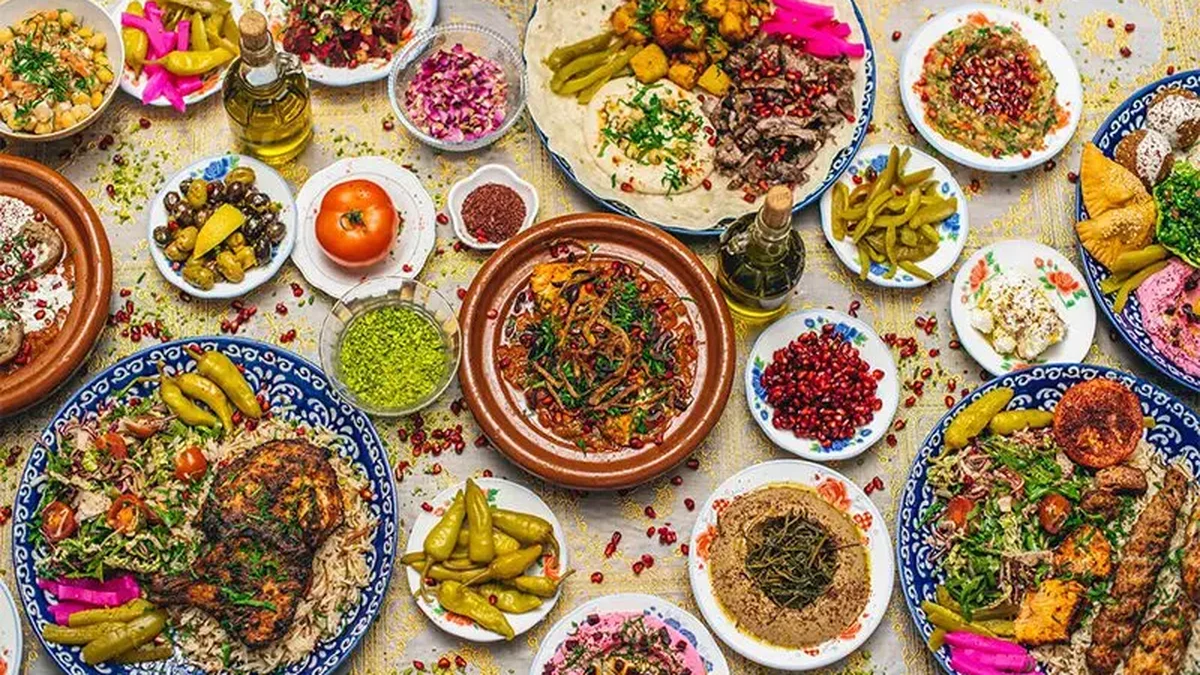
The honest summary first: halal options in Quebec City are limited, and no fully halal restaurant inside the old town walls could be verified for this guide. The working cluster is Sainte-Foy, near the main mosque and Université Laval, about 30 minutes from the old town by bus. Poulet Rouge is the clearest stated halal name: its own location pages state halal chicken breast fillets, at Galeries de la Capitale, 5401 boulevard des Galeries, and in Limoilou at 1381 1re Avenue. Chicken Street, at 2360 chemin Sainte-Foy, is listed as a halal restaurant for fried chicken and naan burgers, and Baga Surf & Turf, at 2700 boulevard Laurier, lists halal selections among its barbecue plates; treat both as listed halal and confirm on the day. Closest to the sights, Restaurant YAM YAM at 869 Côte d’Abraham is listed as a halal Middle Eastern kitchen.
A second tier is worth knowing. Zeitoun Cuisine Libanaise serves Lebanese plates at Place Sainte-Foy, 2450 boulevard Laurier, with a second counter at Le Grand Marché de Québec, and Al Dimachki cooks Syrian dishes at 3500 chemin des Quatre-Bourgeois; neither publishes a halal claim this guide could verify, so ask before ordering meat, and fall back on the falafel, lentil, fish and cheese dishes they do so well. In the old town, the reliable pattern is grilled fish in the Old Port bistros, vegetarian crêpes and market food: Le Grand Marché de Québec, at 250 boulevard Wilfrid-Hamel by ExpoCité, gathers farm stalls, bakeries, cheese and maple under one roof, entry free.
Local Dishes to Try

Poutine is the plate the province argues about with love: fries under fresh cheese curds and gravy, best eaten hot enough to make the curds squeak; ask what the gravy is made from, since recipes vary between meat and vegetable bases. Maple runs the sweet course, from tarte au sucre, the deep sugar pie of Québec, to maple taffy poured on snow at island farm shops in spring. Two famous dishes call for care rather than appetite: tourtière, the spiced meat pie of the province, is traditionally made with pork among its meats, and the classic pea soup simmers with ham, so ask before ordering either. This site follows the wider story in its look at food tourism and modern travel.
Mosques and Prayer Facilities in Quebec City
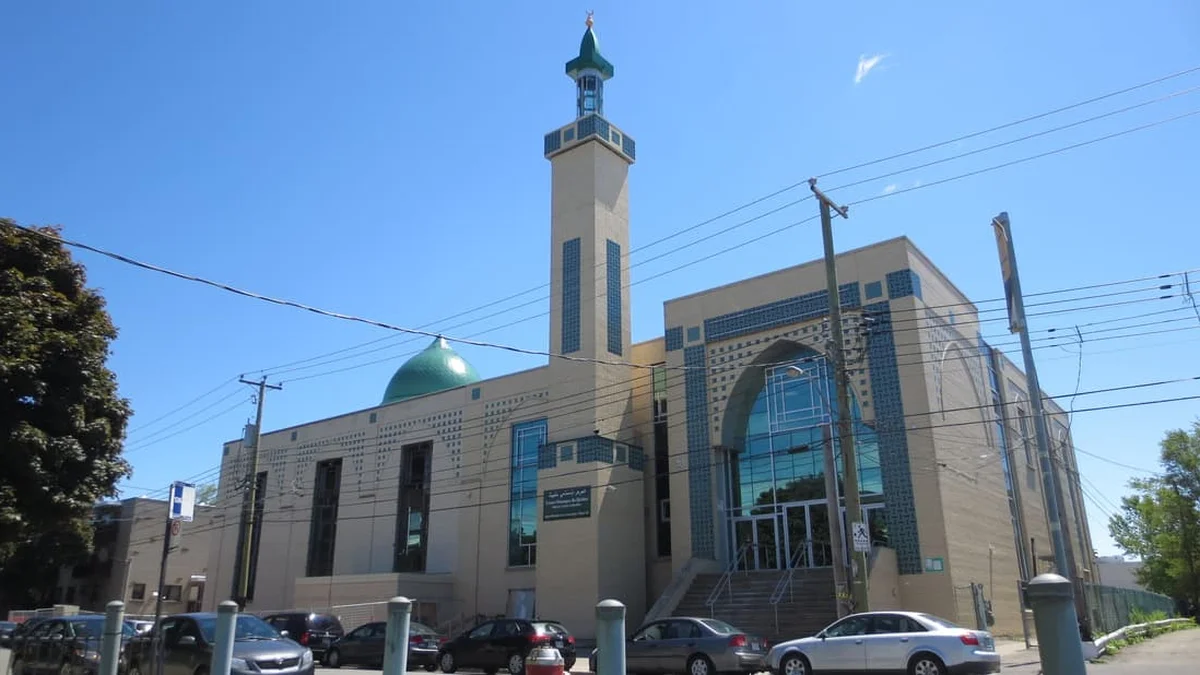
The main mosque of the city is the Grande Mosquée de Québec, run by the Centre culturel islamique de Québec, the CCIQ. It stands at 2877 chemin Sainte-Foy, Québec, QC G1V 1W3, in Sainte-Foy near Université Laval, in a building opened in 2009 that holds about 1,000 worshippers, with daily prayers and Friday prayer. The CCIQ has served the capital since 1985. RTC buses link the old town with Sainte-Foy in about 30 minutes, and the halal restaurants listed above sit in the same district: Friday is the natural day to combine prayer with a halal lunch.
A second, smaller option stands closer to the centre: the Mosquée de Québec à Limoilou, at 1287 1re Avenue, Québec, QC G1L 3K7, a neighbourhood mosque north of the old town. Students also use the AEMUL prayer room on the Université Laval campus. There is no mosque inside the old town walls, so plan prayer into the day, and note that at this northern latitude the gap between Maghrib and Isha stretches long in summer and compresses hard in winter.
Getting Around Quebec City
| Mode | Where it helps | Detail |
|---|---|---|
| On foot | The whole old town | Free, and the real way to see it; steep lanes and stairs link the Upper and Lower Town |
| The Funicular | Terrasse Dufferin to Petit-Champlain | CAD 7 per ride, cash only; free for children under 117 cm |
| RTC bus | The falls, Sainte-Foy and the airport side | Métrobus 800 runs to the falls terminus; the 800 and 801 link the centre with Sainte-Foy; fares and day passes on rtcquebec.ca |
| Taxi and rideshare | Airport runs and late returns | The airport sits about 16 km west of the old town; Place d’Youville is the central square for taxis and buses |
| Car | Île d’Orléans and Charlevoix day trips | Rent by the day for the countryside; the old town itself is easier without one |
What a Day in Quebec City Costs
| Item | Budget (CAD) | Comfortable (CAD) | Premium (CAD) |
|---|---|---|---|
| Attractions and tours | 0 to 15 | 45 to 55 | 80 and above |
| Lunch | 15 to 20 | 20 to 30 | 35 to 50 |
| Dinner | 20 to 30 | 30 to 45 | 60 and above |
| Local transport | 7 to 10 | 10 to 20 | 40 and above |
| Coffee, snacks and maple treats | 5 to 10 | 10 to 15 | 15 to 25 |
| Rough total for one day | About 50 to 85 | About 115 to 165 | About 230 and above |
Best Time to Visit Quebec City
| Season | Months | What it feels like | Best for |
|---|---|---|---|
| Spring | April to May | The thaw: waterfalls at full power, maple season on the island, quiet streets before the crowds | Value rates, waterfalls and a calm old town |
| Summer | June to August | The warmest months; every site on full hours, terraces open, the city at its busiest | First trips, families and the full programme |
| Autumn | September to October | Fall colours peak from late September; crisp air and thinner crowds; the Charlevoix train runs to 1 November | Colour, photography and easier reservations |
| Winter | November to March | A true snow city; the Hôtel de Glace stands from late December to late March, the falls grow an ice cone, and deep cold is normal | Snow scenery, the Ice Hotel and winter sports |
Day Trips from Quebec City

Île d’Orléans: The Island of Farms and River Views
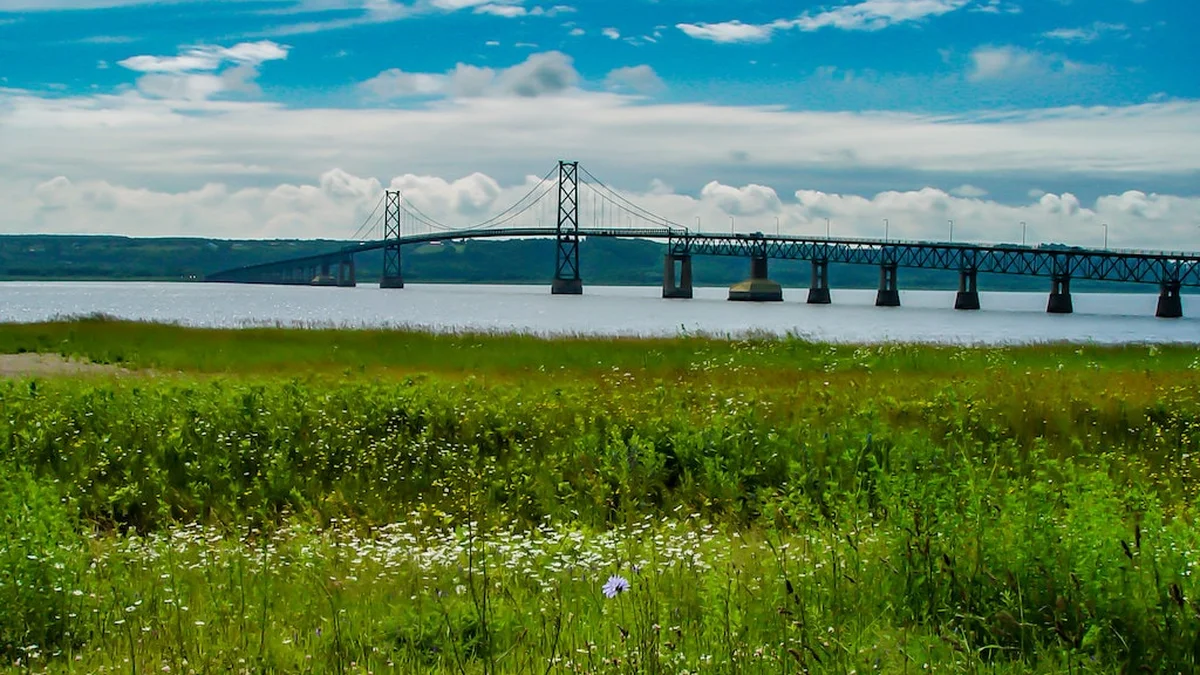
Fifteen kilometres east of the old town, a bridge lands you on Île d’Orléans, the island that fed the city for three centuries. One road, route 368, the Chemin Royal, loops the island for 67 kilometres through six villages of stone houses, churches and farm stands: strawberries as summer opens, apples as autumn turns, maple all year. Drive slowly, stop at the farm shops, and end at Sainte-Pétronille, at the western tip, for the viewpoint over the falls and the city. Half a day by car covers the loop with stops.
Charlevoix by the Train de Charlevoix
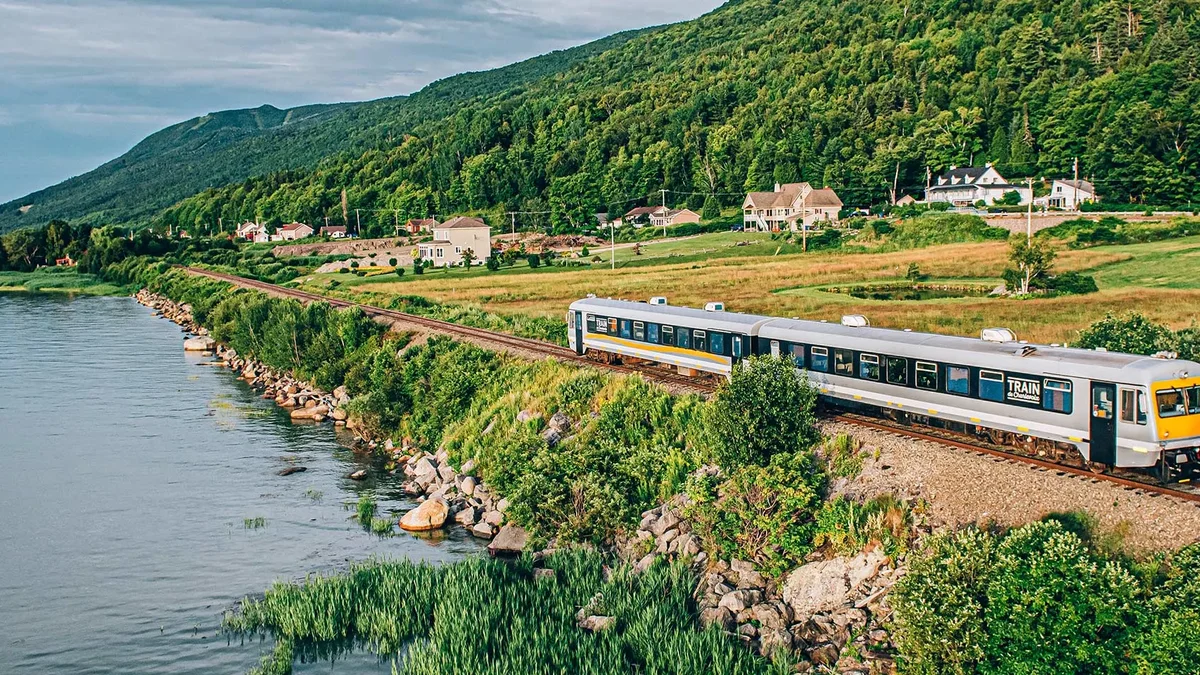
The most relaxing day trip in the region runs on rails. The Train de Charlevoix leaves from the station at the foot of Montmorency Falls and follows the north shore of the St. Lawrence, river on one side and Laurentian foothills on the other, through seven coastal villages to Baie-Saint-Paul and La Malbaie. The official booking site lists the 2026 season from 5 June to 1 November, and the classic day trip rides to Baie-Saint-Paul, a town of galleries along rue Saint-Jean-Baptiste, with a same day train back. Book ahead in the fall colour weeks, when this ride sells its windows first.
Wendake and the Huron-Wendat Museum

Fifteen kilometres northwest of the old town, the Huron-Wendat Nation welcomes visitors at Wendake, and the Huron-Wendat Museum at 15 place de la Rencontre is the essential stop. Its permanent exhibition, Territories, Memories, Knowledge, presents the history and living culture of the nation, and the visit continues into Ekionkiestha’, a national longhouse built to the traditional plan. Adult entry costs 20 Canadian dollars; the museum lists opening from Wednesday to Sunday, 10:00 to 18:00, so check the day before you set out. Keep the ticket: the Plains of Abraham Museum runs a partner discount for visitors of this museum.
Practical Tips for Quebec City
Good to Know

- Open with bonjour; most staff then switch to English without being asked.
- Prices on tags and menus are shown before tax; the GST and the QST together add about 15 percent at the till.
- Carry cash for the funicular; the stations take cash only, with an ATM at both ends.
- The Citadelle is guided only, with no free wandering; the first tour of the day is the quietest in summer.
- Keep attraction tickets. The Citadelle, the Plains of Abraham Museum and the Huron-Wendat Museum run partner discounts with proof of a visit to one of the others.
- Friday prayer is in Sainte-Foy: build in the bus ride and eat at the halal kitchens of the same district.
Good to Avoid

- Driving into the old town core. One way lanes, scarce parking and steep winter hills punish the plan; park once and walk.
- Smooth soles or heels on wet cobblestones, above all on the Breakneck Steps after rain or snow.
- Counting on halal meat inside the walls. The verified kitchens are in Sainte-Foy and Limoilou; inside the old town, plan on fish and vegetarian plates.
- The east side of Montmorency Falls in winter. The base path and the panoramic staircase close for the season.
- A late March trip built around the Hôtel de Glace. The ice hotel melts away by about 21 March, and even its late December opening depends on the cold arriving on time.
Final Thoughts on Quebec City
Quebec City is the rare destination that improves as you slow down. Three days fill easily here, yet the memories that last tend to be small ones: bells over a stone lane at dawn, mist rising off the gorge at the falls, the river going silver below the terrace at dusk. Walk the old town first and give one day to the water or the island.
For Muslim travellers the city asks one honest trade: a little planning around prayer and halal food, in exchange for one of the most beautiful small cities on the continent. Make Sainte-Foy your Friday anchor, eat fish and farm food inside the walls, and the trade feels light. Receiving guests since 1608, the city is very good at it.
Old Quebec, a UNESCO World Heritage site, the Chateau Frontenac, Dufferin Terrace, the Citadelle, Notre-Dame de Quebec Basilica, Place Royale, and Rue du Petit-Champlain make the essential circuit, and Montmorency Falls, the Plains of Abraham, the Parliament Building, and Place des Arts fill the days around them. The three day plan in this guide pairs the Upper Town and Lower Town on day one, the Citadelle and the Plains on day two, and Montmorency Falls with the Sainte-Foy museums on day three.
Old Quebec suits almost every itinerary, with the Chateau, the terrace, the Citadelle, and the Lower Town lanes within walking distance, while Sainte-Foy suits travellers who want easier driving and Levis suits budget stays across the river. Summer brings festivals and the warmest days, autumn brings colours on the hills, and winter brings the Carnaval in February with ice sculptures and night parades. The Centre Islamique de Quebec, at 2876 Chemin Sainte-Foy, and the Centre Culturel Islamique de Quebec, at 1400 Route de l’Eglise, both hold daily prayers and the Friday prayer, and visitors are welcome.
Keep Exploring
FAQs
What are the best places to visit in Quebec City on a first trip?
Start with Old Quebec and the fortifications: Dufferin Terrace and the wall circuit give the full picture in one route. Add the Château Frontenac, a Citadelle tour, Place-Royale and the basilica, then Montmorency Falls. Story, views and waterfall covered; everything else layers around them.
How many days does a good Quebec City itinerary need?
Three days is the sweet spot: one for the old town on foot, one for the Citadelle, the Plains and the museums, one for the falls plus a day trip. Two days works at a push. In winter, add a fourth day for the Hôtel de Glace.
What to do in Quebec City in winter?
Winter is a season to embrace here. Tour the Hôtel de Glace at Valcartier, open from late December to about 21 March, walk the old town under snow, and see Montmorency Falls wearing its ice cone. The Plains adds skating and ski tracks. Dress in real layers, with boots made for ice.
Is Quebec City expensive to visit?
The core is free: the walls, the terrace, the churches, the Plains and Parliament tours cost nothing. Paid sights run 13.75 to 27 Canadian dollars, the Citadelle tour 22 dollars. A comfortable day with two paid sights and meals runs about 115 to 165 dollars per person before the hotel.
Where can visitors find halal food in Quebec City?
Plan around Sainte-Foy, district of the main mosque, about 30 minutes by bus from the old town. Poulet Rouge states halal chicken breast fillets, at Galeries de la Capitale and in Limoilou; Chicken Street and Restaurant YAM YAM are listed as halal, so confirm on the day. Inside the old town, no halal kitchen could be verified: rely on fish, seafood and vegetarian plates.
Where is the main mosque in Quebec City?
The Grande Mosquée de Québec, run by the CCIQ, stands at 2877 chemin Sainte-Foy in Sainte-Foy, with room for about 1,000 worshippers. A smaller mosque serves Limoilou at 1287 1re Avenue. No mosque stands inside the walls, so plan Friday prayer as a trip out and back.
How do you travel from Québec City airport to the old town?
Québec City Jean Lesage International Airport, code YQB, sits about 16 kilometres west of the old town. Taxis and rideshares cover the run in roughly half an hour; RTC buses connect the airport area with the centre for a normal fare, routes on rtcquebec.ca. Renting a car at the airport suits day trip plans.
