Things to Do in Savannah: Squares, Spanish Moss and Slow Lowcountry Days
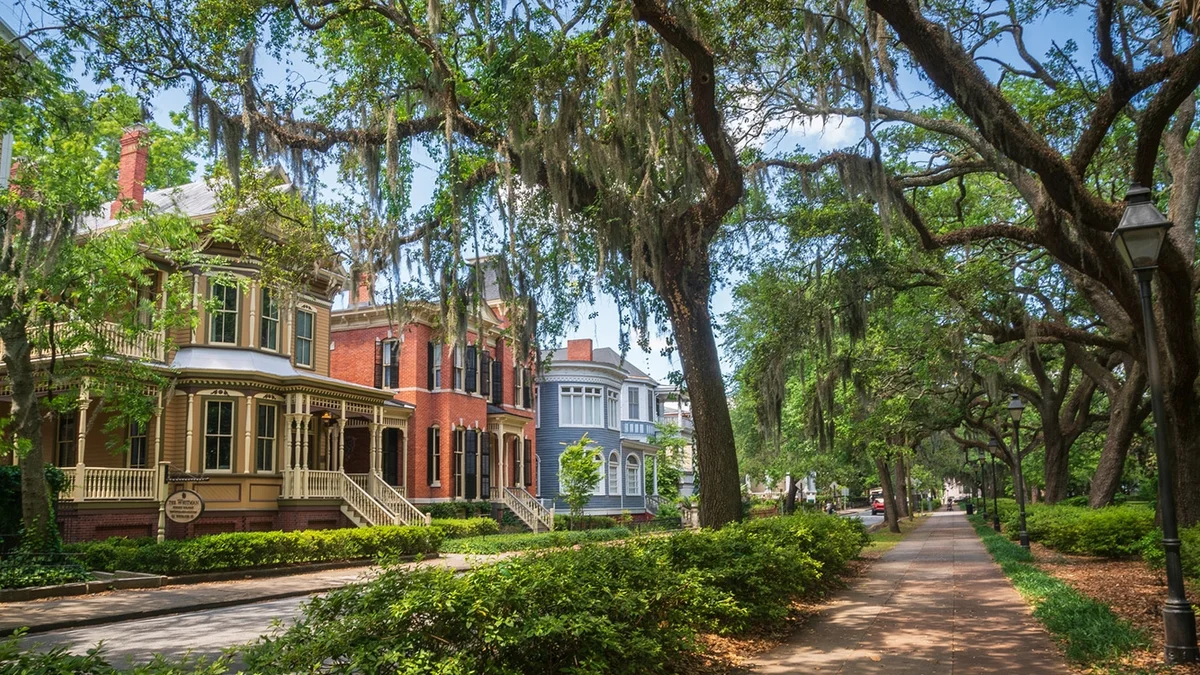
Savannah greets a first time visitor with shade before history has time to explain itself. Live oaks spread wide canopies over public squares, Spanish moss hangs over quiet side streets, and pastel and brick houses line streets that still follow a plan drawn in 1733. The best things to do in Savannah reward a slow…
Savannah greets a first time visitor with shade before history has time to explain itself. Live oaks spread wide canopies over public squares, Spanish moss hangs over quiet side streets, and pastel and brick houses line streets that still follow a plan drawn in 1733. The best things to do in Savannah reward a slow pace. Walk the squares in the morning, take a house museum tour in the middle of the day, and save Forsyth Park and the riverfront for the softer light of late afternoon.
This guide covers the top attractions in Savannah in the order a first visit flows, starting with the historic squares and Forsyth Park, then River Street and City Market, the great house museums, the railroad museum, and the oak avenue at Wormsloe, with Bonaventure Cemetery as a reflective final stop. Every section gives a verified address, opening times where an official source lists them, and a practical tip. You will also find a Savannah itinerary table, a ticket table with direct official booking links, honest cost estimates, and sections on halal food in Savannah and mosques in Savannah.
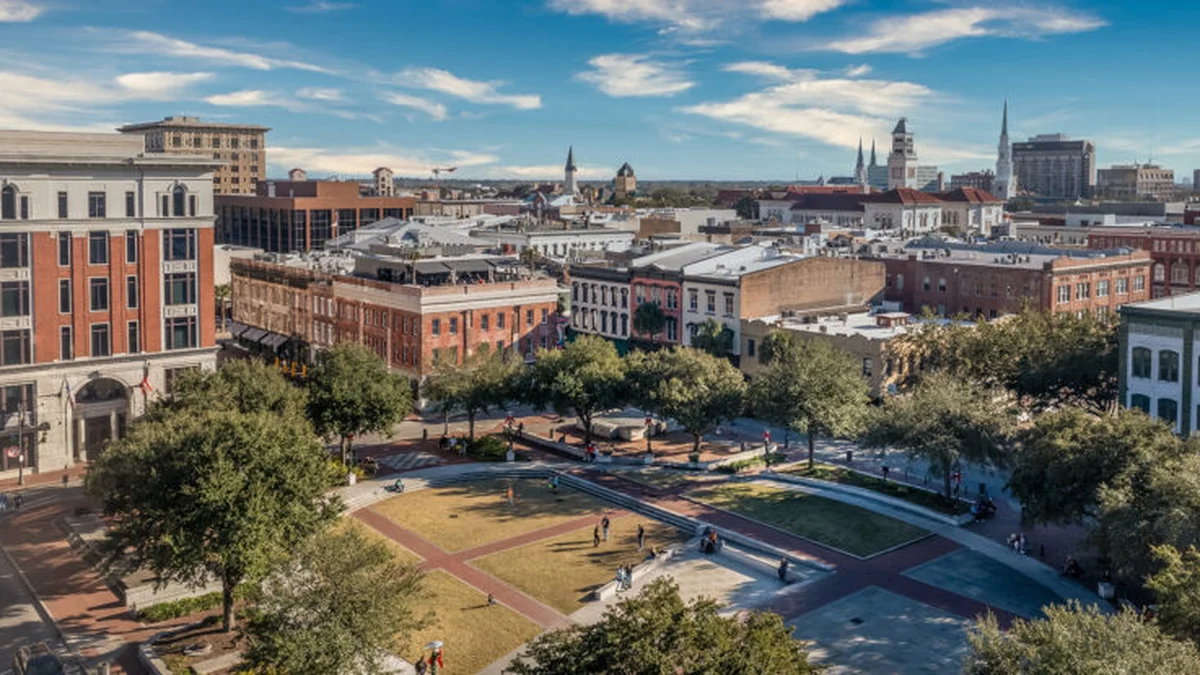
Base yourself in the historic district if you can. The squares, Forsyth Park, River Street, City Market, the Cathedral and the Telfair museums sit within a comfortable walking area, and the Savannah History Museum and the railroad museum sit a short walk west of the district centre. Give the city two full days at a minimum. Three days adds Wormsloe, Bonaventure Cemetery and Fort Pulaski at a relaxed pace.
Savannah at a Glance

| Best Known For | Public squares, Spanish moss, Forsyth Park, historic houses, River Street and Lowcountry history |
| Location | Coastal Georgia, on the Savannah River, around 12 miles inland from the Atlantic coast |
| Founded | 1733, as the first city of the Georgia colony, laid out in squares under the plan of James Oglethorpe |
| Top Cluster | The historic district, from River Street south to Forsyth Park, with 22 surviving public squares |
| Airport | Savannah Hilton Head International Airport, around 12 miles northwest of downtown |
| Best Months to Visit | March, April, May, September, October and November |
| Good to Know | The city keeps Eastern Time, and summer days are hot and humid, so start outdoor walks early |
Best for First-Time Visitors
- Historic squares walk, from Johnson Square to Monterey Square
- Forsyth Park and the Forsyth Fountain
- River Street and City Market
Best for Families

- Georgia State Railroad Museum
- Savannah History Museum
- Wormsloe Historic Site trails and oak avenue
Best Free Experiences

- Historic squares walk through the district
- Forsyth Park and the Forsyth Fountain
- Bonaventure Cemetery, open daily with free entry
Top Things to Do in Savannah

Start in the northern squares near River Street, where Johnson Square and the riverfront sit a short walk apart. From there, walk south through the district square by square to Forsyth Park, then return north for the house museums and the Cathedral. Keep Wormsloe, Bonaventure Cemetery and Fort Pulaski for separate half days, since all three sit away from the densest walking cluster.
1. Walk the Historic Squares of Savannah

Best for

First-time visitors, walkers, photographers and anyone who wants to understand Savannah at a glance. The historic squares of Savannah are the heart of the city plan, and they remain the easiest way to read the history of the city on foot.
James Oglethorpe laid out Savannah in 1733 with open squares at the centre of each ward, ringed by lots for houses and public buildings. The plan grew to 24 squares, and 22 survive today. Johnson Square, the first square, sits near the riverfront end of the district. Chippewa Square, Lafayette Square and Monterey Square form the classic central walk, with the Cathedral rising beside Lafayette Square and the Mercer Williams House standing on Monterey Square. Allow two to three hours for a relaxed squares walk, with pauses on benches under the oaks.
Address: Chippewa Square, Bull Street at West McDonough Street, Savannah, GA 31401, as a central starting point for the squares walk
Do not miss

Monterey Square in the morning light, with the Pulaski monument at its centre and grand houses on all four sides. Then walk north to Chippewa Square and Lafayette Square, where the Cathedral spires and the surrounding houses give the most photographed stretch of the squares walk.
Practical info

The squares are public parks, free to enter at any hour, and they are best explored on foot. The squares walk is flat and easy for wheelchairs and pushchairs on the main paths, though some side paths are uneven. Stay on the paths, respect residents in the surrounding houses, and carry water on hot days, since shade varies from square to square.
Insider tip: Walk the squares from north to south in the morning, so the walk ends at Forsyth Park. The route keeps the best shade in the morning hours, and Forsyth Park makes a natural rest stop before lunch.
2. Pause at the Fountain in Forsyth Park

Best for

Photographers, families, picnics and every first-time visitor. Forsyth Park is the largest park in the historic district, covering 30 acres at the southern end of the district, and its 1858 cast iron fountain is the most photographed sight in Savannah.
The park sits between Gaston Street to the north, Drayton Street to the east, Park Avenue to the south and Whitaker Street to the west. Wide paths run under live oaks, with open lawns, a playground and a fragrant garden for visitors with low vision. The fountain stands at the northern end of the park, framed by oaks and flower beds, and it gives the classic Savannah photograph in morning light. A Saturday farmers market fills the southern end of the park, with local produce, baked goods and crafts. Allow one to two hours.
Address: 2 West Gaston Street, Savannah, GA 31401
Do not miss

The fountain from the northern path at opening light, when the park is quiet and the oaks throw long shade across the lawns. Then walk the full length of the park to the southern lawns.
Practical info

Forsyth Park is a public city park with free entry. Hours vary by listing, so check the City of Savannah parks page on the day of your visit for current hours. The main paths are flat and accessible, parking on the surrounding streets is metered, and the park is best reached on foot from the southern squares.
Insider tip: Visit Forsyth Park early on a Saturday, when the farmers market is setting up and the fountain area is still quiet.
3. Stroll River Street and City Market

Best for

Shoppers, first-time visitors and travellers who want the riverfront side of Savannah. River Street and City Market form the lively northern edge of the historic district, where former cotton warehouses now hold shops, galleries and food stalls along the Savannah River.
Start on River Street, the cobblestone riverfront street along the northern edge of the district. Old warehouses in brick and stone line the landward side, while the river side gives views of cargo ships and the riverfront promenade. River Street Market Place, at 502 East River Street, Savannah, GA 31401, holds an open air market of local crafts and gifts inside recreated market sheds. Then walk south to City Market, at Jefferson Street and West Saint Julian Street, Savannah, GA 31401, a pedestrian area of shops, galleries and studios around a central courtyard. Allow two hours for browsing.
Address: 502 East River Street, Savannah, GA 31401, for River Street Market Place, and Jefferson Street at West Saint Julian Street, Savannah, GA 31401, for City Market
Do not miss

The riverfront promenade at River Street in the morning, before crowds build, when cargo ships pass close to the walkway and the warehouses catch the light. In City Market, look for local art and handmade goods in the small studios, rather than only the larger gift shops at the edges.
Practical info

River Street and City Market are free to walk at any hour. River Street Market Place is listed as open daily from 10:00 in the morning to 7:00 in the evening, with Friday and Saturday hours to 8:00 in the evening. City Market shops are listed as open daily from 10:00 in the morning to 10:00 in the evening, with individual shop hours varying. River Street cobblestones are uneven, so wear comfortable shoes, and use the ramps and lifts where the street level changes.
Insider tip: Walk River Street from east to west in the morning, then climb to Bay Street and walk south to City Market. The route avoids backtracking, and City Market makes a calm second stop after the riverfront crowds.
4. Face Honest History at the Owens-Thomas House and Slave Quarters

Best for

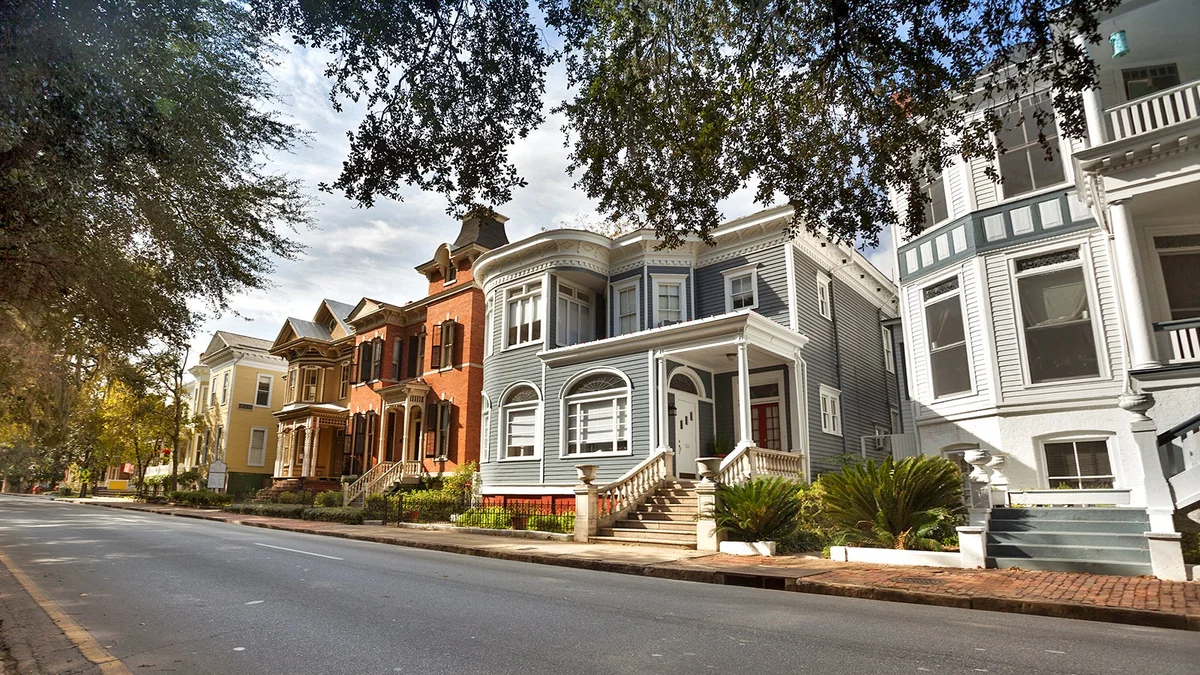
Travellers who want to understand Savannah history in full, architecture lovers and museum visitors. The Owens-Thomas House and Slave Quarters, part of Telfair Museums, pairs a grand Regency house with one of the oldest intact urban slave quarters in the United States, and it tells both stories with care and directness.
The house, built in the early 1800s on Oglethorpe Square, shows the public and private rooms of a wealthy merchant household, with a parterre garden and a carriage house. The slave quarters show the cramped rooms where enslaved people lived and worked, and the guided tour explains the labour that made the household possible, from cooking and cleaning to skilled craft work. The contrast between the two parts of the site changes how every later house museum in Savannah reads. The tour lasts around one hour, and the same ticket covers the Telfair Academy and the Jepson Center.
Address: 124 Abercorn Street, Savannah, GA 31401
Do not miss

The slave quarters and the orientation gallery, where the names, skills and daily lives of enslaved people are given the same attention as the architecture of the main house. Ask the guide about the people who worked in the house, since the guided tour adds detail that the rooms alone cannot give.
Practical info
The Owens-Thomas House is open Tuesday to Sunday from 10:00 in the morning to 5:00 in the evening, and it is closed on Mondays. Visits are by guided tour only, so book a tour time on arrival or in advance in busy weeks. Recent listings put the three site Telfair ticket at 30 dollars for adults, with lower rates for children, so check the official Telfair page for current prices before you go. The main house is reached by stairs, while the slave quarters and garden are accessible at ground level.
Insider tip: Visit the Owens-Thomas House before the other house museums. The tour gives context for every grand house that follows, and the Telfair ticket then covers the Academy and the Jepson Center for the rest of the day.
5. Admire the Architecture of the Cathedral of St. John the Baptist

Best for

Architecture lovers, photographers and travellers who want a quiet, beautiful interior in the heart of the district. The Cathedral of St. John the Baptist, on Lafayette Square, is the oldest Roman Catholic church in Georgia, dedicated in 1876, and its twin spires are a landmark on the Savannah skyline.
Step inside for the French Gothic interior, with tall columns, stained glass windows, murals and a decorated ceiling that reward a slow look upward. The Cathedral is an active place of worship, so the visit is best kept quiet and respectful. The exterior, viewed from Lafayette Square, gives the classic photograph, with the spires rising above the oaks and the surrounding houses. Pair the visit with Lafayette Square itself, for a compact half hour stop between house museums.
Address: 222 East Harris Street, Savannah, GA 31401, at Abercorn Street and East Harris Street, on Lafayette Square
Do not miss

The stained glass windows and the ceiling murals inside, viewed from the centre aisle. Then step outside to Lafayette Square for the exterior view, where the spires and the square oaks frame each other.
Practical info

Entry to the Cathedral is free in current listings. The Cathedral office is listed as open Monday to Friday from 9:00 in the morning to 5:00 in the evening, and visiting hours vary around services, so check the Cathedral site for current visit and service times before you go. Dress modestly and keep voices low inside.
Insider tip: Visit the Cathedral in the late morning, between services, when light through the stained glass is at its best and the interior is at its quietest.
6. Ride the Turntable at the Georgia State Railroad Museum

Best for

Families, train lovers and travellers who want hands on industrial history. The Georgia State Railroad Museum sits in the former Central of Georgia Railway repair shops, the most complete antebellum railroad repair complex still standing in the United States, with a working roundhouse turntable at its centre.
Thirteen original structures from the 1850s survive on the site, including the roundhouse, machine shop, blacksmith shop, boiler house and storehouse. Steam and diesel locomotives stand in the roundhouse, rail cars can be explored on guided tours, and the site tour by train rides around the yard and across the turntable. Children can try the handcar experience, while adults can follow the story of the workers who built and repaired the railway, including skilled Black workers whose craft kept the shops running. The museum sits just west of the historic district, across from the Savannah History Museum. Allow two to three hours.
Address: 655 Louisville Road, Savannah, GA 31401
Do not miss

The site tour by train and the turntable in operation, where the whole train turns slowly in the roundhouse yard. Check the train ride schedule on arrival, since ride times vary by day, and arrive early for the first ride of the day.
Practical info

The museum is listed as open from 9:00 in the morning to 4:00 in the afternoon, with the days of opening varying by season, so check the official Coastal Heritage Society page for the day of your visit. Admission prices vary widely between listings, so check the official ticket page for current prices before you go, and ask about the combination ticket that covers three Coastal Heritage Society sites. Wear comfortable shoes, since much of the site is outdoors on gravel and brick paths.
Insider tip: Take a guided tour first, then ride the train. The tour explains which building did what, and the train ride then reads as a working yard rather than a collection of old buildings.
7. Walk the Avenue of Oaks at Wormsloe Historic Site

Best for

Garden lovers, photographers, walkers and travellers who want the most beautiful drive in Savannah. Wormsloe Historic Site, on the Isle of Hope southeast of downtown, opens with a 1.5 mile avenue of live oaks draped in Spanish moss, leading to the tabby ruins of a colonial estate founded in the 1730s.
Drive slowly down the oak avenue, then park and walk to the museum and the ruins. The museum film and exhibits explain the founding of Georgia and the history of the Jones family estate, including the enslaved people whose labour built the colonial plantation, presented factually and without celebration. Trails run through maritime forest beyond the ruins, and a colonial life area shows 18th century crafts and skills with costumed interpreters on event days. The site rewards two to three hours, with the oak avenue best photographed in the morning light. Take insect repellent, water and comfortable shoes.
Address: 7601 Skidaway Road, Savannah, GA 31406
Do not miss

The oak avenue itself, walked on foot from the entrance cottage rather than only driven, so the scale of the trees and the moss canopy can be felt at walking pace. Then visit the tabby ruins, the oldest standing colonial ruins in Georgia, for the full story of the site.
Practical info

Wormsloe Historic Site is open daily from 9:00 in the morning to 4:45 in the afternoon, and it is closed on Thanksgiving Day and on 25 December. Admission prices vary between listings, so check the official Georgia State Parks page for current prices before you go. Parking on site is free, and a car is the practical way to reach the site, since public transport does not run directly to the entrance.
Insider tip: Arrive at opening time for the oak avenue. The light is softest before 11:00 in the morning, the site is quiet, and the forest trails are coolest for walking.
8. Reflect Among the Oaks at Bonaventure Cemetery

Best for

Walkers, photographers and travellers who want a peaceful, beautiful place to reflect. Bonaventure Cemetery, east of downtown on a bluff above the Wilmington River, covers more than 100 acres of oak lined paths, Victorian sculpture and quiet lawns, and it has drawn visitors for more than 150 years.
The site began as Bonaventure Plantation, was purchased for a private cemetery in 1846, and became a public cemetery in 1907. Today it holds the graves of many notable Savannah residents, including poet Conrad Aiken and lyricist Johnny Mercer, alongside striking Victorian monuments and family plots shaded by live oaks. Free guided tours by Bonaventure Historical Society volunteers on the second Sunday of each month give the best introduction, while a self guided walk with the city map covers the main sections in one to two hours. Treat the visit with respect, since Bonaventure remains an active cemetery, keep voices low and stay on the paths.
Address: 330 Bonaventure Road, Savannah, GA 31404
Do not miss

The oak lined main road at the entrance, where the canopy arches over the road in the classic Bonaventure view, and the river bluff sections, where the lawns open toward the Wilmington River and the monuments stand in quiet rows.
Practical info

Bonaventure Cemetery is open daily from 8:00 in the morning to 5:00 in the evening, and entry is free. A car is the practical way to reach the site, since it sits several miles east of downtown, and parking is available on site. Free guided tours by Bonaventure Historical Society volunteers run on the second Sunday of each month at 2:00, 2:30 and 3:00 in the afternoon, subject to volunteer availability.
Insider tip: Visit Bonaventure in the late afternoon, when the light through the oaks is warm and the cemetery is at its quietest. Bring the city map from the entrance, since the sections are large and easy to wander without a plan.
More Worth Your Time in Savannah

If the eight main sights leave you with a spare half day, these stops add depth without repeating the same story. The Savannah History Museum, at 303 Martin Luther King, Jr. Boulevard, Savannah, GA 31401, sits in the former Central of Georgia Railway passenger station, with more than 10,000 artifacts from the founding of Savannah in 1733 to the present day, including a steam locomotive and a film on city history. The museum is open daily from 9:00 in the morning to 4:00 in the afternoon, and adult admission is listed at 12 dollars on the official Coastal Heritage Society page.
Fort Pulaski National Monument, on U.S. Highway 80 east of Savannah, Savannah, GA 31410, guards the sea approach to Savannah from Cockspur Island, built between 1829 and 1847 and captured by Union forces in April 1862 in the first use of rifled cannon in warfare. The fort is open daily, with guided tours and historic weapons demonstrations, and admission is listed at 10 dollars for visitors aged 16 and older, with visitors aged 15 and younger free. Telfair Academy, at 207 West York Street, Savannah, GA 31401, and the Jepson Center nearby, complete the Telfair Museums trio with the Owens-Thomas House, with 19th century paintings at the Academy and contemporary art at the Jepson Center, all on the same three site ticket.
The Davenport House Museum, at 324 East State Street, Savannah, GA 31401, shows a Federal style house built for master carpenter Isaiah Davenport, with guided tours of 1820s domestic life and an exhibition on urban enslaved people. The museum is open Monday to Friday from 11:00 in the morning to 3:30 in the afternoon for guided tours, and on Saturdays from 10:00 in the morning, with tickets listed at 15 dollars on the official museum FAQ page, and entry through the Historic Kennedy Pharmacy at 323 East Broughton Street. The Juliette Gordon Low Birthplace, at 10 East Oglethorpe Avenue, Savannah, GA 31401, is the Regency house where the founder of the Girl Scouts was born in 1860, restored with original furnishings, open daily from 10:00 in the morning to 4:00 in the afternoon, with adult tickets listed at 15 dollars. The Mercer Williams House Museum, at 429 Bull Street, Savannah, GA 31401, on Monterey Square, shows an Italianate house with furniture and art from the collection of restorer Jim Williams. The American Prohibition Museum, at 209 West Saint Julian Street, Savannah, GA 31401, in City Market, covers the history of the national temperance movement and the 1920s law era through dioramas, artifacts and costumed guides, open daily from 10:00 in the morning to 5:00 in the evening.
Savannah Attractions Compared
| Attraction | Best For | Cost | Time Needed |
|---|---|---|---|
| Historic squares walk | First-time visitors | Free | 2 to 3 hours |
| Forsyth Park | Photos and families | Free | 1 to 2 hours |
| River Street and City Market | Shopping and river views | Free to walk | 2 hours |
| Owens-Thomas House and Slave Quarters | Essential history | 30 dollars adults, recent listings | 1 hour, plus Telfair sites |
| Cathedral of St. John the Baptist | Architecture | Free entry | 30 to 60 minutes |
| Georgia State Railroad Museum | Families | Check the official site | 2 to 3 hours |
| Wormsloe Historic Site | Oaks and trails | Check the official site | 2 to 3 hours |
| Bonaventure Cemetery | Peaceful walks | Free | 1 to 2 hours |
| Savannah History Museum | City overview | 12 dollars adults | 2 hours |
| Fort Pulaski National Monument | Fort history | 10 dollars aged 16 and older | 2 to 3 hours |
| Davenport House Museum | 1820s life | 15 dollars | 1 hour |
| Juliette Gordon Low Birthplace | Girl Scouts history | 15 dollars adults | 1 hour |
Suggested Itineraries

| Trip Length | What to See |
|---|---|
| 1 Day | Start at the historic squares walk in the morning, pause at Forsyth Park, and spend the afternoon on River Street and City Market, finishing at the Cathedral of St. John the Baptist. |
| 2 Days | Day 1: As above, plus the Owens-Thomas House. Day 2: The Georgia State Railroad Museum in the morning and the Savannah History Museum in the afternoon. |
| 3 Days | Days 1 and 2 as above. Day 3: Wormsloe Historic Site in the morning, Bonaventure Cemetery in the afternoon, or a day trip to Charleston. |
Book Tickets in Savannah

Book the house museums and the main paid sights in advance, especially in spring and autumn weekends. Every link below goes to the official ticket page for that attraction.
Where to Stay in Savannah
Top 3 hotels in Savannah
Explore all hotels >
The historic district suits almost every Savannah itinerary. The squares, Forsyth Park, River Street, City Market and the Telfair museums sit within walking distance of the district hotels, and the drive out to Wormsloe, Bonaventure Cemetery and Fort Pulaski stays manageable.
| Area | Best For | What Is Nearby |
|---|---|---|
| Historic district centre and Broughton Street | First-time visitors | City Market and the historic squares |
| River Street and Bay Street | Riverfront views | River Street Market Place |
| Southern district and Forsyth Park | Quiet streets | Forsyth Park and southern squares |
| Western district and the Visitor Center | Museum days | Savannah History Museum and the Railroad Museum |
Two hotels with verified official booking pages cover the main styles of stay:
- The Marshall House: A historic hotel in the heart of the district at 123 East Broughton Street, Savannah, GA 31401, close to City Market and the squares. Best for travellers who want a historic boutique stay in a central location.
- Perry Lane Hotel: A luxury hotel in the historic district at 256 East Perry Street, Savannah, GA 31401, close to the southern squares and Forsyth Park. Best for travellers who want a stylish base within walking distance of the main sights.
What to Eat in Savannah

Savannah eats like a Lowcountry port city, with seafood, rice dishes, fresh vegetables and sweet desserts at the centre of the table. Food often becomes the memory travellers carry home, a pattern explored in our guide to how food tourism is shaping modern travel. The halal options below come first.
Halal Food in Savannah

Al Salaam Deli, at 2311 Habersham Street, Savannah, GA 31401, is a small Middle Eastern deli run by a husband and wife team, with lamb gyro, falafel, hummus, baba ganoush and kabob plates. The deli is widely listed as a halal friendly Middle Eastern spot, but no certifier name was published in the sources found, so confirm halal status with staff on the day before ordering meat dishes, and choose falafel, hummus and vegetable plates if staff cannot confirm.
Savannah Halal Gyro, at 7505 Abercorn Street, Savannah, GA 31401, carries halal in its own business name and is listed as a halal food spot in current listings, with gyro and rice plates. As with any halal listing, ask staff about sourcing when you order, and confirm on the day. Food choices shape a trip as much as sights do, a point covered in our guide to how food tourism is shaping modern travel, and diners should still confirm halal status with staff before ordering meat dishes at any spot in this section.
One further option is listed here only as a confirm-with-staff choice. Shuk, at 1313 Habersham Street, Savannah, GA 31401, serves Mediterranean dishes including chicken shawarma bowls, falafel pita, hummus and sabich, but its halal status is not stated in its own listing, so confirm with staff before ordering meat dishes, and choose falafel, hummus and vegetable dishes as the safest choice until staff confirm meat sourcing. In every case, ask clearly about meat sourcing, and choose vegetable, seafood or egg dishes if staff cannot confirm.
Local Dishes to Try
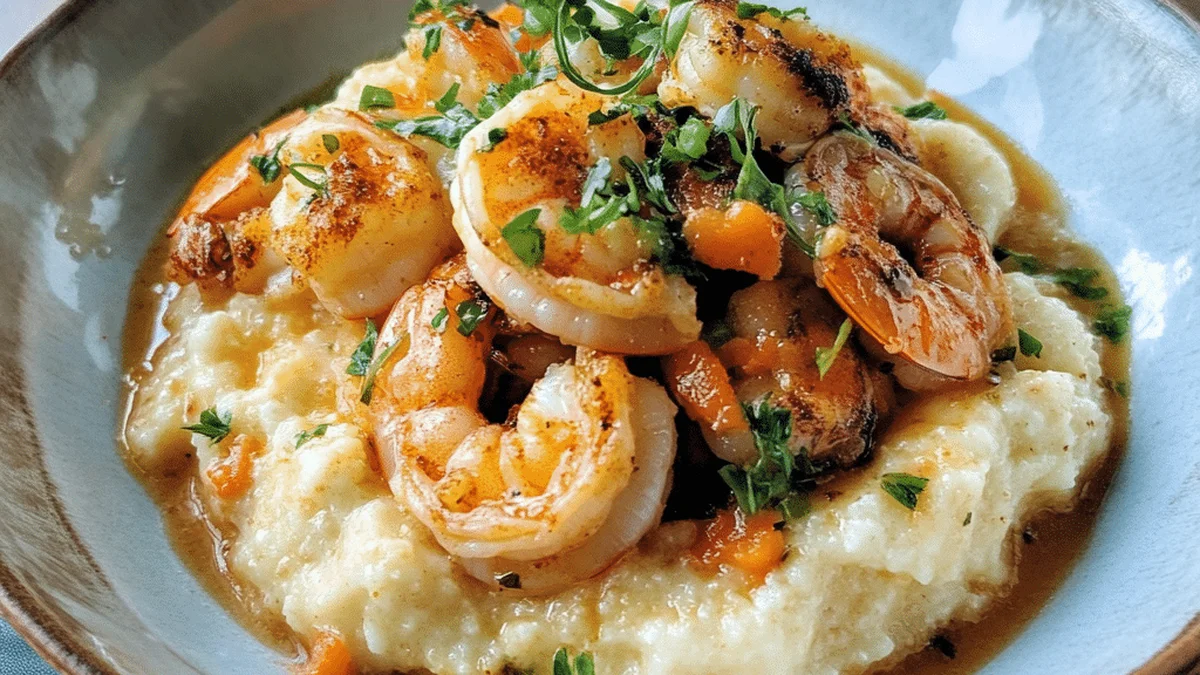
Shrimp and grits is the signature Lowcountry plate, with fresh shrimp over stone ground grits in a light sauce. Fried green tomatoes, okra and collard greens show the vegetable side of Southern cooking, while pralines, pecan pie and peach cobbler give the sweet finish. Eating well is part of understanding a place, a theme explored in our guide to how food tourism is shaping modern travel, and the City Market food stalls give a low cost way to taste several dishes in one stop.
Mosques and Prayer Facilities in Savannah

Savannah holds an established Muslim community with mosques in the midtown and downtown areas, and visitors are welcome at daily and Friday prayers. Prayer times shift with the season, so check the mosque site before you go.
- Islamic Center of Savannah: The main Islamic centre in the city, at 1030 Dutchtown Road, Savannah, GA 31419. The centre serves the religious, educational and social needs of the Savannah Muslim community, with a prayer hall, library and classrooms.
- Masjid Jihad: At 117 East 34th Street, Savannah, GA 31401, a downtown mosque close to the southern historic district, handy for Forsyth Park days and for southern district hotels.
Getting Around Savannah

| Option | Best For | Cost |
|---|---|---|
| Walking | The historic district, the squares, Forsyth Park and River Street | Free |
| dot Free Shuttle | Free downtown shuttle routes through the historic district | Free |
| Savannah Belles Ferry | Crossing the river to Hutchinson Island from the riverfront | Free |
| CAT Bus | Citywide travel without a car, including wider Savannah routes | 1.50 dollars single ride, recent listings |
| Car and Parking | Wormsloe, Bonaventure Cemetery, Fort Pulaski and day trips | Rental plus garage and lot fees |
| Taxi and Rideshare | Airport runs and outlying sights | Metered and app fares vary |
The historic district follows a simple grid of squares, and the main sights between River Street and Forsyth Park sit within a 20 to 30 minute walk of each other, so walking covers the core of the guide. The dot, the free downtown shuttle, runs routes through the historic district with stops at the main squares and sights, and the Savannah Belles Ferry crosses the river from the riverfront free of charge. Chatham Area Transit, known as CAT, runs citywide bus routes, with a single ride listed at 1.50 dollars in recent listings, so check the CAT site for current fares before you travel.
Savannah Hilton Head International Airport stands around 12 miles northwest of downtown, roughly a 20 to 25 minute drive in normal traffic. Taxis and rideshares wait outside the terminal, and CAT bus routes link the airport area to the downtown transit centre, though the airport bus is a regular route rather than a direct shuttle, so check the current route before relying on it. A rental car earns its keep on Wormsloe, Bonaventure and day trip days, while downtown garages keep parking simple on the rest of the trip.
What a Day in Savannah Costs

| Travel Style | Attractions | Food | Stay and Transport | Rough Daily Total |
|---|---|---|---|---|
| Budget Traveller | 0 to 25 dollars, mixing free squares and parks with one low cost museum | 30 to 45 dollars | 110 to 150 dollars hotel, free dot shuttle | 140 to 220 dollars |
| Mid-Range Traveller | 45 to 85 dollars for two or three paid sights | 60 to 95 dollars | 180 to 280 dollars hotel, 20 to 40 dollars parking and rides | 305 to 500 dollars |
| Family of Four | 100 to 180 dollars with railroad museum and Telfair pricing | 130 to 190 dollars | 220 to 320 dollars family room, 25 to 45 dollars parking and fuel | 475 to 735 dollars |
Savannah rewards planners. The squares, Forsyth Park and Bonaventure Cemetery cost nothing to enter, and the free dot shuttle removes parking from downtown days. The Telfair three site ticket and the railroad museum are the largest tickets to plan for in advance.
Best Time to Visit Savannah

| Season | Months | What to Expect |
|---|---|---|
| Spring | March to May | Mild days, azaleas and camellias in bloom, and busy garden weeks |
| Summer | June to August | Hot and humid days, early outdoor walks, and cool indoor museums at midday |
| Autumn | September to November | Warm early autumn days, easing crowds, and comfortable walking weather |
| Winter | December to February | Cooler days, lower hotel prices, and quieter streets and museums |
March, April, May, September, October and November give the easiest sightseeing weather in Savannah. Spring brings the best garden colour, while autumn brings warm days without summer humidity. Summer visitors should start outdoor days early and save museums for the heat of the afternoon. Winter is the quietest season, with lower hotel prices and short queues at paid sights.
Day Trips from Savannah

Charleston, South Carolina
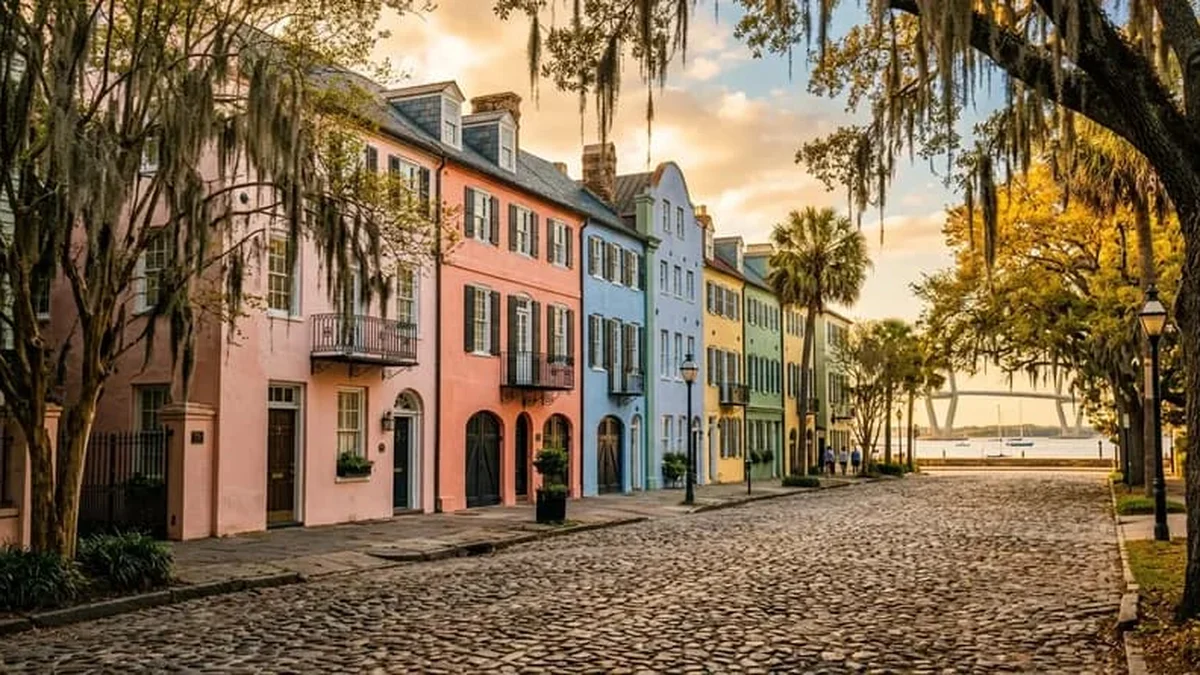
Charleston sits around two hours northeast of Savannah by road, and it makes the classic Lowcountry pairing. Pastel houses, a harbour front and a city market mirror Savannah history from a South Carolina angle, and a full day gives time for one historic district walk, one museum and a relaxed lunch. Charleston (guide in preparation) is the natural next city after Savannah for travellers who want a second Southern port city.
Beaufort, South Carolina

Beaufort sits under one hour northeast of Savannah, and it offers a quieter Lowcountry town with antebellum houses, oak lined streets and a small historic district that is easy to walk in half a day. Pair Beaufort with a slow lunch and a riverfront walk for a full day, and return to Savannah in the evening. Beaufort (guide in preparation) suits travellers who prefer slow towns over busy cities.
Bluffton, South Carolina

Bluffton, northeast of Savannah on the way toward Hilton Head Island, is a small Lowcountry town with a compact old town, art galleries, cafes and a riverfront park. Combine a morning walk in Bluffton old town with a relaxed lunch and a slow afternoon, without the pressure of a long drive.
Practical Tips for Visiting Savannah

Good to Know

- Group the historic district sights into walking days, and keep Wormsloe, Bonaventure Cemetery and Fort Pulaski for car days.
- Book Owens-Thomas House tour times ahead in spring and autumn, when both fill on weekends.
- Carry water and sun protection on summer walks, and start squares and Forsyth Park walks early in the day.
- Check mosque prayer times and halal restaurant hours before you go.
Good to Avoid

- Planning Wormsloe or Bonaventure as a walk from downtown. Both sit miles from the district and need a car.
- Assuming every museum opens daily at the same hour. Monday closures differ at the Owens-Thomas House and at several house museums.
- Driving between historic district sights. Walking is faster than parking twice.
- Photographing private homes from driveways. Stay on the pavement at the squares.
Final Thoughts
Savannah gives a traveller more than a checklist. It gives squares that invite slow sitting and history that asks for thought, from the fountain in Forsyth Park where the city gathers, to the riverfront where trade built the city, to the slave quarters on Abercorn Street that tell a hard truth with clarity. Walk slowly, sit under the oaks, take a house tour, and let the city set its own pace.
The historic squares, the fountain in Forsyth Park, River Street, and City Market make the first walking day, and the Owens-Thomas House and Slave Quarters, the Cathedral of St. John the Baptist, and the Georgia State Railroad Museum add the harder history and the industrial story. Wormsloe Historic Site, with its avenue of oaks, and Bonaventure Cemetery give the second day its quiet hours outside the centre.
Spring brings mild days with azaleas and camellias in bloom and busy garden weeks, and autumn brings comfortable walking weather with easing crowds, while summer calls for early outdoor walks and cool indoor museums at midday. Group the historic district sights into walking days and keep Wormsloe, Bonaventure Cemetery, and Fort Pulaski for car days. Book Owens-Thomas House tour times ahead in spring and autumn, when both fill on weekends, and use the free dot shuttle for the historic district.
The historic district suits almost every itinerary, with the squares, Forsyth Park, River Street, City Market, and the Telfair museums within walking distance of the district hotels. The Islamic Center of Savannah, at 1030 Dutchtown Road, welcomes visitors at daily and Friday prayers, with prayer times shifting by season. If a fourth day is free, Charleston sits around two hours northeast and makes the classic Lowcountry pairing, with pastel houses, a harbour front, and a city market.
FAQs
What are the best things to do in Savannah for first-time visitors?
Start with the historic squares walk, Forsyth Park and River Street, then add the Owens-Thomas House and Slave Quarters and the Cathedral of St. John the Baptist. This route covers squares, parks, riverfront views and essential history in one walkable area.
How many days do you need in Savannah?
Two full days cover the historic district, the railroad museum and the Savannah History Museum in comfort. A third day adds Wormsloe Historic Site, Bonaventure Cemetery and a day trip to Charleston or Beaufort without rushing.
What is Savannah best known for?
Savannah is best known for its public squares, Forsyth Park and the Forsyth Fountain, Spanish moss and live oaks, historic houses, River Street and Lowcountry history, including the story of the city plan drawn in 1733.
When is the best time to visit Savannah?
March, April, May, September, October and November bring the most comfortable sightseeing weather. Spring gives the best garden colour, autumn gives warm days without summer humidity, and winter gives the lowest hotel prices.
Is Savannah a good destination for families?
Yes. The Georgia State Railroad Museum fills half a day for younger children, with a train ride and a working turntable, Forsyth Park gives open space to run and play, and Wormsloe Historic Site gives trails and an oak avenue to explore outdoors.
Where can visitors find halal food in Savannah?
Al Salaam Deli on Habersham Street and Savannah Halal Gyro on Abercorn Street are the main halal friendly options in current listings, with Shuk on Habersham Street as a confirm-with-staff choice for falafel and vegetable dishes. Confirm halal status with staff on the day before ordering meat dishes at any spot.
How do visitors get around Savannah without a car?
Walk the historic district, where the squares, Forsyth Park, River Street and the main museums sit within a 20 to 30 minute walk of each other, and use the free dot shuttle for the rest of the district. CAT buses, taxis and rideshares cover the airport, Wormsloe, Bonaventure Cemetery and day trips when walking does not fit.