
Things to Do in San Francisco: Your Ultimate 2026 Guide to the City by the Bay
Imagine this: you step onto the Golden Gate Bridge in the early morning, and the fog lifts just enough to show the towers rising above you and the city waking up behind you. By evening, you are riding a cable car up a hill that feels almost vertical. San Francisco is a city that makes…
Imagine this: you step onto the Golden Gate Bridge in the early morning, and the fog lifts just enough to show the towers rising above you and the city waking up behind you. By evening, you are riding a cable car up a hill that feels almost vertical. San Francisco is a city that makes you work for its best views, and then rewards you for every hill you climb. This guide covers the best things to do in San Francisco, with honest prices, practical tips, and a plan that fits into a real trip.
Top 5 You Cannot Miss in San Francisco
- Golden Gate Bridge walk: the single best first stop in San Francisco, free, with a view you never forget.
- Alcatraz: the former island prison, with a cellhouse audio tour that brings its history to life.
- Cable car ride: the last manually operated cable car system in the world, and the most fun way to climb a hill.
- Chinatown: the oldest Chinatown in North America, full of tea houses, bakeries, and pagoda-style facades.
- Golden Gate Park: a 1,017-acre green space with gardens, museums, and room to breathe.
San Francisco is compact and full of contrasts. One neighborhood feels like a small European village, the next smells like fresh sourdough. Use this guide the way that fits your trip. First time visitors can follow the day by day plans near the end. Families can start with the Exploratorium, the California Academy of Sciences, and the cable cars. Travelers on a budget can build a full trip around the free sights. Plan for hills, plan for layers, and plan to fall a little in love with the place.
This guide was re-checked as of October 2026.
| Attraction | Category | Cost | Time Needed | Book Ahead? |
|---|---|---|---|---|
| Golden Gate Bridge walk | Bridge walk | Free (drivers pay toll $10.25 to $10.50) | 35 to 60 minutes each way | No |
| Alcatraz | Historic site | Day Tour $47.95 per adult | Half day | Yes, up to 90 days ahead |
| Fisherman Wharf district | Waterfront district | Free to stroll | Not stated | No |
| Cable car ride | Transit experience | $9 per ride | Not stated | No |
| Chinatown | Neighborhood | Free to stroll | Not stated | No |
| Union Square | Shopping district | Free to stroll | Not stated | No |
| Lombard Street | Landmark | Free | Not stated | No |
| Palace of Fine Arts | Landmark | Free | Not stated | No |
| Golden Gate Park | Park | Park entry free; Japanese Tea Garden $12 to $16 | Half a day | No |
| California Academy of Sciences and de Young Museum | Museums | Academy $49 per adult, $55 at peak times | At least 3 hours | Not stated |
| Ferry Building Marketplace | Market | Free to enter | Not stated | No |
| Twin Peaks | Viewpoint | Free | Not stated | No |
| Coit Tower | Tower | Murals free; elevator $10 | Not stated | No |
| Exploratorium | Science museum | Check official site | At least 2 hours | Not stated |
| Mission District murals | Street art | Free | Not stated | No |
| Painted Ladies | Landmark | Free, view from the park | Not stated | No |
| Muir Woods day trip | Nature | Check official site | Day trip | Yes, reserve parking or shuttle |
Families
- Exploratorium
- California Academy of Sciences
- Cable cars
- Sea lions at the Wharf
- Golden Gate Park
First-time visitors
- Golden Gate Bridge
- Alcatraz
- Cable cars
- Chinatown
- Union Square
Nature and views lovers

- Twin Peaks
- Golden Gate Bridge
- Palace of Fine Arts
- Muir Woods
- Golden Gate Park
Budget travelers

- Golden Gate Bridge walk
- Twin Peaks
- Palace of Fine Arts
- Painted Ladies
- Ferry Plaza Farmers Market
San Francisco at a Glance: Your Trip in One Snapshot

| Planning point | What to know |
|---|---|
| Best time to visit | September and October, for the warmest and clearest days |
| Ideal trip length | 3 full days for the highlights; 4 to 5 days with a day trip |
| Airports | San Francisco International Airport (SFO), about 14 miles south of downtown; Oakland and San Jose are alternatives |
| Getting around | BART from the airport, Muni buses and Metro, cable cars, ferries, and walking |
| Daily budget | About $200 to $350 per person per day for a mid-range trip |
| Language | English |
| Currency | US dollar |
Top Things to Do in San Francisco: 14 Sights You Will Remember
Start with these fourteen sights, ordered the way a first-time visitor can realistically enjoy them.
1. Walk Across the Golden Gate Bridge: A Walk Above the Fog

Best for: first time visitors and photographers.
Do not miss: The moment the fog lifts and the towers appear above you.
Hours: east sidewalk 5:00 am to 9:00 pm in daylight saving time, 5:00 am to 6:30 pm in standard time | Price: walking and cycling free; drivers pay a toll southbound only, $10.25 with FasTrak or $10.50 by pay-by-plate | Time needed: 35 to 60 minutes each way with photo stops
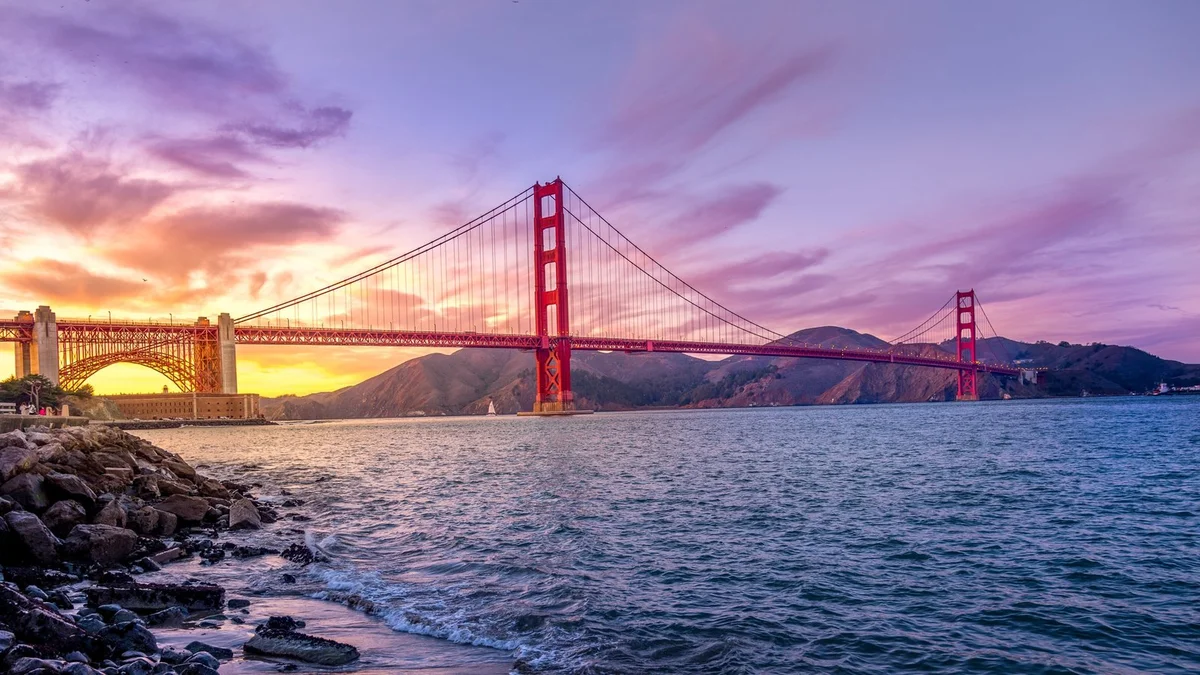
Imagine this: you are walking above the fog, with the towers rising beside you.
The Golden Gate Bridge opened on 27 May 1937, stretches 1.7 miles, and its towers rise 746 feet above the water. Why you will love it: this is the walk every visitor remembers, and it costs nothing. Check current pedestrian hours on the official Golden Gate Bridge site before you go.
Allow 35 to 60 minutes each way with photo stops, and wear a windproof layer. Morning is the best time for clear views and smaller crowds, while late afternoon brings warm light for photos.
Insider tip: Start from the San Francisco side, and go early in the morning for the clearest skies.
2. Tour Alcatraz Island: Step Inside The Rock

Best for: history lovers, first time visitors, and curious travelers.
Do not miss: The cellhouse audio tour, which brings the prison years to life.
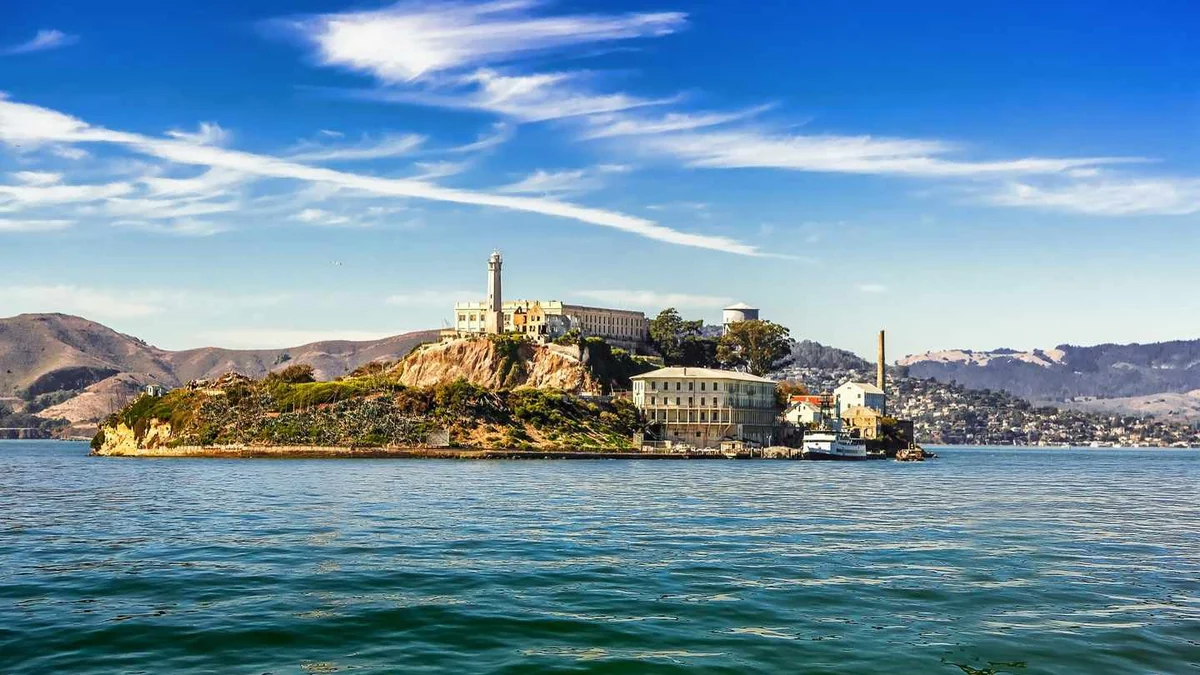
Price: Day Tour $47.95 for adults and $29.15 for children ages 5 to 11; Night Tour $59.65 for adults | Booking: book up to 90 days ahead; popular dates sell out | Note: Alcatraz is scheduled to close temporarily from 26 October to 19 November 2026 while the island ferry dock is repaired
Imagine this: the ferry pulls away, and an island prison rises out of the Bay in front of you.
Alcatraz, nicknamed The Rock, served as a federal penitentiary from 1934 to 1963. The only way to visit is by ferry with Alcatraz City Cruises, the official National Park Service concessioner, and tickets include the round-trip ferry plus the cellhouse audio tour. Why you will love it: the audio tour lets you hear the prison story in the voices of the people who lived it. See Alcatraz fees on the National Park Service site and Alcatraz City Cruises for tickets.
Book up to 90 days ahead, because popular dates sell out. The Night Tour suits travelers who want a moodier visit, while the Day Tour suits families and first time visitors. Allow a half day for the ferry, the audio tour, and time on the island.
Insider tip: Book the moment your dates are fixed. Alcatraz is the one San Francisco attraction that regularly sells out weeks ahead.
3. Explore the Fisherman Wharf Waterfront District: Sea Lions, Chowder, and Ferries

Best for: families, first time visitors, and food lovers.
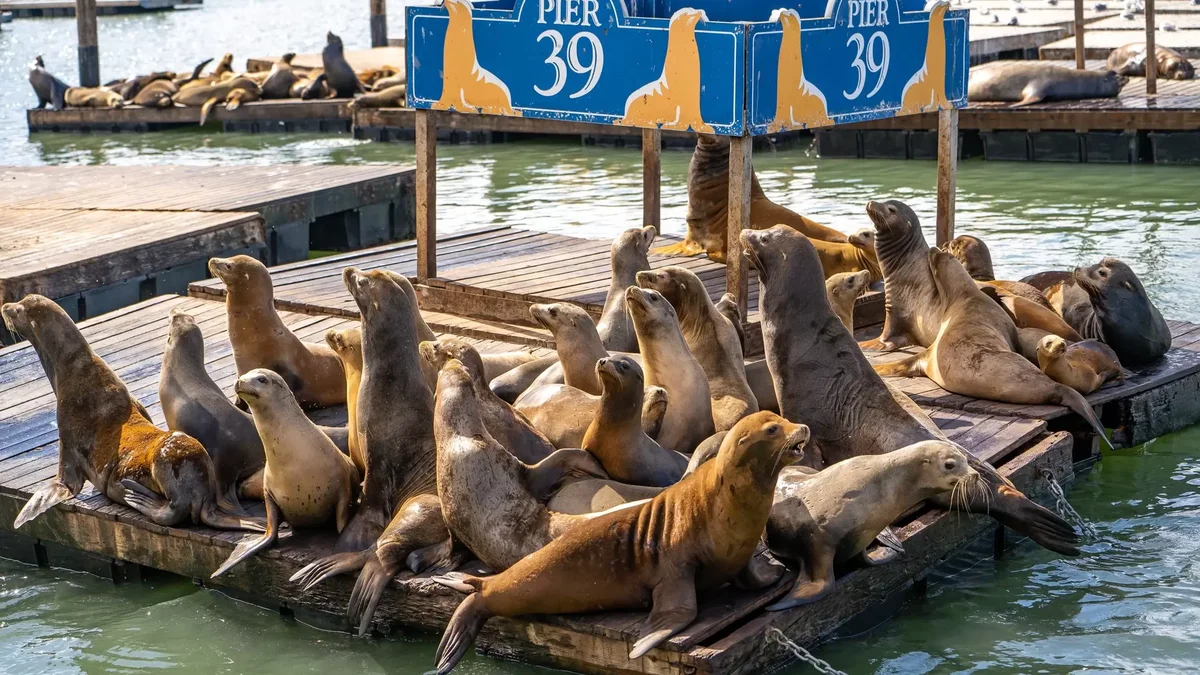
Do not miss: The California sea lions hauled out on the floating docks.
Price: free to stroll; food and tours cost extra | Getting there: ferries to Alcatraz depart from here
Picture this: sea lions barking on the floating docks, and ferries heading out across the Bay.
Fisherman Wharf is the most visited waterfront district in the city, and it earns the crowds. Watch California sea lions hauled out on the floating docks, browse souvenir shops, and settle in for clam chowder in a sourdough bread bowl. Why you will love it: it is San Francisco at its most cheerful, with something for every age.
Go in the morning for a calmer experience, when the crowds are thinner and the light is soft. Pair it with an Alcatraz ferry on the same day, since the ferries depart from here.
Good to know: Mornings are the calmest time at the Wharf. Evenings bring the biggest crowds.
4. Ride a Cable Car: Hold On and Enjoy the Hills
Best for: first time visitors and families.
Do not miss: The Powell-Hyde line, the most scenic of the three lines.
Price: single ride $9; children ages 4 and under ride free; Visitor Passport $15 for one day, $35 for three days, $47 for seven days | Lines: Powell-Hyde, Powell-Mason, and California | Note: fares are scheduled to rise in January 2027
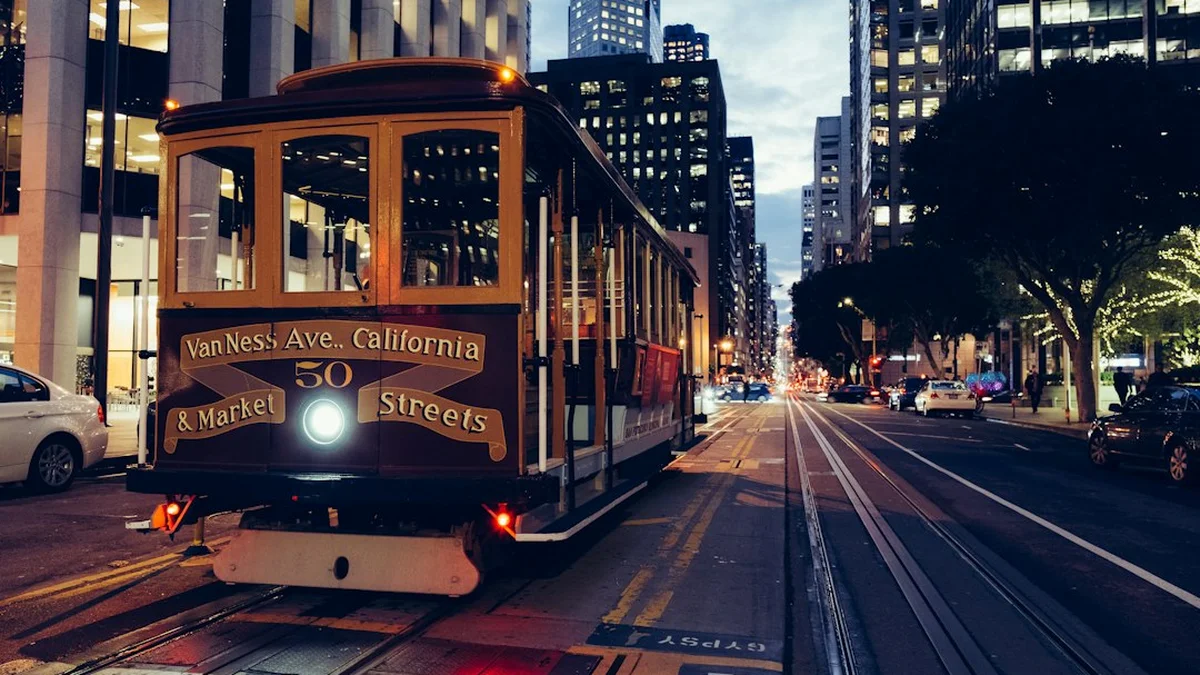
Imagine this: you are holding on tight as a cable car climbs a hill that feels almost vertical.
San Francisco runs the last manually operated cable car system in the world, and riding one is a must. Three lines still run: Powell-Hyde, Powell-Mason, and California. The Powell-Hyde line is the most scenic. Why you will love it: it is the most joyful way to climb a San Francisco hill. See the San Francisco Travel guide to the Powell-Hyde cable car line for routes and tips.
Ride in the morning or late afternoon to avoid the longest lines, and board at a terminus if you want a seat. A Visitor Passport pays off if you plan to ride more than once.
Insider tip: Board at a terminus for the best chance of a seat, and ride the Powell-Hyde line for the most scenic route.
5. Wander Through Chinatown: Tea Houses, Bakeries, and Pagoda Facades
Best for: first time visitors, food lovers, and culture seekers.
Do not miss: The Dragon Gate at Grant Avenue and Bush Street, built in 1970.
Price: free to stroll | Area: about 24 blocks | Getting there: walk from Union Square
Picture this: you walk through a green-tiled gate into a street of tea houses, bakeries, and pagoda-style facades.
Chinatown in San Francisco was established in 1848 and is the oldest Chinatown in North America, covering about 24 blocks. Enter through the Dragon Gate at Grant Avenue and Bush Street, built in 1970, then explore Grant Avenue for souvenir shops, tea houses, and bakeries, and Stockton Street for produce markets and family-run restaurants. Why you will love it: it is a whole world in a few blocks, and every corner has something to taste or see.
Allow one to two hours for a relaxed wander, longer if you stop for tea and dim sum. Morning is the best time to see the produce markets at their liveliest. Start on Grant Avenue for the classic sights, then turn onto Stockton Street for the local scene.
Good to know: Grant Avenue is the tourist side, Stockton Street is the local side. Walk both for the full picture.
6. Shop and Stroll at Union Square: The Commercial Heart of the City

Best for: shoppers and first time visitors.
Do not miss: Maiden Lane, with smaller boutiques and a quieter atmosphere.
Price: free to stroll | Area: bordered by Geary, Powell, Post, and Stockton Streets | Getting there: the Powell and Market cable car turnaround is right here
Imagine this: flagship stores on every side, and a quiet boutique lane just one block away.
Union Square is the commercial heart of the city, bordered by Geary, Powell, Post, and Stockton Streets. Major department stores, including the Macy flagship store, sit around the square, with boutiques, galleries, and theaters. The Powell and Market cable car turnaround is right here, so you can hop on a cable car after shopping. Why you will love it: it is shopping, dining, and transit in one walkable square.
Allow one to two hours for shopping, or a half day if you want the galleries and theaters too. Weekday mornings are the quietest time to browse. Combine it with a cable car ride from the Powell and Market turnaround at the end of your visit.
Insider tip: Slip onto Maiden Lane for smaller boutiques and a quieter atmosphere away from the main square.
7. See Lombard Street, the Crookedest Block: Eight Turns in One Block
Best for: first time visitors, photographers, and families.
Do not miss: The view from the bottom at Leavenworth Street, looking up.
Price: free | Traffic: one-way downhill, 5 mph speed limit | Location: between Hyde and Leavenworth on Russian Hill
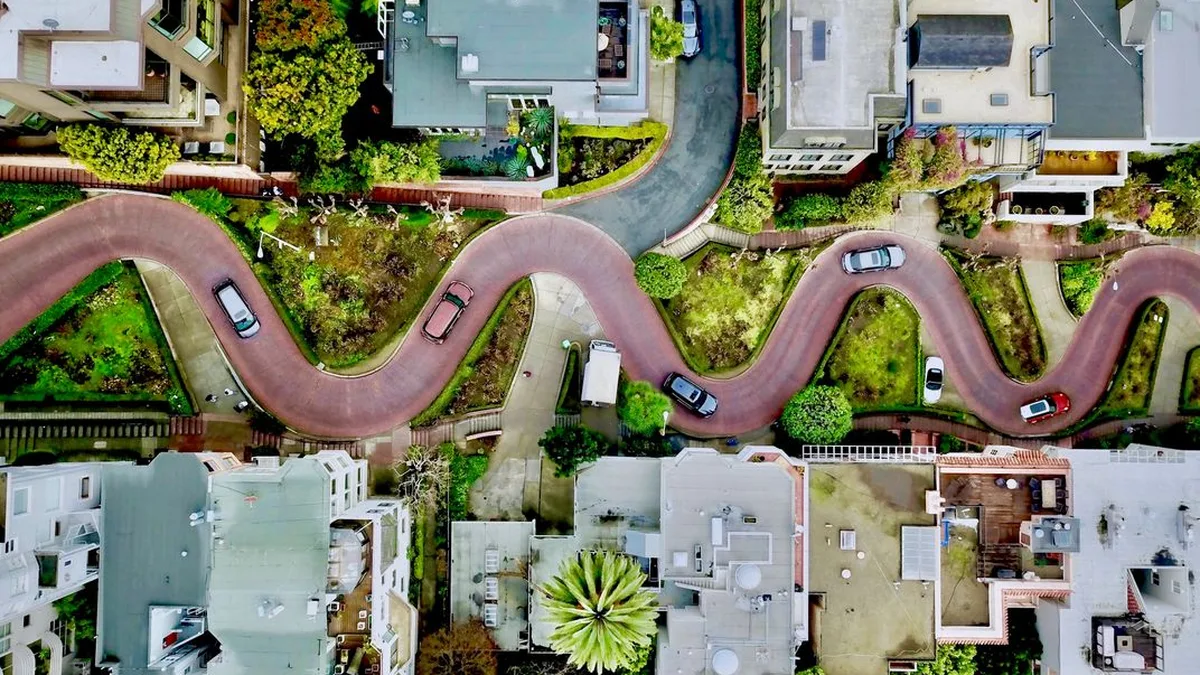
Picture this: a street so steep that it had to be bent into eight sharp turns just to make it drivable.
One block of Lombard Street, between Hyde and Leavenworth on Russian Hill, packs eight sharp hairpin turns into a short downhill stretch. The curves were built in 1922 to tame a natural 27 percent grade that was too steep for early cars. Today the block is one-way downhill, paved with red bricks, with a 5 mph speed limit and flower-lined turns. Why you will love it: it is the most photographed block in San Francisco, and it is free.
Allow 30 minutes for photos and the walk, longer if you climb to the top. Early morning is the quietest time, before the tour groups arrive. Walk it rather than drive it, so you can stop for photos at every turn.
Good to know: Walk Lombard Street rather than drive it. The best view is from the bottom looking up.
8. Admire the Palace of Fine Arts: A Roman Dream by a Lagoon
Best for: photographers and first time visitors.
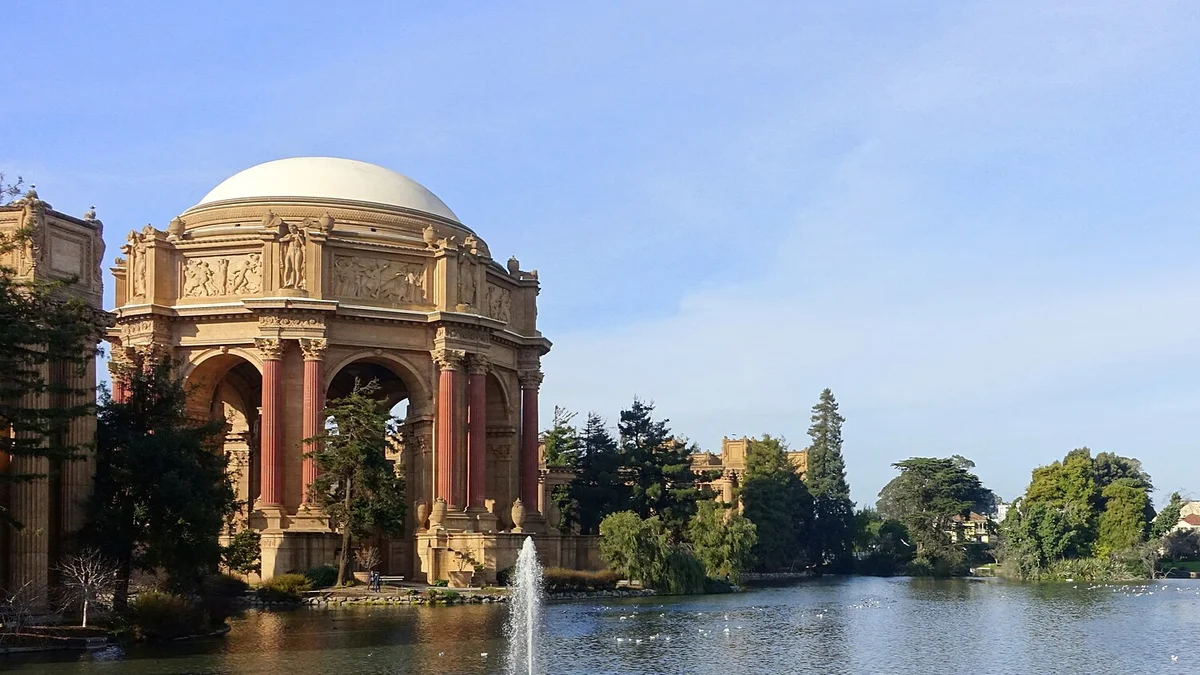
Do not miss: The grand rotunda reflected in the lagoon.
Price: free to visit | Getting there: check the official site for events and visiting details
Imagine this: a grand rotunda and colonnades reflected in a still lagoon.
Architect Bernard Maybeck designed the Palace of Fine Arts for the 1915 Panama-Pacific International Exposition, and it is the only structure from the exposition that still stands on its original site. The grand rotunda, colonnades, and lagoon were rebuilt with permanent materials in the 1960s. Why you will love it: it is the most beautiful free sight in San Francisco, and it feels like a film set. See the Palace of Fine Arts official site for events and visiting details.
Allow 45 minutes to an hour for a relaxed visit, longer if you want photos at golden hour. Early morning is the quietest time, while late afternoon brings the warmest light on the rotunda. Pair it with a Golden Gate Bridge walk, since the two sights sit close together.
Insider tip: Visit at golden hour for the warmest light on the rotunda.
9. Spend Half a Day in Golden Gate Park: Gardens, Museums, and Bison

Best for: families and nature lovers.
Do not miss: The Japanese Tea Garden, the oldest public Japanese garden in the United States.
Price: park entry free; Japanese Tea Garden adult admission about $12 to $16 depending on the season, free for everyone from 9:00 to 10:00 am on Mondays, Wednesdays, and Fridays | Time needed: half a day | Size: 1,017 acres, three miles from east to west
Picture this: a koi pond, a pagoda, and a tea house, all inside a huge park.
Golden Gate Park is a 1,017-acre green space that opened in 1870. Highlights include the Japanese Tea Garden, the oldest public Japanese garden in the United States, dating to the 1894 Midwinter Exposition, with koi ponds, a pagoda, and a tea house. Also look for the bison paddock, the Conservatory of Flowers, and pedal boats on Stow Lake. Why you will love it: it is a whole day of calm green space in the middle of the city. See the Japanese Tea Garden official page and the Golden Gate Park page from San Francisco Recreation and Parks.
Allow half a day for the park, including the Tea Garden and a walk to the bison paddock. Morning is the best time for the free Tea Garden hour and for quiet paths. Wear comfortable shoes, since the park stretches three miles, and pick two or three highlights rather than trying to see everything.
Good to know: Use the free Tea Garden hour on Monday, Wednesday, or Friday mornings.
10. California Academy of Sciences and de Young Museum: Rainforest, Aquarium, and Art Under One Roof

Best for: families, science lovers, and art lovers.
Do not miss: The four-story rainforest, and the free views from the Hamon Observation Tower.
Price: Cal Academy $49 per adult, $55 at peak times; de Young general admission free on the first Tuesday of each month | Hours: Cal Academy Monday to Saturday 9:30 am to 5:00 pm, Sunday 11:00 am to 5:00 pm | Time needed: at least three hours
Imagine this: you walk through a four-story rainforest, all under one living roof.
Inside Golden Gate Park, the California Academy of Sciences packs an aquarium, a planetarium, a four-story rainforest, and a natural history museum under one living roof. Adult admission is $49, or $55 at peak times, with youth and child prices lower and ages 2 and under free. Check hours and admission on the official California Academy of Sciences site. Across the Music Concourse, the de Young Museum covers American art plus African, Oceanic, and textile collections, and its Hamon Observation Tower offers free panoramic views. General admission is free on the first Tuesday of each month.
Allow at least three hours for the Academy alone, or a full day for both museums. Arrive at opening time to enjoy the rainforest before it fills, and book planetarium shows the moment you arrive. Pair the two museums on the same day, since they face each other across the Music Concourse.
Insider tip: Arrive at opening time and book planetarium shows right away, since the popular shows fill fast.
11. Taste Your Way Through the Ferry Building Marketplace: Sourdough, Cheese, and Saturday Market

Best for: food lovers, first time visitors, and market fans.
Do not miss: The Saturday Ferry Plaza Farmers Market, the big market day.
Price: free to enter; food costs extra | Market hours: Saturdays 8:00 am to 2:00 pm, Tuesdays and Thursdays 10:00 am to 2:00 pm | Location: on the waterfront at the foot of Market Street
Picture this: fresh sourdough, stalls of cheese and chocolate, and a farmers market buzzing outside.
The Ferry Building sits on the waterfront at the foot of Market Street. The building was completed in 1898 and reopened as a marketplace in 2003. Inside you will find artisan food shops selling sourdough, cheese, chocolate, and coffee. Why you will love it: it is the tastiest way to spend a San Francisco morning. See the Ferry Building Marketplace official site and the Ferry Plaza Farmers Market page.
Allow one to two hours for the market and the shops, longer on a Saturday. Go on a Saturday morning for the full market, and arrive before 10:00 am to beat the crowds. Come hungry, and try a little of everything.
Good to know: Saturday is the big market day. Arrive before 10:00 am for the full market with thinner crowds.
12. Take in the View from Twin Peaks: The Best Free Panorama in the City

Best for: photographers, first time visitors, and budget travelers.
Do not miss: The 360-degree view at sunset.
Price: free | Hours: park open daily 5:00 am to midnight | Getting there: parking sits between the two peaks
Imagine this: you are standing above the whole city, with downtown on one side and the bridge on the other.
Twin Peaks offers the best free panorama in San Francisco. The two hills rise to about 922 feet near the geographic center of the city, with 360-degree views of downtown, the Golden Gate Bridge, Alcatraz, and the Bay. Why you will love it: it is the best free view in San Francisco, and it costs nothing. See the Twin Peaks page from San Francisco Recreation and Parks.
Allow 45 minutes to an hour for the viewpoint, longer if you want sunset photos. Sunset is the most popular time, so arrive early for a parking spot. Bring a jacket, since the wind at the top is strong even on sunny days.
Insider tip: Bring a jacket and arrive early for sunset, since parking fills fast at the most popular time.
13. Climb to Coit Tower: Murals Below, Panorama Above

Best for: art lovers, history lovers, and first time visitors.
Do not miss: The 1934 murals on the ground floor, free to see.
Price: ground-floor murals free; elevator to the observation deck $10 | Hours: open daily 10:00 am to 5:00 pm | Height: 210 feet on Telegraph Hill
Picture this: you climb a hill, step inside a tower, and find walls covered in murals from 1934.
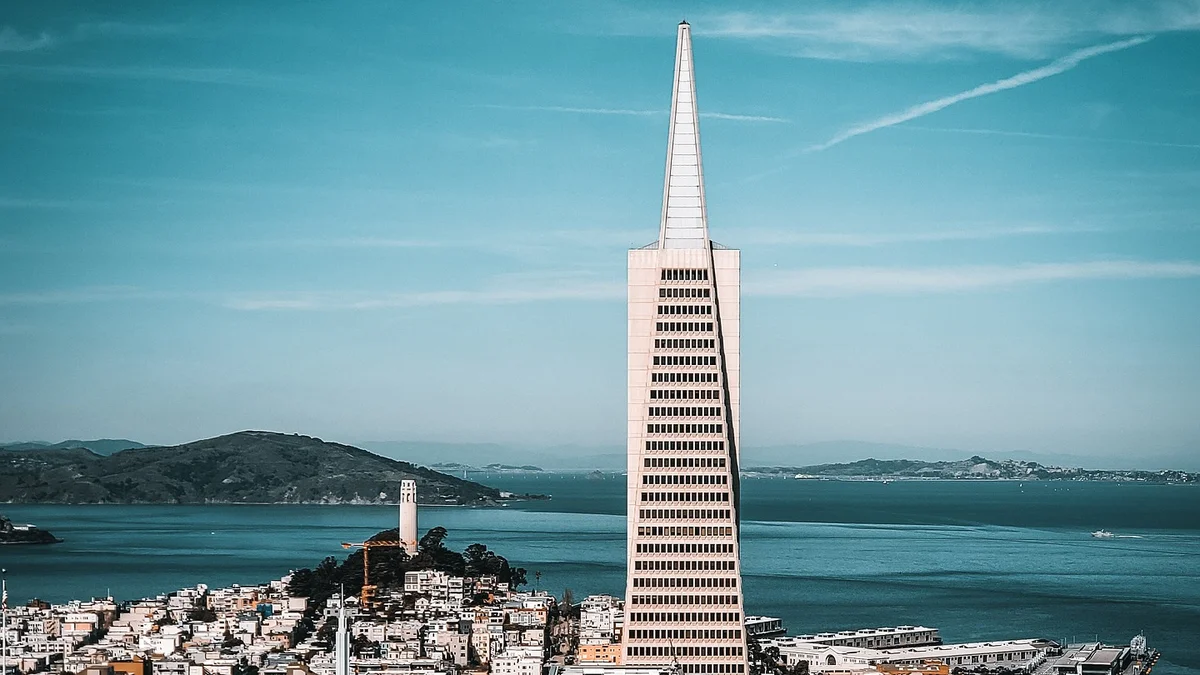
Coit Tower stands 210 feet tall on Telegraph Hill and dates to 1933. Inside, the ground floor holds the first federally funded mural collection from the Works Progress Administration era, painted in 1934, and entry to see the murals is free. Why you will love it: it is art and panorama in one stop, and the murals are free. See the Coit Tower page from San Francisco Recreation and Parks.
Allow one hour for the murals and the observation deck. Morning is the quietest time, while late afternoon brings warm light over the city. Walk up Telegraph Hill through the gardens for the full experience.
Good to know: The murals are free. Pay the $10 elevator fare only if you want the observation deck views.
14. Play and Learn at the Exploratorium: Science You Can Touch
Best for: families, curious travelers, and science lovers.
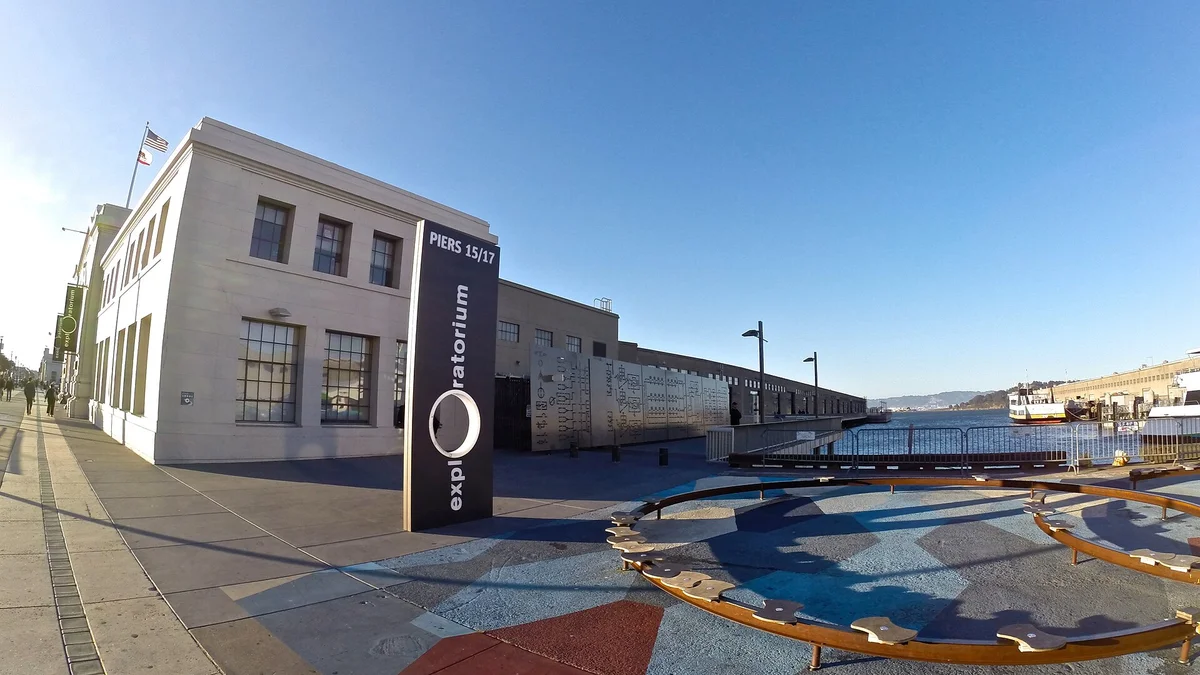
Do not miss: The hands-on exhibits you can touch, test, and tinker with.
Price: check the official site for current ticket prices | Time needed: at least two hours | Note: closed on Mondays
Imagine this: a museum where you are told to touch everything, test everything, and tinker with everything.
The Exploratorium is a hands-on museum of science, art, and human perception with hundreds of interactive exhibits you can touch, test, and tinker with. It sits on the waterfront at Green Street. Why you will love it: it is the museum where children and adults play side by side. Check the Exploratorium official site for current hours and ticket prices.
Allow at least two hours, or a half day if you love hands-on science. Weekday mornings are the quietest time, while weekends bring families. Pair it with an Alcatraz day, since the two sights sit in the same part of the city.
Insider tip: Go on a weekday morning for the quietest visit.
More Worth Your Time: Three Extra Stops You Will Not Regret

Mission District murals. The Mission District holds the most concentrated mural art in the city. Balmy Alley, a one-block alley between 24th Street and Garfield Square, has displayed murals since the early 1970s, and nearby Clarion Alley adds hundreds of ever-changing works. See Balmy Alley and the Clarion Alley Mural Project before you go.
Best for: art lovers, photographers, and walkers. Do not miss: Balmy Alley, with murals on display since the early 1970s. Price: free, outdoors. Time needed: 45 minutes to an hour.
Allow 45 minutes to an hour for both alleys, longer if you stop for photos at every wall. Morning light is best for photos, and weekdays are quieter than weekends. Pair the murals with a Mission-style burrito for a full Mission District afternoon.
Good to know: Both alleys are free and outdoors. Go in the morning for the best light and the quietest walk.
Painted Ladies. The seven colorful Victorian houses at 710 to 720 Steiner Street, across from Alamo Square Park, are known as Postcard Row. Built between 1892 and 1896, they survived the 1906 earthquake and fire. They are private homes, so admire them from the park. See the San Francisco Travel page on the Painted Ladies.
Best for: photographers and first time visitors. Do not miss: The Postcard Row view from Alamo Square Park. Price: free, view from the park. Note: private homes, admire from the park.
Allow 30 minutes for photos from the park, longer if you want the classic shot with the skyline behind the houses. Morning light is best for photos of the facades. Remember the houses are private homes, so enjoy the view from the park.
Insider tip: Stand in Alamo Square Park for the classic Postcard Row shot, with the skyline behind the houses.
Day trip to Muir Woods. Muir Woods National Monument, in Marin County, protects ancient redwood trees more than 250 feet tall. See the Muir Woods page from the National Park Service and Go Muir Woods for shuttle reservations.
Best for: nature lovers and families. Do not miss: Standing under redwood trees more than 250 feet tall. Price: check official sites. Booking: reserve parking or a shuttle in advance; no walk-up parking. Time needed: half day to full day trip.
Allow a half day to a full day for the trip, including the drive and the walk among the trees. Morning is the quietest time on the trails, and weekdays are calmer than weekends. Reserve parking or a shuttle well ahead, since there is no walk-up parking.
Good to know: Reserve parking or a shuttle well ahead. There is no walk-up parking at Muir Woods.
Where to Eat in San Francisco: Flavors From Every Corner of the World

San Francisco is one of the best food cities in the United States. These picks cover the experiences that make the city memorable, with halal-friendly options first.
Plan your eating the way you plan your sights. Start with the neighborhoods near your hotel, then branch out. Mix one or two sit-down dinners with market meals and casual spots, so your budget stretches further.
Halal-friendly restaurants. For halal Chinese food, head to Old Mandarin Islamic Restaurant at 3132 Vicente Street, known for cumin lamb, potstickers, and lamb dumplings. Other halal options around the city include Karahi House at 1409 Polk Street for Pakistani karahi dishes, Mashaallah Halal Pakistani Food at 315 5th Street for Zabiha halal curries, and The Halal Guys at 336 O’Farrell Street for halal platters.
Sourdough and clam chowder. San Francisco sourdough is a local institution, and the classic order is clam chowder served in a sourdough bread bowl. Boudin Bakery runs several locations around the city, including one at Fisherman Wharf.
Mission-style burritos. The Mission District is famous for its large, foil-wrapped Mission-style burritos, a San Francisco original.
Graze at the Ferry Building. The Ferry Plaza Farmers Market and the shops inside the Ferry Building are ideal for a light lunch of artisan bread, cheese, and fresh produce, and they fit the way food tourism is shaping modern travel in cities like this one.
Book Your San Francisco Tickets Online

Skip the ticket lines and book in advance. Every link below goes to the official ticket page for that attraction.
| Attraction | Tickets |
|---|---|
| Alcatraz | Book Tickets |
| California Academy of Sciences | Book Tickets |
| de Young Museum | Book Tickets |
| Exploratorium | Book Tickets |
Where to Stay in San Francisco: Pick Your Perfect Base
Top 3 hotels in San Francisco
Explore all hotels >- Fairmont San Francisco ★★★★★
- Argonaut Hotel ★★★★
- Hilton San Francisco Union Square ★★★★

Stay near Union Square, Nob Hill, or the Fisherman Wharf waterfront district.
Choose your base by the way you plan to spend your days. Union Square suits travelers who want shopping, dining, and transit in every direction. Nob Hill suits travelers who want classic hotels and cable cars at the door. The Fisherman Wharf district suits families who want ferries and waterfront walks close by.
Stay in Union Square or Nob Hill if you want shopping, dining, classic hotels, and cable cars at the door.
Stay in the Fisherman Wharf waterfront district if you want to walk to ferries, seafood restaurants, and the waterfront.
| Hotel | Area | Why stay here | Price tier |
|---|---|---|---|
| Fairmont San Francisco | Nob Hill, 950 Mason Street | Historic 1907 landmark with 606 rooms and sweeping city views | Luxury |
| Argonaut Hotel | Fisherman Wharf district, 495 Jefferson Street | Nautical-themed boutique hotel in the historic 1907 Haslett Warehouse | Upper mid-range |
| Hilton San Francisco Union Square | Union Square, 333 O’Farrell Street | Large downtown hotel with 1,921 rooms, near shopping and cable cars | Mid-range |
| Hotel Zephyr | Fisherman Wharf district | Playful waterfront hotel with 361 rooms, game areas, and courtyard fire pits | Mid-range |
Getting Around San Francisco: Get Anywhere Without the Stress
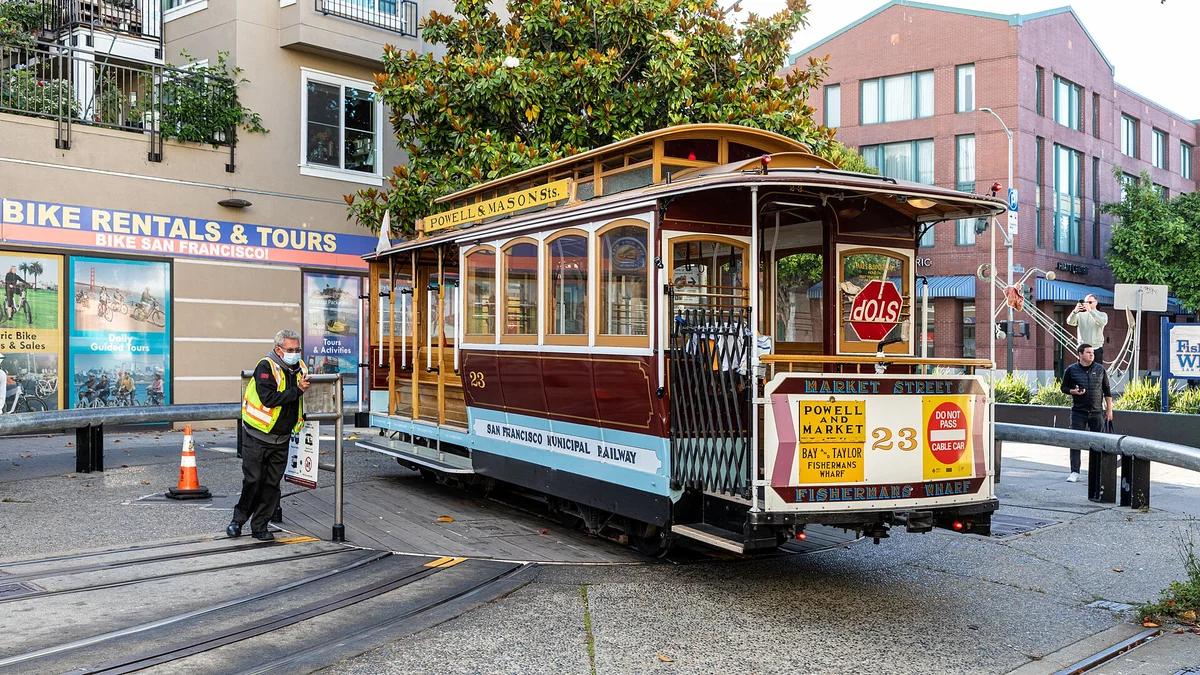
From the airport. BART trains run directly from San Francisco International Airport to downtown stations, including Powell Street near Union Square and the Ferry Building station. The trip takes about 30 minutes and costs around $11 one way.
Muni buses and Metro. The Muni system covers the whole city with buses, light rail Metro lines, and historic streetcars. A single ride costs $2.85 with a Clipper card or $3.00 cash, and a day pass costs $5.70.
Cable cars. A single ride costs $9; the Visitor Passport covers unlimited rides. Fares are scheduled to rise in January 2027, so confirm current prices before you travel.
Walking. San Francisco rewards walkers, but the hills are real. Wear comfortable shoes and use cable cars or buses to skip the hardest climbs.
Ferries and rideshares. Ferries cross the Bay from the Ferry Building, and rideshares fill the gaps late at night. You do not need a car in the city itself.
Plan your days by neighborhood to save time. Group the Golden Gate Bridge, the Palace of Fine Arts, and the Wharf on one day. Group Chinatown, Union Square, and Lombard Street on another. Group Golden Gate Park, the Academy, and the de Young together.
Top tip: Buy a Visitor Passport if you plan to ride cable cars more than once.
Best Time to Visit San Francisco: When to Go for the Best Days
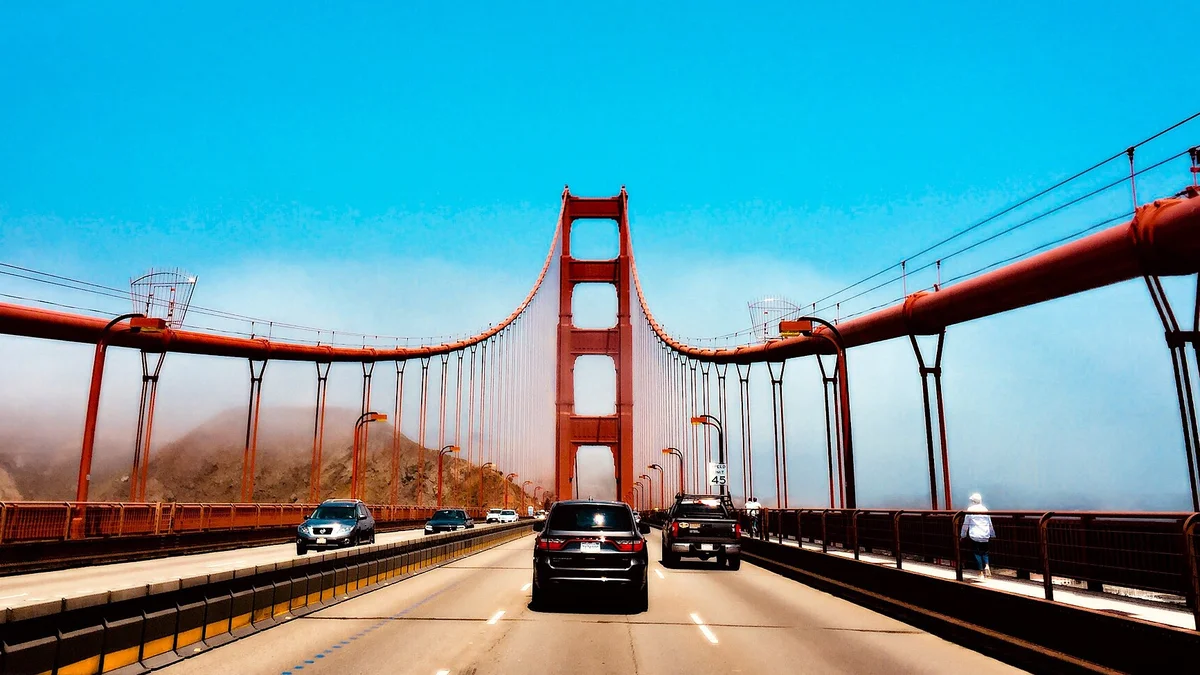
San Francisco does not follow normal seasons: summer is often foggy and cool, while early fall is warm and clear.
| Season | What to expect | Who it suits |
|---|---|---|
| Spring (April to May) | Mild weather, green parks, smaller crowds than summer | Travelers who want pleasant weather without peak crowds |
| Summer (June to August) | Foggy mornings, cool afternoons, busiest season | Families tied to school holidays who pack layers |
| Fall (September to October) | Warmest and clearest weather, often called the Secret Summer | Most visitors; the best overall choice |
| Winter (November to March) | Cool, some rain, quietest streets, lowest hotel prices | Budget travelers who prefer a slower pace |
Book fall dates early, since September and October are the most popular months. If you visit in summer, pack layers for foggy mornings and expect crowds at the top sights. Winter is the best choice for budget travelers, with the quietest streets and the lowest hotel prices.
Suggested 3-Day Itinerary: Your Day-by-Day Plan

Use these plans as a starting point.
| Day | Morning | Afternoon | Evening |
|---|---|---|---|
| Day 1: Icons | Golden Gate Bridge walk, Palace of Fine Arts | Fisherman Wharf, sea lions, chowder lunch | Powell-Hyde cable car, dinner near Union Square |
| Day 2: Neighborhoods | Chinatown, Union Square, Maiden Lane | Lombard Street, Coit Tower | Ferry Building, sunset waterfront stroll |
| Day 3: Parks and Museums | Golden Gate Park, Japanese Tea Garden | Cal Academy and de Young Museum | Twin Peaks at sunset |
Add a fourth day for Alcatraz plus the Exploratorium, or for a Muir Woods day trip.
How Much Does a Trip to San Francisco Cost? Plan Your Budget
Use this table to plan a realistic daily budget.
You can keep costs down without missing the best sights. Build your days around the free sights, use a Visitor Passport for cable car days, and mix market meals with one or two sit-down dinners.
| Expense | Typical range | Notes |
|---|---|---|
| Hotel, mid-range | $250 to $400 per night | Book early for fall dates; winter is usually cheaper |
| Food | $60 to $100 per person per day | Mix sit-down meals with market food and casual spots |
| Transit | $6 to $15 per person per day | A Visitor Passport pays off if you ride cable cars often |
| Alcatraz Day Tour | $47.95 per adult | Includes ferry and cellhouse audio tour |
| California Academy of Sciences | $49 per adult, $55 at peak times | Allow at least three hours |
| Japanese Tea Garden | $12 to $16 per adult | Free 9:00 to 10:00 am on Mondays, Wednesdays, and Fridays |
| Coit Tower elevator | $10 per adult | Ground-floor murals are free |
| Free highlights | $0 | Bridge walk, Painted Ladies, Twin Peaks, Palace of Fine Arts, Ferry Plaza Farmers Market |
Practical Tips for Visiting San Francisco: Travel Like a Local
Top tip: Book Alcatraz tickets as soon as your dates are fixed, up to 90 days ahead. It is the one attraction in San Francisco that regularly sells out weeks in advance.
- Pack layers. Mornings can be foggy and cool even in summer, and afternoons can turn warm. A windproof jacket is the single most useful item to pack.
- Reserve ahead. Alcatraz, Muir Woods parking and shuttles, and popular restaurants all need advance booking.
- Prayer facilities. The Islamic Center of San Francisco at 400 Crescent Avenue was founded in 1959 as the first mosque in the San Francisco Bay Area and offers daily and Friday congregational prayers.
- Keep valuables out of sight. Car break-ins happen in busy tourist areas, so never leave bags visible in a parked car.
- Check closure dates. Attractions occasionally close for private events or maintenance. Alcatraz is scheduled to close from 26 October to 19 November 2026 for dock repairs, so confirm before you book.
- Start early. Popular sights are quietest in the first hour after opening, and you will enjoy them more with space to breathe.
See all stops on Google Maps to plan your route between the attractions in this guide.
Conclusion
San Francisco earns its reputation. It is hilly, foggy, expensive, and completely unforgettable. Walk the bridge, ride a cable car, eat your way through Chinatown and the Ferry Building, and end a day above the city at Twin Peaks. Three days covers the highlights. Book Alcatraz early and pack layers. If you are planning more trips around the United States, our guides to things to do in Washington D.C., things to do in Boston, and things to do in New York City will help you plan the next one.
The Golden Gate Bridge, Alcatraz Island, Fisherman Wharf, and the Ferry Building make the essential circuit, and Chinatown, the cable cars, the Painted Ladies, Coit Tower, the Palace of Fine Arts, the Mission murals, the Japanese Tea Garden, Twin Peaks, Ocean Beach, and Angel Island fill the days around them. The three day plan in this guide pairs the bridge and the wharf on day one, Alcatraz with Chinatown and the cable cars on day two, and the Mission, the Tea Garden, and Twin Peaks on day three.
September to October brings the warmest and clearest days, while summer brings fog and cool afternoons that call for layers, and winter brings the lowest prices with rain possible. Use the Muni day pass at 5 dollars for cable cars, buses, and streetcars, and BART for the airport run. Book Alcatraz 2 to 3 weeks ahead, since the official ferry tickets sell out first in every season, and dress in layers on every outing, since the fog can drop the temperature by 10 degrees within an hour.
Fisherman Wharf suits first time visitors with the wharf, the cable car turnarounds, and the bay cruises close by, Union Square suits shoppers and theatre goers, and the Mission District suits food lovers and mural hunters. The Islamic Center of San Francisco, at 20 Jones Street, holds daily prayers and the Friday prayer, and visitors are welcome. If a fourth day is free, Sausalito and Muir Woods sit about 15 miles north, with a harbour town and giant redwoods in one half day.
FAQs
How many days do you need in San Francisco?
Three full days cover the main highlights: the Golden Gate Bridge, Alcatraz, Fisherman Wharf, cable cars, Chinatown, Union Square, and Golden Gate Park. Add a fourth day for the Exploratorium and the Mission District murals, and a fifth for a Muir Woods day trip.
Is San Francisco expensive?
Yes, San Francisco is one of the most expensive cities in the United States. A mid-range trip typically costs $200 to $350 per person per day, including hotel, food, transit, and one paid attraction. Cut costs by visiting in winter, eating at markets and casual restaurants, and enjoying the many free sights.
What is the best area to stay in San Francisco?
Union Square is the best base for first-time visitors, with shopping, dining, and transit in every direction. Nob Hill suits travelers who want classic hotels and cable cars at the door, and the Fisherman Wharf waterfront district suits families.
Do you need a car in San Francisco?
No. BART, Muni buses and Metro, cable cars, ferries, and walking cover the whole city, and parking downtown is expensive and scarce. Rent a car for one day only if you plan a trip to Muir Woods or beyond the city.
Is San Francisco family friendly?
Yes. Children love the Exploratorium, the California Academy of Sciences, the cable cars, the sea lions at the Fisherman Wharf waterfront, and the open spaces of Golden Gate Park.
What are the best free things to do in San Francisco?
Walking across the Golden Gate Bridge, viewing the Painted Ladies from Alamo Square Park, visiting the Palace of Fine Arts, watching the sunset from Twin Peaks, browsing the Ferry Plaza Farmers Market, and seeing the ground-floor murals at Coit Tower are all free.
When is the best time to visit San Francisco?
September and October offer the warmest and clearest weather. Spring brings mild weather and smaller crowds, summer brings fog and peak crowds, and winter brings the quietest streets and the lowest hotel prices.



4 Comments