Saranda to Corfu Ferry: The Ultimate Guide to Crossing the Ionian
The sparkling waters of the Ionian Sea separate the thriving coastal city of Saranda in Albania from the tranquil Greek island Corfu. While they might be part of two nations, they are incredibly near enough to be crossing both is among the most well-known and picturesque routes to travel within the Balkans. This trip seamlessly…
The sparkling waters of the Ionian Sea separate the thriving coastal city of Saranda in Albania from the tranquil Greek island Corfu. While they might be part of two nations, they are incredibly near enough to be crossing both is among the most well-known and picturesque routes to travel within the Balkans.
This trip seamlessly combines the energy and vibrancy of Saranda and the timeless beauty of Corfu providing travelers with the opportunity to experience both all in one trip. This guide will take you through all you should be aware of concerning Corfu to Saranda ferry. Saranda up to Corfu ferry to make you experience your Ionian crossing as easy and relaxing like the ocean itself.
Why Take the Saranda to Corfu Ferry?

connecting these two places by sea is not just about ease of use; it is an experience on its own. Here are some compelling reasons for why this route is extremely well-known:
1. Beautiful Scenic: The short trip along the Ionian is stunning in its visuals. You will be able to see the stunning Albanian coastline disappear and being replaced by lush hills, hilly landscape as well as the Venetian architectural style of Corfu. Views from your deck particularly when the sun rises or sets are breathtaking.
2. Speed and efficiency: Faster ferry boats can cross in just 30 minutes. Even the slower car and passenger ferry services rarely last more than 90 mins. It is an extremely fast way to travel between two countries.
3. Cost-effective Travel: Although prices differ based on the time of year and the type of ferry, the trip generally is inexpensive. It can often be cheaper than flying, particularly when you consider the cost and time involved in airport transfer.
4. The ease of planning The ease of planning and a variety of daily departures (especially during peak seasons) making your travel plans is easy. It is possible to book tickets either online or in the terminal.
Understanding Ferry Types Fast vs. Slow
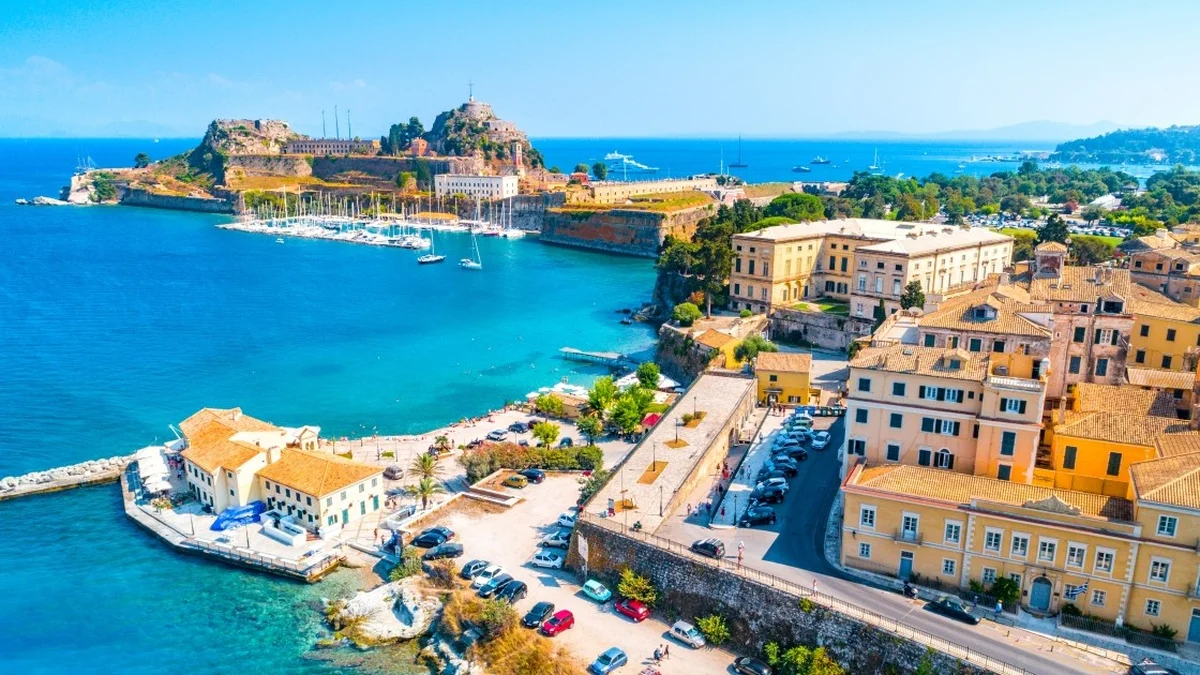
When you book for your Saranda from Corfu ferry trip, expect to see two primary kinds of vessels Hydrofoils with high-speed speeds (often known as “flying dolphins” or catamarans) as well as larger, traditional passenger/car ferries.
The Fast Option (Hydrofoils and Catamarans):
When speed and efficiency are your primary priority, then high-speed options are available to you. These vessels skim across water and arrive at Corfu Port in between 30 and 45 minutes. They are typically smaller, passengers-only ferries. Their speed means that you will not have as much time to take in the open deck views. The tickets are a little more expensive than slower alternatives, and they may be impacted by rough seas, which can lead to a bumpier experience.
The Slower Option (Passenger and Car Ferries):
Traditional ferries provide the most relaxed speed. The journey can take between 60 to 90 minutes. These vessels are significantly bigger, with spacious decks that allow you to wander through, snap photos, and take in the sea and sun. They are also the sole alternative if traveling using a vehicle. Tickets are usually less expensive, and larger sizes provide more stability, and can result in a smoother ride even in rough waters.
Top Ferry Operators on the Saranda-Corfu Route
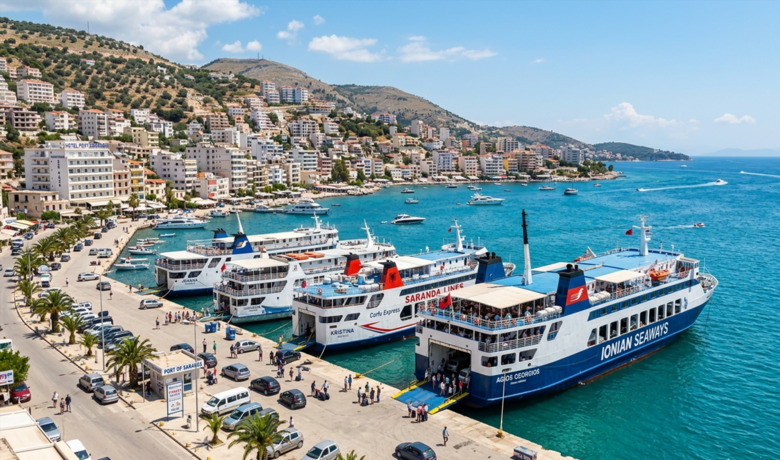
A number of reliable ferry companies operate on this route, all of which offer different times and services. Always look at their websites or use an online tool to find the most current dates and prices. The most well-known are:
1. Finikas Lines: A well-established company that is renowned for its reliable service, and its mixture of traditional and high-speed vessels. They typically offer the most frequent departures during peak seasons.
2. Ionian Seaways: Another major player, Ionian Seaways operates a solid fleet of reliable hydrofoils and ferries for cars and passengers. They are well-known for their modern vessels as well as reliable service.
3. Joy Lines: Offering competitive rates and a flexible timetable, Joy Lines is a frequent choice for travelers with a tight budget. They concentrate on passenger-only high-speed crossings.
4. Sarris Cruises: Sarris Cruises typically focuses on day excursions, or excursion excursions, but they also offer regular ferry service. Their larger vessels focus on the comfort of their passengers and offer panoramic views.
Step-by-Step: Booking and Boarding Your Ferry

The process of planning your trip is a breeze. Here is a step-bystep guide to assist you in preparing:
1. Booking Your Tickets:
- Online Reservation: This is highly recommended, especially during high summer months (July through August). It ensures your spot and lets you check prices and schedules easily. The majority of major ferry operators and travel aggregators allow online booking.
- Reservation in the Port: You can purchase tickets at the offices of the ferry company close to Saranda ferry terminal. Saranda ferry dock. This is flexible, but comes with at the possibility of being sold out, especially for quicker or more popular departure times.
2. Essential Travel Documents:
If you are crossing an international boundary, you will require:
- A Valid Passport Check that your passport has validity for at least six months after your scheduled day of departure.
- Visas (if appropriate): While citizens of several nations (including those from the US, UK, EU, Canada, and Australia) do not need an entry visa to stay for a short period within Greece (part of the Schengen Area), always be sure to check the most current rules for your country of origin.
3. Arriving at the Terminal:
- Check-in time: Aim to arrive at the Saranda ferry terminal (Port of Sarande) at least 60 minutes prior to your departure time. If you are travelling in your car, be minimum 90 mins earlier so that you have enough time to clear customs and load.
- Finding your Ferry: The terminal is well-organized, and there is clearly marked areas to board for the various ferry companies.
4. Passport Control and Customs:
- Albanian Exit: You will first go by Albanian passport control, and then your departure will be processed.
- the Crossing: Enjoy the breathtaking Ionian landscape as you travel towards Corfu.
- Greek Entry: Upon arrival at Corfu Port, you will embark and go via Greek immigration control as well as customs. Because Greece is one of the Schengen country, this procedure is typically quick for eligible travelers, but delays could be experienced during peak hours.
Insider Tips for a Smooth Journey

- Book in advance (Peak season): We cannot be more clear about this. Avoid being stuck at the port in the months of July and August.
- Pack according to: Keep your passport ticket, passport, and other important medications readily accessible. Take layers of clothing in case it gets hot on decks that are open. If you are at risk of getting seasick you should consider taking medication before your trip.
- Take a slower ferry to see the views: If time permits slower ferries can provide an incredibly scenic view and generally are more comfortable.
- Check the weather forecast: While ferries generally run even in the extreme weather, rough seas could cause delays or an uncomfortable journey (especially when the hydrofoils are speedy). Be sure to verify the weather forecast before you make a booking.
- Enjoy the journey! Do not just focus on your destination. The journey itself is a stunning aspect of your journey. Snap photos, talk to other travelers, and be awestruck by your Ionian views.

A Little Behind-the-Scenes
You might be thinking, “Are these photos real? “ To provide you with the complete picture: these pictures are artificially generated.
Where to Stay in Saranda
Top 3 hotels in Saranda
Explore all hotels >Conclusion
It is a great way to travel. Saranda ferry from Corfu ferry is much more than an transportation option It is an enchanting and effective link connecting two of the best-known destinations of the Ionian. If you choose the best ferry to suit your requirements, making reservations in advance (especially in the peak season) and arriving on time to board, you will be able to ensure a pleasant, easy and memorable crossing.
Take your luggage, reserve your tickets and get ready to travel across two worlds.
The crossing runs 30 to 70 minutes depending on the vessel, with foot passenger and car tickets on the same sailings, and the seasonal schedules run fullest from May to September, when several operators cross daily. Book summer sailings ahead, since the morning boats sell out first, and arrive at Saranda port early, since passport and identity checks run before boarding. Corfu Old Town, a UNESCO World Heritage site, sits minutes from the ferry terminal, with the fortresses, the Liston arcade, and the Spianada square in one compact walk.
Saranda port sits at the southern end of the promenade, within walking distance of the town hotels, and the Corfu terminal sits at the edge of the Old Town, so both ends work without a car. Carry the passport or identity card used at booking, since the checks compare the document with the ticket, and keep cash for the port, since card acceptance varies at the ticket offices. The ferry suits a day trip or a one way crossing, and the return sailings run late enough for a full Old Town day before the evening boat.
FAQ
1. What is the duration of the ferry trip from Saranda up to Corfu take?
The length of the ferry journey depends on the kind of vessel you pick. Hydrofoils that are high-speed (catamarans also known as “flying dolphins”) can take 30-45 minutes. Traditional ferry services for cars and passengers typically last between 60 to 90 minutes.
2. Can I bring my automobile with me on the ferry Saranda from Corfu ferry?
Yes however, only on the larger, more traditional ferry for cars and passengers. The high-speed hydrofoils cannot allow for vehicles. When you book your tickets, make sure you choose the ferry that is marked “Car Ferry” and provide specific information about your car.
3. How much will ferry tickets set at?
The price of tickets varies based on the season and the ferry type (fast and slow. slow) and also the company that operates it. You should anticipate paying between EUR20 to EUR35 for one-way adult ferry ticket. Children and students are often offered discounts.
4. How often do ferries operate?
The schedule for ferry services is based on the season. In the summer peak (June through September) there are several daily departures, starting in the early morning to late evening. The off season (winter and shoulder seasons) the frequency is drastically diminished, with just two or three daily crossings therefore, it is important to check the most current schedule.
5. Where will the ferry leave from Saranda and then arrive in Corfu?
Ferries leave from the principal ferry terminal located in Saranda (Port of Sarande) easily close to the centre of the city. In Corfu the ferry docks at the principal Corfu Port (New Port) located approximately 20 minutes walking distance or a quick taxi/bus ride away from Corfu Old Town.
6. Do I require an visa to go between Albania (Saranda) towards Greece (Corfu)?
Albania is not part in The Schengen Area, while Greece is. The requirements for visas are based on the country you are from. The citizens of several nations (like those from the US, UK, EU, Canada, and Australia) are not required to have an entry visa for shorter durations. However, you should be aware of the current visa requirements for your particular country of residence. An authentic passport is required at all times.


3 Comments