Things to Do in Korce: Old Bazaar, Mirahori Mosque, Medieval Art and Mountain Villages
Korce greets a first time visitor with wide boulevards, stone lanes, museum doors and a calm mountain light that feels a long way from the busy coast. The city sits in south east Albania, close to the border with Greece, at a height of around 850 to 900 metres above sea level, and it rewards…
Korce greets a first time visitor with wide boulevards, stone lanes, museum doors and a calm mountain light that feels a long way from the busy coast. The city sits in south east Albania, close to the border with Greece, at a height of around 850 to 900 metres above sea level, and it rewards slow walking, long looks at old houses, and unhurried time in small museums. Begin in the Old Bazaar, take a museum visit at midday, and save the boulevard walk for late afternoon.
This guide covers the best things to do in Korce in the order a first visit flows, starting with the Old Bazaar and the Mirahori Mosque, then the museum quarter on Fan Noli Boulevard, then the cathedral and the first school, and finally the photography and oriental art museums. Every section gives a verified address and a practical tip, plus itinerary, ticket and cost tables and sections on halal food and mosques. For wider planning, start with our guide to the best things to do in Albania.
Base yourself in the centre if you can. The Old Bazaar, the Mirahori Mosque, the cathedral, the first school, the medieval art museum and the photography museum sit within a compact central area, and the walks between them stay short and flat. Voskopoje and Dardhe sit 18 to 21 kilometres away, and Pogradec sits around 40 kilometres away, so a central base suits city days and village days alike.
Stay here: Life Gallery Hotel
A boutique hotel at Boulevard Republika Nr. 24, Korce, with air conditioning, free wifi, a 24 hour front desk, free breakfast and secured parking. Best for a stylish central base with easy walks to the cathedral.
Korce at a Glance

| Best Known For | Old Bazaar, Mirahori Mosque from 1494 to 1495, National Museum of Medieval Art, Resurrection Cathedral, first Albanian language school, Gjon Mili photography museum, and a compact museum quarter |
| Location | South east Albania, near the border with Greece, on the Korce plain ringed by mountains |
| Altitude | Around 850 to 900 metres above sea level, which gives cooler air than the lowland towns |
| Top Cluster | The central cluster, with the Old Bazaar, the Mirahori Mosque, the cathedral, the first school and the Fan Noli Boulevard museums close together |
| Getting There | Bus or furgon from Tirana, around 160 kilometres, in around three and a half to four hours in recent listings, with a car journey in a similar time |
| Best Months to Visit | May, June, September and October |
| Good to Know | Winters can be cold with frost and snow, while summer days can be warm, so carry a layer for evenings even in summer and check museum hours on the day |
Best for First-Time Visitors

- Old Bazaar of Korce
- Mirahori Mosque
- Resurrection Cathedral
Best for Culture Lovers
- National Museum of Medieval Art
- National Museum of Education
- Gjon Mili Museum
Best Free Experiences

- Old Bazaar walk
- St George Boulevard walk
- Resurrection Cathedral visit
Top Things to Do in Korce
Start in the centre, where the bazaar and the mosque give the clearest sense of how Korce grew from a small settlement into a trading and cultural town. From there, walk the museum quarter on Fan Noli Boulevard, stand in the cathedral square, and finish with the first school and the smaller museums, which together explain why Korce holds such pride of place in Albanian cultural life.
1. Wander the Old Bazaar of Korce

Best for
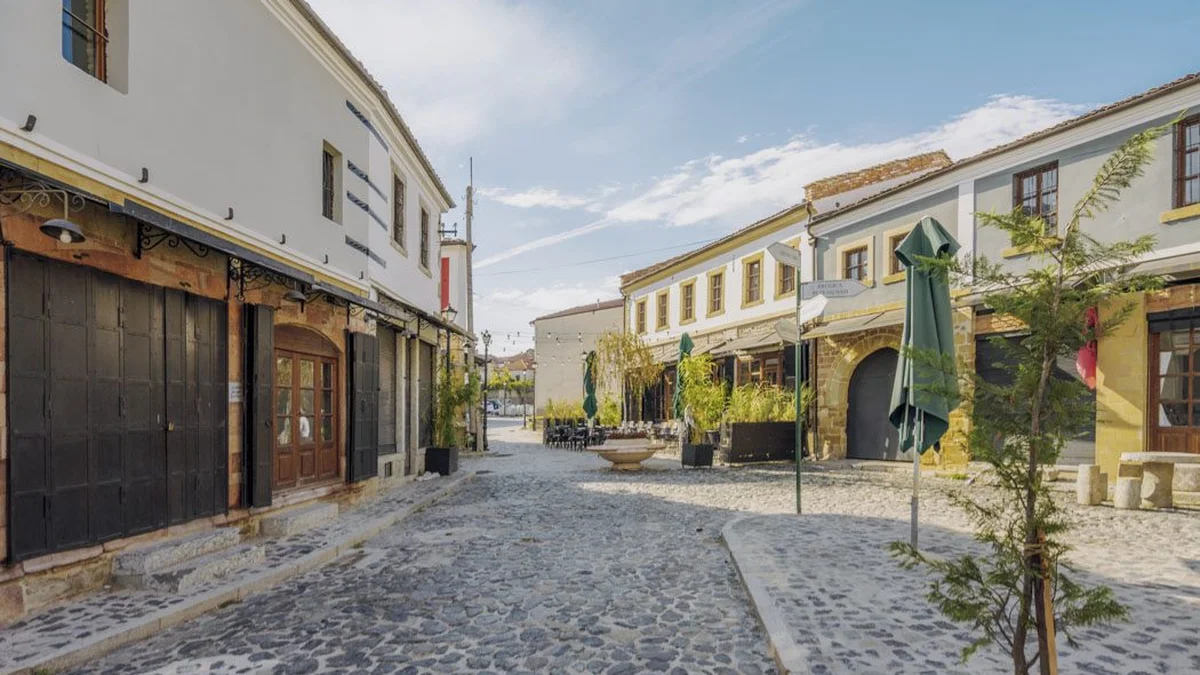
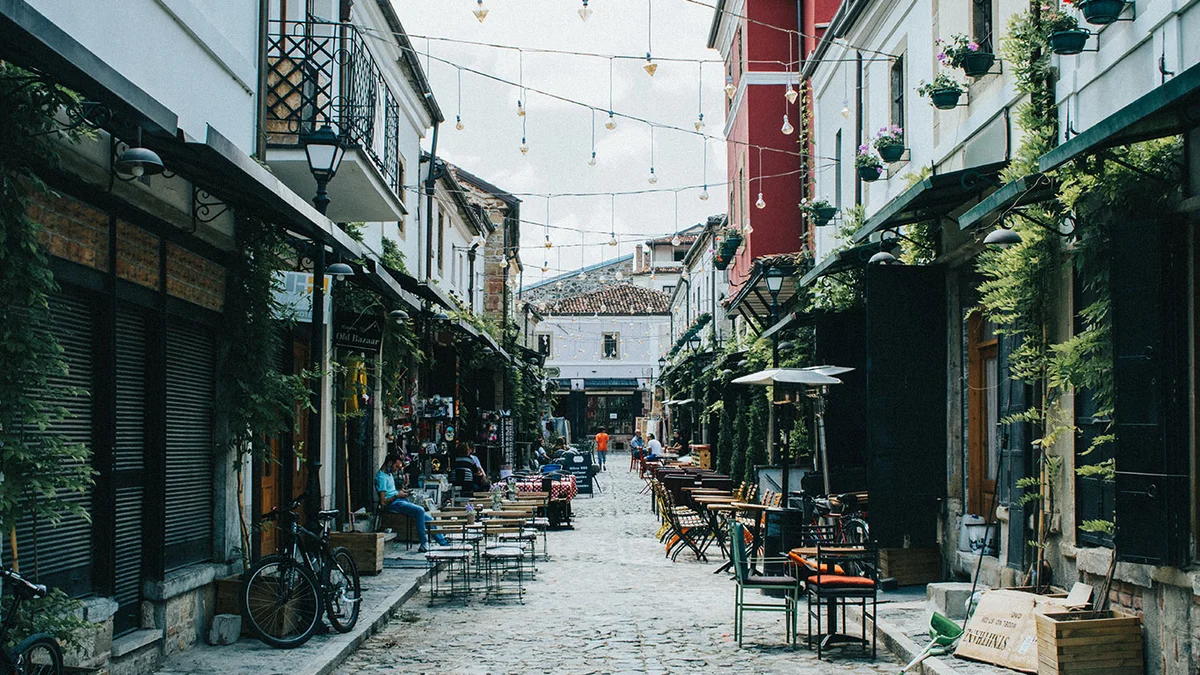
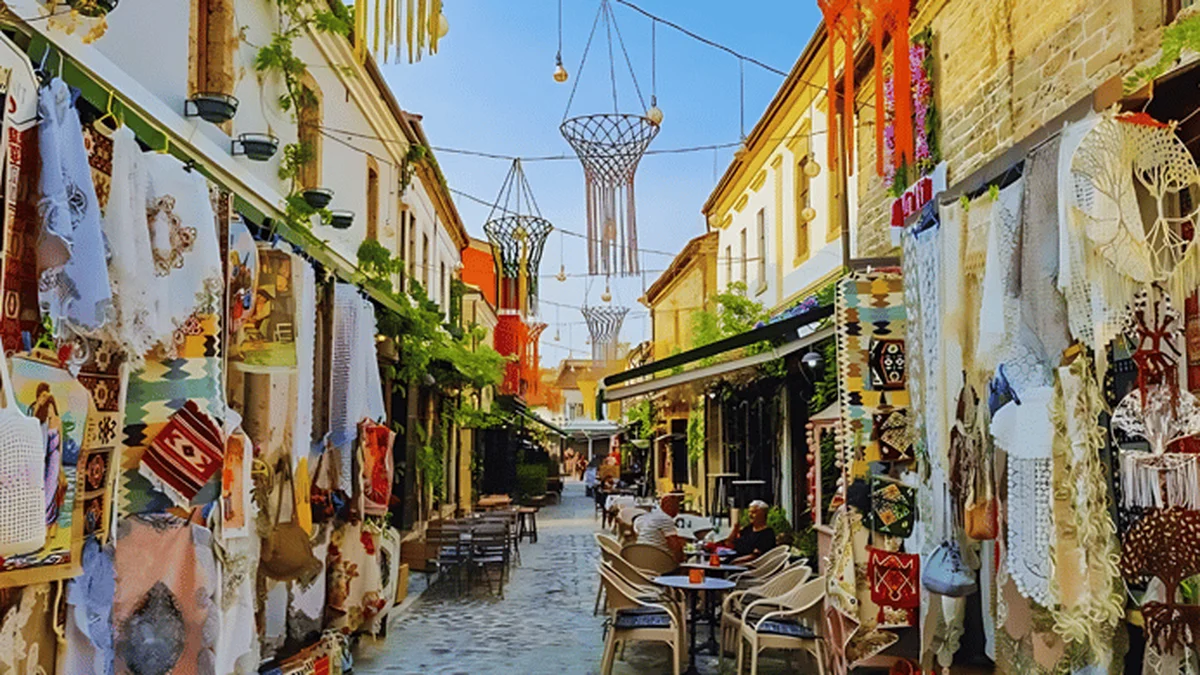
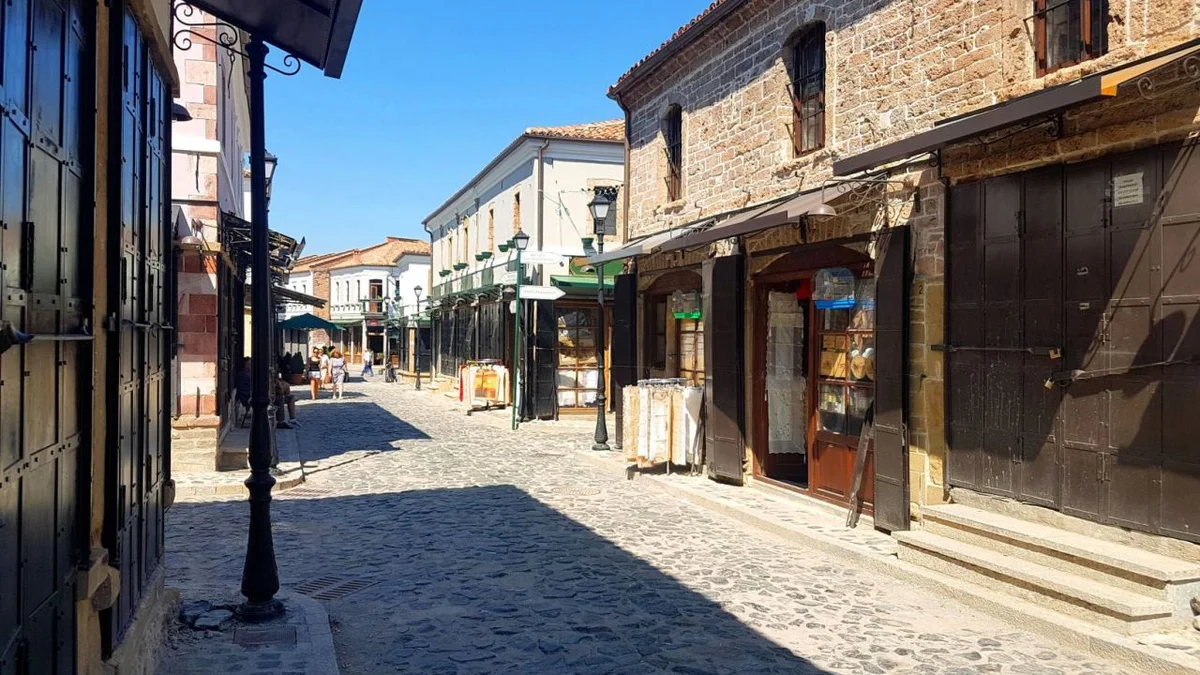
First-time visitors, shoppers, photographers and travellers who want the most atmospheric streets in Korce. The Old Bazaar of Korce, known in Albanian as Pazari i Vjeter, forms the historic heart of the city, with stone lanes and small courtyards. Established around 500 years ago, it was largely rebuilt in 1879 after a fire.
Today the bazaar holds 138 first category culture monuments, and a restoration project announced in 2015, financed by the Albanian Development Fund and the Albanian American Fund for Development, brought the stone buildings, arched passages and cobbled lanes back to life. Allow one to two hours for a wander, longer with stops for crafts, coffee and lakror, the thin pie baked on a metal lid.
Address: Old Bazaar, Pazari i Vjeter, central Korce, a short walk from the Mirahori Mosque and the cathedral square
Do not miss
The side alleys and the old inn buildings. The main lanes give the broad picture, while the side alleys give craft workshops and small courtyards. Look for the Old Elbasan Inn and the Old Monastery Inn, which once served travellers and traders.
Practical info
The bazaar is an open neighbourhood district, so individual shops and cafes keep their own hours, with most trade from late morning into the evening. Entry to the bazaar streets is free, and the area suits a morning walk before the museum quarter, followed by a return visit in the late afternoon for coffee and people watching.
Insider tip: Walk the bazaar twice, once in the morning for quiet lanes, and once in the late afternoon for the full social hum. Pair the morning walk with the Mirahori Mosque, a short walk away.
2. Visit the Mirahori Mosque

Best for
History lovers, architecture lovers and travellers who want the oldest surviving story in Korce. The Mirahori Mosque, also called the Iljaz Mirahori Mosque, stands as one of the oldest mosques in Albania, identified by an inscription above the entrance as built in 1494 to 1495. Iljaz bej Mirahori, a Korce born official under Sultan Bayezid II, commissioned the mosque and endowed five villages to finance the mosque and its surrounding complex.
The mosque gives Korce a founding story in stone. The square prayer hall measures around 11.75 metres on each side, topped by a single dome, with a three domed entrance porch and finely crafted cloisonne masonry in the walls. The minaret was lost in an earthquake in the early 1960s and rebuilt after 2006, and the mosque is designated a Cultural Monument of Albania. Friday prayer is held here, so plan a heritage visit outside prayer times, dress modestly, and remove shoes before entering the prayer hall. Allow 20 to 30 minutes.
Address: Rruga Floresha Myteveli 12, Korce 7001
Do not miss
The dome, the entrance porch and the stonework. Stand back in the street first for the full shape of the single dome and the rebuilt minaret, then look closely at the cloisonne masonry. Inside, look up at the dome and the painted ceiling detail.
Practical info
Entry is free, and the mosque is open daily, typically outside prayer times for heritage visitors, according to recent visitor listings. No dedicated official mosque page with opening hours was found during research, so check locally on the day and ask the attendant about visiting times. Follow guidance on photography, and keep voices low while people pray.
Insider tip: Visit in the early morning light, when the stone glows and the street is quiet, then walk straight into the Old Bazaar while the workshops open.
3. Study Icons at the National Museum of Medieval Art
Best for
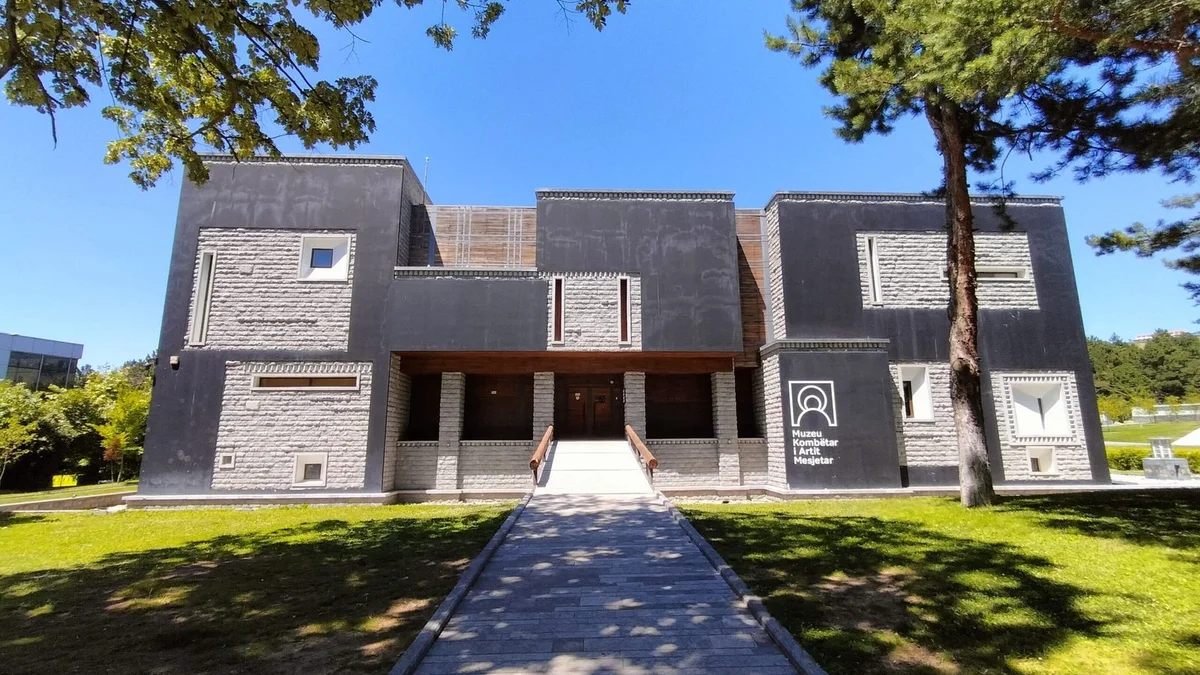
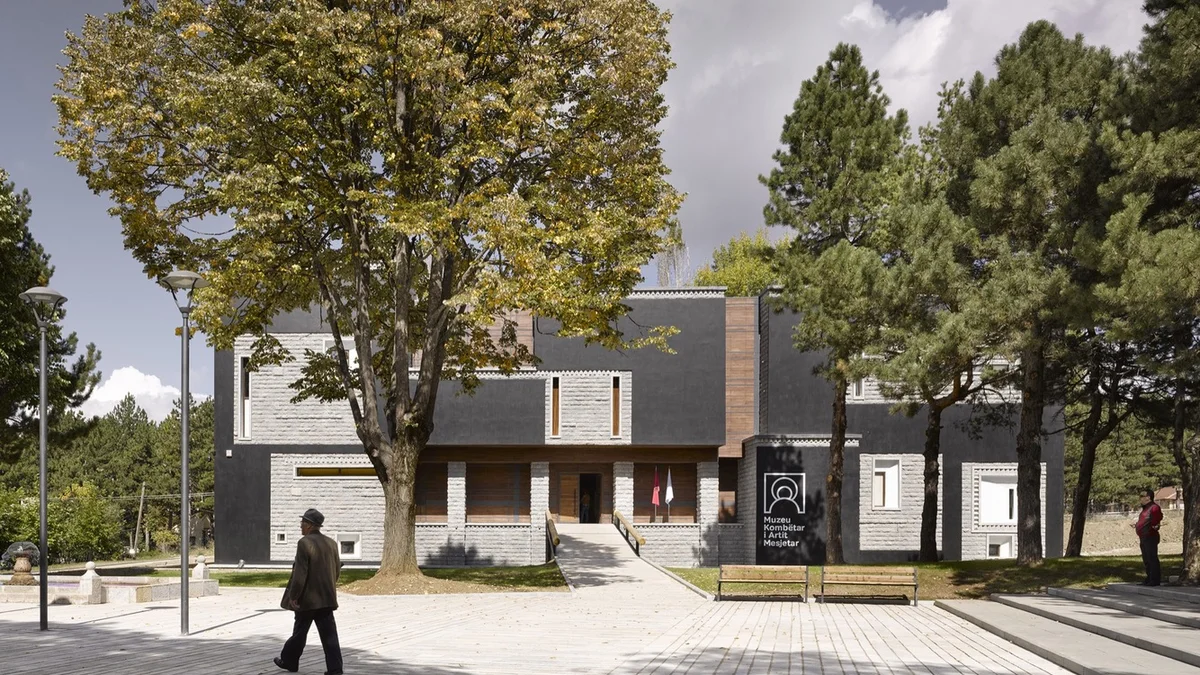
Art lovers, history lovers and travellers who want the single most important museum in Korce. The National Museum of Medieval Art, on Fan Noli Boulevard, opened on 26 April 1980 and today administers 8,265 objects, of which 6,400 are icons, according to the museum own site. The collection spans the thirteenth to the twentieth centuries, with stone, wood, metal and textile works beside the icons.
The principal hall holds works from anonymous artists of the thirteenth and fourteenth centuries beside well known masters, including Onufri, Onufer Qiprioti, Teacher Kostandini, Jeromak Shpataraku, David Selenica and the Zografi Brothers. The building was reconstructed in 2016, and the museum also holds conservation laboratories. Allow one to two hours for the permanent display.
Address: Bulevardi Fan Noli 59, Korce
Do not miss
The Onufri icons and the early anonymous works. Onufri, the great sixteenth century icon painter, gives Korce a claim to the finest post-Byzantine painting in Albania. Ask at the desk about guided tours and any temporary exhibition.
Practical info
Opening hours and ticket prices vary across listings, so check the official museum site on the day. The museum sits within easy walking distance of the Old Bazaar and the cathedral. Avoid flash near the icons.
Insider tip: Visit in the morning, when the galleries are quiet, and pair the museum with the Bratko Museum on the same boulevard.
4. Stand in the Resurrection Cathedral
Best for
First-time visitors, architecture lovers and travellers who want the most recognisable landmark in Korce. The Resurrection Cathedral, known in Albanian as Katedralja e Ringjalljes se Krishtit, dominates the city centre at the top of St George Boulevard, with a large central dome, twin bell towers, elegant arches and a pink, cream and brown exterior in Byzantine Revival style. It is the largest Orthodox cathedral in Albania.
The original cathedral, dedicated to St George, was demolished in 1968 during the communist period. Construction of the current cathedral began in 1994 and finished in 2002. Inside, the interior is simple and white, dominated by a large carved wooden iconostasis. Allow 30 to 45 minutes.
Address: Bulevardi Shen Gjergji, central Korce, at the top of St George Boulevard
Do not miss
The iconostasis and the view from the boulevard. The carved wooden screen gives the interior its focus. Outside, look back along St George Boulevard for one of the most photographed views in Korce.
Practical info
Entry is free, and the cathedral is open daily from early morning until evening, according to recent visitor listings. Dress respectfully, with shoulders and knees covered, and keep voices low during services.
Insider tip: Visit in the morning for quiet reflection, then return at sunset for the exterior view. Use the cathedral as your compass point, since most sights sit within a short walk of the square.
5. Learn the Story of the First Albanian School

Best for
History lovers, language lovers and travellers who want to understand why Korce matters far beyond its size. The National Museum of Education, set in the building of the first Albanian language school, known as Mesonjetorja, opened on 7 March 1887 on the north side of St George Boulevard. Until then, lessons in Albanian were given in private and in secret under Ottoman rule. The day is still celebrated as the Day of Teachers.
The building was the house of Diamanti Terpo, who donated it for the first school. Displays cover Albanian writing, the alphabets used before the present alphabet was decided at the Congress of Manastir in 1908, and book history starting from the first primer, the Evetari of 1744. Photographs of founders and pupils give a human face to the story. Allow 45 to 90 minutes.
Address: Bulevardi Shen Gjergji, Korce, on the north side of St George Boulevard, close to the cathedral
Do not miss
The alphabet displays and the courtyard. The alphabet story explains how a written language took shape under pressure. Look for the portraits of Pandeli Sotiri, Petro Nini Luarasi and Nuci Naci, and take time with the early primers.
Practical info
A recent visitor guide lists a standard ticket at 300 lek, with hours from Tuesday to Saturday from 9:00 in the morning to 4:00 in the afternoon, Sunday from 10:00 in the morning to 3:00 in the afternoon, and closed on Monday, so confirm the ticket price and hours on the day. Pace the visit if mobility is a concern, since the historic house has steps and narrow passages.
Insider tip: Visit mid morning, and pair the museum with a full walk of St George Boulevard, since the school, the cathedral and the old houses tell one continuous story.
6. Explore Deep History at the Archaeological Museum

Best for
History lovers, archaeology lovers and travellers who want the ancient roots of the Korce region before the bazaar and the churches. The National Archaeological Museum of Korce holds around 1,200 artefacts, mainly from the prehistoric period, unearthed at nearby ancient sites in the Korce area. Established in 1985, the museum is based in two traditional Korce houses dating from 1870, and the building is listed as a Cultural Monument of Albania.
The collection includes pottery, stone, bone and flint tools, sculptures, jewellery, coins and parchment manuscripts, from sites such as Maliq, Podgorica, Dunaveci and Trajan. The building was damaged by the 2019 Albania earthquake, and restoration work started in July 2024. A listing during research also marked the museum as possibly temporarily closed, so check before you walk there. Allow one hour when the museum is open.
Address: 19 Rruga Mihal Grameno, Korce
Do not miss
The prehistoric tools and the historic houses themselves. The stone, bone and flint tools show how early communities lived on the Korce plain, while the two 1870 houses give the museum a domestic scale. Ask staff about the sites where the main objects were found.
Practical info
Check opening status, hours and ticket details locally on the day, since no verified current hours or ticket price from an official site were found during research. If the museum is closed, spend the hour on the bazaar side alleys and the museum quarter walk instead.
Insider tip: Ask at the tourist information point or at your hotel on arrival whether the museum is open that week. A quick check saves a wasted walk.
7. Discover Light and Movement at the Gjon Mili Museum
Best for
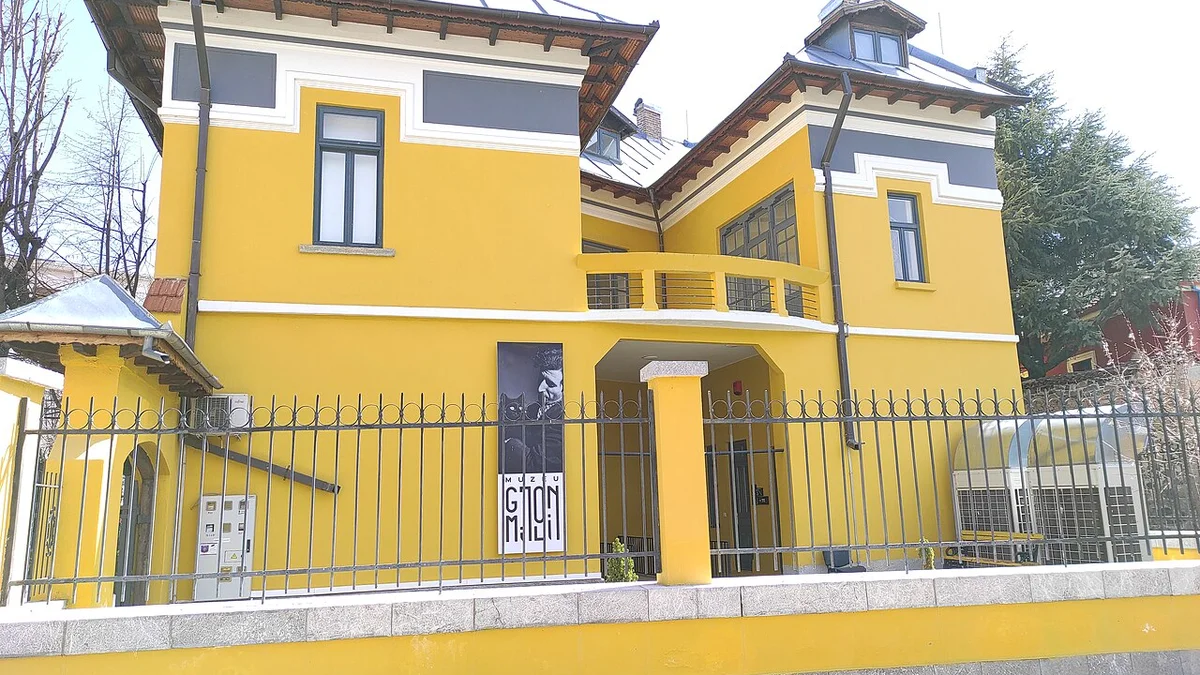
Photography lovers, art lovers and travellers who want a museum with a strong personal story. The Gjon Mili Museum is dedicated to the world famous photographer of Albanian origin, Gjon Mili, who was born in Korce in 1904 and emigrated with his family when he was very young, first settling in Romania, where he finished high school, and then continuing his studies in the United States as a lighting engineer at the Massachusetts Institute of Technology. Mili worked with Life magazine from 1939 until his death in 1984, and gained fame for images that made movement visible in a single photograph.
The museum, in the former Romanian House in the pedestrian zone, exhibits 240 photographs donated by the Albanian Ministry of Culture, in a building restored with support from the Trans Adriatic Pipeline. The museum opened in December 2018. Rooms cover the Life magazine pavilion, the stroboscopic light room, long exposure and light painting experiments, and an interactive room where visitors can take a photograph with the same technique Mili used. The most famous series shows Pablo Picasso drawing with light. Allow one to two hours.
Address: Rruga Konferenca e Pezes, Korce, in the pedestrian zone in central Korce
Do not miss
The Picasso light drawings and the stroboscopic light room. The Picasso series shows a painter drawing in the air, with the camera holding every movement in one frame. The building itself, with eclectic 1930s architecture, also deserves a slow look.
Practical info
Listings conflict on hours and fees, with a fee listed at 200 lek in one review and no fee in another, so confirm hours and any fee on the day. The museum sits close to the cathedral and the first school.
Insider tip: Go in the afternoon, and stay for the interactive photograph. Read the short life story panels first, since the emigration story makes the photographs feel personal.
Stay here: Hani i Pazarit
A boutique hotel at Rruga Kico Greco, Korce 7001, in the heart of the Old Bazaar, in a historic structure, with an on site restaurant. Best for sleeping inside the historic bazaar quarter.
8. Travel East in the Bratko Museum of Oriental Art
Best for
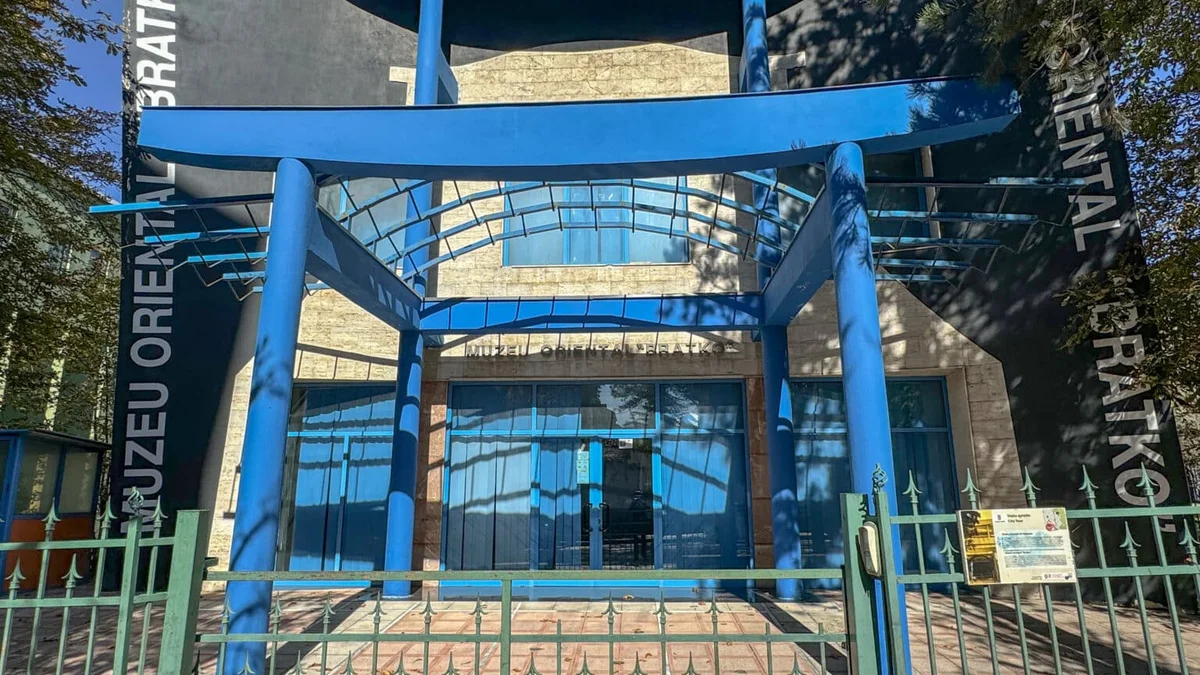
Art lovers, curious travellers and visitors who want the most unexpected museum in Korce. The Bratko Museum of Oriental Art, on Fan Noli Boulevard close to the medieval art museum, is a national museum dedicated to Asian art, established and opened in June 2003, fulfilling the dream of George Dimitri Boria, an Albanian American photographer who donated his own collection of Asian art to the museum. Boria began the collection during 14 years in post war Japan as a photographer for General Douglas MacArthur.
The collection holds 432 objects, with Japanese prints, Chinese pieces, Korean furniture, Indian statuettes and Tibetan works among the holdings. The name Bratko was chosen by Boria in memory of his mother, Viktoria Bratko, who waited for him in Korce. Friendly staff provide guided tours in English, typically taking under an hour. Allow around one hour.
Address: Bulevardi Fan Noli 57, Korce
Do not miss
The Japanese prints and the personal touches. The Japanese material gives the collection its core, and the framed photograph of the mother of Boria gives the museum its emotional centre. Ask the guide about Boria, who left Korce at 17 and never saw his mother again.
Practical info
Opening hours vary across listings, so check hours on the day. Entry is listed as a low fee in visitor reviews, at around 1 euro, so confirm the fee on arrival. The museum sits on the same boulevard as the medieval art museum.
Insider tip: Take the guided tour, since the guide explains the personal story behind the collection. Pair Bratko with the medieval art museum and finish with a walk back to the cathedral square.
More Worth Your Time in Korce
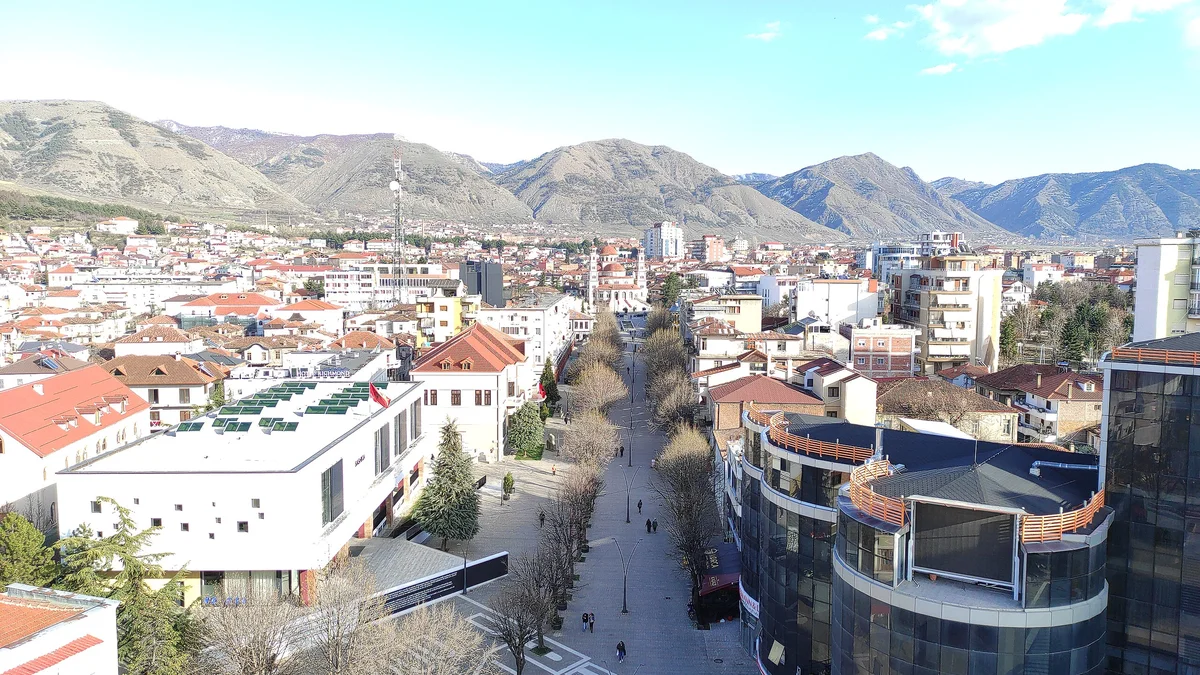
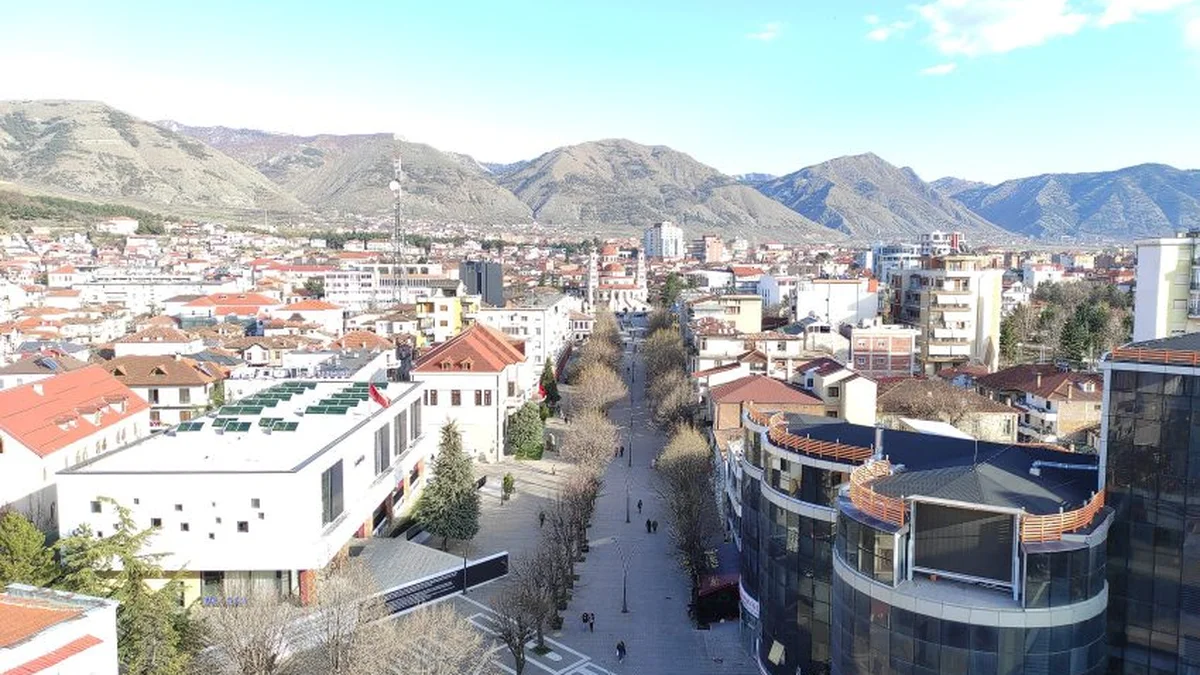
If the eight main sights leave you with a spare half day, these stops add depth. St George Boulevard, Bulevardi Shen Gjergji, is the main pedestrian promenade in the centre, a lovely street with historic mansions converted into museums and restaurants, cafes and small parks, running from the cathedral square toward the Panoramic Tower at the far end. The Panoramic Tower gives views across Korce, with no lift in recent visitor accounts, and it is often closed, so walk past and see if you can enter on the day. Rinia Park, close to the Old Bazaar, gives a green pause between museum visits.
The Korce tourist information point on St George Boulevard offers walking tours of the city, according to Wikivoyage. For a slower afternoon, revisit the bazaar side alleys, sit in the cathedral square, and watch the evening stroll, known as xhiro.
Korce Attractions Compared
| Attraction | Best For | Cost | Time Needed |
|---|---|---|---|
| Old Bazaar of Korce | Historic streets, crafts and cafes | Free to walk, shopping varies | 1 to 2 hours |
| Mirahori Mosque | Ottoman history and quiet reflection | Free entry | 20 to 30 minutes |
| National Museum of Medieval Art | Icons and Byzantine art | Confirm ticket price on official site | 1 to 2 hours |
| Resurrection Cathedral | Architecture and city landmark | Free entry | 30 to 45 minutes |
| National Museum of Education | Albanian language and school history | Listed at 300 lek, confirm on the day | 45 to 90 minutes |
| Archaeological Museum of Korce | Prehistoric and ancient history | Check status and fee on the day | 1 hour |
| Gjon Mili Museum | Photography and light experiments | Confirm fee on the day, listings conflict | 1 to 2 hours |
| Bratko Museum of Oriental Art | Asian art and a personal collection | Low fee listed, confirm on arrival | Around 1 hour |
| St George Boulevard | Promenade walks and evening strolls | Free to walk | 1 to 2 hours |
| Panoramic Tower | City views, when open | Check on the day | 30 minutes |
Suggested Itineraries
| Trip Length | What to See |
|---|---|
| 1 Day | Start at the Old Bazaar of Korce in the morning, continue to the Mirahori Mosque for midday, and finish at the Resurrection Cathedral and St George Boulevard in the afternoon. |
| 2 Days | Day 1: As above, plus the National Museum of Medieval Art. Day 2: National Museum of Education in the morning and the Gjon Mili Museum and Bratko Museum of Oriental Art in the afternoon. |
| 3 Days | Days 1 and 2 as above. Day 3: Archaeological Museum of Korce in the morning if open, then a day trip to Voskopoje for painted churches, or to Dardhe for mountain village streets and lakror. |
Book Tickets in Korce

Book or confirm the main museum visits in advance where the official site offers visit information, especially in summer and on weekends. No online ticket checkout was verified for any Korce museum during research, so every link below goes to the official or most authoritative visit page for that museum, where hours and ticket details can be checked, and tickets, where charged, are bought at the door. Every link below goes to the official page for that attraction.
Where to Stay in Korce
Top 3 hotels in Korce
Explore all hotels >- Life Gallery Hotel ★★★★
- Hani i Pazarit ★★★★
- Vila Ebel Hotel Pool & Spa ★★★★★

The centre of Korce suits almost every Korce itinerary. The Old Bazaar, the mosque, the cathedral and the museums sit within a compact area, with easy departures for Voskopoje, Dardhe and Pogradec.
| Area | Best For | What Is Nearby |
|---|---|---|
| Republic Boulevard | First-time visitors who want walkable streets | Life Gallery Hotel, Resurrection Cathedral and St George Boulevard |
| Old Bazaar | Culture lovers who want historic streets at the door | Old Bazaar of Korce, Mirahori Mosque and Hani i Pazarit |
| Fan Noli Boulevard | Museum days without long walks | National Museum of Medieval Art and Bratko Museum of Oriental Art |
| Central edge | Drivers heading to Voskopoje and Dardhe | Main roads out of the centre, with parking easier than in the bazaar lanes |
Two hotels with verified official booking pages cover the main styles of stay:
- Life Gallery Hotel: A boutique hotel at Boulevard Republika Nr. 24, Korce, with air conditioning, free wifi, a 24 hour front desk, free breakfast and secured parking, according to the hotel own site. Best for a stylish central base with easy walks to the cathedral. Check current rates on the hotel own site before booking.
- Hani i Pazarit: A boutique hotel at Rruga Kico Greco, Korce 7001, in the heart of the Old Bazaar, in a historic structure, according to the hotel own site, with an on site restaurant. Best for sleeping inside the historic bazaar quarter. Check current rates on the hotel own site before booking.
Where to Eat in Korce

Korce eats like a mountain city, from lakror baked on a metal lid to grilled meats, fresh salads, mountain tea and sweet trilece cake. Food often becomes the memory travellers carry home, a pattern explored in our guide to how food tourism is shaping modern travel. The halal options below come first, and every halal label is given exactly as found, with confirm with staff wording where the source is a listing rather than a restaurant own statement.
Halal Food in Korce
Sahati Hallall, stated halal on the restaurant own site, sits at Rruga Asim Vokshi, Korce 7001, close to the centre. The restaurant own site states that food is 100 percent halal, with certified meat, and the site carries a 100 percent halal certified mark. The menu centres on burgers and pizzas with a wood oven, with grill specialities beside them. The restaurant is open Monday to Sunday from 8:00 in the morning to 11:30 in the evening, according to the restaurant own site. Ask staff on the day about any dish with a meat filling, and confirm halal status again at the table.
Beyond Sahati Hallall, no second restaurant in Korce with a verified stated halal claim was found during research, so this guide names no second restaurant as halal. Ask clearly about meat sourcing at any restaurant that does not state a halal position, and choose vegetable lakror, salads, lentil soups and egg dishes until staff confirm. Eating well is part of understanding a place, a theme explored in our guide to how food tourism is shaping modern travel. For lakror, ask which filling is used and whether meat is present.
Local Dishes to Try
Lakror defines the local table, a thin pie baked on a metal lid called a sac, with spinach, leek, cheese or meat fillings to ask about, and Dardhe is described in local guides as the birthplace of the most traditional lakror. Byrek, a flaky pastry, gives a quick bazaar lunch, while grilled meats and mountain tea give a fuller evening meal. Food choices shape a trip as much as sights do, a point covered in our guide to how food tourism is shaping modern travel, and the fuller restaurant picture for the wider region, including tava dishes and grilled specialities, appears in our guide to Berat restaurants.
Mosques and Prayer Facilities in Korce

Korce holds an established Muslim community, and visitors are welcome at daily and Friday prayers at the historic mosque in the centre. Prayer times shift with the season, so check locally before you go, and arrive early for Friday prayer.
- Mirahori Mosque: The main mosque for visitors and the oldest mosque in the city, at Rruga Floresha Myteveli 12, Korce 7001, a short walk from the Old Bazaar, handy for central stays and for the bazaar and museum quarter. The mosque is active, with Friday prayer held here in visitor accounts, and heritage visits are best planned outside prayer times. Dress modestly, remove shoes before entering the prayer hall, and ask the attendant about visiting times and prayer times on the day, since no dedicated official mosque page with a prayer timetable was found during research.
No second mosque in Korce with a verified address was confirmed during research, so this guide lists the Mirahori Mosque alone. Travellers who need a second prayer option should ask at the mosque or at their hotel on arrival.
Getting Around Korce
| Option | Best For | Cost |
|---|---|---|
| Walking | Old Bazaar, cathedral, first school and museum quarter | Free |
| Urban bus | Longer trips inside the city without a car | Local fare, confirm on the day |
| Taxi | Hotel runs, evening returns and short hops | Metered and agreed fares vary |
| Car rental | Voskopoje, Dardhe, Pogradec and village day trips | Rental plus fuel, rates vary |
| Furgon and bus | Tirana, Pogradec and village routes | Bus from Tirana listed at around 7 to 10 euros |
| Cycling | Flat central streets and boulevard rides | Rental charges vary |
Central Korce is compact and walkable, and the bazaar, the cathedral, the first school and the museum quarter sit within a short walk of each other. Urban buses are available, and renting a bicycle is also possible, according to Wikivoyage. Furgons to Voskopoje depart from the fire station area at 7:30, 10:00, 13:00 and 15:00 in the Wikivoyage listing, so confirm times locally on the day.
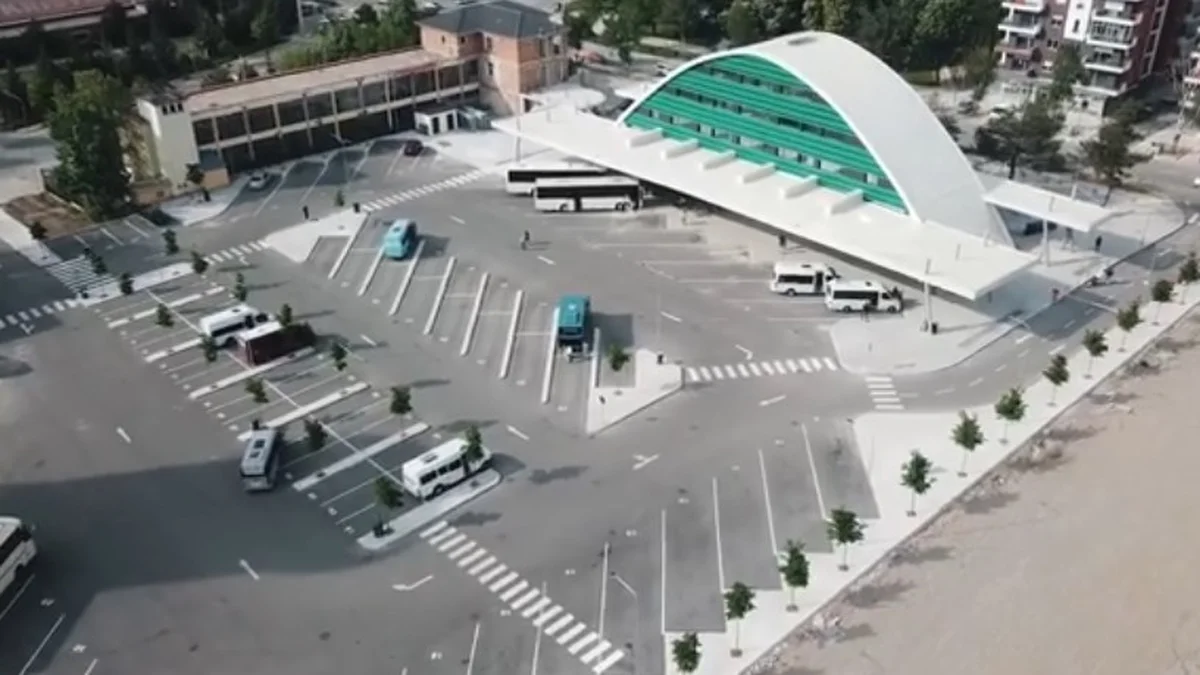
Buses from Tirana depart from the East Bus Terminal, with a journey of around three and a half to four hours. A rental car earns its keep on village day trips, while city days are best on foot. Travellers heading further south can read our Saranda to Corfu ferry guide, and onward travel toward Durres is best planned with a bus timetable checked on the day.
What a Day in Korce Costs

| Travel Style | Attractions | Food | Stay and Transport | Rough Daily Total |
|---|---|---|---|---|
| Budget Traveller | 0 to 10 euros, mixing free bazaar, mosque and cathedral visits with one or two low cost museums | 15 to 25 euros | 35 to 60 euros hotel, walking days | 50 to 95 euros |
| Mid-Range Traveller | 10 to 20 euros for three or four museums | 30 to 50 euros | 70 to 110 euros hotel, 10 to 20 euros taxi and furgon fares | 120 to 200 euros |
| Family of Four | 20 to 40 euros with museum pricing for the group | 70 to 110 euros | 120 to 180 euros family rooms, 20 to 40 euros transport and fuel | 230 to 370 euros |
The bazaar, the mosque and the cathedral cost nothing to enter, and the central cluster keeps transport costs low. The four main museums are the tickets to plan for, with fees that stay low in listings. Carry Albanian lek for markets, furgons and small cafes, alongside a card for hotels.
Best Time to Visit Korce
| Season | Months | What to Expect |
|---|---|---|
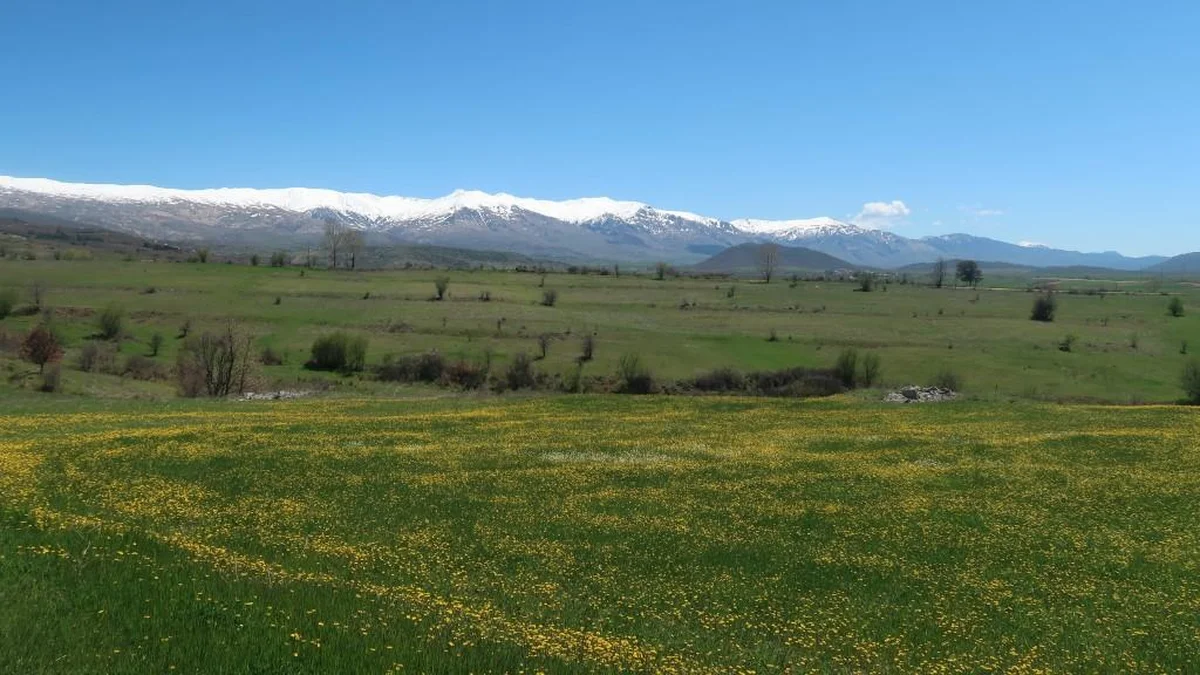
| Spring | March to May | Mild days, mountain greenery, wildflowers in the hills, and comfortable walking weather |
| Summer | June to August | Warm days, cooler than the lowlands, busy boulevards, and cool mornings for village trips |
| Autumn | September to November | Pleasant days easing from summer warmth, autumn colour in the mountains, and quieter museums |
| Winter | December to February | Cold days, possible frost and snow, quiet museums, and warm indoor galleries |
May, June, September and October give the easiest sightseeing weather in Korce. Climate guides name May, June and September as the best months, with a sweater and a jacket advised for evenings. Summer visitors should start outdoor days early, while winter visitors should dress warmly and check road conditions for village trips. Korce is the coldest region in Albania in climate listings, so a layer is wise in every season.
Day Trips from Korce
Voskopoje
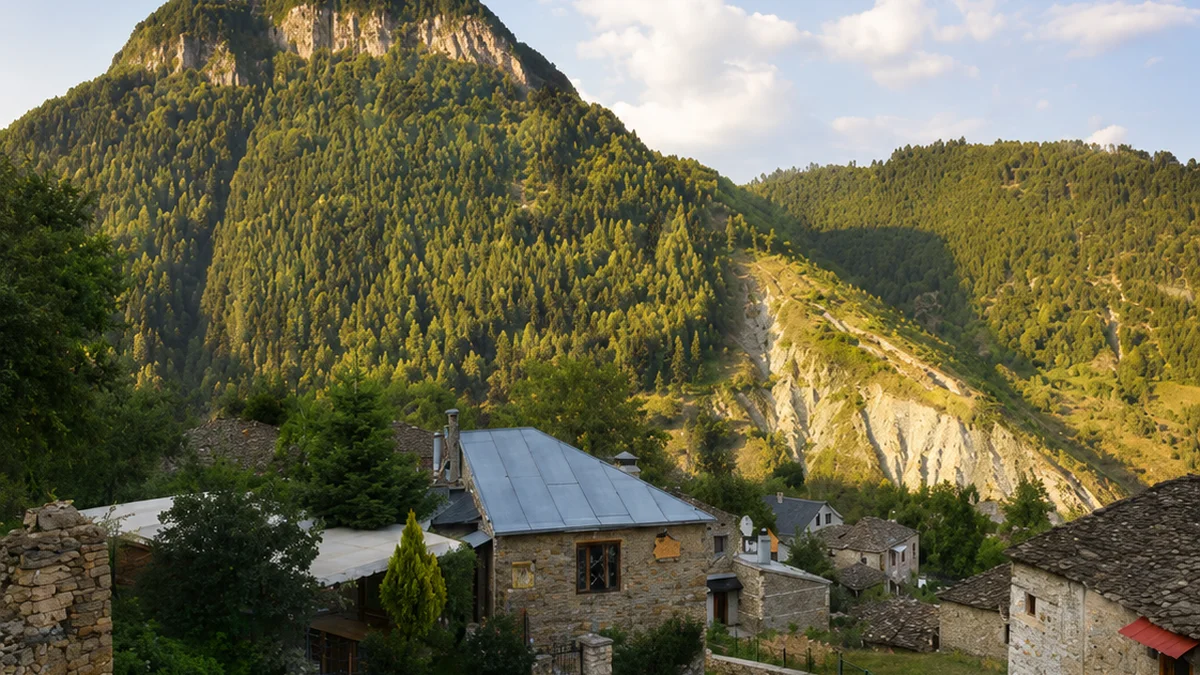
Voskopoje sits around 20 to 21 kilometres west of Korce, about 30 minutes by car along a scenic mountain road, and it makes the classic painted church day trip. Once a grand trading town founded around 1338, Voskopoje held 24 churches, of which seven survive today. The best preserved include the Church of St Nicholas, built in 1721, with frescoes by David Selenica, the Church of St Athanasius and the Church of St Elijah. The village also held an Academy of Learning and the first printing press in the Balkans, built in 1720. Take cash, since no cash machine exists in Voskopoje in recent visitor guidance, and ask locally about church opening, since caretakers hold keys for some churches.
Dardhe
Dardhe sits 18 kilometres from Korce, at an altitude of over 1,300 metres above sea level, nestled between the Morava and Gramoz mountains, and it makes the classic mountain village day trip. The village holds well preserved stone homes, and Dardhe is described in local guides as the birthplace of the most traditional lakror, so ask in the village about a lakror lunch, with vegetable fillings confirmed before ordering. The drive from Korce is short, making Dardhe an ideal afternoon escape, and a combined Voskopoje and Dardhe circuit suits travellers with a car and a full day.
Pogradec
Pogradec (guide in preparation) sits around 40 kilometres north of Korce, on the Albanian side of Lake Ohrid, and it makes the classic lake town day trip. The town gives a promenade walk, views across the lake, and an old town to wander. Lin village, around 60 kilometres from Korce, adds a quaint village on a small peninsula reaching into the lake. A furgon runs from Korce to Pogradec in Wikivoyage listings, and a car gives freedom to stop at lake viewpoints on the way.
Practical Tips for Visiting Korce

Good to Know
- Group the central sights into one or two walking days, and keep Voskopoje, Dardhe and Pogradec for separate day trips with a car or a furgon, since village roads and church opening times need a full day.
- Check museum hours on the day, since hours and fees vary across listings, and the archaeological museum may be closed for restoration works.
- Use walking for the centre, the bazaar and the museum quarter, use a taxi for hotel runs and evening returns, and save a rental car for village and lake town days only.
- Carry a layer for evenings in every season, carry water on village walks, and wear flat shoes with grip for cobbled bazaar lanes and village paths.
- Check mosque prayer times and halal restaurant hours before you go, since both shift with the season, and confirm halal status with staff at any restaurant that does not state a halal position.
- Carry Albanian lek for markets, furgons and small cafes, and withdraw cash in Korce before a Voskopoje day trip, since no cash machine exists in the village.
Good to Avoid
- Starting a village day trip late in the day. Church caretakers, furgon departures and mountain light all favour an early start, and a late start leaves too little time for Voskopoje or Dardhe.
- Assuming every museum opens daily at the same hour. Monday closures and split hours differ across Korce museums, and the archaeological museum may be closed, so check before you walk there.
- Assuming a restaurant is halal because it serves food from the Middle East or South Asia. Ask staff clearly about meat sourcing, and choose vegetable, lentil and egg dishes until staff confirm.
- Visiting the mosque during prayer times for a heritage look. Plan heritage visits outside the five daily prayers, dress modestly, and follow the guidance of the attendant.
Final Thoughts
Korce gives a traveller more than a checklist. It gives stone lanes in morning light, icons that survived hard decades, a school that kept a language alive, a mosque that founded a town, and photographs that made light visible. Walk early, take museum afternoons slowly, and let the mountains set the pace. Two days cover the central sights well, and a third day adds Voskopoje, Dardhe or Pogradec without rushing.
The Korce Old Bazaar, the Resurrection Cathedral, and the National Museum of Medieval Art make the essential circuit, and the Gjon Mili Museum of Photography, the Korce Brewery, Dardhe village, and Voskopoja fill the days around them. The Old Bazaar, rebuilt after the 1879 fire, holds the cafes, the craft shops, and the brewery in one compact quarter, and the cathedral, one of the largest in the Balkans, anchors the city centre.
Spring brings mild days and the first mountain colour, autumn brings colours and comfortable walking weather, and winter brings snow with the lowest prices. The bus from Tirana takes around 2 hours 30 minutes and drops near the centre, and the city rewards walking, since the bazaar, the cathedral, and the museums sit within a few minutes of each other. Book Voskopoja day trips ahead in summer, since the small village churches run limited visiting hours.
Stay near the Old Bazaar or near the city centre, since both put the sights, the restaurants, and the bus station within walking distance. The Mirahori Mosque holds daily prayers and the Friday prayer, and visitors are welcome. Korce rewards travellers who give it two days, since the bazaar, the museums, and Voskopoja each deserve unhurried time, and Dardhe village adds the mountain air in one half day.
FAQs
What are the best things to do in Korce for first-time visitors?
Start with the Old Bazaar, the Mirahori Mosque and the Resurrection Cathedral, then add the National Museum of Medieval Art, the National Museum of Education and the Gjon Mili Museum. This route covers historic streets, sacred art, language history and photography in a compact central area.
How many days do you need in Korce?
Two full days cover the central cluster in comfort. A third day adds Voskopoje or Dardhe, and a fourth day adds Pogradec and Lin village.
What is Korce best known for?
Korce is best known for the Old Bazaar, the Mirahori Mosque from 1494 to 1495, the National Museum of Medieval Art, the Resurrection Cathedral, the first Albanian language school opened in 1887, the Gjon Mili photography museum, and lakror.
When is the best time to visit Korce?
May, June, September and October bring the most comfortable sightseeing weather. Spring gives mountain greenery, autumn gives colour and quieter museums, and summer stays cooler than the lowlands, while winter gives cold days and quiet museums, so carry a layer in every season.
Is Korce a good destination for families?
Yes. The bazaar walk, the cathedral square, the boulevard stroll and the interactive rooms of the Gjon Mili Museum suit children of all ages, and the village day trips give fresh air between museum visits.
Where can visitors find halal food in Korce?
Sahati Hallall, on Rruga Asim Vokshi, states on its own site that food is 100 percent halal, with certified meat, open daily from 8:00 in the morning to 11:30 in the evening. No second restaurant with a verified stated halal claim was found, so confirm halal status with staff elsewhere, and choose vegetable dishes until staff confirm.
How do visitors get around Korce without a car?
Walk the centre for the bazaar, the mosque, the cathedral and the museum quarter, use urban buses and taxis for longer trips, and use furgons and buses for Tirana, Pogradec and Voskopoje. A rental car gives the most flexible village day trips, since furgon times are limited.


