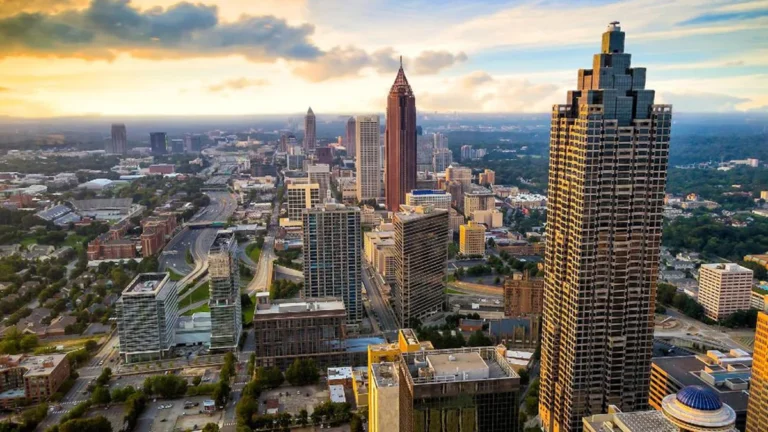
Things to Do in Birmingham: Civil Rights History, Iron Heritage and Garden Days in Alabama
Birmingham, Alabama greets a first time visitor with a skyline shaped by iron and rail, a downtown that rewards walking, and a civil rights story that changed the United States. The best things to do in Birmingham balance reflection and discovery: a morning in the Civil Rights District, an afternoon among art and gardens, and…
Birmingham, Alabama greets a first time visitor with a skyline shaped by iron and rail, a downtown that rewards walking, and a civil rights story that changed the United States. The best things to do in Birmingham balance reflection and discovery: a morning in the Civil Rights District, an afternoon among art and gardens, and an evening viewpoint above the city from Red Mountain.
This guide covers the top attractions in Birmingham in the order a first visit flows, starting with the Birmingham Civil Rights Institute and 16th Street Baptist Church, then Vulcan Park and Museum, then the central museums and gardens, and finally Sloss Furnaces. Every section gives a verified address, opening times where an official source lists them, and a practical tip, plus itinerary, ticket and cost tables, and sections on halal food in Birmingham and mosques in Birmingham.
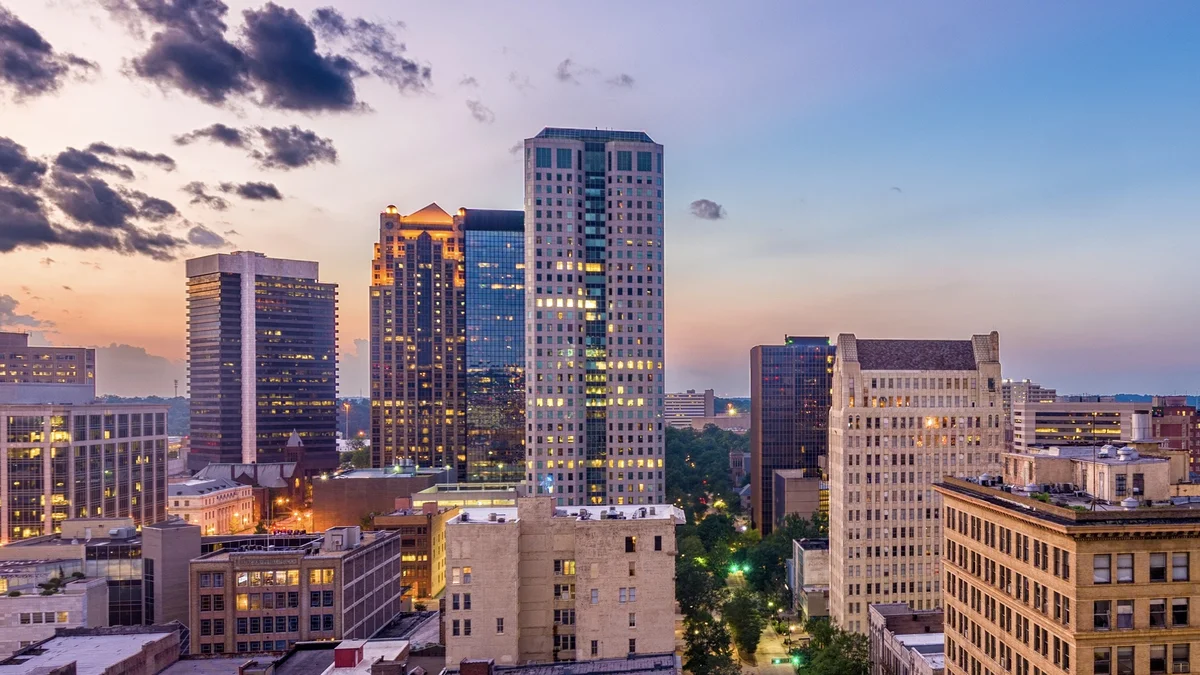
Base yourself downtown if you can. The Civil Rights District, the Birmingham Museum of Art, the McWane Science Center and Railroad Park sit within a compact central area, and the drives out to Vulcan Park, the gardens and the zoo stay short. Give the city three full days at a minimum, with a fourth day for a day trip if time allows.
Stay here: Elyton Hotel, Autograph Collection
A historic boutique hotel at 1928 1st Avenue North, Birmingham, AL 35203, close to the Civil Rights District and Railroad Park. Best for travellers who want a stylish central base in the heart of downtown.
Birmingham at a Glance
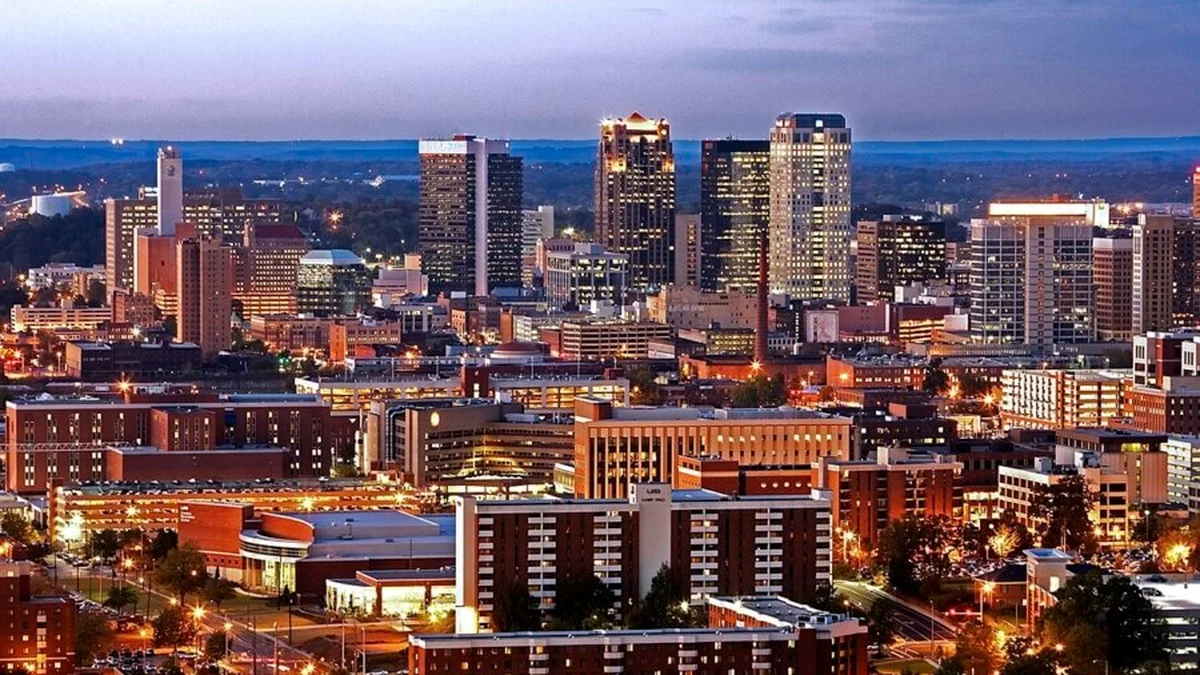
| Best Known For | Civil rights history, Vulcan and iron heritage, art and science museums, botanical gardens and a compact walkable downtown |
| Location | North central Alabama, in Jefferson County, at the southern end of the Appalachian foothills, with Red Mountain running through the south side of the city |
| Founded | 1871 as an industrial city built around iron and rail, named after Birmingham in England, with rapid growth that earned the nickname Magic City |
| Top Cluster | The downtown and Civil Rights District cluster, with the Birmingham Civil Rights Institute, 16th Street Baptist Church, Kelly Ingram Park, the Birmingham Museum of Art and the McWane Science Center close together |
| Airport | Birmingham-Shuttlesworth International Airport, around 5 miles from downtown |
| Best Months to Visit | March, April, May, September, October and November |
| Good to Know | Summer days can be hot and humid, so start outdoor visits early, carry water and use sun protection, while museum days suit the heat of the afternoon |
Best for First-Time Visitors
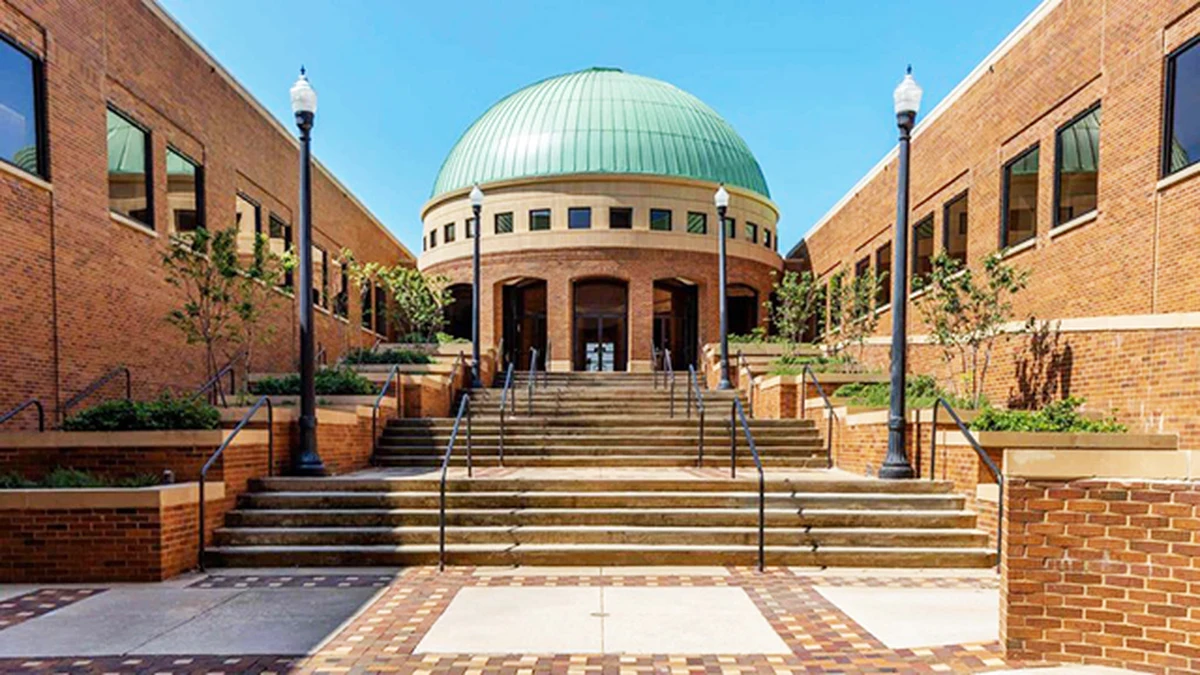
- Birmingham Civil Rights Institute
- 16th Street Baptist Church
- Vulcan Park and Museum
Best for Families

- McWane Science Center
- Birmingham Zoo
- Birmingham Botanical Gardens
Best Free Experiences

- Birmingham Museum of Art
- Birmingham Botanical Gardens
- Kelly Ingram Park and Railroad Park
Top Things to Do in Birmingham
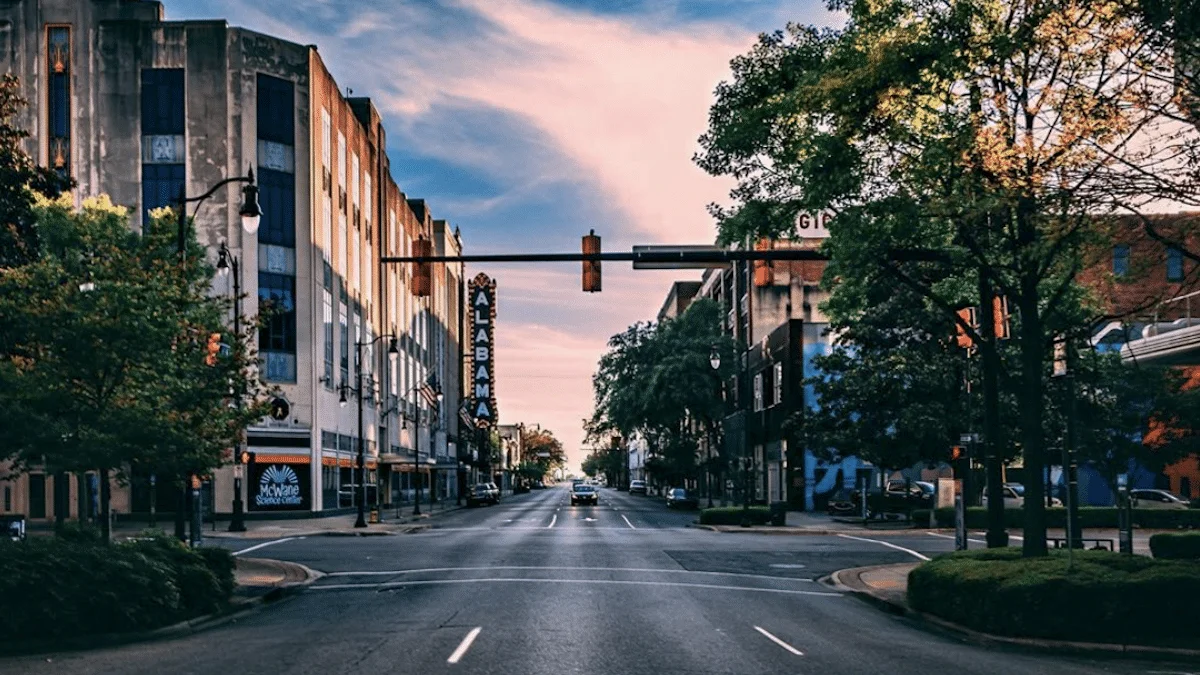
Start in the Civil Rights District, where the Institute, the church and Kelly Ingram Park give the clearest sense of the city and its history. From there, head south to Vulcan Park for the view that explains the industrial story, then return to the centre for art, science and gardens. Keep Sloss Furnaces for a separate east side visit, when the light is good for photography.
1. Learn the Story at the Birmingham Civil Rights Institute
Best for
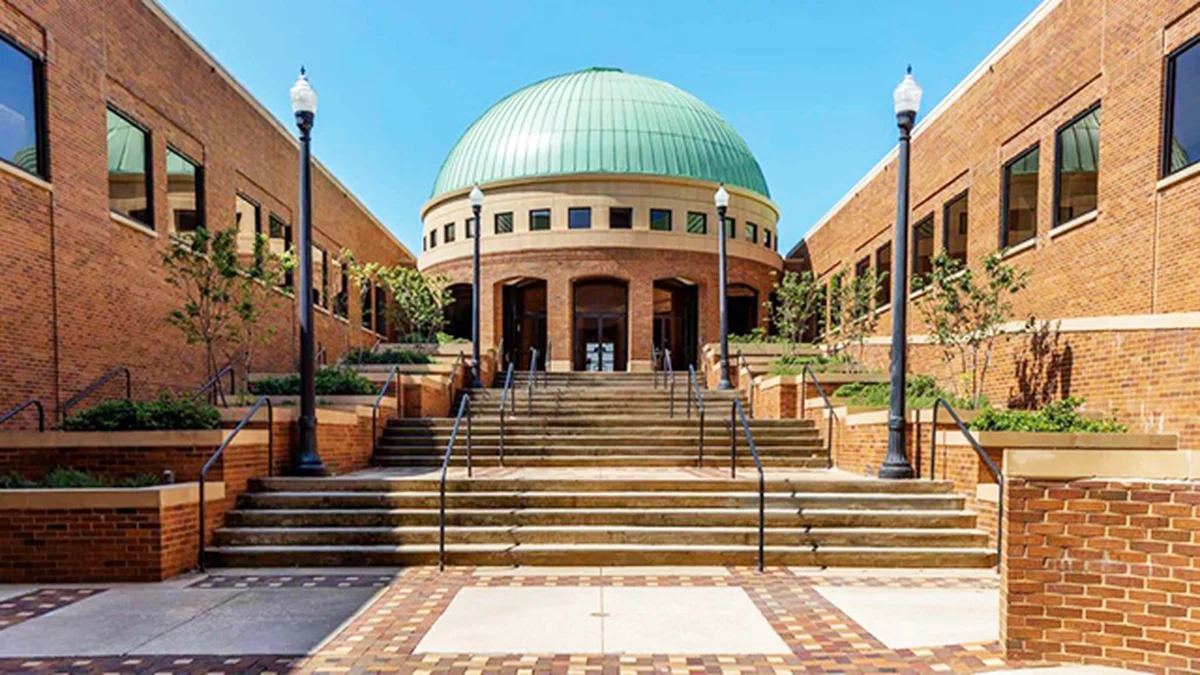
First-time visitors, history lovers and travellers who want the single most important museum in Birmingham in one visit. The Birmingham Civil Rights Institute documents the struggle of African American citizens in Birmingham to become full participants in the government and business life of the city, and it serves as a centre for study and reflection on civil and human rights. Opened in 1992, the Institute stands across from 16th Street Baptist Church.
The permanent galleries move through the story in a clear sequence, from segregation and the doctrine of separate but equal, through the Montgomery bus boycott, the Freedom Rides and the Birmingham campaign of 1963, to the continuing work for equality. Exhibits include a rendition of a segregated city, a replica Freedom Riders bus, and the jail cell door behind which Dr Martin Luther King Jr wrote the Letter From Birmingham Jail. Allow two to three hours.
Address: 520 16th Street North, Birmingham, AL 35203
Do not miss
The Orientation Theatre at the start of the route and the Movement Gallery that follows. The opening film sets the scale of the Birmingham story, while the gallery sequence gives the human detail behind the headlines, from classroom segregation to the jail cell and the march.
Practical info
The Institute is open Tuesday to Saturday from 10:00 in the morning to 5:00 in the afternoon, with last admission at 4:00 in the afternoon, and closed on Sunday and Monday, according to current visitor listings. Admission costs 15 dollars for adults, 13 dollars for college students, seniors and military visitors with valid identification, and free for children in third grade and below and for members, according to the Institute own site. The building is fully accessible.
Insider tip: Start at the Institute in the morning, then walk Kelly Ingram Park at midday and take the church tour in the afternoon. The Institute gives the context that makes the park and the church far easier to read.
2. Visit 16th Street Baptist Church

Best for
History lovers, travellers who want to understand the civil rights movement at the place where it happened, and visitors who value quiet, respectful reflection. 16th Street Baptist Church was organised in 1873 as the First Colored Baptist Church of Birmingham, the first Black church in the city, and the congregation moved to the present site at 16th Street and 6th Avenue North in 1880. The present building, completed in 1911, served as a meeting place and a centre for organising during the civil rights movement.
On Sunday, 15 September 1963, at 10:22 in the morning, a bomb exploded at the church, killing four young girls who were preparing for Sunday school and injuring more than 20 other members of the congregation. The bombing shocked the nation and the world, and it became a galvanising force for the passage of the Civil Rights Act of 1964. The church reopened for services in June 1964, and it remains an active place of worship today.
Address: 1530 6th Avenue North, Birmingham, AL 35203
Do not miss
The Wales window and the memorial space. The window, designed by John Petts and given by the people of Wales, stands as a direct response to the bombing, while the memorial gives a place to pause and remember Addie Mae Collins, Cynthia Wesley, Carole Robertson and Denise McNair by name.
Practical info
Tours run Tuesday to Saturday, starting at 10:00 in the morning, with the last tour starting at 3:00 in the afternoon, according to the church own tours page, and visitors should plan at least one hour for a tour. Tour tickets cost 10 dollars for adults and 5 dollars for students aged 18 and under. Contact the church in advance to confirm availability, since church events can change the tour schedule. Dress modestly and arrive on time.
Insider tip: Book the church tour for the afternoon after the Birmingham Civil Rights Institute, and allow time afterwards to sit in Kelly Ingram Park across the street.
3. Take in the View at Vulcan Park and Museum
Best for
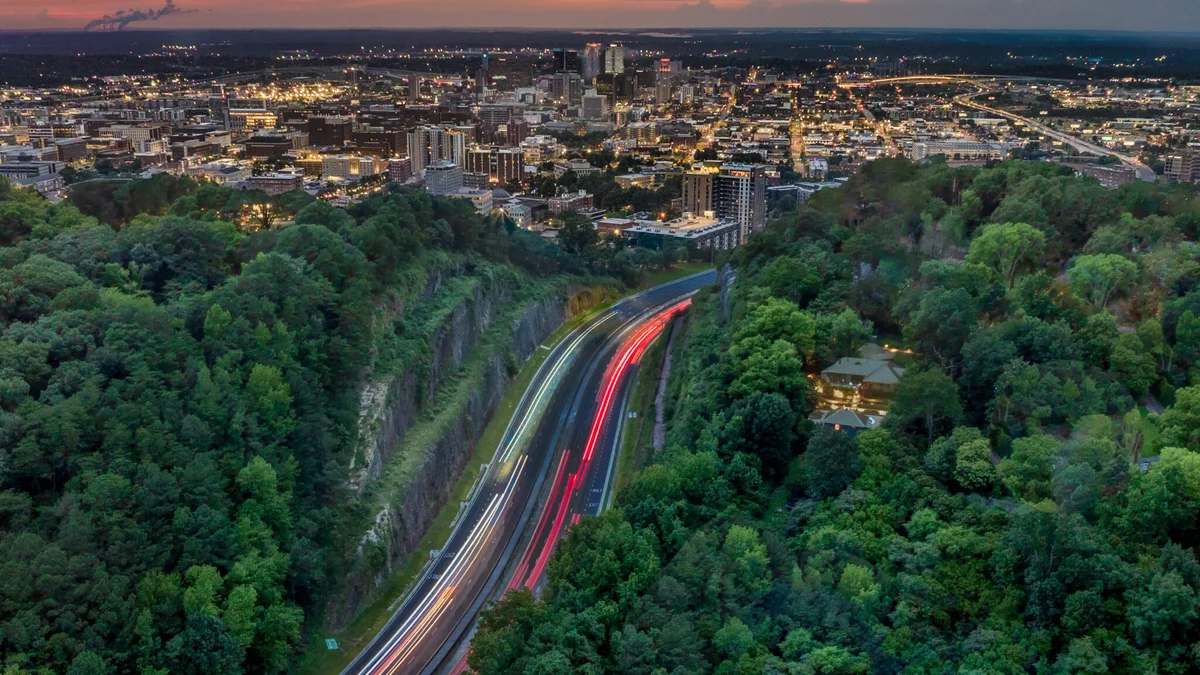
First-time visitors, photographers and travellers who want the best single viewpoint in Birmingham. Vulcan Park and Museum stands on Red Mountain, south of downtown, and it centres on Vulcan, the largest cast iron statue in the world, at 56 feet tall and made from around 100,000 pounds of iron. Vulcan was cast for the St Louis World Fair in 1904 and later placed on Red Mountain.
The Vulcan Center Museum below the statue explains the industrial story in interactive exhibits, from the iron ore, coal and limestone of Red Mountain to the furnaces and the growth of the Magic City. The observation deck gives a 360 degree view, and the Kiwanis Vulcan Trail links the park to walking routes on Red Mountain. Allow two hours in total, and longer at sunset.
Address: 1701 Valley View Drive, Birmingham, AL 35209
Do not miss
The observation deck in the late afternoon. The low light sharpens the downtown skyline, and the museum visit beforehand gives the view its meaning, since the furnaces and rail lines visible from the deck are the industries the exhibits explain.
Practical info
The park grounds, observation tower and museum are open Sunday to Thursday from 10:00 in the morning to 8:00 in the evening, and Friday to Saturday from 10:00 in the morning to 9:00 in the evening, according to current listings. Admission is listed at 8 dollars for adults, 6 dollars for seniors and military visitors, and 4 dollars for children aged 5 to 12, with children under 5 entering free, so confirm current admission on the official site before you go.
Insider tip: Visit Vulcan in the late afternoon and stay for sunset. The museum is quieter at that hour, and the light on the statue is at its best.
4. Explore Free Galleries at the Birmingham Museum of Art
Best for
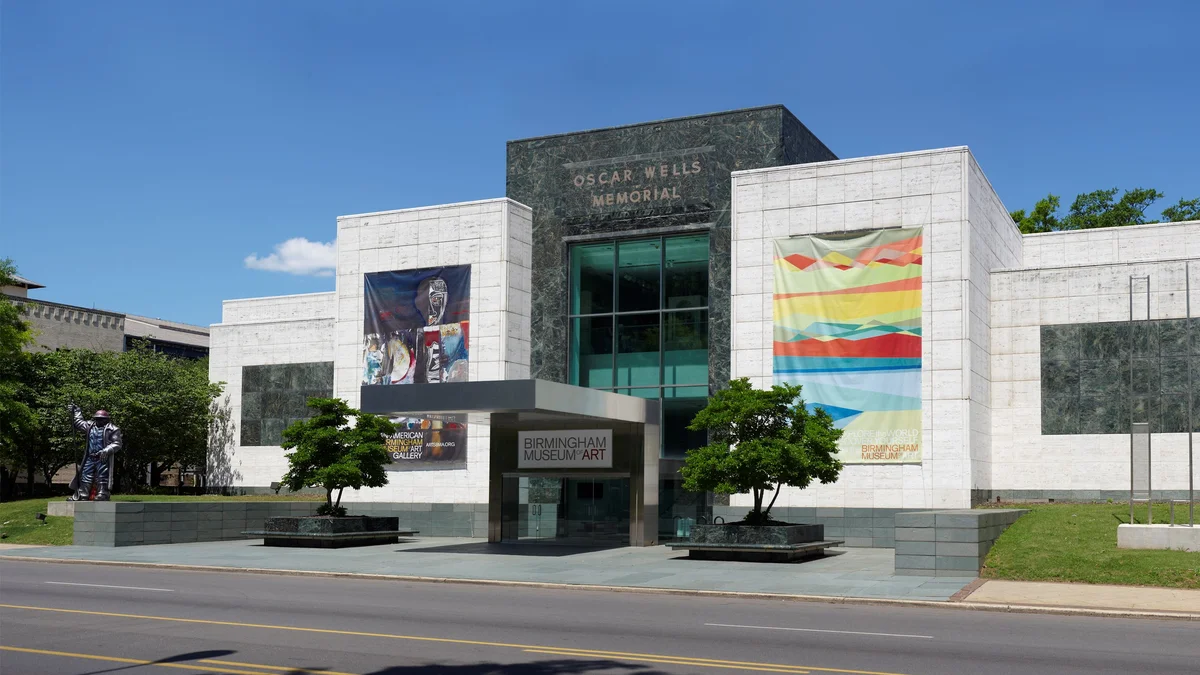
Art lovers, families and travellers who want a calm, large scale museum day in the centre of the city. The Birmingham Museum of Art, founded in 1951, is the largest municipal art museum in the Southeast, with a collection of more than 27,000 works spanning ancient times to the present day. General admission is free every day, including all collection galleries and most exhibitions unless otherwise noted.
The strengths of the collection give a clear route through the building. Start with the Asian art galleries, then move to the Kress Collection of Renaissance and Baroque art, the American art galleries, and the African and African American art holdings. The Charles W Ireland Sculpture Garden outside gives a green break between gallery floors.
Address: 2000 Reverend Abraham Woods Jr Boulevard, Birmingham, AL 35203
Do not miss
The Asian art galleries and the sculpture garden. The Asian galleries give depth and quiet that few regional museums match, while the garden gives the visit its breathing space, with sculpture, shade and seating.
Practical info
The museum is open Tuesday from 1:00 in the afternoon to 5:00 in the afternoon, Wednesday, Friday and Saturday from 10:00 in the morning to 5:00 in the afternoon, Thursday from 10:00 in the morning to 8:00 in the evening, and Sunday from 12 noon to 5:00 in the afternoon, and closed on Monday, according to the museum own plan your visit page. General admission is always free.
Insider tip: Visit on a Thursday evening, when the museum stays open to 8:00 in the evening and the galleries are at their quietest.
5. Wander the Gardens at Birmingham Botanical Gardens
Best for
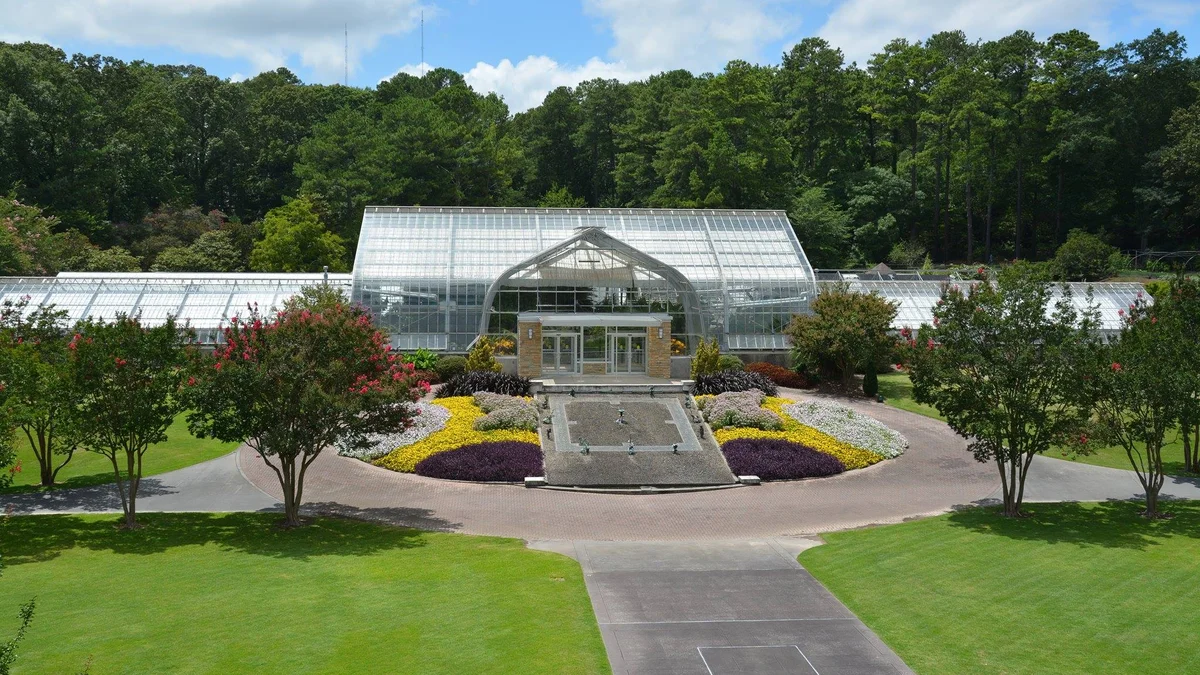
Garden lovers, photographers, families and travellers who want a peaceful outdoor morning south of downtown. Birmingham Botanical Gardens covers 67.5 acres in the Lane Park area, with more than 24 distinct garden areas, a conservatory and shaded walking paths. Established in 1963, the gardens hold a rose garden, a Japanese garden, a wildflower garden and a large horticulture library.
Walk the gardens in a loose loop, starting at the formal gardens near the garden centre, then moving to the Japanese garden for its quiet paths and water features, and on to the rose garden and the conservatory for tropical and desert plants. Benches and shaded lawns give natural resting points.
Address: 2612 Lane Park Road, Birmingham, AL 35223
Do not miss
The Japanese garden and the rose garden. The Japanese garden gives the most tranquil corner of the site, with stones, water and planting that reward a slow circuit, while the rose garden gives colour and scent at its peak in spring and early summer.
Practical info
Admission is free, with free parking, according to the gardens own site. Spring and summer garden hours run daily from 7:00 in the morning to 7:00 in the evening, and garden centre hours run from 8:00 in the morning to 5:00 in the afternoon on weekdays. Confirm current hours on the official site before travel.
Insider tip: Visit in the morning, when the light is soft and the garden paths are quiet, and save the conservatory for the heat of the day.
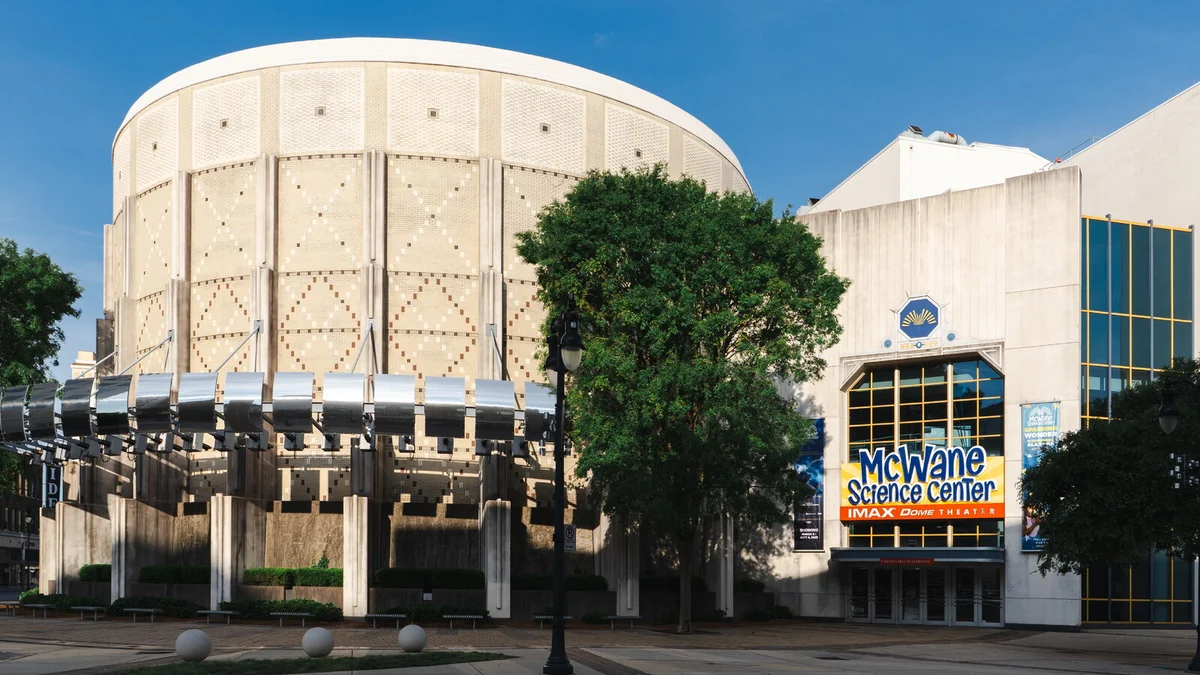
6. Get Hands On at the McWane Science Center
Best for
Families, science lovers and travellers who want a full, hands on museum day in downtown Birmingham. The McWane Science Center fills the historic Loveman department store building with interactive science exhibits, an aquarium and an IMAX Dome Theatre. The centre aims to spark wonder and curiosity through hands on science, and the mix of touch exhibits, demonstrations and film suits mixed age groups.
The World of Water area gives a touch tank experience with sharks and rays, while the dinosaur galleries tell the story of Alabama in the age of dinosaurs, with Appalachiosaurus as a centrepiece. The Itty Bitty Magic City area gives younger children a scaled down city to explore, while the IMAX Dome Theatre shows documentary films on a curved screen.
Address: 200 19th Street North, Birmingham, AL 35203
Do not miss
The World of Water touch tank and the IMAX Dome film. The touch tank gives the most memorable hands on moment in the building, while the dome film gives a shared, immersive break from the busy exhibit floors.
Practical info
The centre is open Wednesday, Thursday and Friday from 9:00 in the morning to 5:00 in the afternoon, Saturday from 10:00 in the morning to 5:00 in the afternoon, and Sunday from 12 noon to 5:00 in the afternoon, and closed on Monday and Tuesday, according to current listings. Admission is listed at 17 dollars for adults aged 13 to 64, 14 dollars for children aged 2 to 12, and 16 dollars for seniors aged 65 and over, with children under 2 entering free, Confirm current admission on the official site before you go.
Insider tip: Start with the IMAX film booking, then visit the World of Water area before the midday crowds build.
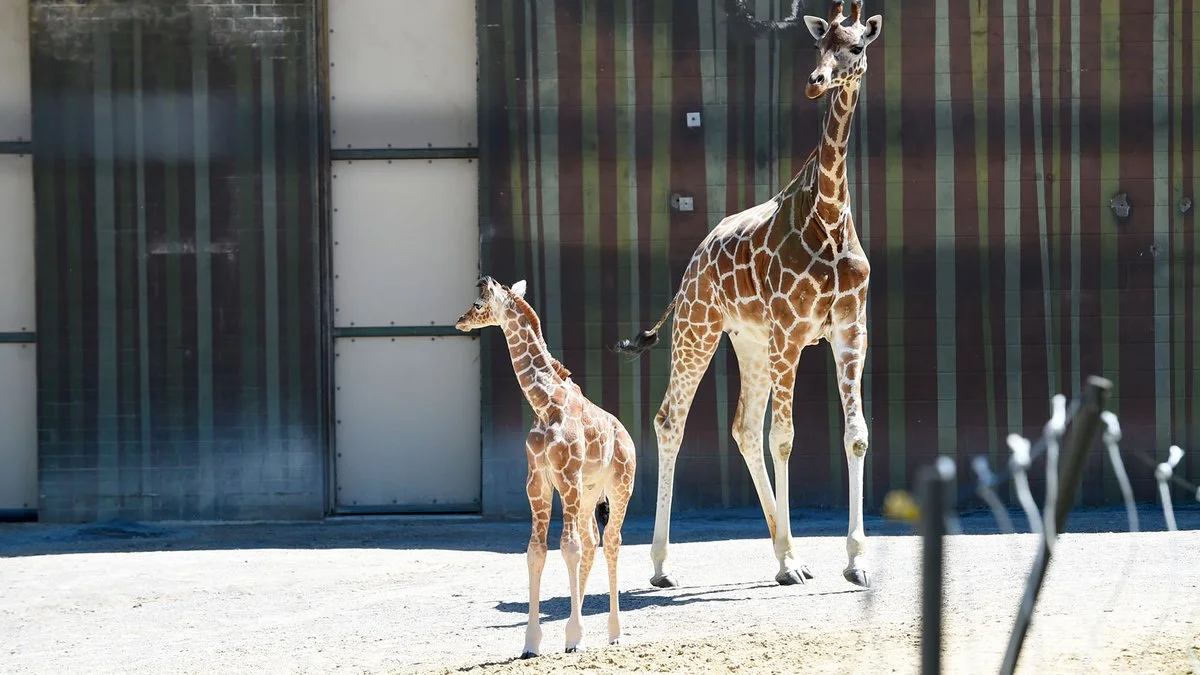
7. Meet Wildlife at the Birmingham Zoo
Best for
Families, wildlife lovers and travellers who want a compact zoo day in the Lane Park area. The Birmingham Zoo is the only zoo in Alabama accredited by the Association of Zoos and Aquariums, and it is home to animals from six continents, including lions, zebras, giraffes, sea lions, orangutans, a jaguar and African elephants. The zoo is a non profit organisation with a mission to inspire passion to conserve the natural world.
Start at the Trails of Africa area for elephants, giraffes and zebras, then move to the Predator Building for lions and the jaguar, and on to the sea lion habitat and the primate areas. Giraffe feeding encounters and keeper talks run at set times through the day, and the Red Diamond Express Train circles the grounds for a seated overview.
Address: 2630 Cahaba Road, Birmingham, AL 35223
Do not miss
The giraffe feeding encounter and the elephant keeper talks. The feeding gives a close encounter that children remember long after the visit, while the keeper talks explain conservation work and daily care.
Practical info
The zoo describes itself as open daily from 9:00 in the morning to 4:00 in the afternoon, except during special, seasonal and extended hours, and regular admission is listed at 18.95 dollars for adults, 15.95 dollars for senior citizens, military visitors, first responders and college students, and 13.95 dollars for children aged 2 to 12, before tax, with members and children under 2 entering free. Confirm current hours and admission on the official site before you go.
Insider tip: Arrive at opening time and head straight to the giraffes and the elephants, then save the train ride for the afternoon.
Stay here: Grand Bohemian Hotel Mountain Brook, Autograph Collection
An art filled luxury hotel at 2655 Lane Park Road, Birmingham, AL 35223, close to the Botanical Gardens and the Zoo. Best for travellers who want a polished, green setting with a spa and fitness centre.
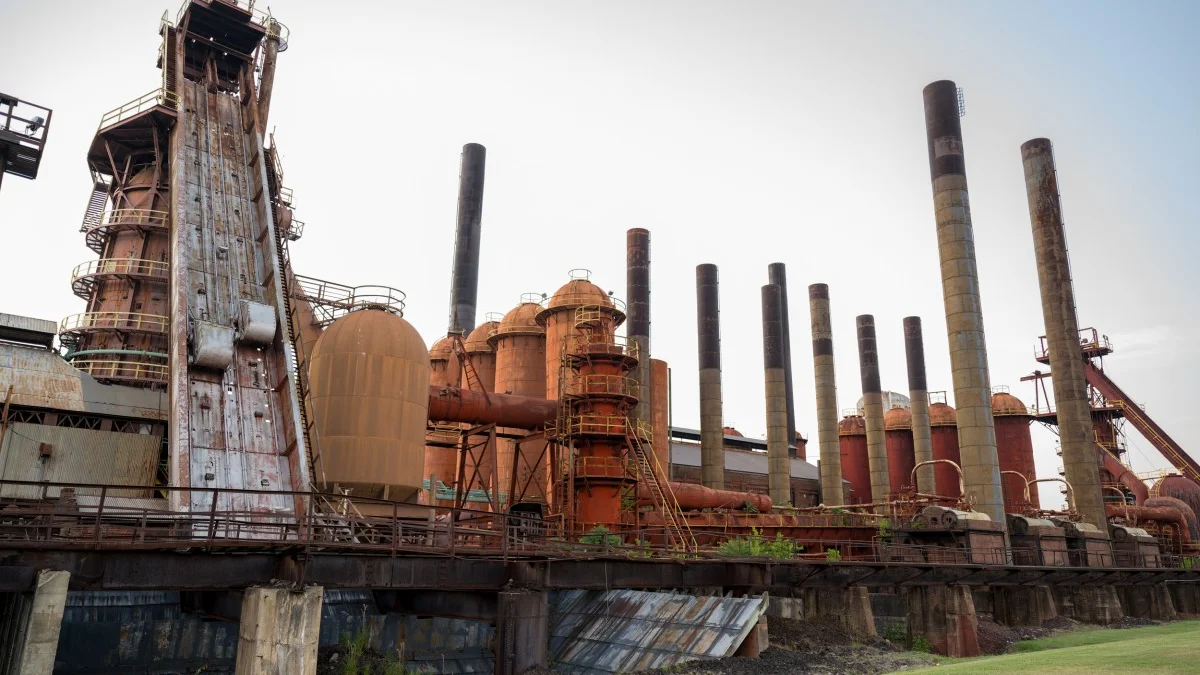
8. Walk the Furnaces at Sloss Furnaces National Historic Landmark
Best for
History lovers, photographers and travellers who want the industrial half of the Birmingham story in its most striking form. Sloss Furnaces National Historic Landmark is a preserved pig iron blast furnace complex that produced iron for nearly 90 years and gave rise to the city of Birmingham. The site operated from 1882 to 1971, and today the furnaces, pipes and tall smokestacks stand as a National Historic Landmark.
Walk the grounds on a self guided route past the two massive blast furnaces, the web of pipes and the machinery that once powered daily metal production, reading the interpretive signs that explain the iron making process and the lives of the workers who fuelled the growth of the city. The rust tones, brick textures and pipework give some of the strongest photography in Birmingham.
Address: 20 32nd Street North, Birmingham, AL 35222
Do not miss
The blast furnace casting floor and the visitor centre exhibits. The casting floor shows where molten iron was poured, with the full height of the furnaces above, while the visitor centre gives context for the machinery and the labour history of the site.
Practical info
The site is listed as open Tuesday to Saturday from 10:00 in the morning to 4:00 in the afternoon, and Sunday from 12 noon to 4:00 in the afternoon, and closed on Monday, according to current listings, with self guided visits free of charge. Guided tours are listed at 10 dollars for adults and 5 dollars for children aged 6 to 12, so confirm tour days, times and prices on the official site before you go, since other listings show a narrower set of open days. Wear closed toe shoes, since the ground is uneven, and carry water in summer.
Insider tip: Visit Sloss Furnaces in the morning, when the light falls across the furnace structures and the site is quiet.
More Worth Your Time in Birmingham
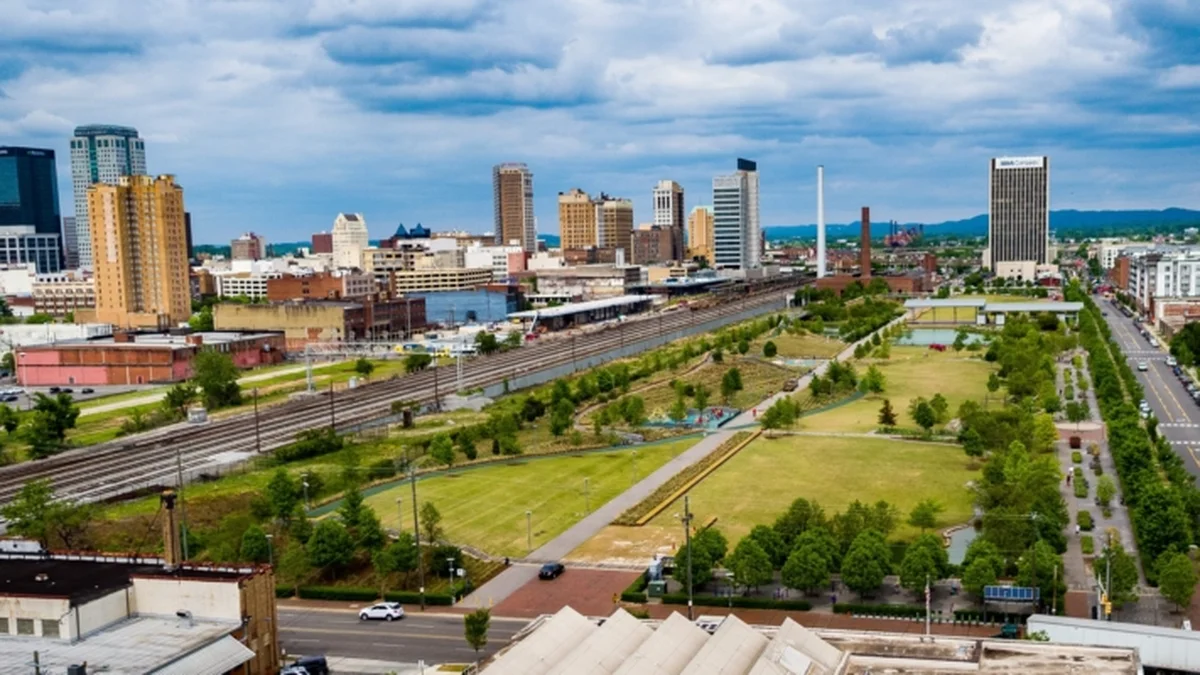
If the eight main sights leave you with a spare half day, these stops add depth without repeating the same story. Railroad Park, at 1600 1st Avenue South, Birmingham, AL 35233, is a 19 acre green space in downtown Birmingham that celebrates the industrial and artistic heritage of the city. The park is open daily from 7:00 in the morning to 11:00 in the evening, with no entrance fee, and it offers lawns, tree lined paths, ponds and wetlands, an outdoor gym and playgrounds, with the downtown skyline beyond the trees.
Kelly Ingram Park, at 500 17th Street North, Birmingham, AL 35203, is a four acre park that served as a central staging ground for large scale demonstrations during the civil rights movement of the 1960s. Sculptures along the Freedom Walk path portray moments of bravery, grief and solidarity, including sculptures recalling the use of dogs and water hoses against young demonstrators in 1963, and a sculpture honouring the four girls killed in the 16th Street Baptist Church bombing. The A. G. Gaston Motel, which stands behind the Birmingham Civil Rights Institute, is a third stop to view from outside on the same walk. Check the visitor centre at the Institute for current tour access to the motel, since the building has undergone renovation work.
Birmingham Attractions Compared
| Attraction | Best For | Cost | Time Needed |
|---|---|---|---|
| Birmingham Civil Rights Institute | Civil rights history and reflection | 15 dollars adults | 2 to 3 hours |
| 16th Street Baptist Church | Historic church and movement history | 10 dollars adults | 1 hour |
| Vulcan Park and Museum | Viewpoints and iron heritage | 8 dollars adults, recent listings | 2 hours |
| Birmingham Museum of Art | Art collections and sculpture garden | Free entry | 2 to 3 hours |
| Birmingham Botanical Gardens | Gardens, photography and quiet walks | Free entry | 2 to 3 hours |
| McWane Science Center | Hands on science and families | 17 dollars adults, recent listings | 3 to 4 hours |
| Birmingham Zoo | Families and wildlife encounters | 18.95 dollars adults | 3 to 4 hours |
| Sloss Furnaces | Industrial heritage and photography | Free self guided visit | 1 to 2 hours |
| Railroad Park | Park walks, picnics and city views | Free entry | 1 to 2 hours |
| Kelly Ingram Park | Civil rights sculptures and reflection | Free entry | 1 hour |
Suggested Itineraries
| Trip Length | What to See |
|---|---|
| 1 Day | Start at the Birmingham Civil Rights Institute in the morning, continue to 16th Street Baptist Church and Kelly Ingram Park at midday, and finish at Vulcan Park and Museum for sunset views. |
| 2 Days | Day 1: As above, plus Railroad Park in the late afternoon. Day 2: Birmingham Museum of Art in the morning and the McWane Science Center in the afternoon. |
| 3 Days | Days 1 and 2 as above. Day 3: Birmingham Botanical Gardens in the morning and the Birmingham Zoo in the afternoon, or Sloss Furnaces in the morning with a day trip to Montgomery, Selma or Oak Mountain State Park on a fourth day. |
Book Tickets in Birmingham
Book the main paid sights in advance where the official site offers advance booking, especially on weekends and in the spring and autumn months. Every link below goes to the official page for that attraction. The Birmingham Museum of Art, Birmingham Botanical Gardens and Sloss Furnaces offer free general entry, so they need no ticket row in this table, while Kelly Ingram Park and Railroad Park are free public parks.
| Attraction | Tickets |
|---|---|
| Birmingham Civil Rights Institute | Book Tickets |
| 16th Street Baptist Church | Book Tickets |
| Vulcan Park and Museum | Book Tickets |
| McWane Science Center | Book Tickets |
| Birmingham Zoo | Book Tickets |
Where to Stay in Birmingham
Top 3 hotels in Birmingham
Explore all hotels >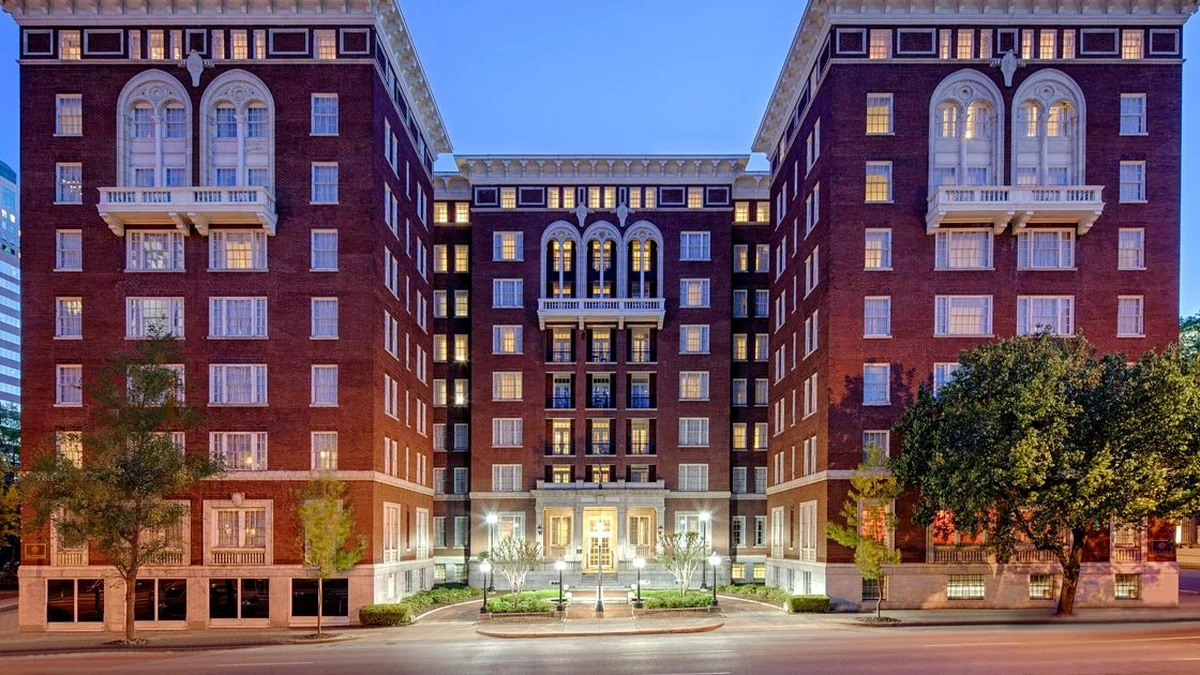
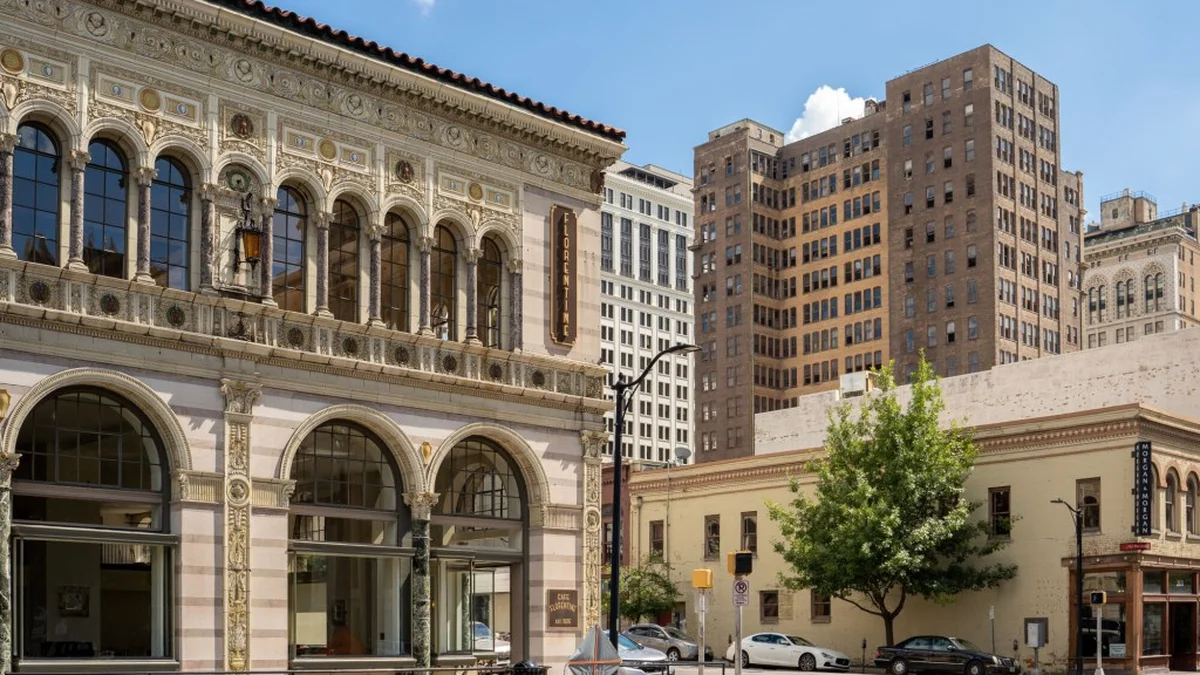
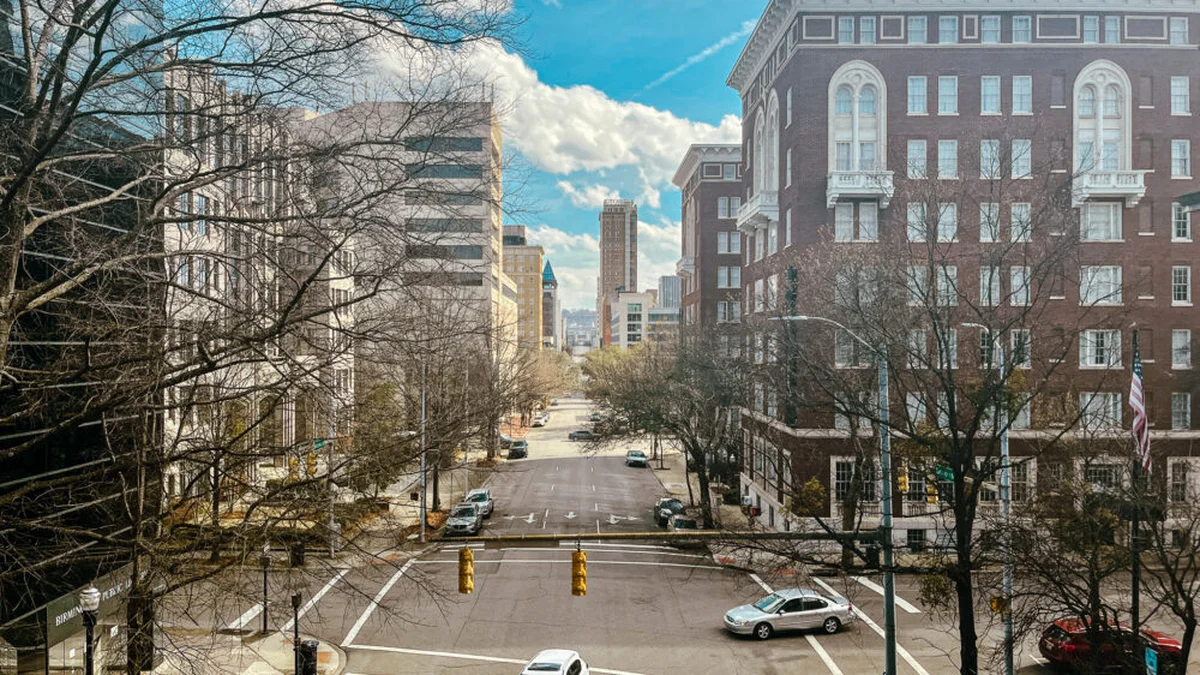
Downtown Birmingham suits almost every Birmingham itinerary. The Civil Rights District, the Birmingham Museum of Art, the McWane Science Center and Railroad Park sit within a compact area, and the central halal restaurants in Five Points South and downtown stay within a short drive. Five Points South suits evening meals and Vulcan Park days, while the Lane Park and Mountain Brook area suits garden and zoo days, and Homewood and Hoover suit mosque visits.
| Area | Best For | What Is Nearby |
|---|---|---|
| Downtown and Civil Rights District | First-time visitors who want walkable streets | Birmingham Civil Rights Institute, 16th Street Baptist Church and McWane Science Center |
| Five Points South and UAB area | Evening meals and Vulcan Park days | Vulcan Park and Museum and Mr. Shawarma |
| Lane Park and Mountain Brook | Garden and zoo days in a green setting | Birmingham Botanical Gardens and Birmingham Zoo |
| Homewood and Hoover | Mosque visits and quiet southern stays | Homewood Masjid and Hoover Crescent Islamic Center |
Two hotels with verified official booking pages cover the main styles of stay:
- Elyton Hotel, Autograph Collection: A historic boutique hotel at 1928 1st Avenue North, Birmingham, AL 35203, close to the Civil Rights District and Railroad Park. Best for travellers who want a stylish central base in downtown Birmingham.
- Grand Bohemian Hotel Mountain Brook, Autograph Collection: An art filled luxury hotel at 2655 Lane Park Road, Birmingham, AL 35223, close to Birmingham Botanical Gardens and the Birmingham Zoo. Best for travellers who want a polished, green setting with a spa and a fitness centre on site.
Where to Eat in Birmingham

Birmingham eats like a Southern city with a Middle Eastern layer, with Southern plates, soul food cooking and shawarma counters within a short drive of downtown. Food often becomes the memory travellers carry home, a pattern explored in our guide to how food tourism is shaping modern travel. The halal options below come first, then the local dishes worth knowing by name.
Halal Food in Birmingham
Mr. Shawarma, stated halal on its own site with the words Fresh, Authentic, All Halal, sits at 1011 20th Street South, Birmingham, AL 35205, in Five Points South. The menu centres on chicken shawarma bowls and wraps, beef and lamb shawarma bowls and wraps, kofta bowls, hawawshi and falafel bowls, with hummus, pickles and garlic sauce. The restaurant own site still shows Coming Soon wording alongside the address, while current ordering listings show the restaurant operating, so confirm opening hours and halal status with staff on the day.
Exotic Wings and Things, stated halal on its own site with the words All of our meats are halal, sits at 208 Green Springs Avenue South, Birmingham, AL, according to the halal listing for the restaurant. The menu centres on crispy fried wings with a choice of sauces, 10 wings combos with fries, birria tacos, beef quesadillas, chicken loaded fries and desserts. The restaurant own site lists chicken, beef and turkey only. Confirm the address and halal status with staff before travelling, since a second address for the same name appears in other listings.
Shawarma Time, listed halal in secondary listings that describe halal options throughout the menu, sits at 707 Richard Arrington Jr Boulevard South, Suite 103B, Birmingham, AL 35233. The menu centres on chicken shawarma sandwiches and bowls, beef shawarma meals, falafel, hummus and fresh salads, with mix bowls that allow a tasting of several flavours in one meal. No halal claim was found on the restaurant own site during research, since the site shows only a placeholder page, so confirm halal status with staff before ordering meat dishes, and choose falafel, hummus and vegetable dishes until staff confirm. Eating well is part of understanding a place, a theme explored in our guide to how food tourism is shaping modern travel, and in every case, ask clearly about meat sourcing.
Local Dishes to Try
Southern cooking defines the local table in Birmingham, with fried chicken, collard greens, cornbread, macaroni and cheese, meat and three plates, and banana pudding among the dishes visitors meet most often, alongside Alabama white sauce served with grilled chicken at barbecue restaurants. Soul food restaurants add smothered dishes, black eyed peas, sweet potatoes and peach cobbler, while Middle Eastern counters add shawarma, falafel, hummus and baklava. Food choices shape a trip as much as sights do, a point covered in our guide to how food tourism is shaping modern travel
Mosques and Prayer Facilities in Birmingham
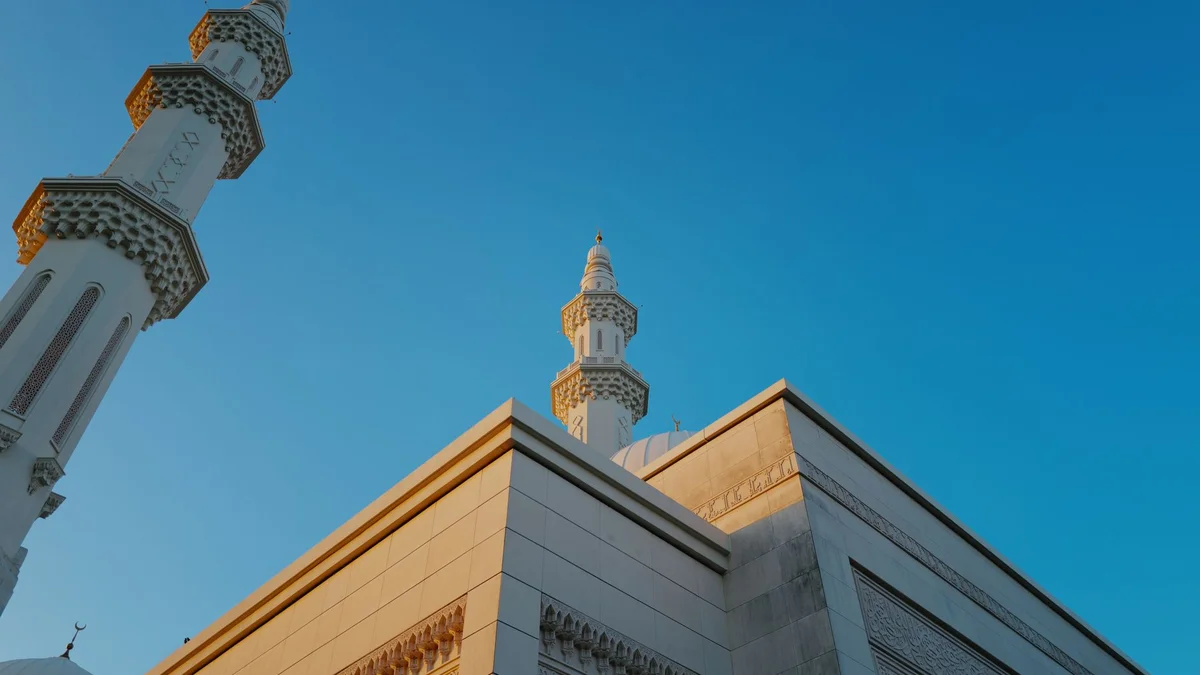
Birmingham holds an established Muslim community, organised through the Birmingham Islamic Society, and visitors are welcome at daily and Friday prayers. Prayer times shift with the season, so check the Birmingham Islamic Society site before you go
- Hoover Crescent Islamic Center: One of the largest Muslim prayer facilities in the greater Birmingham area and the administrative home of the Birmingham Islamic Society, at 2524 Hackberry Lane, Hoover, AL 35226, around 10 miles south of Birmingham. Opened in December 2007, the centre holds a prayer hall with room for 500 worshippers, parking for up to 200 cars, classrooms and ablution facilities. Daily prayers and Friday prayer are held here, so check times on the Birmingham Islamic Society site before travelling.
- Homewood Masjid: The Birmingham Islamic Society masjid in the Rosedale community of Homewood, at 1810 25th Court South, Homewood, AL 35209, just south of downtown Birmingham. Purchased in 1995, the site holds a three storey school building, a courtyard, a playground and a prayer hall with room for up to 250 worshippers, and it remains the home of the Islamic Academy of Alabama. Daily prayers and Friday prayer are maintained here, so check prayer times on the Birmingham Islamic Society site before travelling.
Getting Around Birmingham

| Option | Best For | Cost |
|---|---|---|
| MAX Transit bus | Downtown, the airport route and citywide travel without a car | Low fare, check the current timetable and fares |
| DART Circulator | Downtown and Southside loops on vintage style trolleys | Low fare per ride, check the current fare |
| Walking | Civil Rights District, downtown museums and Railroad Park | Free |
| Car and Parking | Vulcan Park, Botanical Gardens, zoo, Sloss Furnaces and day trips | Rental plus garage and lot fees |
| Taxi and Rideshare | Airport runs and evenings | Metered and app fares vary |
Downtown Birmingham follows a compact grid, and the Civil Rights District, the Birmingham Museum of Art, the McWane Science Center and Railroad Park sit within a short walk of each other. MAX Transit buses serve downtown and the airport area, with the MAX 20 Airport route linking Birmingham-Shuttlesworth International Airport with downtown, so check the MAX Transit timetable before you go, since service is reduced on Sundays. A one way fare on the airport bus starts at 1.50 dollars, with exact fare required, according to the airport site, while other MAX Transit fare listings differ, so confirm the current fare before travel.
Birmingham-Shuttlesworth International Airport stands around 5 miles from downtown, roughly a 15 minute drive in normal traffic, and taxis and rideshares wait outside the baggage claim area, with a typical taxi fare to downtown listed at around 20 dollars on the airport site.
What a Day in Birmingham Costs
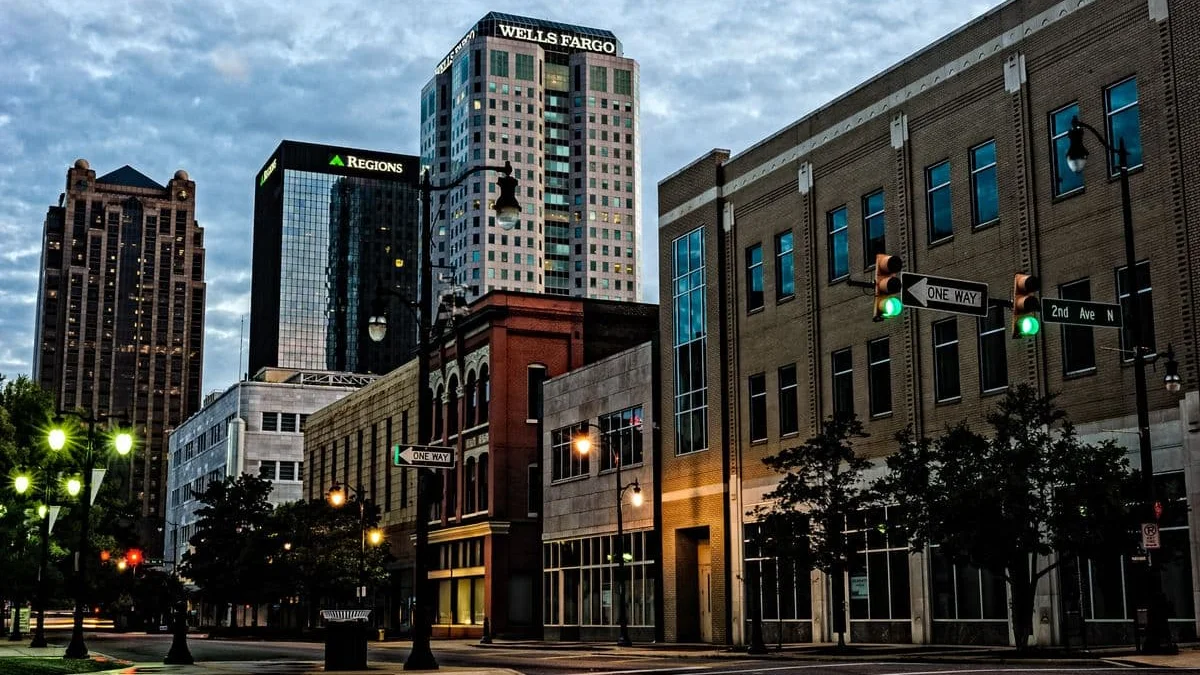
| Travel Style | Attractions | Food | Stay and Transport | Rough Daily Total |
|---|---|---|---|---|
| Budget Traveller | 0 to 30 dollars, mixing free museum, garden and park visits with one low cost ticket | 30 to 50 dollars | 110 to 150 dollars hotel, walking and bus days | 140 to 230 dollars |
| Mid-Range Traveller | 40 to 70 dollars for two or three paid sights | 65 to 100 dollars | 170 to 260 dollars hotel, 15 to 40 dollars parking and rides | 290 to 470 dollars |
| Family of Four | 85 to 160 dollars with zoo, science centre and Vulcan pricing | 140 to 200 dollars | 220 to 320 dollars family room, 25 to 50 dollars parking and fuel | 470 to 730 dollars |
The Birmingham Museum of Art, Birmingham Botanical Gardens, Kelly Ingram Park and Railroad Park cost nothing to enter, and the downtown cluster keeps transport costs low on museum days. The zoo, the McWane Science Center and the Birmingham Civil Rights Institute are the largest tickets to plan for in advance, and the totals above are rough planning figures, not quoted prices.
Best Time to Visit Birmingham
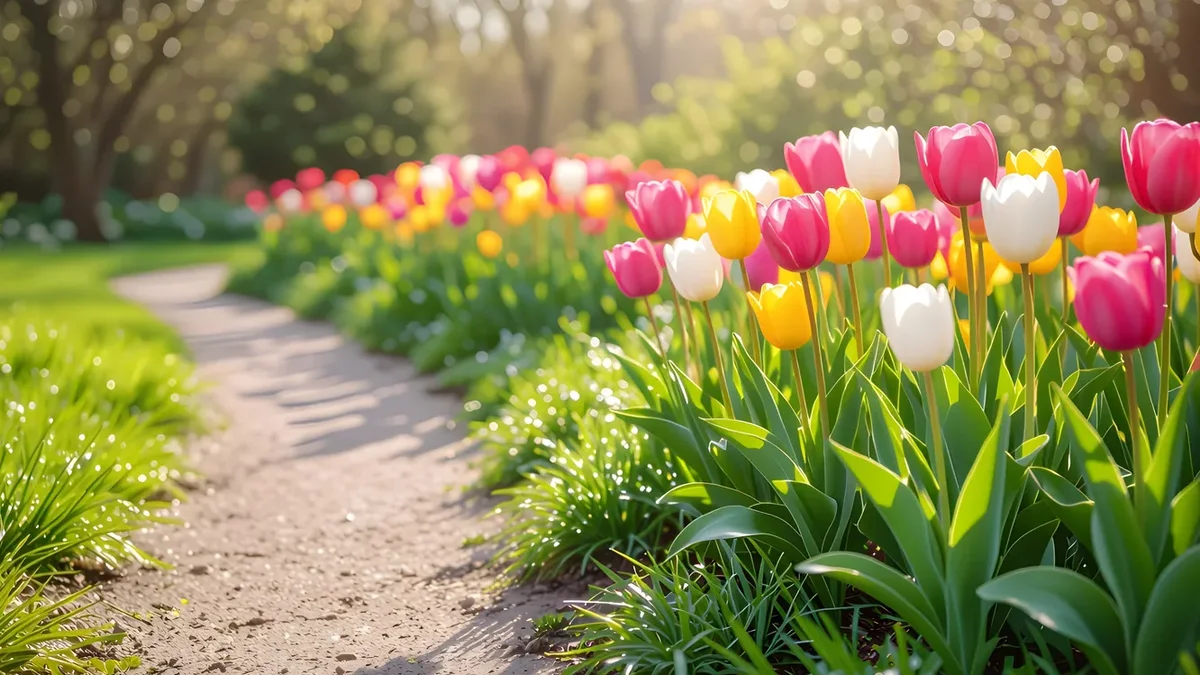
| Season | Months | What to Expect |
|---|---|---|
| Spring | March to May | Mild days, garden blooms, comfortable walking weather and busy spring weekends |
| Summer | June to August | Hot, humid days, busy parks and gardens, and cool museum afternoons |
| Autumn | September to November | Warm days easing from summer heat, autumn colour and quieter trails |
| Winter | December to February | Mild days with cold spells, possible rain, and quiet museums |
March, April, May, September, October and November give the easiest sightseeing weather in Birmingham. Spring brings garden blooms and mild walking days, while autumn brings colour and quieter trails. Summer visitors should start outdoor days early, save museums for the heat of the afternoon, and carry water on every Vulcan Park and Sloss Furnaces visit.
Day Trips from Birmingham
Montgomery
Montgomery, the capital of Alabama, sits around 90 miles south of Birmingham, around one hour and thirty minutes by road, and it makes the classic civil rights day trip. The Legacy Museum and the National Memorial for Peace and Justice tell the story from enslavement to mass incarceration, the Alabama State Capitol stands at the end of Dexter Avenue, and Dexter Avenue Baptist Church anchors the Montgomery bus boycott story. Montgomery (guide in preparation) suits travellers who want a full day of history after the Birmingham Civil Rights District.
Selma
Selma sits around 50 miles southwest of Birmingham, around one hour by road, and it makes a focused half day trip centred on one bridge and one march. Walk across the Edmund Pettus Bridge, where marchers were met with violence on Bloody Sunday, 7 March 1965, during the Selma to Montgomery march for voting rights, and pause at the far side to take in the view back toward the town. The bridge walk is free and open, and the visit works best as a quiet, reflective stop. Selma (guide in preparation) suits travellers who want to stand at the place where the voting rights story turned.
Oak Mountain State Park
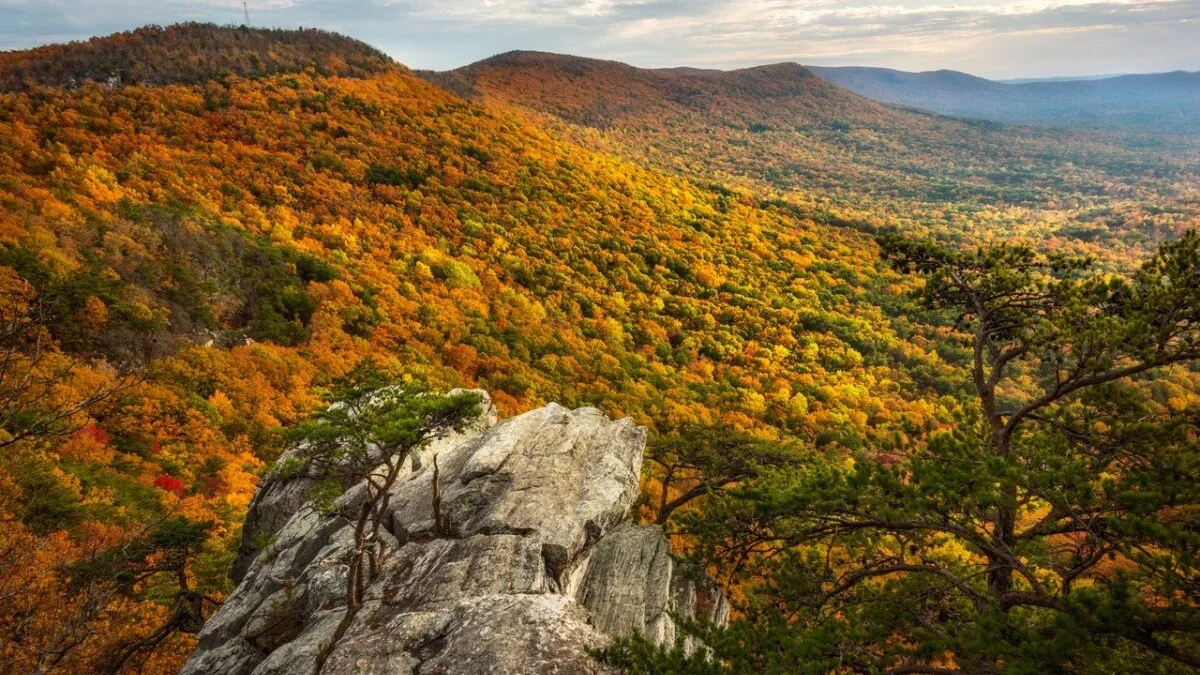
Oak Mountain State Park sits around 20 miles south of Birmingham, under 30 minutes by road, and it offers the most accessible outdoor day trip from the city. The park holds miles of hiking and mountain biking trails, two lakes, a golf course and picnic areas, with ridge viewpoints over forested hills. Walk a lakeside trail in the morning and return to Birmingham in the afternoon, carrying water and wearing sturdy shoes for uneven trails. Oak Mountain State Park (guide in preparation) suits travellers who want a full morning outdoors after downtown museum days.
Practical Tips for Visiting Birmingham

Good to Know
- Group the Civil Rights District sights into one day, and keep Vulcan Park, Sloss Furnaces and the Lane Park gardens and zoo for separate days with a car.
- Book church tours, Institute tickets and zoo visits ahead on weekends in spring and autumn.
- Use walking for downtown and the Civil Rights District, and save parking fees for day trip days only.
- Carry water and sun protection on outdoor visits, and start Vulcan Park and furnace visits early, especially from June to August.
- Check mosque prayer times and halal restaurant hours before you go, since both shift with the season.
Good to Avoid
- Starting a Vulcan Park or Sloss Furnaces visit at midday in summer. Heat builds fast on open ground, and shade is scarce on the furnace site.
- Assuming every museum opens daily at the same hour. Monday and Tuesday closures differ, with the art museum closed on Monday and the science centre closed on Monday and Tuesday.
- Driving between downtown sights. Walking is faster than parking twice, and downtown garages add up across a day.
- Treating a cuisine name as proof of halal status. Ask staff clearly about meat sourcing at every restaurant, and choose vegetable, fish or egg dishes if staff cannot confirm.
Final Thoughts
Birmingham gives a traveller more than a checklist. It gives a civil rights story that asks for thought, from the galleries of the Institute, to the sanctuary of 16th Street Baptist Church, to the furnace floors of Sloss and the statue of Vulcan. Walk early, take the museum afternoons slowly, and let the gardens and viewpoints set the pace of the day.
Keep Exploring
The Birmingham Civil Rights Institute, the 16th Street Baptist Church, and Vulcan Park and Museum make the essential circuit, and the Birmingham Museum of Art, the McWane Science Center, the Birmingham Zoo, Sloss Furnaces, and Railroad Park fill the days around them. The two day plan in this guide pairs the Civil Rights District on day one with Vulcan Park and Railroad Park on day two.
Spring brings mild days and the first garden colour, autumn brings colours and comfortable walking weather, and summer brings hot and humid days suited to museums and evening park walks. Walk downtown and the Civil Rights District for the Institute, the church, and Kelly Ingram Park, and use BJCTA buses for longer distances at 1.25 dollars per ride. Book Vulcan Park visits for the late afternoon, when the city view runs clearest, and allow a full morning for the Civil Rights Institute, since the exhibits deserve unhurried time.
Downtown suits almost every itinerary, with the Civil Rights District, Railroad Park, and the Museum of Art within walking distance, while Five Points South suits travellers who want the restaurants and the shops at the door. The Birmingham Islamic Society holds daily prayers and the Friday prayer, and visitors are welcome. A fourth day rewards a slower pace, with Sloss Furnaces, the Birmingham Zoo, and the McWane Science Center each deserving a full morning.
FAQs
What are the best things to do in Birmingham for first-time visitors?
Start with the Birmingham Civil Rights Institute, 16th Street Baptist Church and Kelly Ingram Park, then add Vulcan Park and Museum, the Birmingham Museum of Art and the McWane Science Center.
How many days do you need in Birmingham?
Two full days cover the Civil Rights District, downtown museums and Vulcan Park in comfort. A third day adds Birmingham Botanical Gardens, the Birmingham Zoo and Sloss Furnaces, and a fourth day adds a day trip without rushing.
What is Birmingham, Alabama best known for?
Birmingham, Alabama is best known for its central role in the civil rights movement, for Vulcan and iron and steel heritage, and for a compact downtown with free art and garden attractions. Do not confuse this Alabama city with Birmingham in England.
When is the best time to visit Birmingham?
March, April, May, September, October and November bring the most comfortable sightseeing weather. Spring gives garden blooms and mild walking days, autumn gives colour and quieter trails, and summer gives hot humid days best started early with museum afternoons.
Is Birmingham a good destination for families?
Yes. The McWane Science Center, the Birmingham Zoo and Birmingham Botanical Gardens all suit children, and Railroad Park and Kelly Ingram Park give free space for play between museum visits.
Where can visitors find halal food in Birmingham?
Mr. Shawarma in Five Points South is stated halal on its own site, and Exotic Wings and Things is stated halal on its own site, with meat sourcing to confirm with staff on the day. Shawarma Time downtown is listed halal in secondary listings only, so confirm halal status with staff before ordering meat dishes.
How do visitors get around Birmingham without a car?
Walk downtown for the Civil Rights District, the Birmingham Museum of Art, the McWane Science Center and Railroad Park, and use MAX Transit buses and the DART Circulator for downtown and airport travel. A rental car is still needed for Vulcan Park, the gardens, the zoo, Sloss Furnaces and day trips.