
Things to Do in Rome: Your Ultimate 2026 Guide to the Eternal City
Rome does not feel like a city that holds history in a museum. History is the city. You turn a corner and a 2,000 year old temple stands beside a coffee counter. You cross a square and the stones under your feet once carried senators, soldiers, pilgrims, and popes. Rome rewards slow travellers. This guide…
Rome does not feel like a city that holds history in a museum. History is the city. You turn a corner and a 2,000 year old temple stands beside a coffee counter. You cross a square and the stones under your feet once carried senators, soldiers, pilgrims, and popes. Rome rewards slow travellers.
This guide covers the sights that matter most, with honest prices, real opening hours, and practical tips for planning a trip that feels calm rather than rushed. Use the top 5 list for a short stay, and use the full guide for a long weekend or a full week.
Every price and opening hour below was re-checked as of October 2026. Prices and hours change, so treat the official booking links as the final word before you book.
Stay here: Hotel Smeraldo
A central 3 star hotel in the Centro Storico, near Campo de’ Fiori, with a rooftop terrace, minutes from the Pantheon and Piazza Navona.
Top 5 Things to Do in Rome

Short on time? These five sights give you ancient Rome, the Vatican, and the historic centre in one tight plan.
- Colosseum: the greatest arena of the ancient world, with the Forum and Palatine Hill on the same ticket.
- Vatican Museums: the Sistine Chapel ceiling by Michelangelo, the Raphael Rooms, and a collection that takes hours to absorb.
- St Peter Basilica: free entry, the dome by Michelangelo, the Pieta, and the vast square in front.
- Trevi Fountain: the most famous fountain in Rome, best seen early in the morning or late at night.
- Pantheon: a 2,000 year old temple with the largest unreinforced concrete dome ever built, still in use as a church.
Rome for Every Type of Traveller
Families
Start with the Colosseum, the Appian Way, and the catacombs. Kids remember tunnels and ancient roads better than any gallery. The Villa Borghese gardens give space to run, and the Castel Sant’Angelo terrace gives a view that makes the climb worth it.
First-Time Visitors

Follow the top 5 list, then add Piazza Navona, the Spanish Steps, and the Pantheon. Stay near the historic centre. Book the Colosseum and the Vatican Museums before you arrive. Leave one morning free for wandering with no plan.
Nature and Views
Walk the Appian Way, cross the Villa Borghese gardens, and climb the Castel Sant’Angelo terrace for a full view of the city. The Palatine Hill gives green space and views over the Forum. The Janiculum Hill near Trastevere gives one of the finest sunset views in Rome.
Budget Travellers
Rome is generous to travellers who plan. The Trevi Fountain, Piazza Navona, the Spanish Steps, Trastevere, the Appian Way, and the Circus Maximus cost nothing. The Pantheon costs about 7 euros. Visit state museums free on the first Sunday of the month. Stay near Termini for the best value, and buy a 72 hour transport pass.
Rome at a Glance

| Detail | Information |
|---|---|
| Best for | Ancient history, Vatican art, walking, food, family trips |
| Time needed | 3 days for the highlights, 5 days for a full trip with day trips |
| Getting around | Walk in the centre, Metro A and B for longer distances, buses for the Appian Way |
| Currency | Euro (EUR) |
| Language | Italian, with English widely spoken at major sights |
| Nearest airport | Leonardo da Vinci Fiumicino Airport, with the Leonardo Express train to Termini in about 32 minutes |
| Nearest Metro station | Colosseo (Line B) for the Colosseum, Ottaviano (Line A) for the Vatican |
| Emergency number | 112 |
Top 17 Things to Do in Rome Compared
| Attraction | Area | Ticket | Time Needed |
|---|---|---|---|
| Colosseum | Ancient Rome | About 18 euros | 2 hours |
| Roman Forum | Ancient Rome | Included with Colosseum ticket | 1 to 2 hours |
| Palatine Hill | Ancient Rome | Included with Colosseum ticket | 1 to 2 hours |
| Vatican Museums | Vatican City | About 25 euros online | 3 hours |
| St Peter Basilica | Vatican City | Free | 1 to 2 hours |
| Trevi Fountain | Centro Storico | Free | 30 minutes |
| Pantheon | Centro Storico | About 7 euros | 45 minutes |
| Piazza Navona | Centro Storico | Free | 30 to 45 minutes |
| Spanish Steps | Centro Storico | Free | 30 minutes |
| Castel Sant’Angelo | Vatican area | About 18 euros | 1 to 2 hours |
| Villa Borghese Gardens and Gallery | Villa Borghese | Gardens free, Gallery about 18 euros | 2 to 3 hours |
| Trastevere | Trastevere | Free | 2 hours |
| Campo de’ Fiori Market | Centro Storico | Free | 30 to 45 minutes |
| Capitoline Museums | Capitoline Hill | About 15 euros | 2 to 3 hours |
| Baths of Caracalla | South of the centre | About 8 euros | 1 to 2 hours |
| Appian Way | South of the centre | Free to walk | 2 to 3 hours or half a day |
| Catacombs of San Callisto | Appian Way | About 14 euros | 2 to 3 hours with transport |
1. Colosseum
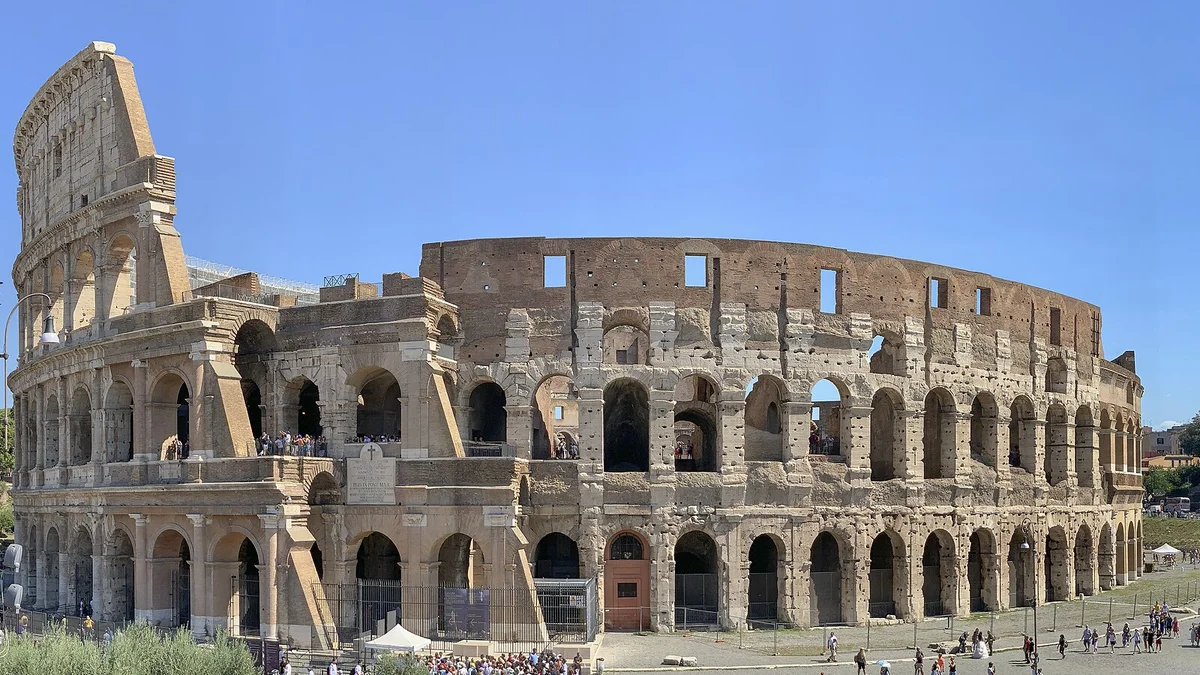
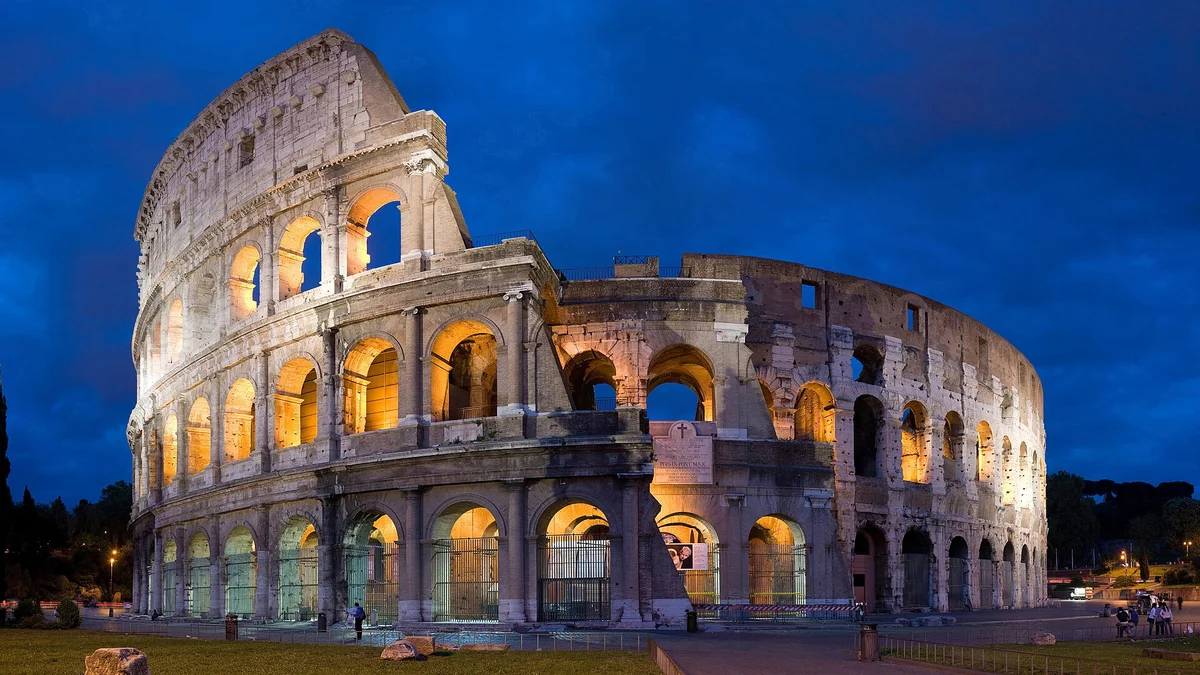
The Colosseum is the symbol of Rome. Opened in AD 80 as the Flavian Amphitheatre, it hosted gladiatorial contests and public events for centuries. About 50,000 spectators once filled the stands. Today it stands as the largest ancient amphitheatre ever built.
Walk through the arena entrance and look up. The scale of the tiers explains the size of the building. The underground passages, where animals and gladiators waited, give the clearest sense of how the events were staged.
Best for: First-time visitors, history lovers, families
Do not miss: The arena floor view, the underground passages, and the upper tiers for a full view of the bowl.
Practical info: A standard ticket costs about 18 euros and covers the Colosseum, the Roman Forum, and Palatine Hill for 24 hours. A Full Experience ticket costs about 24 euros and covers 48 hours with extra areas. Tickets go on sale 30 days ahead on the official site, and they are nominative, so bring the same ID used for booking. Metro: Colosseo, Line B.
Tip: Book the first entry slot of the day. The light is soft, the crowds are thinner, and you reach the Forum before the midday heat.
2. Roman Forum
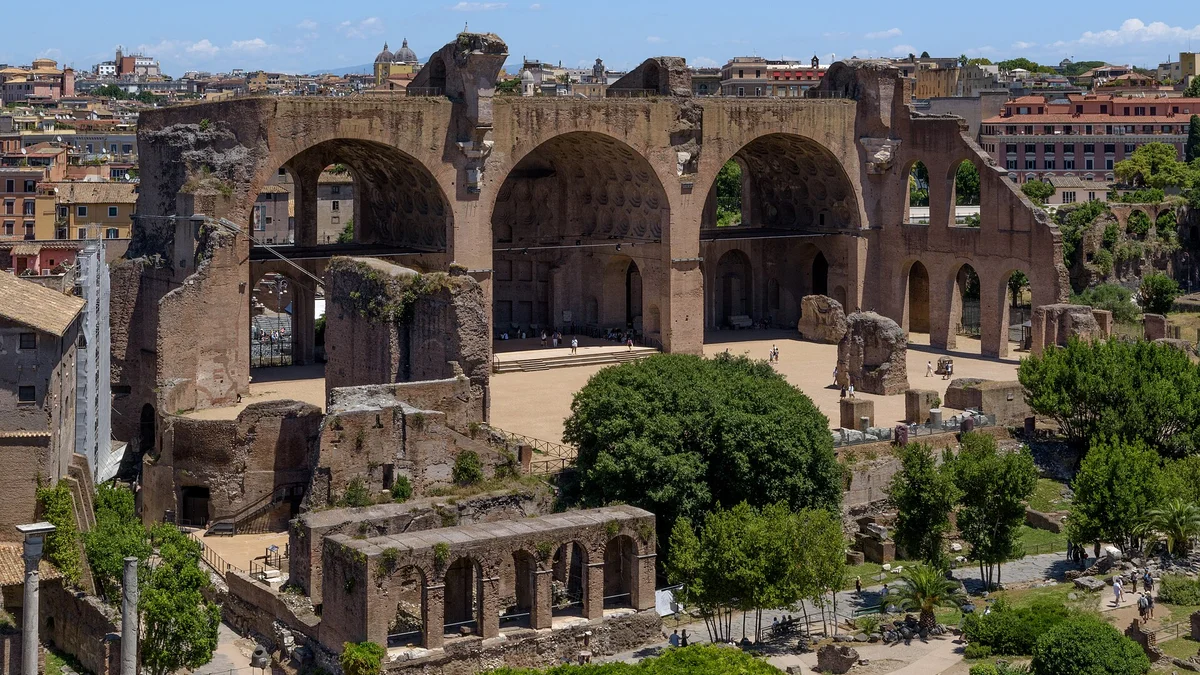
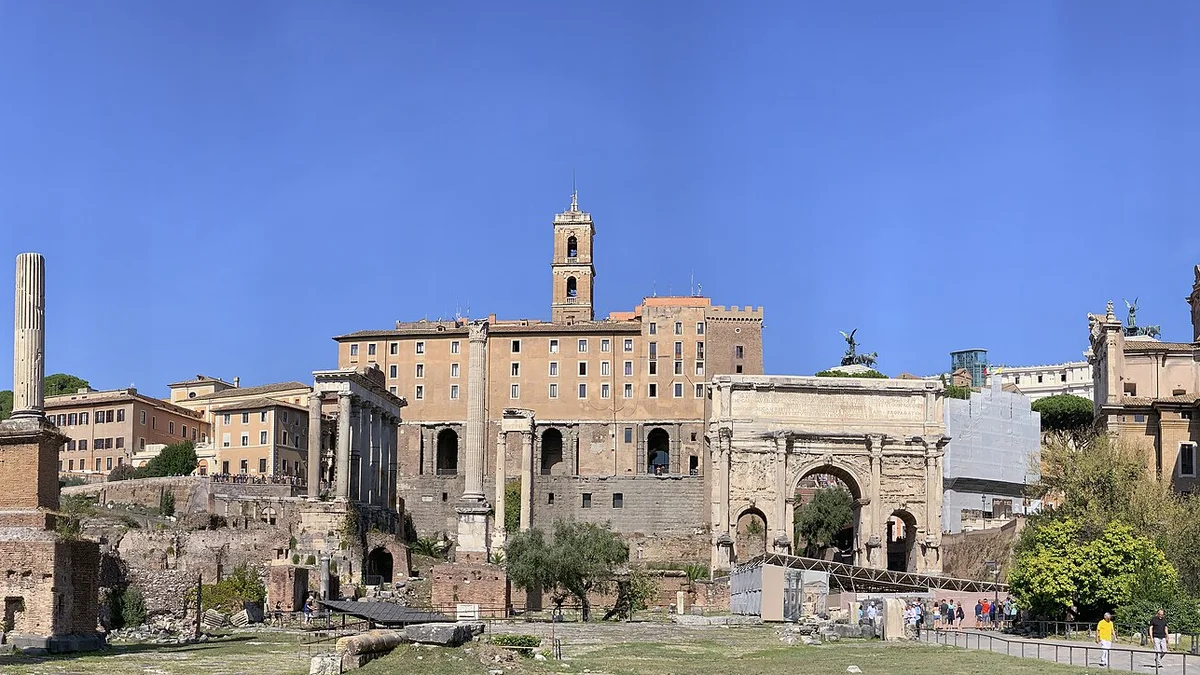
The Roman Forum was the political, legal, and commercial heart of ancient Rome. Senators debated in the Curia. Crowds gathered at the Rostra. Temples, arches, and basilicas lined the open square.
Start at the Arch of Septimius Severus and walk toward the Arch of Titus. Look for the Temple of Saturn, the Temple of Antoninus and Faustina, and the Temple of Castor and Pollux. The Curia, the old Senate House, still stands with its marble floor.
Best for: History lovers, walkers, first-time visitors
Do not miss: The Curia, the Arch of Septimius Severus, and the view of the Forum from the Palatine Hill above.
Practical info: Entry is included with the Colosseum ticket. Enter from Via dei Fori Imperiali. Visit early in the day for softer light and fewer crowds.
Tip: Combine the Forum with Palatine Hill in one morning, because the same ticket covers both and the sites connect directly.
3. Palatine Hill

The Palatine Hill is where Rome began. Legend holds that Romulus founded the city here. Later, emperors built vast palaces on the hill. The Domus Augustana and the Domus Flavia still reveal the scale of imperial power.
The hill also gives some of the best views in Rome. From the upper terraces, look over the Forum and the Circus Maximus. The Farnese Gardens add shade and quiet after the open ground of the Forum.
Best for: History lovers, photographers, travellers who enjoy quiet green space
Do not miss: The Farnese Gardens, the views over the Forum, and the view over the Circus Maximus from the southern edge.
Practical info: Entry is included with the Colosseum ticket. Enter from Via di San Gregorio or from the Forum. Allow 1 to 2 hours.
Tip: Visit Palatine Hill after the Forum, when the light falls across the Forum below and the terraces are quiet.
4. Vatican Museums
The Vatican Museums hold one of the greatest art collections in the world. The route runs through halls of sculpture, tapestries, maps, and paintings, and it ends at the Sistine Chapel. The ceiling by Michelangelo, painted between 1508 and 1512, covers the creation of the world in nine central panels. The Last Judgement fills the altar wall.
Before the chapel, stop for the Raphael Rooms, where the School of Athens gathers the great thinkers of the ancient world in one grand fresco. The Gallery of Maps, with 40 maps of Italy painted in the late 1500s, is one of the most beautiful corridors in Rome. The Laocoon and the Apollo Belvedere anchor the ancient sculpture collection.
Best for: Art lovers, first-time visitors, travellers with a full morning
Do not miss: The Sistine Chapel ceiling, the Raphael Rooms, the Gallery of Maps, and the Laocoon group.
Practical info: A standard ticket costs about 25 euros online, which is 20 euros plus a 5 euro booking fee. Reduced tickets cost about 15 euros. Tickets go on sale 60 days ahead on the official Vatican site. The museums open Monday to Saturday and close on Sundays, except the last Sunday of the month, when entry is free. A dress code applies: shoulders and knees must be covered. Metro: Ottaviano, Line A.
Tip: Book the earliest entry slot, skip the audio guide queue by booking online, and head straight to the Sistine Chapel if crowds are your main concern, then work backwards through the galleries.
5. St Peter Basilica
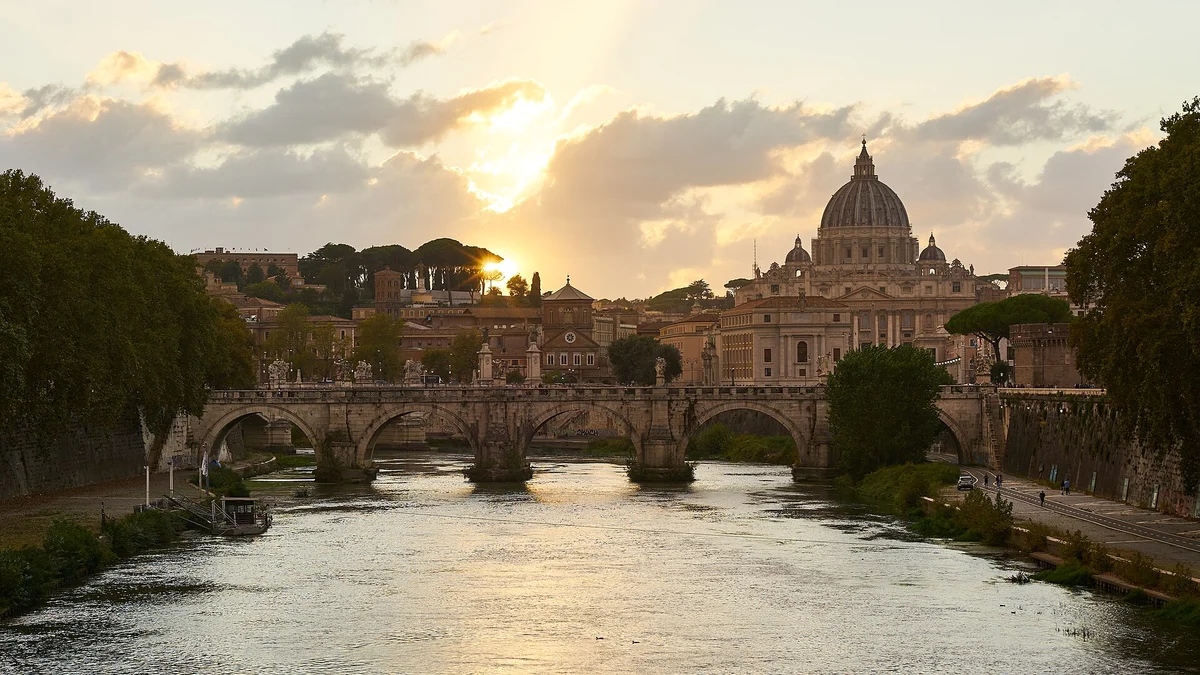
St Peter Basilica is the largest church in the world and the heart of the Catholic Church. The dome by Michelangelo rises above Rome. Inside, the Pieta by Michelangelo sits near the entrance, and the Baldacchino by Bernini anchors the centre of the church. The scale of the building is hard to grasp until you stand inside it.
Entry to the basilica is free. The Vatican Grottoes below the floor, where many popes are buried, are also free to enter. The dome climb is a separate paid entry: an elevator covers the first section, then 320 steps lead to the top. The view from the dome terrace over St Peter Square is one of the finest in Rome. Check the official basilica site for the current dome price before you visit.
Best for: First-time visitors, art lovers, photographers, pilgrims
Do not miss: The Pieta, the Baldacchino, the Vatican Grottoes, and the dome terrace.
Practical info: Entry is free. The basilica opens daily at 7:00 and closes at 20:00 in summer, with earlier closing in winter. Wednesday mornings are closed for the General Audience until about 12:30. A dress code applies: shoulders and knees must be covered. Security queues can be long, so arrive early. Metro: Ottaviano, Line A.
Tip: Visit the basilica late in the afternoon, after the main tour groups have left, for quieter space inside and softer light in the square.
6. Trevi Fountain

The Trevi Fountain is the most famous fountain in Rome. Completed in 1762, it was designed by Nicola Salvi and finished by Giuseppe Pannini. The fountain marks the end of the Aqua Virgo, an aqueduct built in 19 BC. The central figure Oceanus rides a shell chariot pulled by two horses, one calm and one wild,
The coin tradition is real. Toss a coin over your left shoulder with your right hand, and legend says you will return to Rome. The coins are collected and given to Caritas, a Catholic charity, and they add up to about 1.5 million euros a year. The fountain stands 26 metres high and 49 metres wide,
Best for: First-time visitors, couples, photographers, evening walks
Do not miss: The coin toss, the detail of the two horses, and the fountain lit at night.
Practical info: The fountain is free to view from the square. Metro: Barberini, Line A, then a short walk. Visit early in the morning or late at night to avoid the midday crowds.
Tip: Go at sunrise for a nearly empty square, or go after 22:00, when the fountain is lit and the day trip crowds have gone.
7. Pantheon

The Pantheon is the best preserved building of ancient Rome. Rebuilt under the emperor Hadrian around AD 125, it has stood for nearly 2,000 years. The dome is the largest unreinforced concrete dome ever built. The oculus at the top, an open hole in the centre of the dome, lets in a single beam of light that moves across the floor through the day.
The Pantheon is still a church, Santa Maria ad Martyres, and it holds the tombs of the artist Raphael and of the kings Victor Emmanuel II and Umberto I. The portico faces the Piazza della Rotonda, one of the liveliest small squares in the centre.
Best for: First-time visitors, architecture lovers, families
Do not miss: The oculus, the tomb of Raphael, and the light beam on a sunny day.
Practical info: Tickets cost about 7 euros from 1 July 2026, with a reduced ticket of about 2 euros for EU visitors aged 18 to 25. Entry is free for visitors under 18 and on the first Sunday of the month. The Pantheon opens daily at 9:00 and closes at 19:00, with last entry at 18:30. Mass is held on Saturdays at 17:00 and Sundays at 10:30, when tourist access is limited.
Tip: Visit on a sunny day near midday, when the beam of light from the oculus is at its strongest.
Stay here: Albergo del Senato
A 3 star hotel with 56 rooms and a rooftop terrace in the Centro Storico, Piazza della Rotonda, directly in front of the Pantheon.
8. Piazza Navona

Piazza Navona is the most beautiful square in Rome. It sits on the site of the Stadium of Domitian, which explains the long oval shape of the square. The Fountain of the Four Rivers by Bernini, completed in 1651, anchors the centre. Four river gods represent the Nile, the Danube, the Ganges, and the Rio de la Plata.
The church of Sant’Agnese in Agone by Borromini faces the fountain. The square is free, open at all hours, and best enjoyed slowly.
Best for: First-time visitors, photographers, evening walks, families
Do not miss: The Fountain of the Four Rivers, the facade of Sant’Agnese in Agone, and the Stadium of Domitian ruins below street level.
Practical info: The square is free and always open. Combine with the Pantheon and Campo de’ Fiori in one walk.
Tip: Walk the square early in the morning, when the artists are setting up and the fountains run without crowds around them.
9. Spanish Steps

The Spanish Steps link the Piazza di Spagna below with the church of Trinita dei Monti above. Built between 1723 and 1725, the 135 steps were designed by Francesco de Sanctis. The boat shaped Fontana della Barcaccia by Pietro Bernini sits at the base.
The steps are a place to pass through rather than a place to sit: sitting on the steps is prohibited. Climb to the top for a view down the Via Condotti. In spring, azaleas line the steps and the whole staircase turns pink.
Best for: First-time visitors, photographers, shoppers
Do not miss: The view from the top, the Barcaccia fountain, and the azaleas in spring.
Practical info: The steps are free and always open. Metro: Spagna, Line A. Do not sit on the steps.
Tip: Visit at sunrise for an empty staircase, or in the evening for warm light on the church above.
10. Castel Sant’Angelo
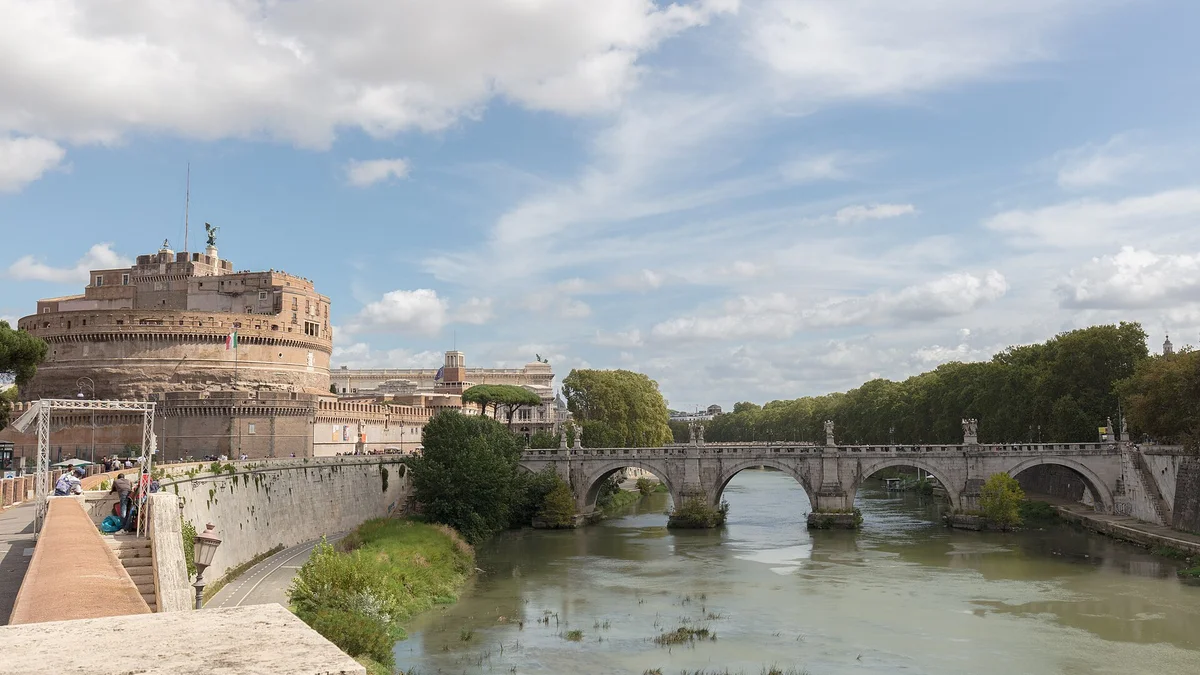
Castel Sant’Angelo began as a mausoleum for the emperor Hadrian in AD 139. Over the centuries it became a fortress, a papal residence, and a prison. A covered passage, the Passetto di Borgo, once linked the castle to the Vatican.
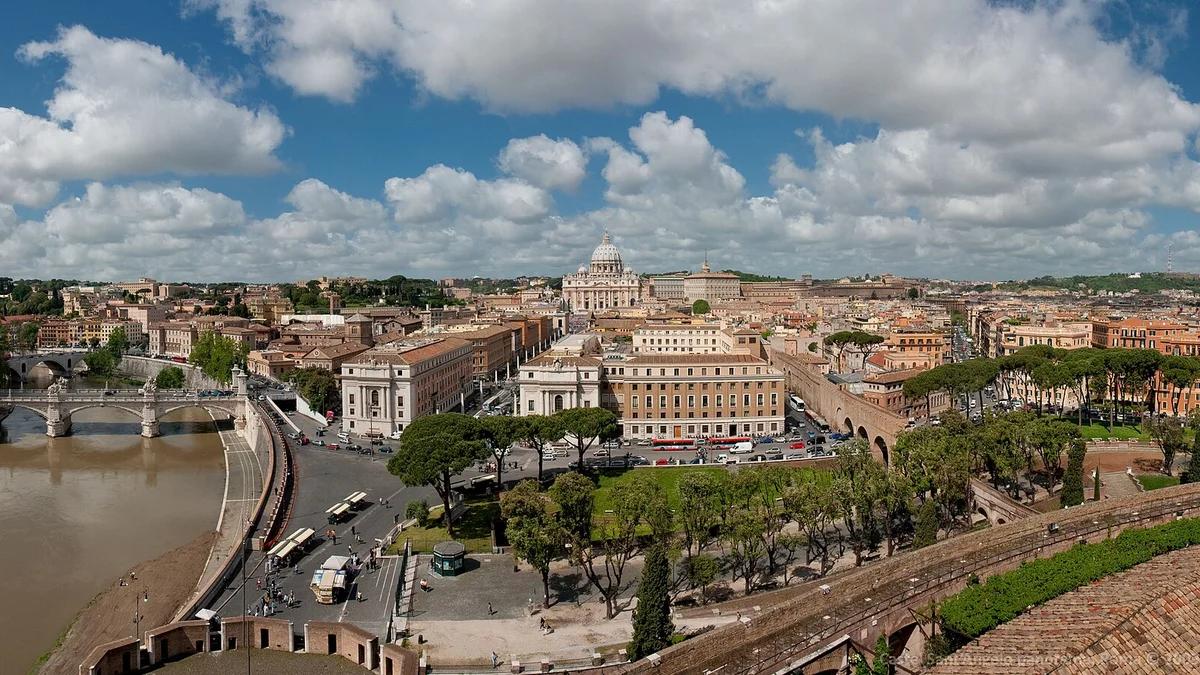
The climb to the top is the main reward. The terrace gives a full view over the Tiber, St Peter Basilica, and the city centre. Inside, rooms hold paintings and the old prison cells. The bridge in front of the castle, the Ponte Sant’Angelo, is lined with statues of angels by Bernini.
Best for: History lovers, photographers, families with older children
Do not miss: The terrace view, the papal apartments, and the Ponte Sant’Angelo bridge.
Practical info: Tickets cost about 18 euros. The castle opens Tuesday to Sunday at 9:00 and closes at 19:30, with last entry at 18:30. It is normally closed on Mondays, with first Monday openings from 14:00 to 20:00 in 2026. Address: Lungotevere Castello 50. Metro: Lepanto, Line A.
Tip: Time your visit for the last hour before closing, when the light over the Tiber is at its best and the terrace is quieter.
11. Villa Borghese Gardens and Gallery

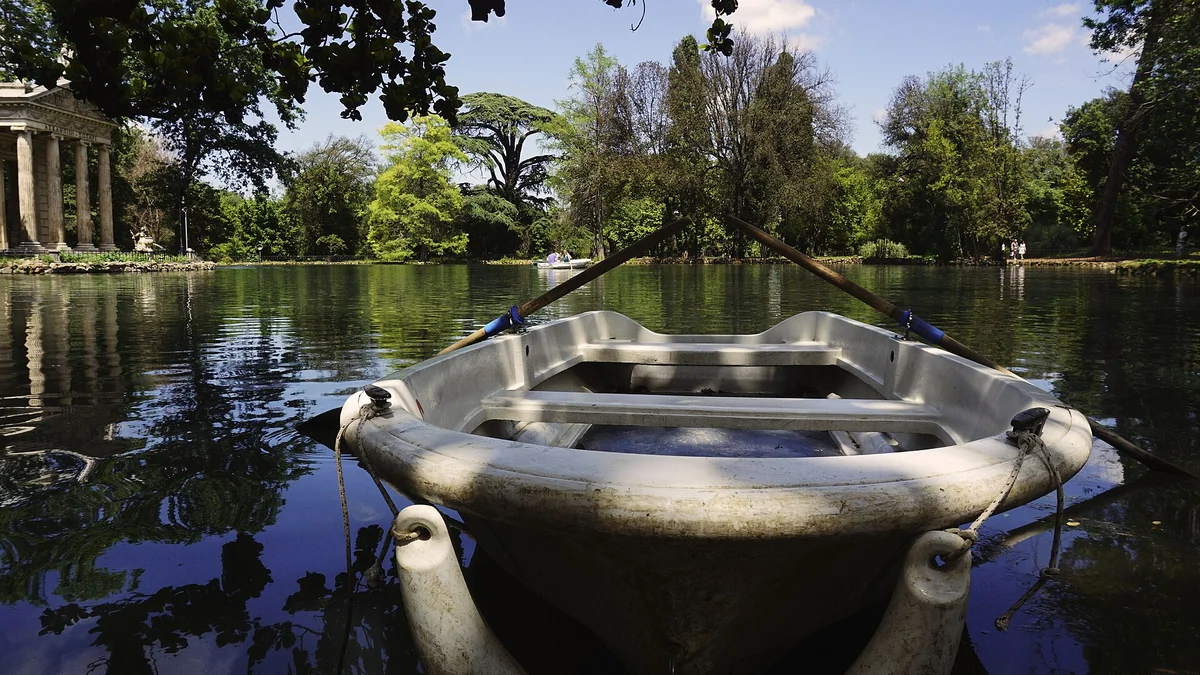
The Villa Borghese gardens are one of the largest parks in central Rome, above the Piazza del Popolo. The Galleria Borghese, inside the villa, holds one of the finest small collections in Italy. Bernini carved Apollo and Daphne and David for the villa, and the gallery holds six paintings by Caravaggio.
The gallery limits entry to two hour slots, which keeps the rooms calm. Book ahead, because slots sell out in peak season. The gardens are free and open all day.
Best for: Art lovers, families, walkers, travellers who enjoy parks
Do not miss: Apollo and Daphne, the Caravaggio paintings in Room 8, and the view from the Pincio Terrace at the edge of the gardens.
Practical info: Gallery tickets cost about 18 euros, which is 16 euros plus a 2 euro reservation fee. EU visitors aged 18 to 25 pay about 2 euros plus the 2 euro fee. The gallery opens in two hour slots from 9:00 to 17:00, with an extra slot at 17:45, and closes on Mondays. Booking is mandatory. Metro: Spagna, Line A, then a walk uphill, or Flaminio, Line A.
Tip: Book the 9:00 slot for the gallery, then walk the gardens before the midday heat.
12. Trastevere
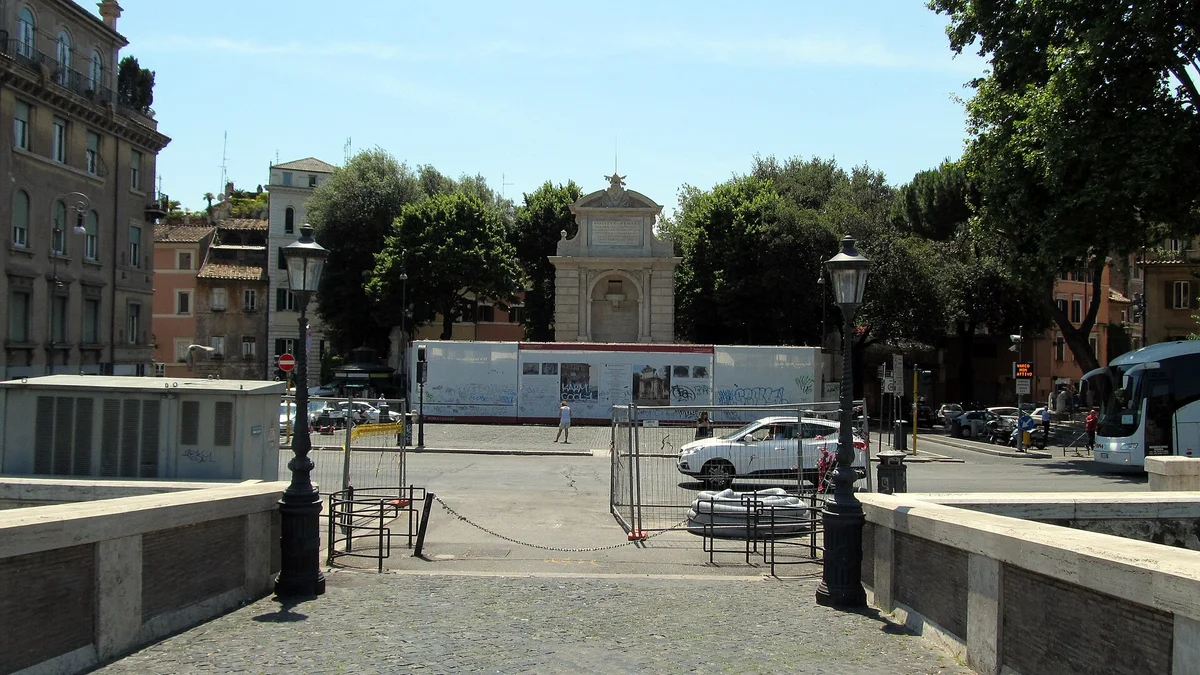
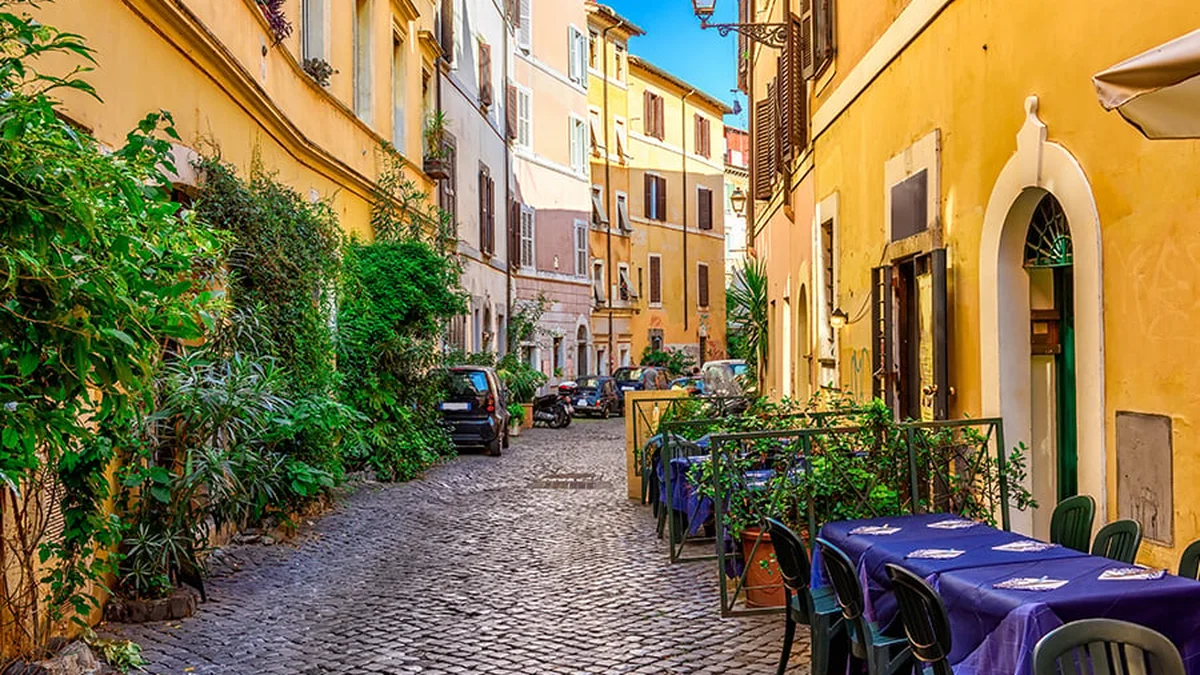
Trastevere, across the Tiber from the historic centre, is the most atmospheric neighbourhood in Rome. Medieval lanes and small squares give it a village feel inside the city. The church of Santa Maria in Trastevere, with its golden mosaics, anchors the main square.
Walk Trastevere in the daytime, when the lanes are quiet and the light falls between the buildings. Stop for a coffee in the Piazza di Santa Maria in Trastevere, then walk the narrow streets toward the river.
Best for: Walkers, photographers, food lovers, couples
Do not miss: Santa Maria in Trastevere, the Piazza di Santa Maria in Trastevere, and the view from the Janiculum Hill.
Practical info: Trastevere is free to explore at all hours. Cross the Tiber at the Ponte Sisto or the Ponte Garibaldi.
Tip: Get lost on purpose. The lanes east of the main square are quieter and more photogenic than the square itself.
13. Campo de’ Fiori Market

Campo de’ Fiori, the field of flowers, hosts a daily market in the heart of the historic centre. Stalls sell flowers, fruit, and vegetables through the morning. A statue of Giordano Bruno, burned at the stake in 1600, stands in the centre of the square.
Go in the morning, when the market is at its liveliest. Buy fruit for a picnic, then walk to the nearby Piazza Navona or the Pantheon.
Best for: Food lovers, photographers, families, morning walkers
Do not miss: The flower stalls, the statue of Giordano Bruno, and the fruit stands at the centre of the square.
Practical info: The market runs daily in the morning until early afternoon. The square is free and always open.
Tip: Arrive before 10:00 for the fullest stalls and the best light on the square.
14. Capitoline Museums

The Capitoline Museums are the oldest public museums in the world, founded in 1471 when Pope Sixtus IV gave a group of bronze statues to the people of Rome. The museums sit on the Capitoline Hill in two palaces around the Piazza del Campidoglio, designed by Michelangelo. The original equestrian statue of Marcus Aurelius stands inside, with a copy in the square.
The collection includes the Capitoline Wolf, the symbol of Rome, and the Dying Gaul, one of the most famous ancient sculptures. The view from the Tabularium terrace, across the Forum to the Colosseum, is one of the best views in Rome with a museum ticket.
Best for: History lovers, art lovers, first-time visitors
Do not miss: The Capitoline Wolf, the Dying Gaul, the original Marcus Aurelius, and the Tabularium terrace view.
Practical info: Full tickets cost about 15 euros, or about 16.50 euros with a temporary exhibition. Reduced tickets cost about 9.50 euros. The museums open daily at 9:30 and close at 19:30, with last admission at 18:30. They close on 1 May and 25 December. Address: Piazza del Campidoglio 1.
Tip: Visit the Capitoline Museums after the Forum, because the Tabularium terrace gives you the full Forum view from above.
More Things to Do in Rome
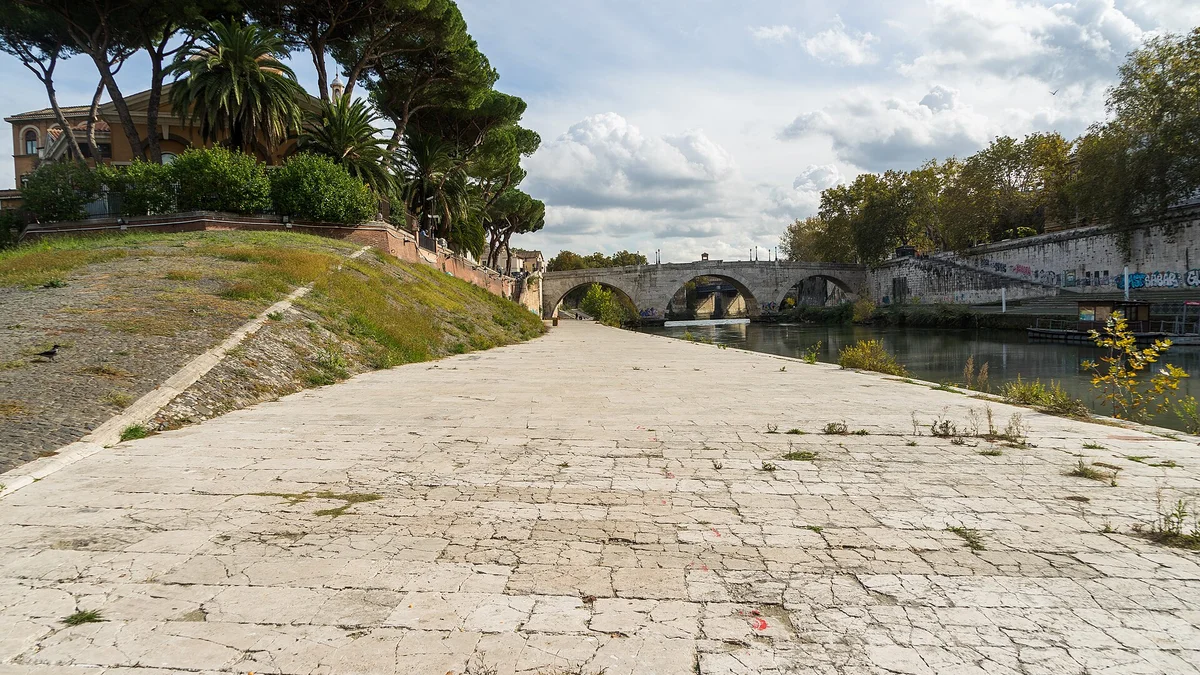
Baths of Caracalla
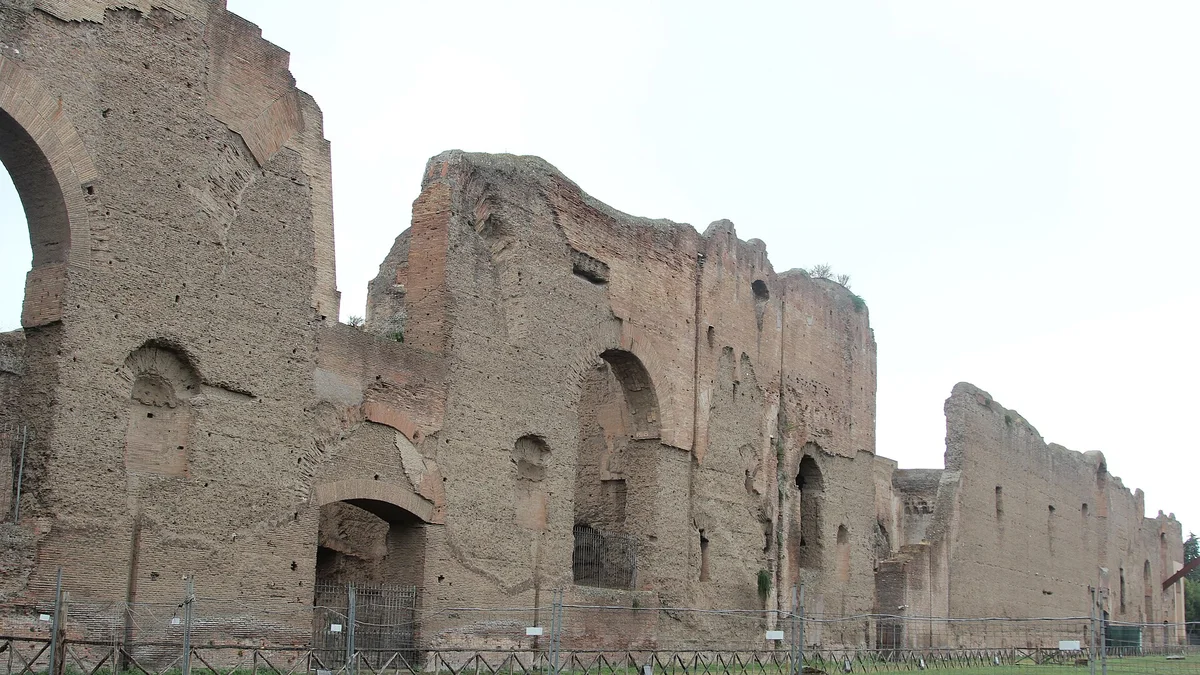
The Baths of Caracalla, opened in AD 216, were one of the largest bath complexes of the ancient world. Romans came here to bathe, exercise, and meet friends. The great halls still reveal the scale of the complex, with walls that rise to full height and floors that hold traces of mosaic. The frigidarium, the tepidarium, and the caldarium held cold, warm, and hot water in sequence.
Best for: History lovers, travellers who enjoy quiet sites, families
Do not miss: The frigidarium, the mosaic floors, and the scale of the outer walls.
Practical info: Tickets cost about 8 euros, or about 10 euros with a temporary exhibition. Reduced tickets cost about 2 euros. The baths open Tuesday to Sunday with seasonal hours, and on Mondays from 9:00 to 14:00. Address: Viale delle Terme di Caracalla 52.
Tip: Combine the Baths of Caracalla with the Circus Maximus, which sits a short walk away.
Appian Way

The Appian Way, the Via Appia Antica, is one of the oldest and most important roads of the ancient world. Built in 312 BC by Appius Claudius Caecus, it ran from Rome to Capua and later to Brindisi, a distance of about 540 kilometres. Romans called it the Queen of Roads.
Walk or cycle the road. The Tomb of Cecilia Metella, a round tower tomb at the second mile, is the most famous sight. The Villa of the Quintilii, a vast imperial estate, sits nearby. The Circus of Maxentius, an ancient racing track, stands further along the road.
Best for: Walkers, cyclists, families, travellers who enjoy quiet green space
Do not miss: The Tomb of Cecilia Metella, the Villa of the Quintilii, and the Circus of Maxentius.
Practical info: Walking the road is free. Buses 118 and 218 run to the catacombs and the main sights. Rent a bicycle near the start of the road for a longer ride.
Tip: Go on a Sunday, when the road closes to motorised traffic and the whole stretch feels like a park.
Catacombs of San Callisto

The Catacombs of San Callisto are the largest and most important Christian catacombs in Rome. Founded in the early third century, the tunnels run for about 20 kilometres and hold about 500,000 burials. Sixteen popes were buried here. The Crypt of the Popes holds the tombs of the early popes. The Crypt of St Cecilia holds frescoes and a statue of the saint.
Visits run by guided tour only and last about 40 to 45 minutes. The tunnels stay at about 16 degrees all year. Photography is not permitted inside the tunnels.
Best for: History lovers, families with older children, travellers who enjoy underground sites
Do not miss: The Crypt of the Popes, the Crypt of St Cecilia, and the scale of the tunnel network.
Practical info: Tickets cost about 14 euros. The catacombs open from 9:00 to 12:00 and from 14:00 to 17:00, with later closing in daylight saving time, and close on Wednesdays. Address: Via Appia Antica 110. Buses 118 and 218 run from the centre.
Tip: Pair the catacombs with the Appian Way in one morning, because the same bus covers both.
Day Trips From Rome
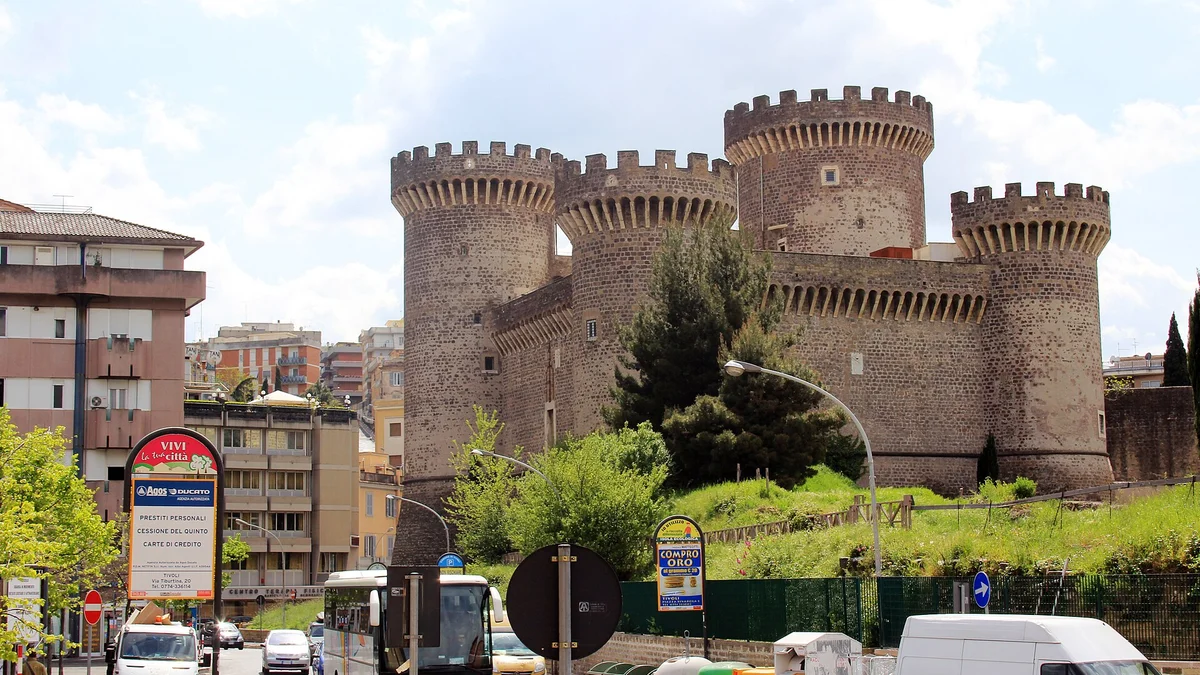
Tivoli: Villa d’Este and Hadrian Villa
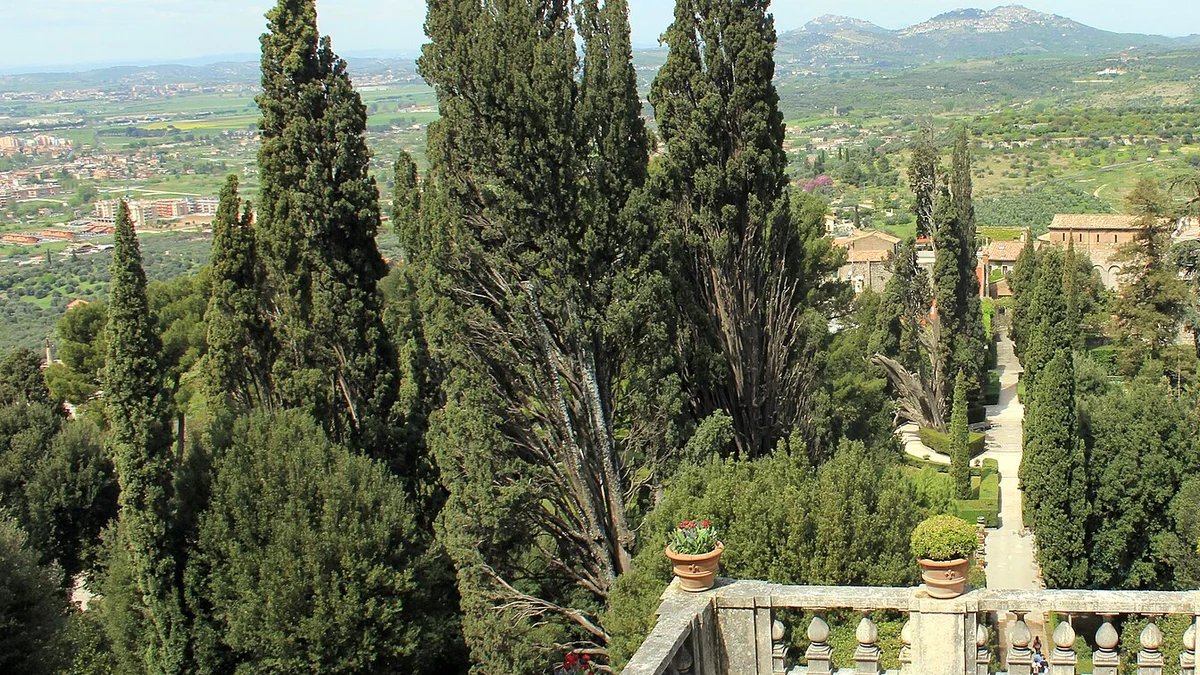
Tivoli, about 30 kilometres east of Rome, holds two great estates. The Villa d’Este, a Renaissance villa with gardens full of fountains and grottoes, is one of the finest gardens in Italy. Hadrian Villa, the vast country estate of the emperor Hadrian, covers a whole hillside with palaces, baths, and water features built to recall the places he visited across the empire.
Best for: Garden lovers, history lovers, families, a full day out of the city
Do not miss: The Fountain of Neptune at Villa d’Este, the Canopus basin at Hadrian Villa, and the views from the gardens.
Practical info: Villa d’Este costs about 15 euros and Hadrian Villa costs about 15 euros. A combined VILLAE Pass costs about 30 euros and covers three sites for 72 hours. Reach Tivoli by Metro B to Ponte Mammolo, then a Cotral bus, or by train from Termini or Tiburtina to Tivoli, then a CAT 4 or 4X bus. Villa d’Este opens Tuesday to Sunday at 8:30, with last entry about 18:45 in summer. Allow a full day for both sites, or half a day for one.
Tip: Visit Hadrian Villa in the morning and Villa d’Este in the afternoon, when the light falls across the fountains.
Ostia Antica
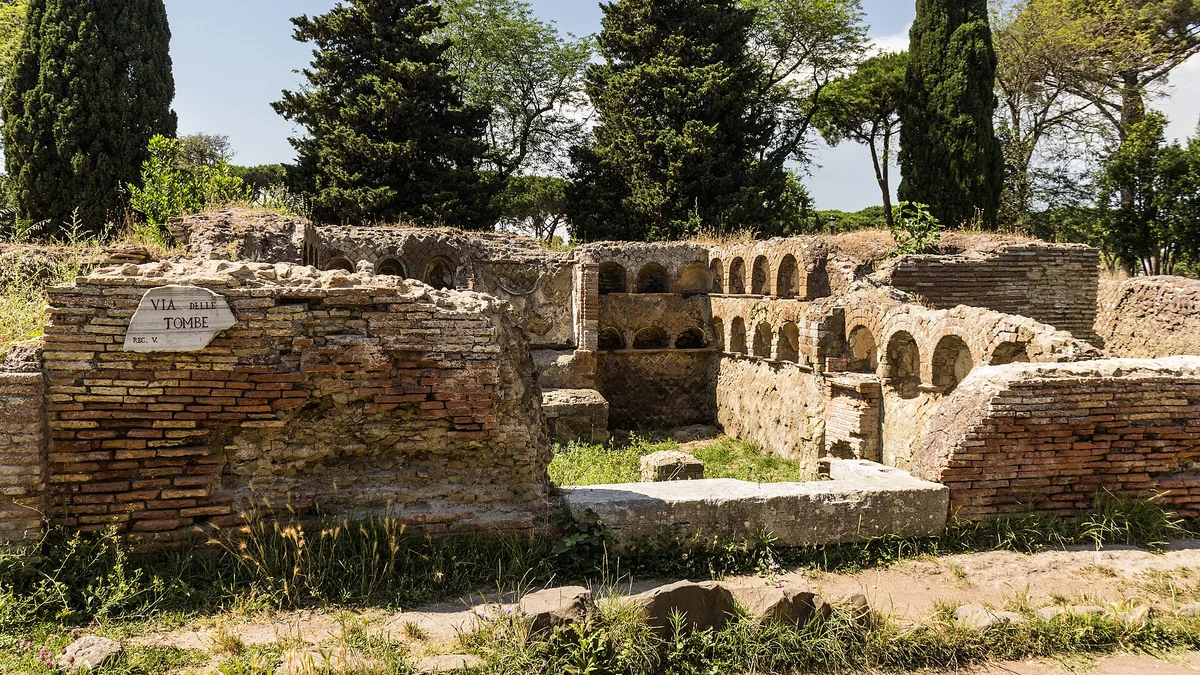
Ostia Antica was the harbour city of ancient Rome, and its ruins are among the best preserved in Italy. Wide streets, apartment blocks, and shops portray daily life in a Roman port town. The ancient stage still stands, and the Baths of Neptune hold mosaics of marine creatures that gave the baths their name. The Capitolium, the main temple, rises above the forum.
Ostia Antica is quieter than Pompeii and much closer to Rome, which makes it an easy half day trip. The site is large and mostly flat, so it suits families and walkers.
Best for: History lovers, families, walkers, travellers who want Pompeii without the long trip
Do not miss: The ancient stage, the Baths of Neptune mosaics, and the Capitolium.
Practical info: Tickets cost about 18 euros. The site opens Tuesday to Sunday and closes on Mondays. Reach Ostia Antica on the Metromare train from Porta San Paolo, beside Piramide Metro station on Line B, in about 30 minutes, covered by a BIT ticket. Address: Viale dei Romagnoli 717. Allow half a day.
Tip: Go early in the morning for an empty site, and bring water, because shade is limited on the main streets.
Pompeii and Mount Vesuvius

Pompeii is the most famous archaeological site in Italy. Buried by the eruption of Mount Vesuvius in AD 79, the city was preserved under ash. Streets, houses, shops, and frescoes portray daily life in a Roman town frozen in time. The crater of Vesuvius is an optional add on, with a walk to the rim and views over the Bay of Naples.
Best for: History lovers, families with older children, travellers with a full day to spare
Do not miss: The Forum, the House of the Faun, the amphitheatre, and the plaster casts of the victims.
Practical info: An Express ticket costs about 20 euros and a Pompeii Plus ticket costs about 25 euros. Reduced tickets cost about 2 euros for EU visitors aged 18 to 24. Tickets are nominative, so bring ID. The site caps daily entry at 20,000 visitors, and last entry is 15:30 from 15 October 2026. Reach Pompeii by high speed train from Rome to Naples in about 1 hour 10 minutes, then the Circumvesuviana train to Pompei Scavi in about 35 minutes. Check the official site for the current Vesuvius crater walk price before you book.
Tip: Book Pompeii tickets online before you travel, because the daily cap sells out in peak season.
Where to Eat in Rome

Rome is one of the best food cities in the world, and halal food is easy to find.
Halal Restaurants

Termini Halaal Food, Via Daniele Manin 2b, near Roma Termini, is listed as a halal restaurant serving Indian and Asian dishes.
Peri Peri Grill, Via Marghera 11b, near Roma Termini, is listed as a halal restaurant serving chicken dishes, burgers, kebabs, and pizza.
Nababi, Via Vespasiano 73, 75, and 77, in Prati near the Vatican, is listed as a halal restaurant serving Indian dishes.
Roman Food to Try
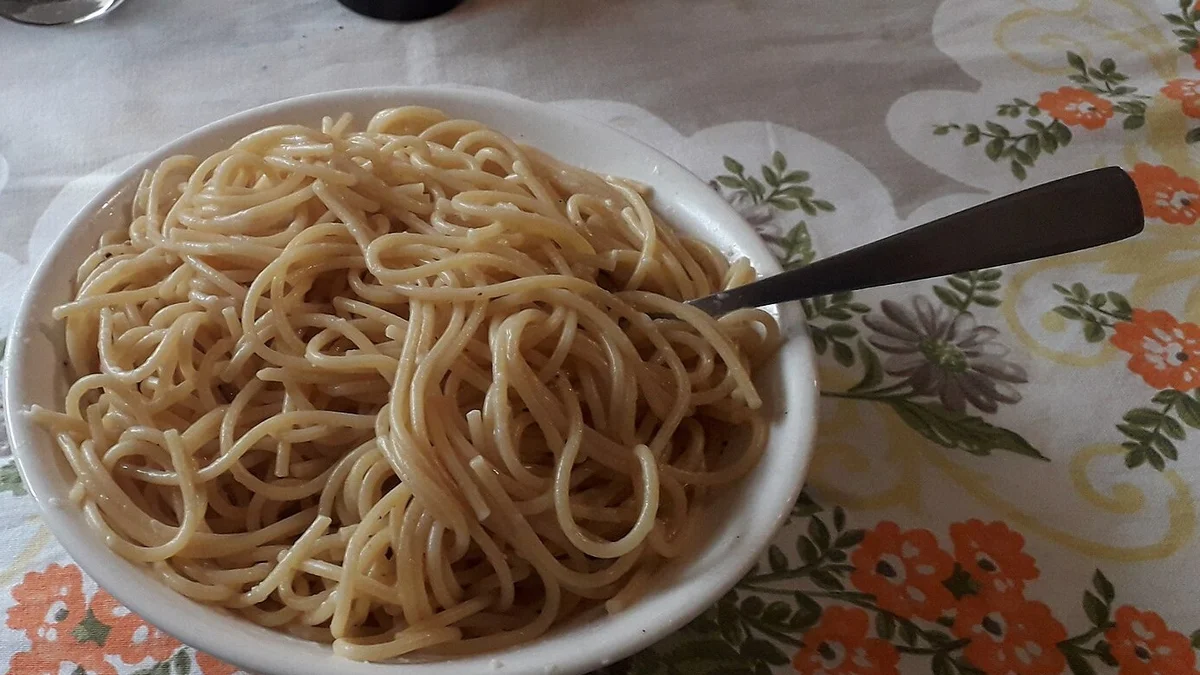
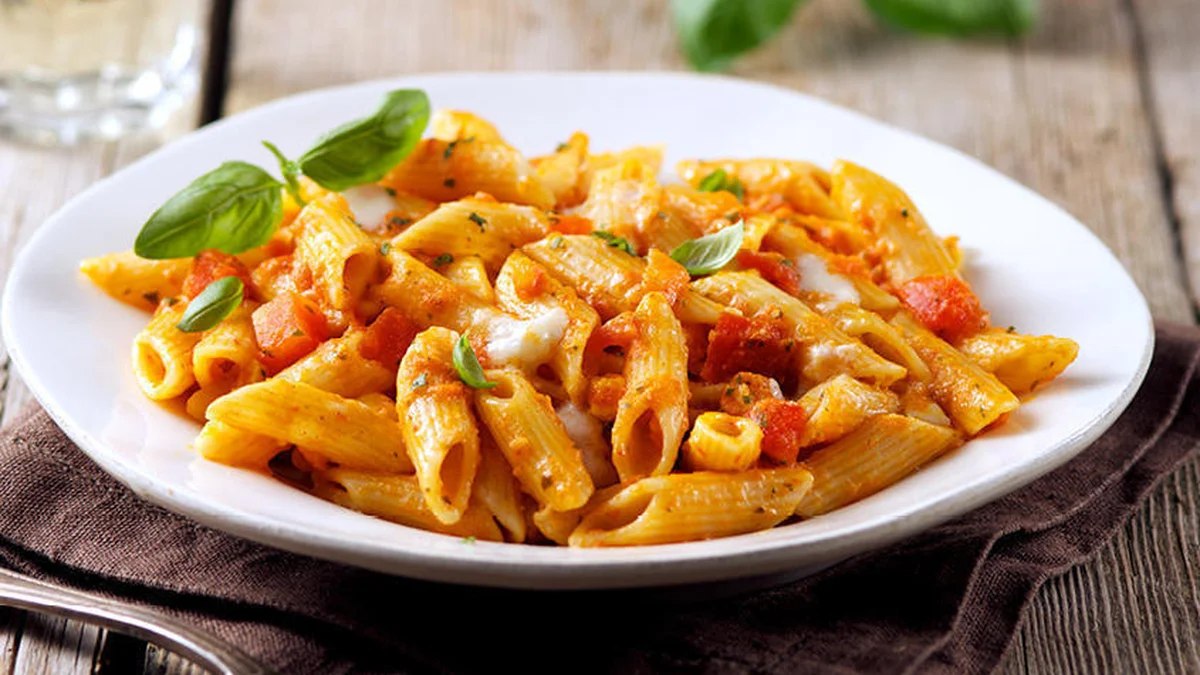
Beyond the halal restaurants, try pasta with tomato and basil, pizza margherita and pizza marinara, artichokes cooked Roman style or Jewish style, and fresh gelato. Espresso at a counter, taken standing like a local, costs far less than the same coffee at a table.
Book Your Rome Tickets Online

Skip the ticket lines and book in advance. Every link below goes to the official ticket page for that attraction.
| Attraction | Tickets |
|---|---|
| Colosseum | Book Tickets |
| Vatican Museums | Book Tickets |
| Pantheon | Book Tickets |
| Villa Borghese Gardens and Gallery | Book Tickets |
| Capitoline Museums | Book Tickets |
Where to Stay in Rome
Top 3 hotels in Rome
Explore all hotels >- Hotel Smeraldo ★★★
- Albergo del Senato ★★★
- Hotel Artemide ★★★★
Where to Base Yourself

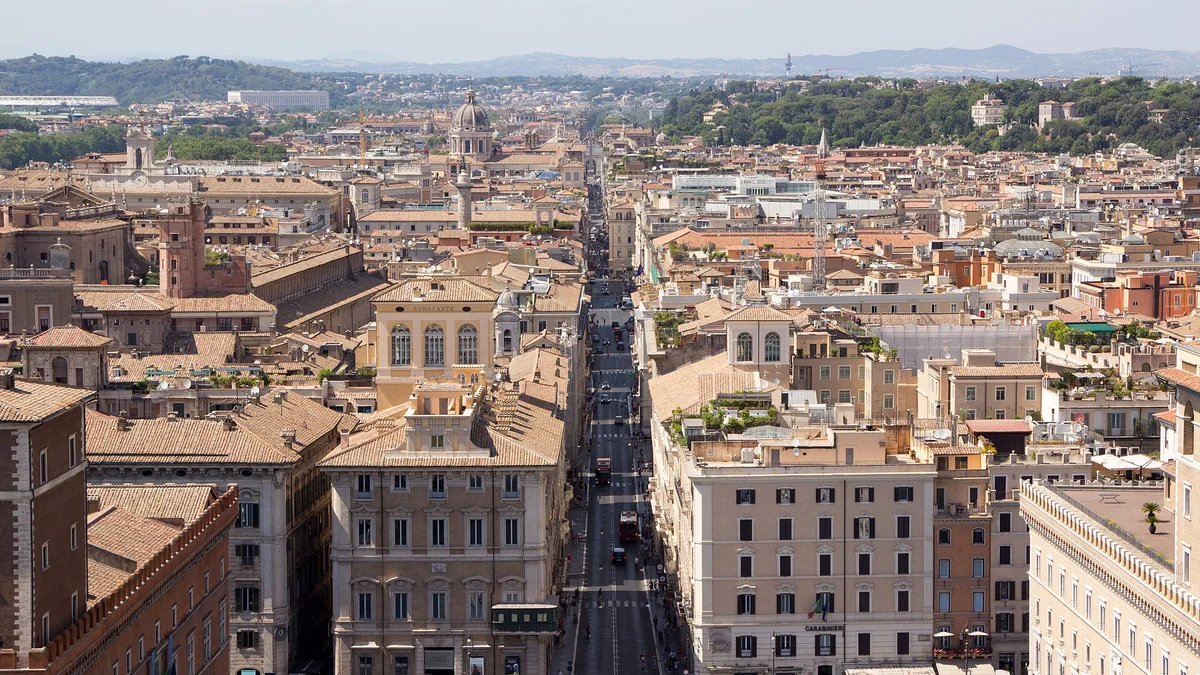
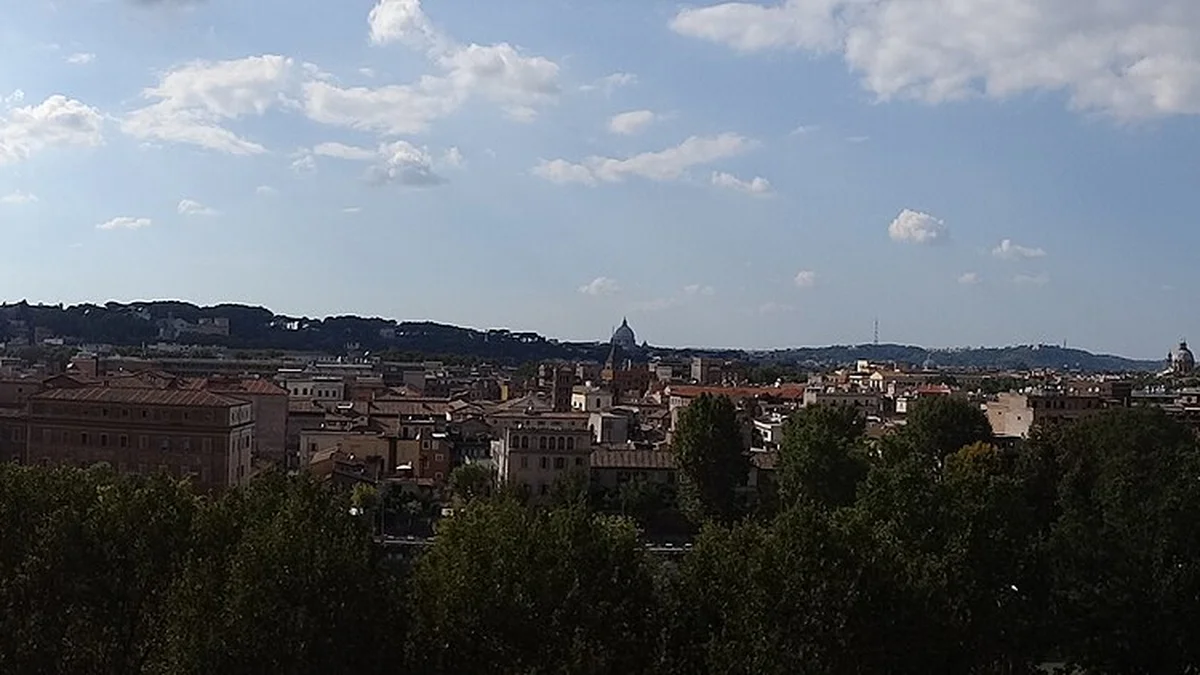
The Centro Storico, around the Pantheon and Piazza Navona, puts you within walking distance of most sights. Prati suits a Vatican focused trip. Trastevere suits travellers who want a neighbourhood feel. Termini suits budget travellers and anyone taking day trips by train.
What to Book Early
Book your hotel as early as your tickets, because central Rome fills fast in spring and autumn. Rooms near the Pantheon and Piazza Navona sell out first. Check the cancellation terms before you book.
| Hotel | Area | Tier | Why Stay Here |
|---|---|---|---|
| Hotel Smeraldo | Centro Storico, near Campo de’ Fiori | Budget | Central 3 star hotel with a rooftop terrace, minutes from the Pantheon and Piazza Navona |
| Albergo del Senato | Centro Storico, Piazza della Rotonda | Mid-range | 3 star hotel with 56 rooms and a rooftop terrace, directly in front of the Pantheon |
| Hotel Artemide | Via Nazionale, near Termini and Repubblica | Upper-mid-range | 4 star hotel in a 19th century building with an art collection, a rooftop terrace, and a spa |
| Hotel de la Ville | Via Sistina, above the Spanish Steps | Luxury | 5 star hotel in an 18th century palazzo with 104 rooms and suites, a courtyard, and a spa |
Getting Around Rome

Walk in the historic centre. Most sights sit within 30 minutes of each other on foot. For longer distances, use the Metro. Line A runs from the Spanish Steps to Ottaviano and the Vatican, and Line B runs from the Colosseum to Termini and Piramide.
A BIT ticket costs 1.50 euros and covers 100 minutes, with one Metro ride and unlimited bus and tram rides. A 24 hour pass costs about 8.50 euros, a 48 hour pass costs about 15 euros, a 72 hour pass costs about 22 euros, and a weekly pass costs about 29 euros. Children under 10 travel free. Tap and Go contactless payment works on the Metro and on buses. Validate paper tickets before you board. Official white taxis use a meter. From Fiumicino Airport, the Leonardo Express train runs to Termini in about 32 minutes.
Best Time to Visit Rome
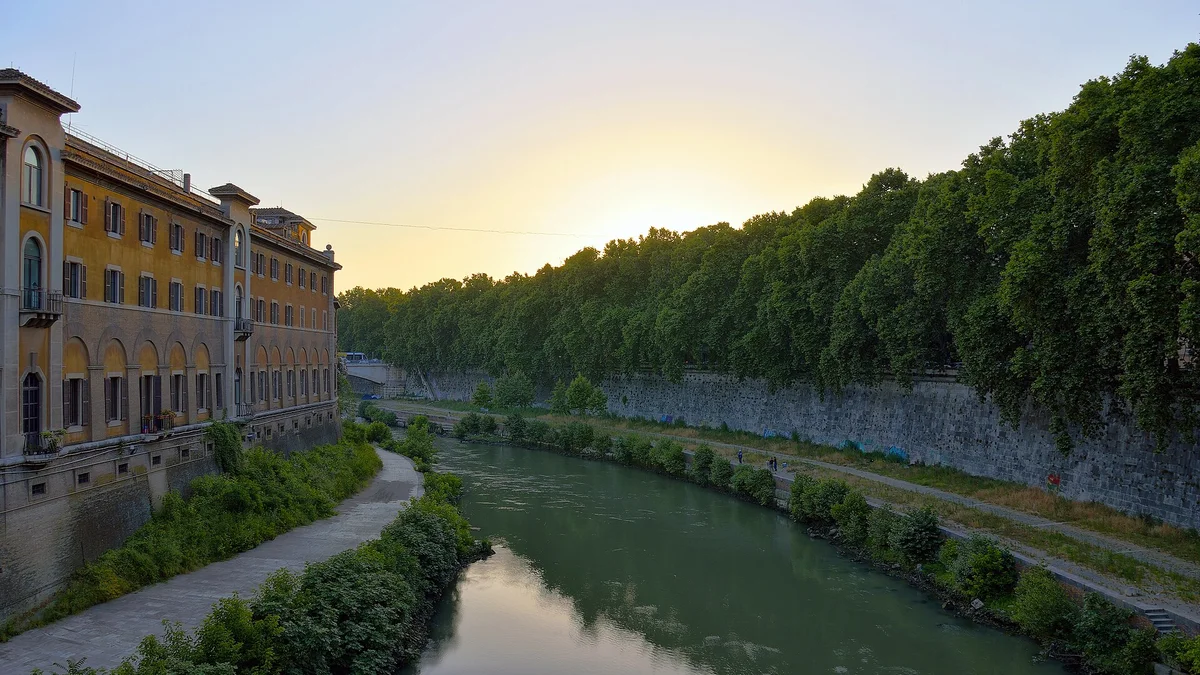
April to June and September to October are the best months for Rome. The weather is mild and the days are long. July and August bring heat and crowds. Winter brings cool weather, short days, and the fewest crowds, with the lowest prices of the year.
| Season | Weather | Crowds | Best For |
|---|---|---|---|
| Winter (December to February) | Cool, 10 to 15 degrees, some rain | Low | Low prices, quiet museums, winter markets |
| Spring (March to May) | Mild, 15 to 25 degrees | High | Best overall weather, azaleas on the Spanish Steps, outdoor dining |
| Summer (June to August) | Hot, often above 30 degrees | Very high | Long days, evening walks, day trips |
| Autumn (September to November) | Mild, cooling through November, some rain | Moderate | Good weather, fewer crowds, harvest season food |
3-Day Rome Itinerary

| Day | Morning | Afternoon | Evening |
|---|---|---|---|
| Day 1: Ancient Rome | Colosseum, Roman Forum, Palatine Hill | Capitoline Museums, Circus Maximus viewpoint | Campo de’ Fiori and dinner in the historic centre |
| Day 2: Vatican | Vatican Museums and Sistine Chapel | St Peter Basilica and dome climb | Castel Sant’Angelo terrace, then Trastevere |
| Day 3: Historic Centre | Pantheon, Piazza Navona, Trevi Fountain | Spanish Steps, Villa Borghese Gallery and gardens | Walk to Trastevere for a final meal |
With a fourth day, add the Appian Way and the Catacombs of San Callisto. With a fifth day, add a day trip to Tivoli or Ostia Antica.
How Much Does a Trip to Rome Cost?
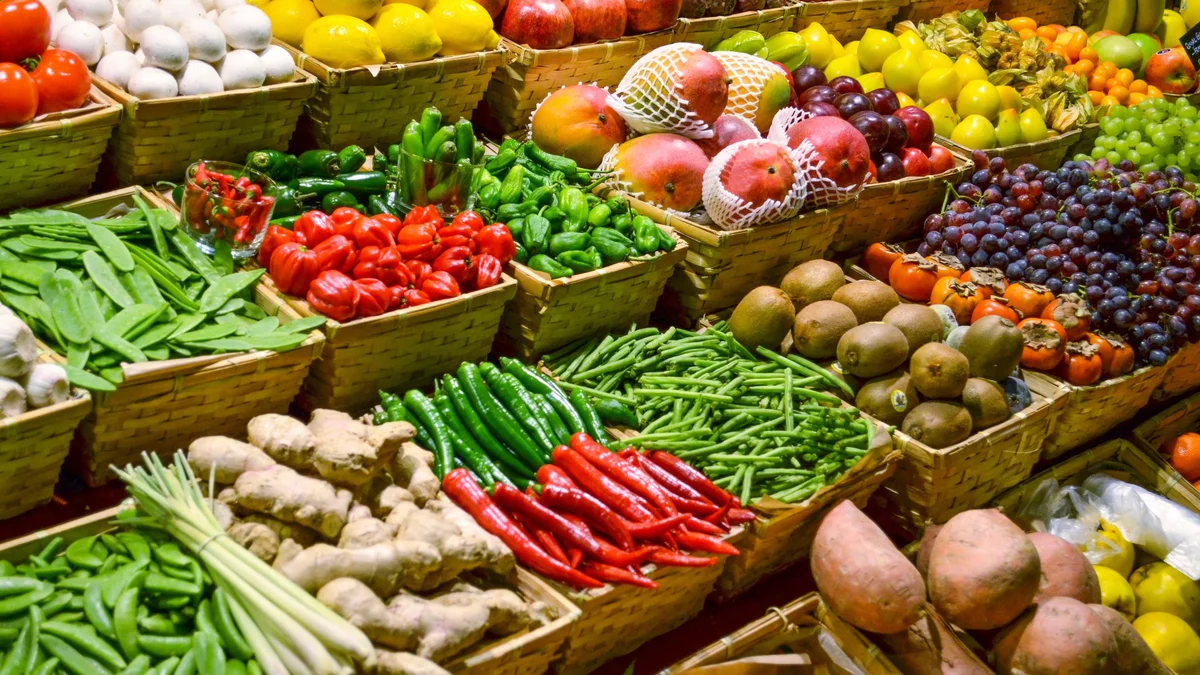
Costs below are typical daily ranges per person, excluding your stay.
| Category | Budget | Mid-Range | Comfort |
|---|---|---|---|
| Food | 30 euros | 55 euros | 90 euros |
| Transport | 3 euros | 7 euros | 15 euros |
| Attractions | 15 euros | 25 euros | 40 euros |
| Total per day | 48 euros | 87 euros | 145 euros |
Practical Tips for Rome

- Book the Colosseum, the Vatican Museums, and the Galleria Borghese before you arrive. All three sell out in peak season.
- Carry the same ID you used for booking, because Colosseum and Pompeii tickets are nominative and staff check ID at entry.
- Cover shoulders and knees for churches, including St Peter Basilica and the Vatican Museums. A light scarf works well in summer.
- Drink from the public drinking fountains, the nasoni, which give free drinking water across the city.
- Visit state museums free on the first Sunday of the month, and arrive early.
- Watch for pickpockets on crowded buses, at Termini station, and around the Trevi Fountain. Keep bags in front and valuables inside.
- Validate paper transport tickets before you board. Inspectors fine passengers with unvalidated tickets.
- Wear shoes with good grip. The Forum, the Appian Way, and the cobbled streets of the centre are uneven.
- For prayer, visit the Grand Mosque of Rome, the Moschea di Roma, at Viale della Moschea 85, 00197. The mosque, inaugurated on 21 June 1995, is the largest mosque in the western world and is open to visitors on Wednesday and Saturday mornings. Visits are not possible during Ramadan, Muslim holidays, Italian public holidays, or normally in August. Contact the mosque on 06 8082258 to confirm current visiting conditions before you go. Dress modestly for the visit. Reach the mosque on the Roma Nord train from Flaminio station to Acqua Acetosa or Monte Antenne, or by bus.
Map

See the sights on the map: Rome on Google Maps.
Conclusion
Rome is a city that rewards planning and patience in equal measure. Book the big three sights early, walk the centre, and leave room for the streets you did not plan. The Colosseum, the Vatican, and the Trevi Fountain are worth every expectation, and the quiet corners of Trastevere and the Appian Way will stay with you long after the trip ends.
The Colosseum, the Roman Forum, and Palatine Hill belong to one morning, and the Vatican Museums, the Sistine Chapel, and St Peter Basilica belong to another. Between those two anchors, the Trevi Fountain, the Pantheon, Piazza Navona, the Spanish Steps, and Castel Sant’Angelo all sit within walking distance, and Trastevere and the Appian Way give the quieter hours that balance the big sights.
April to June and September to October bring mild weather and long days, while July and August bring heat and crowds and winter brings the lowest prices. Walk the historic centre, where most sights sit within 30 minutes of each other on foot, and use Metro line A for the Spanish Steps and the Vatican and line B for the Colosseum and Termini. Book the Colosseum, the Vatican Museums, and the Galleria Borghese before arrival, since all three sell out in peak season.
The Centro Storico, around the Pantheon and Piazza Navona, puts most sights within walking distance, Prati suits a Vatican focused trip, Trastevere suits travellers who want a neighbourhood feel, and Termini suits budget travellers and day trips by train. If a fourth day is free, Tivoli sits about 30 kilometres east, with the Villa d’Este gardens full of fountains and the vast country estate of Hadrian Villa.
FAQs
How many days do you need in Rome?
Three days cover the highlights: ancient Rome, the Vatican, and the historic centre. Five days add the Appian Way, the catacombs, and a day trip to Tivoli or Ostia Antica.
Is Rome expensive to visit?
Rome suits every budget. Many sights are free, including the Trevi Fountain, Piazza Navona, and the Appian Way. A budget traveller can manage on about 48 euros a day excluding a stay, while a mid range traveller spends about 87 euros a day.
What is the best time to visit Rome?
April to June and September to October offer the best mix of mild weather and manageable crowds. Summer is hot and crowded. Winter is cool and quiet, with the lowest prices.
Do you need a car in Rome?
No. Walk in the historic centre and use the Metro and buses for longer distances. A car adds parking costs and stress in the centre. For day trips, trains and buses cover Tivoli, Ostia Antica, and Naples.
Is Rome good for families?
Yes. The Colosseum, the catacombs, the Appian Way, and the Villa Borghese gardens all suit children. Book tickets online to skip queues, plan one big sight per half day, and build in park time at Villa Borghese.
Where can you find halal food in Rome?
Halal restaurants cluster near Termini station and near the Vatican. Termini Halaal Food and Peri Peri Grill sit near Termini, and Nababi sits in Prati near the Vatican.
Can you visit the Vatican Museums and the Colosseum in one day?
Yes, but it is a long day. Book the Vatican Museums for the morning and the Colosseum for the late afternoon, or split them across two days. The two sites sit about 4 kilometres apart, and the Metro connects them through Termini.
